


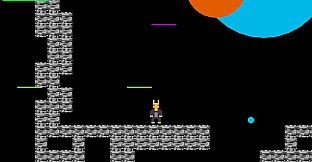
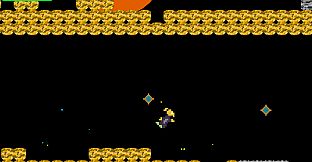
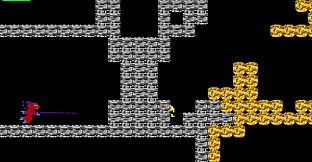
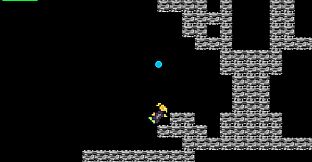
Pleiades Zero is a single-player 2D maze-puzzle platformer that places players in control of Beiling, a traveler navigating the Pleiades star cluster. The story follows a path across seven stars, each associated with one of the Seven Sisters, as the protagonist seeks a truth that challenges personal reality. Developed for PC in genres that include strategy, indie, RPG, casual, adventure, and early access, the title emphasizes precise movement and spatial problem-solving over traditional combat or narrative branches.
Gameplay
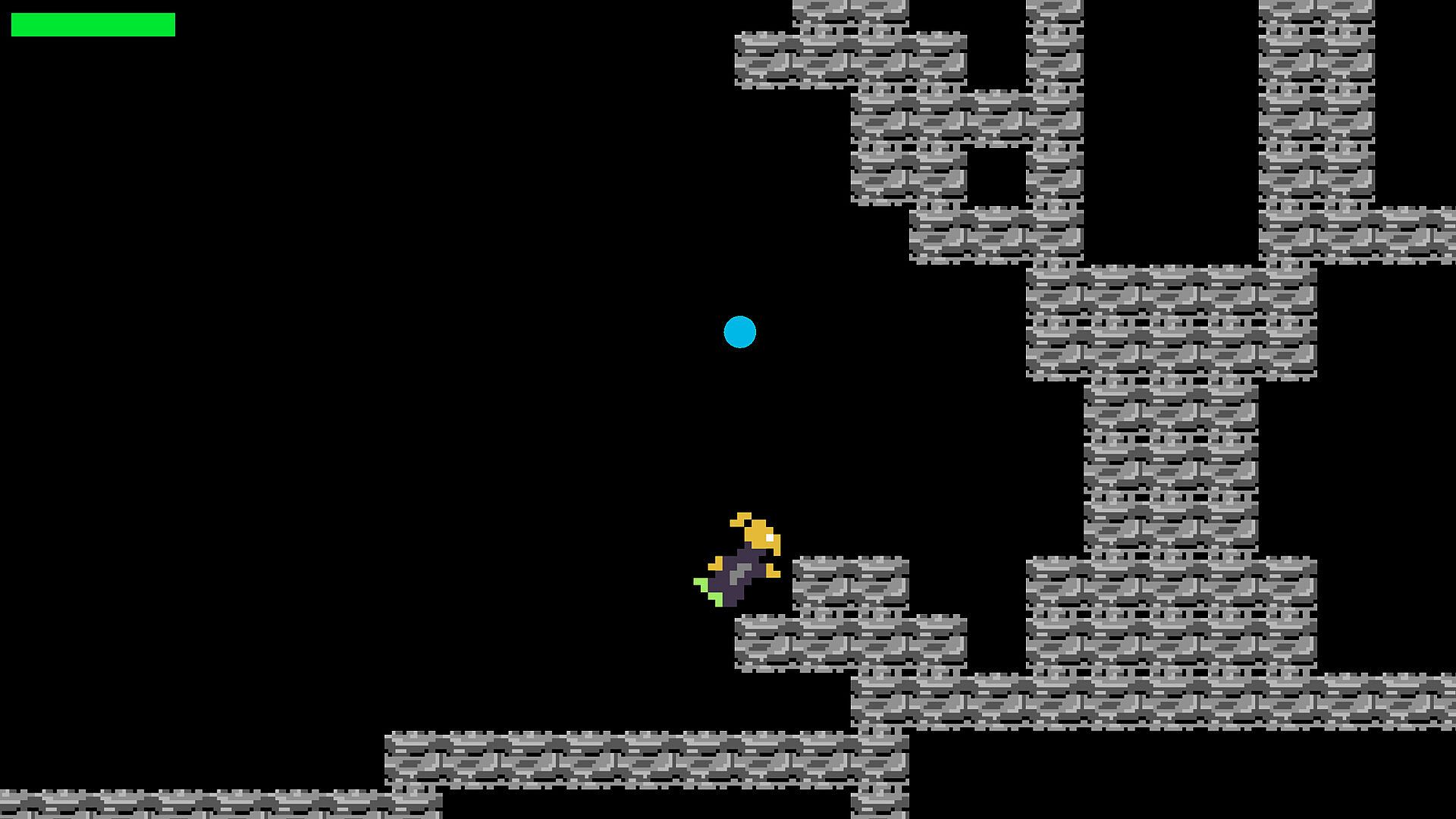
The core loop revolves around traversal that treats every surface as a potential launch point. Floors, walls, and ceilings reset the jump mechanic, allowing players to chain momentum across chambers that function as three-dimensional puzzles solved through foot placement and timing. This system turns navigation into a continuous flow of bounces and adjustments rather than segmented leaps.
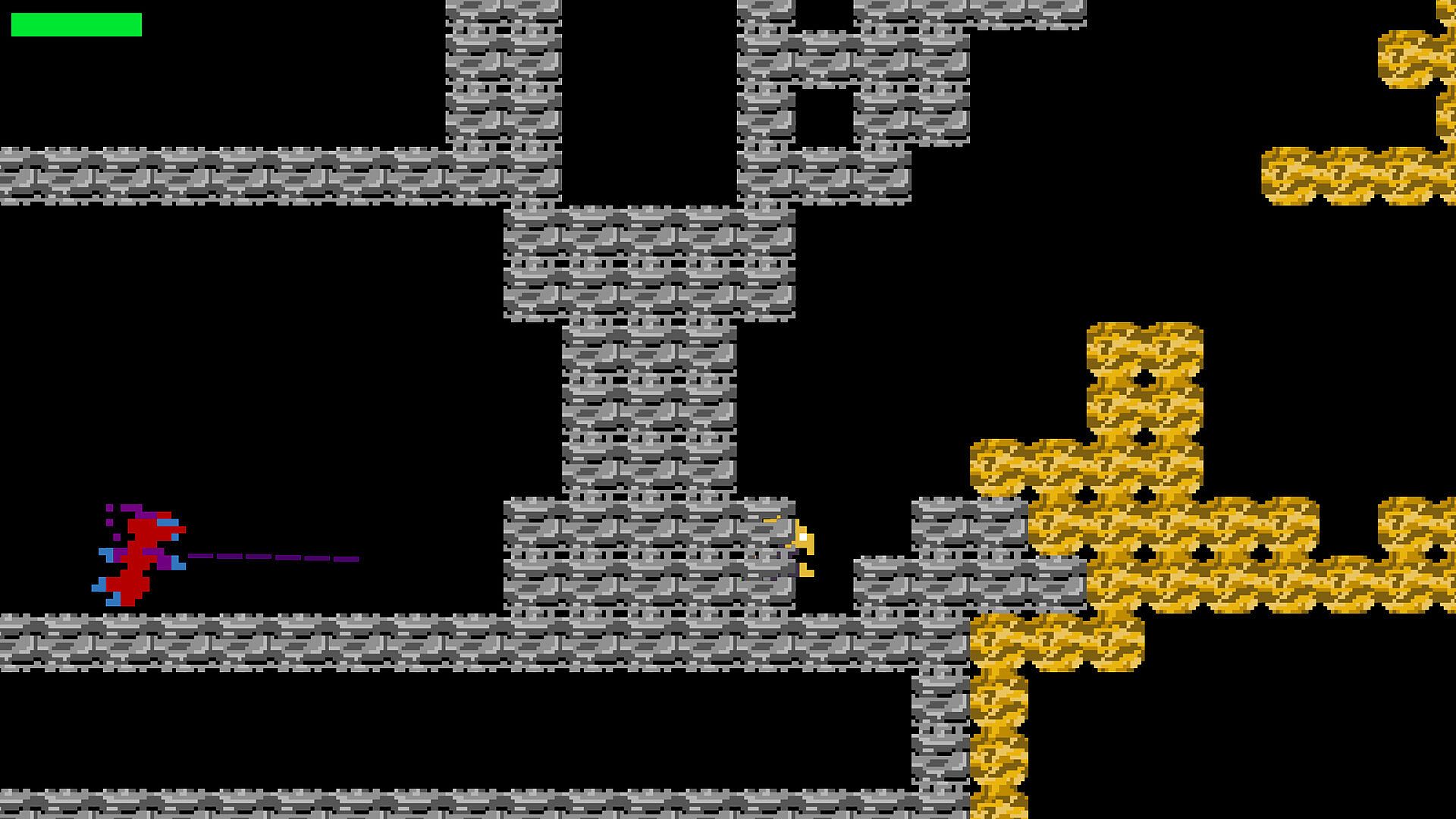
Combat integrates directly into movement with two primary tools. The laser whip delivers attacks in close range while the laser shield provides defensive options against threats. Encounters require players to alternate between striking and blocking within the same momentum-driven sequences used for exploration. Levels combine these elements with spatial puzzles that demand careful positioning and repeated attempts to master routes.
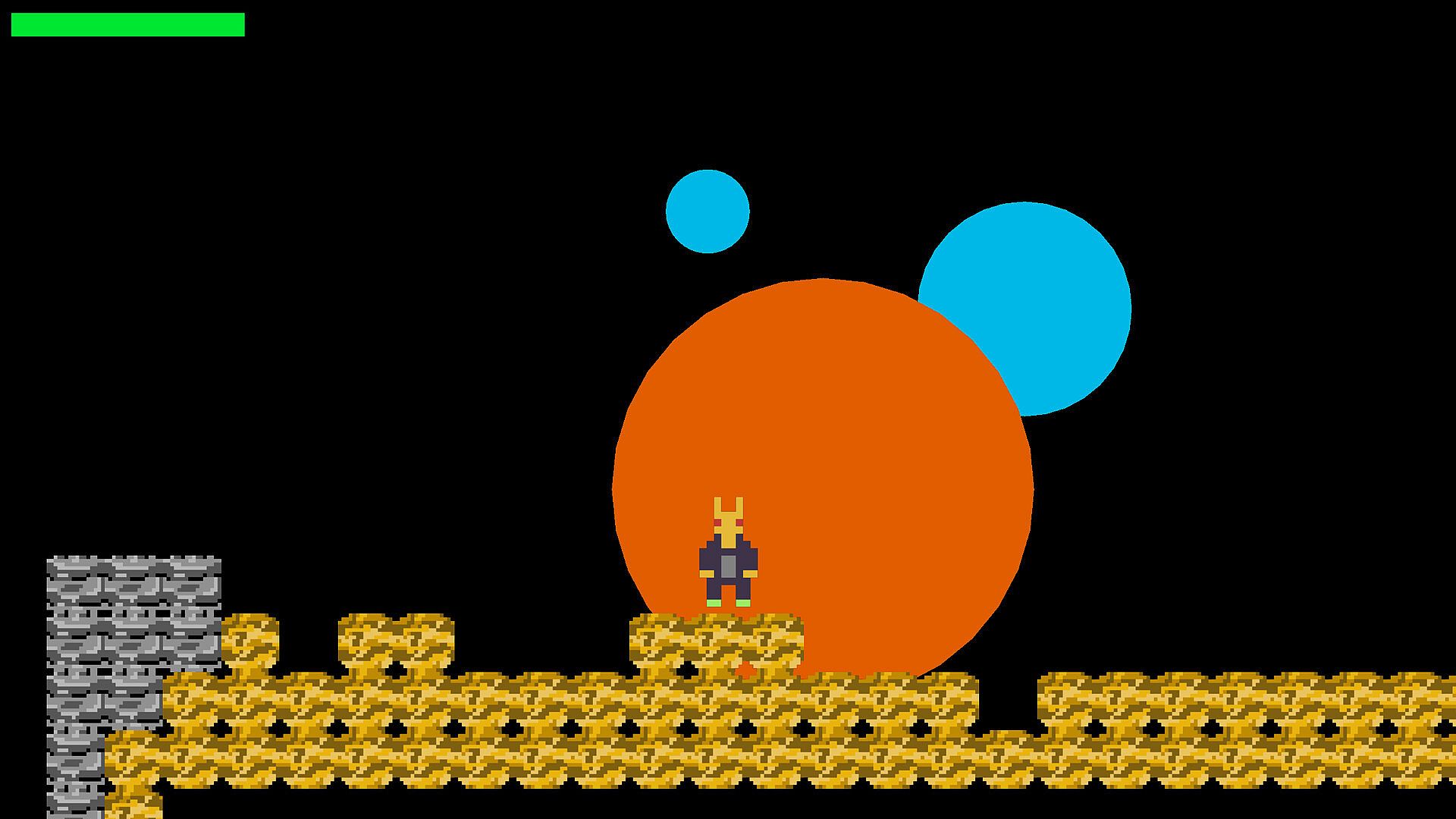
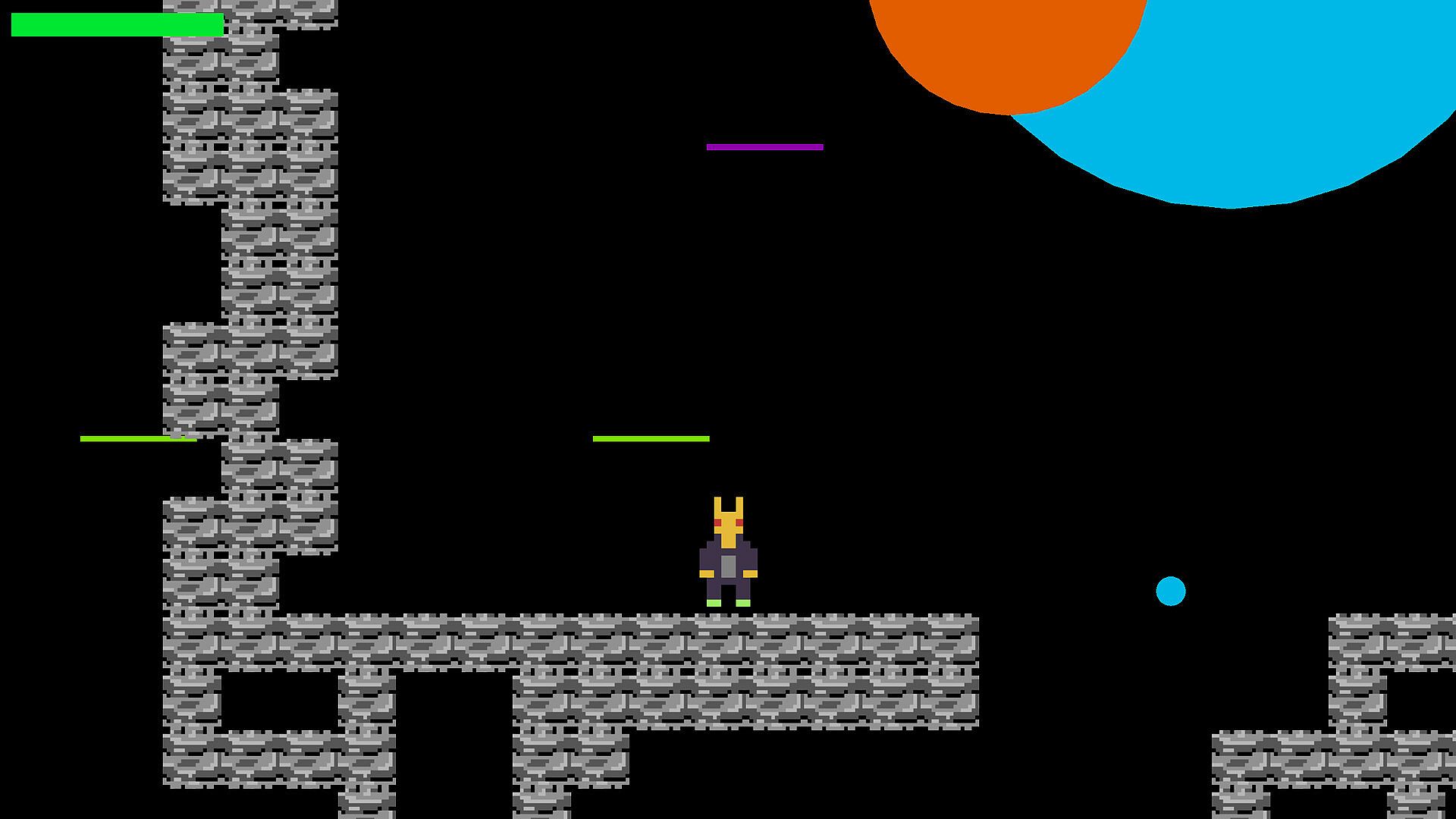
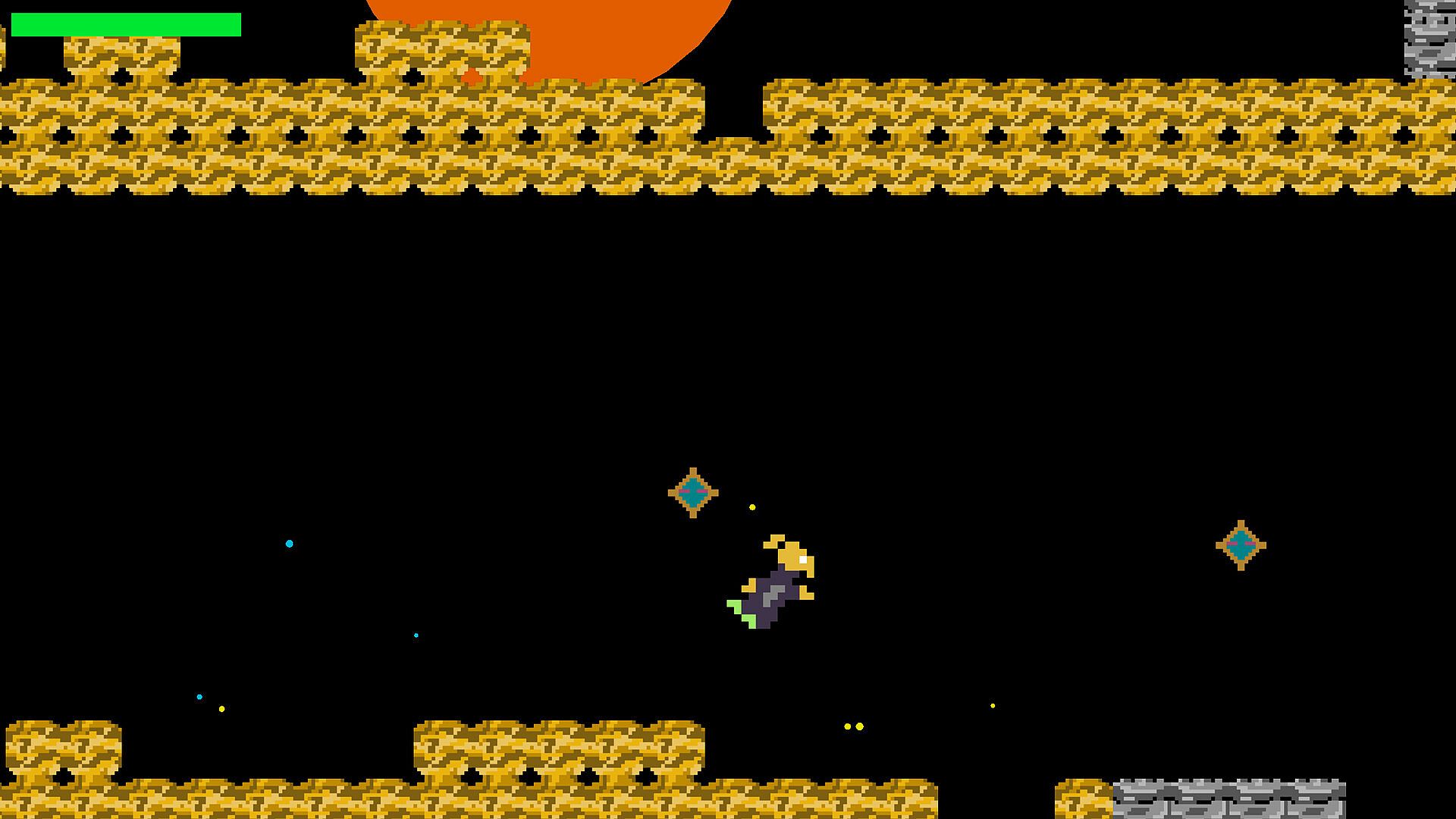
Visual presentation uses chunky pixel art against minimalist alien skies, creating a retro aesthetic that highlights the geometry of each chamber. The journey spans seven distinct stars, with each section introducing new challenges tied to the overarching narrative of uncovering universal truths.
Game Modes
Pleiades Zero operates entirely as a single-player experience without separate multiplayer or competitive modes. The main structure follows the sequential progression through the seven stars, where each star presents interconnected chambers focused on the same traversal, combat, and puzzle mechanics. Players advance by solving these self-contained yet linked environments at their own pace.
Progression builds on the surface-jump system and two-button combat rhythm, with no additional game modes such as endless runs, versus play, or cooperative sessions confirmed at this stage. The design keeps all activity centered on the solo journey toward the seventh star and its revelations.
Story and Setting
The narrative unfolds across the Pleiades cluster, where each star is ruled by one of the Seven Sisters. Beiling's path serves as both physical climb and philosophical inquiry, with the final destination promising to alter fundamental beliefs about reality. Environmental storytelling through the minimalist skies and retro visuals supports this theme without relying on extensive dialogue or cutscenes.
Controls remain straightforward to support the focus on momentum and precision. Movement uses A and D keys, jumping resets on any surface contact via the W key, while mouse buttons handle the laser whip and shield. This setup keeps attention on spatial awareness rather than complex input sequences.
Is It Worth Playing?
The game enters early access in August 2026 with plans to expand levels, enemy variety, puzzle complexity, and overall polish through community input. Current plans indicate a stay in early access until the full seven-star journey reaches completion, potentially around late 2027. The core mechanics of surface-contact jumping and integrated whip-and-shield combat are already playable in the initial version.
This title suits players who enjoy deliberate platforming that rewards experimentation with movement and timing. Those drawn to retro pixel art styles combined with puzzle-solving in confined spaces will find the single-player structure aligns with that preference. Early access buyers gain access at the lowest price point while contributing to balance and level refinements.
With no user reviews available prior to release, expectations center on the verified features of momentum-based traversal and two-button combat within a compact indie package. The absence of multiplayer options or additional modes keeps the experience tightly focused on the described journey.