















Pix the Cat is an action indie arcade game developed by French studio Pastagames and released on PC in 2015. Players control a cat named Pix through maze-like environments where the core loop revolves around collecting and managing a growing line of ducklings while navigating obstacles.
Gameplay
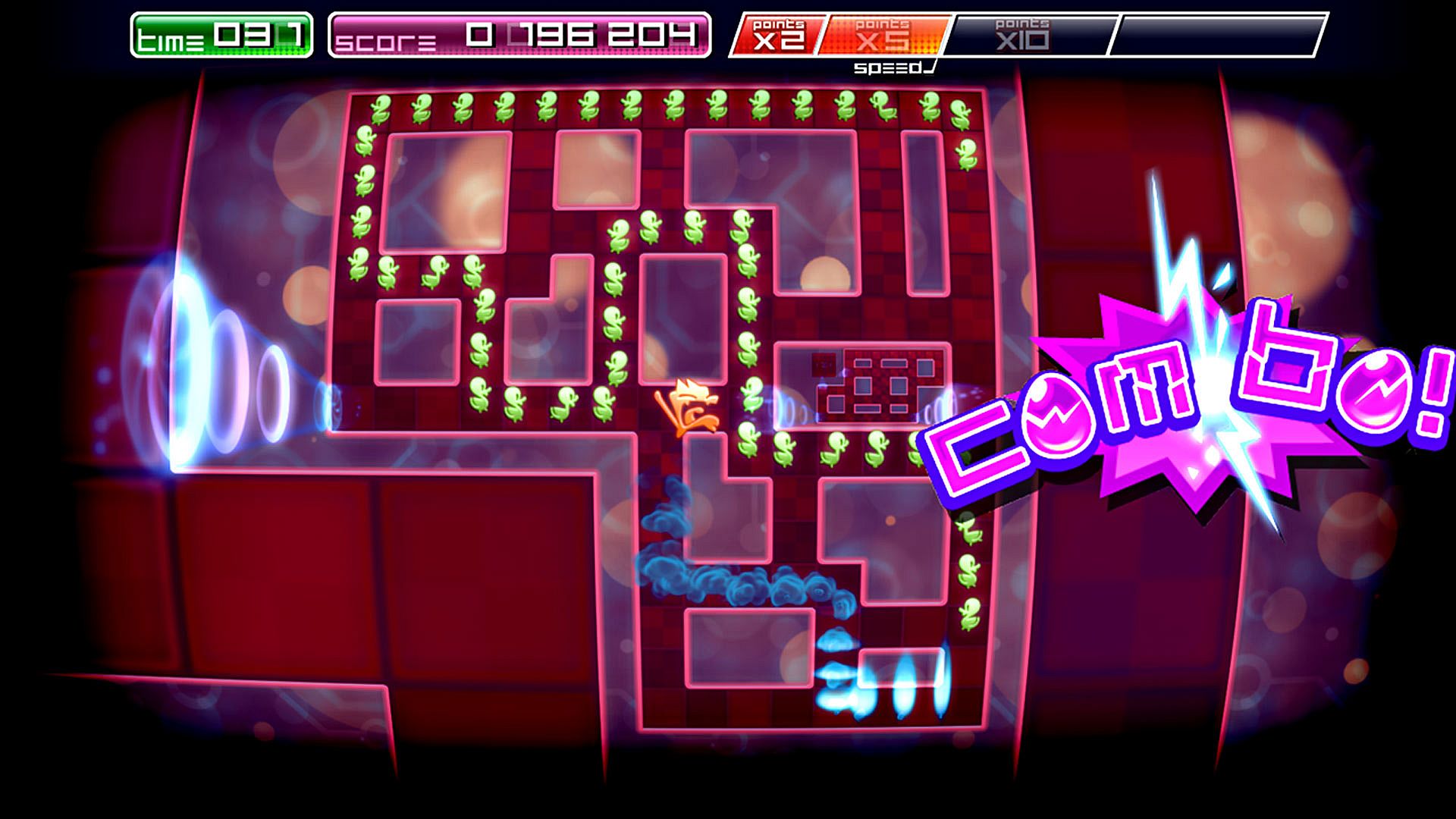
The central mechanic draws from classic snake-style movement combined with collection and delivery tasks. Pix moves through nested grid levels known as the Grid of Infinity. Eggs hatch into ducklings that attach to Pix in a trailing line. The player must guide this expanding chain to circular targets to release the ducklings safely. Collisions with walls or obstacles end the run immediately, demanding precise timing and path planning as the tail lengthens.
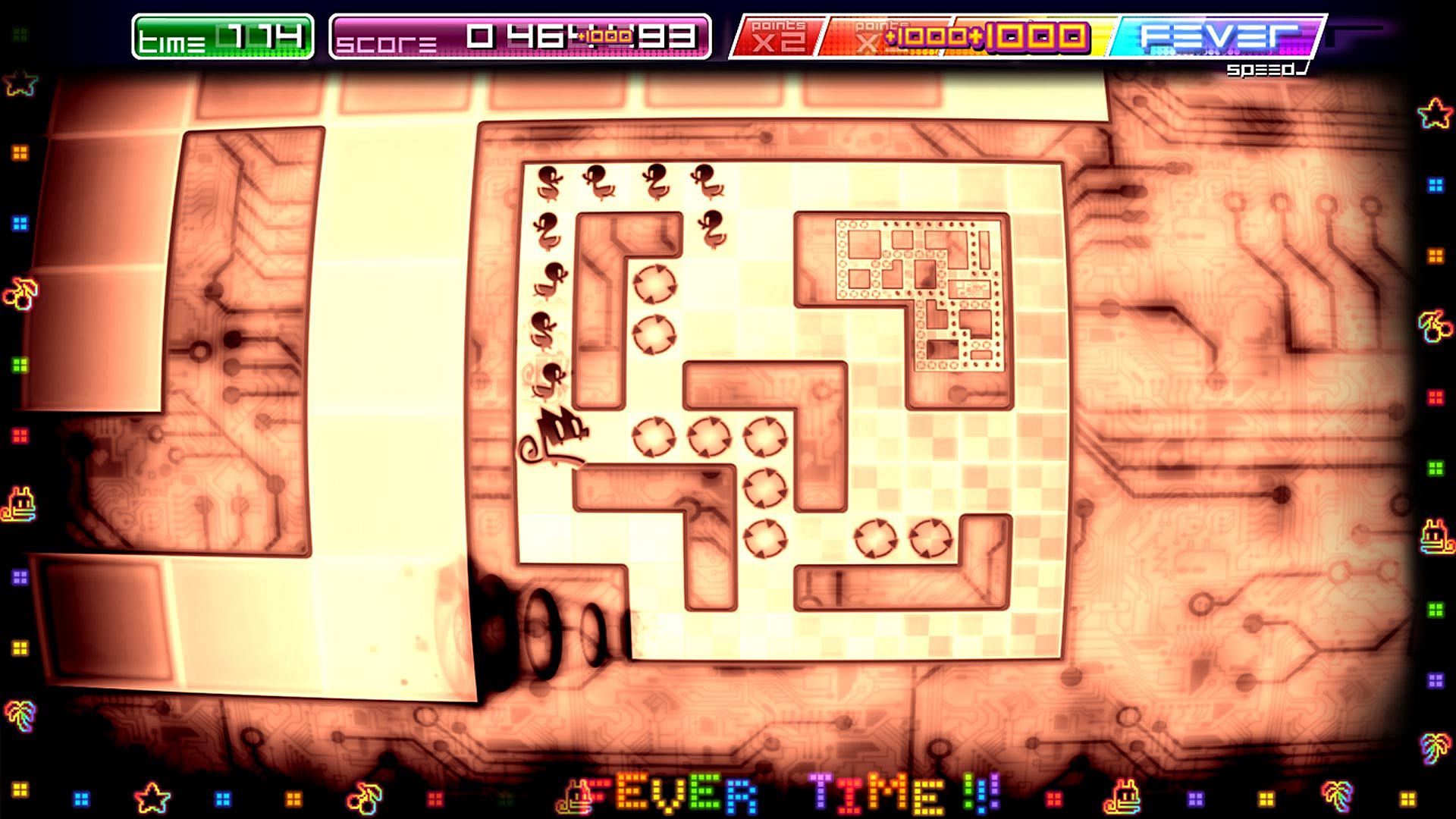
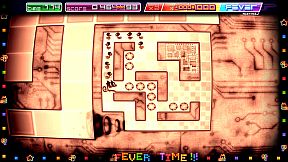
Levels feature tight spaces and branching paths that reward efficient routing. Faster sections emphasize quick reflexes to maintain momentum without crashes, while others shift toward deliberate positioning to avoid hazards during collection. The visual style shifts between vibrant digital aesthetics and retro-inspired designs depending on the chosen mode, accompanied by pulsing electronic tracks that heighten the tension during extended runs.
Game Modes
Arcade mode serves as the primary endless-style experience. Players advance through flashy digital levels, focusing on high scores by chaining collections and deliveries under time pressure. The mode supports global leaderboards for competitive play against others worldwide.
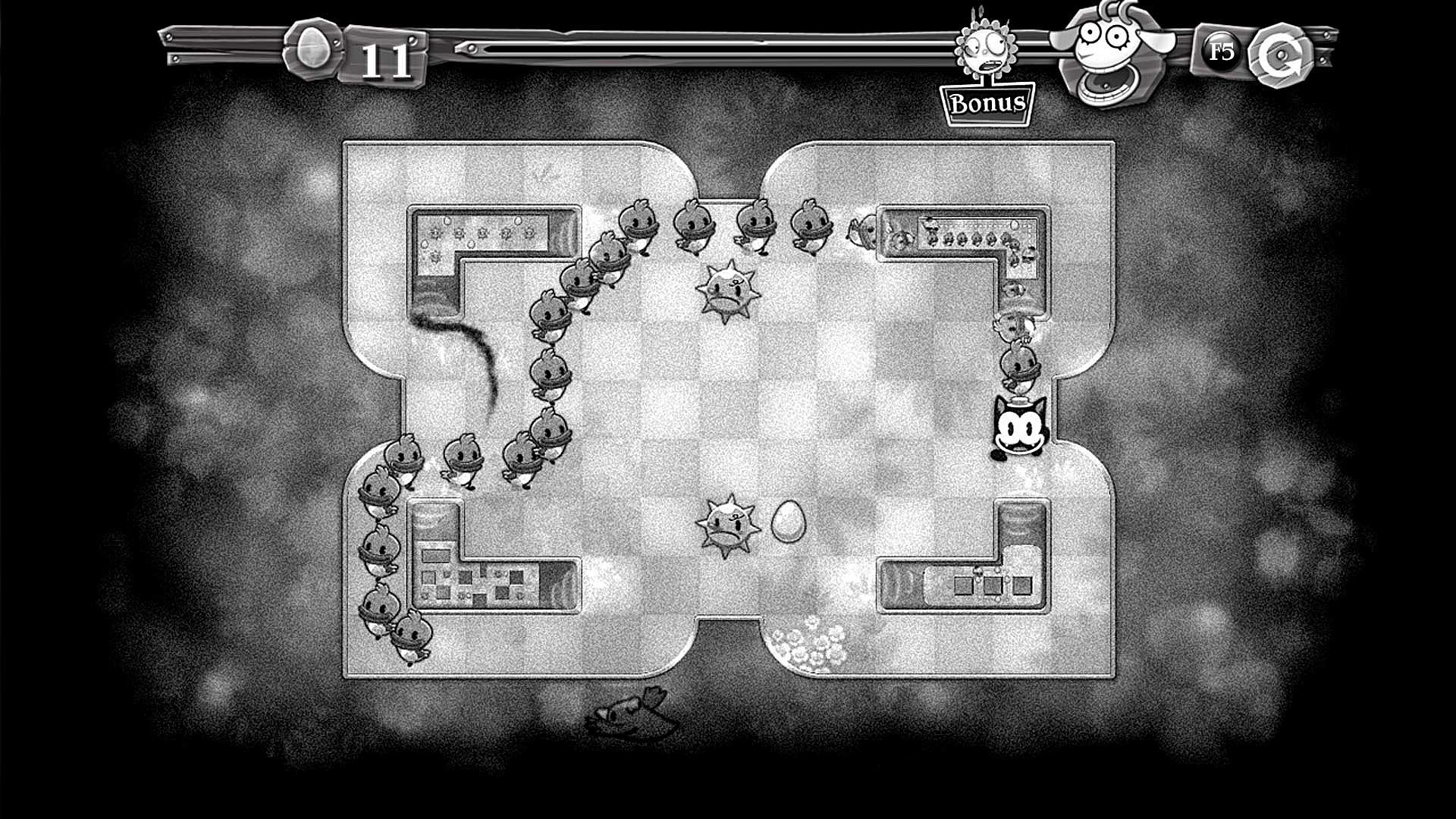
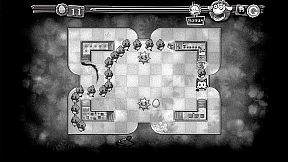
Nostalgia mode presents 70 distinct levels with black-and-white cartoon visuals reminiscent of early animation eras. Each stage introduces fresh skill-based challenges that build on the base mechanics, often incorporating surprise elements or altered layouts to test adaptability.
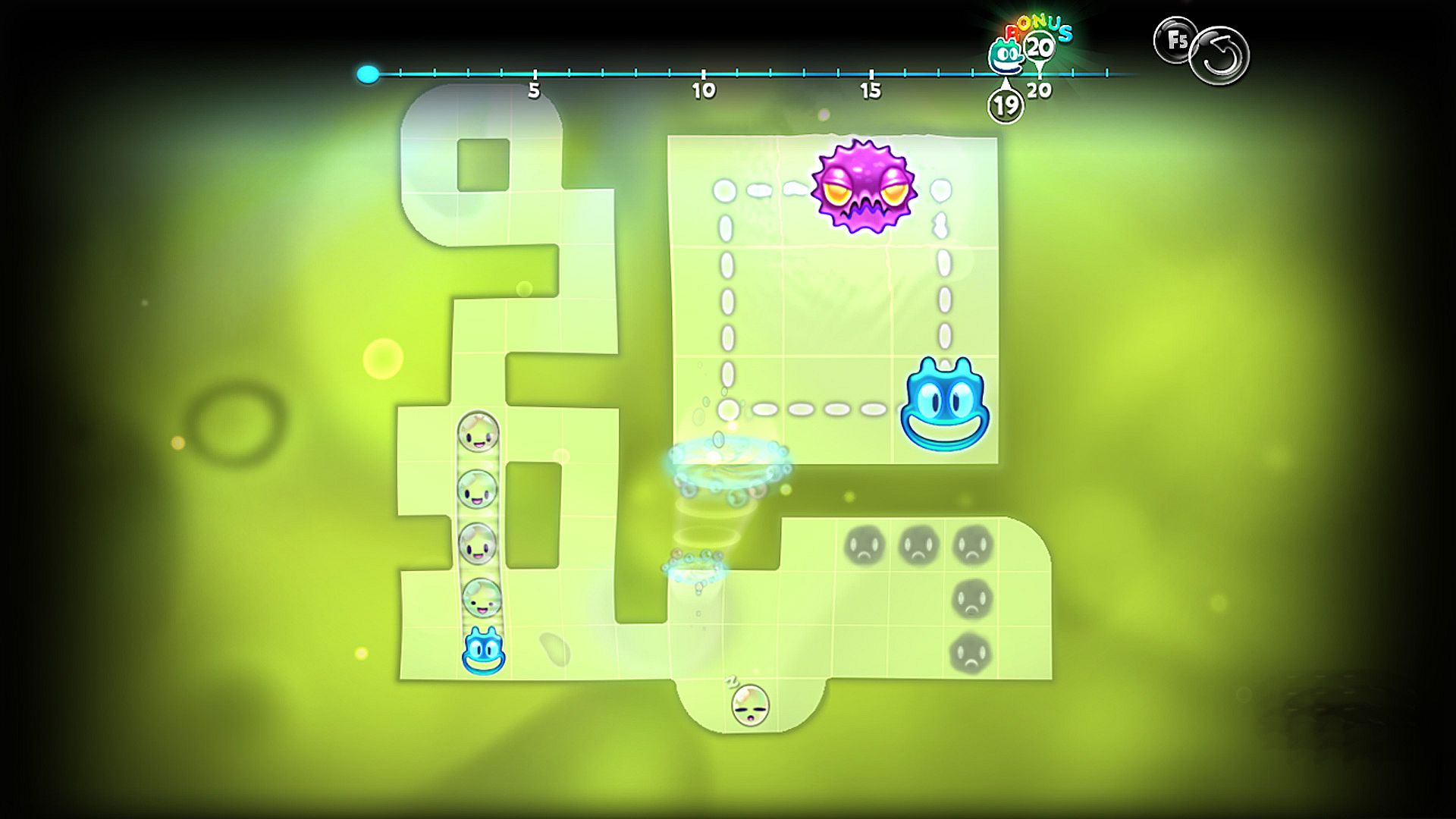
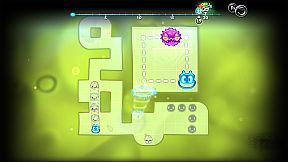
Laboratory mode transforms the experience into a puzzle-oriented challenge across numerous stages. Success depends on minimizing the total number of moves while still collecting items and avoiding dangers. Players aim for efficiency to earn a bonus stamp on each attempt.
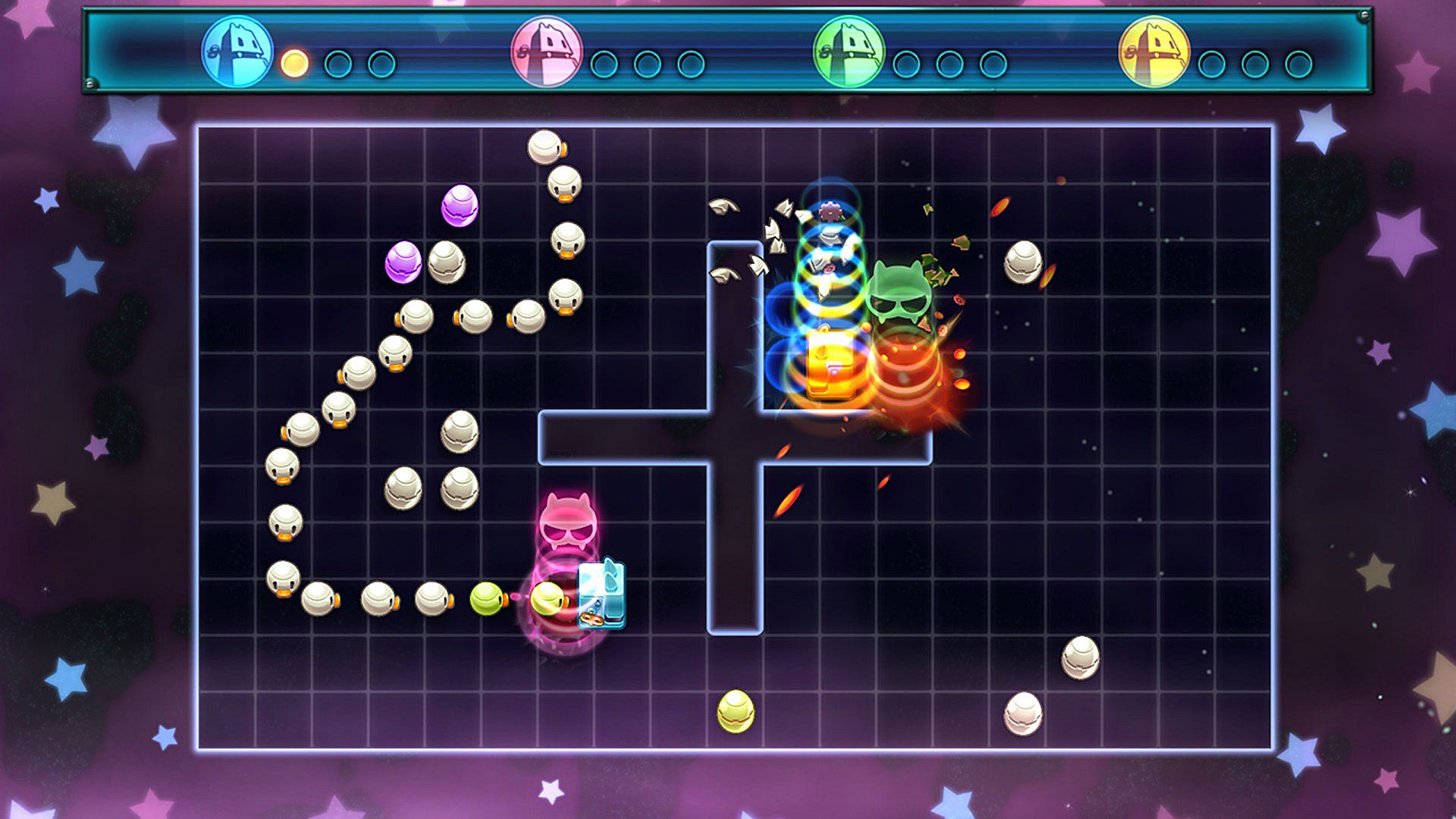
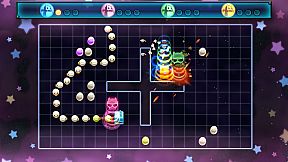
Local battle mode allows up to four players to compete simultaneously on the same screen using separate PixBots. This head-to-head format emphasizes direct rivalry in shared arenas without online connectivity requirements.
Core Mechanics and Progression
Progression occurs through repeated attempts at deeper nested levels, where mastery of tail management becomes essential. Early stages teach basic navigation, but later ones layer additional constraints such as moving obstacles or tighter timing windows. The game tracks performance metrics like score in arcade runs and move counts in laboratory stages, encouraging optimization across multiple playthroughs.
Controls remain straightforward with directional input for movement, yet the growing chain introduces increasing complexity that separates skilled players from beginners. No additional systems like upgrades or character customization appear in the verified design.
Is It Worth Playing?
Player reception on Steam stands at Very Positive based on 203 reviews, with praise centered on the addictive core loop and variety across modes. The game suits those who enjoy reflex-driven arcade titles with puzzle elements, particularly fans of high-score chasing or local multiplayer sessions. Its focused design delivers consistent challenge without extraneous features, making it a solid choice for short or extended sessions on PC. Availability remains straightforward through standard digital storefronts, and the absence of ongoing seasons or updates means the experience stays exactly as released in 2015. Those seeking precise, skill-intensive gameplay without modern live-service elements will find it rewarding.