















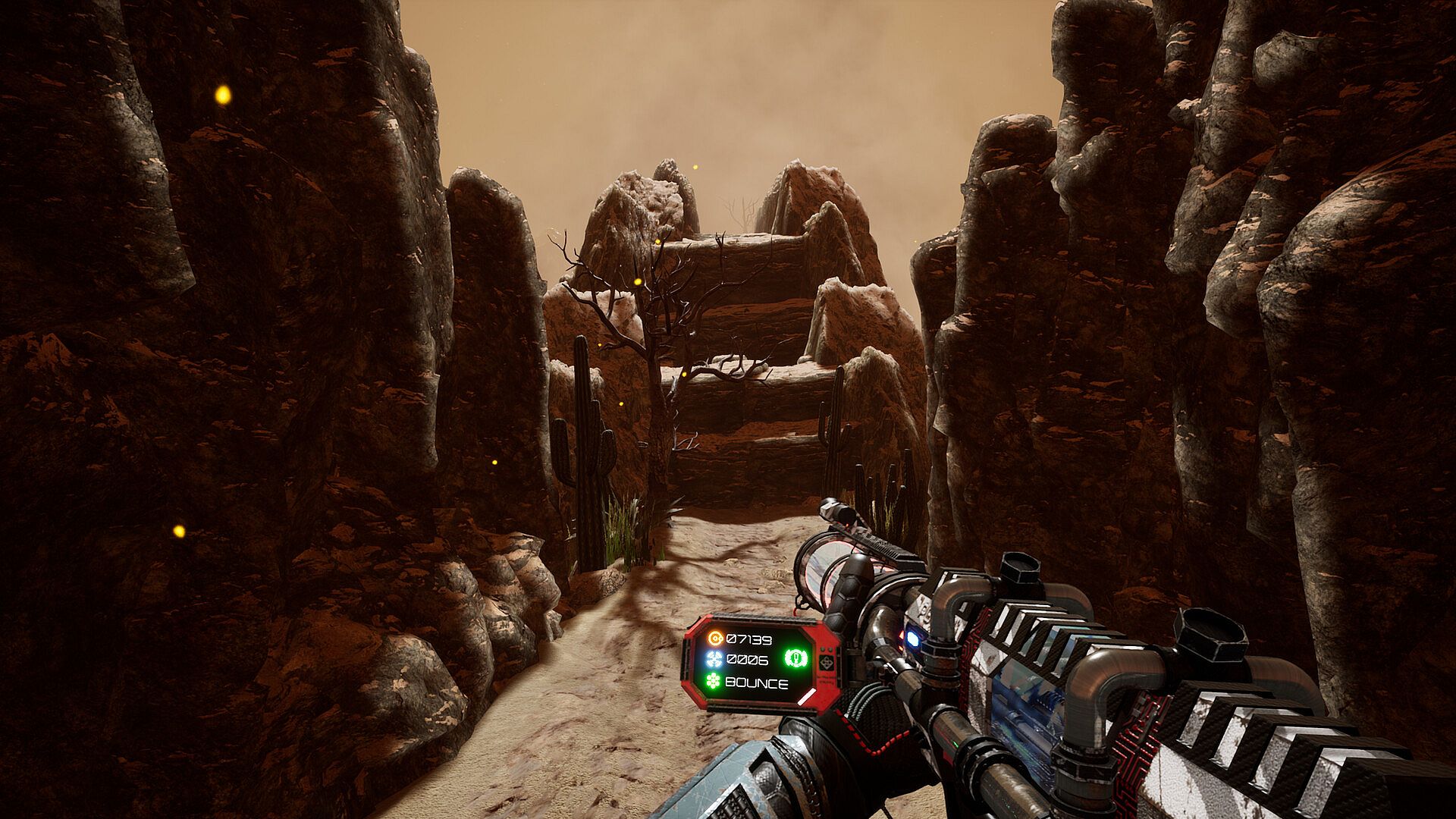

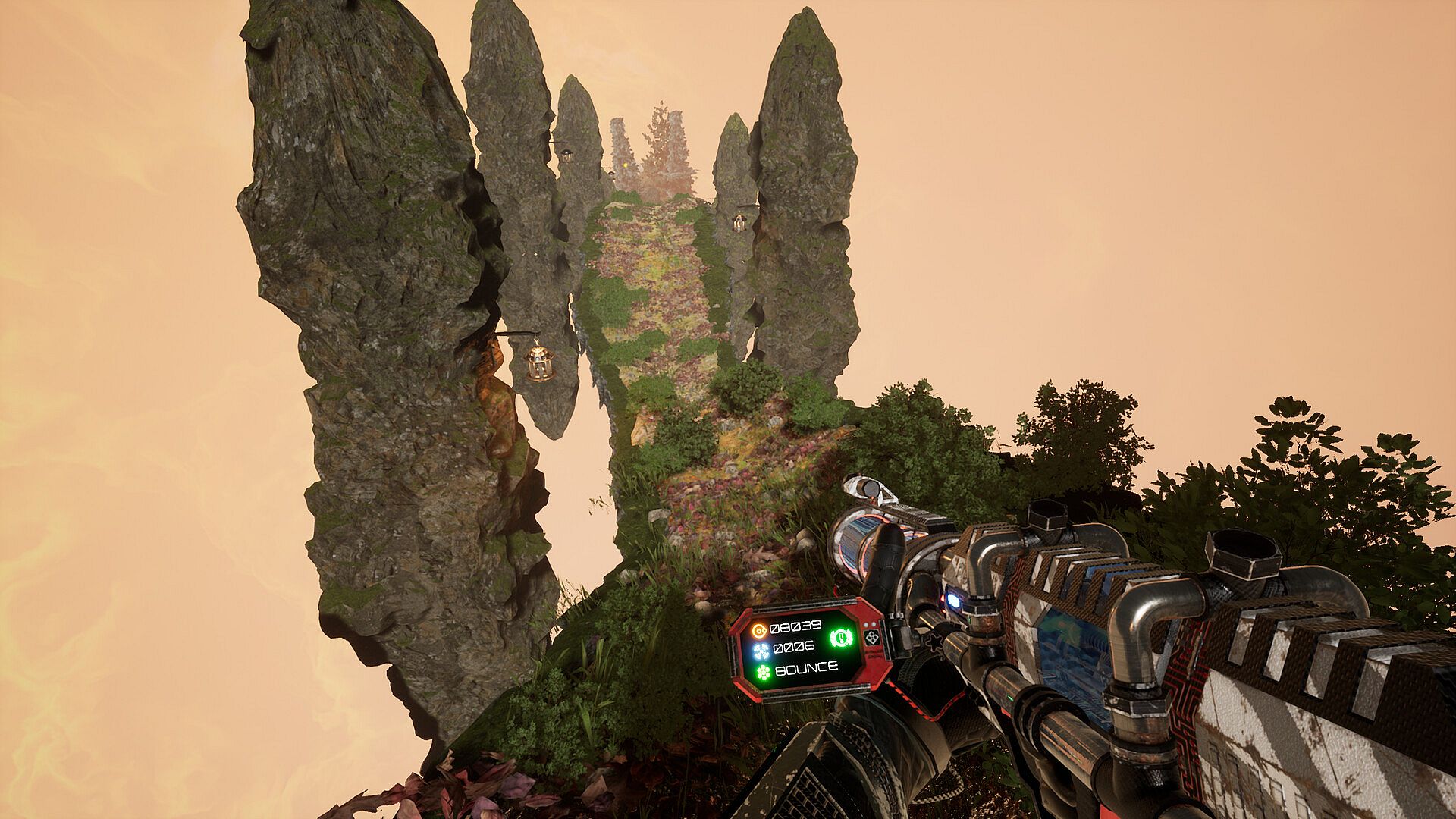
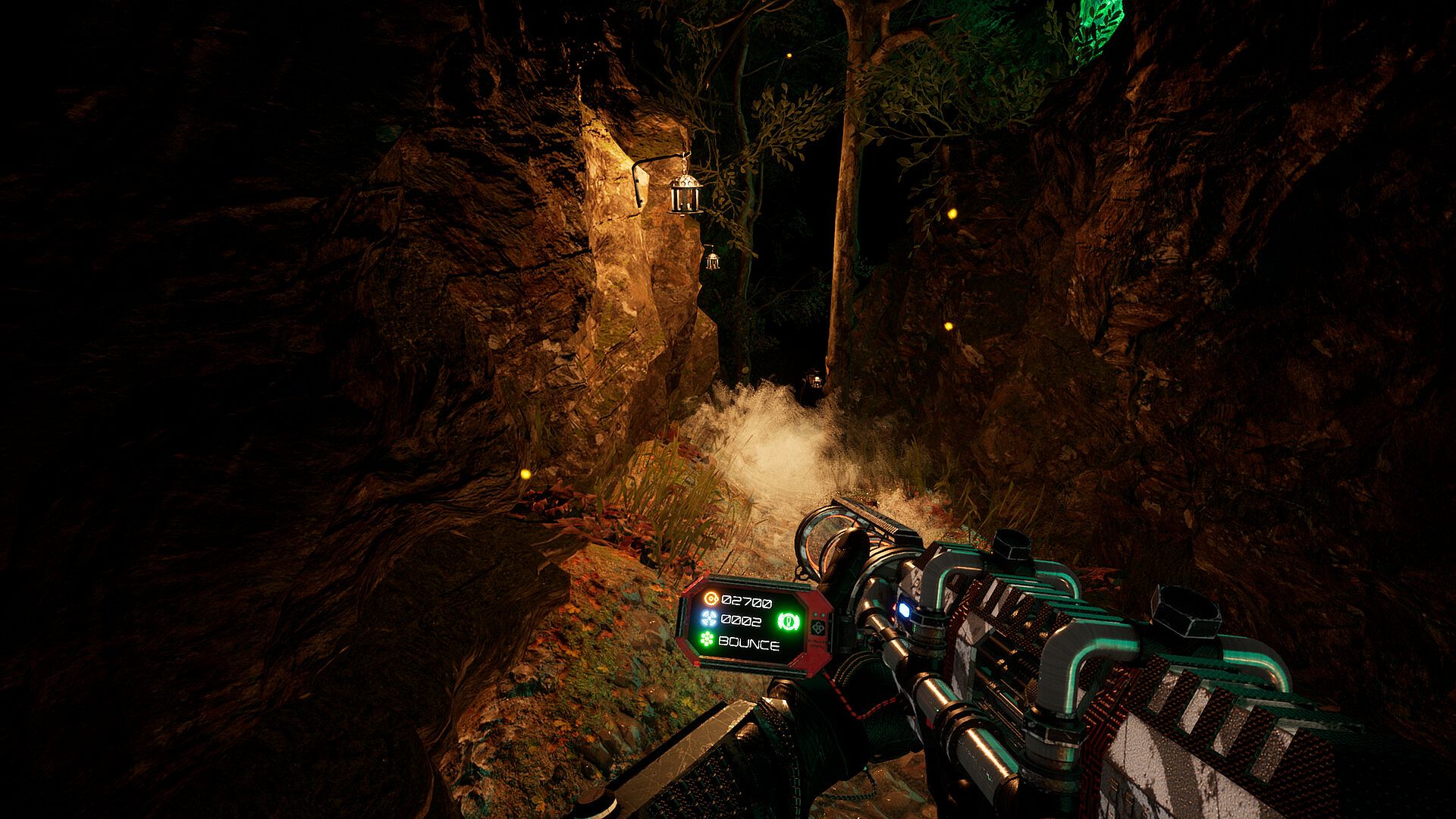

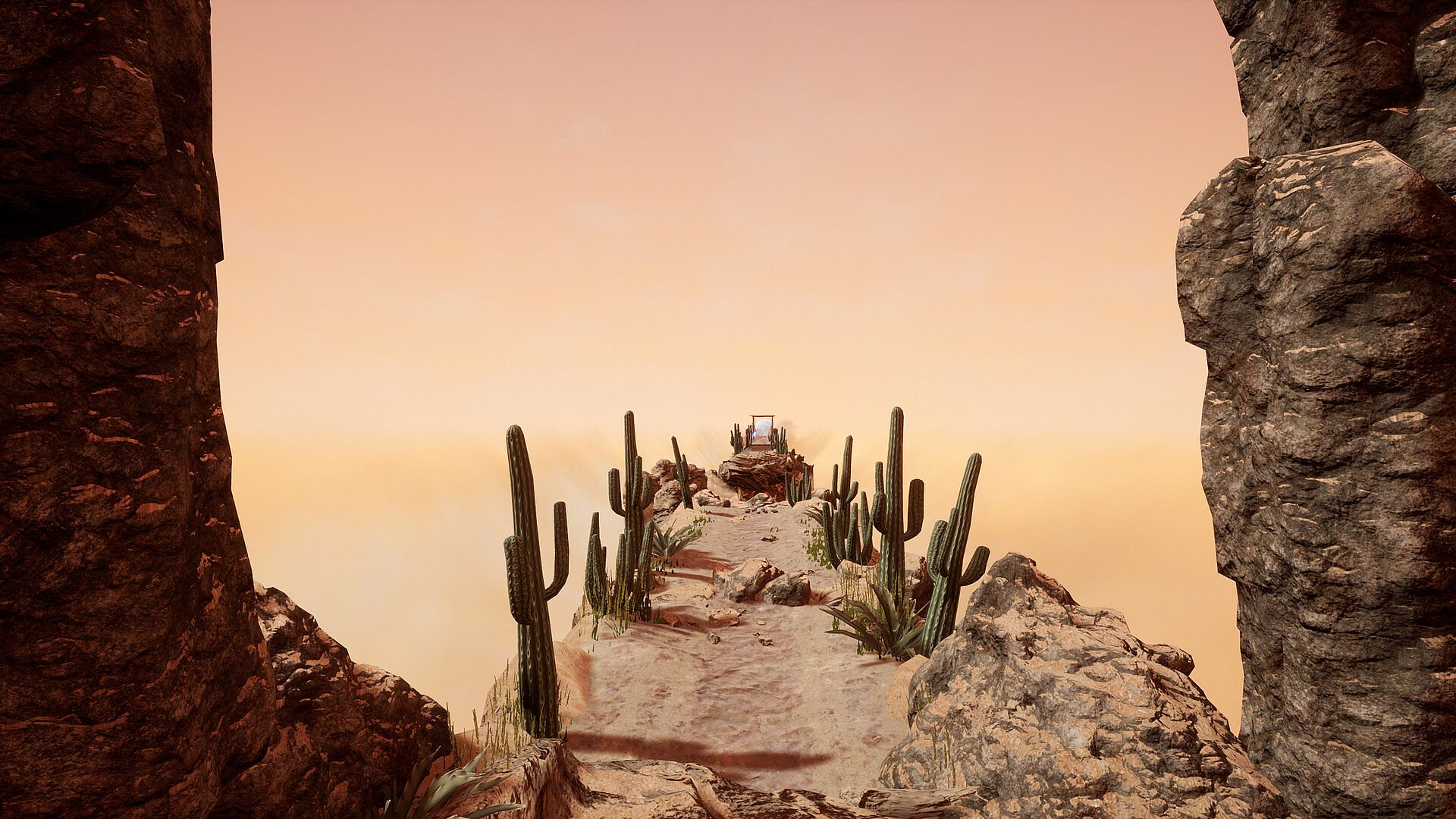
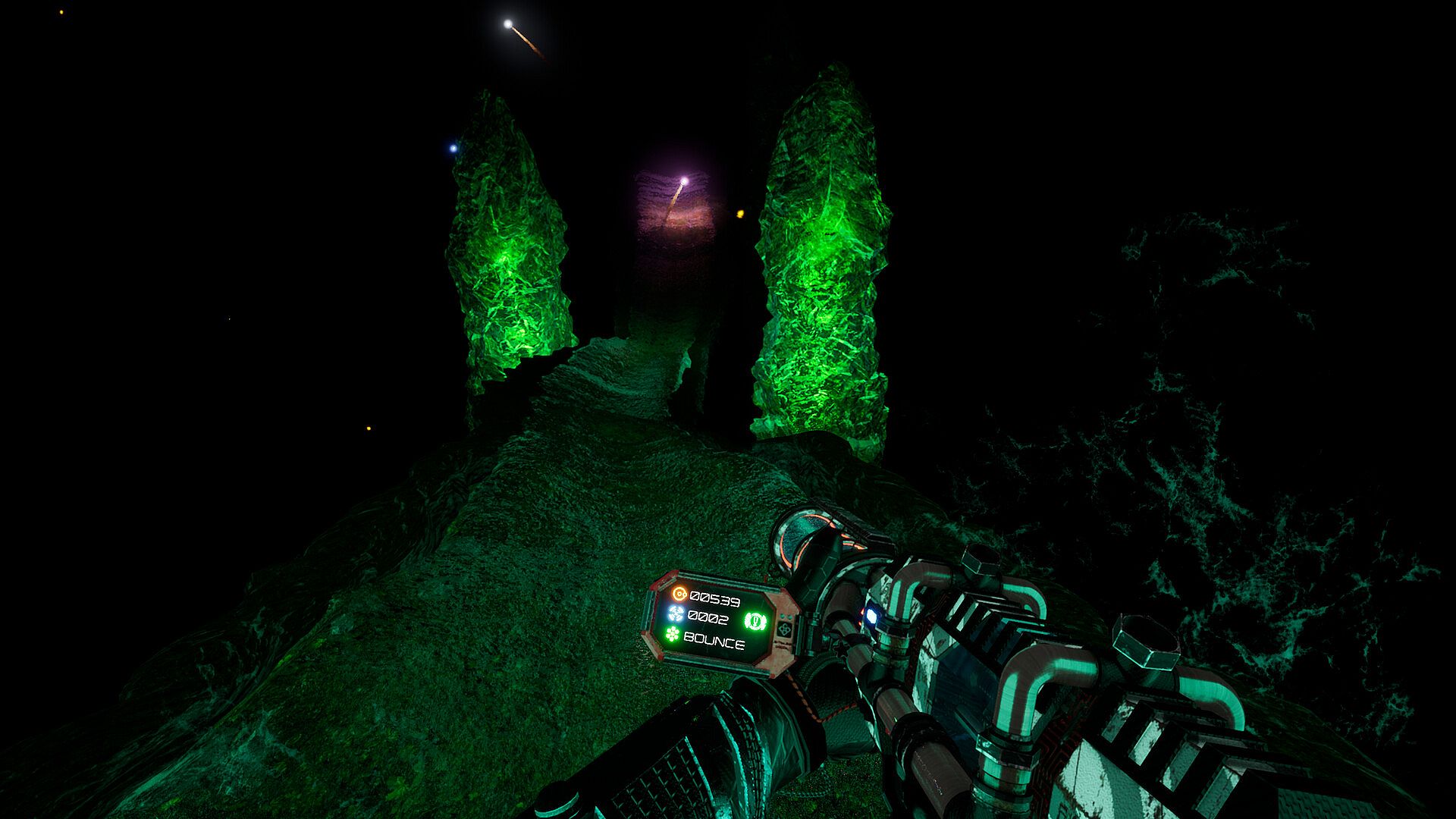
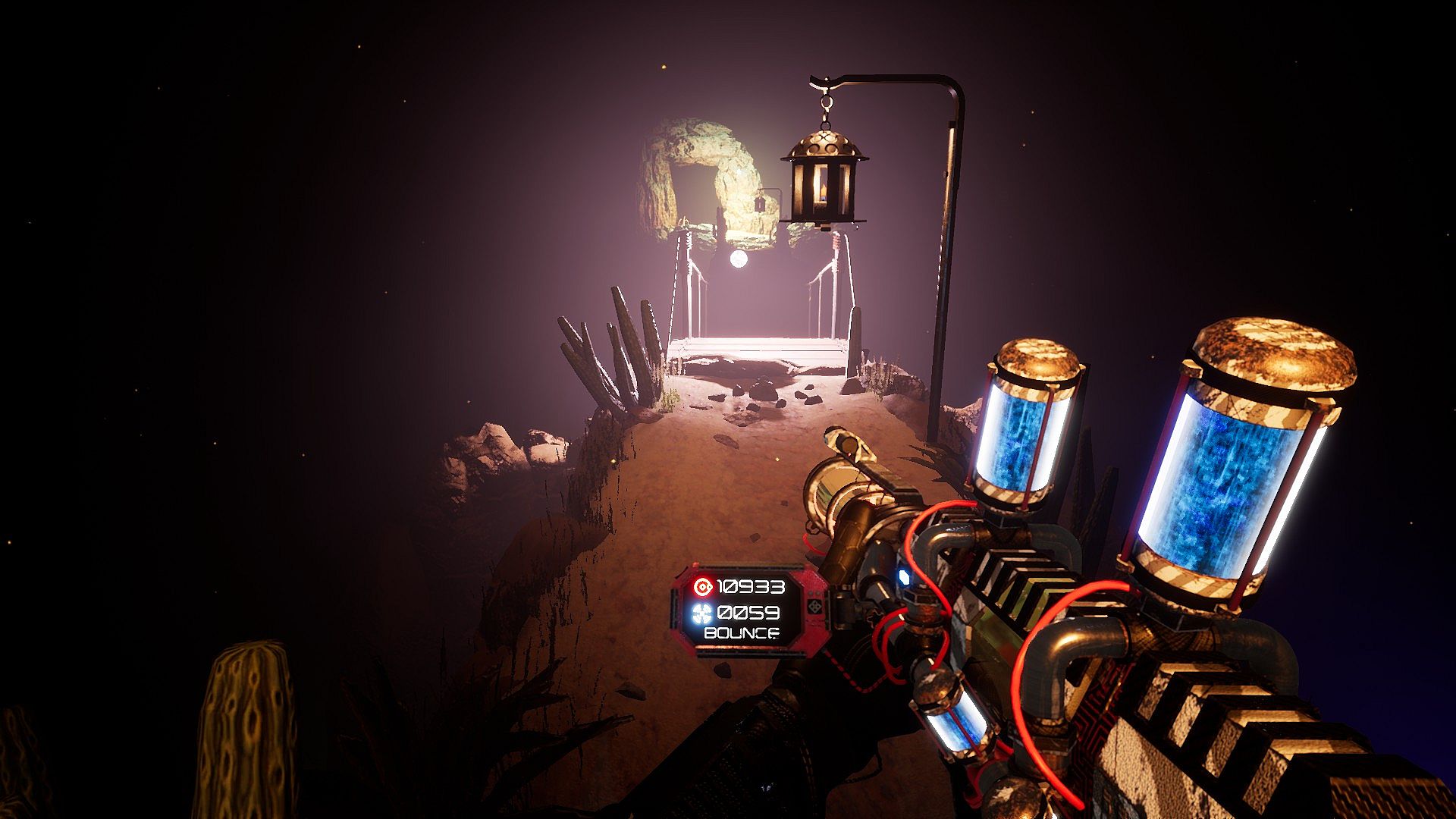
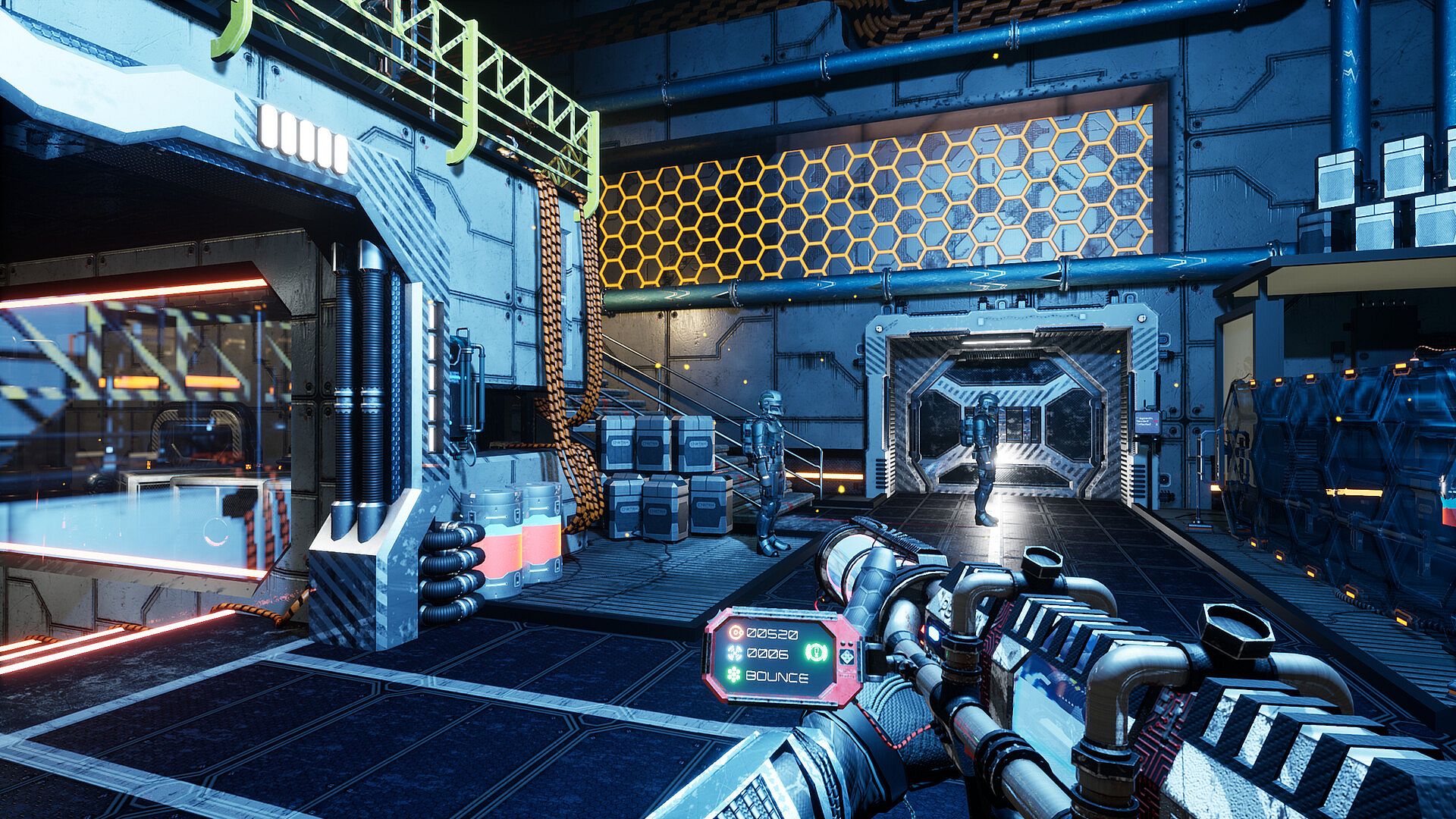
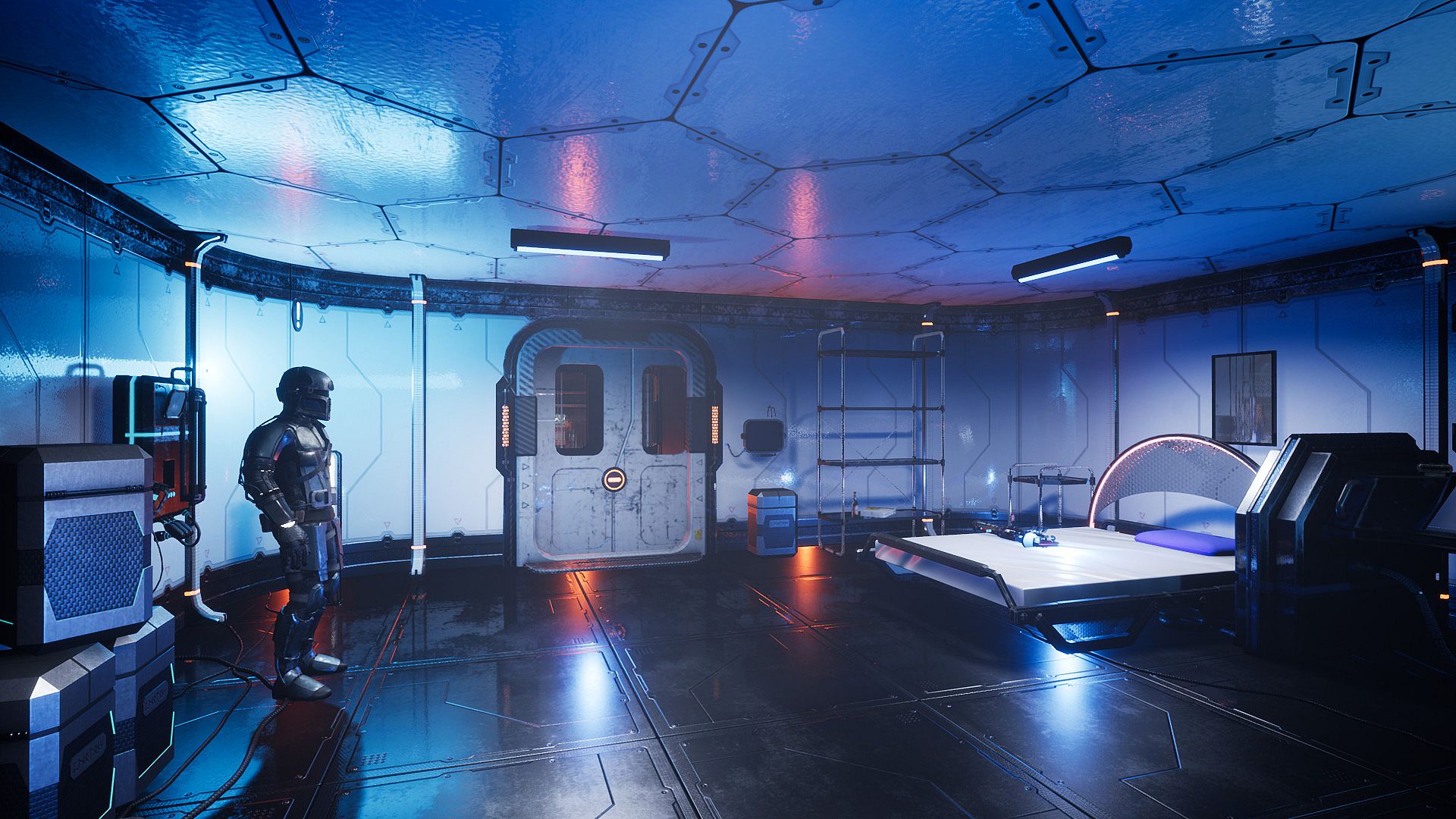
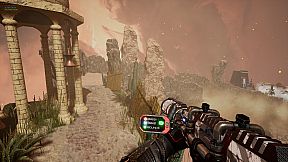
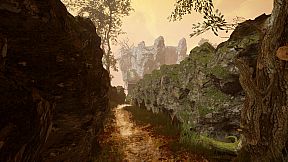
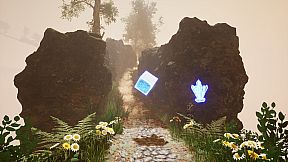
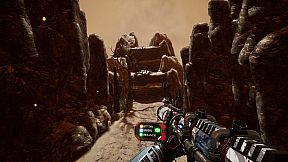

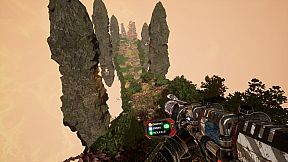
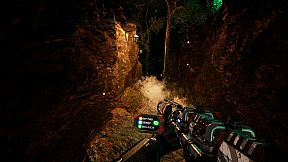


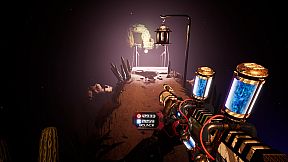
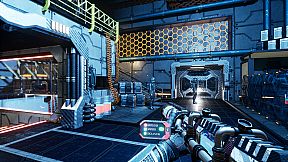
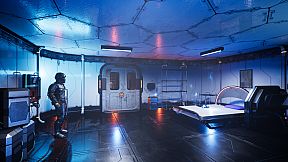
Photonic Distress is a single-player action, indie, casual, and adventure game that blends first-person and third-person perspectives in a puzzler and platformer format. Players navigate an internal representation of their conscience, collecting memory fragments across procedurally generated levels known as dreams.
Gameplay
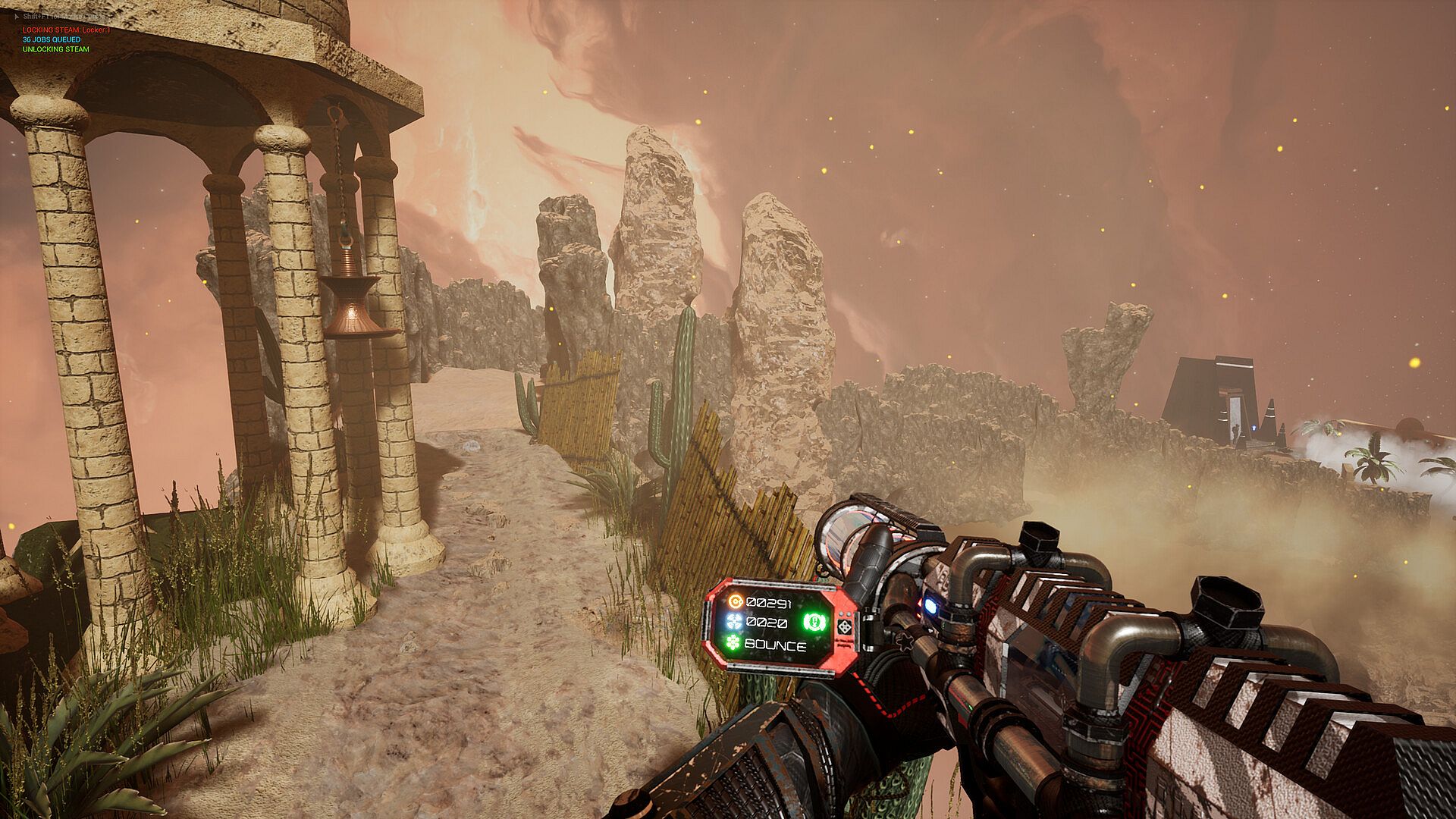
The core loop centers on gathering 100 memory fragments to reach a final room and complete the experience. Levels expand in size and complexity as progress continues, with tiles rated from 1 to 10 that introduce trickier platforming and navigation challenges. A photon gun serves as the primary tool, firing colorful projectiles to illuminate paths and engage enemies. Upgrades unlock through fragment collection, including a flashlight attachment for sustained light and a scan grenade that reveals outlines of the environment, highlights points of interest, spawns or reveals hidden enemies, and eliminates active threats.
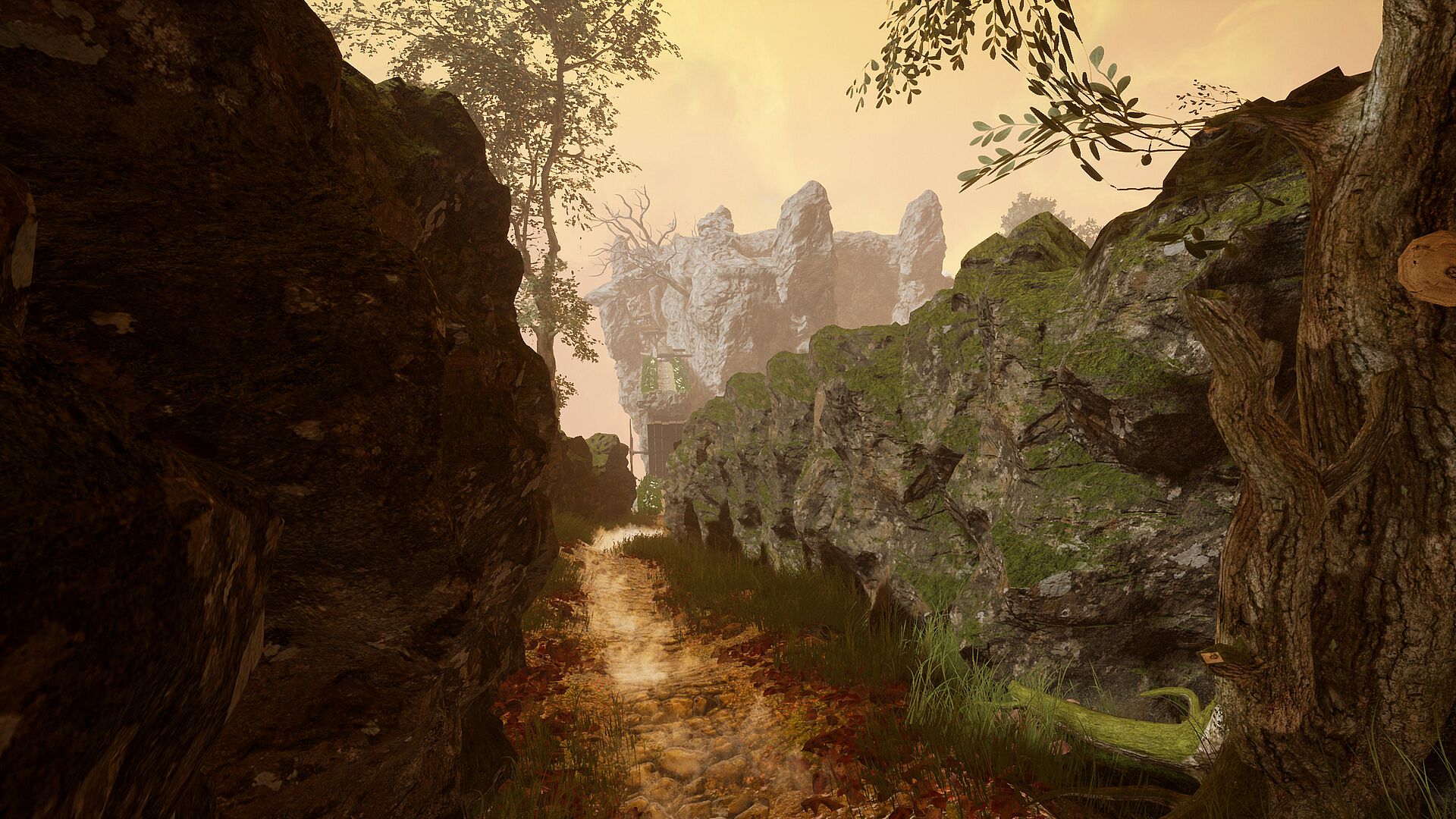
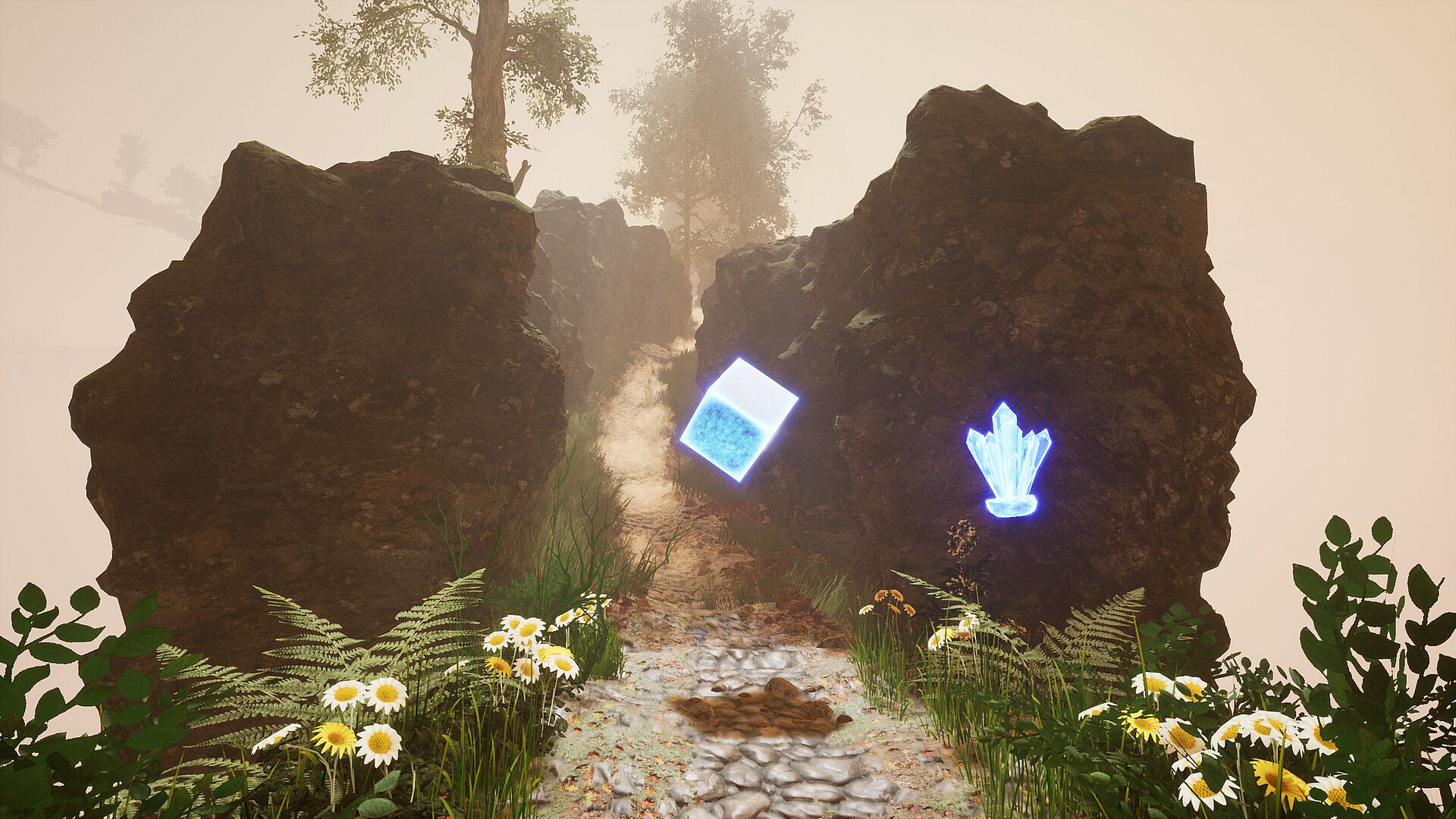
Barricades, traps, and pickups appear throughout the levels to add variety to movement and survival. The game supports both relaxed exploration on lower settings and intense navigation when visibility drops. Procedural generation relies on a pseudo-random number generator tied to a chosen or random seed, ensuring each run produces distinct layouts, fragment placements, and environmental compositions even on repeated difficulties.
Game Modes
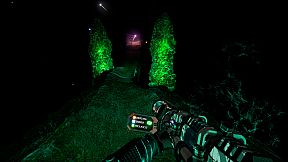
Four difficulty settings shape the experience: Easy, Medium, Hard, and Impossible. Easy and Medium keep levels illuminated for straightforward progress, while Hard and Impossible plunge players into darkness that demands precise use of the photon gun, scan grenade unlocked at 30 fragments, and careful movement. Difficulty ratings on level tiles advance at different rates depending on the setting, with faster escalation on higher options leading to more demanding platforming sections and larger overall maps.
Replay comes from selecting different seeds for the same difficulty or completing multiple difficulties on one seed. Each combination alters level appearance, fragment distribution, and enemy encounters, supporting repeated playthroughs without identical layouts.
Atmosphere and Progression
Original music composed specifically for the game establishes a mystique-filled ambiance suited to both calm traversal and heightened tension. Settings allow players to disable the soundtrack and use external audio instead. Fragment collection drives steady advancement through upgrades that expand capabilities over time, shifting focus from basic lighting to more advanced scanning and combat options as the total approaches 100.
Levels build gradually in scale, with harder difficulties accelerating both size increases and the introduction of higher-rated tiles. This structure rewards adaptation to changing visibility and terrain without relying on fixed maps.
Is It Worth Playing?
Player feedback highlights the game as short yet addictive, with strong appeal for those seeking a mix of relaxing exploration and optional high-challenge runs. The 89 percent positive rating from available reviews points to satisfaction with the atmosphere, lighting mechanics, and procedural variety. As the first release from a small independent team, it delivers focused single-player content centered on puzzle-platforming and collection goals.
The experience suits players who enjoy procedural environments, light combat, and adjustable difficulty that ranges from accessible to demanding. Those interested in seed-based replayability or navigating dark levels with limited tools will find consistent value in multiple runs. Availability on PC makes it accessible for sessions that emphasize personal pacing over extended campaigns.














