







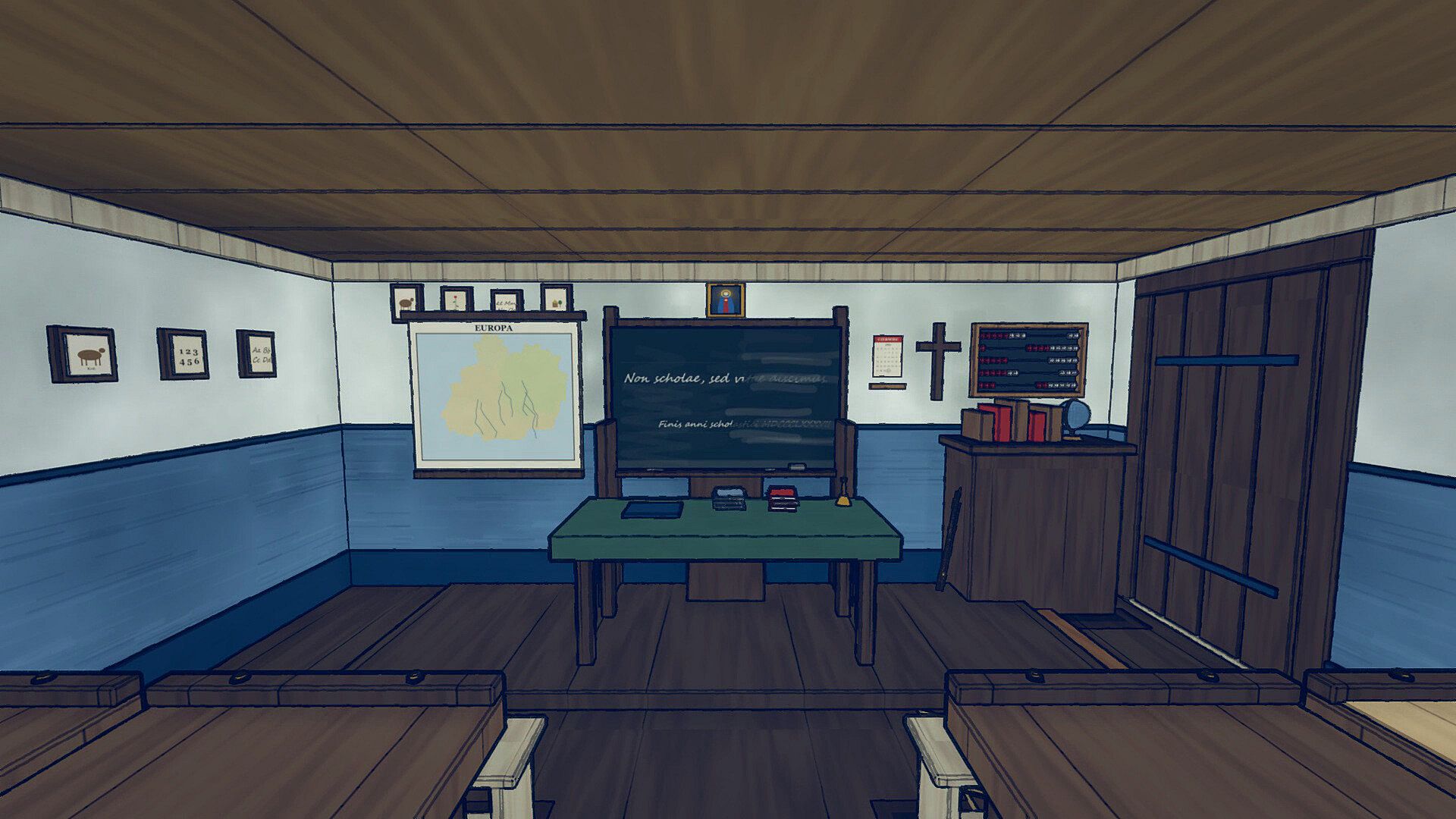



Peasants in the Summer is a single-player strategy and indie adventure game set on PC. Players explore a village trapped in an endless summer day where the landscape shifts each morning and residents retain no memory of prior events. The core premise centers on resolving a land dispute while uncovering deeper mysteries in a place that refuses to remain fixed.
Gameplay
The experience revolves around a repeating day that players navigate with accumulating knowledge. Each morning begins at the inn, and the village rearranges itself overnight. Roads, buildings, and landmarks change positions, forcing fresh exploration even as personal discoveries carry forward. Villagers follow consistent routines across loops, allowing observation of their movements and conversations to reveal hidden details or inconsistencies.
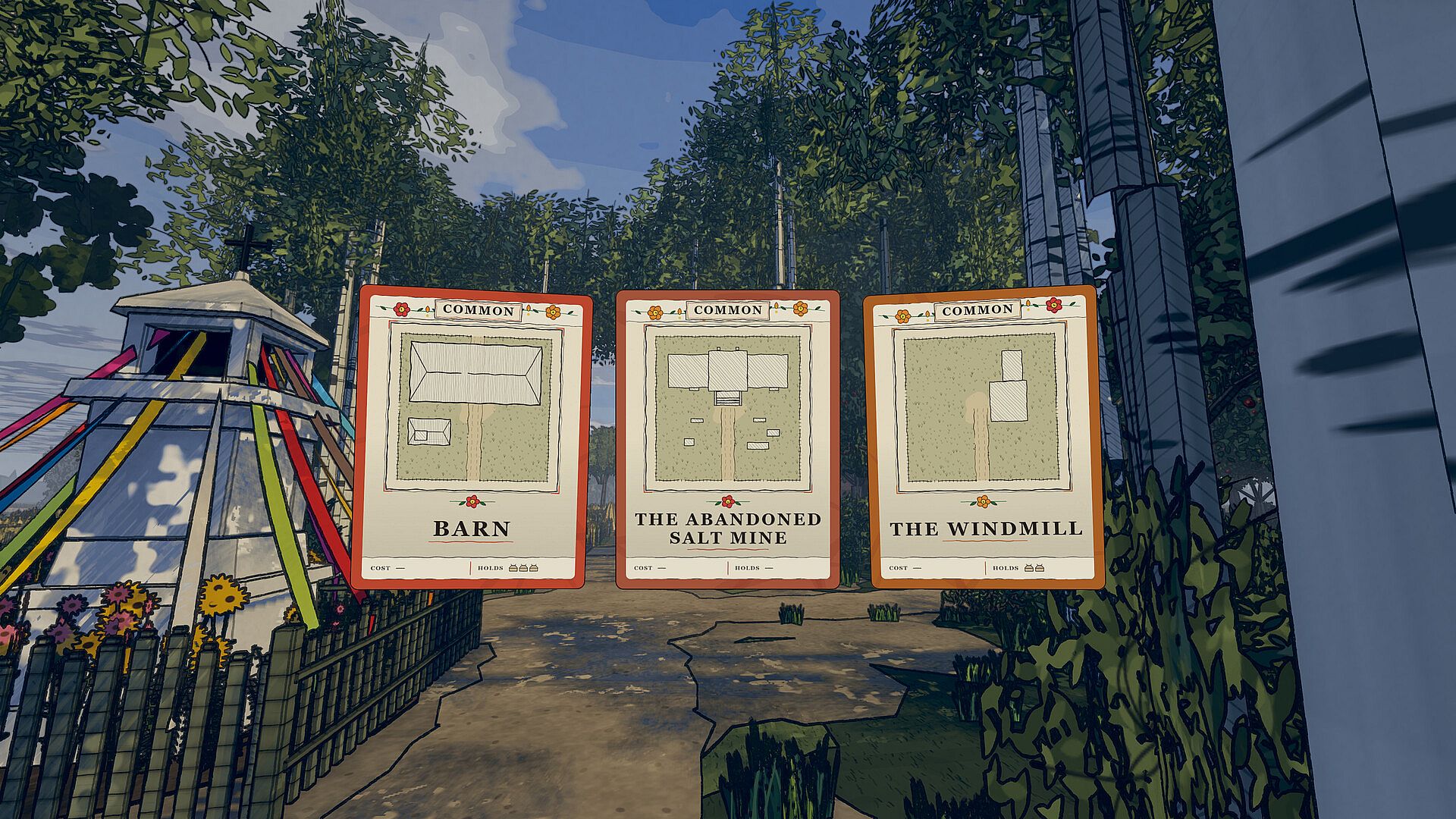
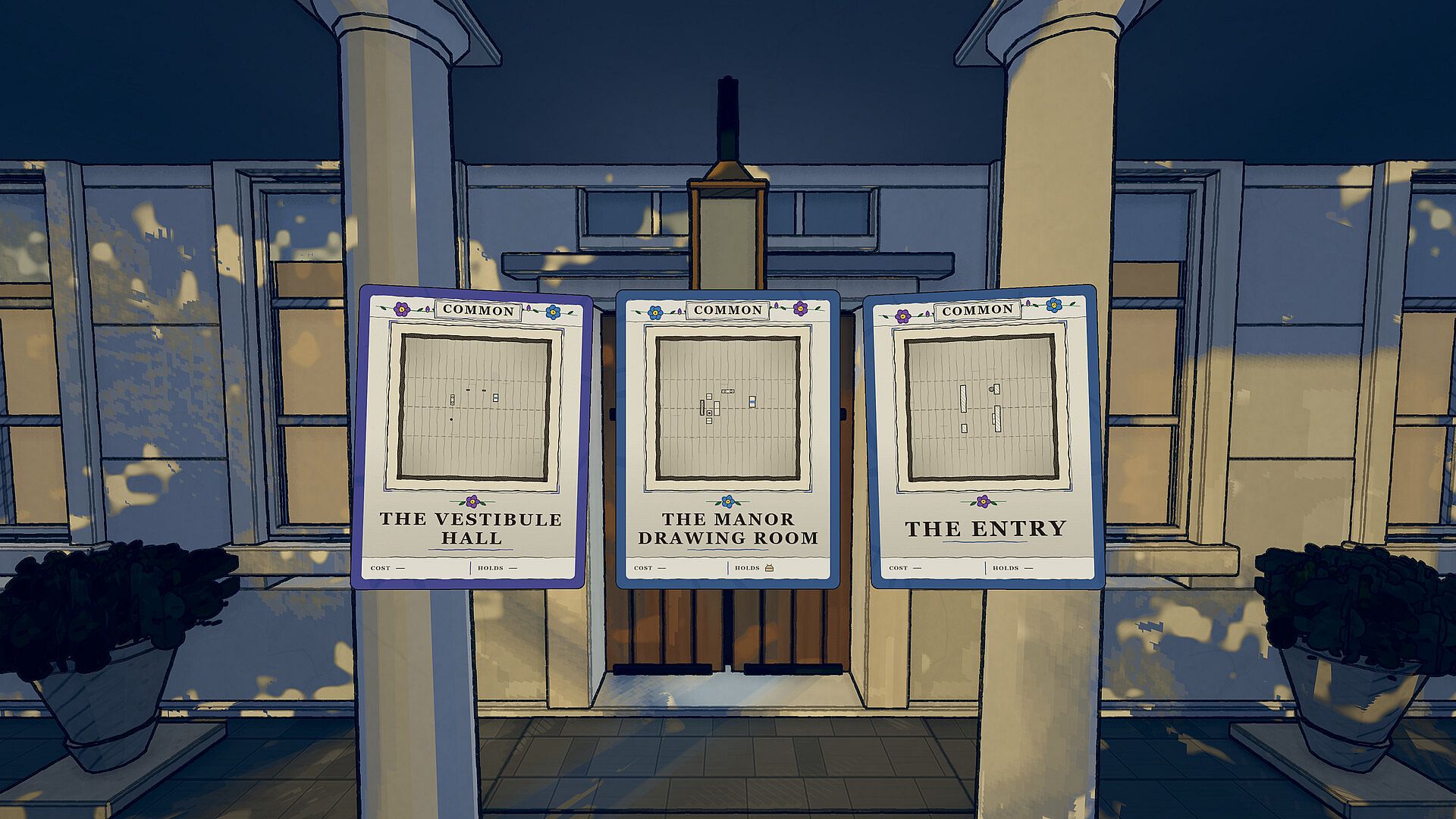
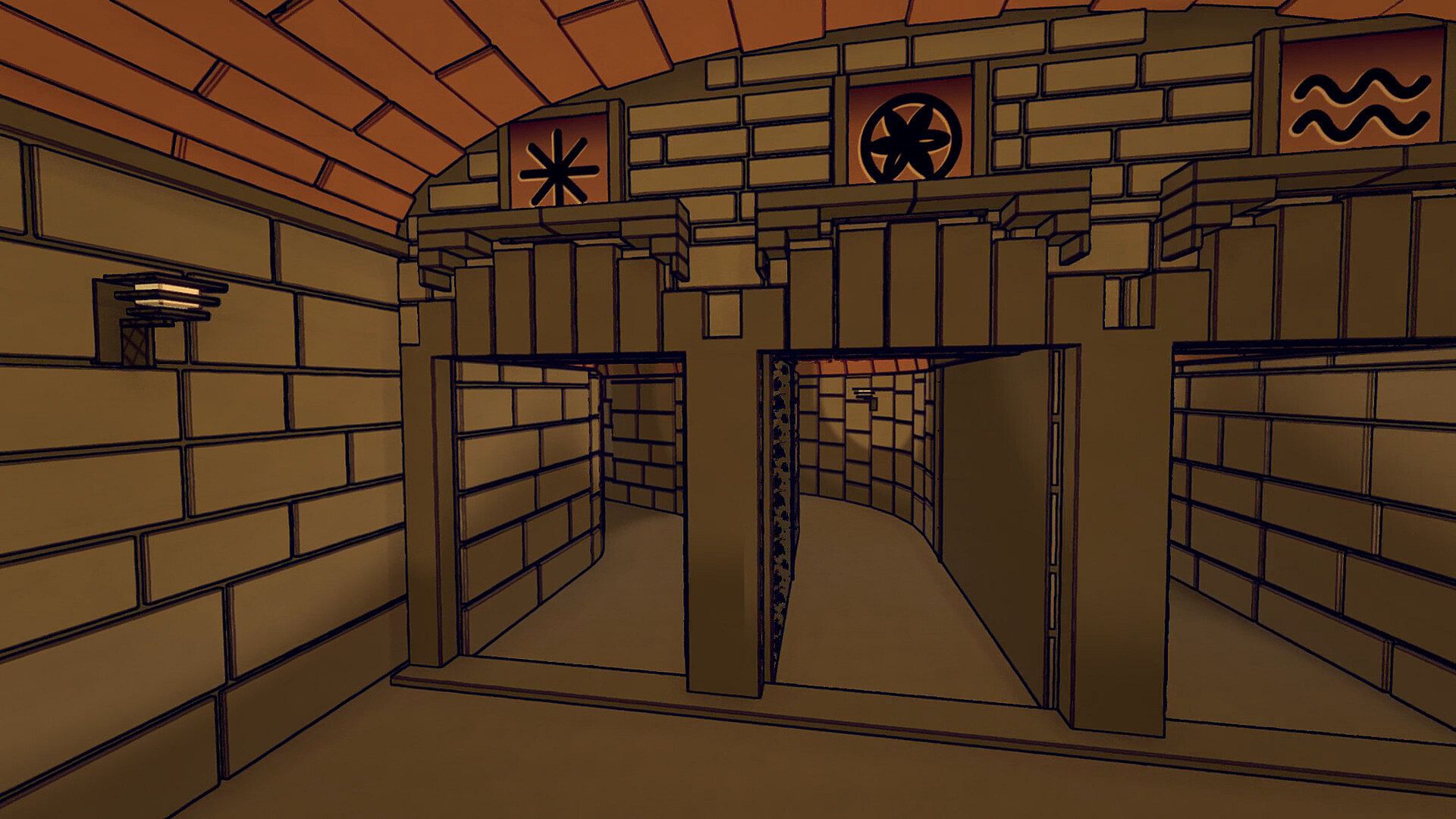
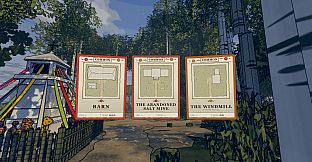
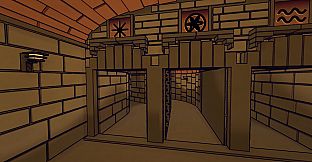
At the start of each day, players draft which locations emerge from the mist at the village edge. Choices such as a chapel, workshop, or woodland path determine available routes and potential clues for that run. This system directly influences the layout encountered during exploration. Puzzles integrate into the environment through documents, maps, locked objects, crypts, and mines scattered across fields and structures. Inspection of items, dialogue with residents, and cross-referencing learned information help solve these challenges amid the shifting terrain.
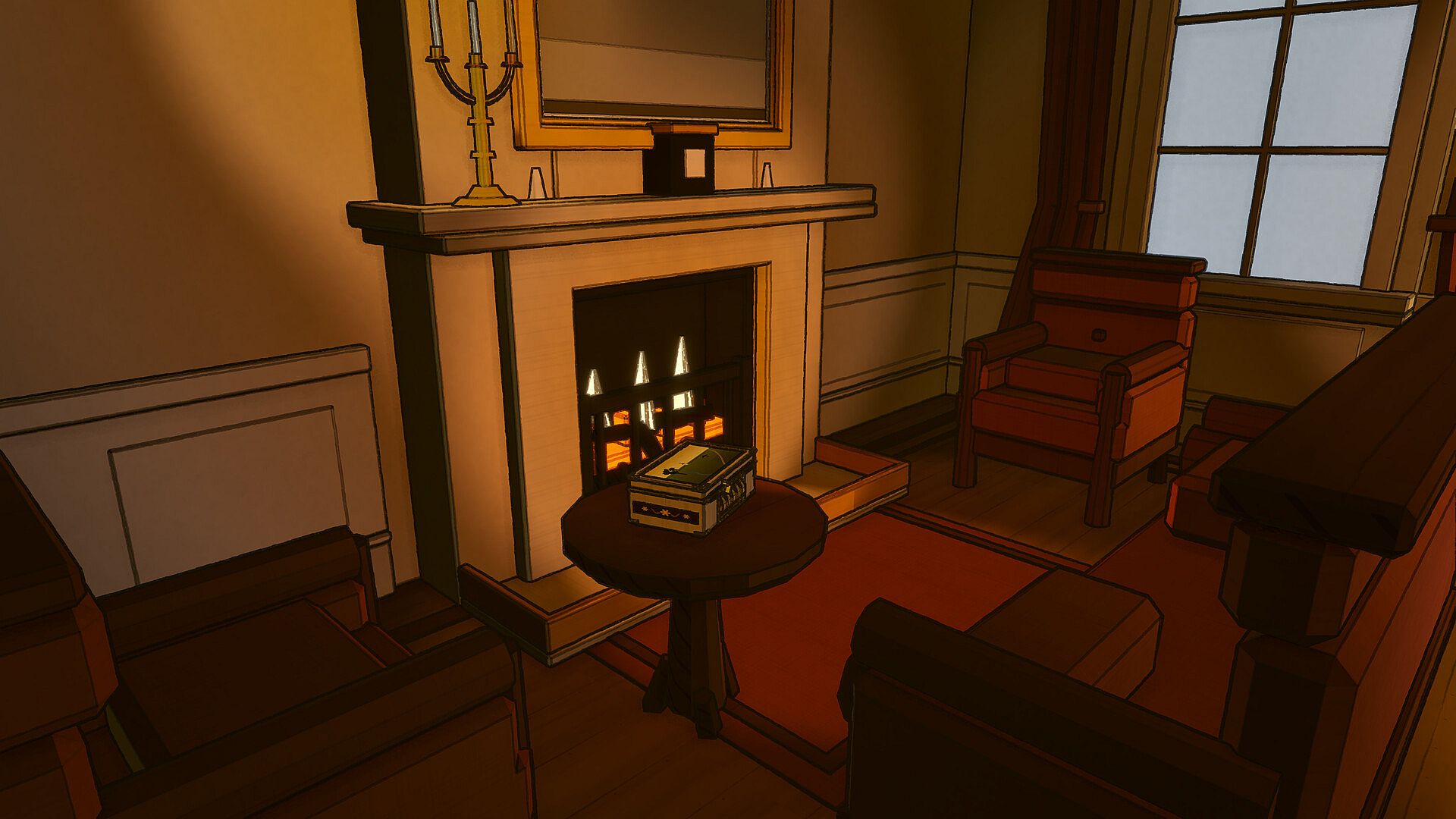
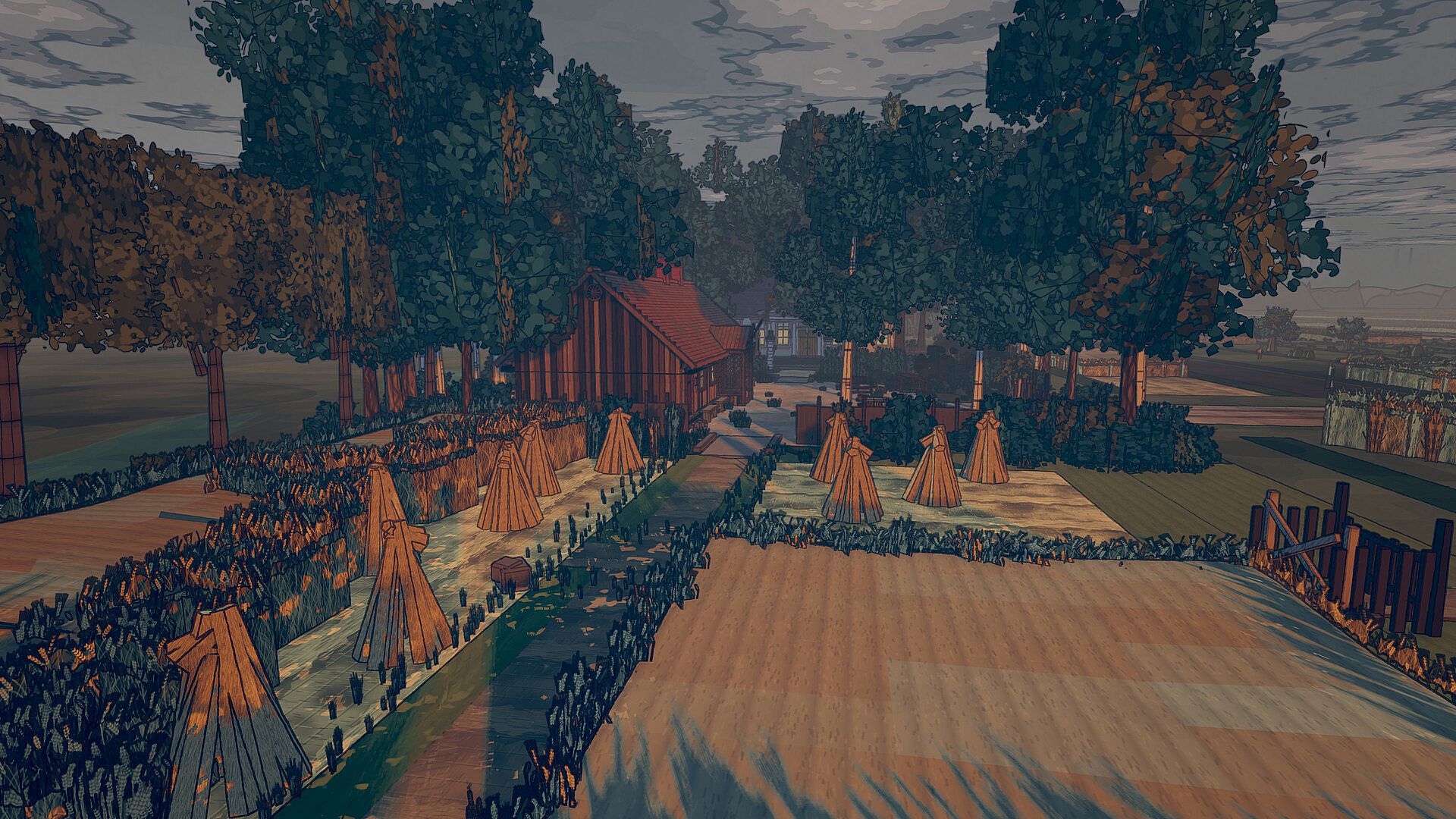
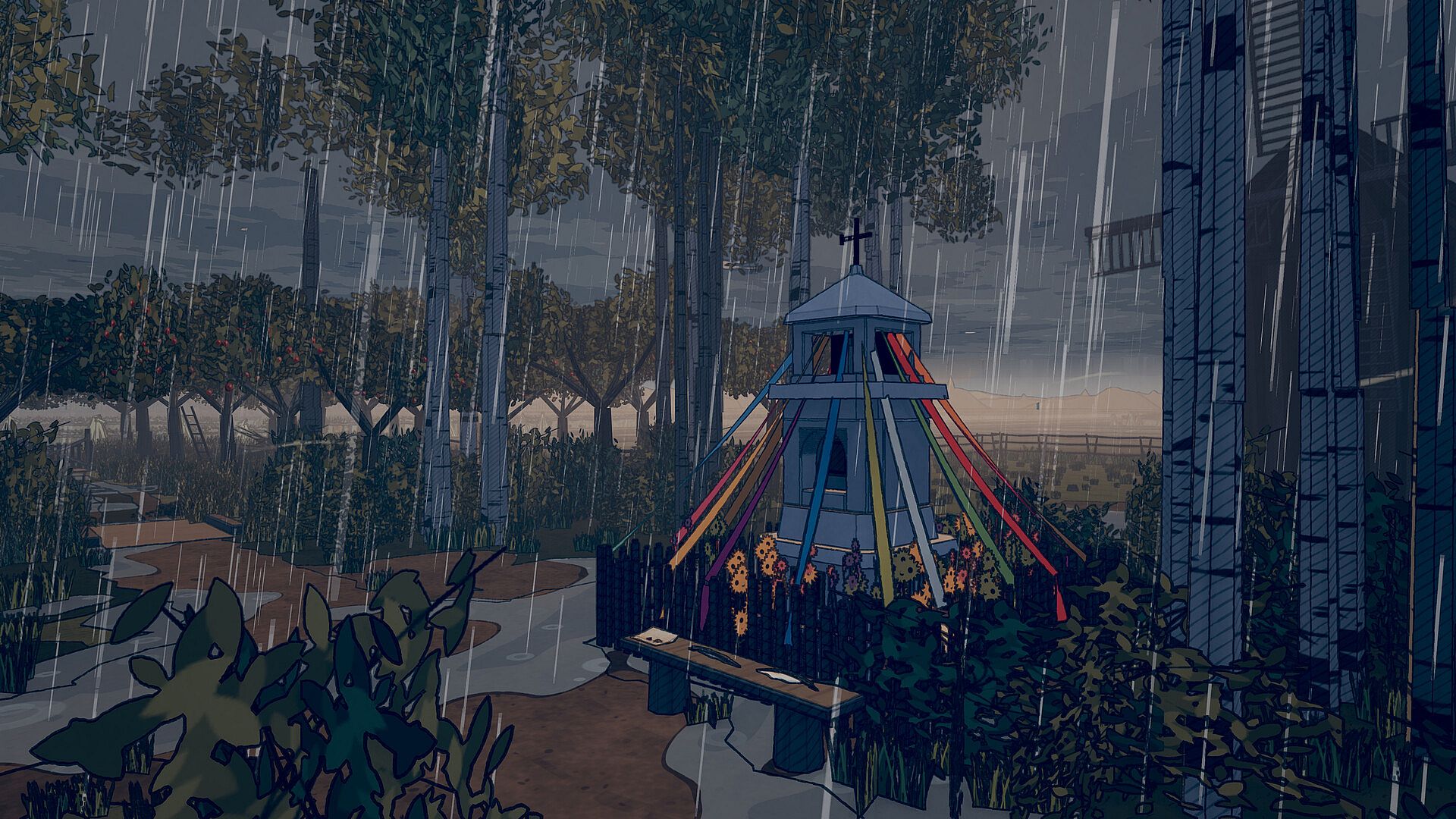
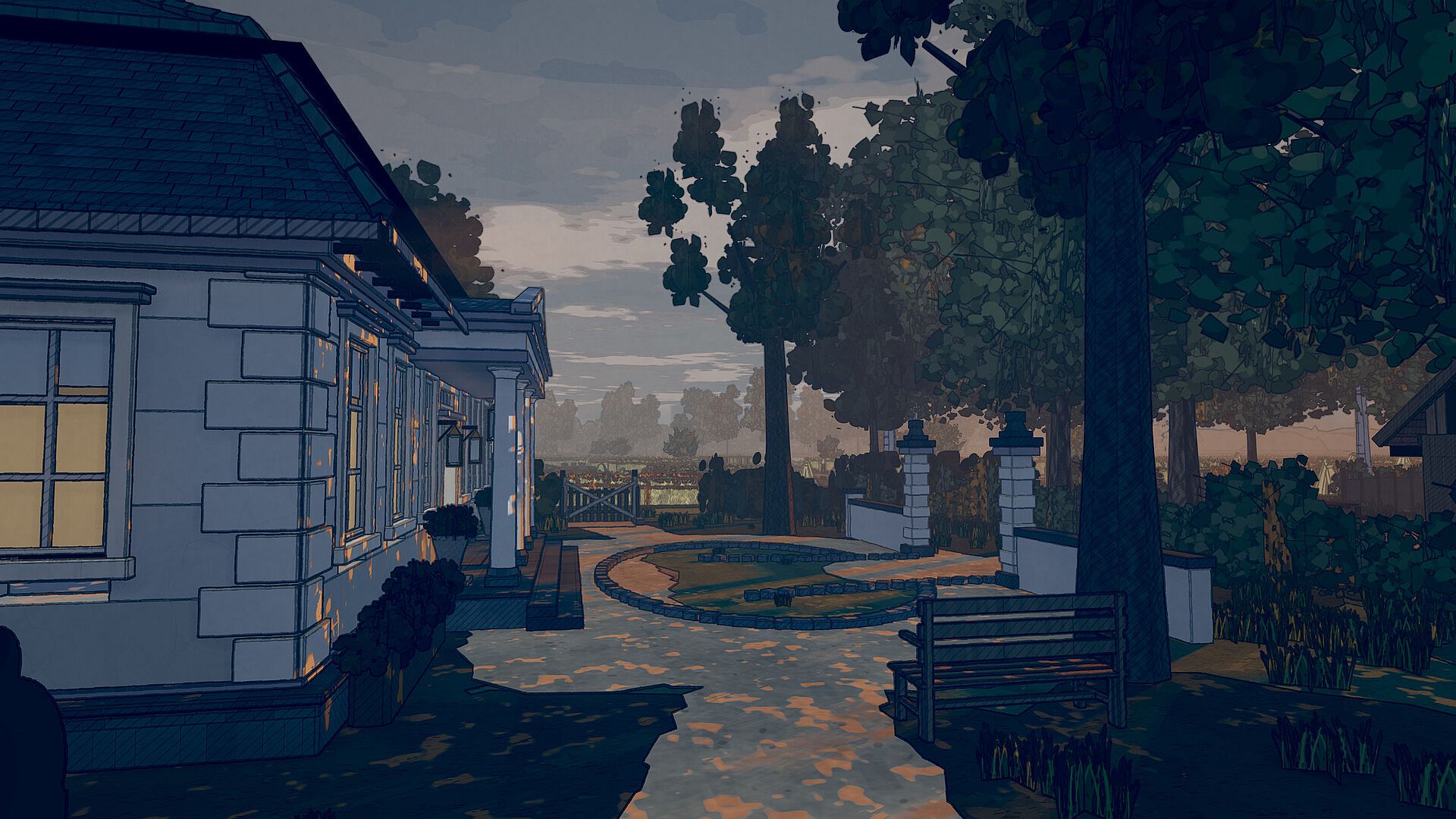
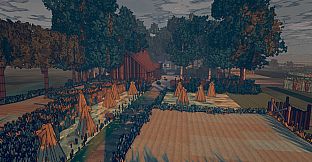
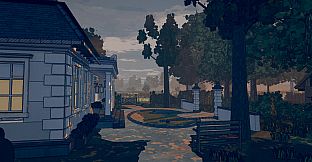
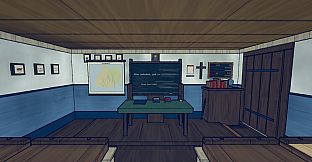
The hand-drawn aesthetic presents a sketched world of fields, birches, chapels, and a manor at dusk. This visual style supports the focus on careful observation and deduction rather than action or combat.
Game Modes
The game operates as a single continuous experience built around repeated daily cycles. There are no separate named modes or multiplayer options. Instead, progression stems from the persistent memory mechanic that lets players apply prior knowledge to new village configurations. Each run builds on the last through collected insights, creating a layered approach to the central land dispute and surrounding secrets.
Core Mechanics and Exploration
Fixed villager routines form a key system. Learning who travels where and when provides reliable patterns to exploit across loops. What remains constant in behavior contrasts with the changing physical layout, encouraging repeated visits to the same spots under different conditions. The greater mystery unfolds gradually as players connect clues from documents and interactions, revealing layers beyond the initial assignment sent by a predecessor.
Drafting locations each morning adds strategic depth to daily planning. Selecting different sites opens distinct paths and potential puzzle elements, encouraging multiple approaches to the same objectives. This ties directly into the puzzle-solving focus, where information gathered one day informs navigation and solutions in subsequent versions of the village.
Is It Worth Playing?
Peasants in the Summer suits players who enjoy deliberate, observation-driven strategy and adventure games with puzzle elements. The time-loop structure rewards careful note-taking and pattern recognition in a single-player format. Those drawn to narrative mysteries and hand-drawn indie worlds will find the changing village and persistent memory mechanics engaging. The game emphasizes thoughtful progression over fast action, making it a fit for sessions focused on deduction and exploration. Availability on PC supports easy access for those interested in its unique daily reset loop and layered secrets.











