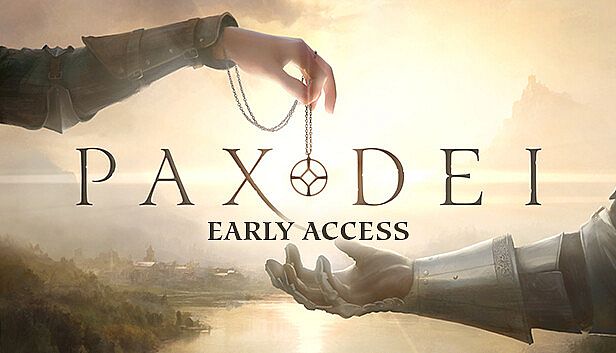




















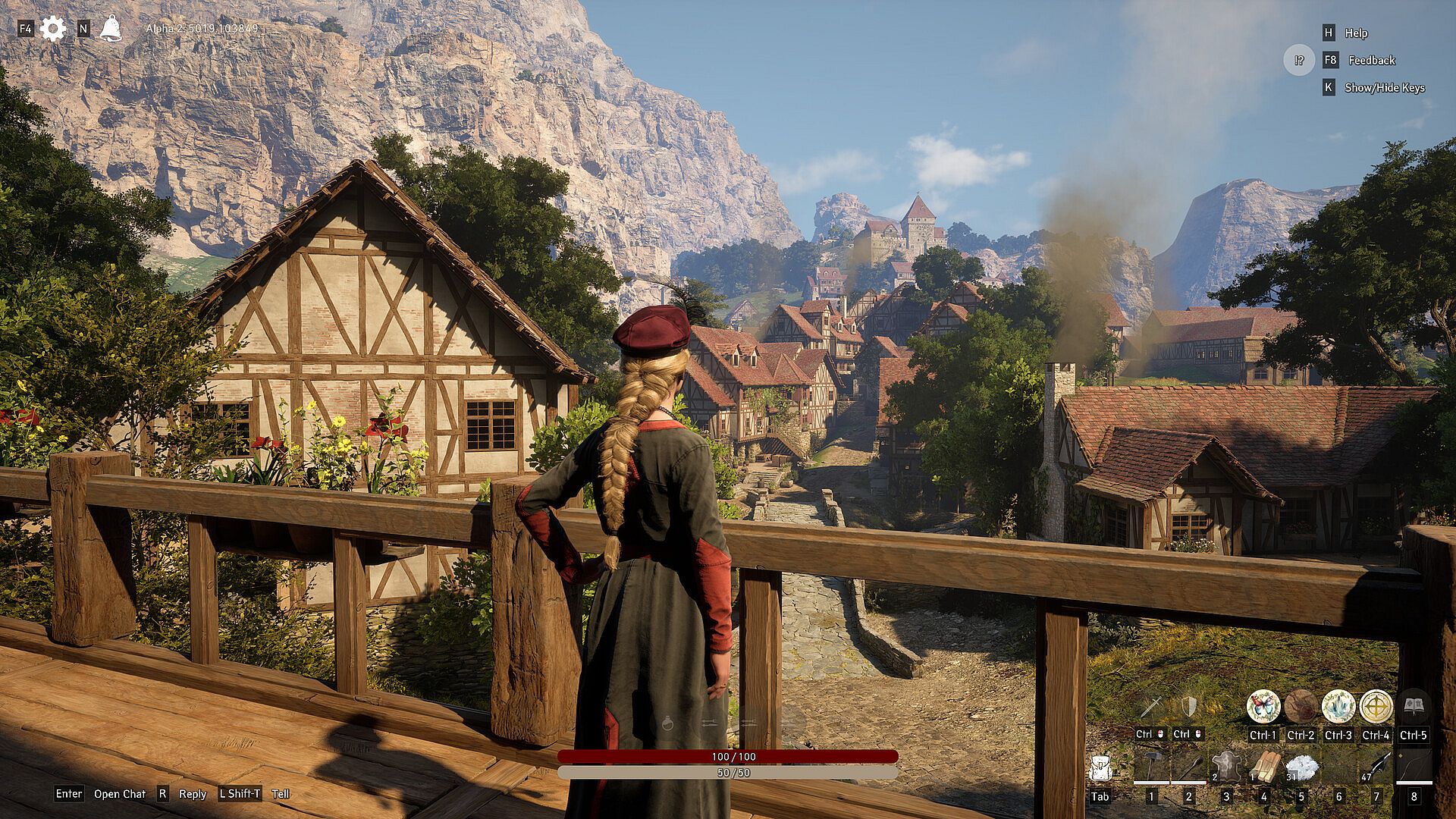
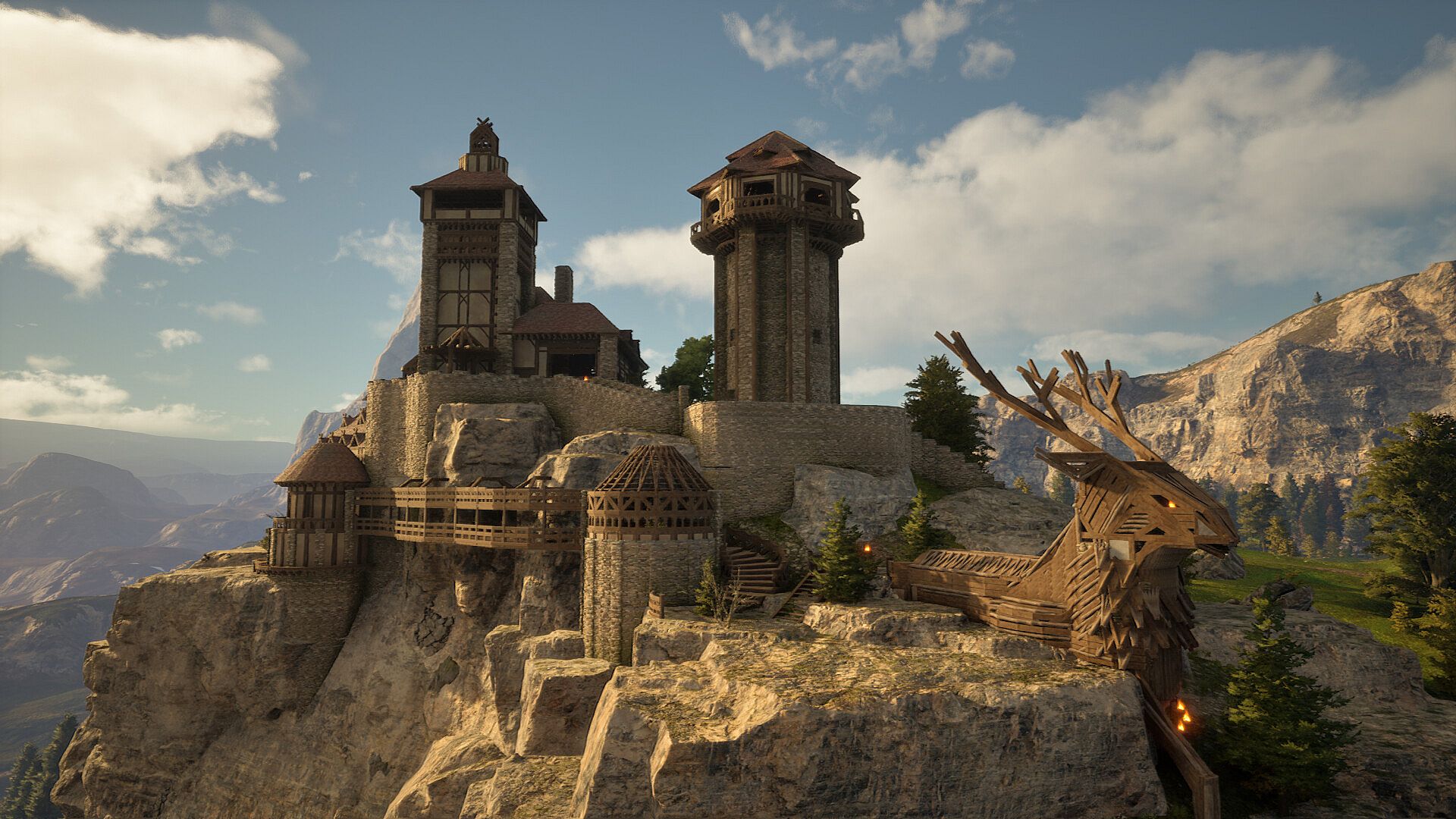
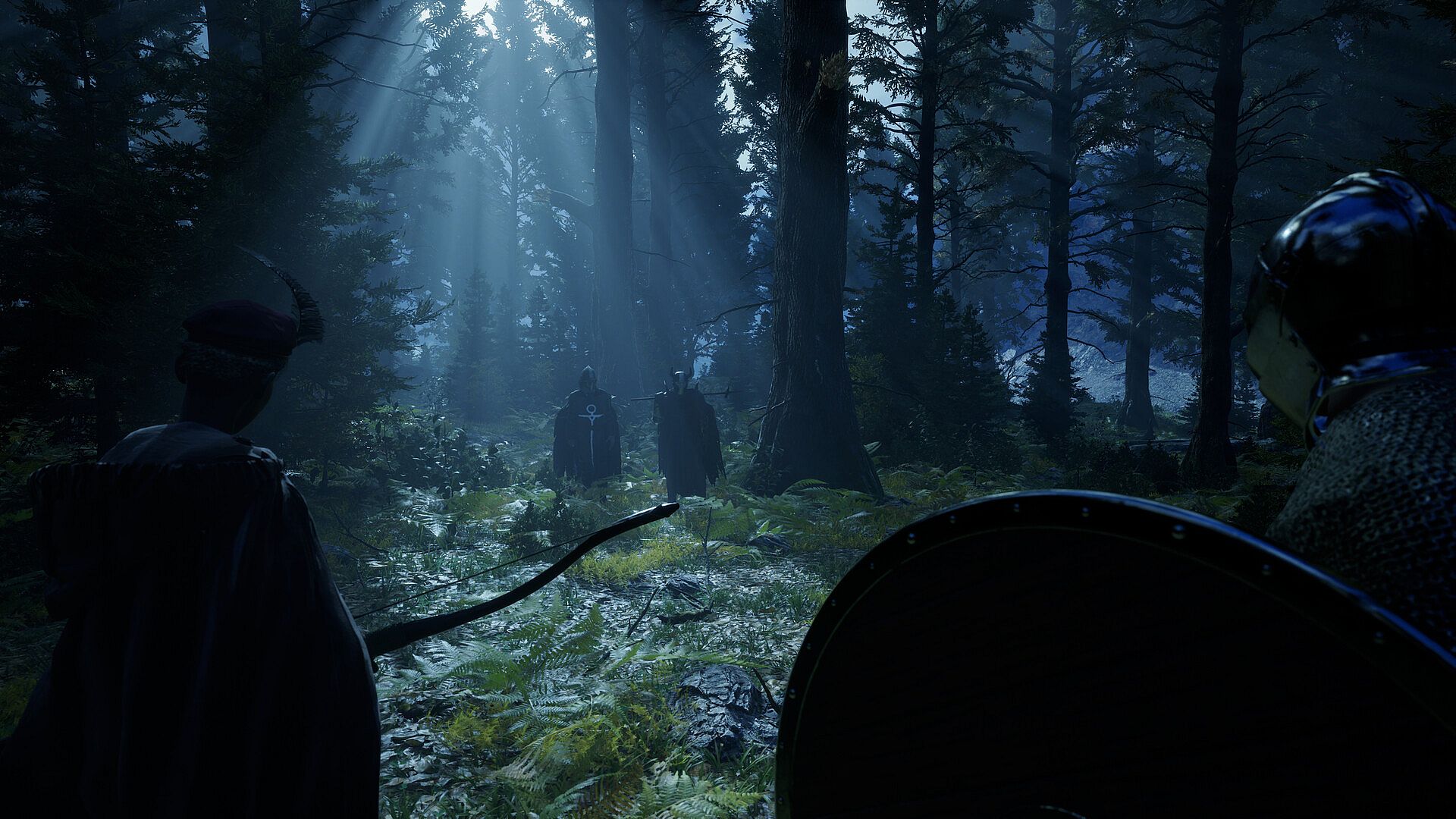
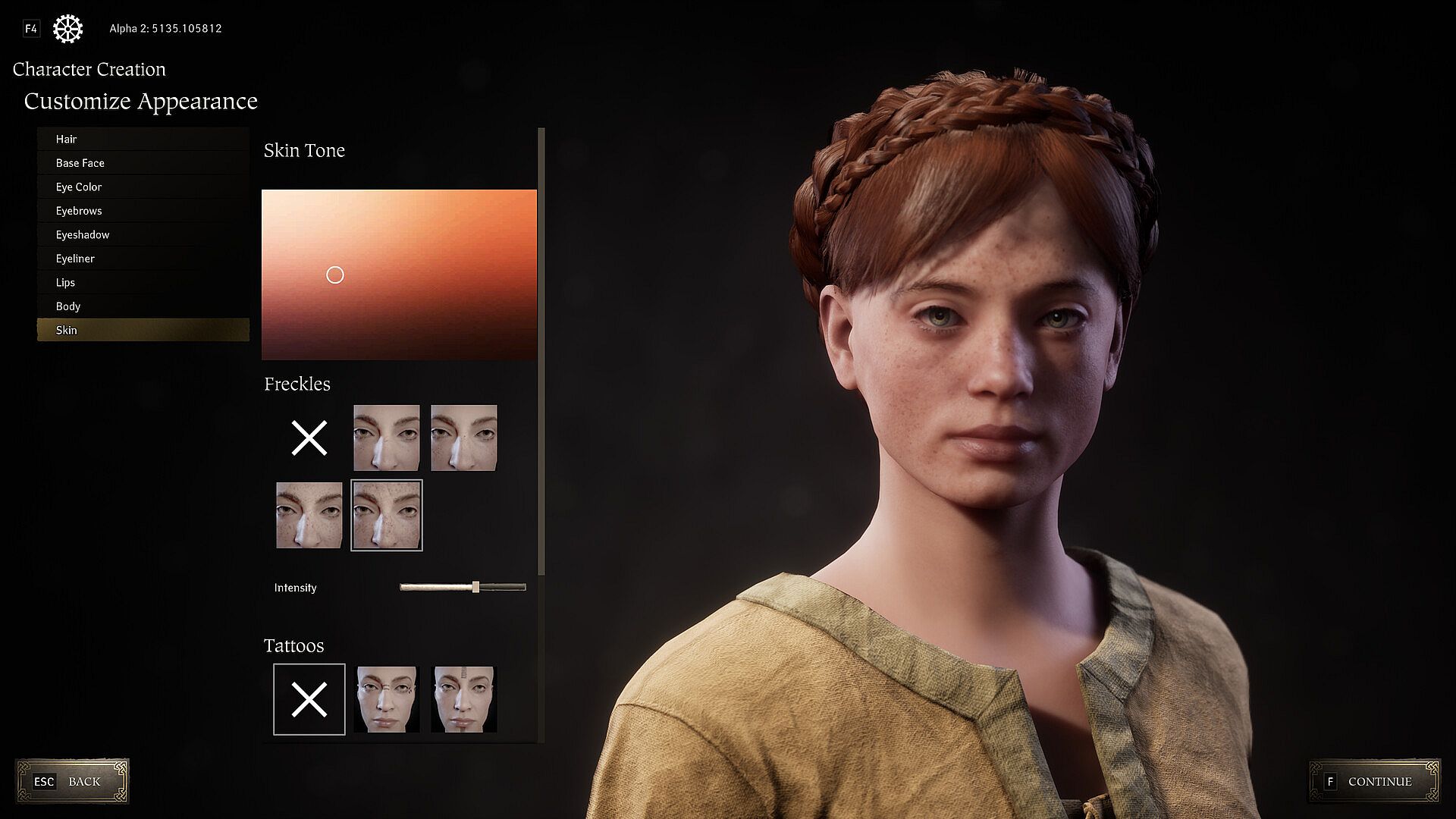
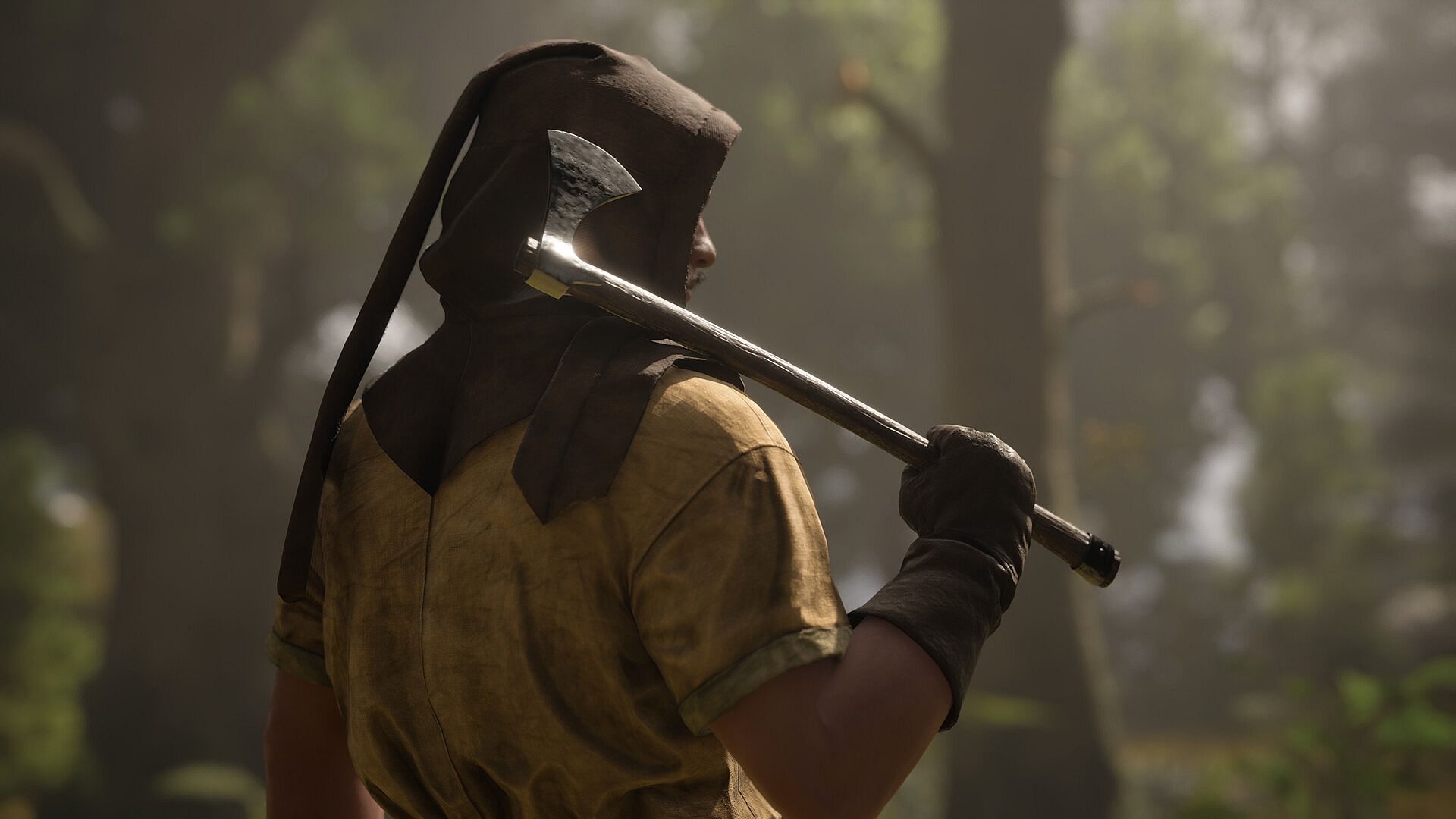
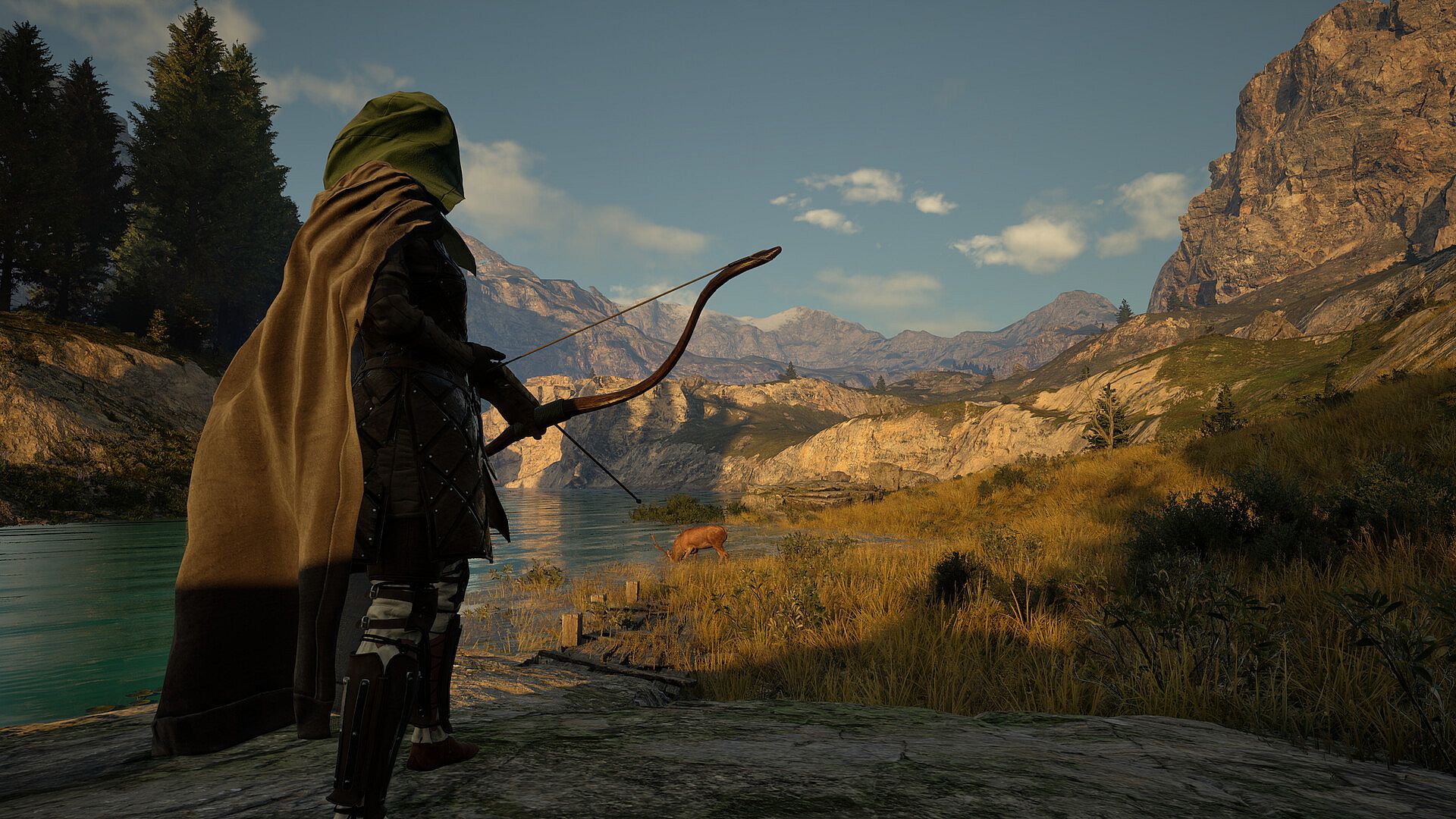
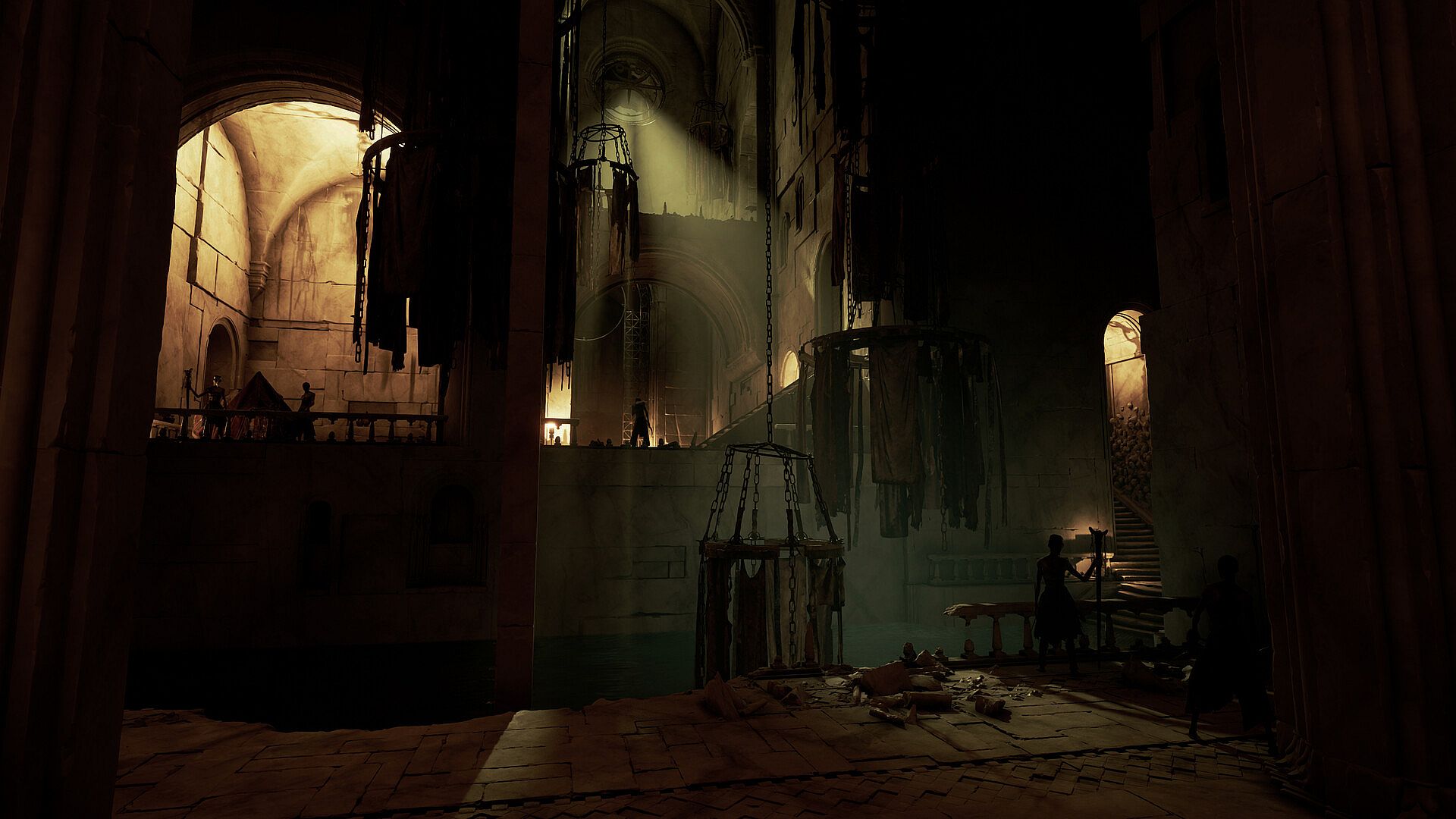
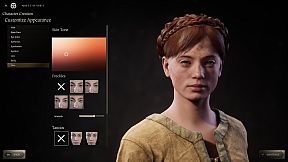

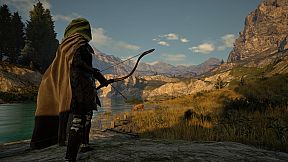
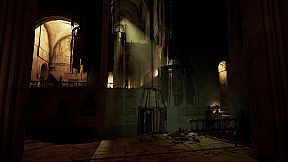
Pax Dei is a massively multiplayer online sandbox game set in a medieval fantasy world where players shape the environment through crafting, building, and social interactions. Developed with Unreal Engine 5, it emphasizes player-driven economies and persistent world changes on PC. The core loop revolves around gathering resources, constructing homes and tools, engaging in combat against creatures or other players, and forming groups to tackle larger challenges. Everything from basic tools to advanced structures comes from player effort, creating a living economy where individual actions influence the broader community.
Gameplay
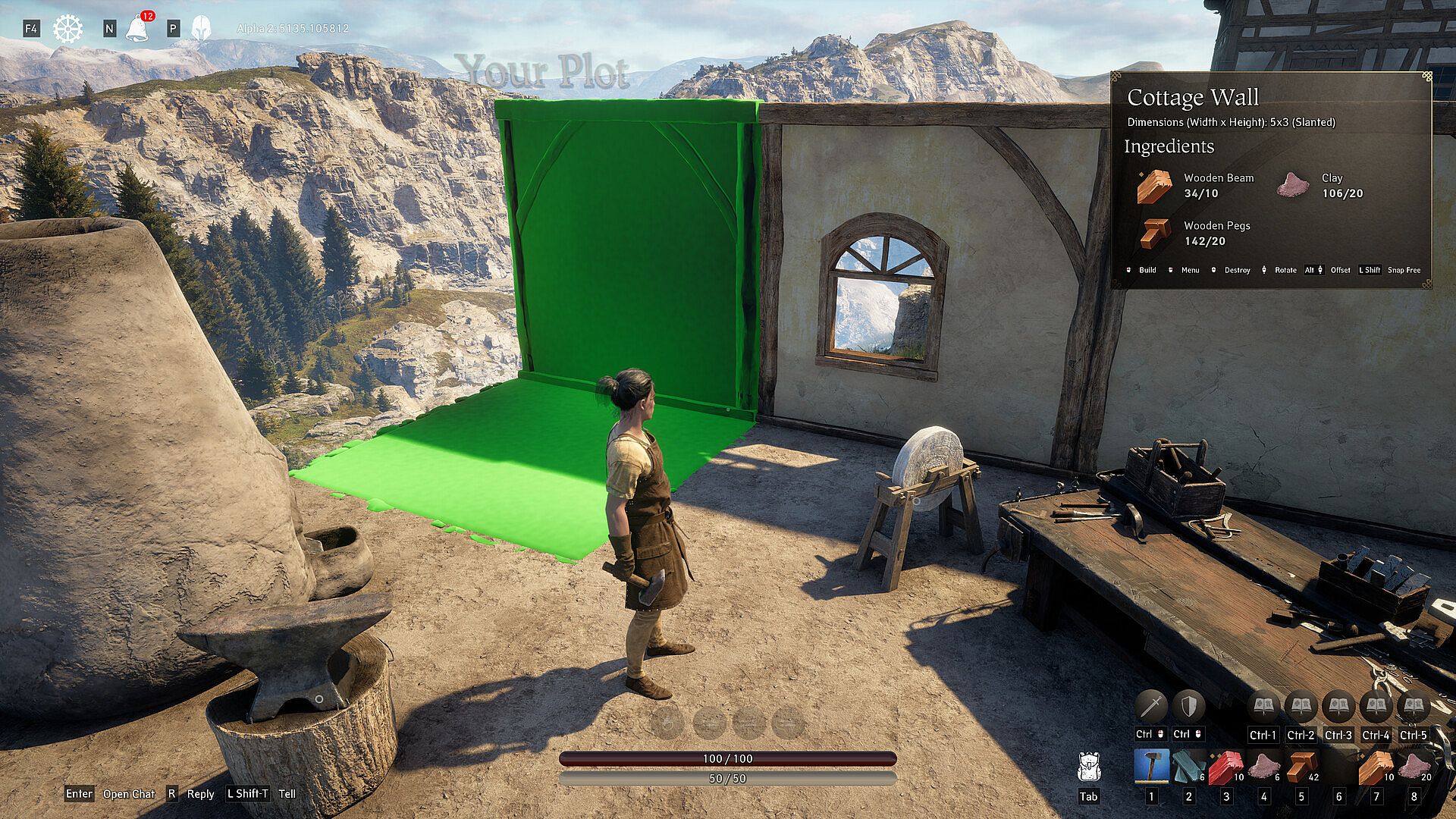
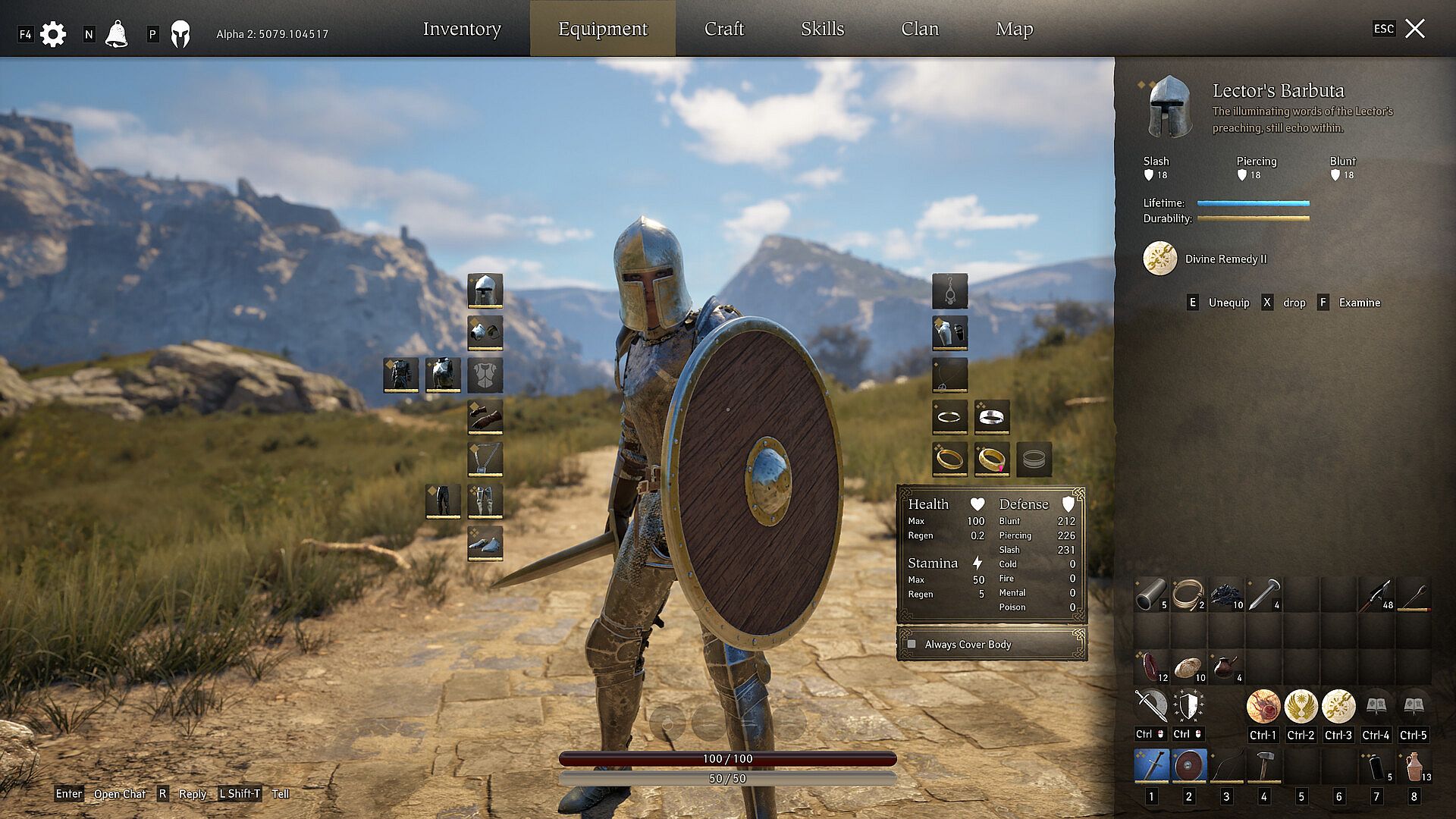
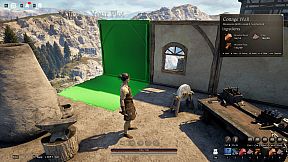
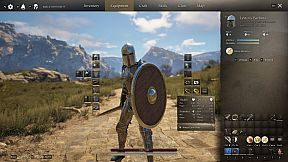
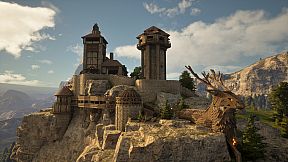
Players begin by using public crafting stations to produce initial gear and then venture into the open world to harvest materials across varied biomes. Exploration leads to battles with hostile entities for loot and currency, which supports trading with others or funding further projects. Accumulating Grace allows access to Miracles that grant temporary abilities or bonuses, adding a layer of strategic depth to daily activities. Building occurs on claimed plots of land, supported by a structural integrity system that requires careful planning for stable constructions. Clans enable resource pooling and combined land ownership, facilitating village or fortress development. Skills develop through repeated use of tools and weapons, with hundreds of craftable items supporting diverse play styles from resource gathering to combat specialization. The world spans approximately 300 square kilometers across five provinces, including safe Heartlands zones and more hazardous Wilderness areas where risks and rewards increase with distance from settled regions.
Game Modes
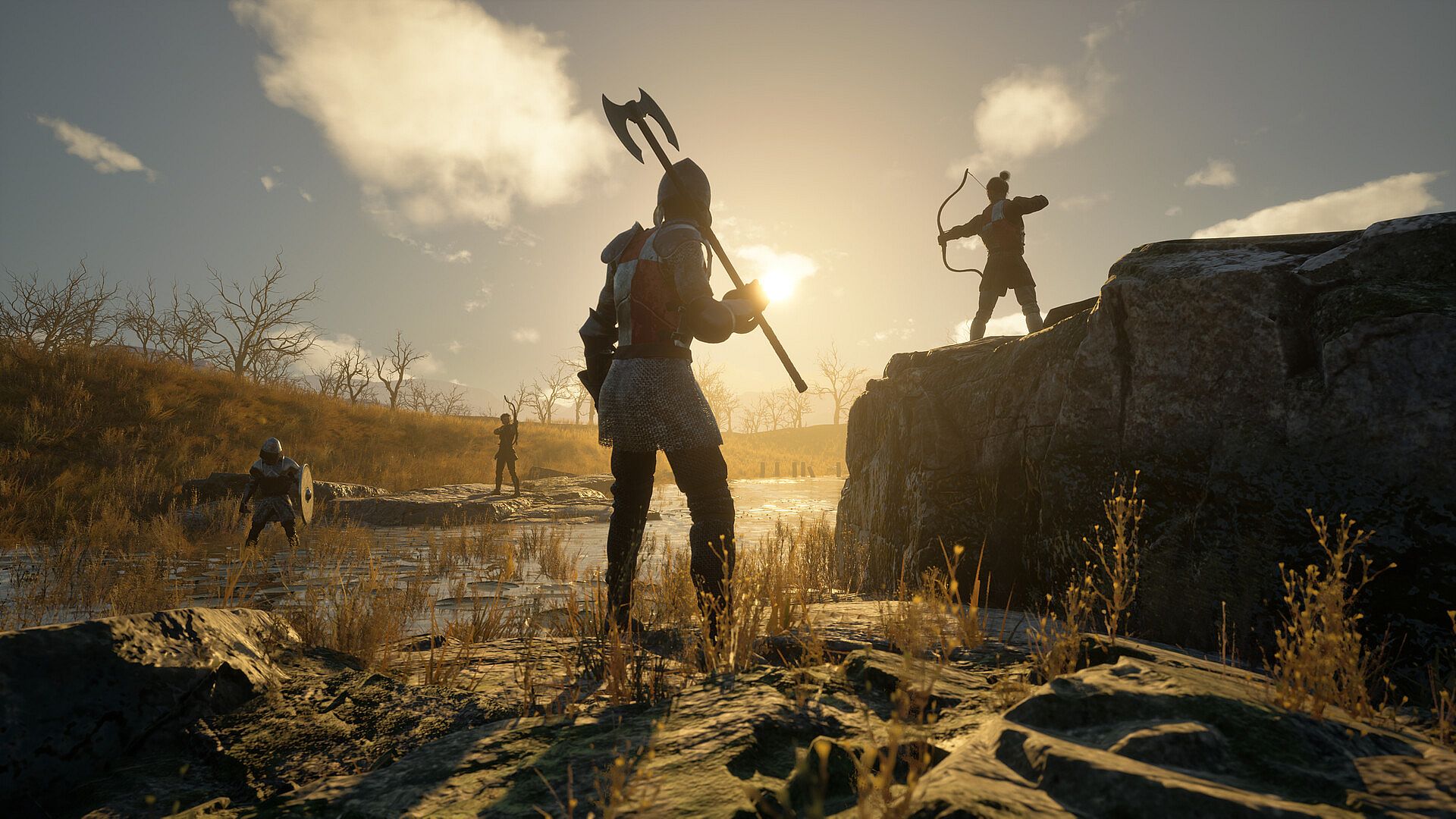
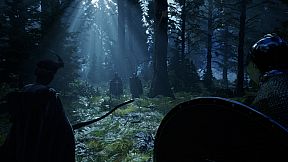
Core activities divide into distinct pillars that interconnect over time. Homestead gameplay focuses on resource collection, crafting, and home construction in protected Heartlands areas. Adventure gameplay shifts to the Wildlands for player-versus-environment combat, dungeon exploration in ruins, and player-versus-player encounters while seeking rare materials. Civilization gameplay supports large-scale cooperation among many players for market control, major construction projects, or organized conflicts between groups. A specific contested zone called Lyonesse operates under full player-versus-player rules with no divine protection, offering high-value resources at the risk of permanent consequences upon death. These elements blend in a single persistent server environment rather than separate instances.
World and Systems
The setting draws from medieval legends with active myths, ghosts, and magic integrated into daily life. Player actions directly affect the world, as all goods, structures, and advancements stem from collective effort. Market stalls on personal plots facilitate player-to-player trading using in-game gold. A Discord-linked chat system extends communication beyond sessions. Dungeons and hidden sites hold treasures guarded by strong enemies, encouraging group expeditions. The game supports ongoing expansion of content and mechanics through developer updates following its full release.
Is It Worth Playing?
Pax Dei suits players interested in long-term sandbox experiences centered on building, crafting, and community coordination within a medieval fantasy MMO framework. It offers meaningful progression through skill mastery and clan involvement without requiring paid memberships for basic access. Steam user reviews show mixed results overall, with recent feedback hovering around 62 percent positive, praising visual quality and creative building while noting occasional technical issues. Those who enjoy player-driven economies and flexible roles in a persistent world will find substantial depth, whereas individuals seeking structured quests or polished single-player elements may encounter limitations. The game remains in active development with continued support for new features and refinements.