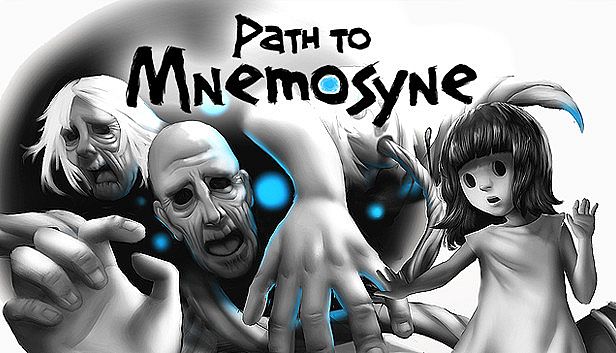















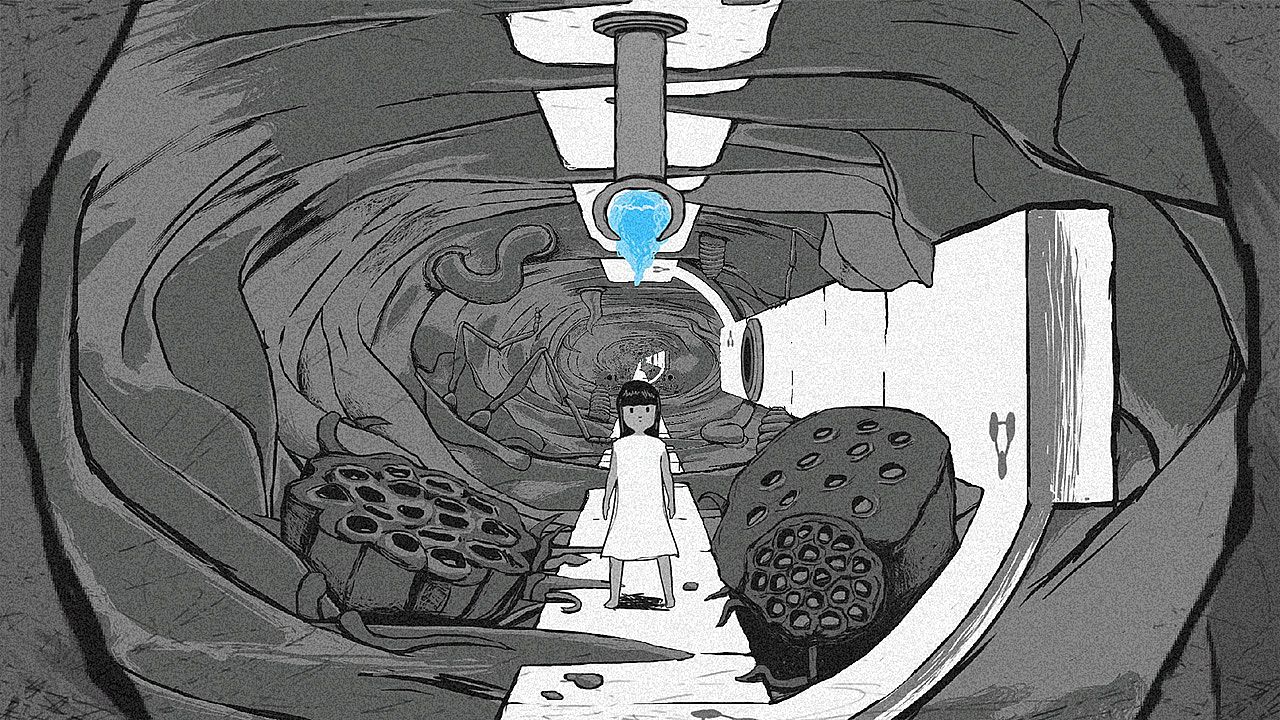
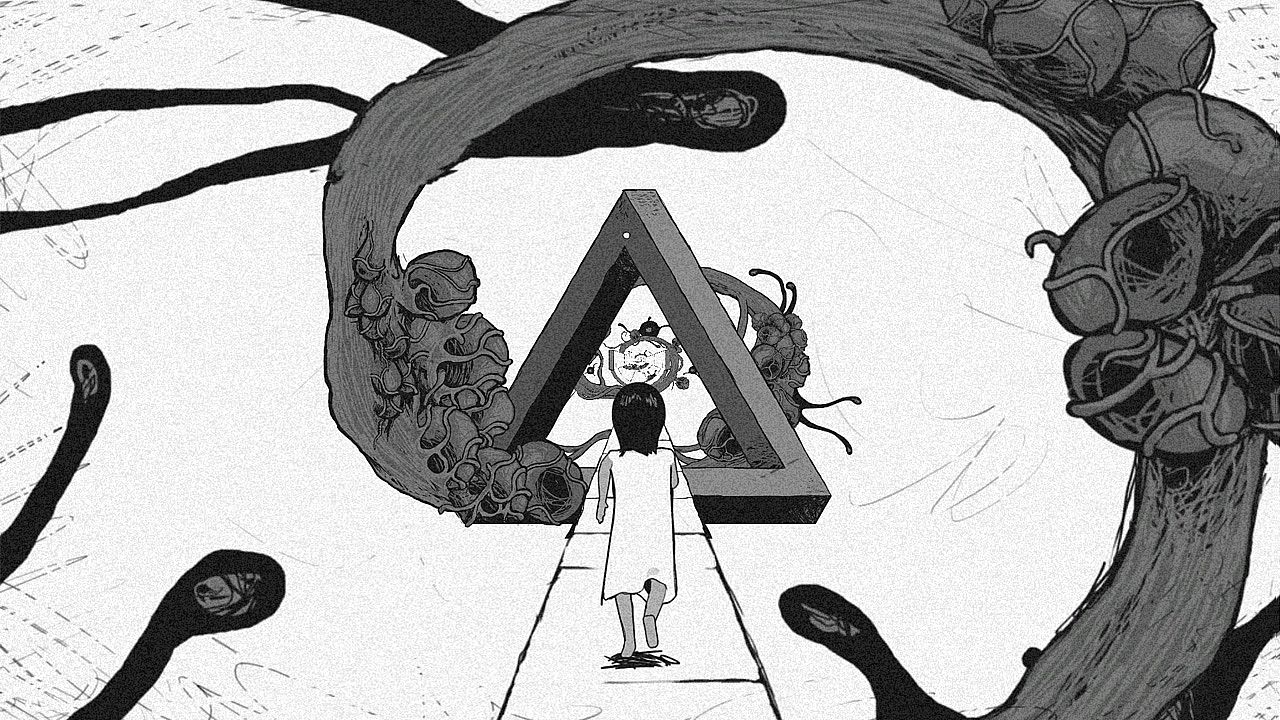
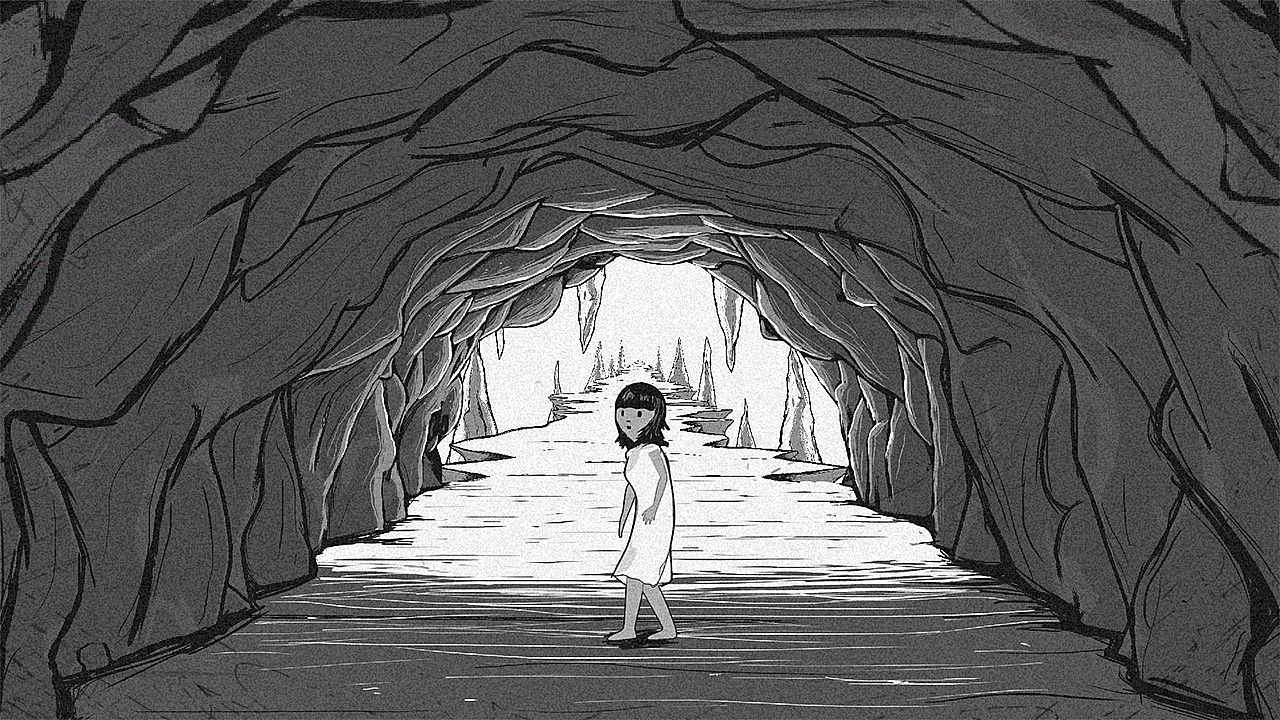
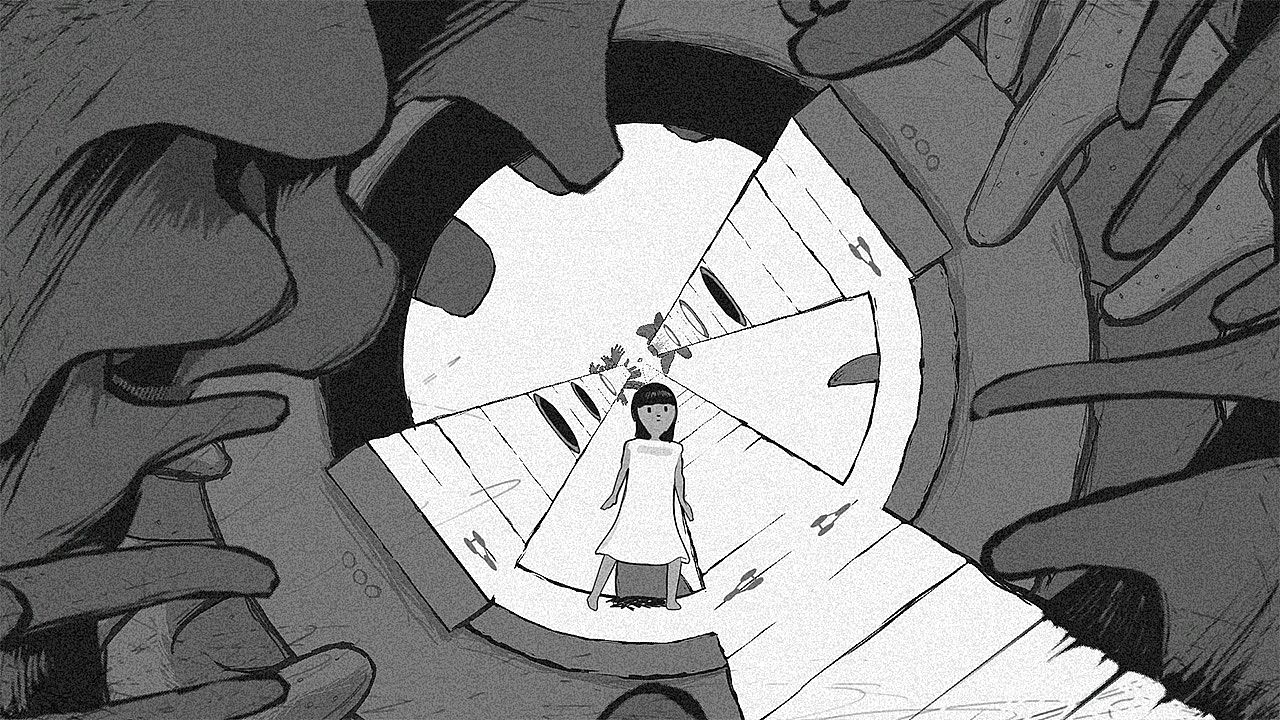
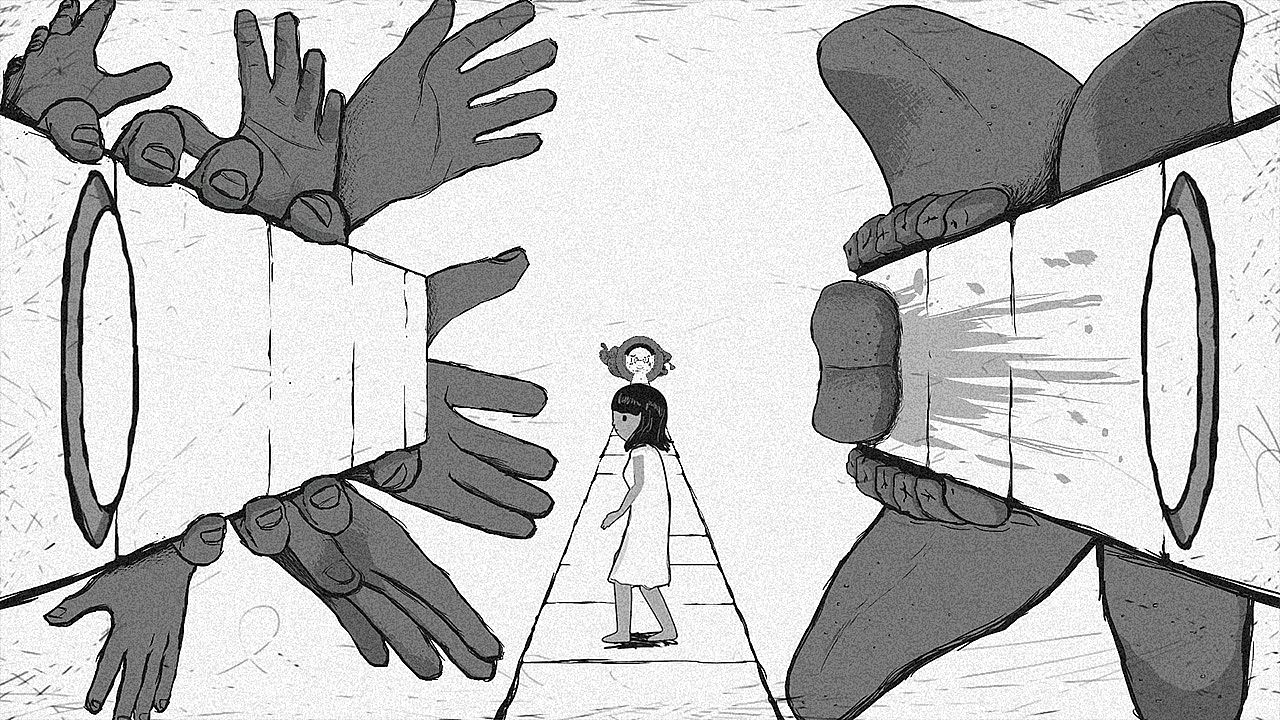
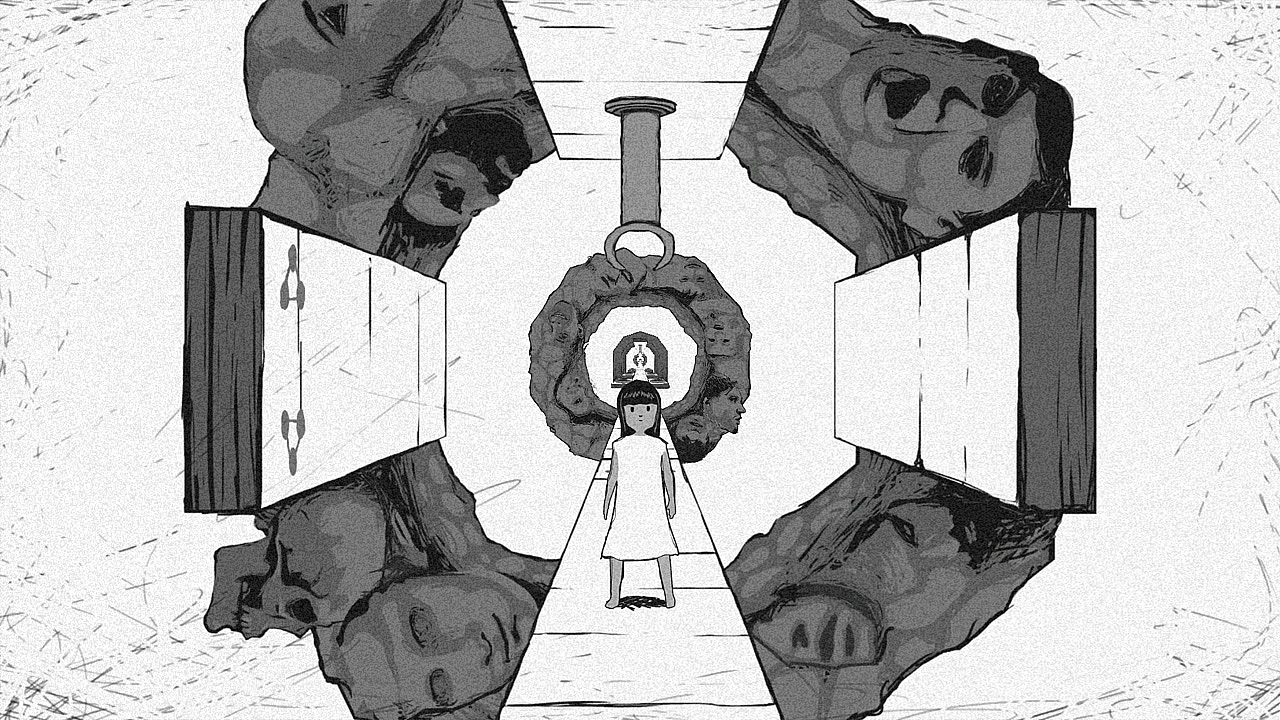
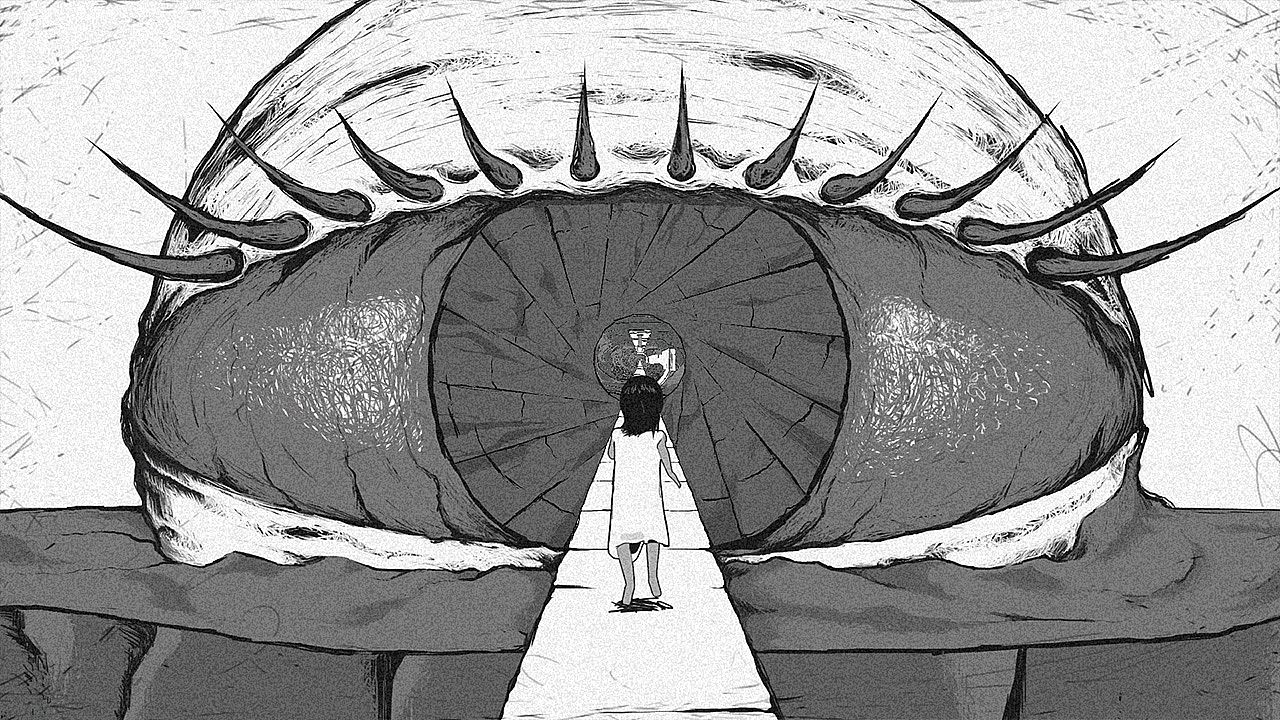
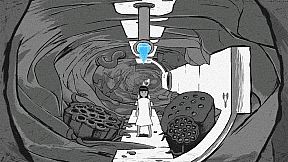

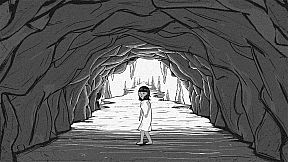
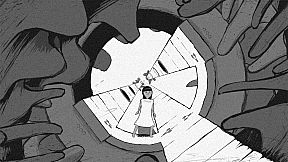

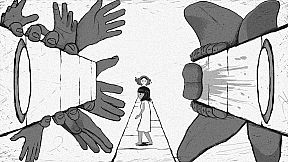
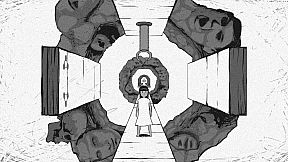
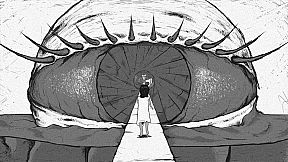
Path to Mnemosyne is an indie adventure game centered on puzzle solving in a surreal, single-player setting. The experience unfolds as players guide a young girl along a continuous path through shifting environments that represent fragments of memory. Hand-drawn visuals create a hypnotic effect through constant perspective changes and an infinite zoom technique that distorts scale and depth.
Gameplay
The core loop involves forward movement along the path combined with environmental interactions to progress. Players use basic directional controls to advance or retreat, rotate sections of the path or puzzle elements, and activate switches or buttons. A jump mechanic helps avoid obstacles or reach specific points, though the arc requires careful timing due to limited depth perception in the perspective.
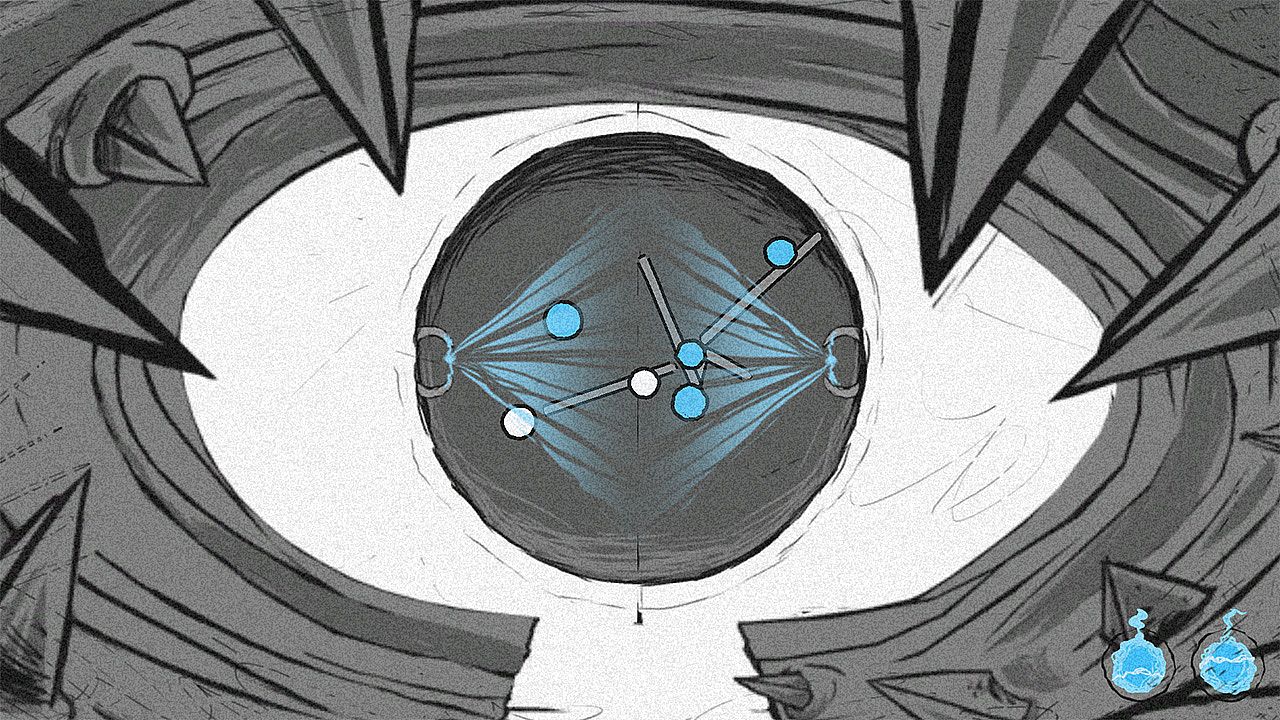
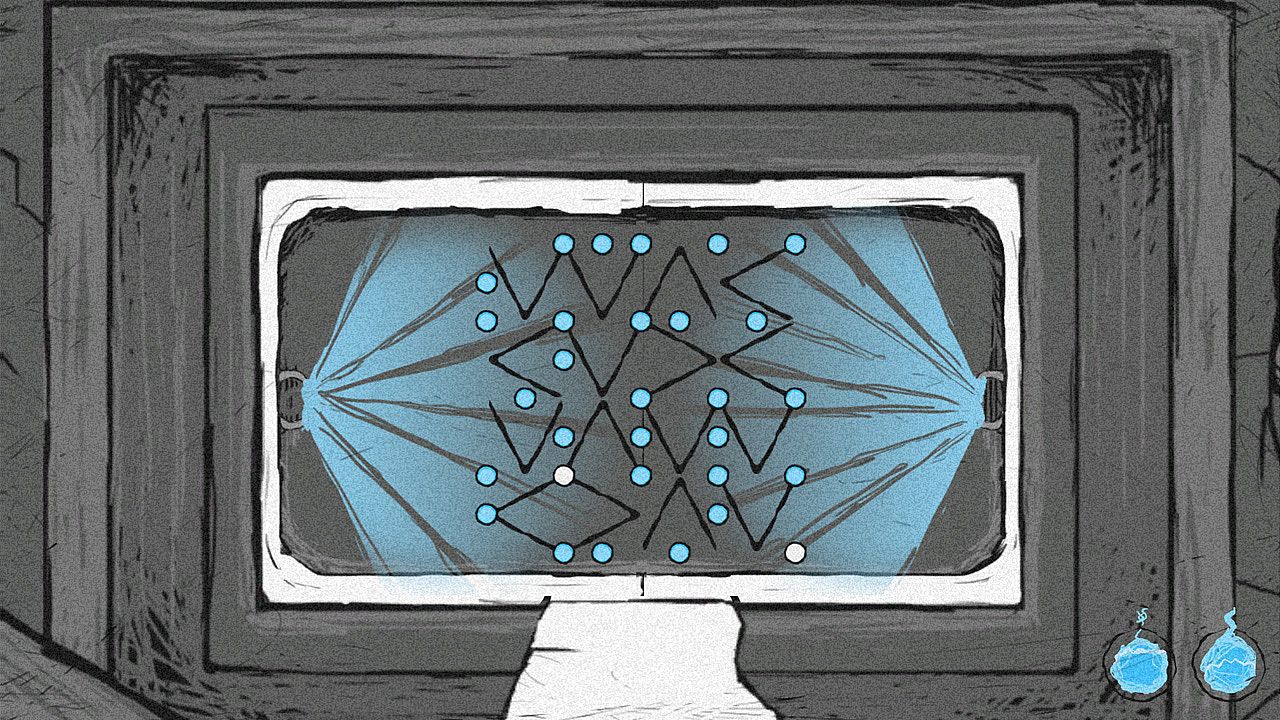
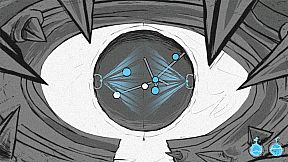
Puzzles rely on observation of patterns, background hints, and trial-based experimentation rather than explicit instructions. Early challenges focus on simple button sequences and path adjustments, while later ones demand memorization of sequences or use of portals and rotating platforms to align routes. Collecting memory fragments unlocks barriers that block further advancement, encouraging repeated examination of each area.
Controls remain minimal throughout, emphasizing exploration over complex inputs. The absence of tutorials forces players to interpret visual and auditory cues independently, which shapes the deliberate pace of discovery.
Game Modes
The game offers a single linear progression without separate modes or multiplayer components. All content centers on one continuous journey through the path, with puzzle sequences building sequentially toward resolution. Two distinct endings provide replay incentive based on choices made during memory collection and path decisions.
No branching campaigns, competitive elements, or cooperative options exist. The structure stays focused on solitary puzzle navigation and narrative uncovering within the fixed environment.
Story and Atmosphere
A minimalist script delivers an ambiguous narrative through sparse voice elements and environmental storytelling. Players recover lost memories piece by piece, encountering surreal imagery and unsettling audio design that heighten a sense of disorientation. The open-ended presentation leaves interpretation to the individual, avoiding direct exposition.
Disturbing soundscapes and graphic shifts reinforce the theme of mental exploration. The overall tone mixes quiet tension with visual fascination, creating an experience that lingers through its bizarre aesthetic rather than conventional plot beats.
Visuals and Design
Hand-drawn art defines the presentation, with creatures and structures that twist and scale in unexpected ways due to the infinite zoom mechanic. This technique generates constant visual interest as the path rotates and environments fold into new configurations.
Simple controls support the focus on puzzle clarity over technical demands. The design prioritizes atmosphere and sensory engagement, using color shifts and perspective tricks to maintain immersion across the short play session.
Is It Worth Playing?
Path to Mnemosyne suits players who enjoy observation-driven puzzle games with surreal presentation and minimal guidance. Its short length allows completion in under an hour for most, making it accessible for those seeking a contained experience rather than extended campaigns.
Reception highlights the unique visuals and memorable atmosphere as strengths, while some note that certain puzzles can feel cryptic and require patience or external notes for solutions. The two endings add minor replay value for completionists. Those drawn to indie titles with strong artistic direction and straightforward mechanics will find the most satisfaction here, particularly if they appreciate games that reward careful attention over fast reflexes.