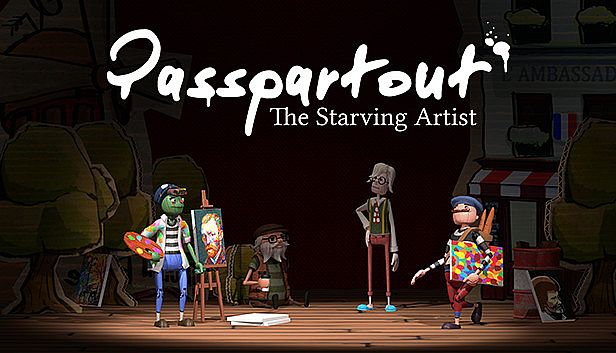













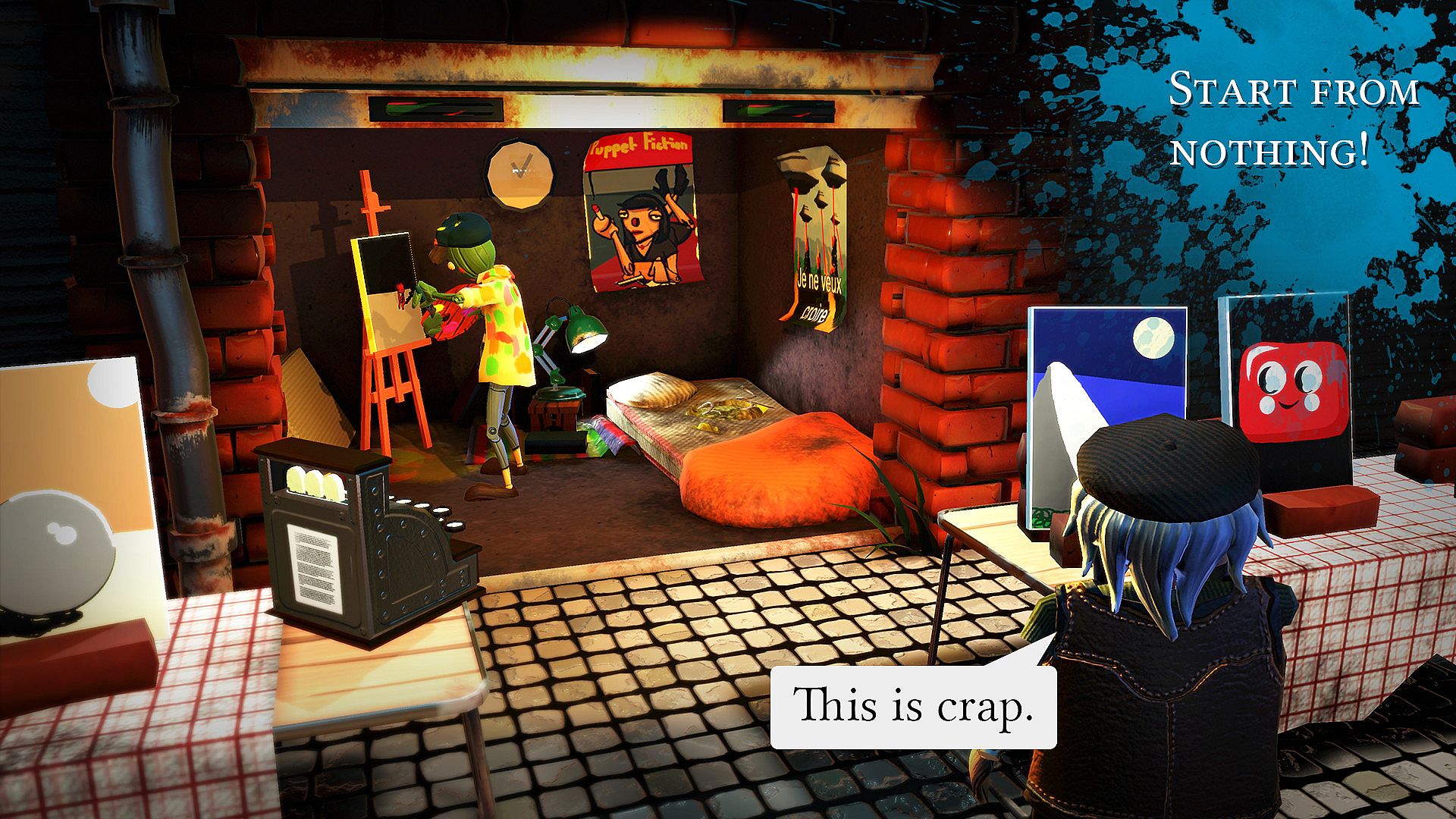
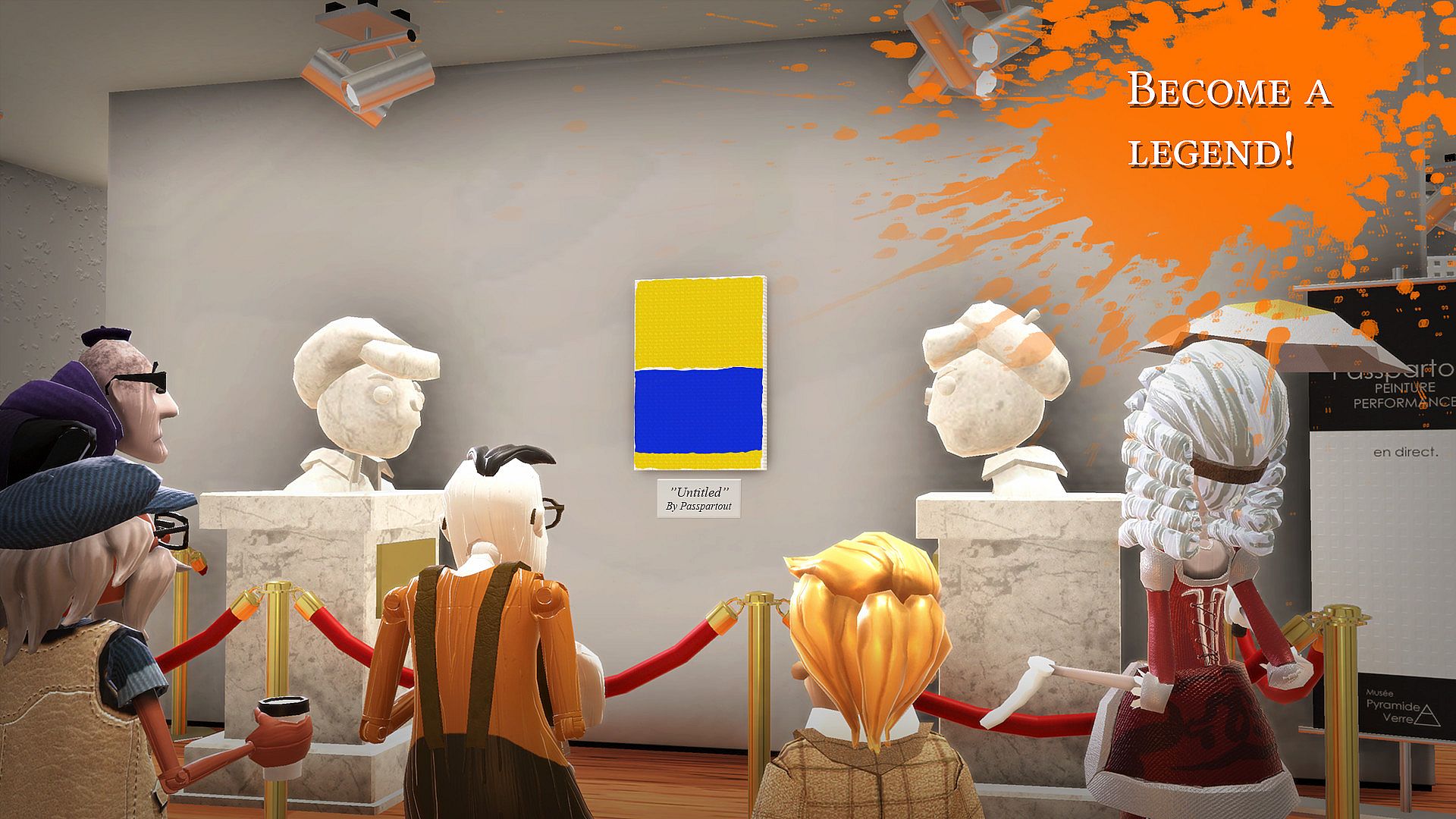
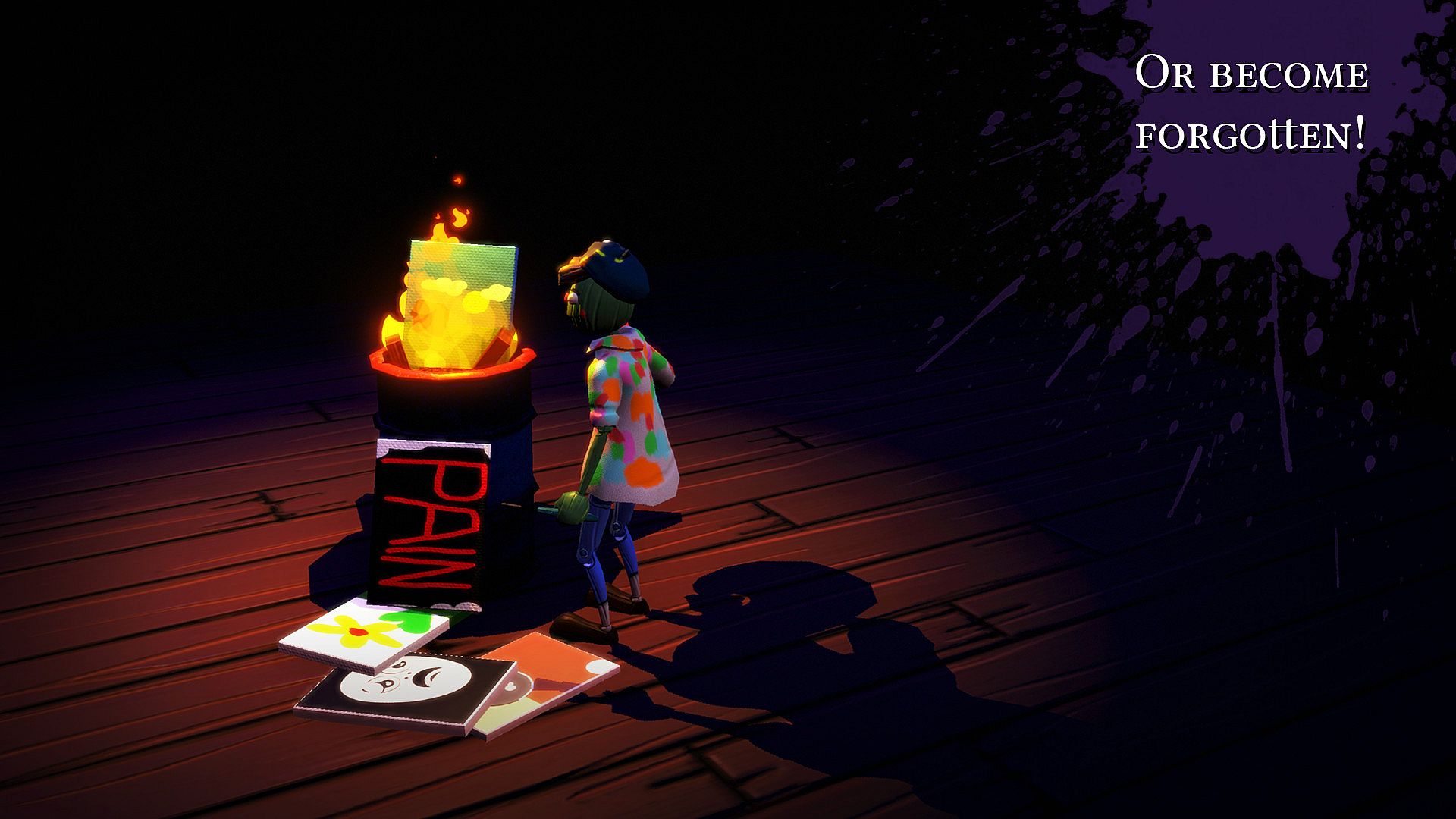
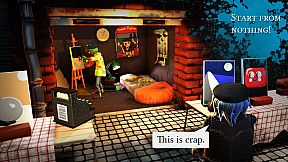
Passpartout: The Starving Artist is an indie simulation game that places players in the role of a struggling French painter navigating the art world. The experience centers on creating original paintings and attempting to sell them to a range of customers while managing basic expenses. As a singleplayer title focused on creative expression and light management, it appeals to those interested in casual gameplay that rewards personal creativity over competitive elements.
Gameplay
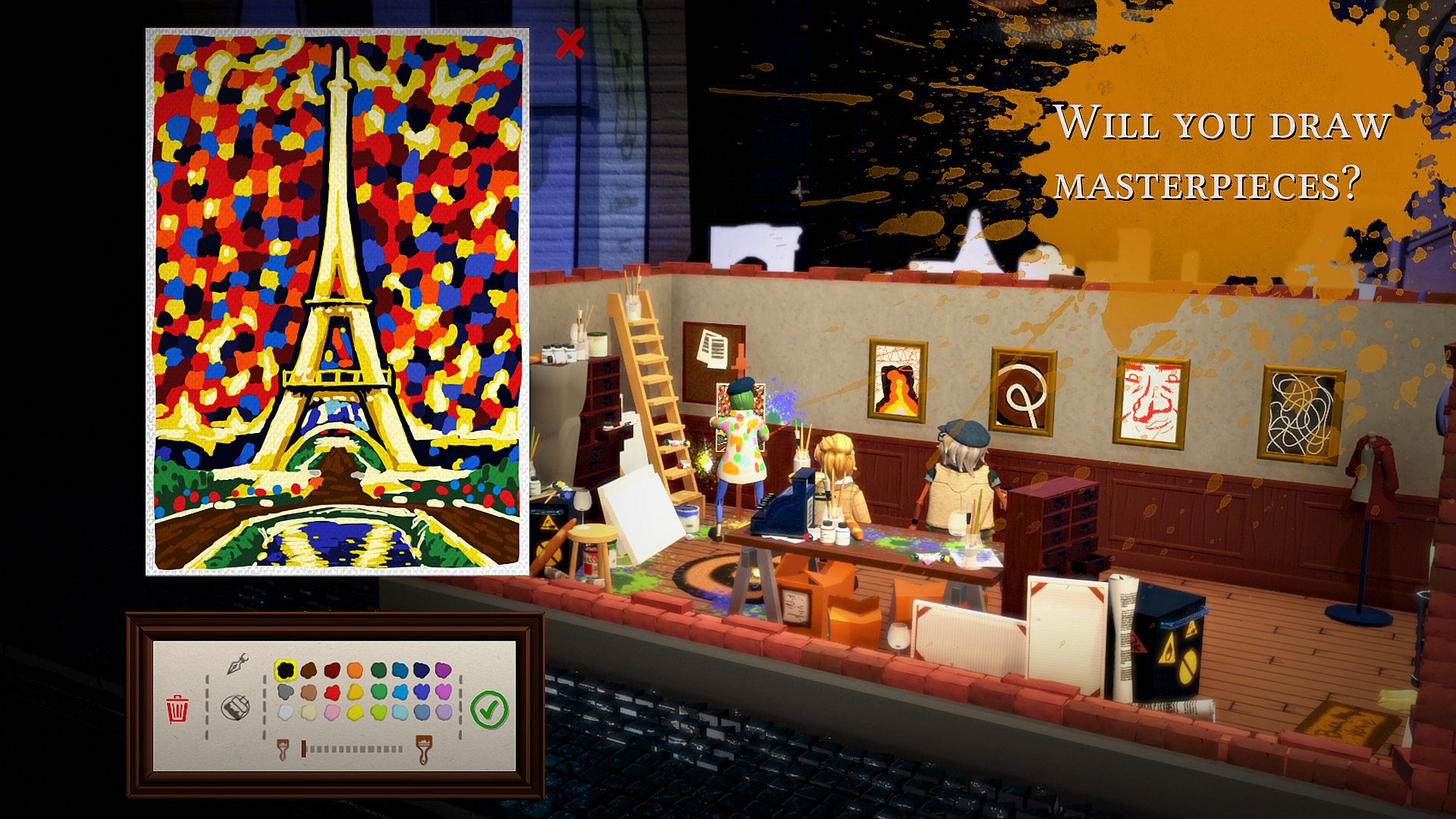
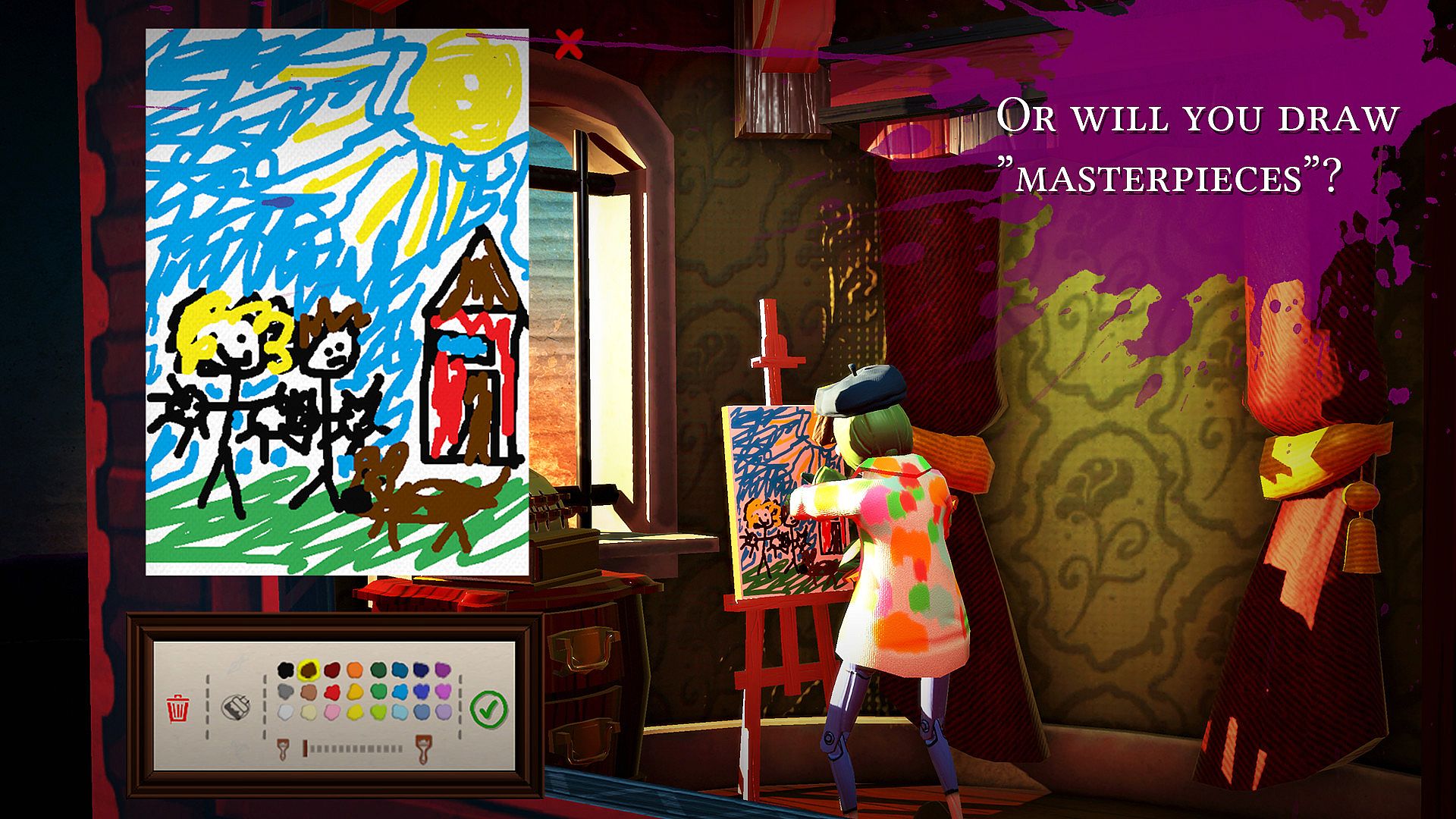
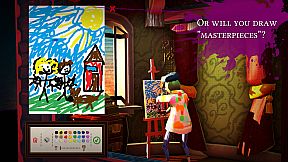
The core loop involves selecting colors and tools to paint on a canvas, then presenting the finished work to potential buyers in progressively better locations. Painting tools start basic and expand as progress is made, allowing for different techniques such as broad strokes, spraying, and finer lines. Customers react based on the painting's characteristics, including color complexity and overall effort visible in the piece. Time spent on a work can influence its perceived value, and repeating similar styles too closely risks lower interest from buyers.
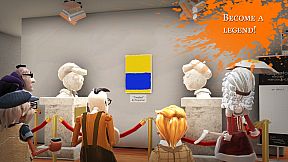
Financial survival requires balancing sales income against recurring costs. Players advance by unlocking access to higher-end galleries and more discerning clients. The presentation uses a puppet theater aesthetic that frames interactions in a stylized, lighthearted manner. An original soundtrack supports the relaxed pace throughout sessions.
Game Modes
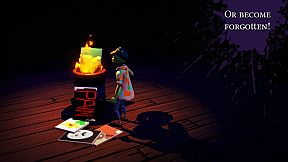
The main experience follows a structured career path divided into acts. Each act presents new challenges in selling art while advancing through the scene. Different paths emerge depending on the dominant art style developed, leading to varied conclusions based on consistency with chosen approaches and interactions with specific characters.
An Endless Mode extends the painting tools and creation options beyond the main progression. This mode supports continued experimentation without the pressure of advancing through story segments or managing bills in the same way.
Art Creation and Progression
Paintings are evaluated through an in-game system that considers factors like the number of color boundaries and the scale of individual color regions. Players can save their works for later viewing. Progression unlocks additional brushes and canvases while introducing customers with distinct preferences. The system encourages trying varied styles to explore different outcomes rather than perfecting a single approach.
Is It Worth Playing?
Player feedback highlights the game's appeal as a relaxing creative outlet suitable for short or extended sessions. Reviews describe it as enjoyable for those who value the freedom to paint without strict rules or high difficulty. The title maintains a Very Positive rating on its primary platform, with praise for the humor in customer interactions and the satisfaction of seeing personal creations find buyers. It suits players seeking a singleplayer simulation that emphasizes artistic subjectivity over action or strategy depth. Those who enjoy light management combined with hands-on creation will find the most value, while individuals preferring fast-paced or multiplayer experiences may find the pace too measured. The game remains available for PC without ongoing seasonal content or major updates in recent years.