




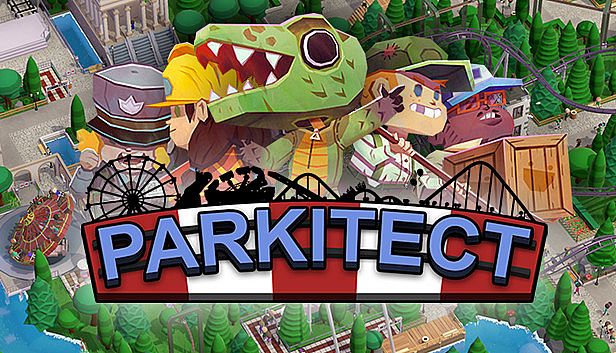














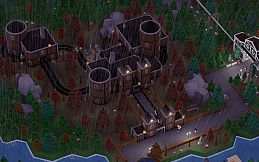
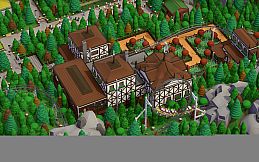
Parkitect is a strategy and simulation game centered on building and managing theme parks on PC. Players take on the role of a park designer and operator, handling everything from terrain shaping and ride placement to financial oversight and guest experience in a detailed tycoon-style setup.
Gameplay
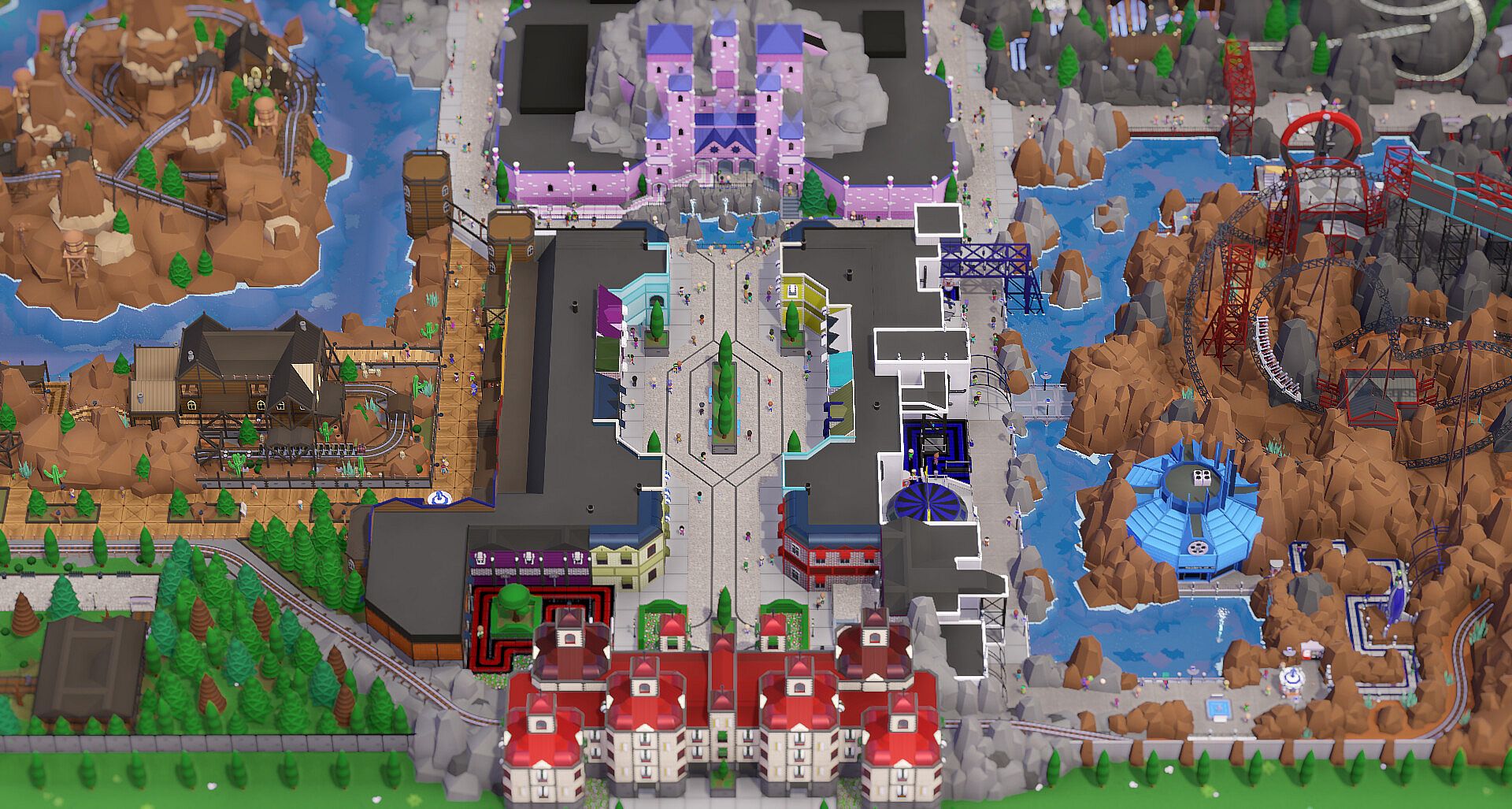
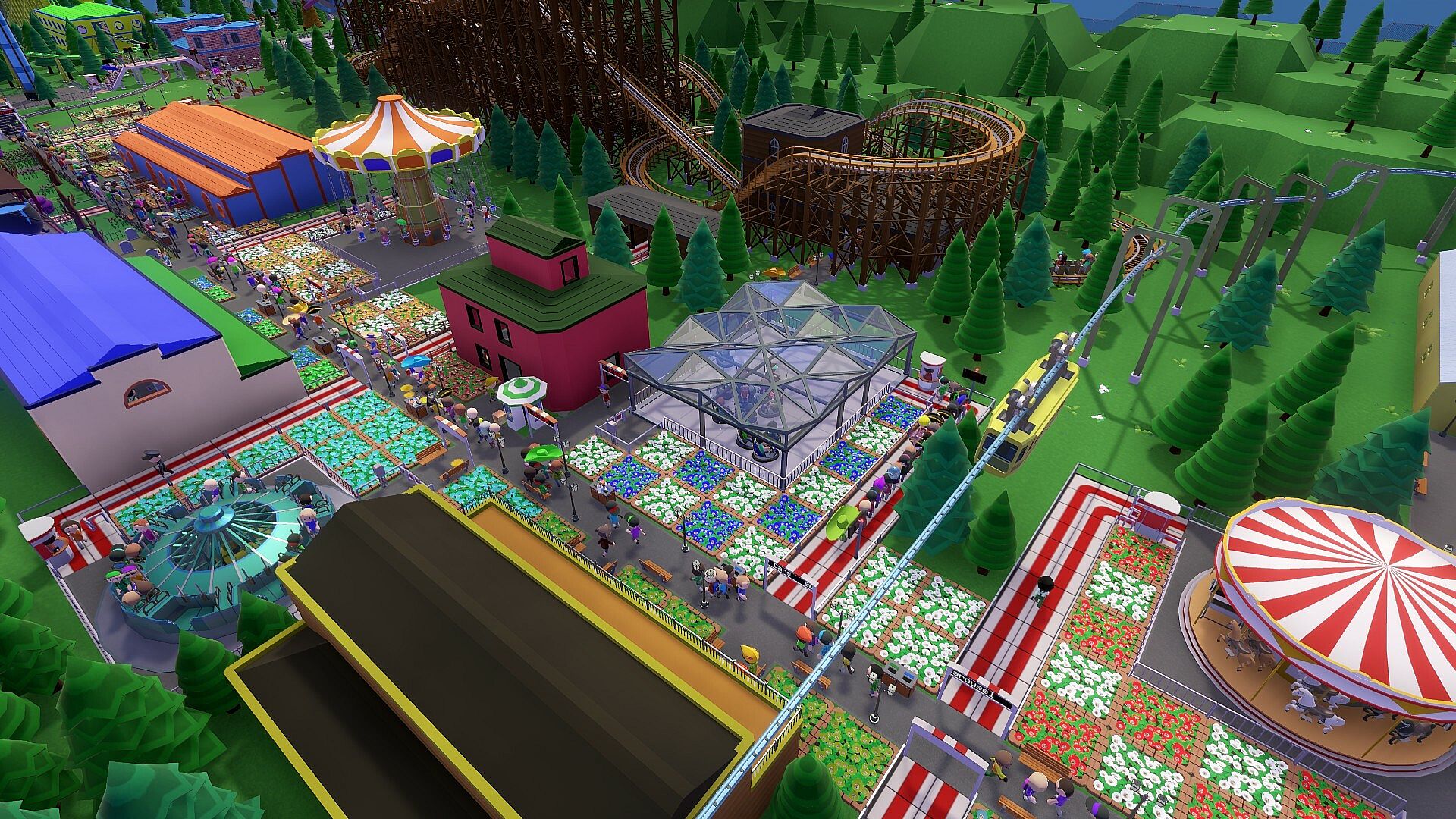
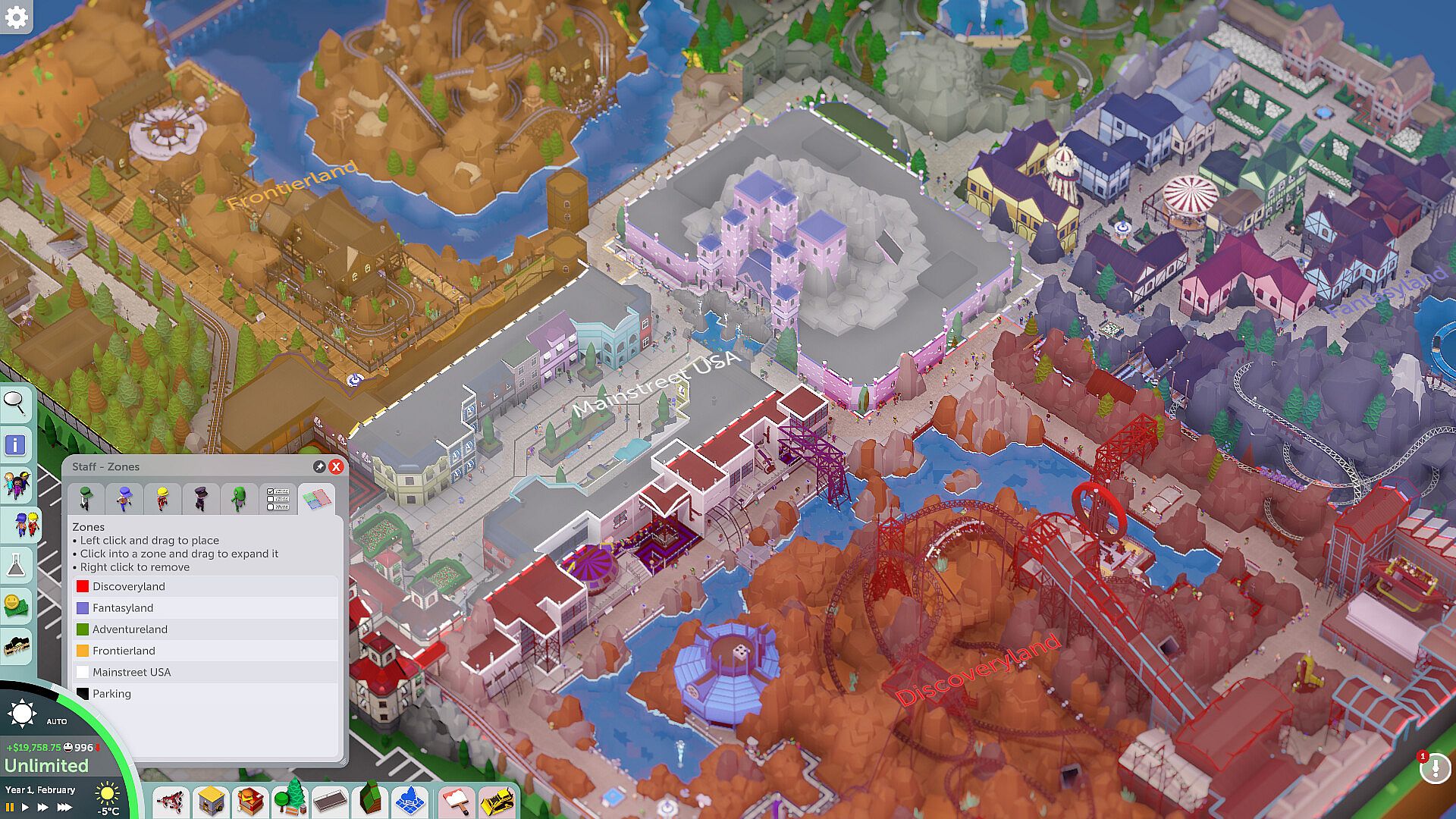
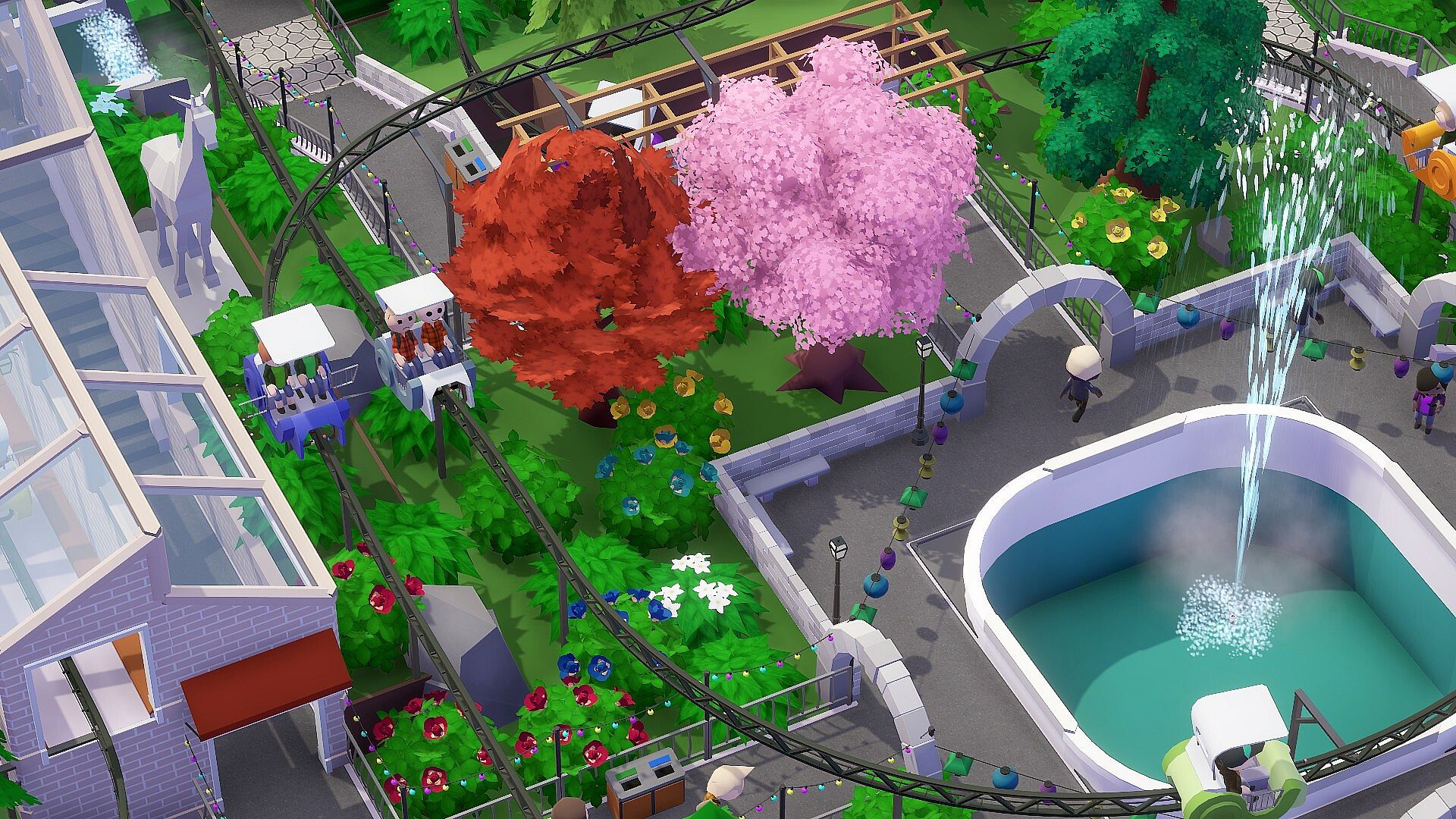
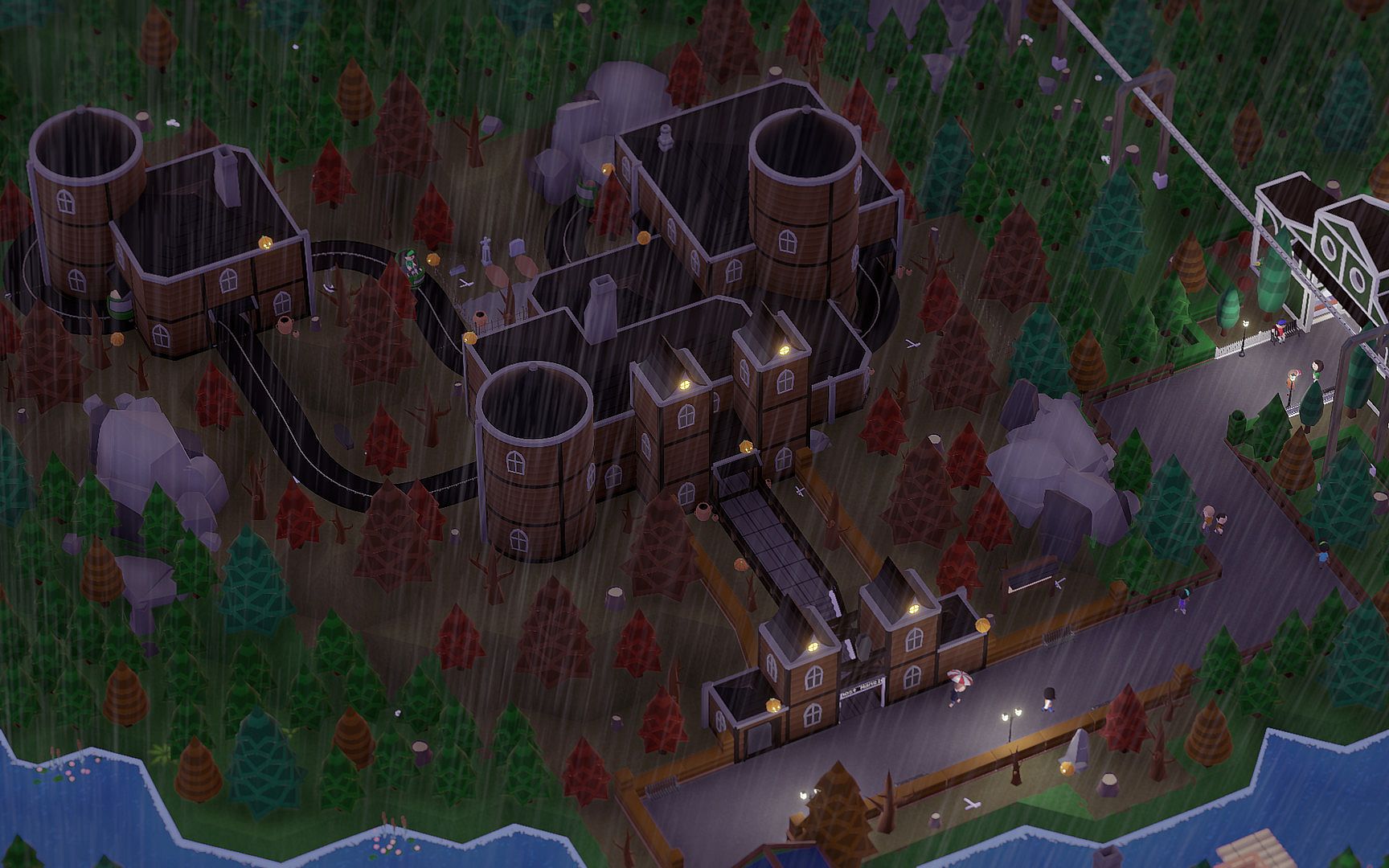
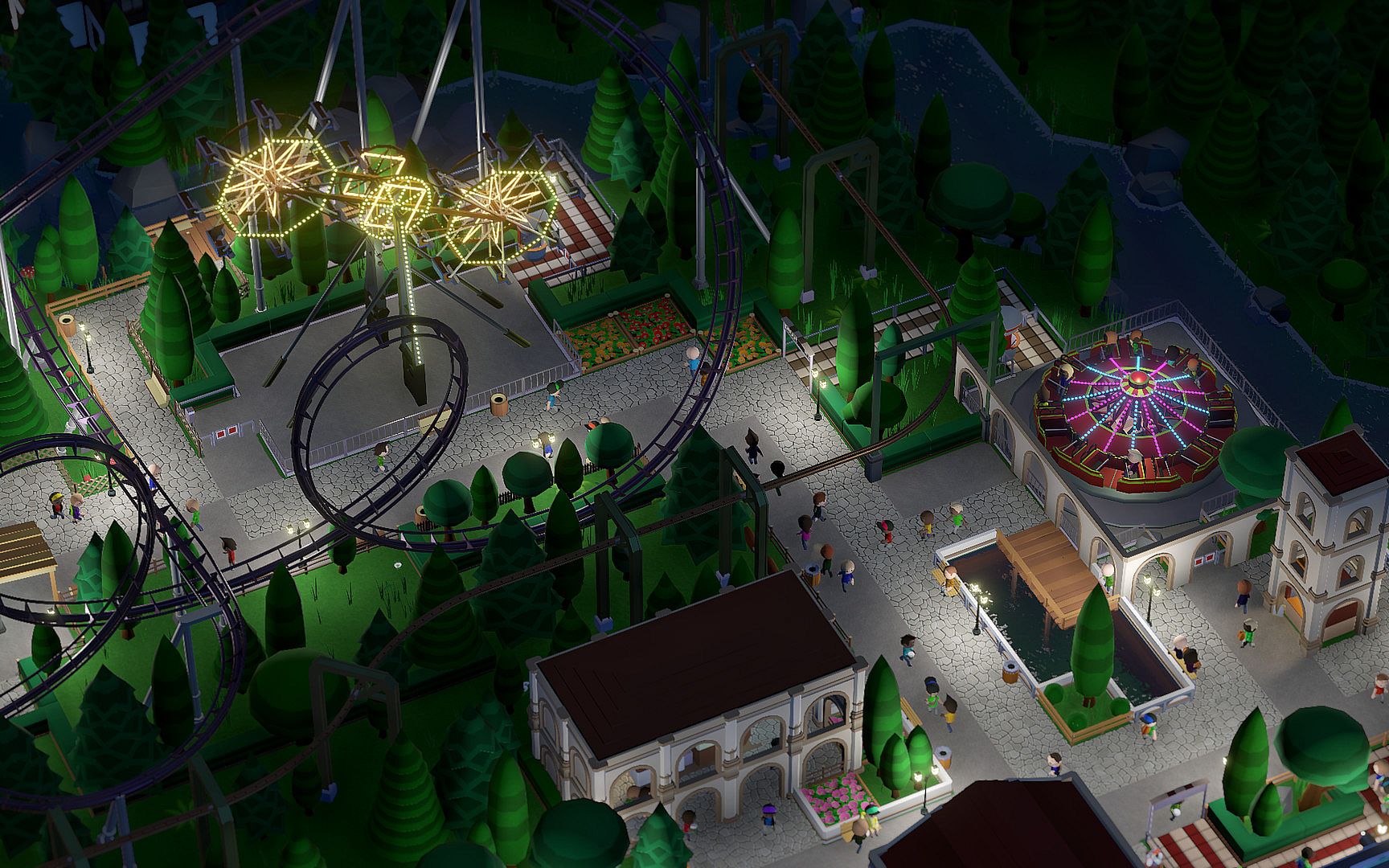
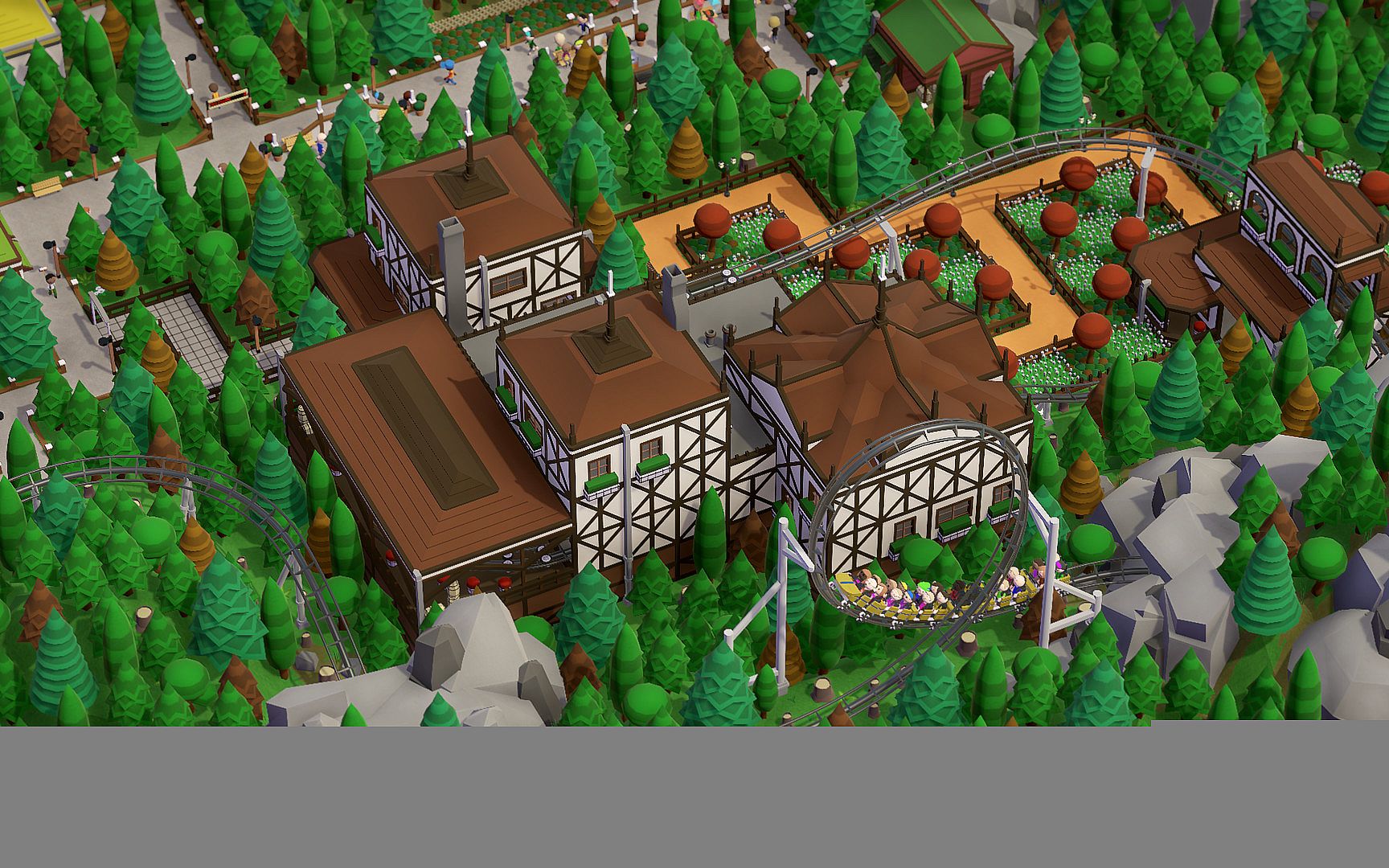
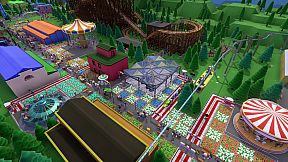
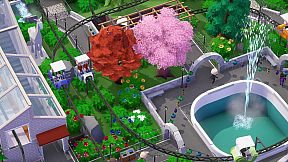
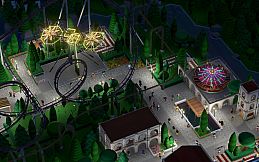
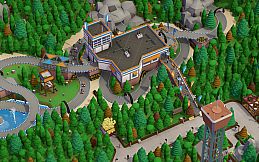
The core loop revolves around construction and ongoing management. Players deform terrain, add water features, and erect structures while filling the space with decorative objects drawn from multiple themes. Attention to detail extends from individual flower pots to large-scale layouts, and every tile on the expansive maps carries weight in how the park functions and looks.
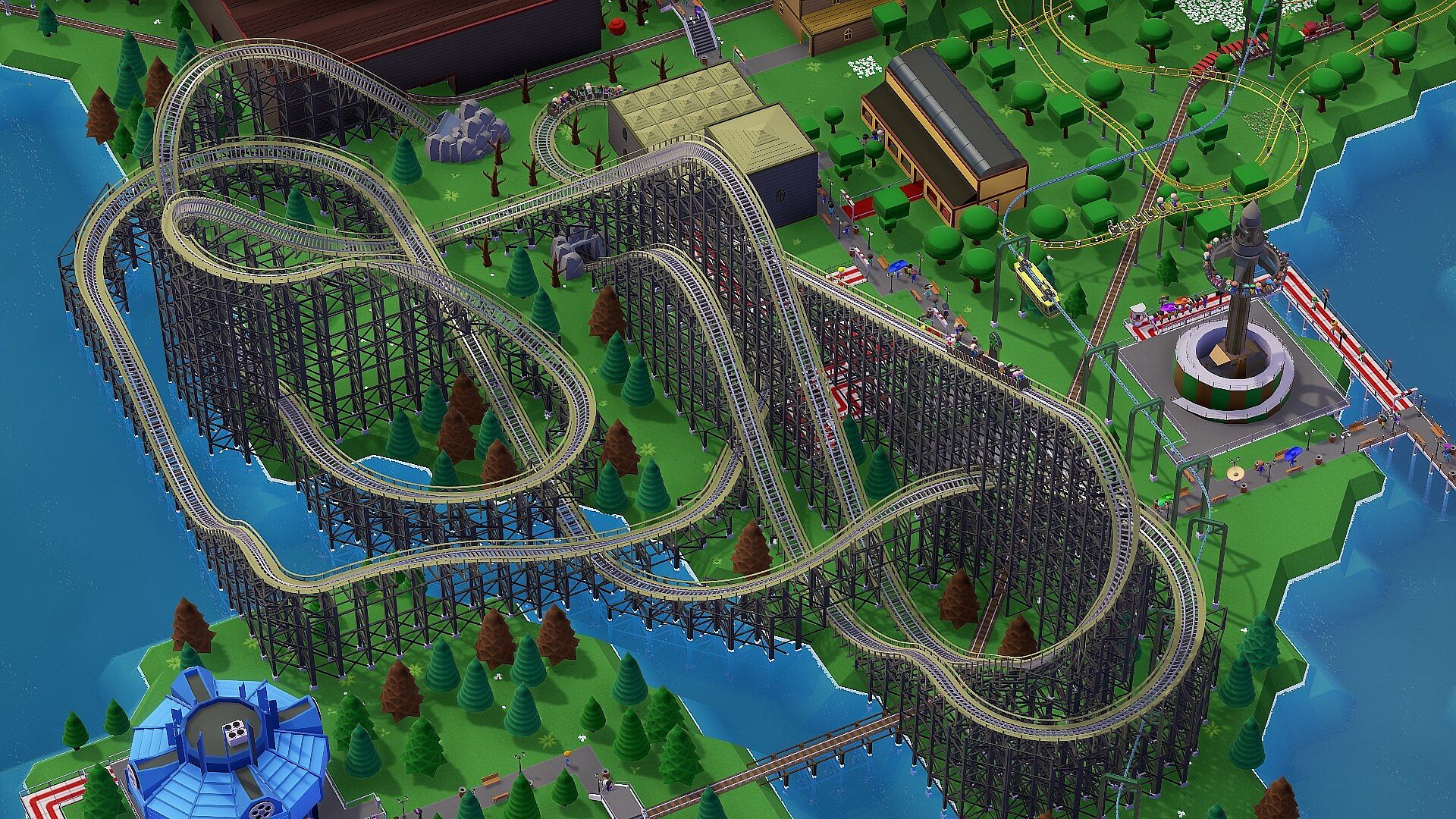
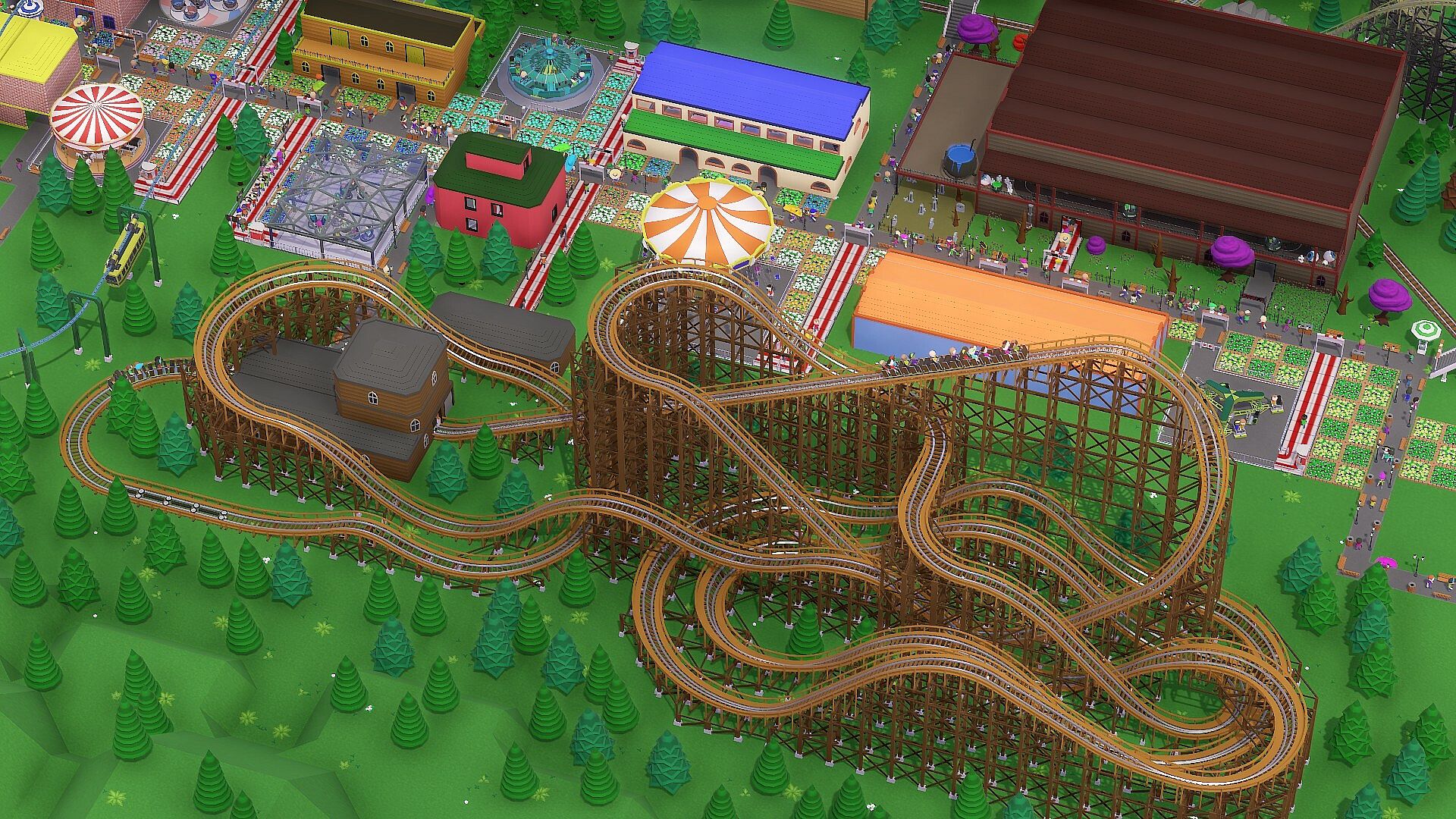
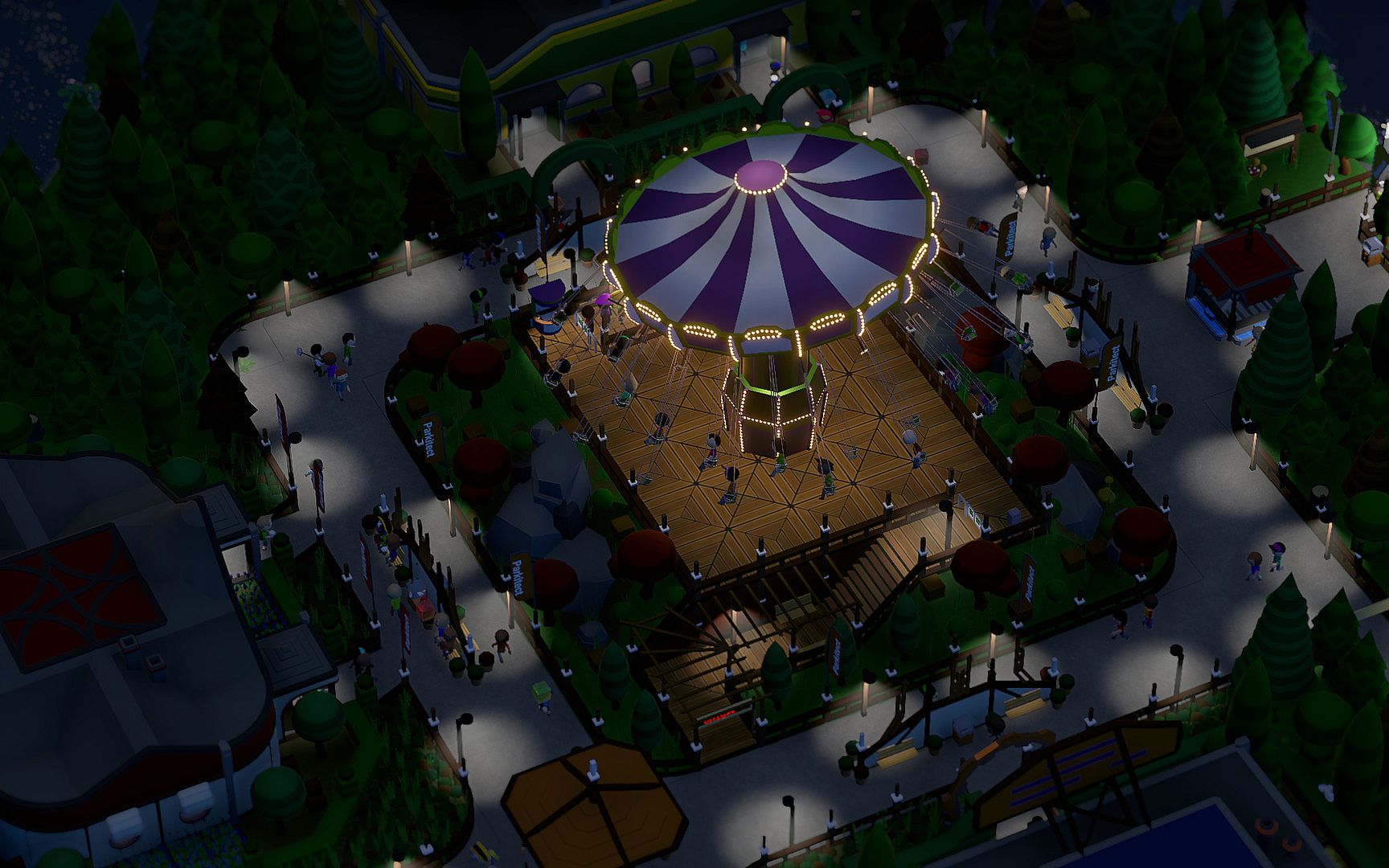
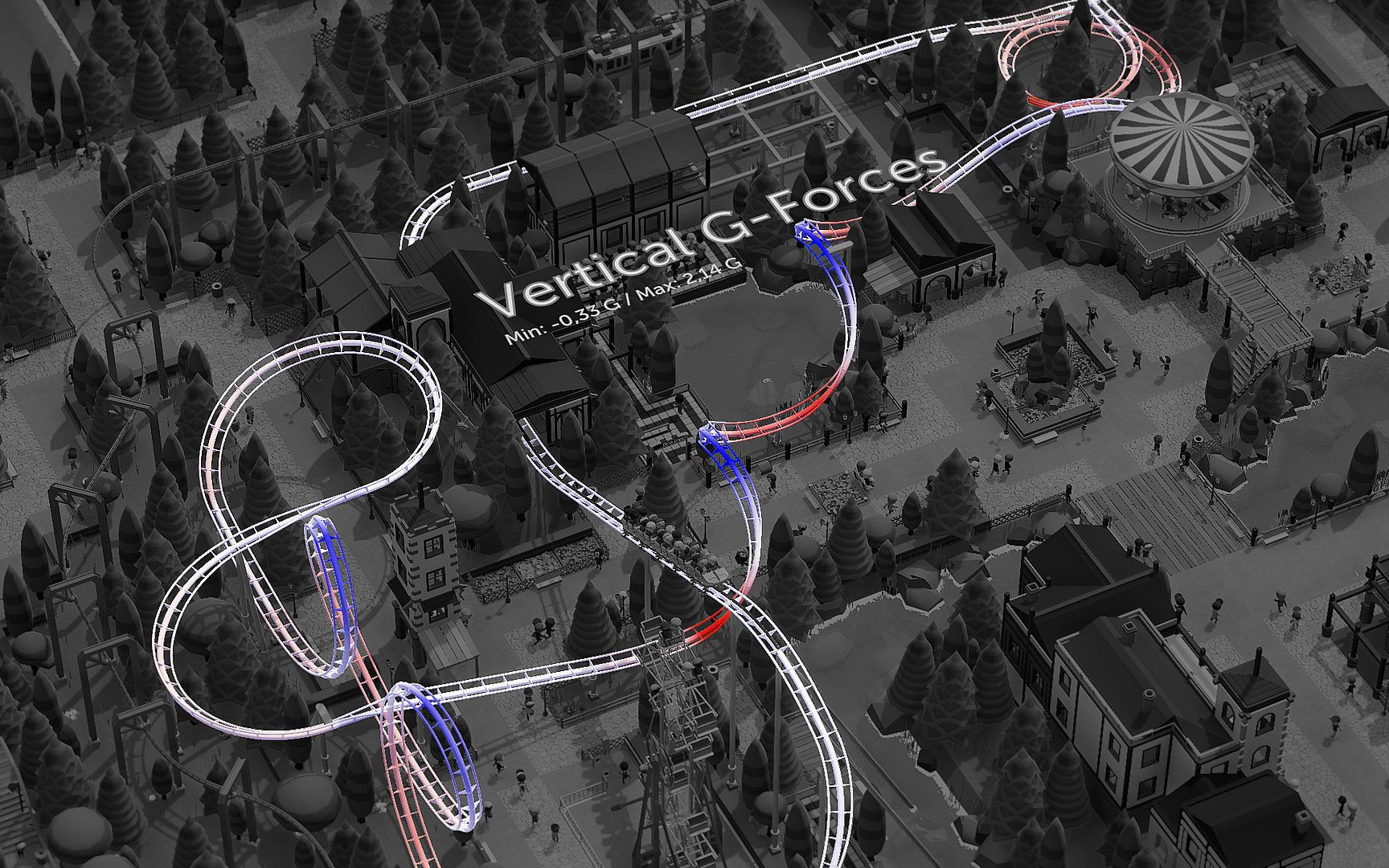
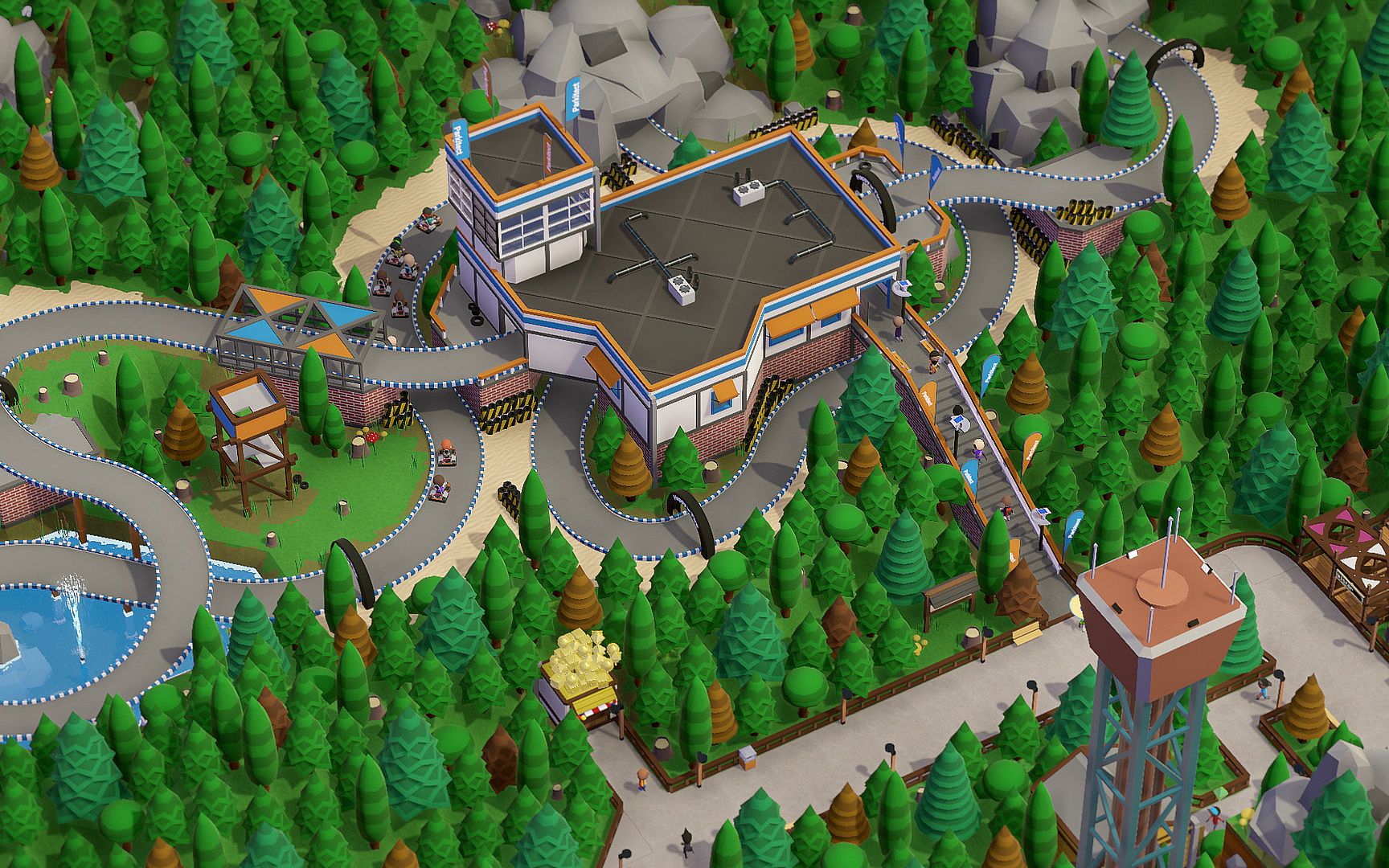
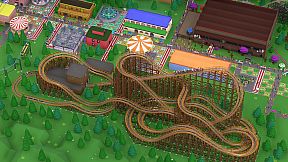
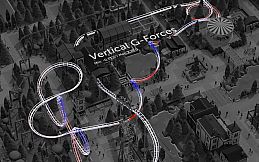
Roller coaster creation forms a major highlight. Designers can craft custom tracks or select from preset options across more than seventy ride types, including spinning, looping, launching, and flying variants. These attractions integrate with the broader park to keep visitors engaged while supporting the financial side of operations.
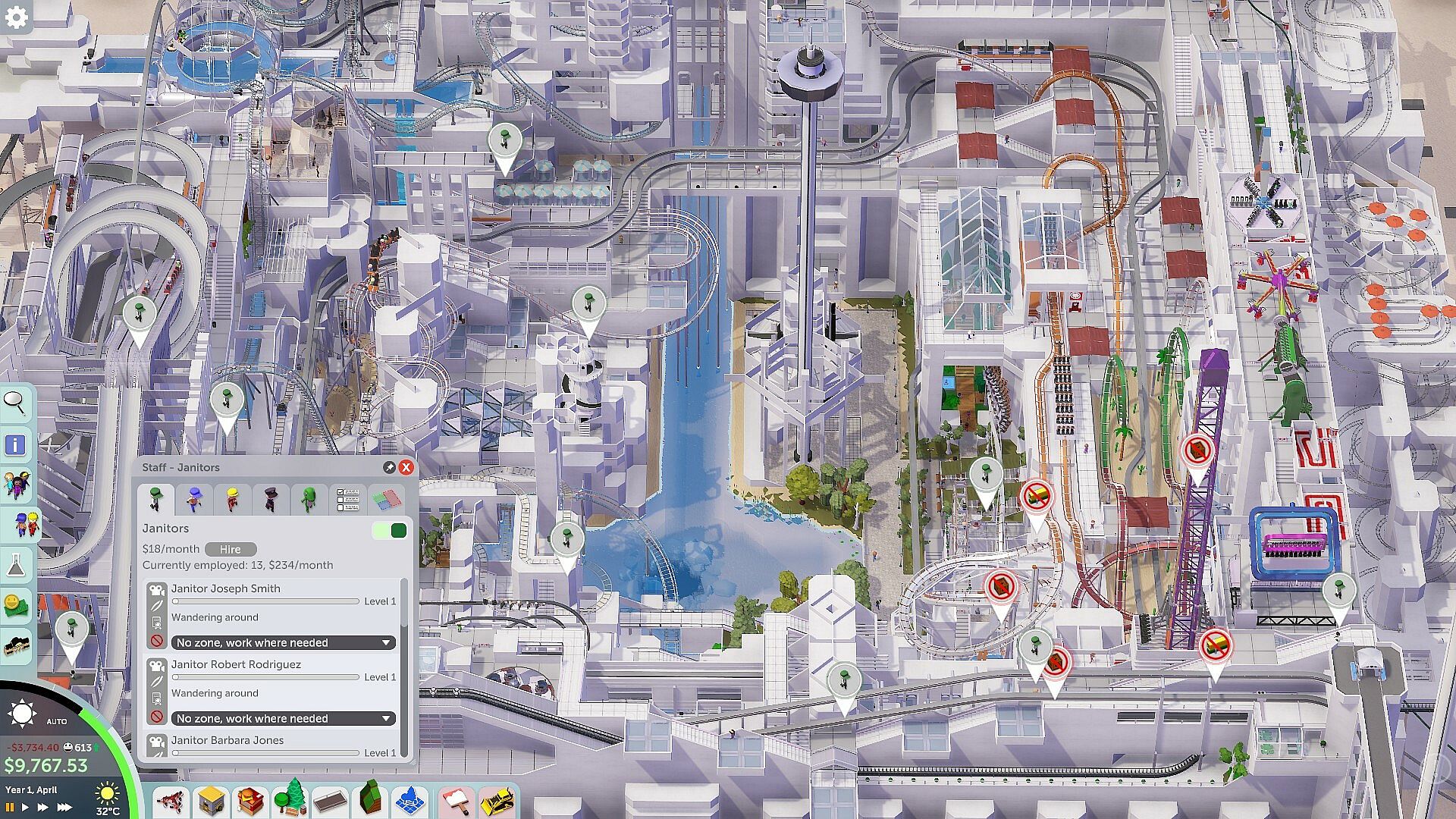
Management adds depth beyond pure building. Finances require constant monitoring, as does guest satisfaction. Resource routing to shops must avoid disrupting public areas, and staff facilities stay hidden to maintain immersion. This behind-the-scenes layer influences how smoothly the park runs and how guests perceive the experience.
Game Modes
Two primary modes structure play. The campaign presents twenty-six scenarios set in distinct environments. Each scenario challenges players with specific objectives that test coaster design skills alongside park management decisions, progressing through a branching world map.
Sandbox mode removes those constraints for open-ended creation. Players can adjust settings such as money availability or research requirements to focus purely on building without external pressures. Both the campaign and sandbox support single-player sessions or online cooperative play with up to eight participants working together on the same park.
Additional tools enhance replayability. A landscape generator helps establish new settings quickly, while a scenario editor allows creation of custom challenges. Community-created content integrates directly through workshop support for further variety.
Customization and Scale
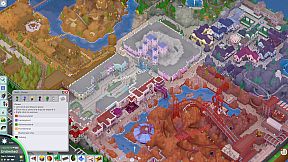
Maps in Parkitect offer substantial size without sacrificing precision. Players blend themes freely, such as combining adventure elements with fantasy zones, and expand possibilities through workshop downloads or personal modifications. This flexibility supports everything from compact, highly detailed areas to sprawling complexes filled with dozens of attractions.
Staff and operational systems tie into the larger design. Efficient paths for deliveries and hidden back-of-house zones contribute to both profitability and the visual coherence of the finished park. These elements encourage iterative adjustments as the layout grows.
Is It Worth Playing?
Parkitect delivers a focused theme park management experience that rewards careful planning and creative building. The combination of coaster design tools, detailed theming options, and layered management mechanics appeals directly to players who enjoy simulation games with tangible progression and decision-making consequences.
Reception remains consistently positive, with the majority of reviews highlighting the depth of the building systems and the satisfaction of completing scenarios. Regular updates continue to add features and refinements, while community content expands the available scenarios and assets over time.
The game suits those interested in long sessions of construction paired with operational oversight. Its single-player campaign provides structured goals, and the cooperative option opens collaborative building for groups. Sandbox play offers unlimited freedom for creative expression without time limits or objectives.














