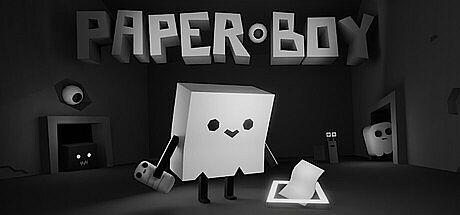


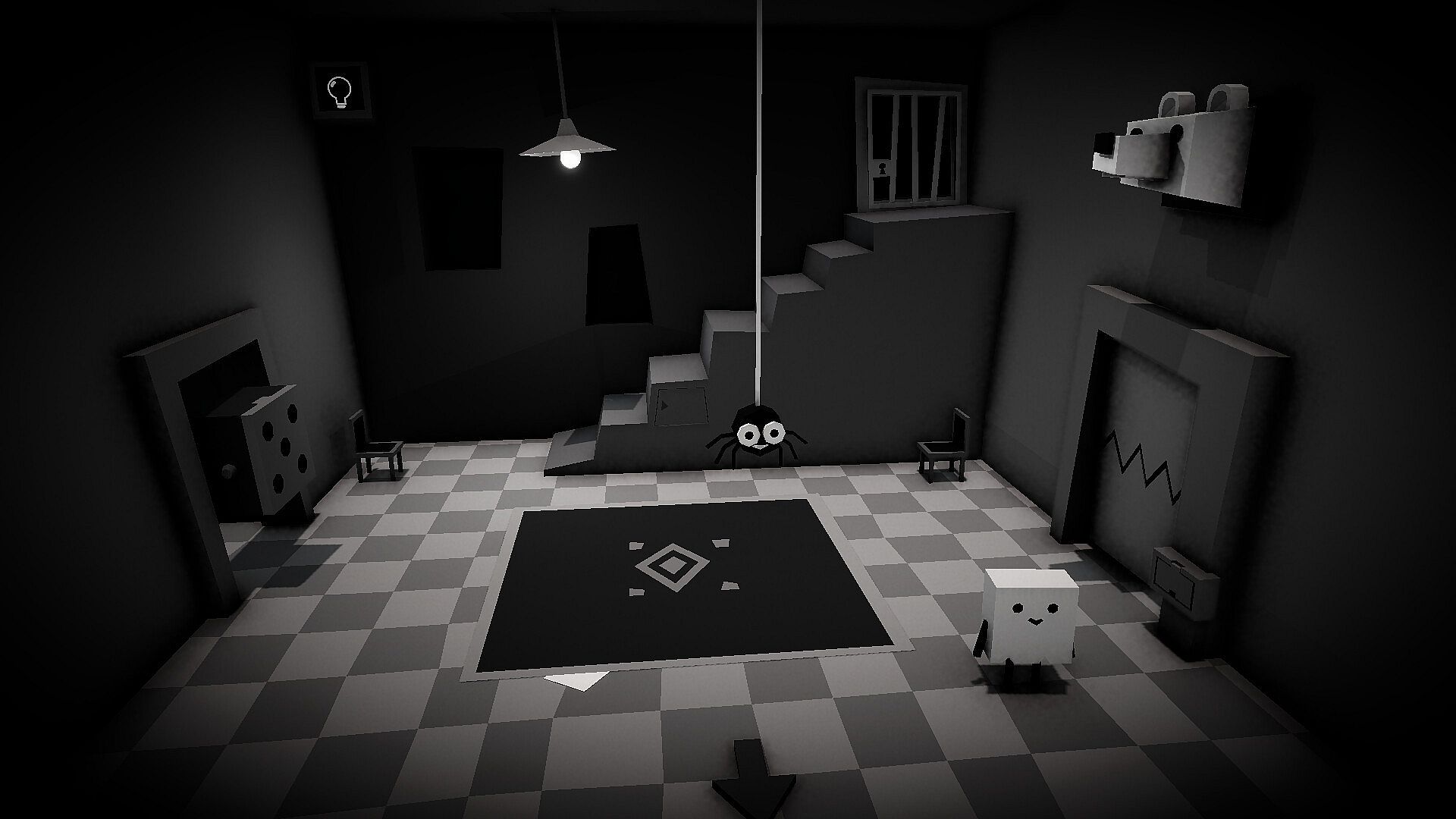
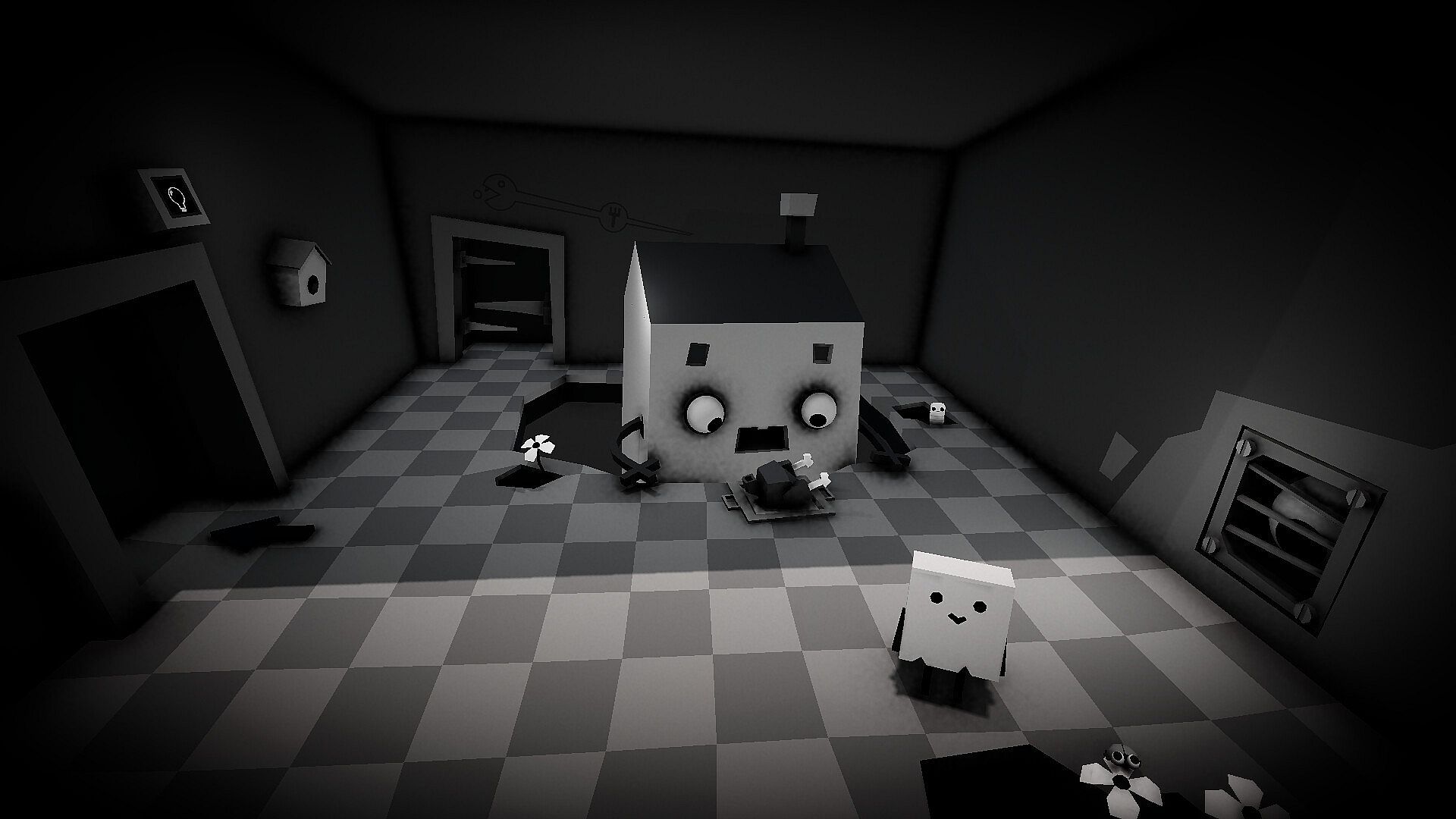
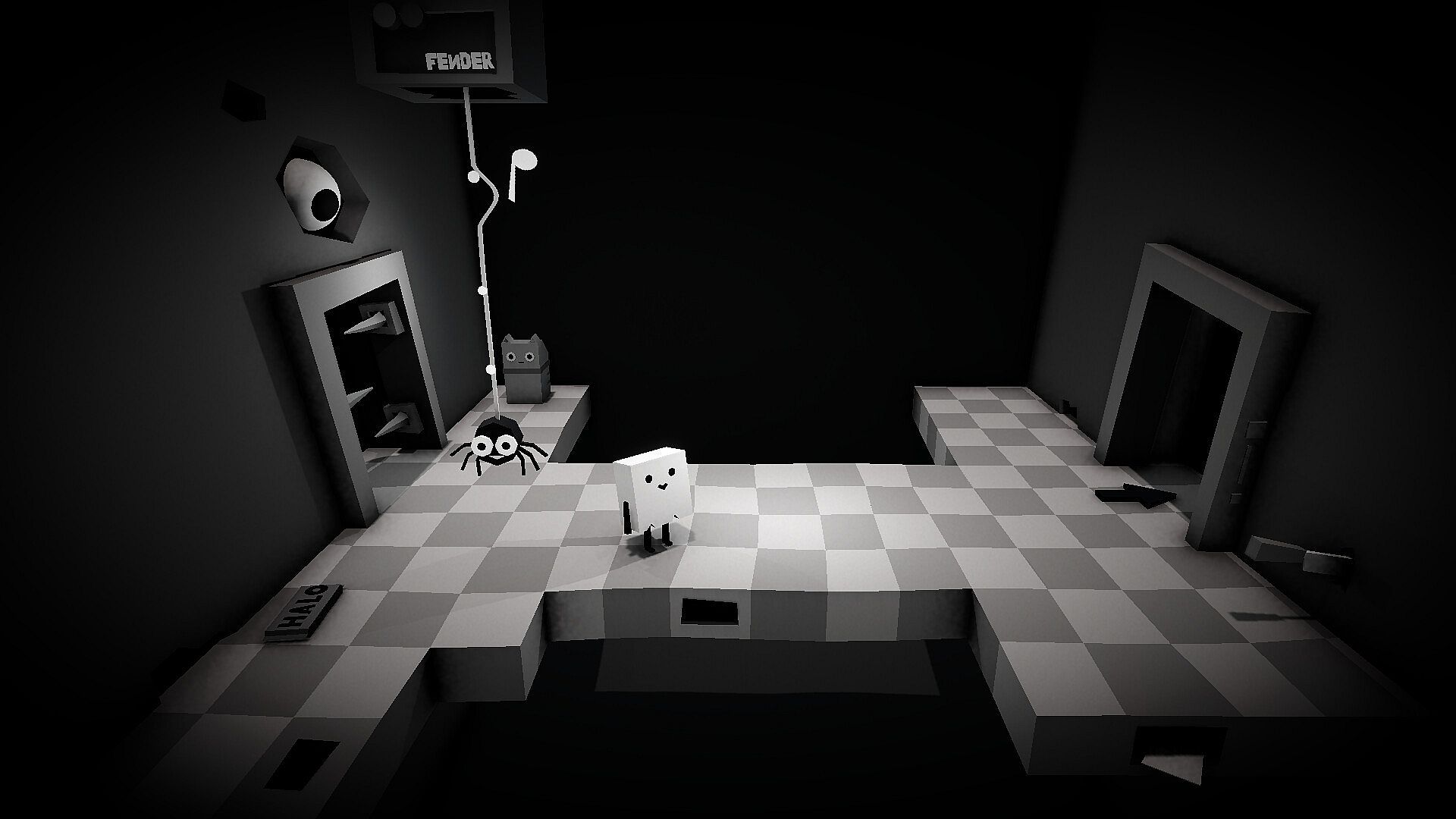
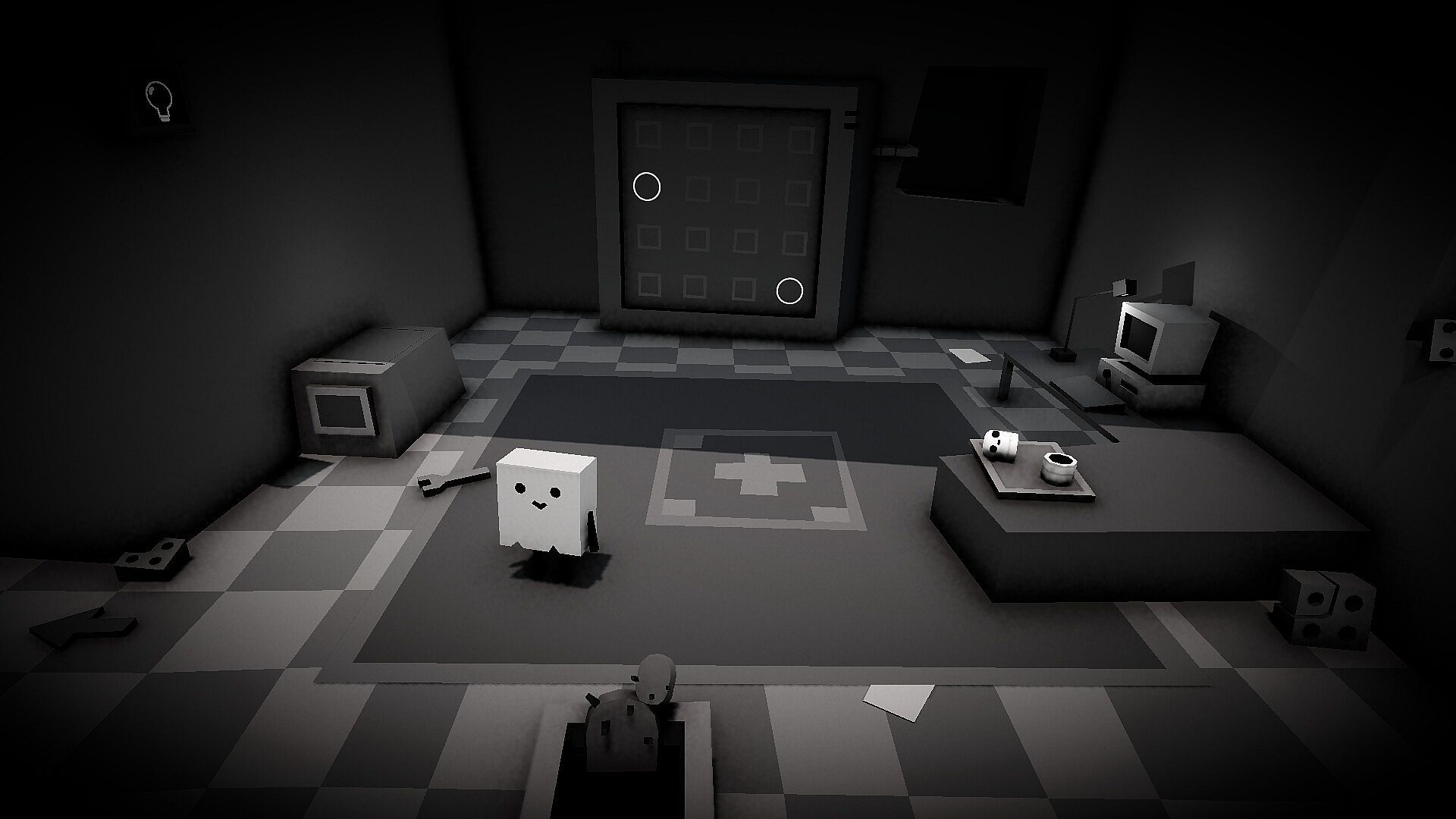
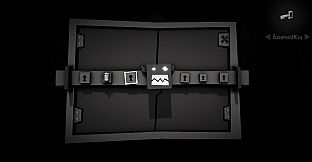
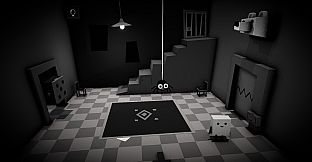
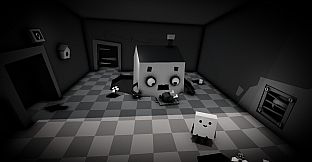
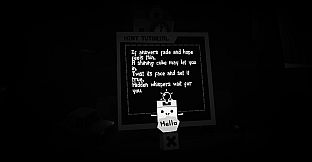
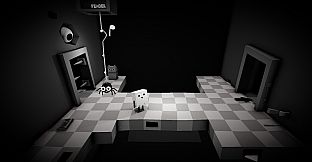
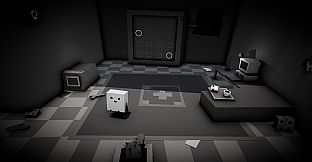
Paper Boy is an indie point-and-click puzzle adventure set on PC. Players take control of a small paper-like boy who inherits a strange house from his late uncle. The experience centers on exploring a surreal black-and-white environment filled with interconnected rooms, hidden passages, and scattered clues from the uncle's notes and diary pages.
Gameplay
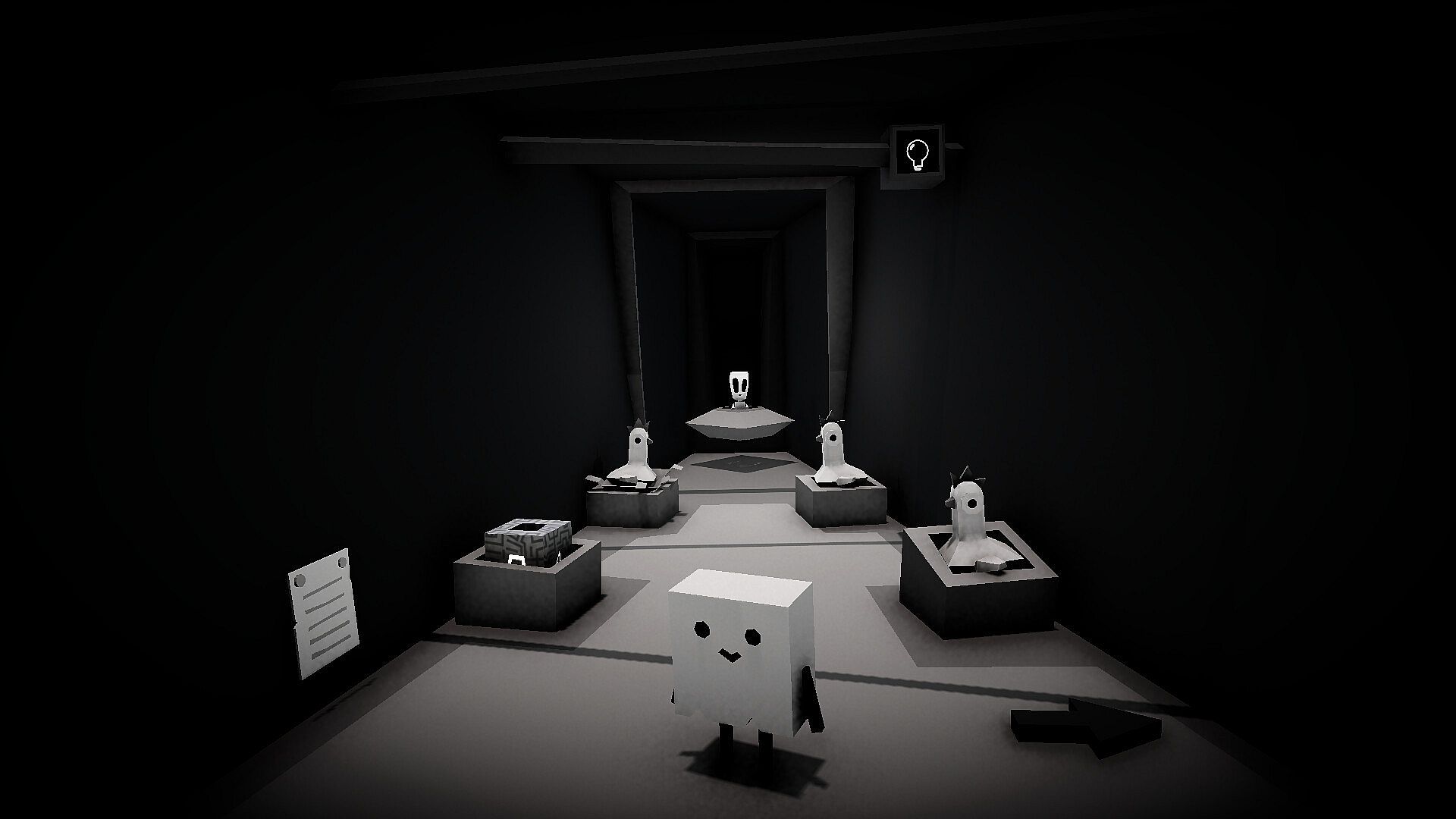
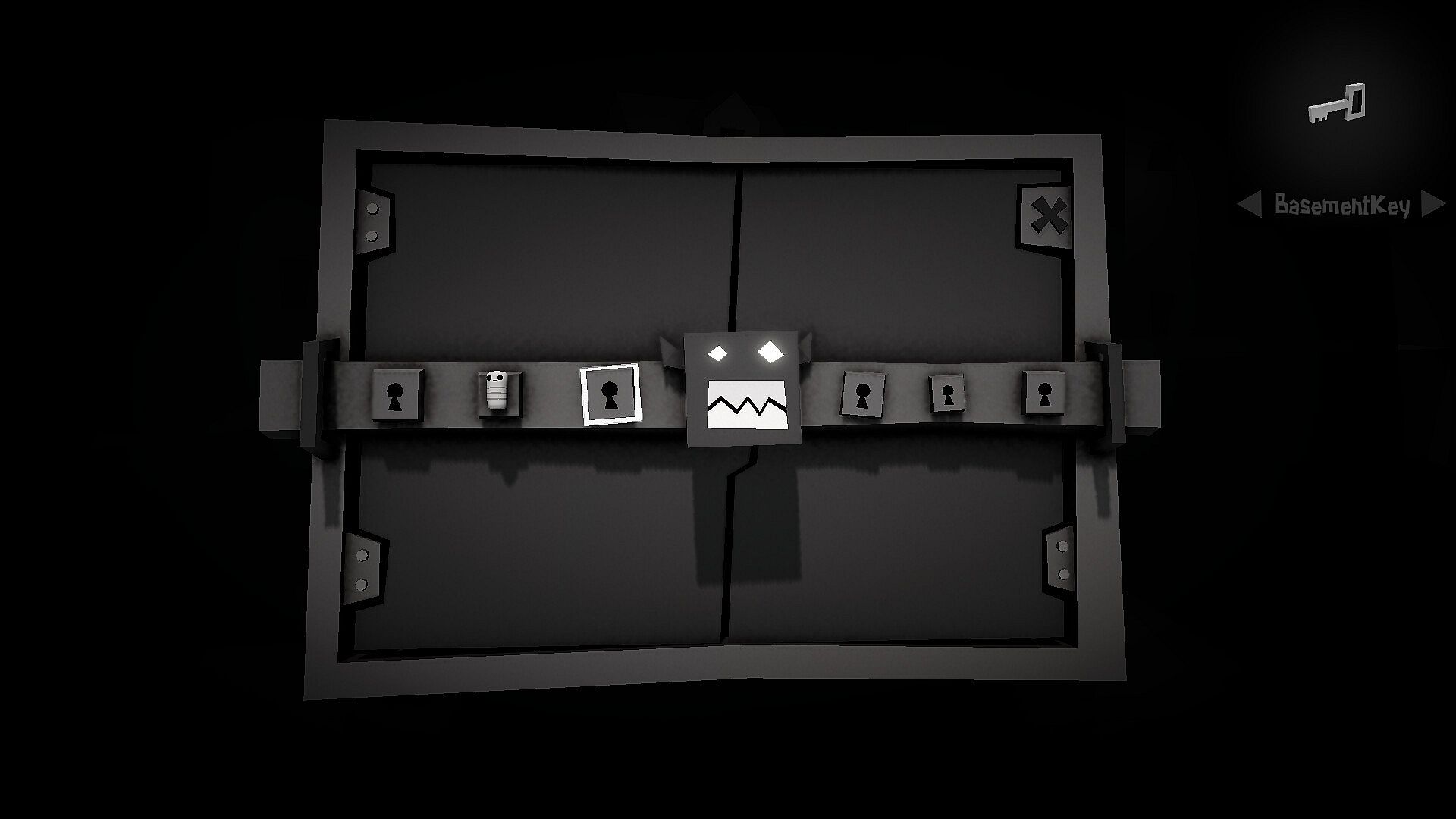
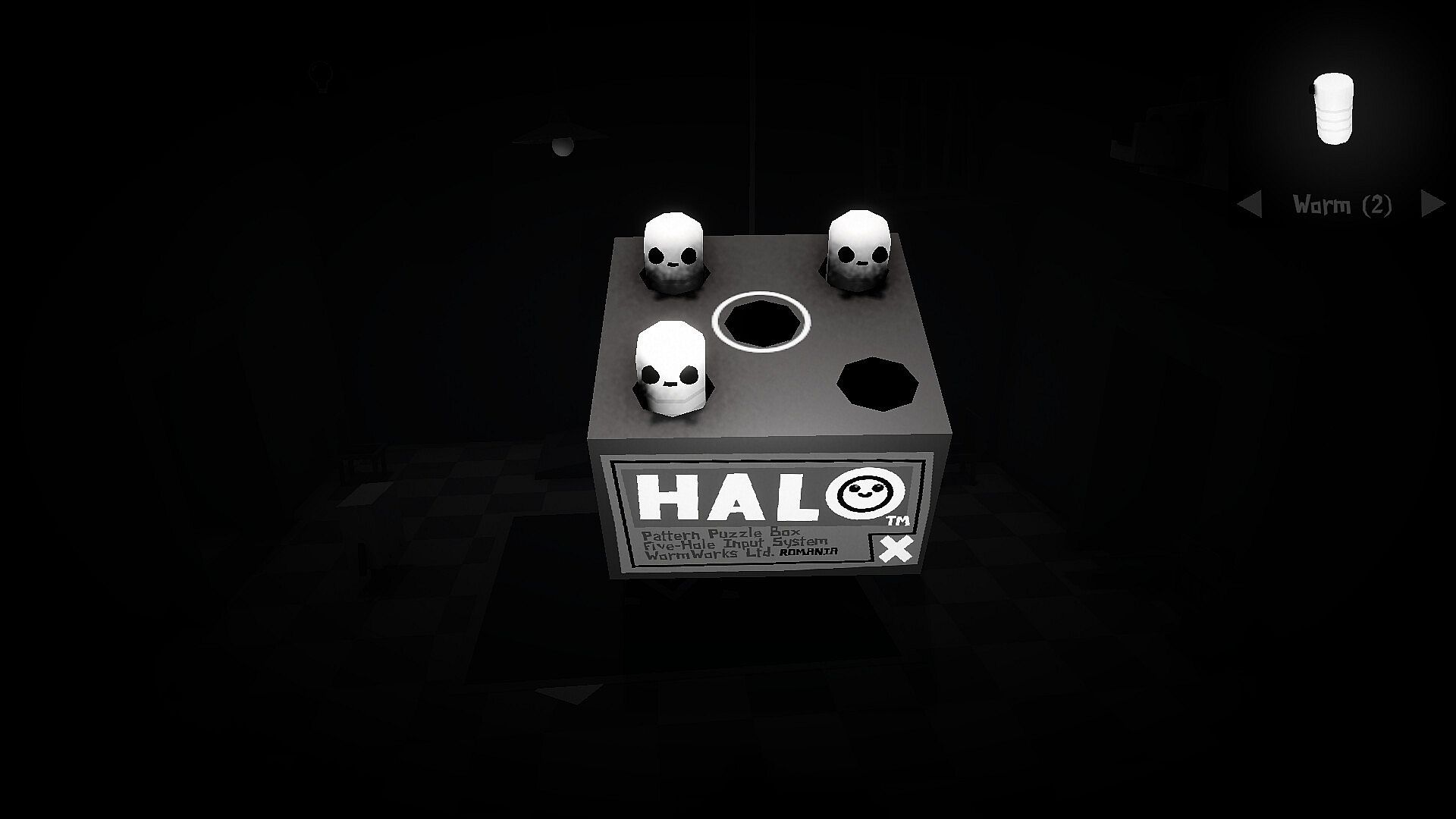
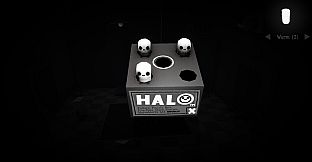
The core loop revolves around atmospheric exploration and discovery in a cozy spooky setting inspired by classic cartoon horror and dreamlike mystery. Movement occurs through point-and-click navigation across bizarre rooms that connect in unexpected ways. Players examine objects, interact with unusual mechanisms, and collect items to use in solving environmental challenges. Hidden-object puzzles require locating specific elements within detailed scenes, while symbolic ciphers demand decoding patterns or sequences. Inventory-based problem solving involves combining or applying collected objects to progress through barriers or reveal new areas. The low-poly visual style keeps the focus on form and shadow rather than high detail, creating a distinctive cartoon-inspired look that supports the whimsical tone without overwhelming the senses.
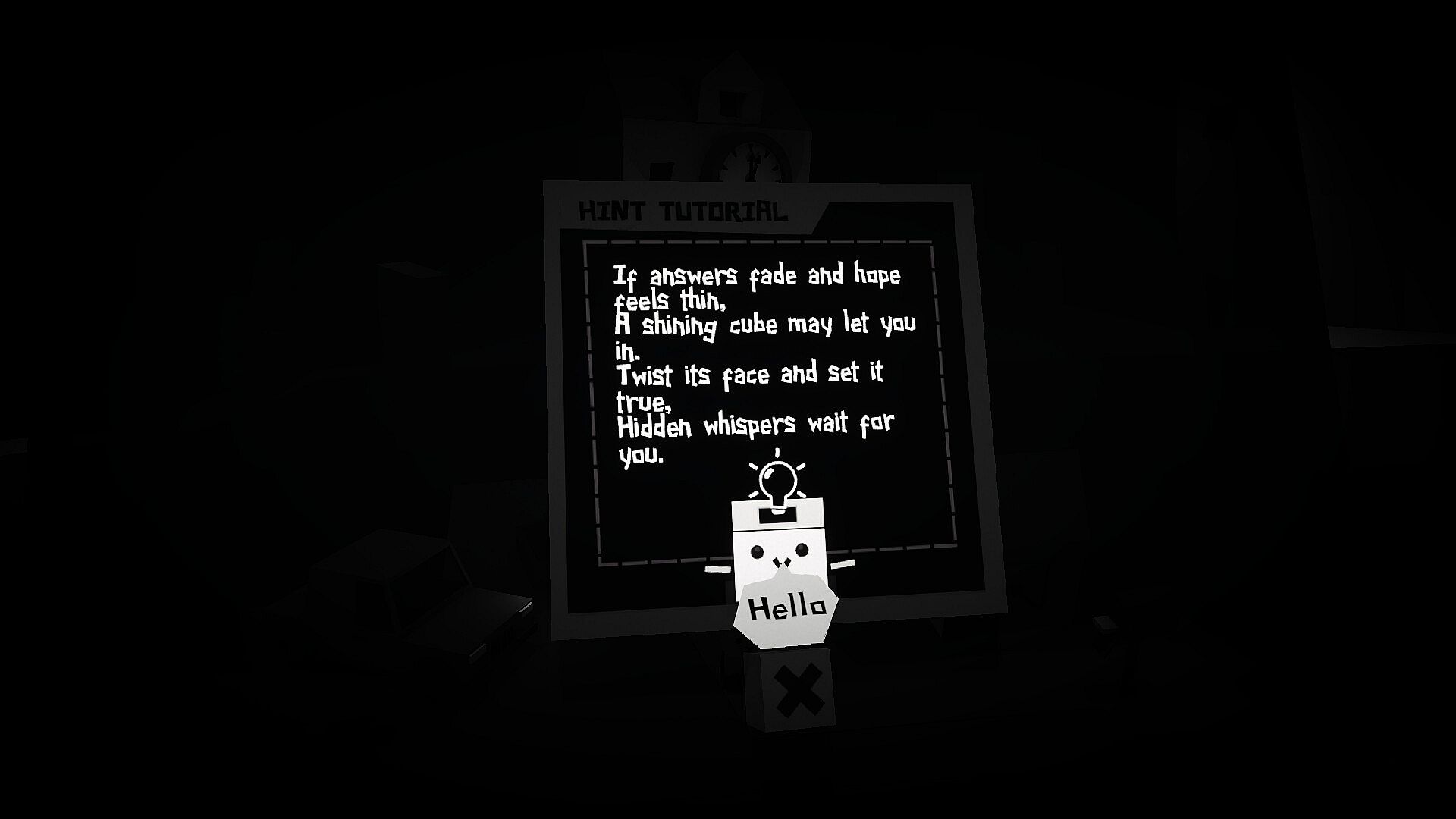
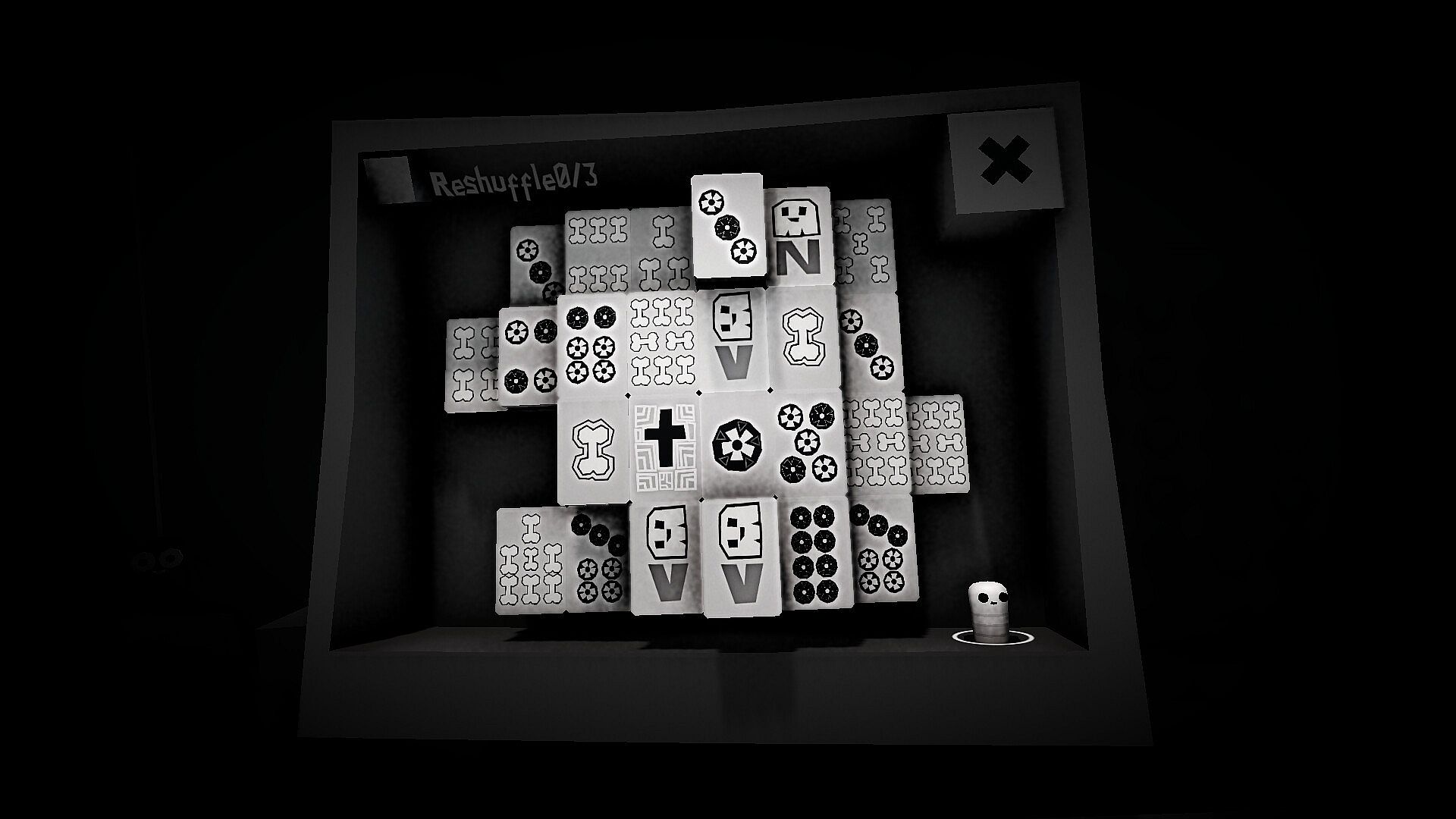
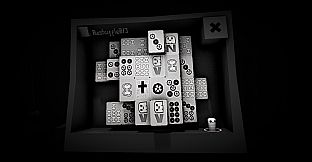
An optional hint system provides guidance on tougher puzzles without revealing complete solutions, allowing players to maintain their own pace. A Mahjong-inspired mini-game appears at intervals and integrates directly into the main experience as another layer of matching and arrangement challenges. The absence of combat or chase sequences keeps attention squarely on observation, logic, and gradual revelation of the house's secrets.
Game Modes
Paper Boy operates entirely in single-player mode. There are no multiplayer options or competitive elements. The structure follows a linear yet non-linear exploration path through the house, where progress depends on solving puzzles in sequence or returning to earlier rooms with new items. The Mahjong-inspired mini-game functions as an integrated activity rather than a separate mode, appearing naturally during the main adventure. All features, including the hint system, remain available throughout the single-player campaign.
Visual Style and Atmosphere
The game presents a consistent black-and-white low-poly aesthetic that evokes both vintage cartoons and modern indie experimentation. Rooms vary in layout and symbolic detail, encouraging repeated visits as new connections open. Environmental storytelling through diary pages and notes builds the narrative without requiring combat or action sequences. The cozy spooky tone balances gentle unease with moments of quiet discovery, making the house feel alive through its puzzles and hidden layers rather than through characters or threats.
Is It Worth Playing?
Paper Boy targets players who enjoy deliberate point-and-click adventures focused on exploration and puzzle variety. Those drawn to atmospheric single-player experiences without time pressure or combat will find the mechanics align closely with classic mystery titles. The optional hints and mix of hidden-object, cipher, mechanism, and inventory challenges provide multiple avenues for engagement. Since the game remains unreleased with no player reviews available, any recommendation rests on the confirmed feature set and visual approach described by the developer. Fans of surreal puzzle design and low-poly cartoon styles may find it a worthwhile addition to their library once it becomes available on PC.