























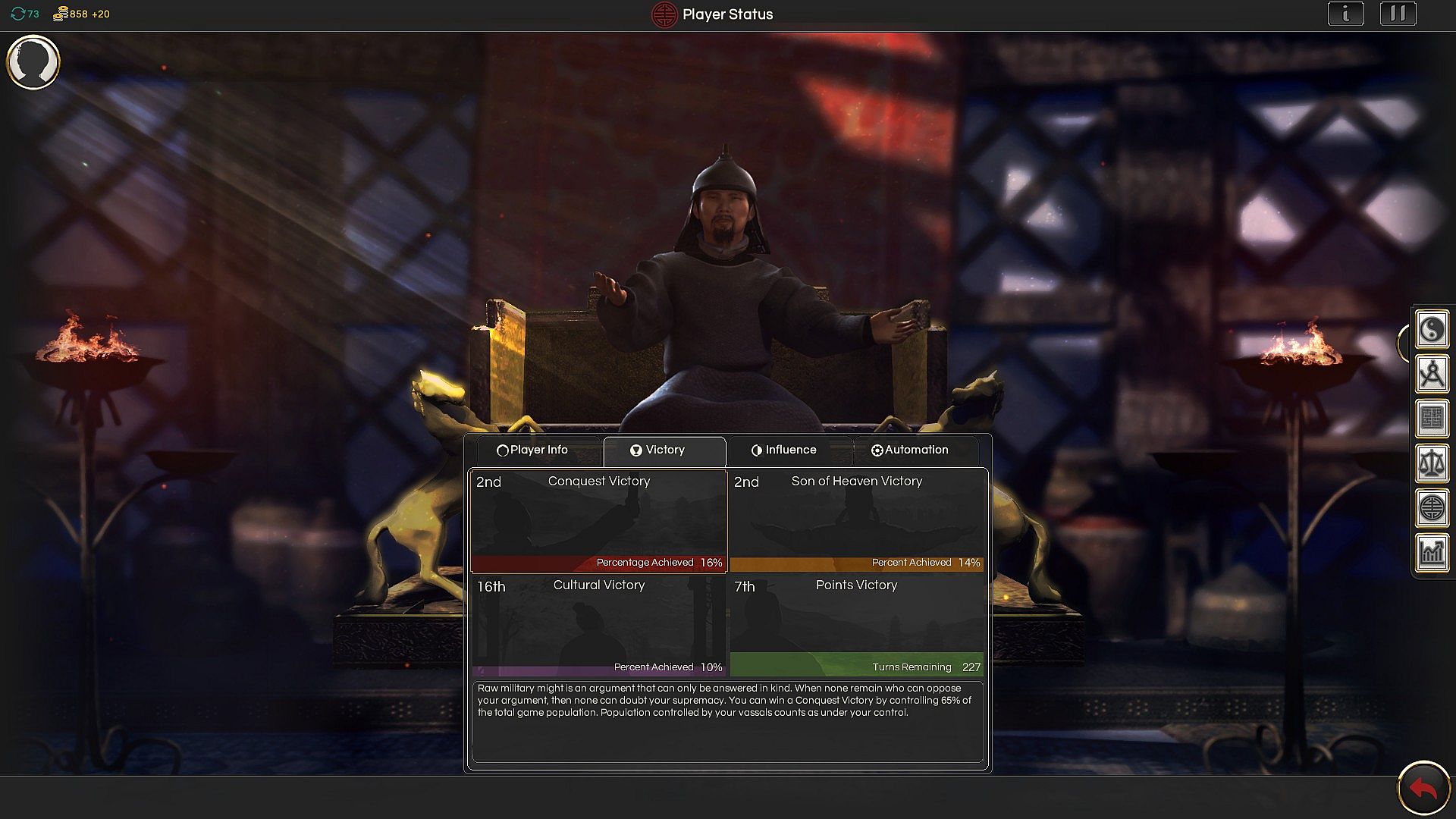

Oriental Empires is a turn-based 4X strategy and simulation game set in ancient China. Players begin with a single settlement or tribe and work to expand territory, develop infrastructure, and advance through cultural and technological progress toward recognition as the Son of Heaven.
Gameplay
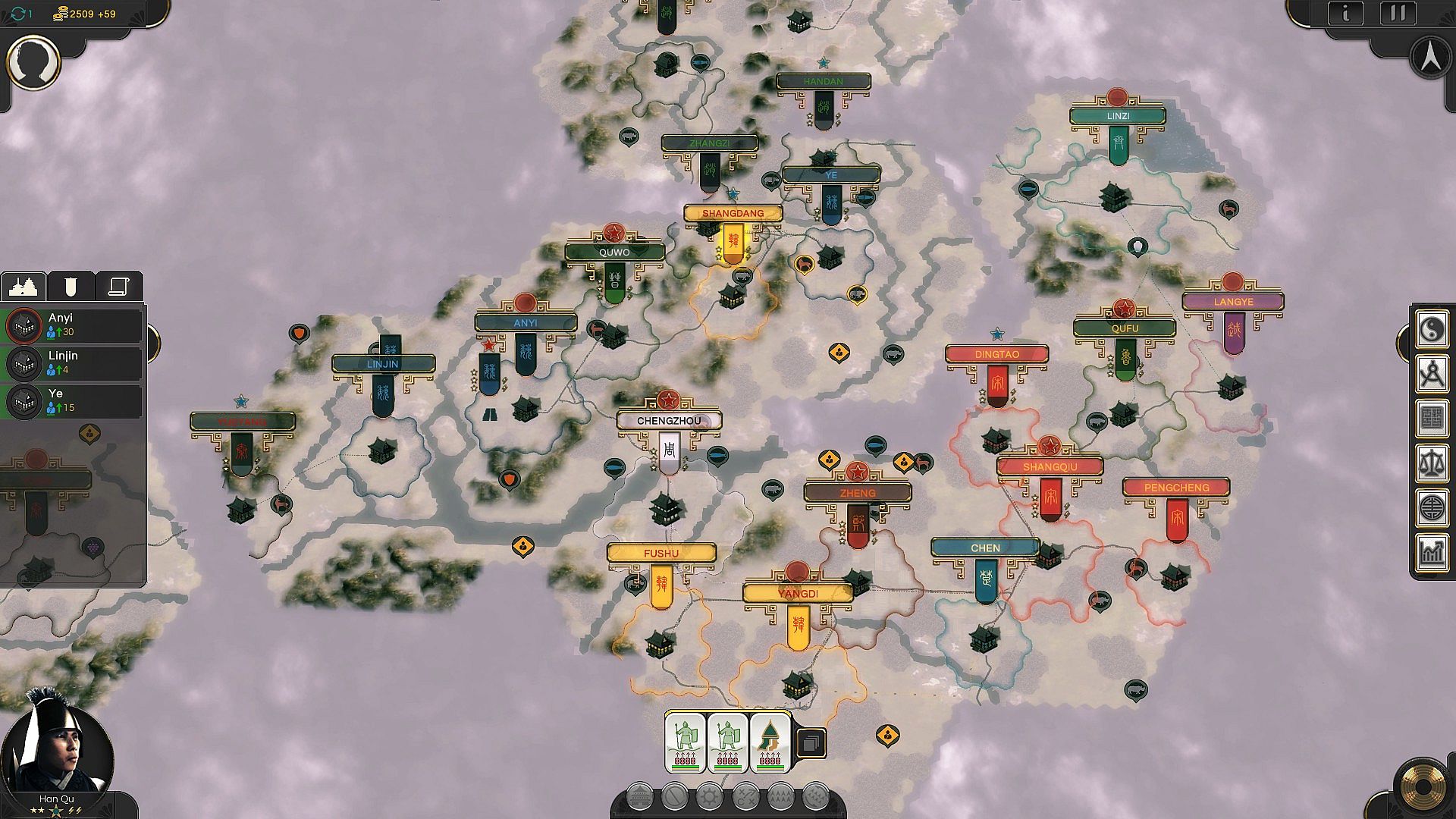
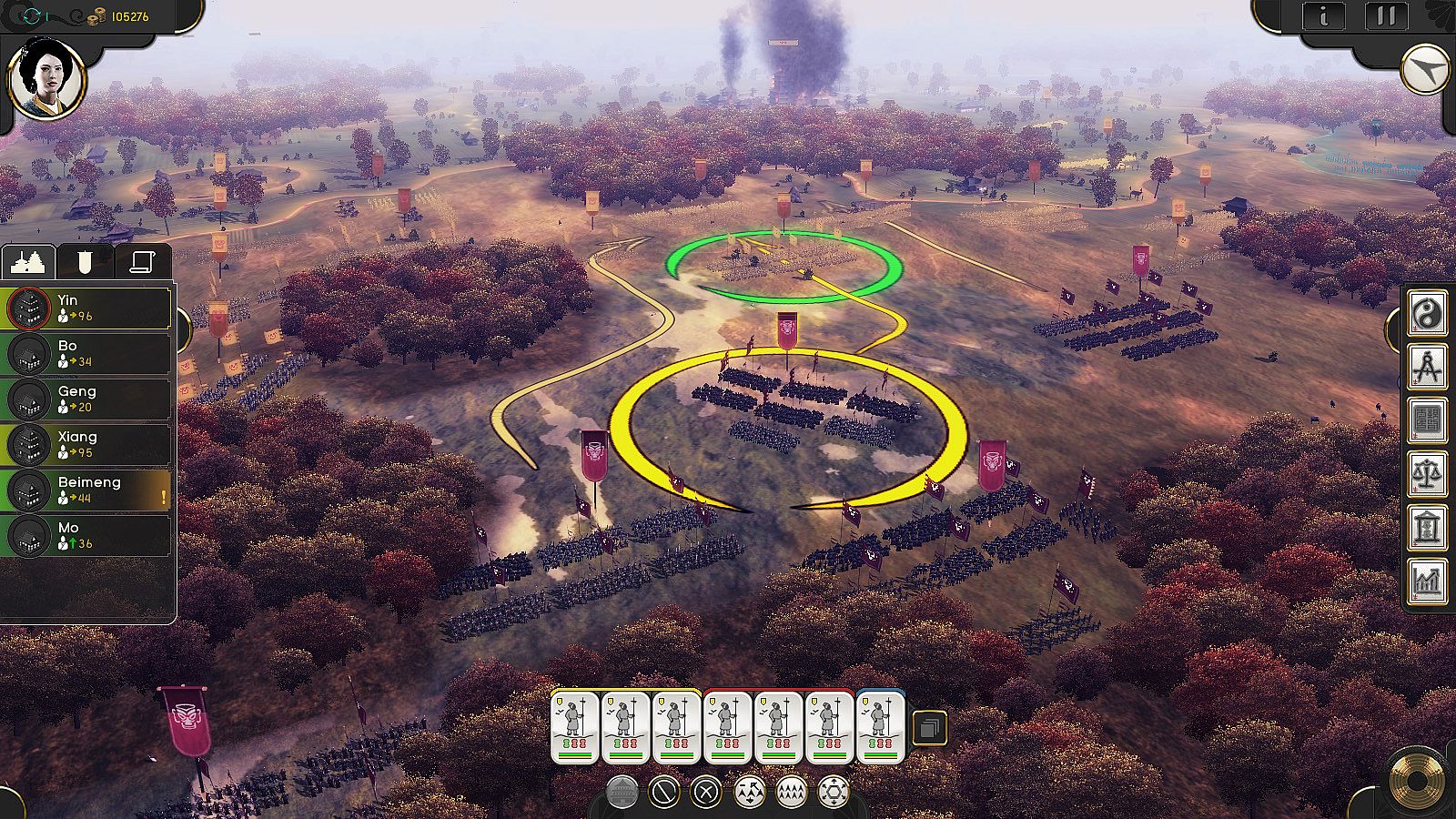
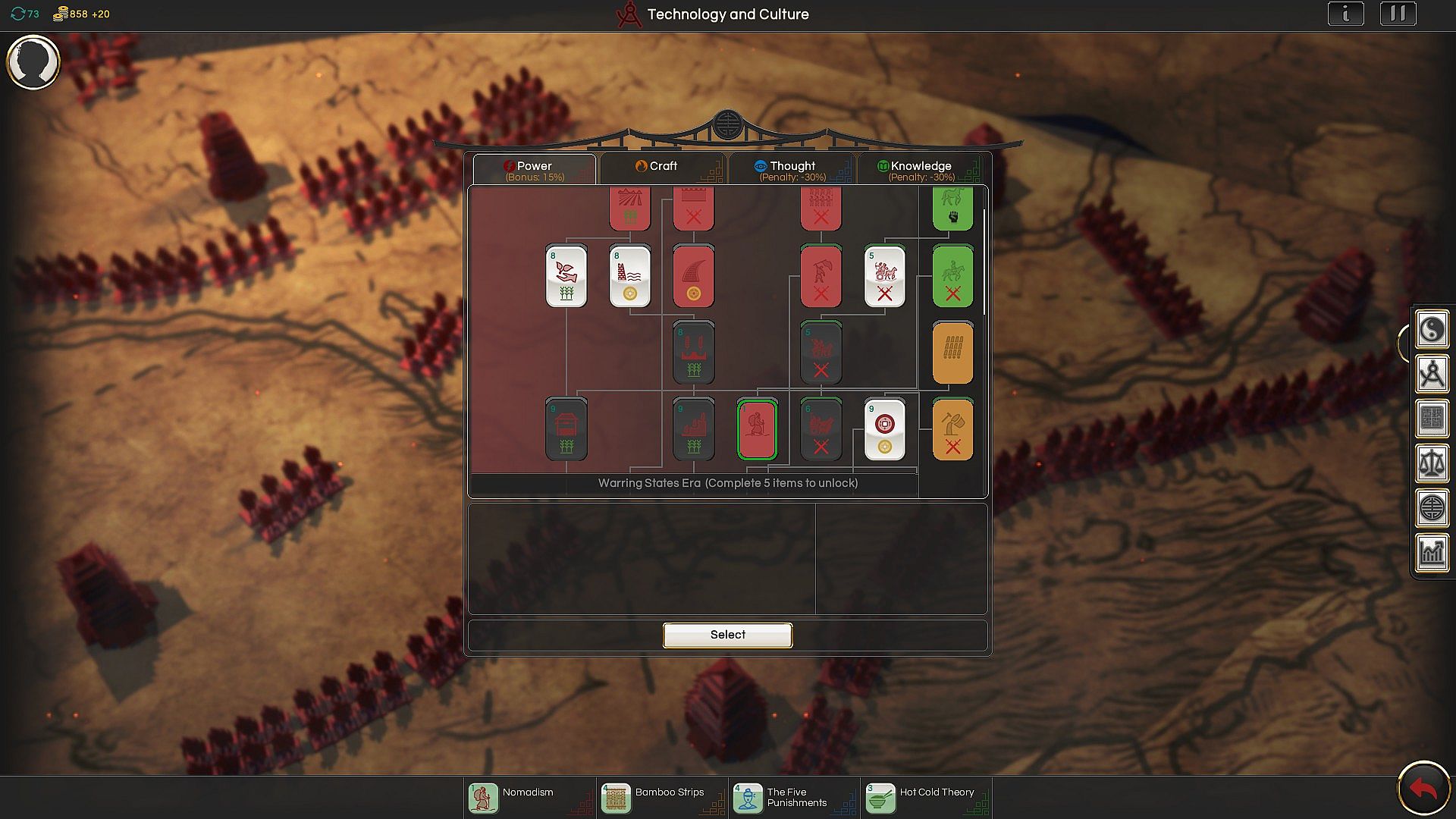
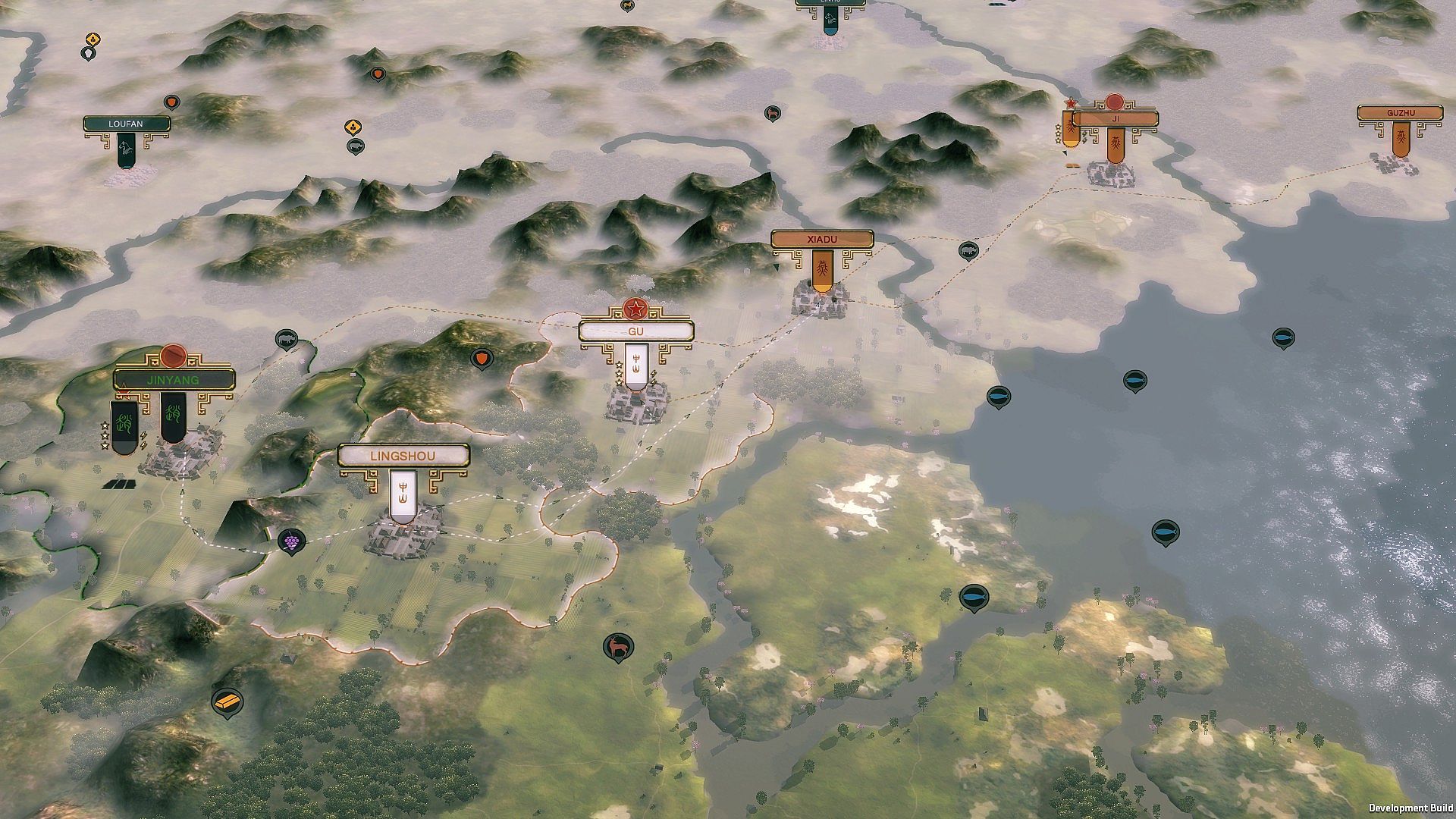
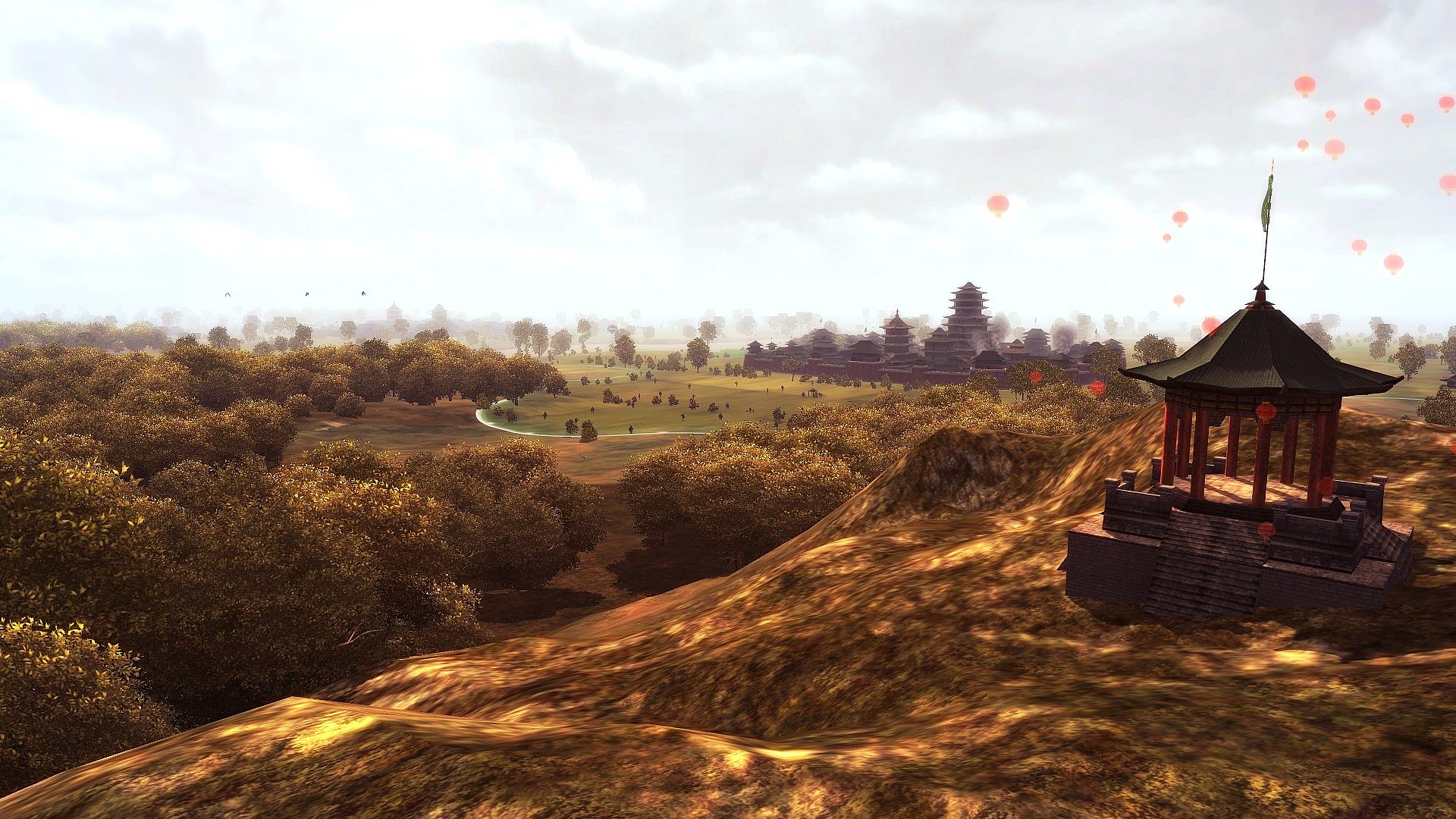
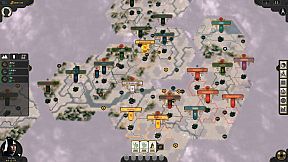
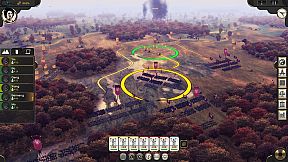
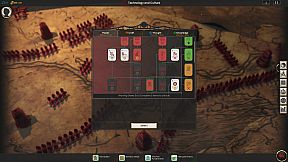
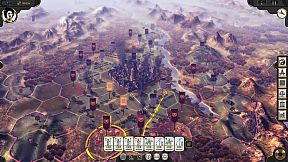
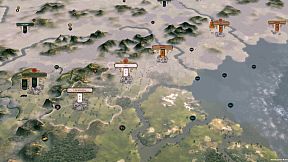
The core loop centers on managing settlements across a large map that depicts the varied landscapes of China and Mongolia. Players construct buildings, shape the surrounding terrain, and establish markets along with ports to support trade routes over land and water. Research progresses through an elaborate tree that covers technological advances alongside cultural, philosophical, and religious developments.
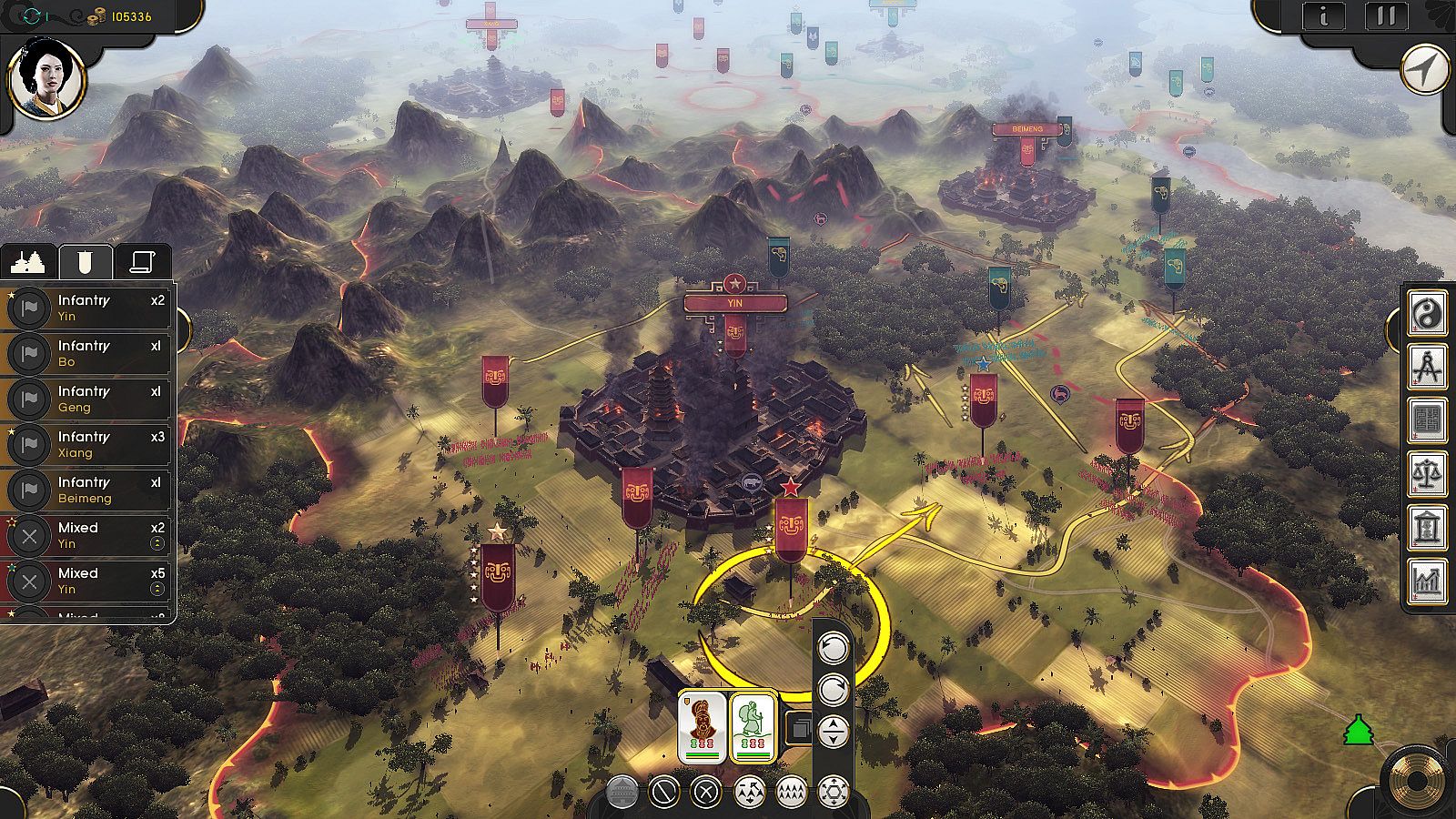
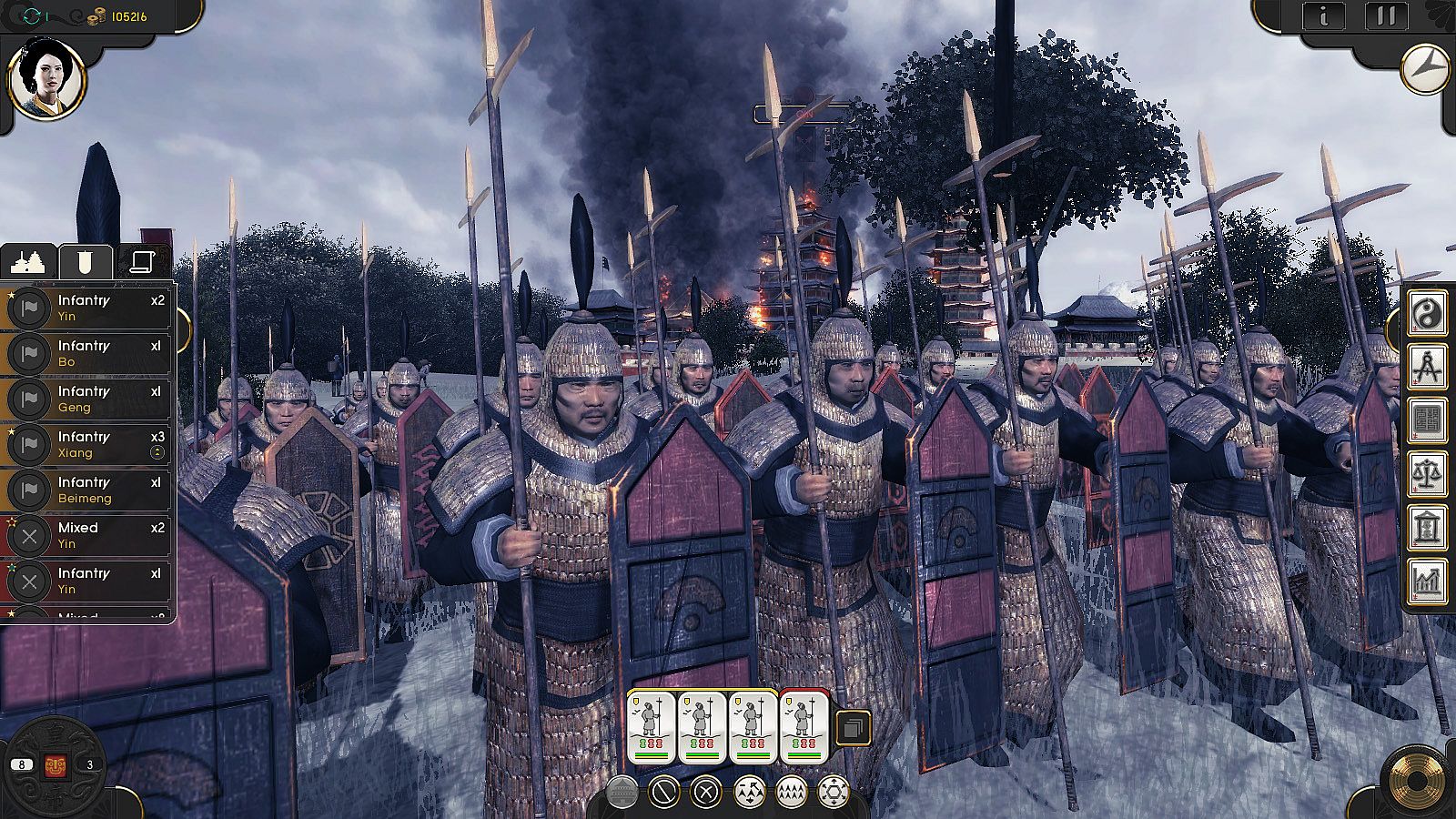
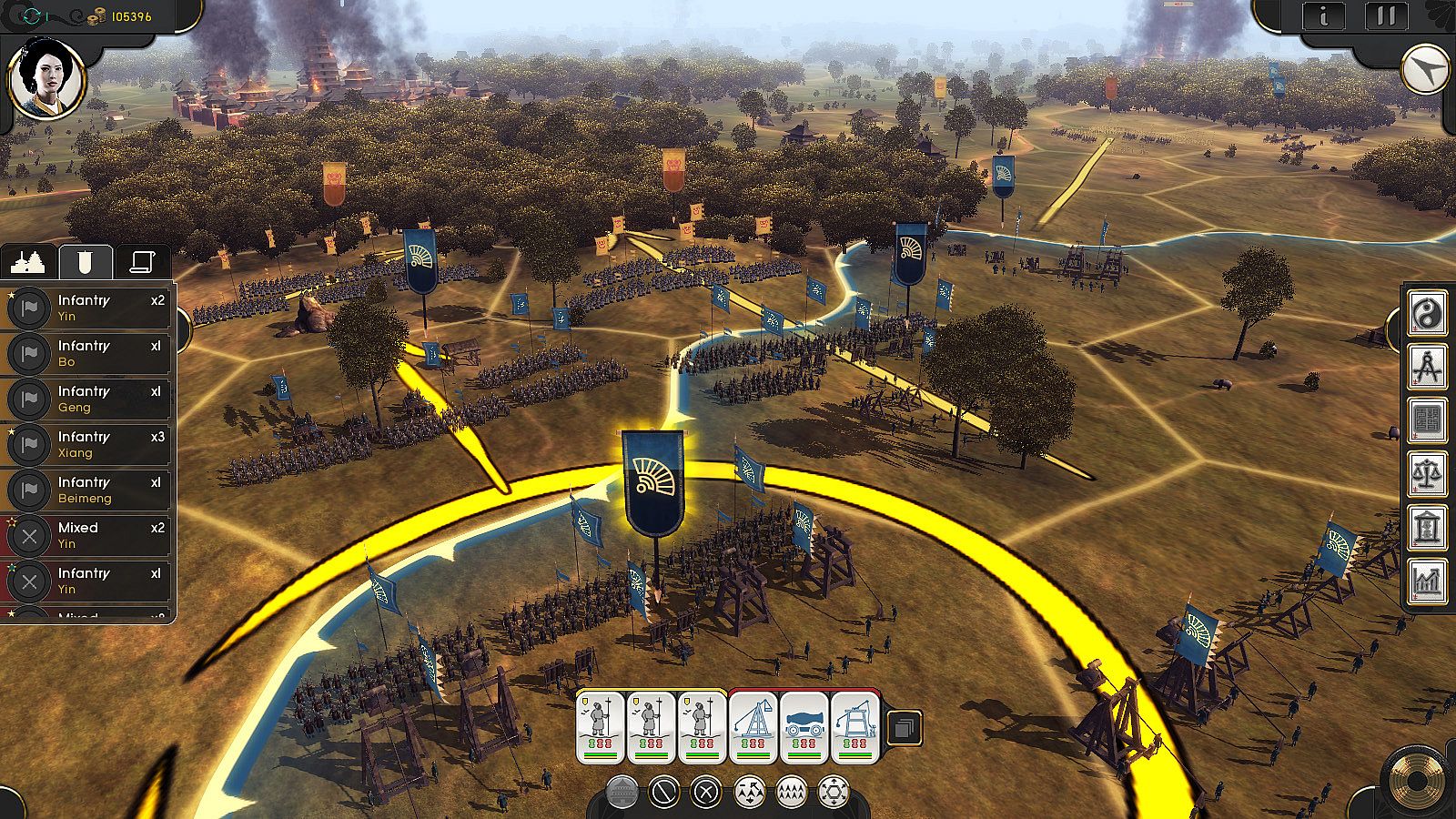
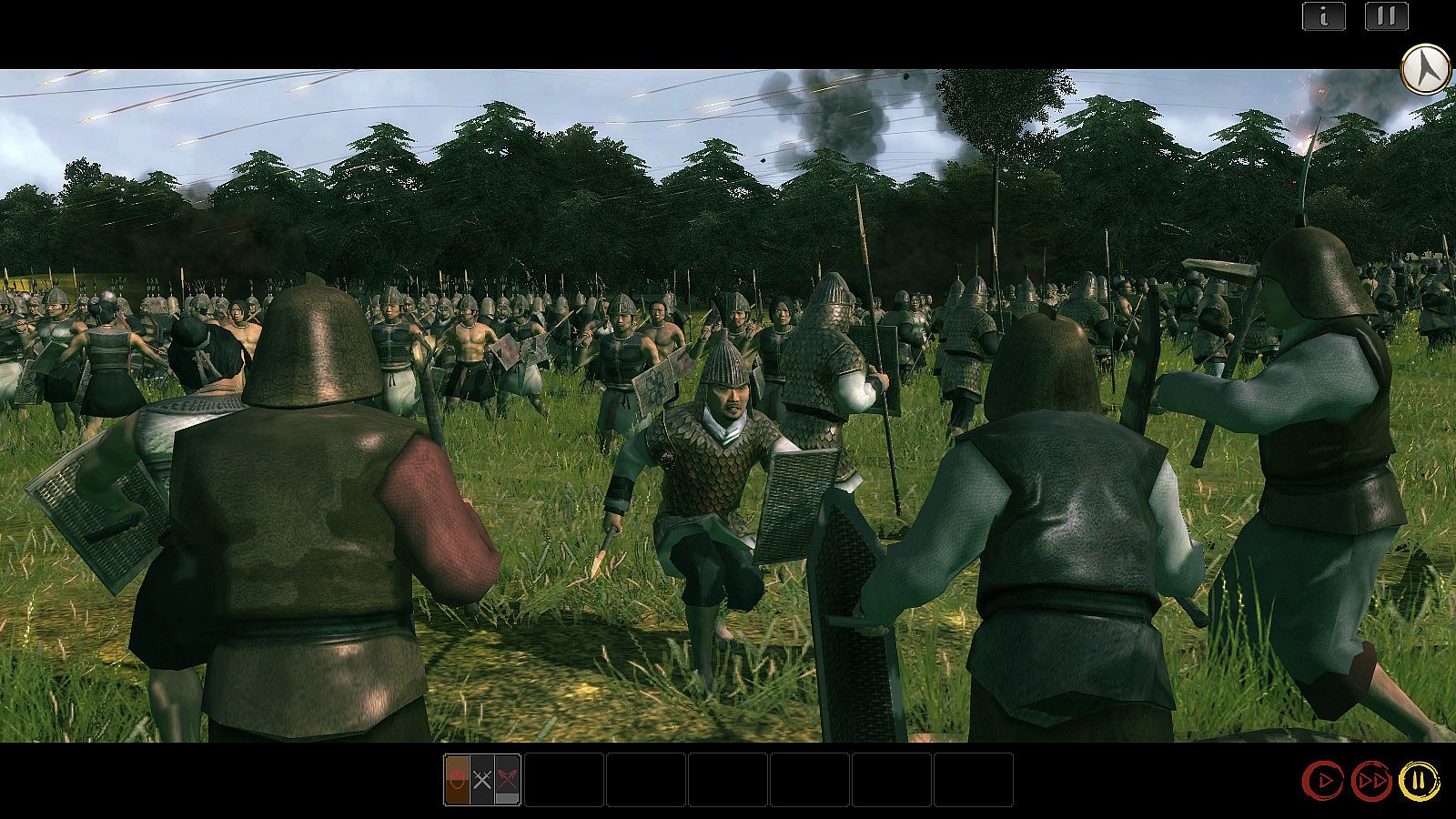
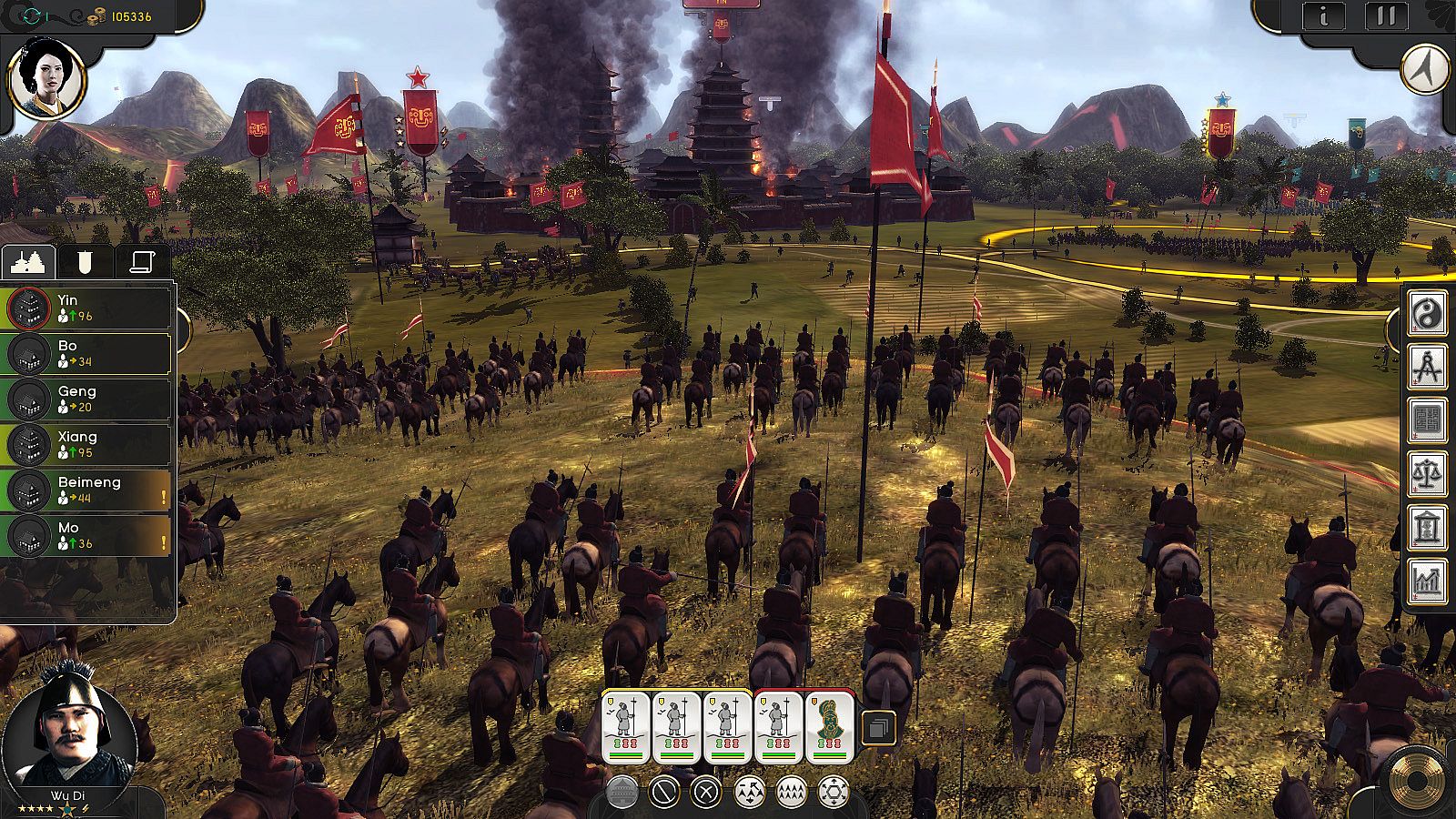
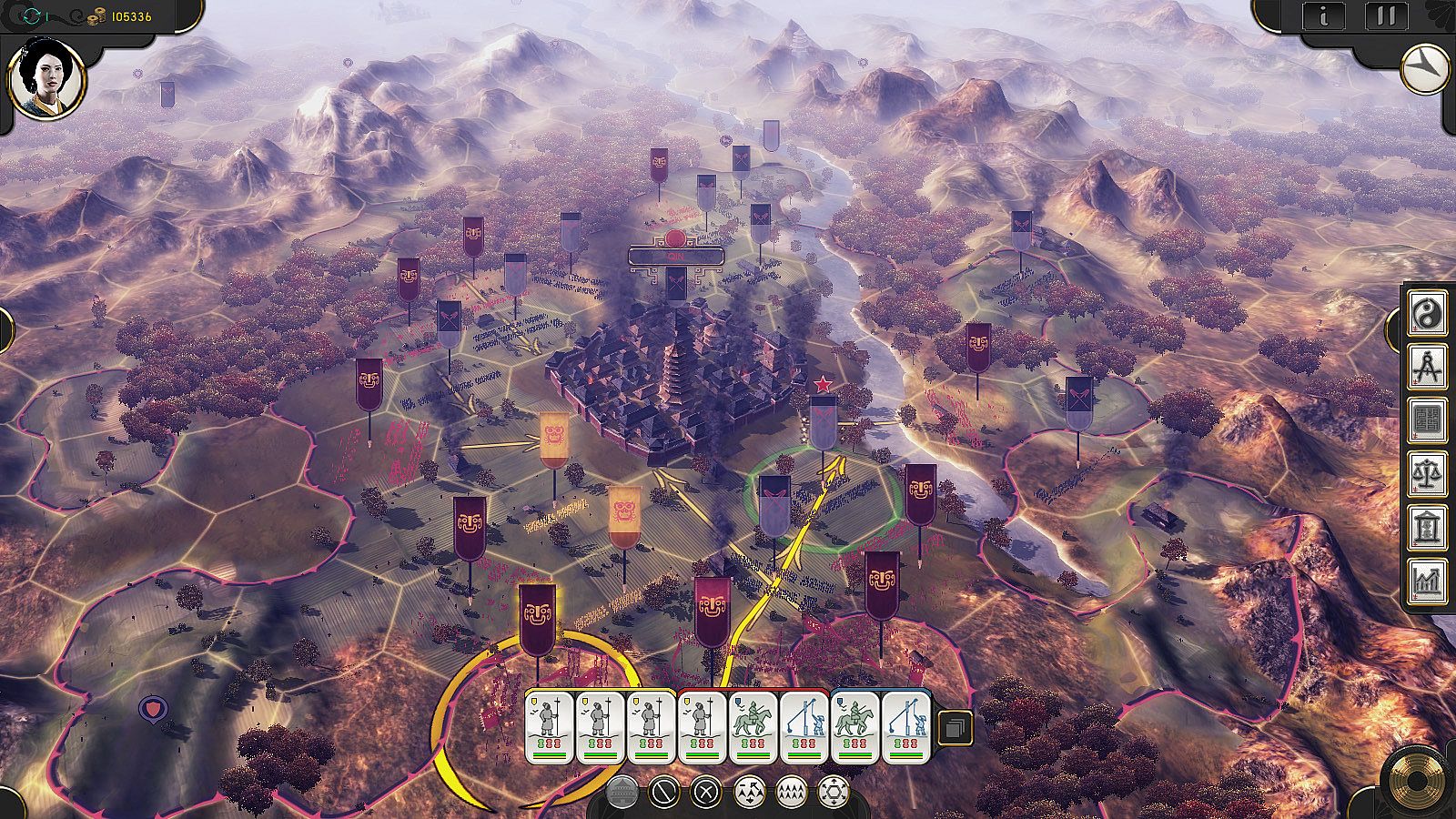
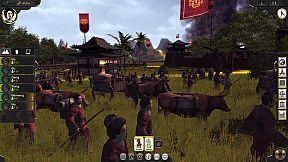
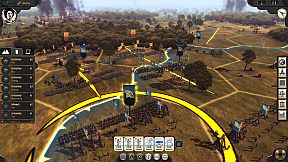
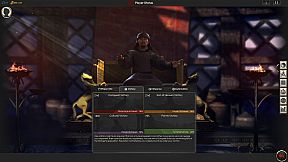
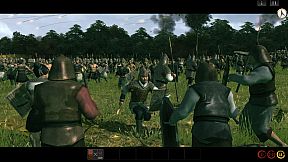
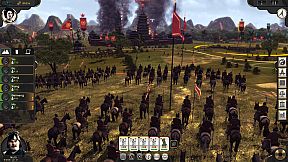
Leaders influence outcomes, while factors such as sieges, unrest, rebellion, authority, and culture ratings shape long-term stability. As ruler, players issue edicts, laws, and decrees to maintain balance and unlock new eras that introduce fresh technologies and military units. Armies move according to player-set orders and formations, with fully animated 3D models showing variations in appearance for infantry, cavalry, chariots, artillery, and naval forces.
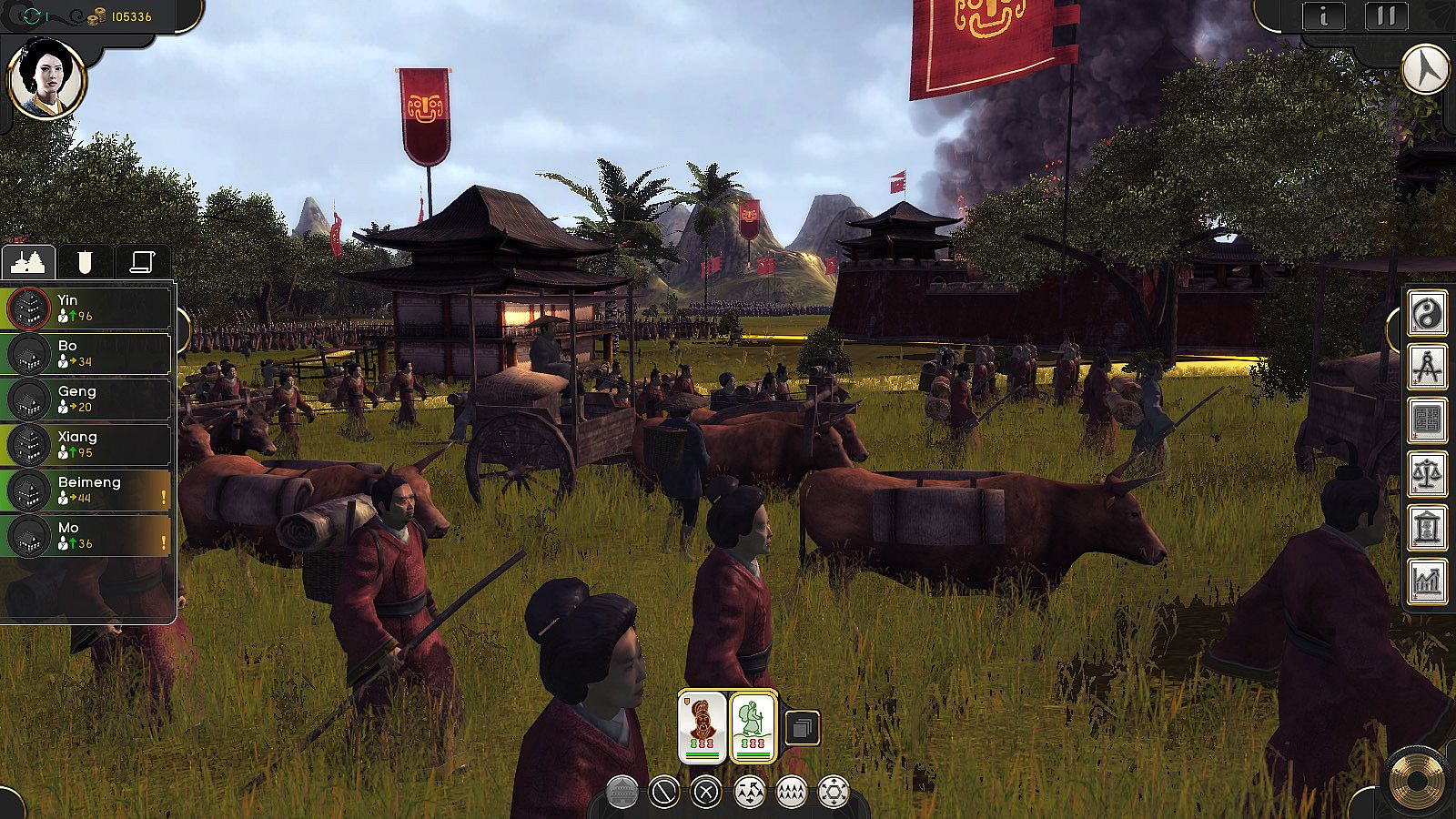
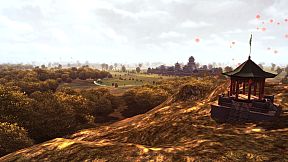
A long zoom range allows close inspection of individual units and peasant activity or a broad strategic view. The game supports 24 factions, each carrying distinct bonuses or penalties that affect starting conditions and play style.
Game Modes
Single-player sessions focus on guiding one faction from humble origins to imperial dominance through a combination of expansion, research, and conflict resolution. Multiplayer supports up to 15 participants, where alliances form or break as players pursue the same goal of recognition as the supreme ruler.
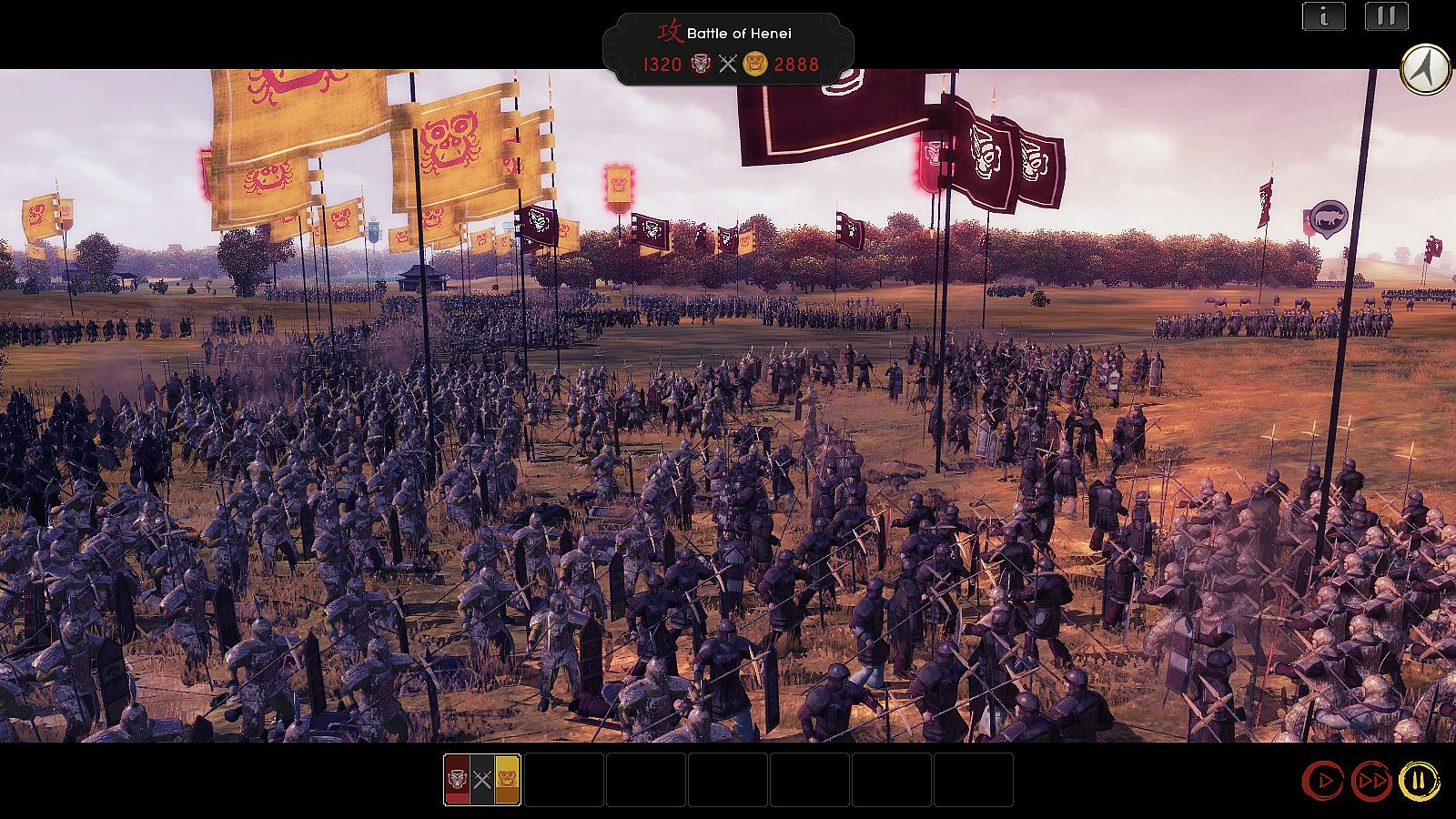
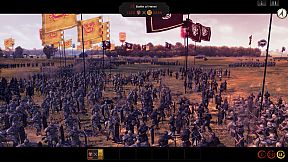
Custom game options allow adjustments to starting conditions and rules. Battles unfold directly on the map with hundreds or thousands of soldiers engaging in real time once orders are issued, emphasizing formation tactics and reinforcement timing over abstract resolution.
Factions and Development
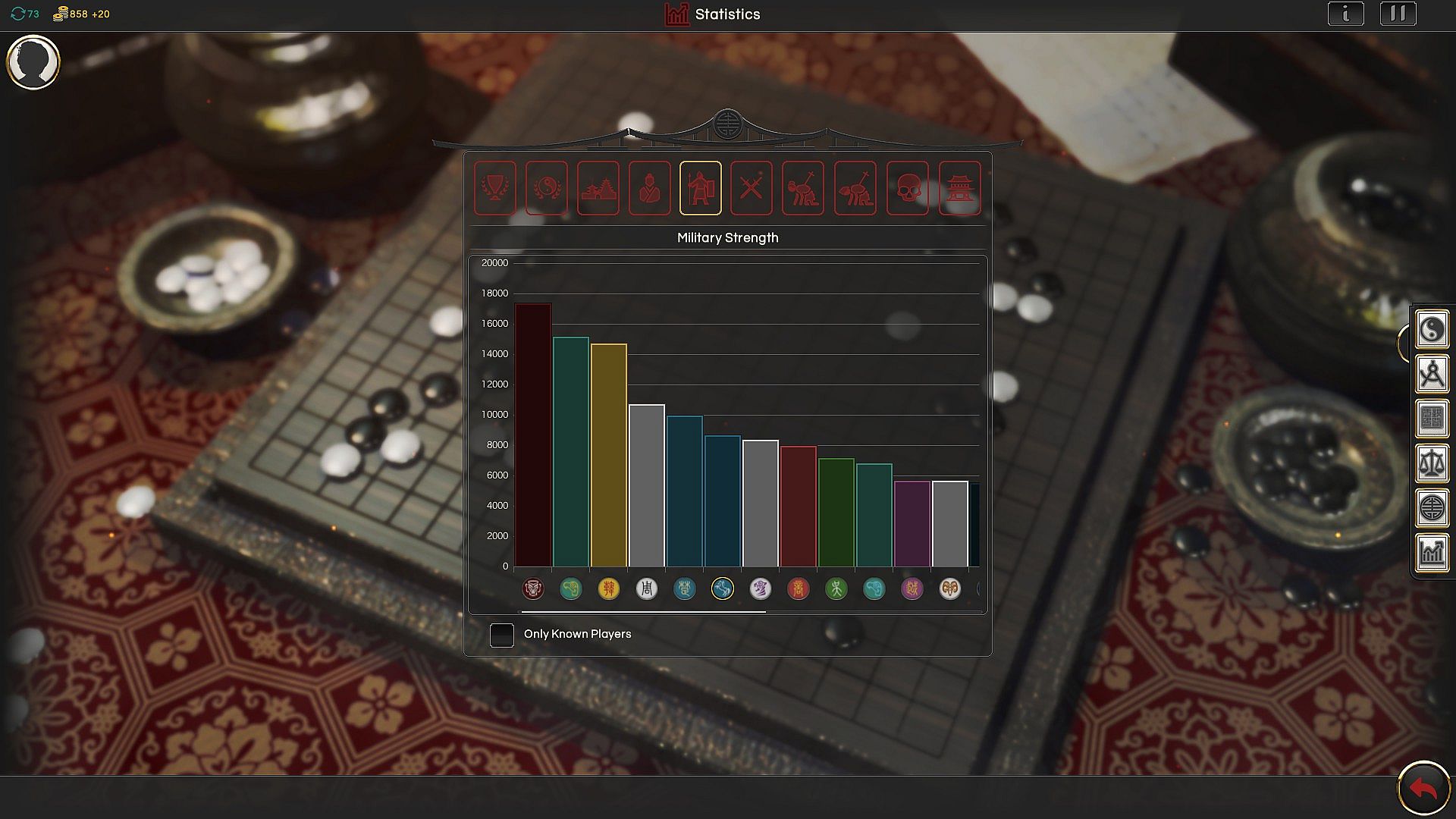
Each of the 24 factions offers unique advantages or drawbacks that encourage different approaches to diplomacy, warfare, or cultural growth. Settlement development includes landscape modification and infrastructure that supports both economic growth and military logistics. Authority and culture metrics interact with research choices to determine how effectively a player can consolidate power or suppress internal threats.
Progression through eras brings unit and technology shifts that alter combat and management priorities. Naval elements extend influence along waterways, while land-based trade networks connect distant settlements.
Is It Worth Playing?
Oriental Empires appeals to players who enjoy detailed 4X strategy with visible battles and layered internal management systems. The emphasis on map-based combat and faction-specific traits provides variety across multiple playthroughs. Reception among strategy enthusiasts highlights the depth of settlement and research mechanics alongside the visual clarity of large-scale engagements.
The game remains available for single-player campaigns and multiplayer sessions without ongoing seasonal content. Those seeking a focused experience in ancient Chinese history with turn-based empire building and direct control over battles will find the systems rewarding, while players preferring faster-paced or more abstract strategy may find the learning curve and pace less suited to their preferences.