




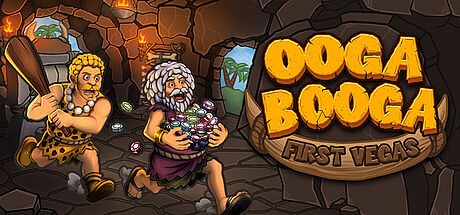


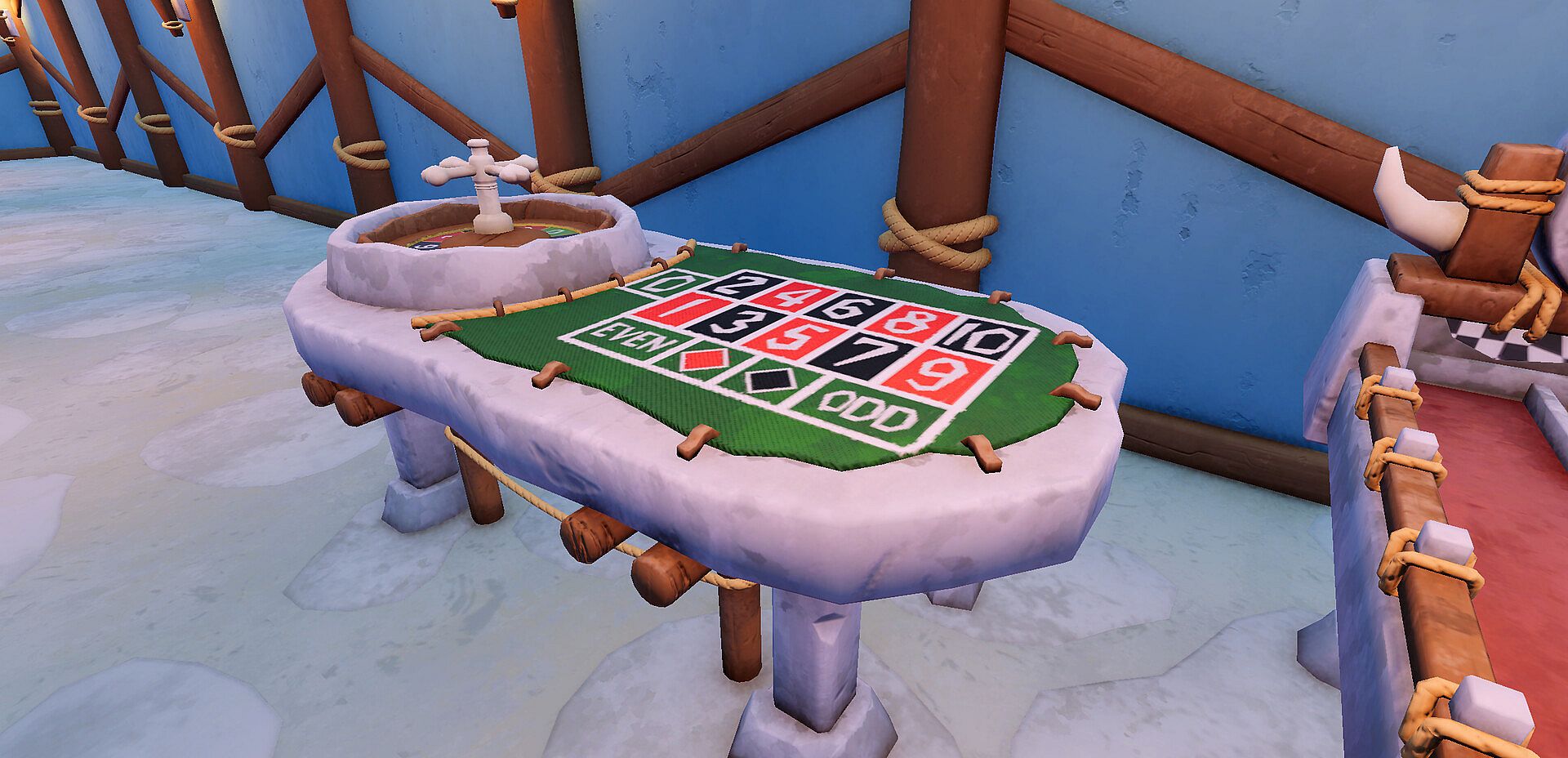
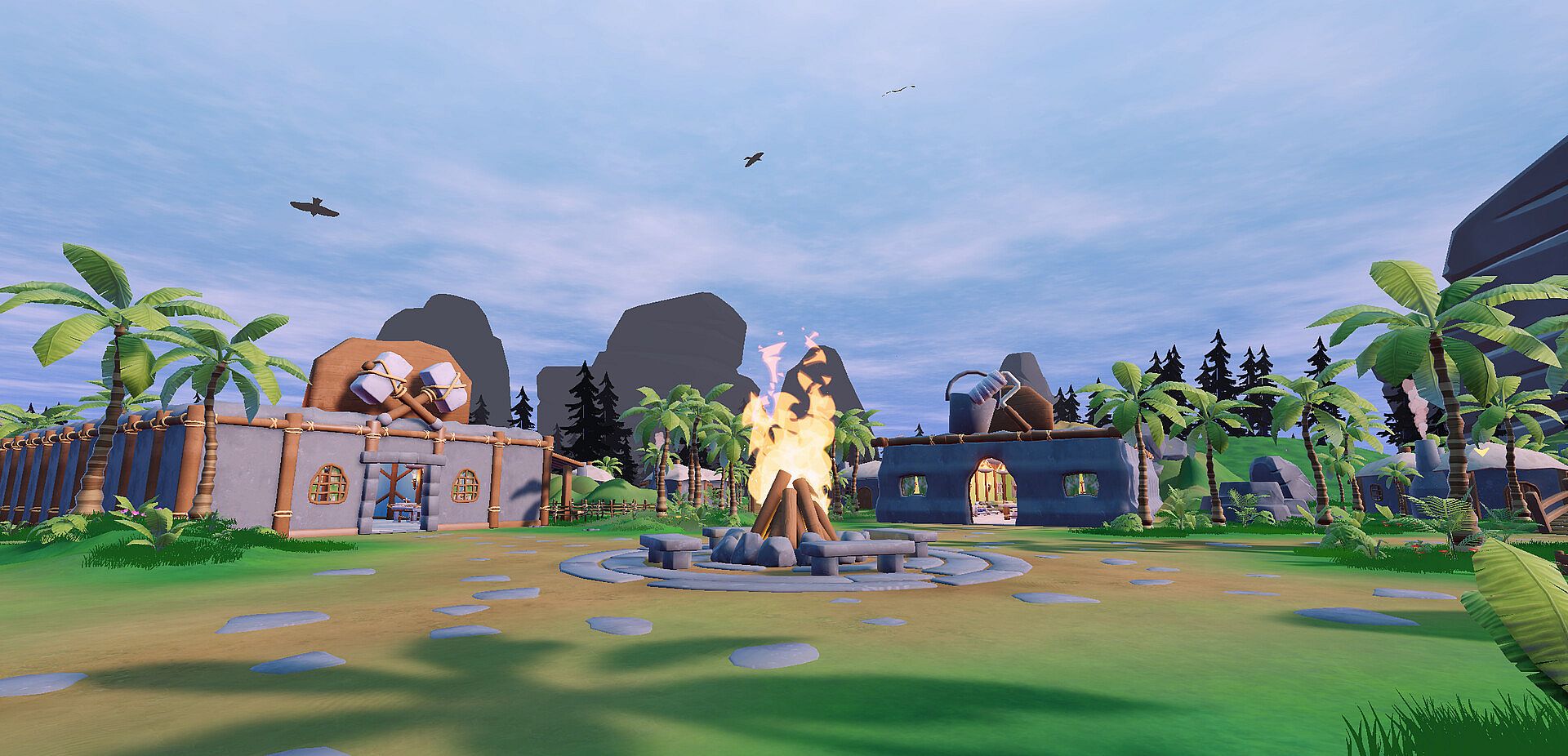
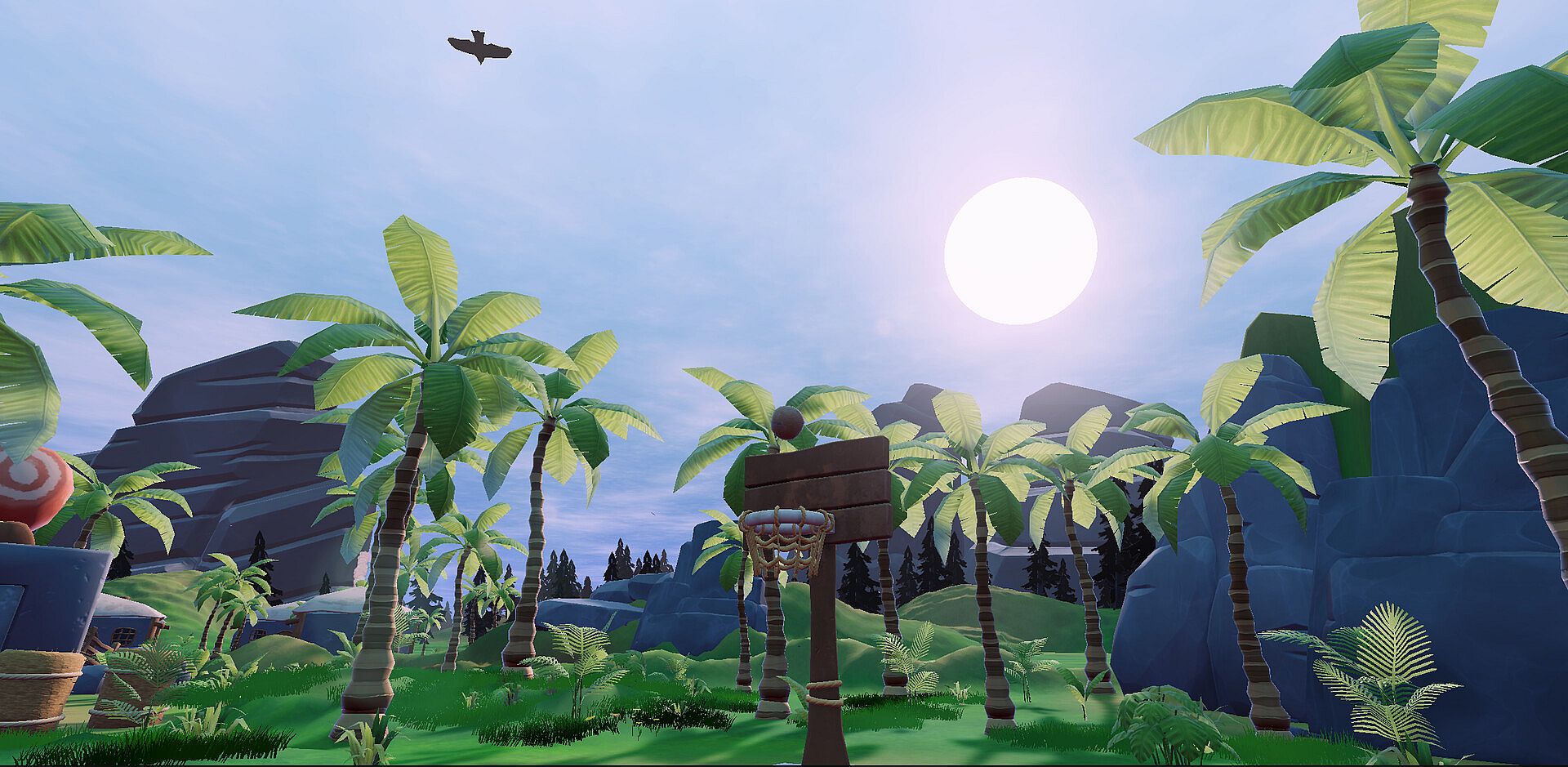
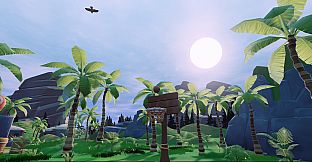
OOGA BOOGA: First Vegas is a first-person casino management simulation game set in the Stone Age. Developed as an indie title in the casual and simulation genres for PC, it places players directly on the casino floor to handle every aspect of running a prehistoric gambling establishment from a small starting shop.
Gameplay
Players begin with limited machines and space, then perform all tasks manually in first-person view. This includes collecting earnings from slot machines and other attractions, processing cash and token exchanges at the counter, grilling meat for food orders, preparing drinks, and delivering items to waiting customers. Additional responsibilities cover picking up trash to maintain cleanliness, repairing damaged machines, and responding to customer impatience that can lead to damaged equipment after losses.
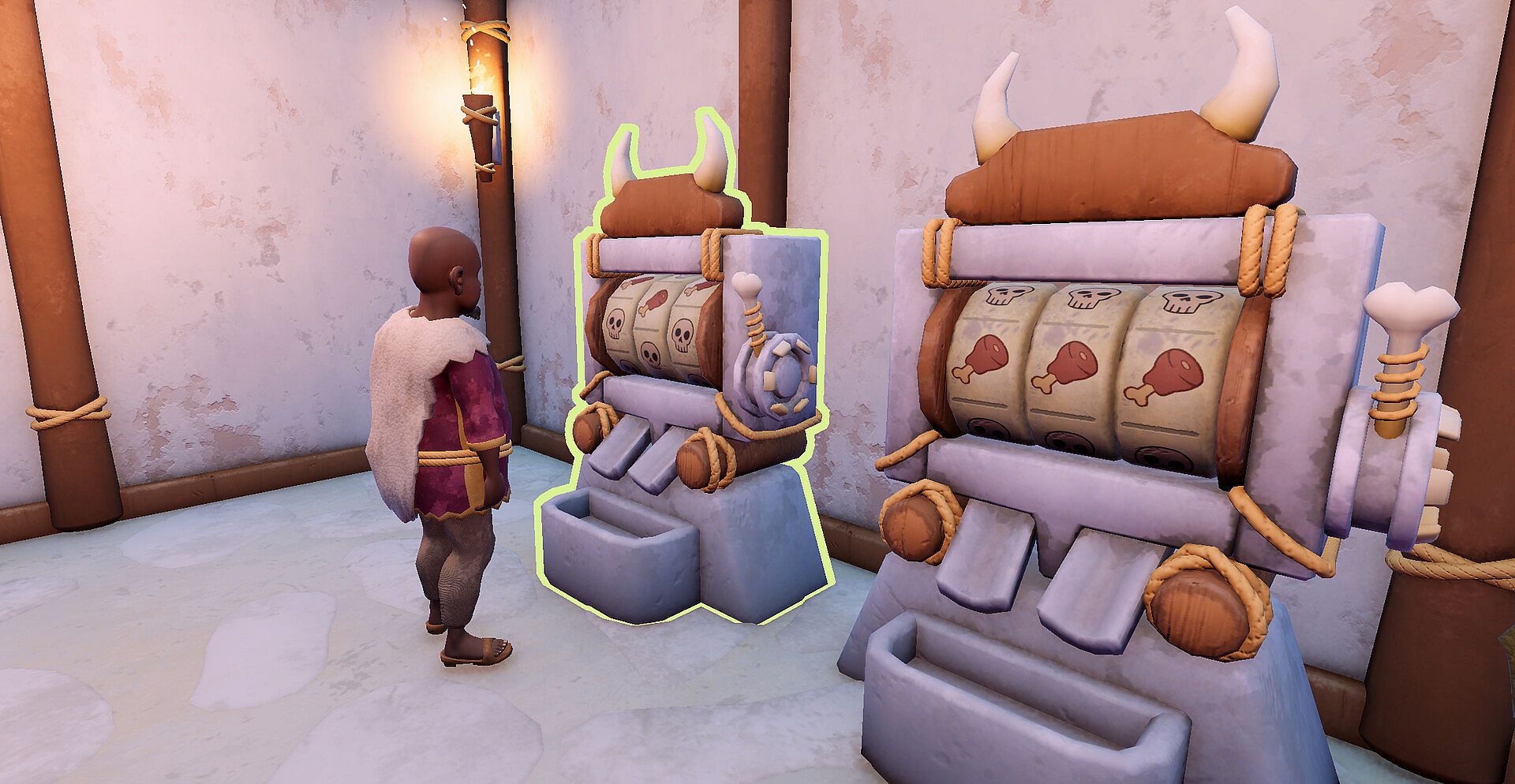
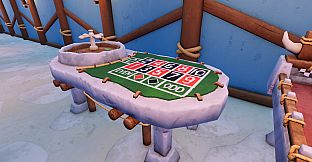
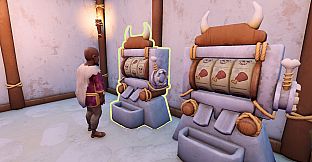
The core loop revolves around balancing these activities as visitor numbers increase. Crowds generate revenue through gambling on stone-age versions of classic attractions, such as strength testers operated with stone hammers, dart games that fling birds, and basic slot machines built from wood and bone. Profits fund upgrades, but the hands-on nature means players must stay active on the floor rather than issuing commands from a distance.
Game Modes
The experience centers on a single-player management simulation without distinct competitive or story-driven modes. Players progress through ongoing sessions focused on expansion, where the goal remains consistent: grow the operation while managing daily operations and disruptions. Co-op options appear in the feature list for shared play, though the primary loop stays centered on individual control of the casino floor.
Building and Expansion
Earnings allow purchases of new machines, furniture, and layout improvements that unlock additional sections of the casino. Early setups handle small groups, but growth requires careful planning to accommodate larger crowds without overwhelming the player. Hiring staff becomes available later to delegate tasks like serving or cleaning, shifting some workload while players retain oversight of key activities such as repairs and exchanges.
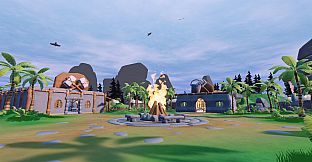
Layout decisions matter for efficiency. Strategic placement of attractions and service areas helps process orders faster and reduces wait times that frustrate customers. The system encourages experimentation with different arrangements as the business scales from a basic shop into a larger prehistoric venue.
Unexpected Events and Challenges
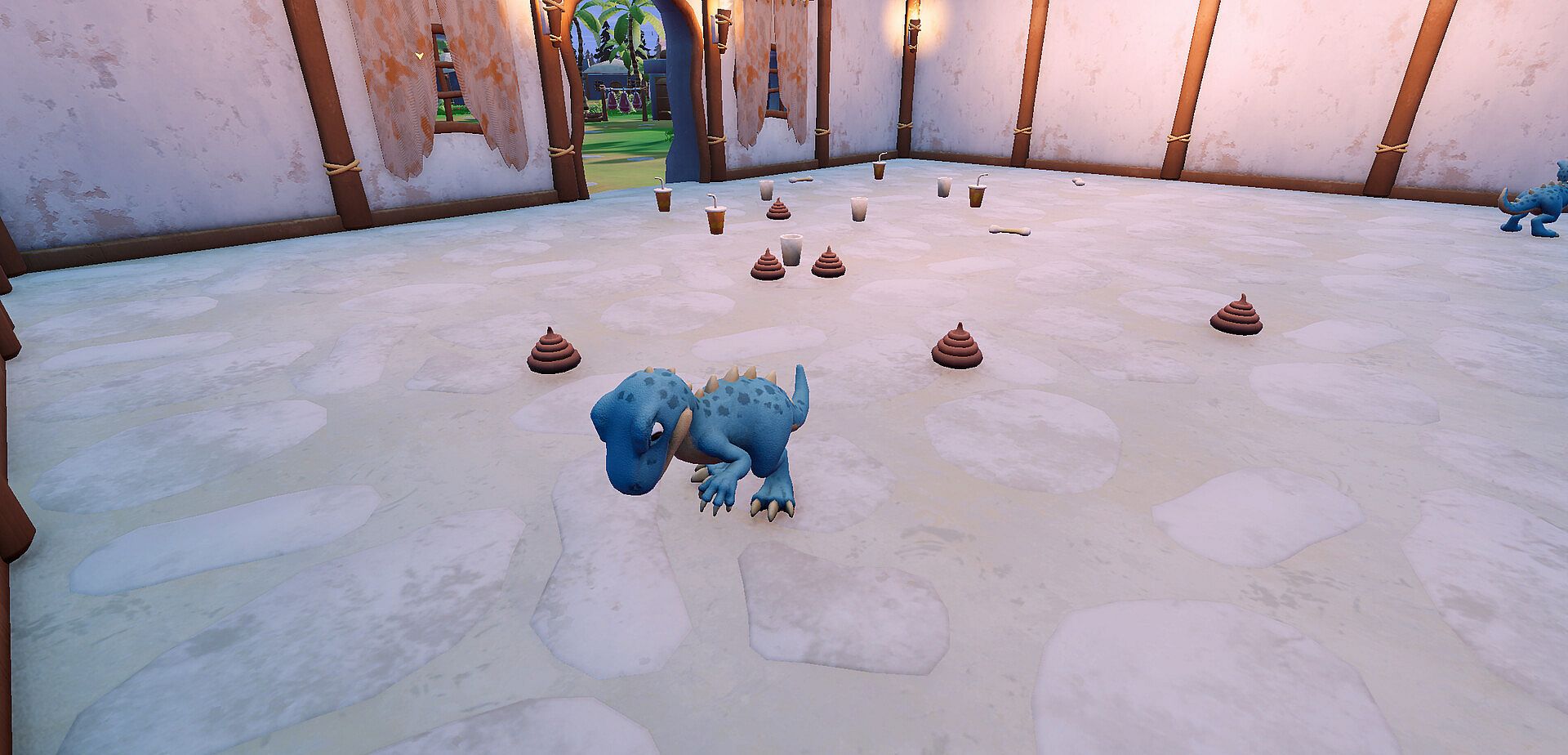
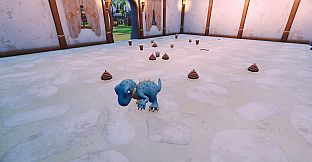
Customer behavior adds pressure beyond routine tasks. Patrons gamble, place food and drink orders, and form lines that grow during busy periods. Poor service leads to visible frustration, with some directing anger at machines. A recurring interruption involves baby dinosaurs entering the space and creating messes that require immediate cleanup with a club to remove the intruder.
These elements combine with machine breakdowns and increasing task volume to create a demanding pace. Players must prioritize on the fly, deciding whether to focus on repairs, service, or crowd control as the casino fills.
Is It Worth Playing?
The game targets players who enjoy direct-control management simulations and appreciate the novelty of a Stone Age setting applied to casino operations. Its emphasis on manual tasks and reactive events sets it apart from more automated business sims, appealing to those who prefer staying engaged with every detail rather than overseeing from menus.
Currently listed as coming soon with no user reviews available, the title shows single-player support alongside co-op features. Those drawn to hands-on indie simulations may find the premise and mechanics a fresh take on the genre once released, particularly if they value the mix of service, maintenance, and expansion elements described in the core design.











