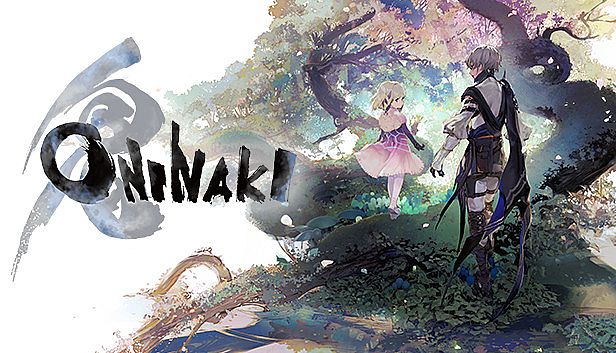

















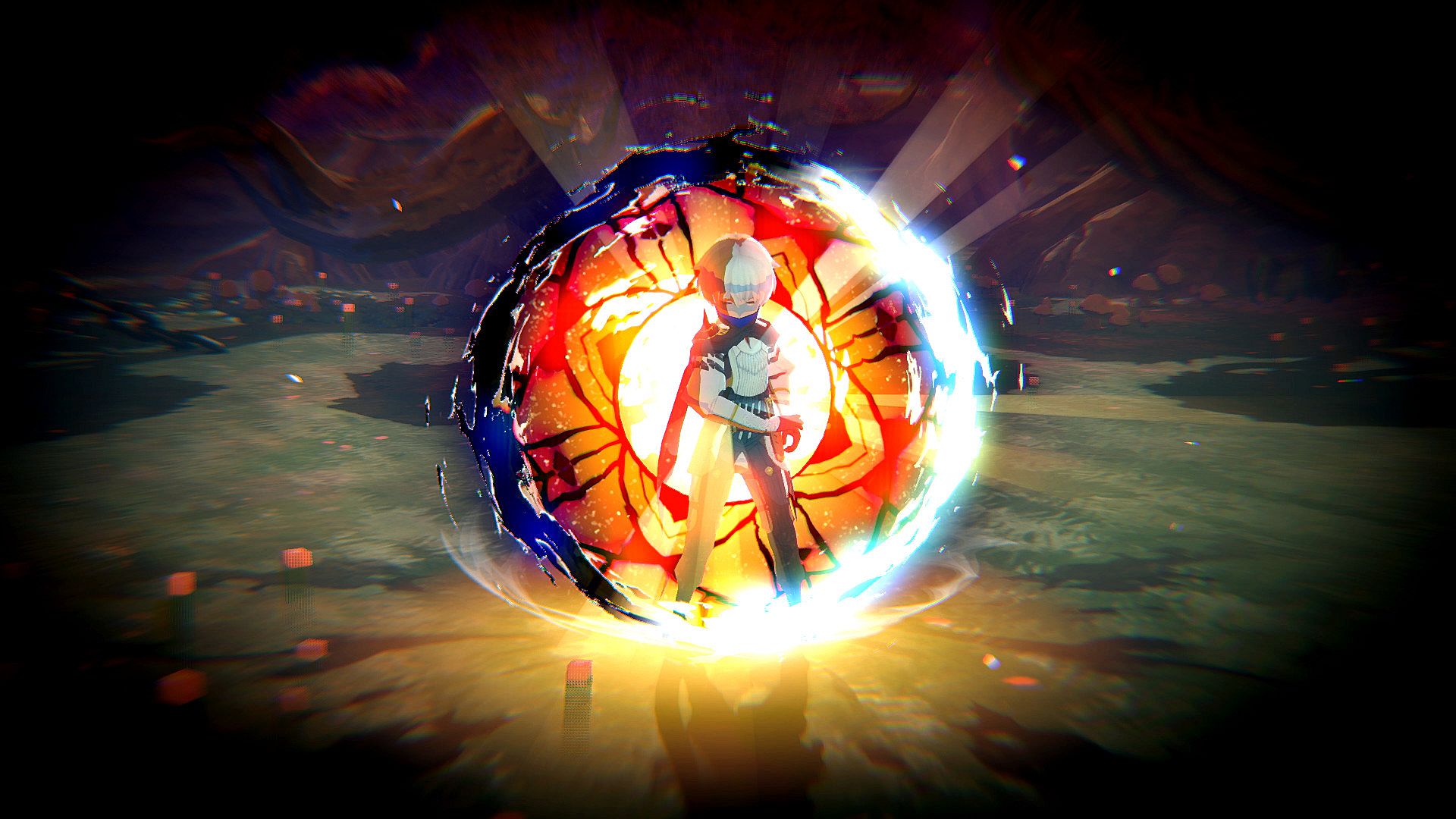

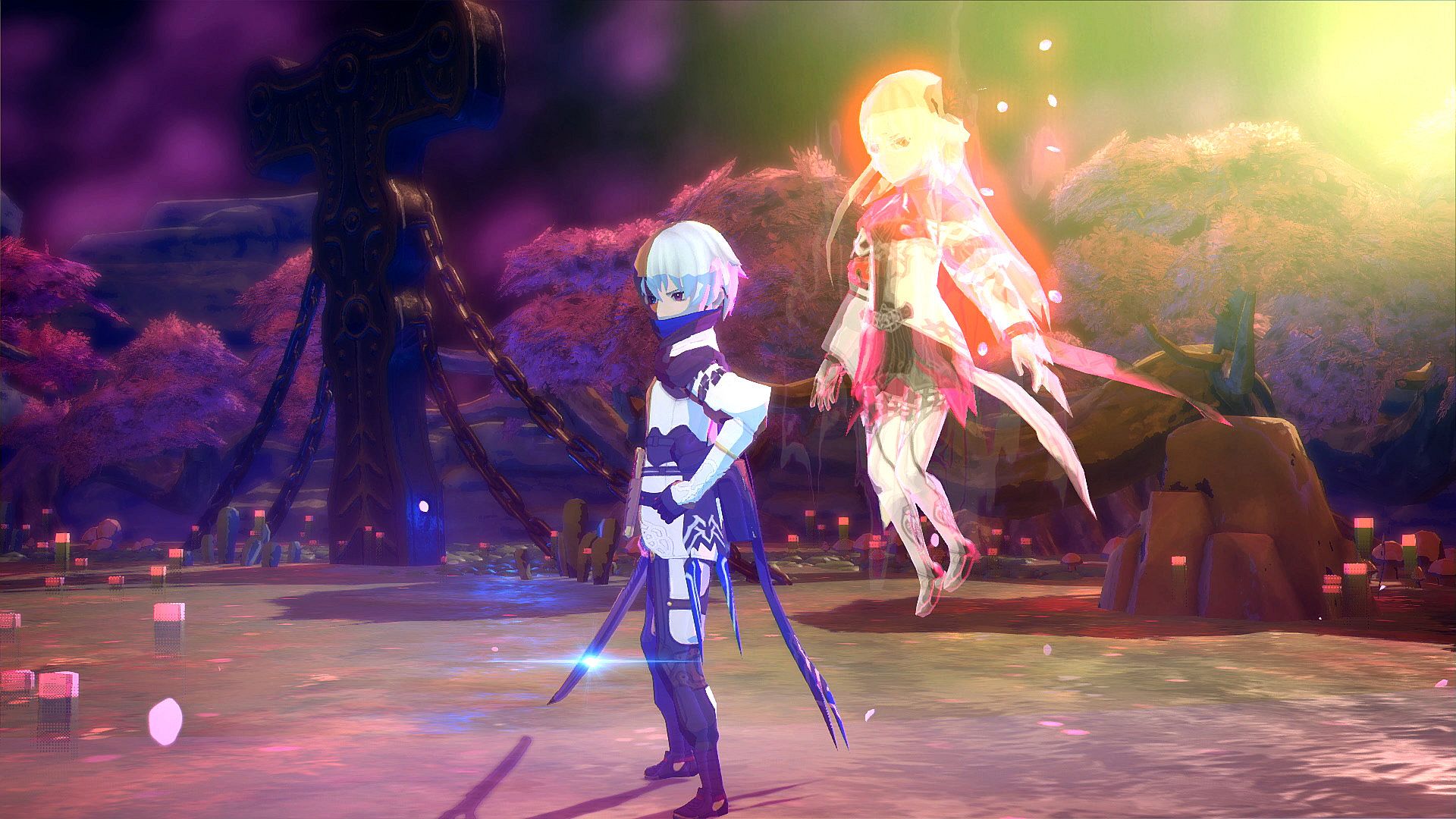



ONINAKI is a single-player action RPG that places players in the role of Kagachi, a Watcher tasked with guiding lost souls through a cycle of reincarnation. The game blends real-time combat with exploration across two distinct realms: the Living World and the Beyond. Developed by Tokyo RPG Factory and released in 2019 for PC, it emphasizes a narrative focused on themes of life, death, and emotional bonds while delivering combat centered on spirit companions known as Daemons.
Gameplay
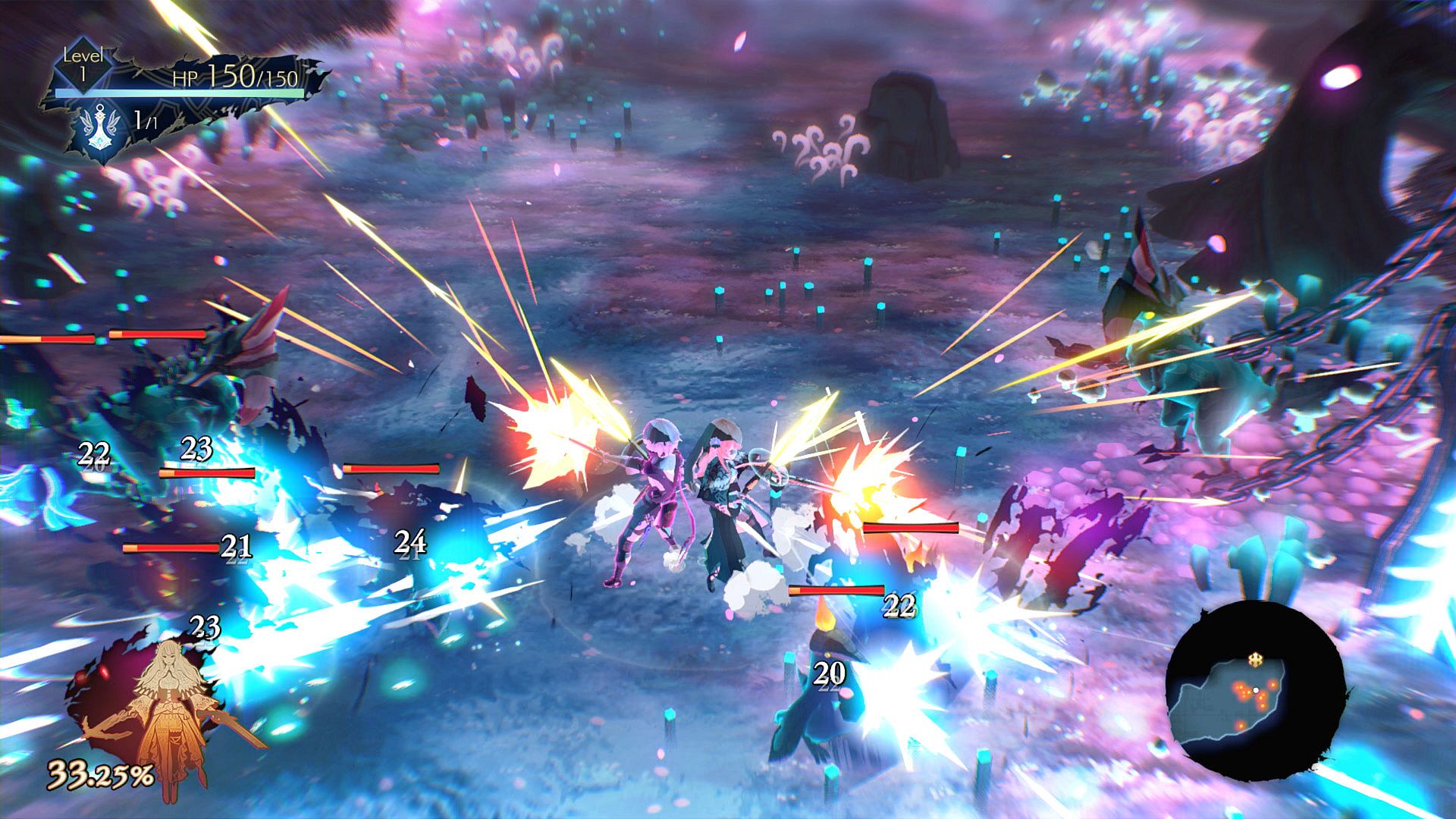
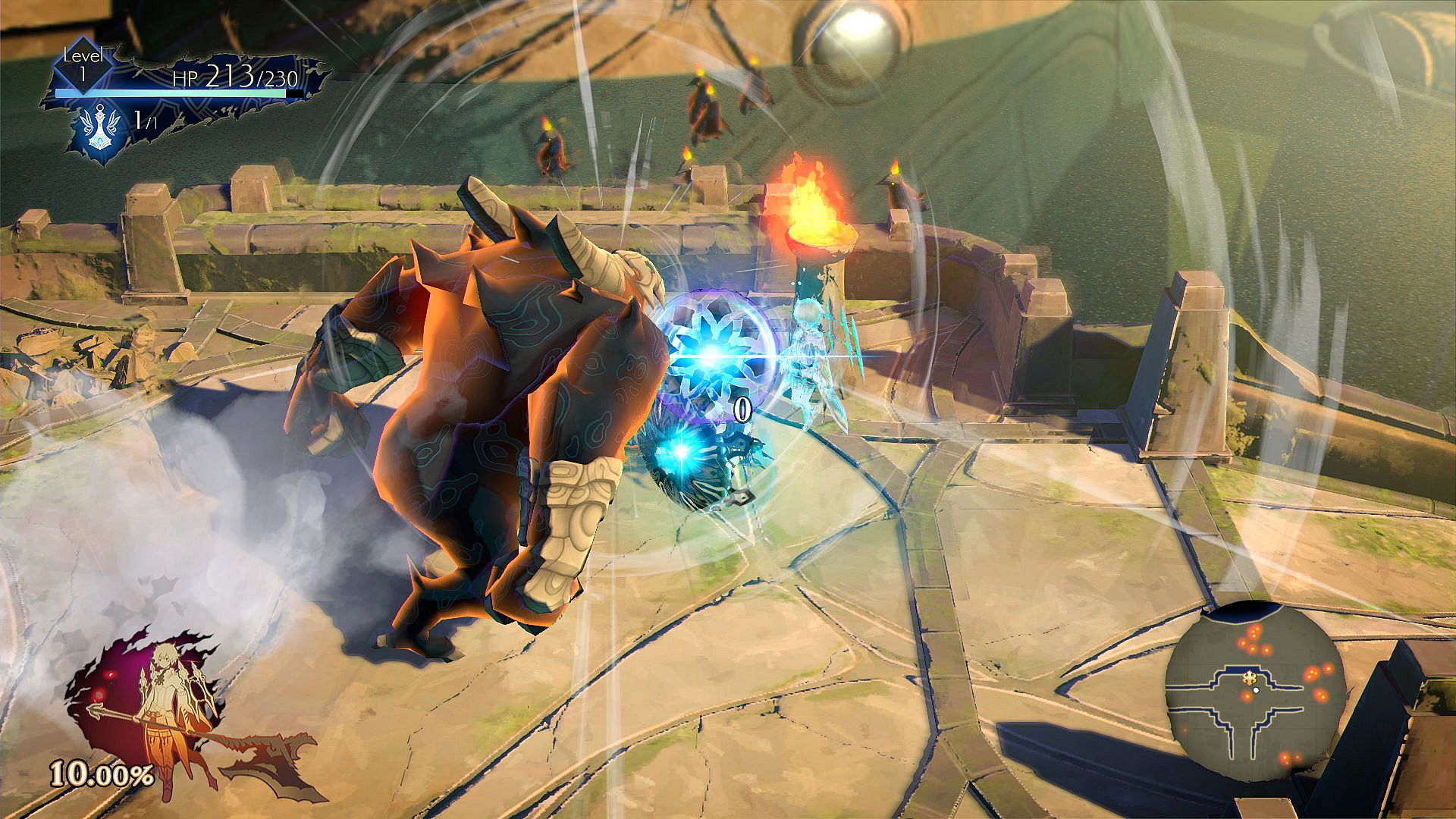
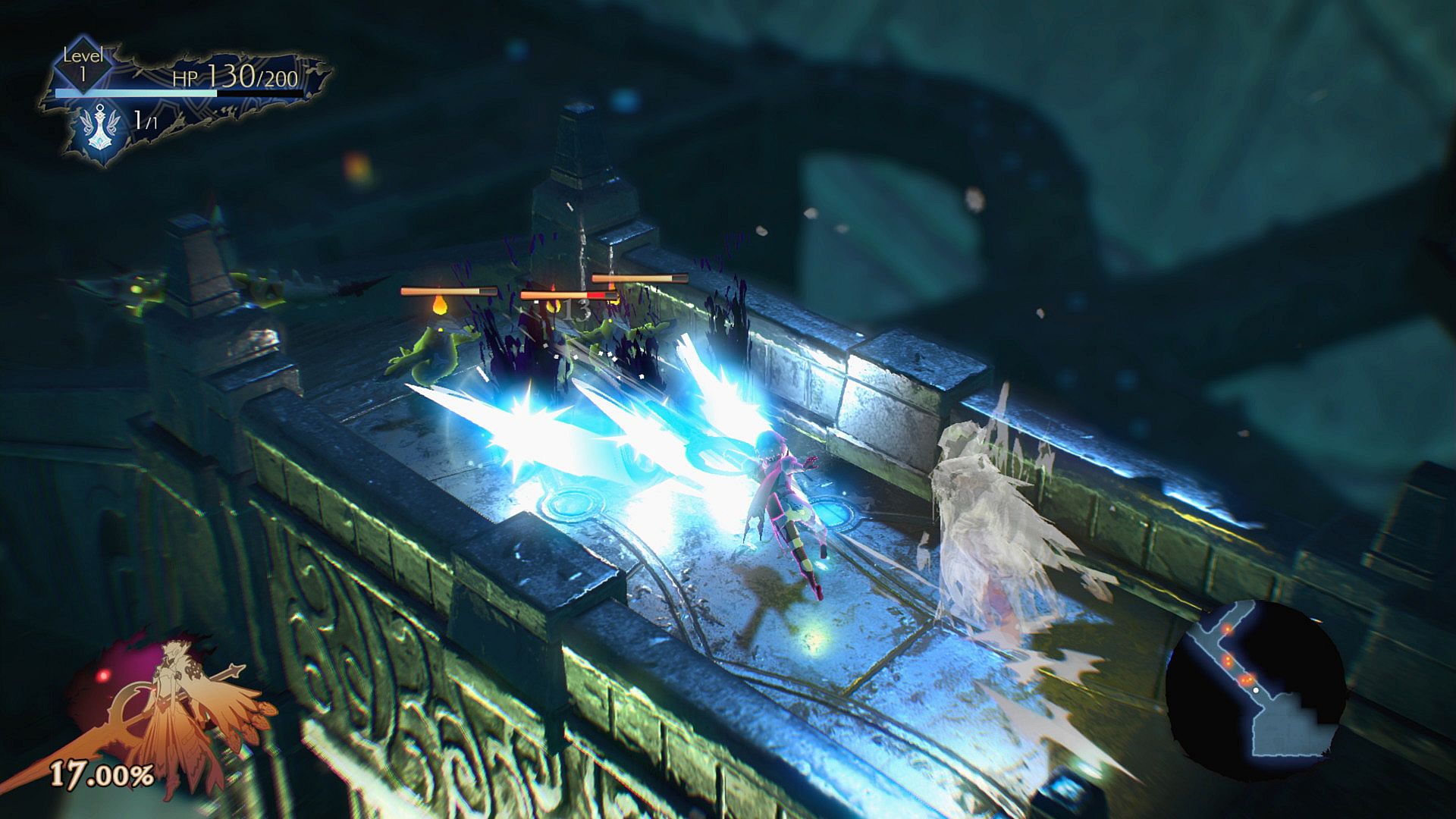
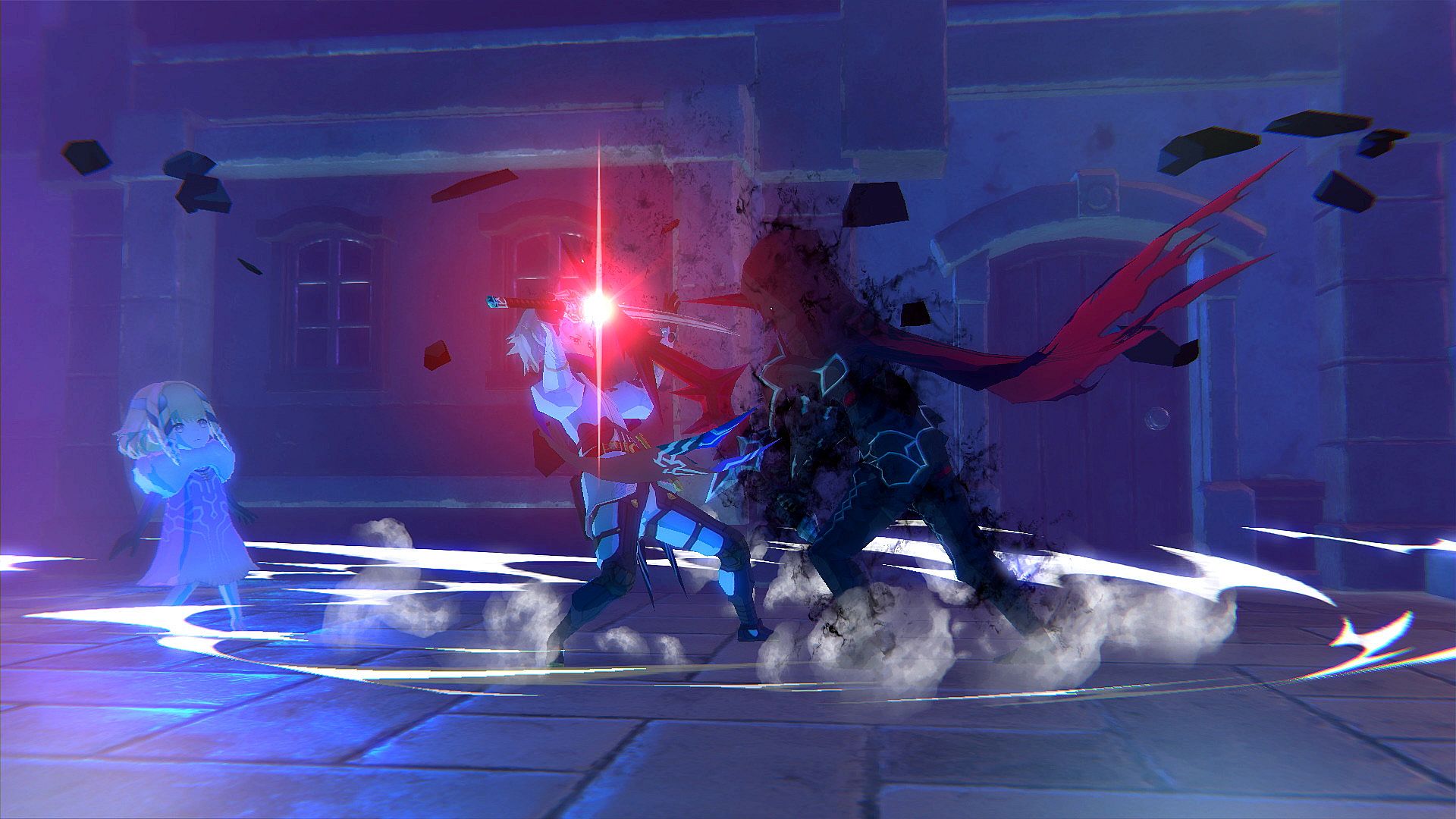
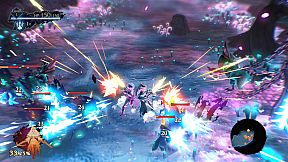
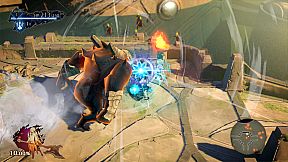
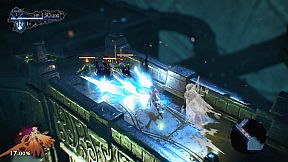
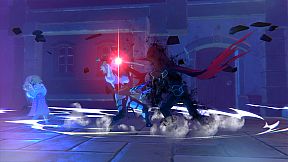
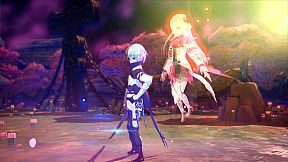
Combat unfolds in real time from an isometric perspective. Kagachi wields Daemons that manifest as different weapons, each with unique attack patterns, skills, and cooldowns. Players bind up to four Daemons at once and switch between them freely during fights to adapt to enemy weaknesses. Each Daemon features its own skill tree that unlocks additional attacks, support abilities, and buffs, including faster switching or enhanced party effects when multiple Daemons are active.
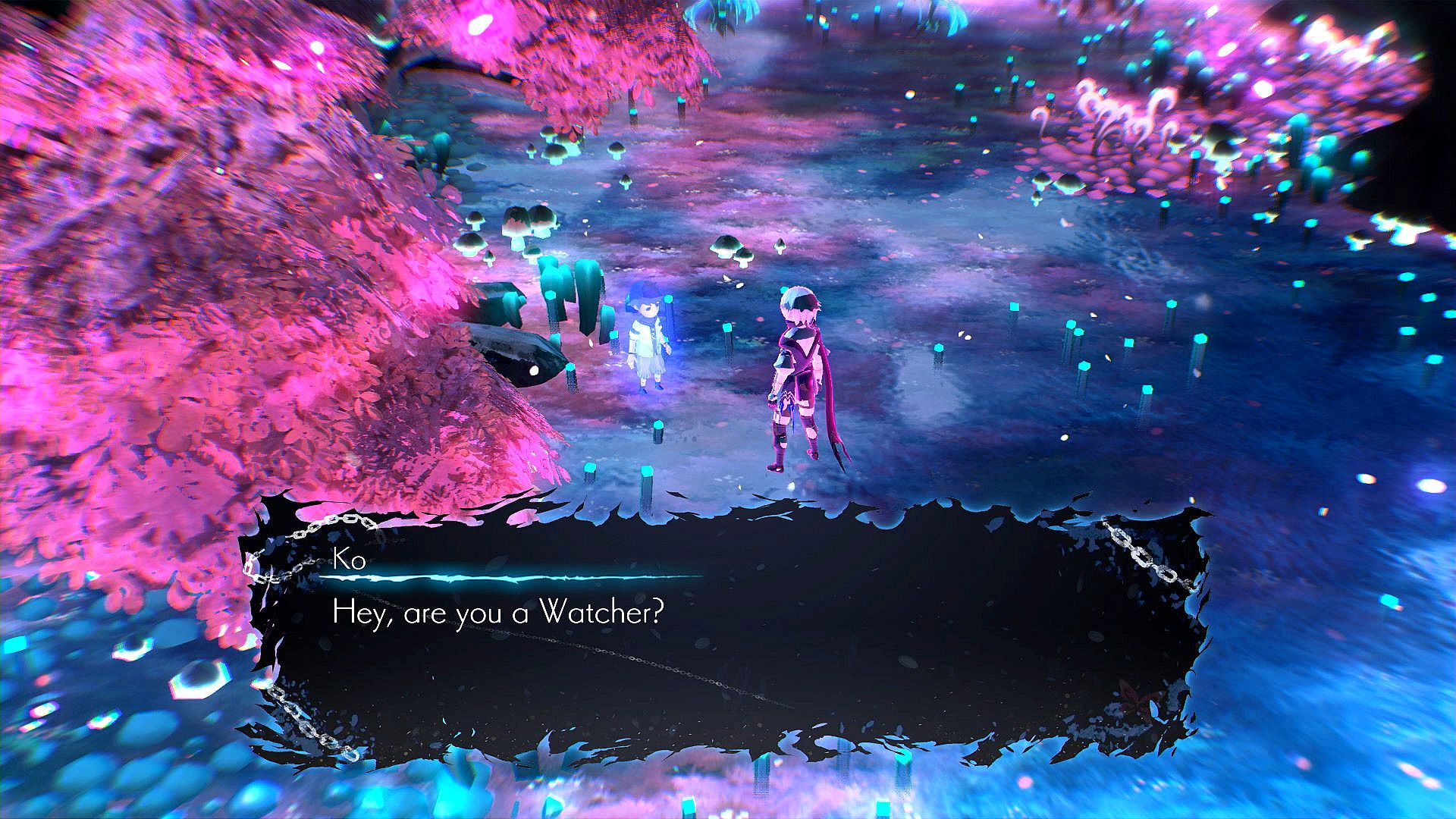
Progression involves collecting loot from defeated enemies, which includes weapons of varying rarity that can be upgraded through a crafting system using slotted stones. These modifications alter stats such as attack power, defense, or elemental properties. Exploration takes place in dungeon-style areas drawn from a world map, where standard enemies patrol and optional quests supplement the main story. The visual design highlights a sharp contrast between the vibrant Living World and the more somber Beyond, with environments rendered in detailed, hand-drawn style.
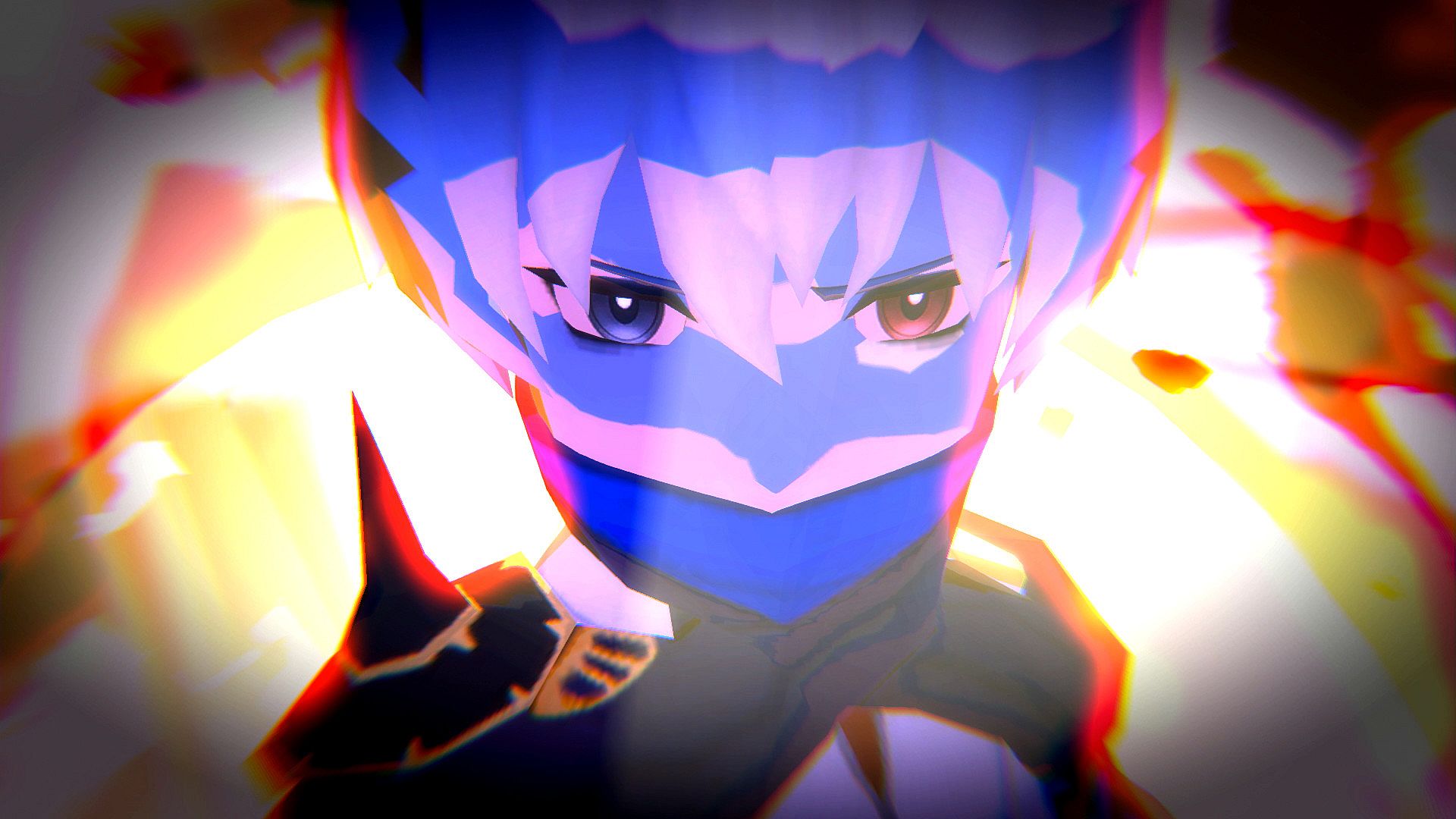
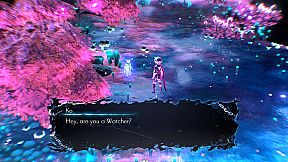
Story delivery occurs through cutscenes, in-game events, and conversations that reveal character backstories. Daemons themselves carry personal narratives unlocked gradually through skill tree advancement, adding layers to the central plot about the Night Devil and the rules of reincarnation.
Game Modes
ONINAKI operates entirely as a single-player experience with no multiplayer components. The core structure revolves around a linear story campaign divided into chapters that advance through dungeon exploration and boss encounters. Players select areas from an overworld map, completing both required story objectives and optional side quests that provide additional context or rewards.
Within each area, gameplay alternates between navigation, enemy encounters, and puzzle-like elements tied to the dual-world mechanic. Shifting perspectives between the Living World and the Beyond influences visibility of paths and enemies, encouraging strategic movement. Boss fights serve as major checkpoints, often requiring effective Daemon switching and skill usage to overcome. The absence of separate modes means all content integrates into this unified single-player loop, with replay value stemming from experimenting with different Daemon combinations and skill builds across multiple playthroughs.
Story and Setting
The narrative centers on the Watchers, who maintain balance by severing ties that bind the Lost to the world of the living. Kagachi's journey uncovers truths about his own past and challenges the established order of reincarnation. Emotional weight comes from interactions with both living characters and the Daemons, whose backstories emerge through targeted progression. The setting draws on cultural ideas of the afterlife without introducing unrelated factions or mechanics.
Is It Worth Playing?
Player reception on Steam stands at mixed, with 65 percent positive ratings from over 300 reviews. Reviewers frequently praise the distinctive Daemon switching system, the contrast between the two worlds, and the thoughtful handling of its themes. Common criticisms include repetitive combat pacing and limited evolution in enemy encounters over the roughly 25-hour campaign length.
The game suits players who enjoy action RPGs with emphasis on build customization through skill trees and weapon upgrades rather than fast-paced action alone. Its complete single-player package offers a self-contained story without ongoing updates or seasonal content. Those drawn to isometric exploration paired with companion-based combat may find the mechanics engaging despite the dated release, while others seeking constant variety might prefer titles with more fluid progression systems.