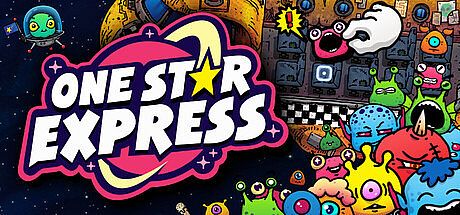


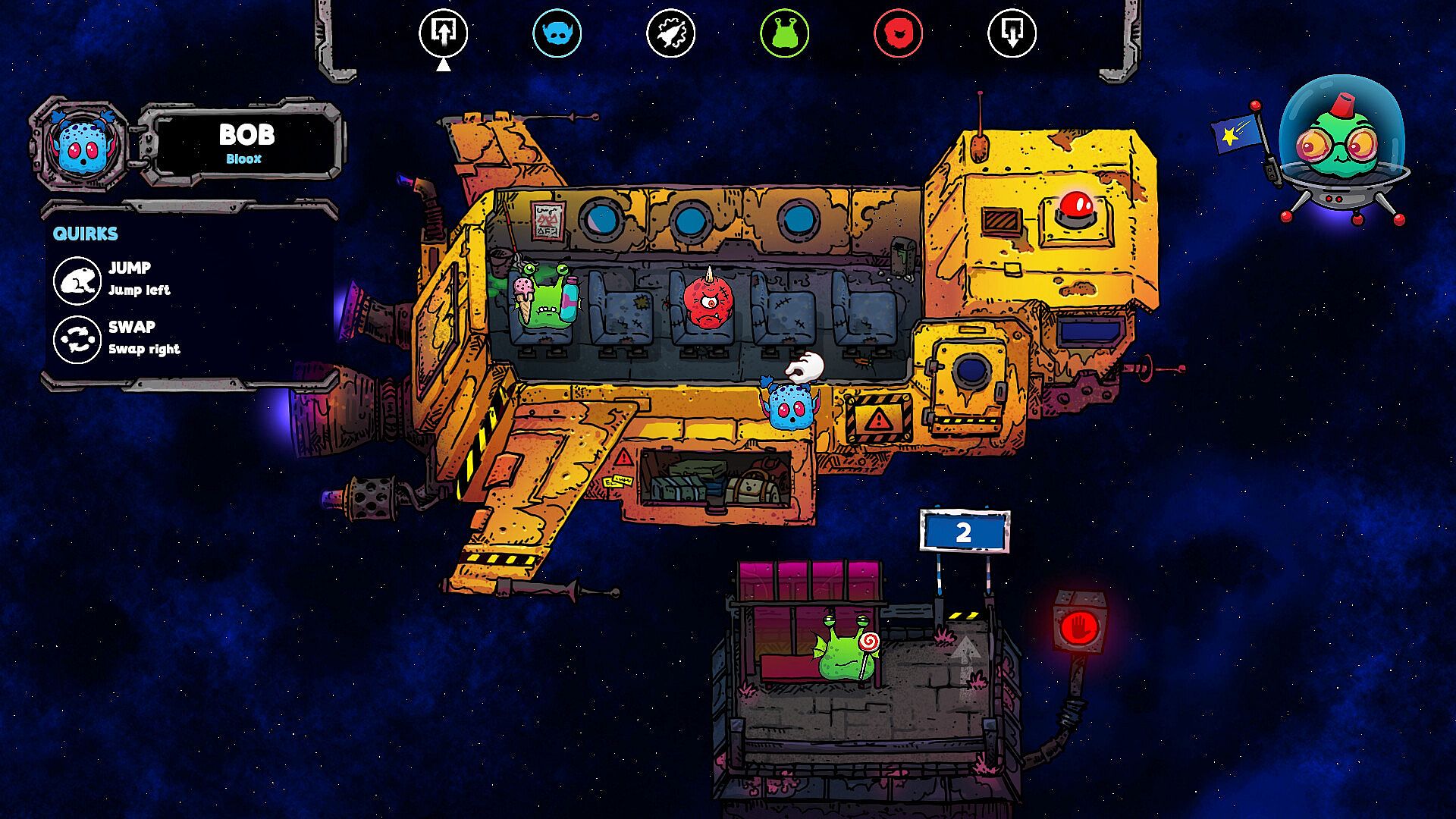
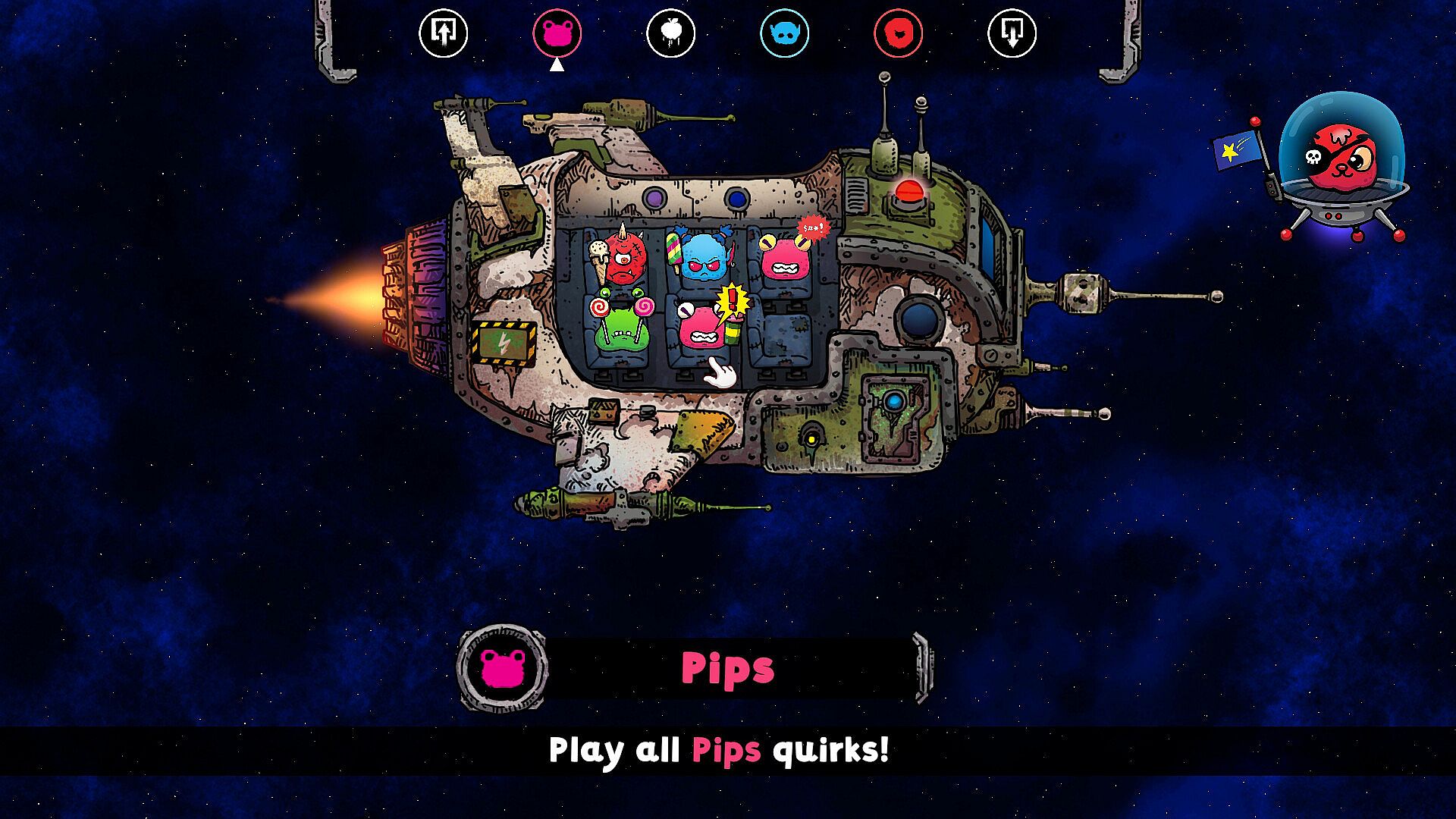
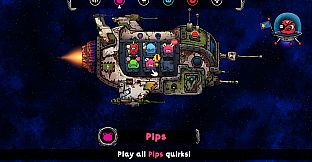



One Star Express is a casual single-player puzzle game set on PC where players manage seating arrangements for quirky alien passengers aboard restored antique spaceships. Cosmic teleportation has failed, forcing reliance on these museum vessels from a bygone era, and the core challenge revolves around organizing travelers to meet their individual demands while navigating unexpected events during each galactic trip.
Gameplay
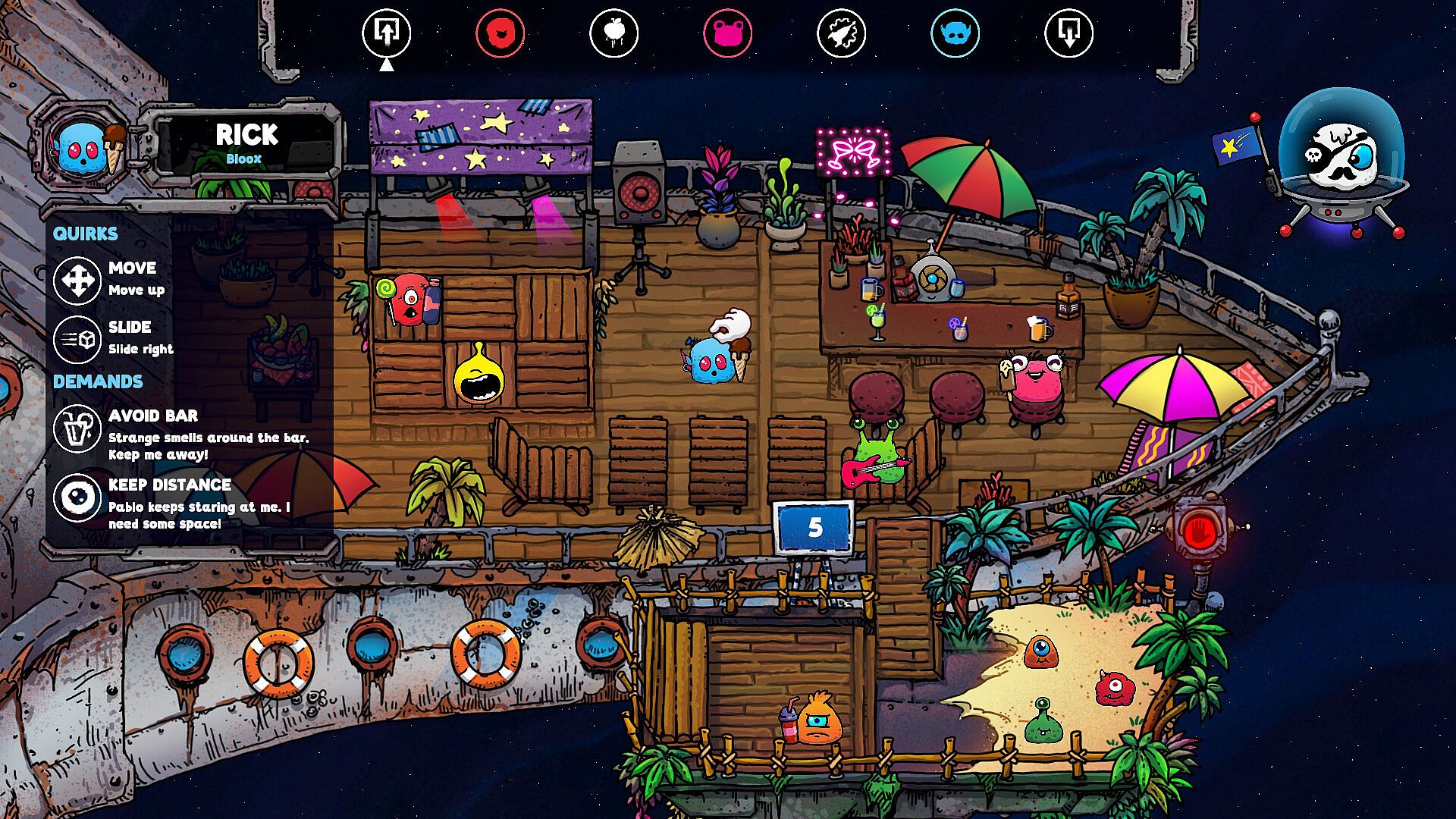
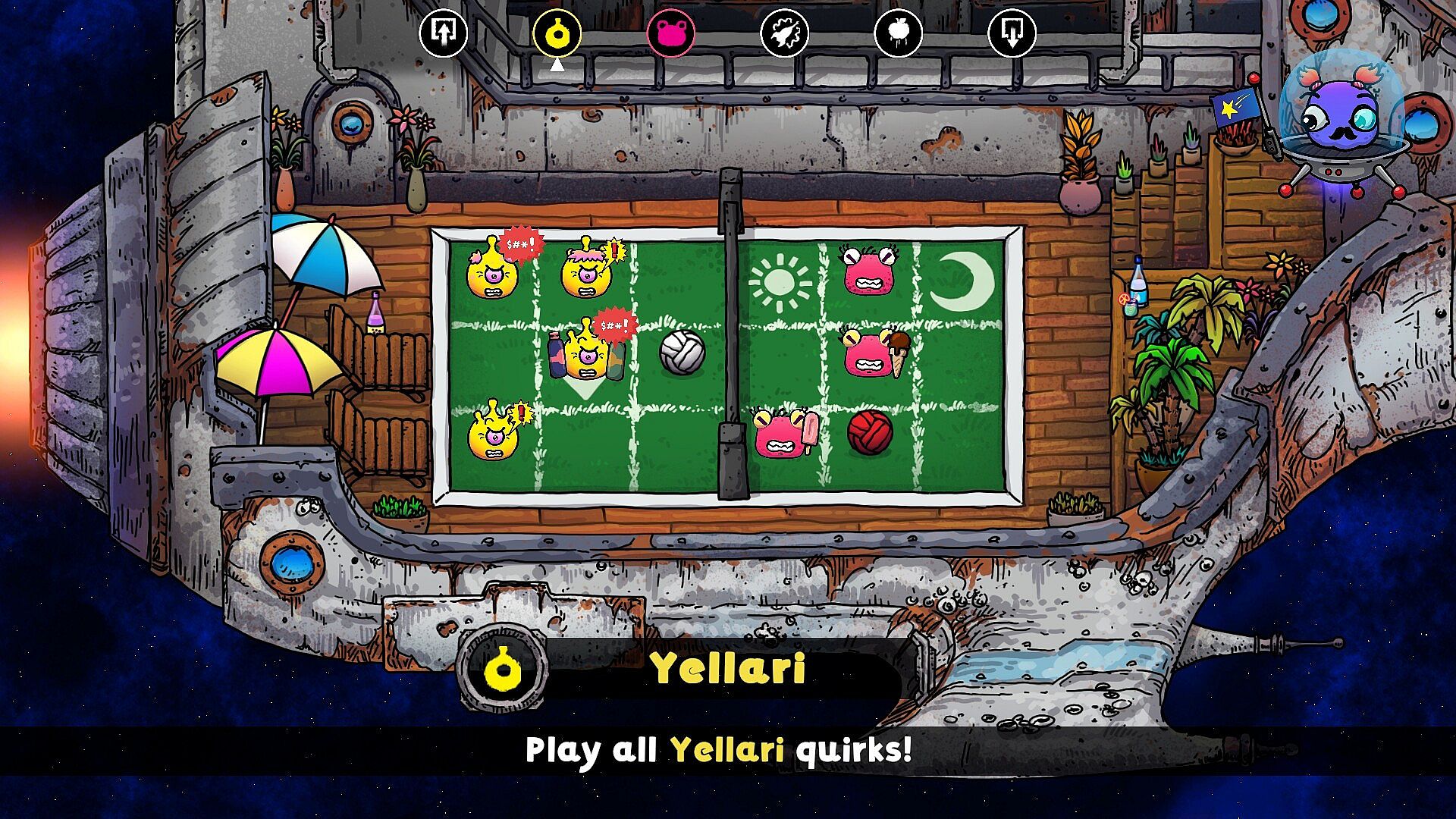
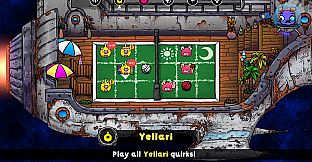
The central loop involves assigning seats to passengers who each carry distinct behaviors and requests. Players must plan seating charts that account for personal quirks, such as preferences for specific locations or interactions with others on board. Turn-based puzzle mechanics layer multiple systems together, requiring careful consideration of how one placement affects the overall journey and satisfaction levels.
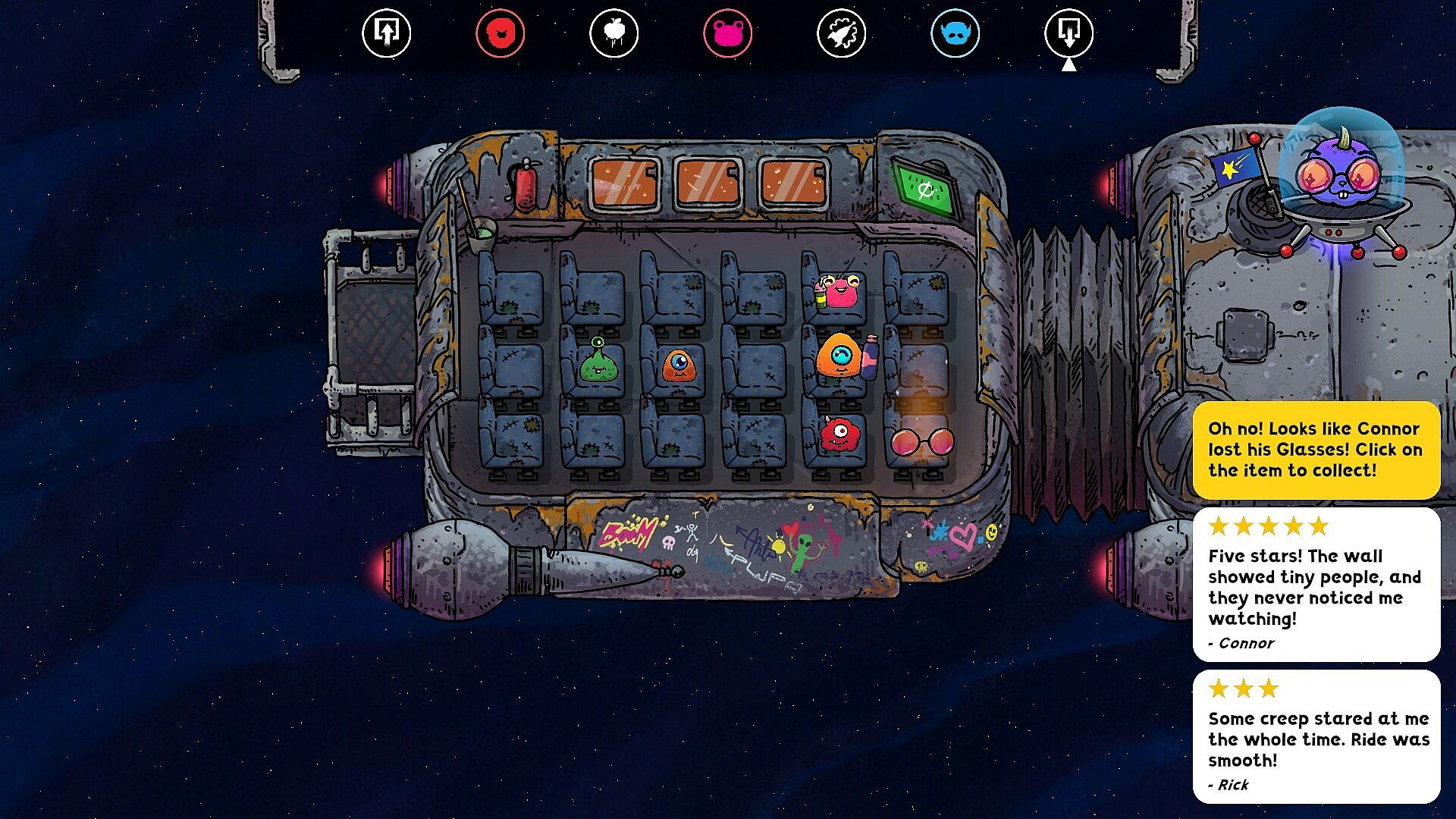
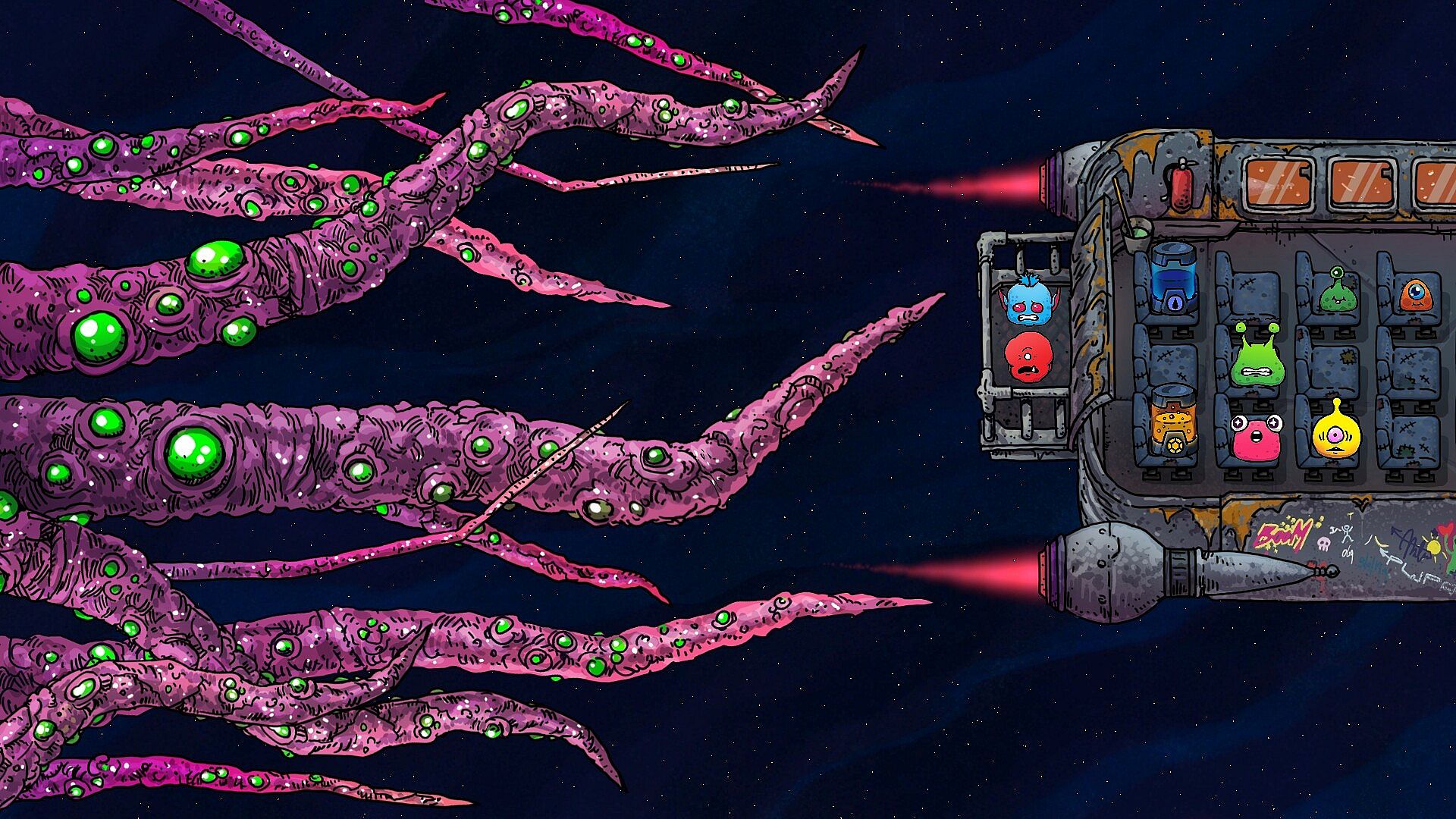
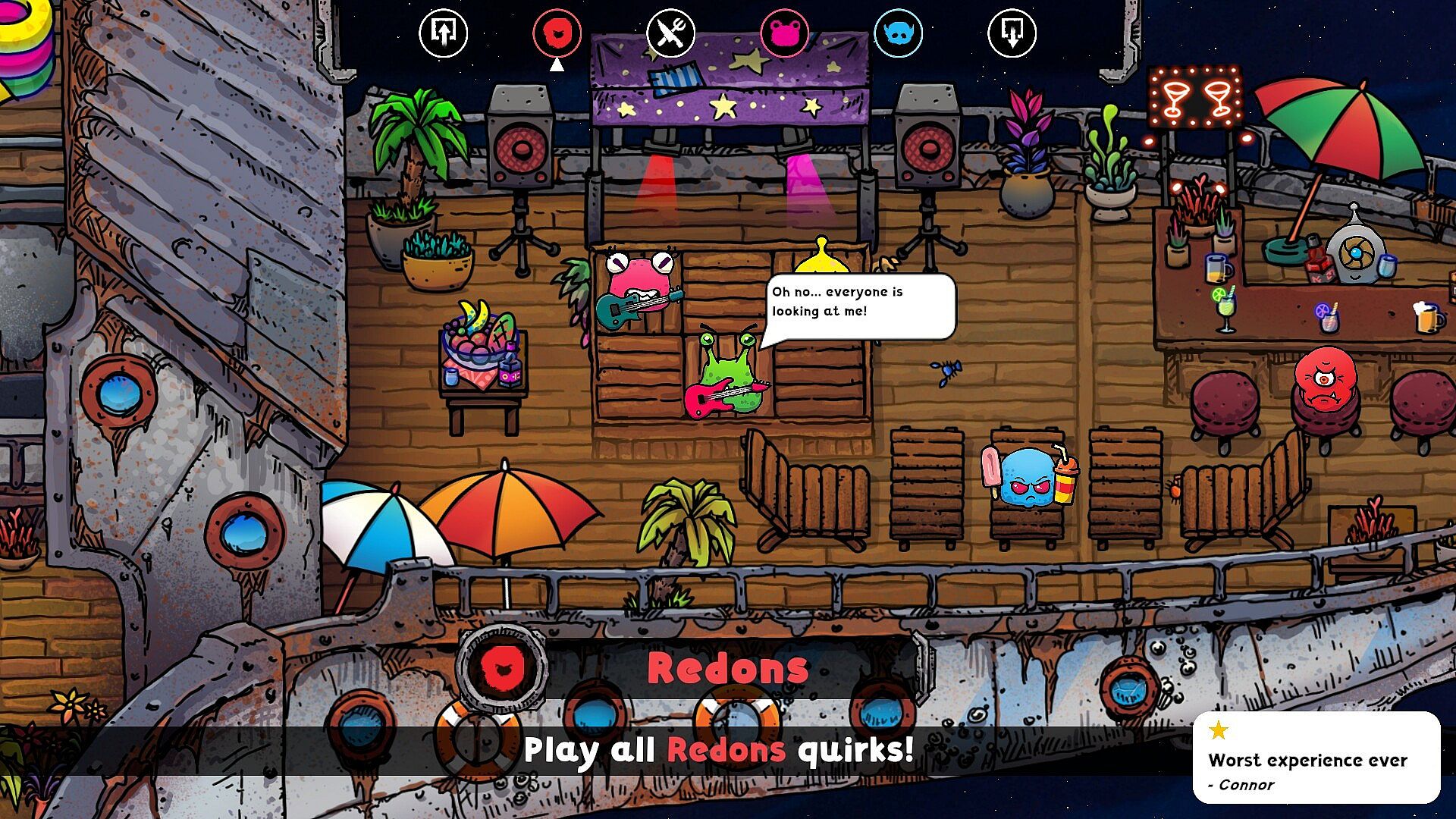
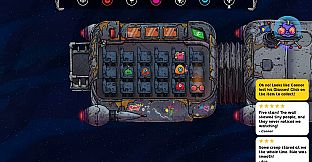
Cosmic events introduce variability, altering ship layouts or passenger needs mid-trip and demanding adaptive strategies. Additional tasks include locating and returning lost items, which tie into short narrative threads that reveal passenger backstories. Reviews collected at the end of each voyage range from positive endorsements to pointed criticisms, directly tied to how well individual alien personalities were accommodated.
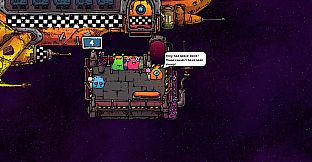
Each antique ship presents its own obsolete technology and layout constraints, turning every crossing into a fresh spatial and logistical problem. The emphasis stays on methodical arrangement and foresight rather than speed or reflexes.
Game Modes
One Star Express operates entirely as a single-player experience. Journeys unfold sequentially, with each trip presenting handcrafted puzzles that combine seating logic, event responses, and item recovery into cohesive challenges. No separate competitive or cooperative formats appear in the available details, keeping the focus on solitary problem-solving across the fleet of museum ships.
Passenger Interactions and Ship Variety
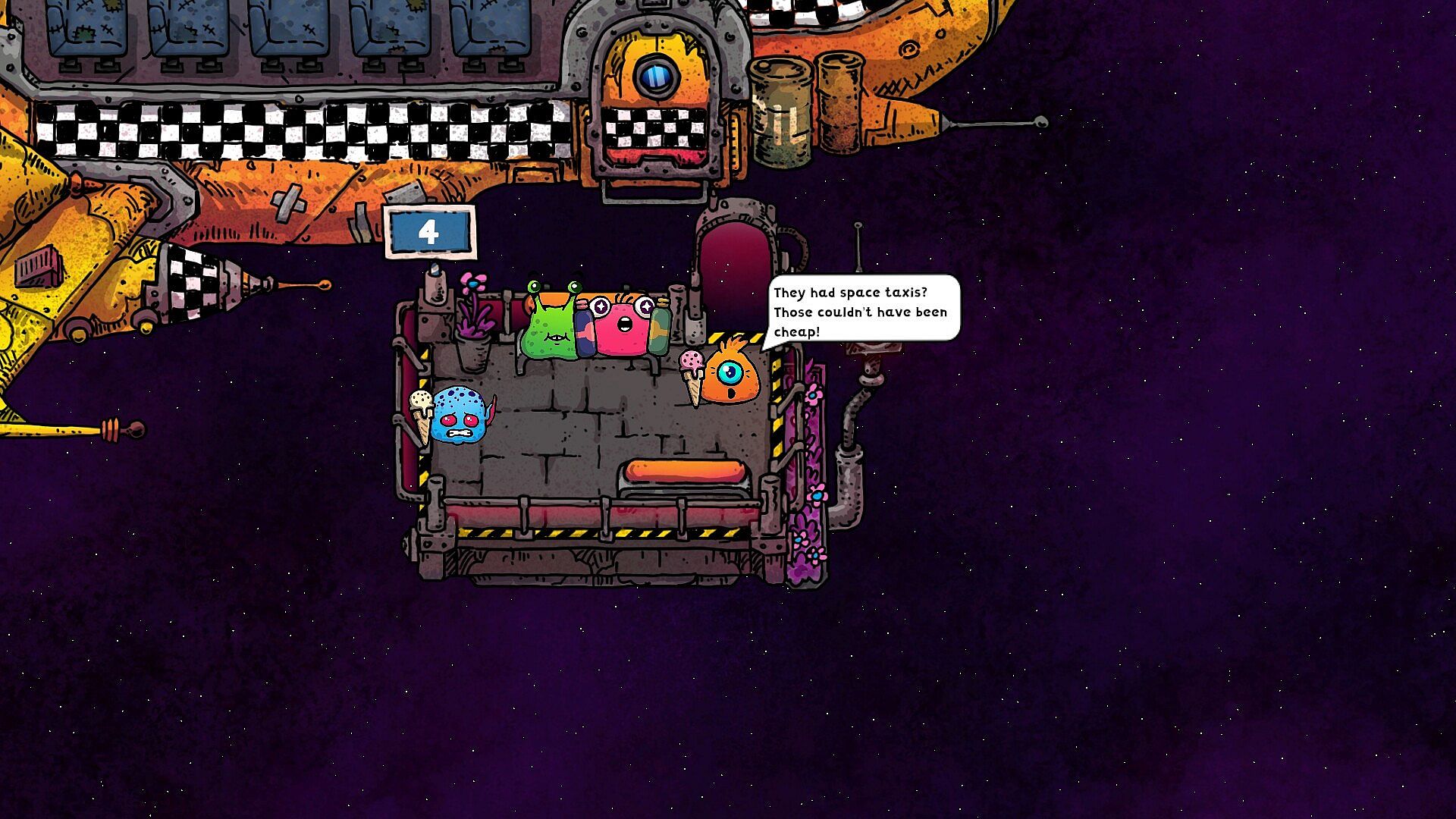
Alien travelers exhibit unique demands that influence seating decisions and overall outcomes. These range from simple positional preferences to more complex social or environmental needs that interact with the ship's design. Returning misplaced belongings adds layers of discovery, often linking to brief personal stories that emerge naturally from successful arrangements.
Ships themselves vary in their pre-teleport engineering, offering distinct constraints and visual themes drawn from the galaxy's outdated transport history. This variety ensures that puzzle solutions cannot rely on repetition but must adapt to each vessel's quirks and the passengers it carries.
Is It Worth Playing?
One Star Express targets players who enjoy deliberate, turn-based puzzle solving in a lighthearted setting. Its mechanics center on spatial planning and passenger management, appealing to those who appreciate games where outcomes depend on thoughtful configuration rather than action or resource grinding. With a release still pending, current information shows no established player base or update history, so interest hinges on whether the described seating and event systems align with personal preferences for casual puzzle titles. The single-player structure and emphasis on quirky character interactions suggest it suits individuals seeking short, self-contained sessions without multiplayer elements.