




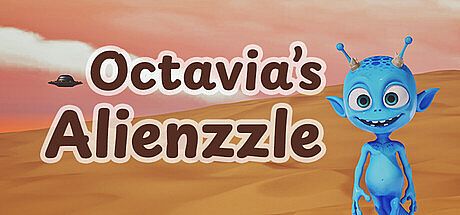



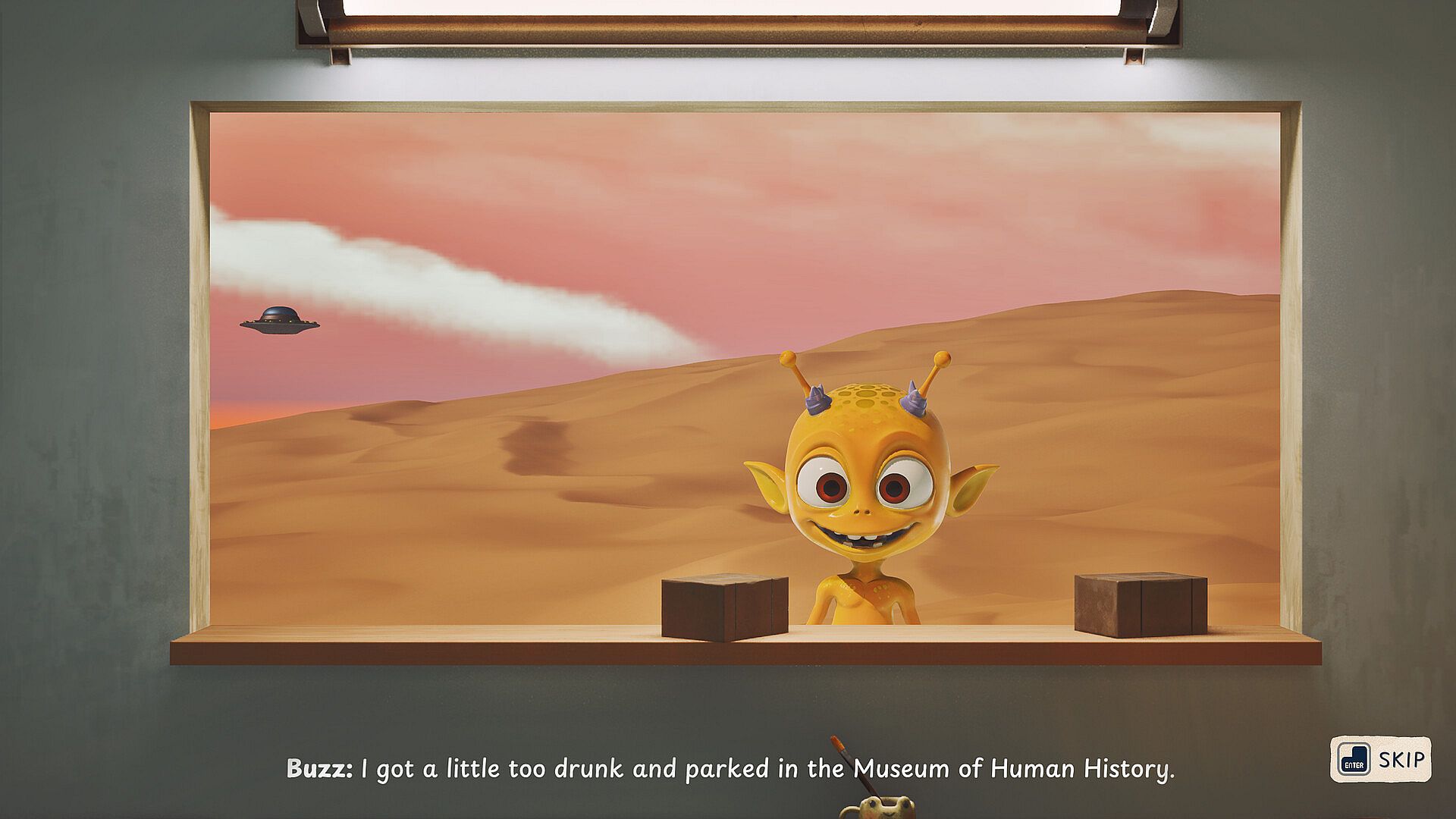
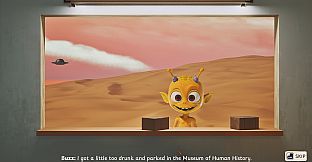
Octavia's Alienzzle is a cozy 3D puzzle game developed as an indie title in the casual and simulation genres. Players step into the role of Puzz, an alien tasked with reassembling exhibits in a museum of humanity that his brother Buzz accidentally destroyed during a landing. The experience centers on restoring fragmented objects and scenes from Earth through careful piece manipulation, all while engaging in light dialogue that highlights alien misunderstandings of human culture.
Gameplay
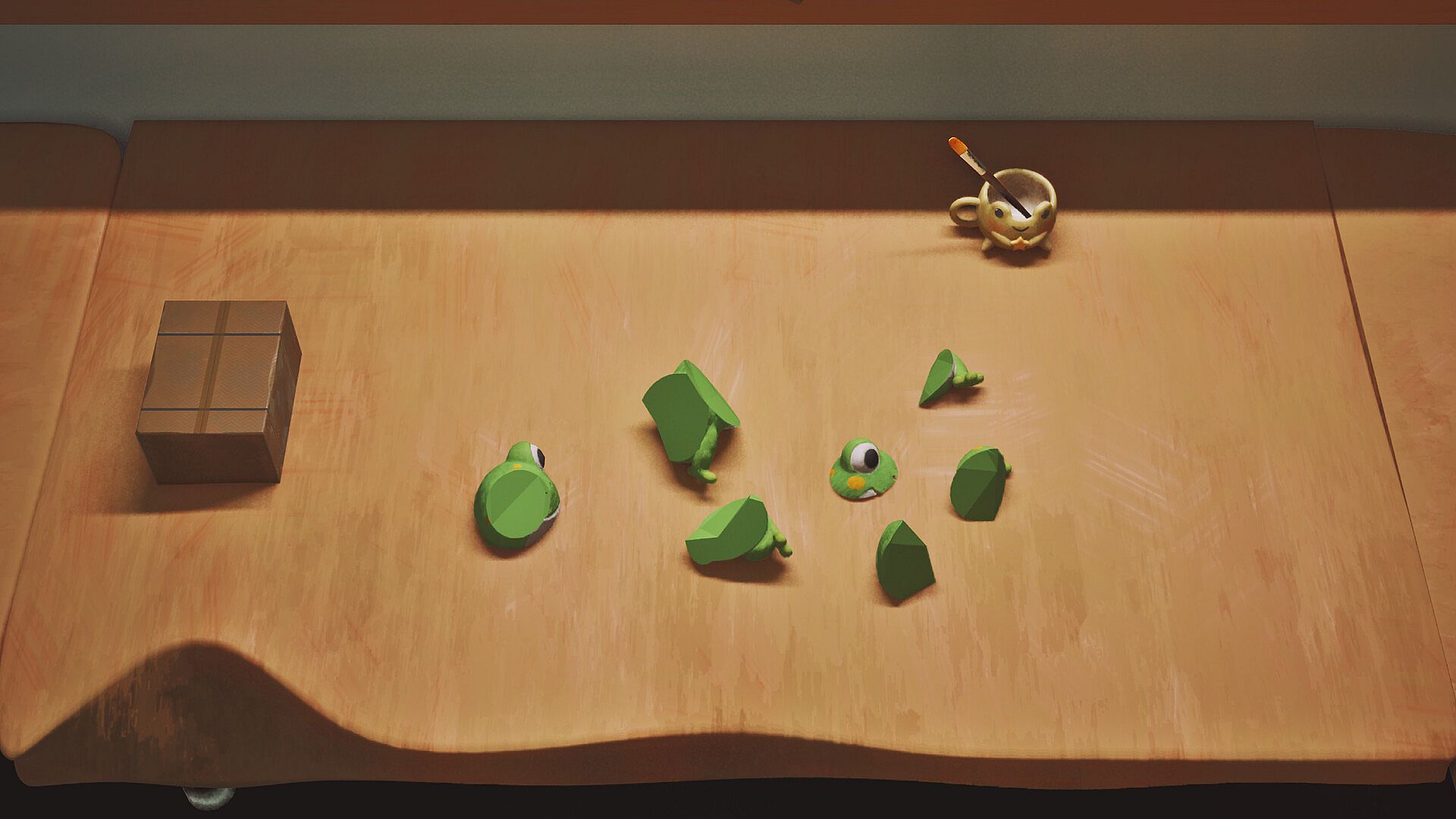
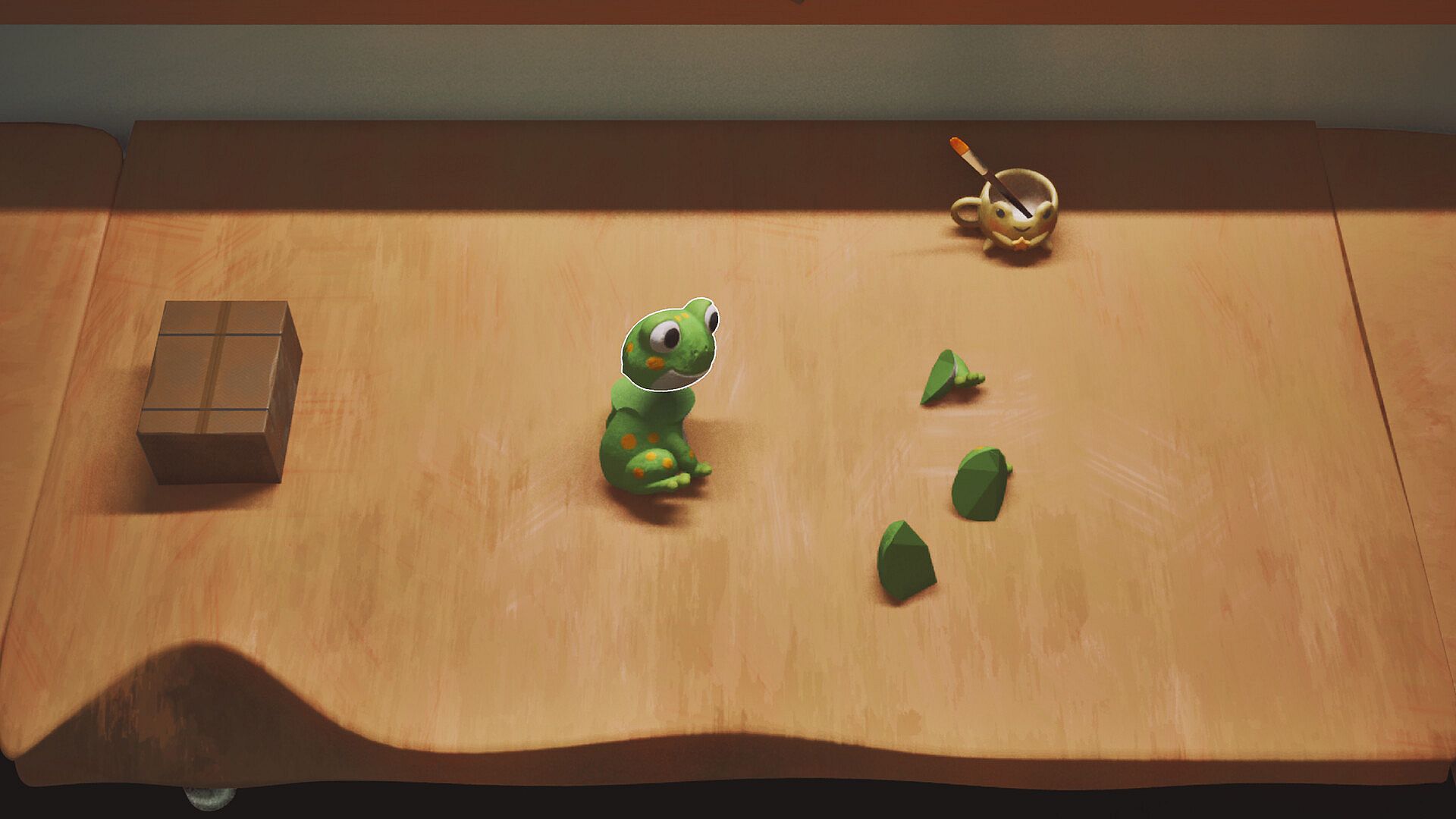
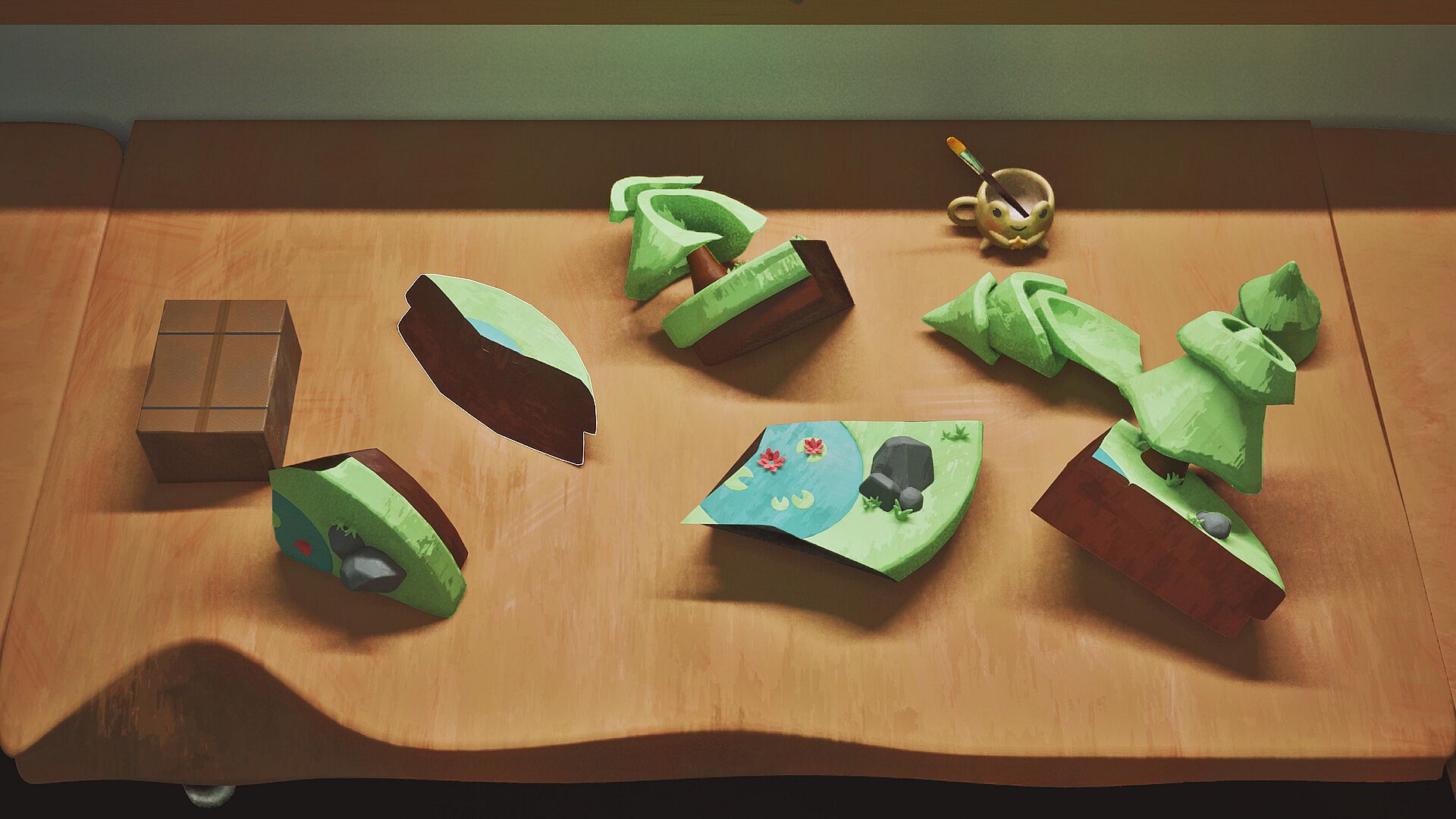
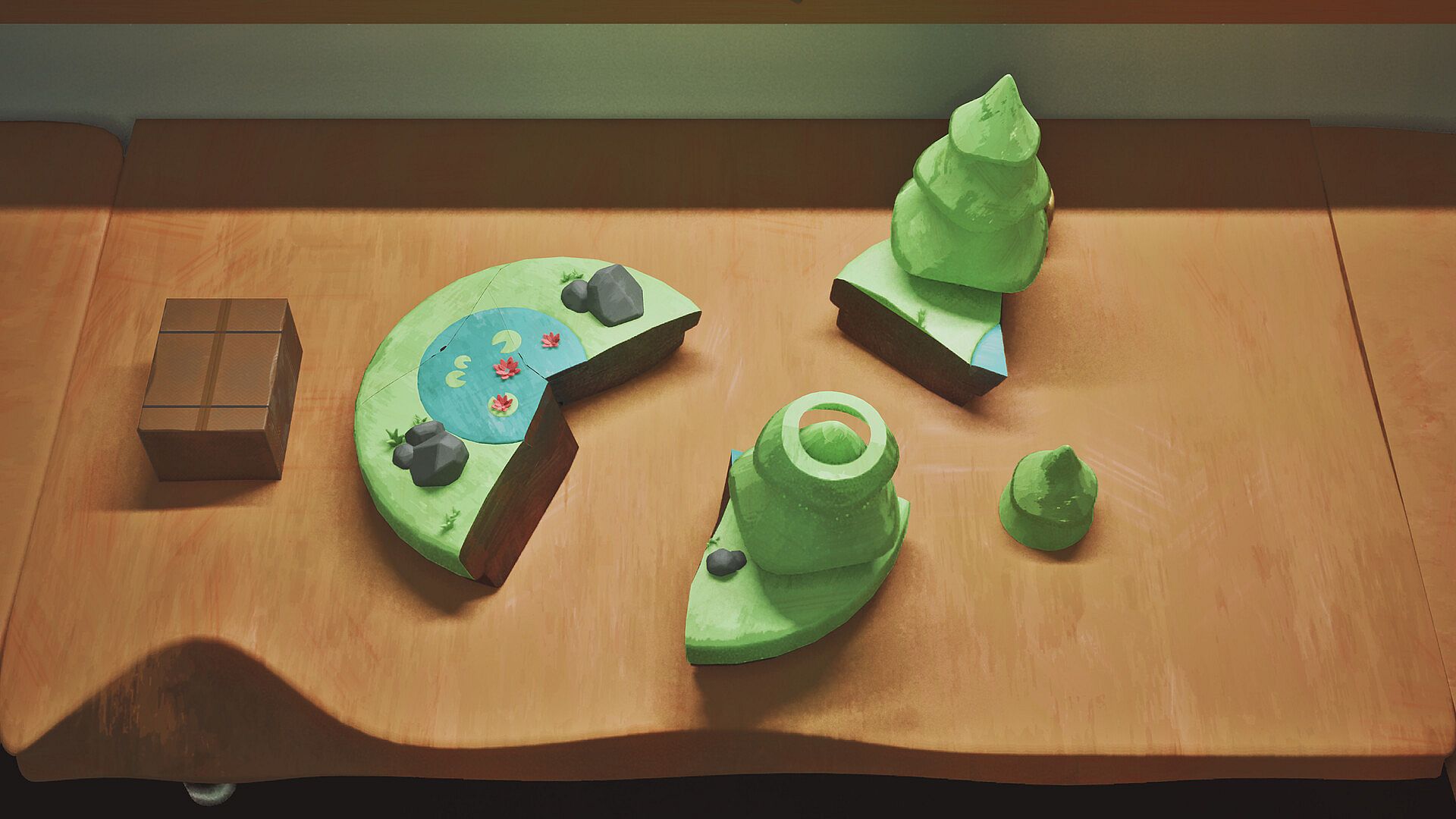
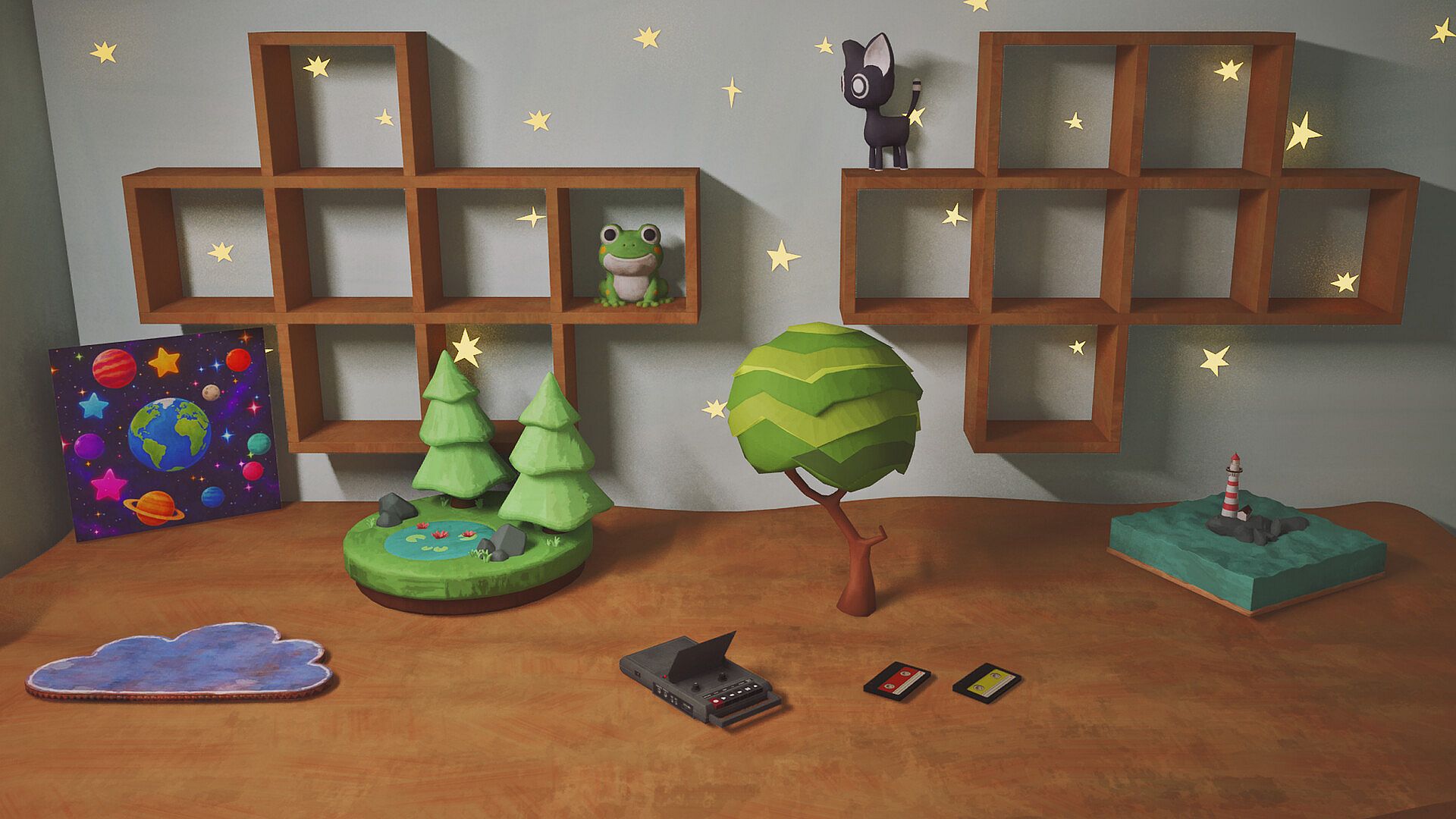
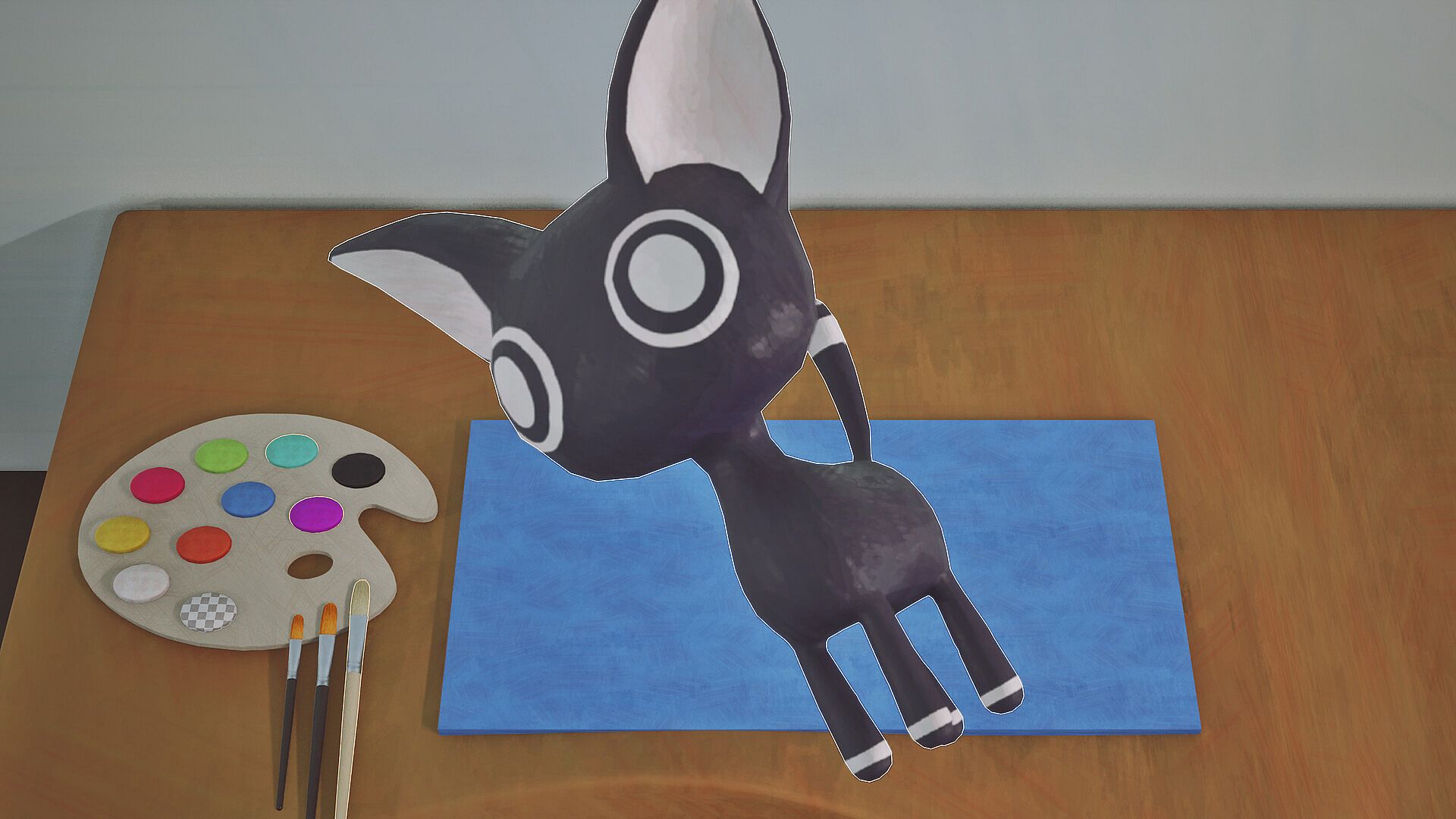
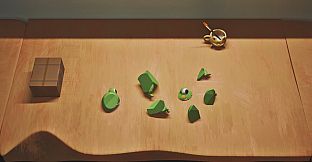
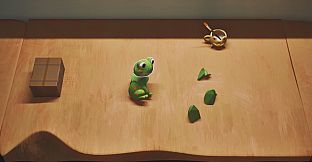
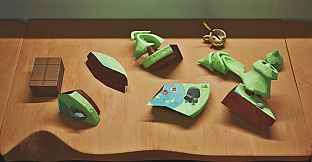
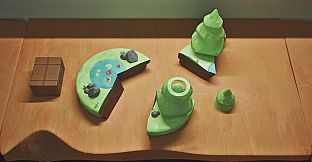
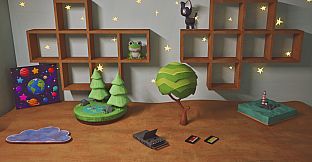
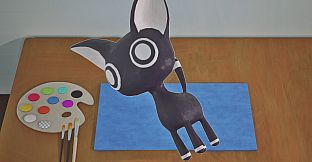
The core loop involves selecting damaged exhibits and working with individual 3D pieces. Each puzzle requires rotating pieces to examine their shapes from multiple angles, then connecting them correctly to form complete models. Exhibits range from everyday human objects and animal figures to nature dioramas and miniature recreations of Earth locations whose original purposes remain unclear to the alien characters. Once assembled, players can paint directly on the surfaces of completed models to add custom details and colors.
Progression moves through a series of these restoration tasks, with each finished piece returning another element to the museum collection. The process emphasizes observation and patience rather than speed or precision under pressure. Between assembly sessions, conversations with Buzz provide context on the restored items, offering humorous takes on human habits, technology, and nature that sometimes align with reality and sometimes stray far from it.
Controls focus on intuitive manipulation suited to a relaxed pace. There are no combat elements, timers, or failure states that reset progress. The simulation aspects come through in the detailed modeling of objects and the gradual rebuilding of the overall collection, creating a steady sense of accomplishment as more exhibits return to display.
Game Modes
Octavia's Alienzzle operates entirely in single-player. The primary activity is sequential puzzle assembly across varied exhibit types, each presenting unique piece configurations and structural challenges. No competitive or cooperative modes exist, keeping the focus on individual exploration of the restoration process.
Within this single-player framework, players encounter different puzzle categories that include standalone objects, grouped scenes, and larger dioramas. Painting serves as an optional customization step after assembly rather than a separate mode. The structure supports a linear yet flexible approach where players can revisit completed puzzles or linger on any section without external constraints.
Story and Themes
The narrative follows Puzz's efforts to prove the value of his puzzle-assembly skills after repeated dismissals from others. Buzz's commentary adds layers of light-hearted interpretation, turning each restored item into a prompt for discussion about Earth's peculiarities. Themes revolve around curiosity, the reinterpretation of familiar objects through an outsider lens, and the quiet satisfaction of reconstruction.
Exhibits themselves serve as entry points for these exchanges, blending factual human context with alien perspectives that highlight everyday details in unexpected ways. The overall tone stays gentle and exploratory, avoiding conflict in favor of incremental discovery and personal validation for the protagonist.
Is It Worth Playing?
Octavia's Alienzzle enters Early Access on August 11, 2026, with core mechanics already functional and additional content planned through community input. The current version delivers the full puzzle assembly loop, painting tools, and dialogue sequences, though the total number of exhibits remains limited at launch. Planned expansions include more puzzle variety, environmental details, quality-of-life refinements, and achievements.
This setup suits players who enjoy deliberate, pressure-free 3D puzzle experiences in a single-player setting. Those seeking a calm simulation of restoration work paired with whimsical narrative elements will find the foundation already in place. Because the game remains in active development, individuals comfortable supporting an evolving title and providing feedback stand to benefit most from early participation, while others may prefer waiting for the expanded full release.
The absence of time limits or adversarial elements makes it accessible for short or extended sessions alike. Early Access pricing is positioned lower than the eventual full version, reflecting the ongoing work ahead.












