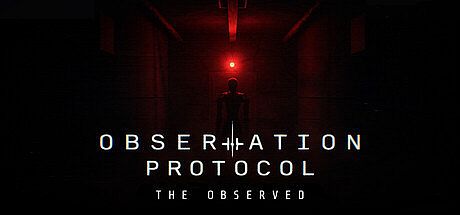




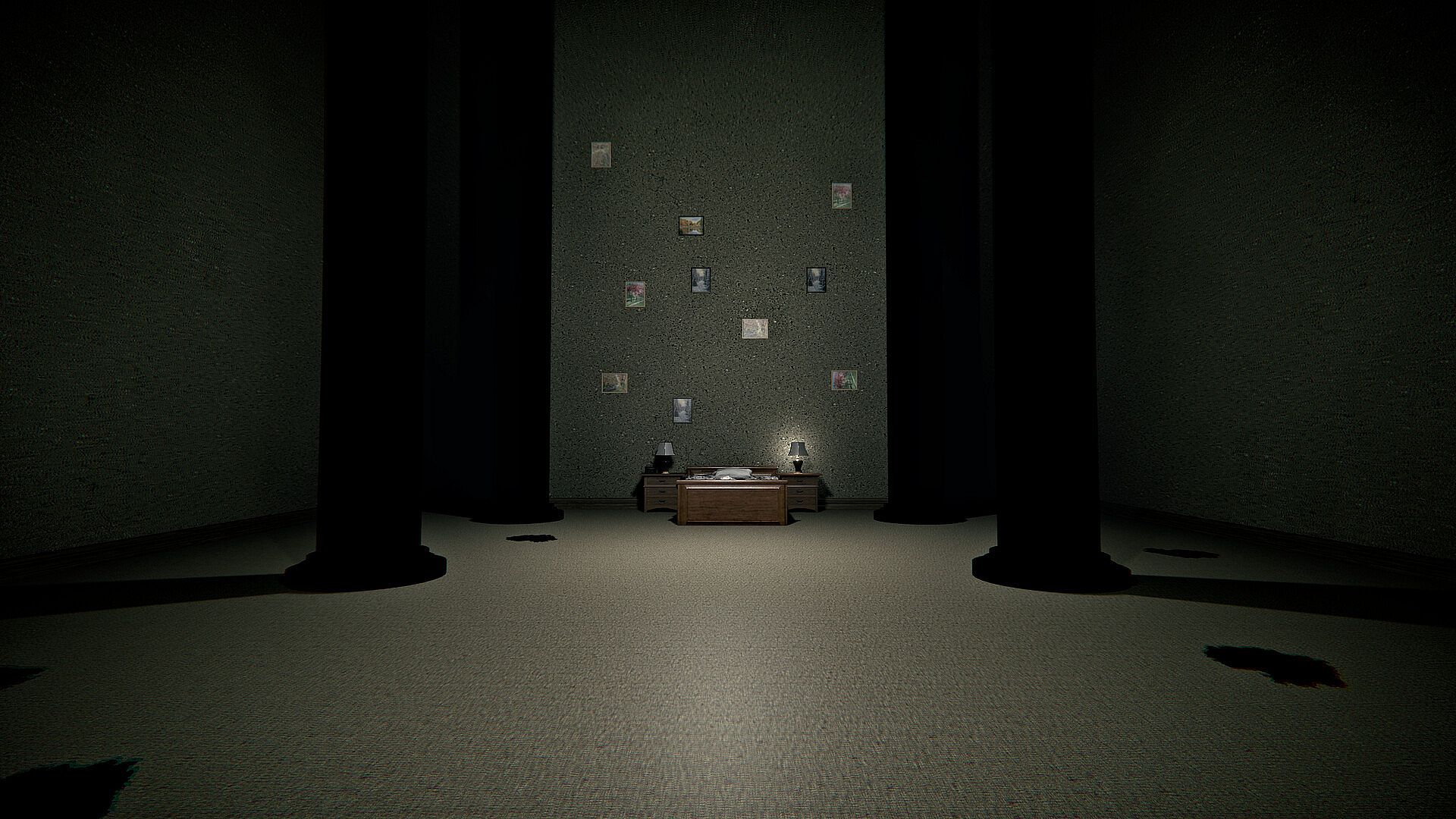
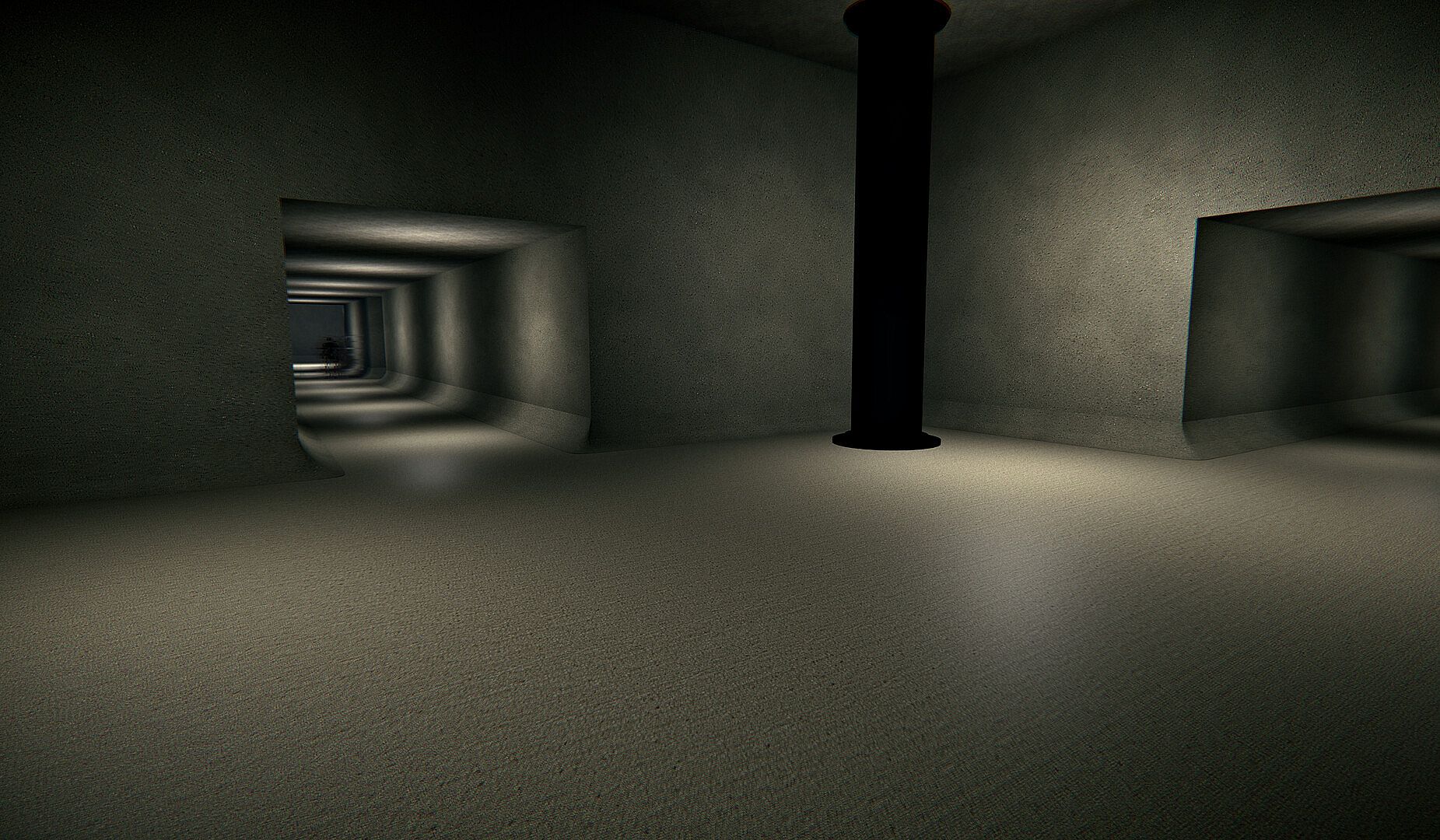
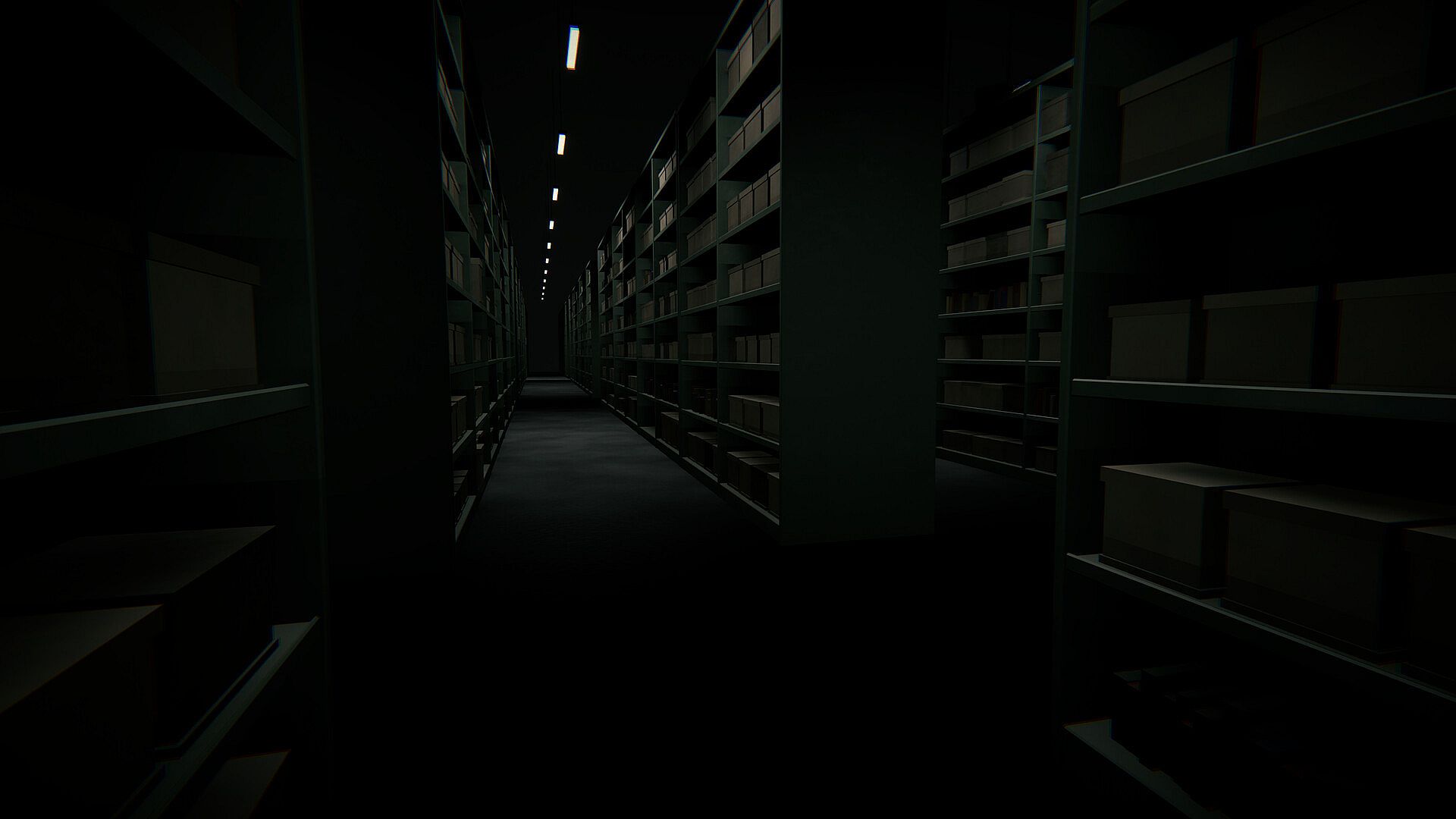

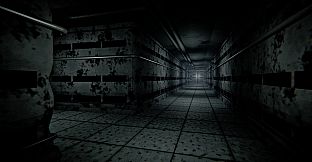


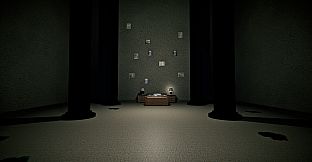
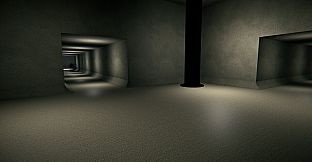
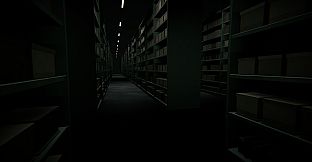
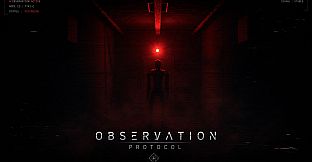
Observation Protocol: The Observed is a first-person psychological horror adventure game developed for PC. Players take on the role of a subject trapped in a repeating cycle of observation inside a shifting facility, where the core loop revolves around exploring changing rooms, examining records, and navigating an unfolding labyrinth while an entity gradually takes form.
Gameplay
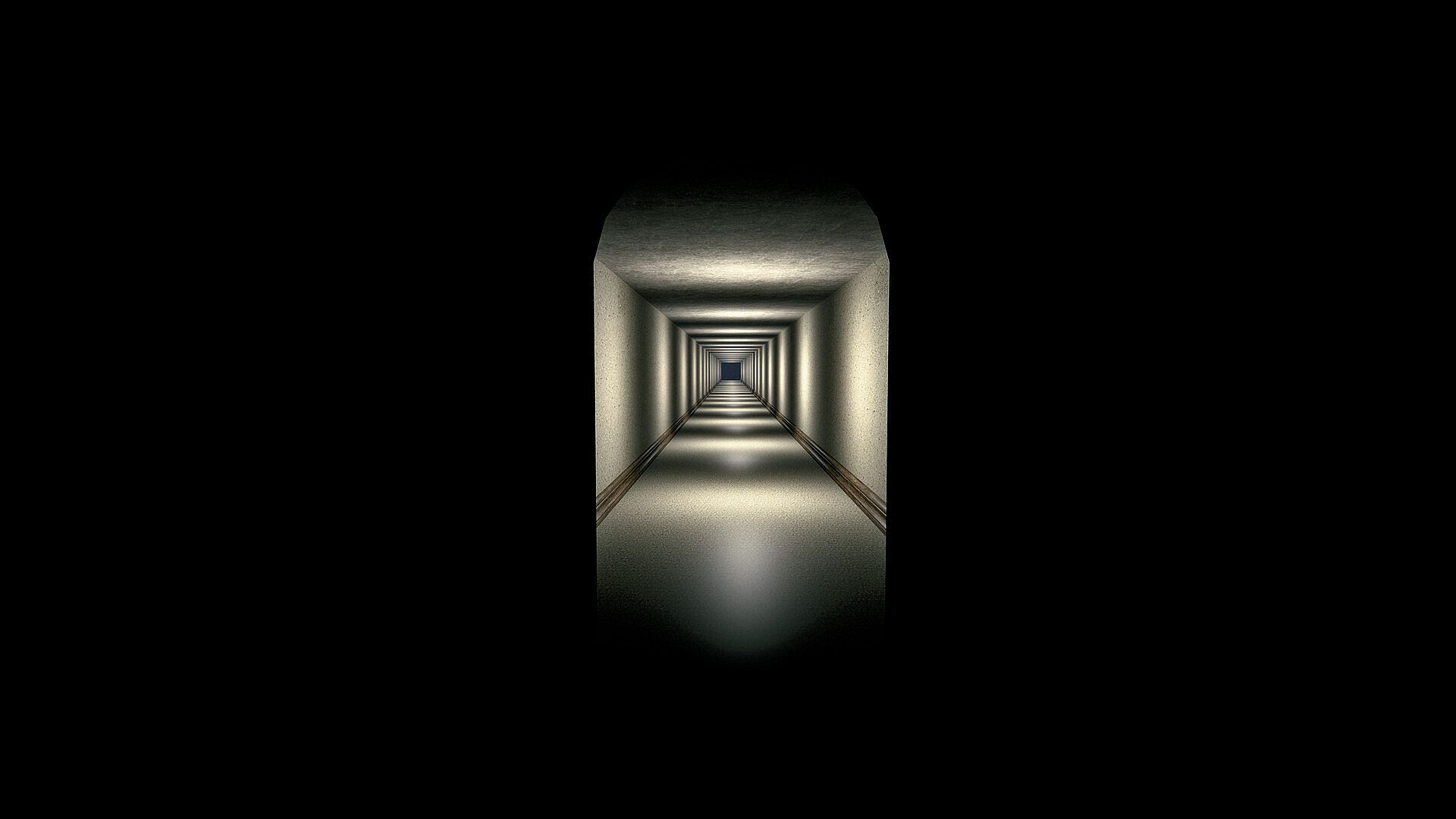
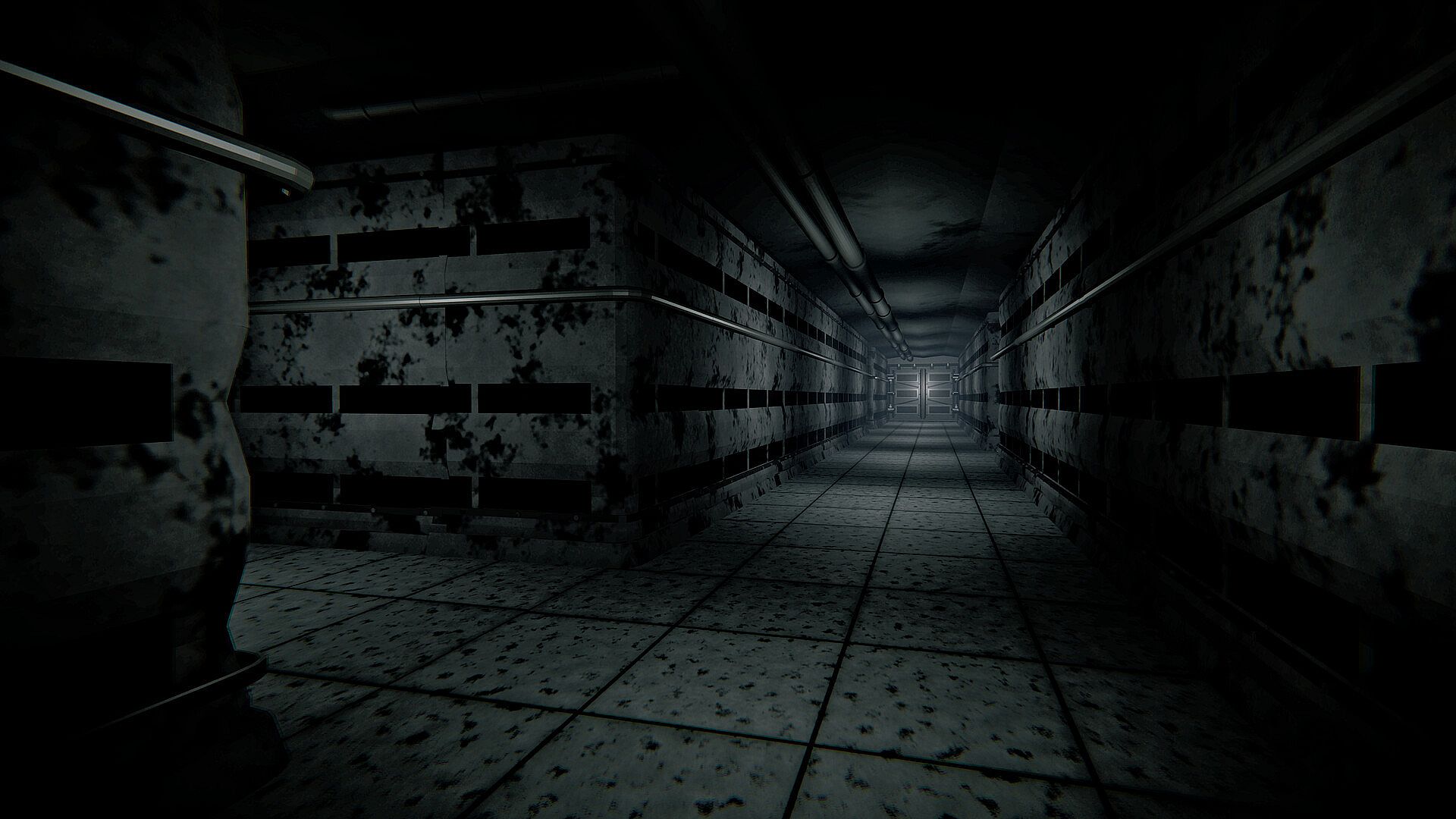
The experience centers on a cycle-based structure in which each awakening reveals new chambers filled with documents and environmental clues left by previous subjects. Exploration involves moving through these spaces, interacting with monitors and objects, and piecing together patterns in numbers, symbols, and repeated figures that appear across disconnected rooms. The facility itself rearranges between cycles, creating a sense of disorientation through mirrored reflections that behave incorrectly and archives that shift their layout.
Progression builds tension through the gradual emergence of an observer entity that begins as visual glitches and evolves into a more defined presence over successive cycles. Players must decide how long to linger on details, what to examine, and how to move through the environments, as these choices influence the system's recording of behavior. The aesthetic relies on a cold, monochromatic surveillance style paired with an unsettling sound design that emphasizes isolation and subtle anomalies rather than overt threats.
Five distinct environments provide variety within the roughly three-hour main descent, though attentive players who examine every record and symbol may extend their time significantly while uncovering a hidden layer of interconnected details that suggest a deeper narrative beneath the surface events.
Game Modes
The game operates exclusively as a single-player experience with no multiplayer components or separate modes. The primary structure is the cycle system itself, which functions as the central gameplay loop across eighteen iterations that progressively alter the facility layout and advance the entity's development. Narrative progression occurs through these cycles, culminating in choices that determine one of three possible endings based on accumulated observation data rather than menu selections.
A secondary layer of discovery exists for players who track recurring numerical patterns and symbolic references across rooms. This meta-element integrates directly into the single-player campaign without requiring separate modes or additional playthroughs, though it rewards repeated examination of the same spaces from different cycle perspectives.
Narrative and Atmosphere
The story unfolds through environmental storytelling and collected records rather than direct exposition. Players wake repeatedly in the same starting room yet encounter new corridors and archives each time, with the facility responding to prior actions by altering what appears next. The central tension stems from the ambiguity of who observes whom, reinforced by the entity's learning process that brings it closer to physical manifestation with each cycle.
Atmospheric details emphasize surveillance themes through monitors displaying unseen chambers and a persistent sense that every action feeds into an unseen judgment system. The monochromatic palette and restrained audio design maintain unease across the environments, encouraging careful observation without relying on traditional horror tropes like constant pursuit.
Is It Worth Playing?
Observation Protocol: The Observed suits players who prefer short, focused psychological horror experiences centered on exploration, pattern recognition, and narrative ambiguity over action or combat. The three endings and hidden symbolic layer provide replay value for those inclined to track details across cycles, while the three-hour length makes it accessible for a single focused session or multiple targeted returns.
With no user reviews available at present and a planned release in 2027, current interest depends on appreciation for atmospheric first-person adventures that prioritize environmental storytelling and gradual tension over immediate threats. The single-player format and emphasis on observation mechanics align well with fans of indie horror titles that reward patience and attention to recurring motifs.