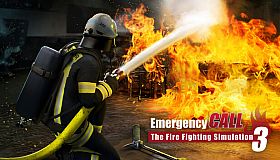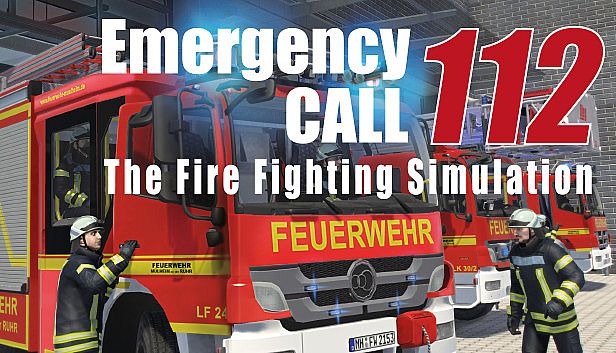








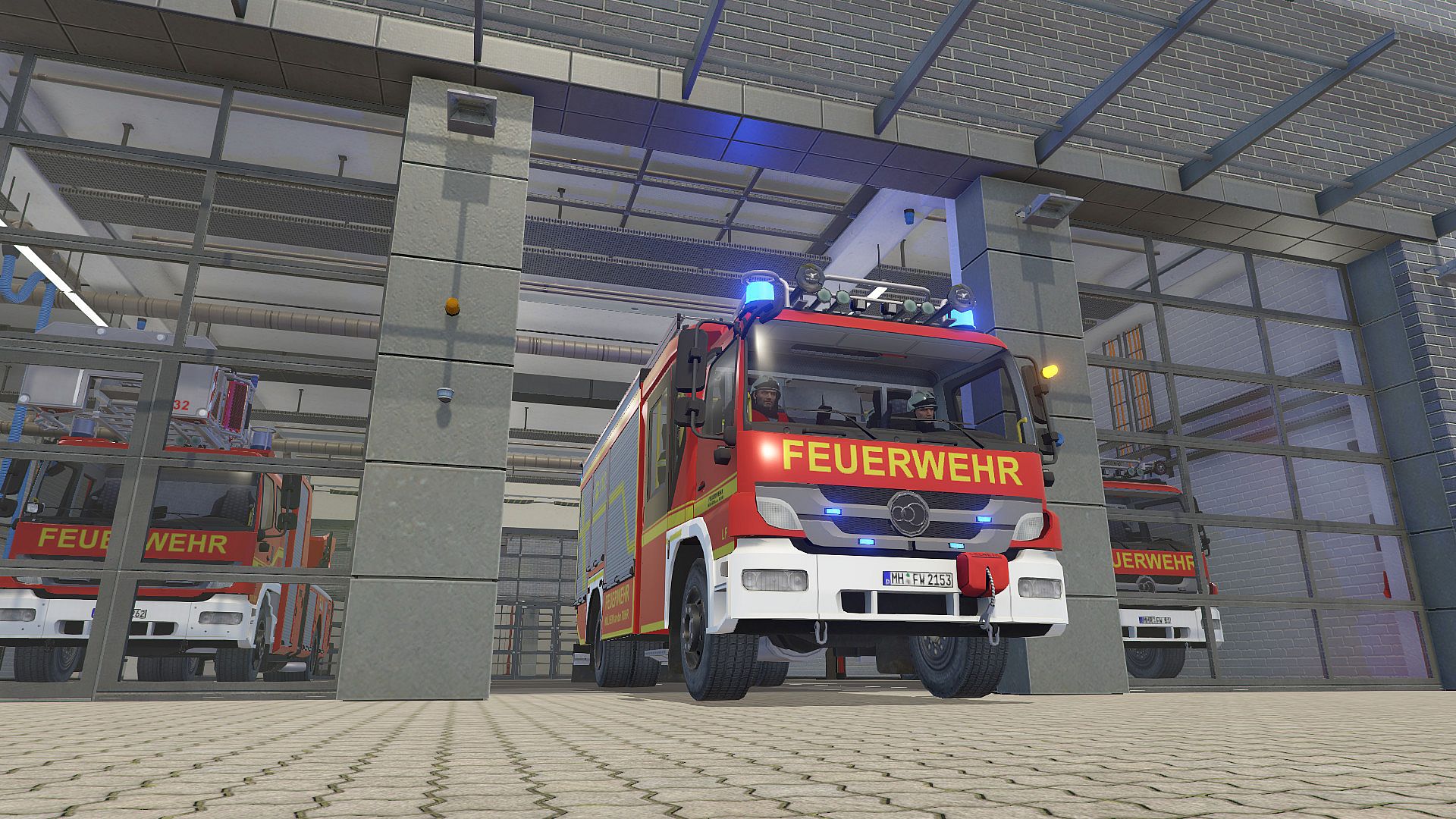
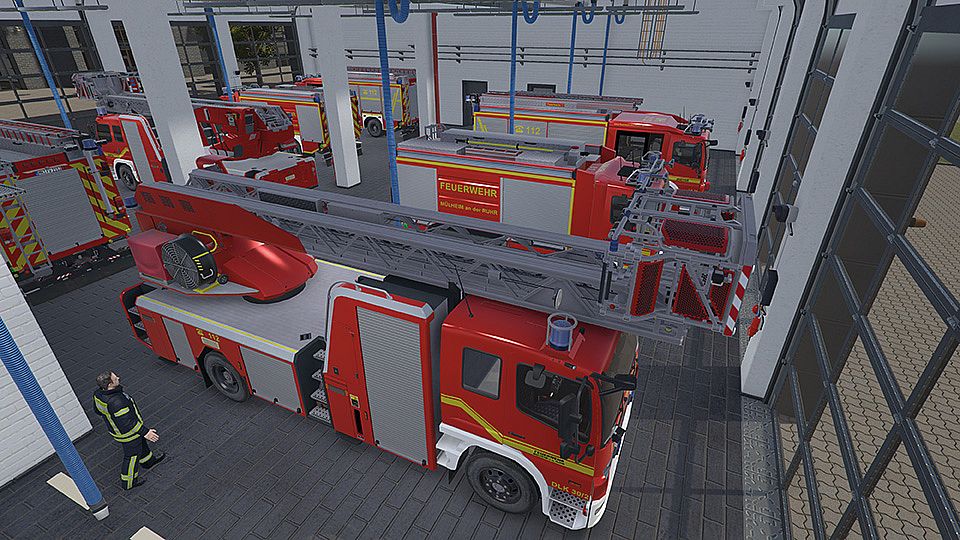
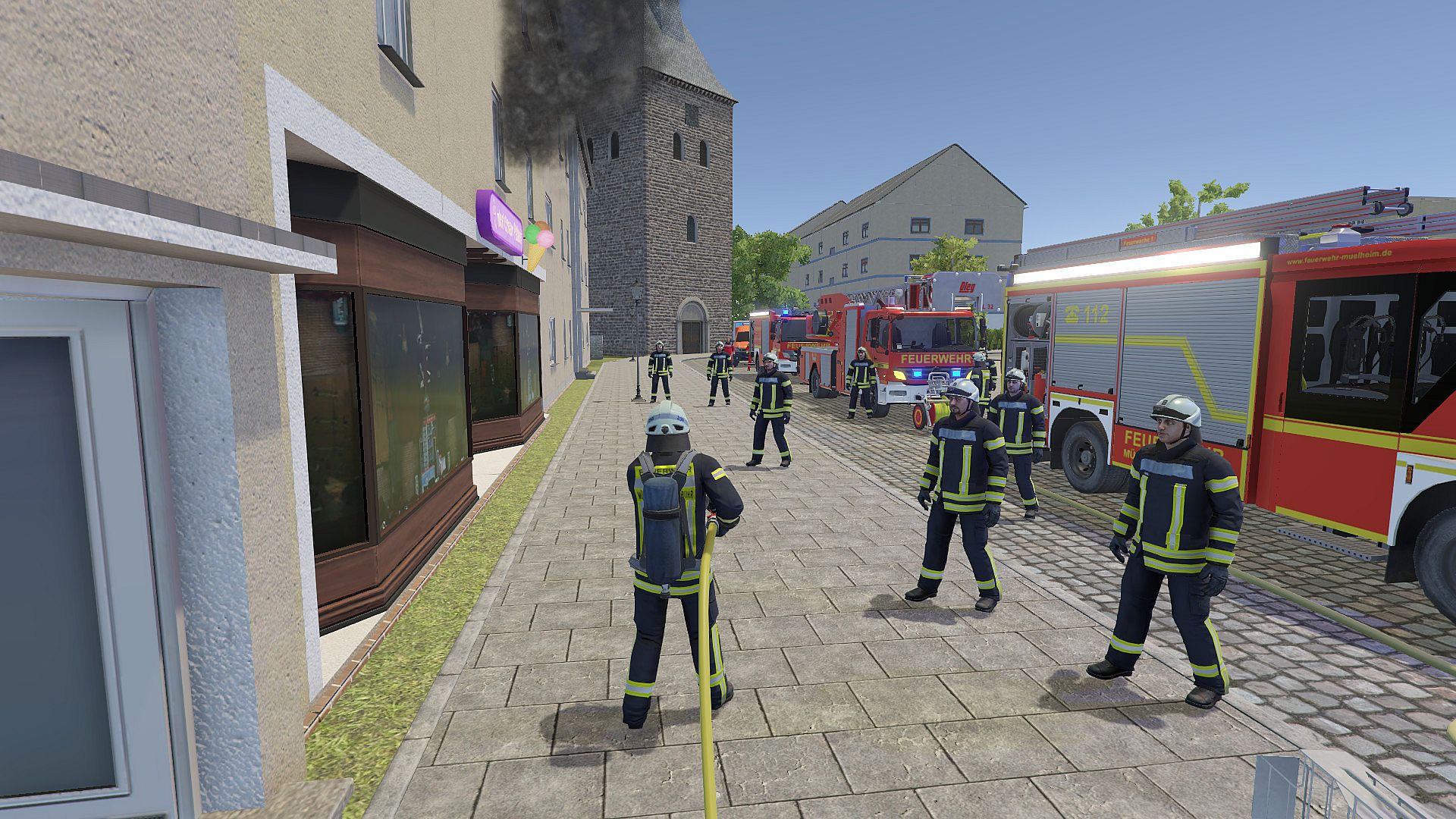
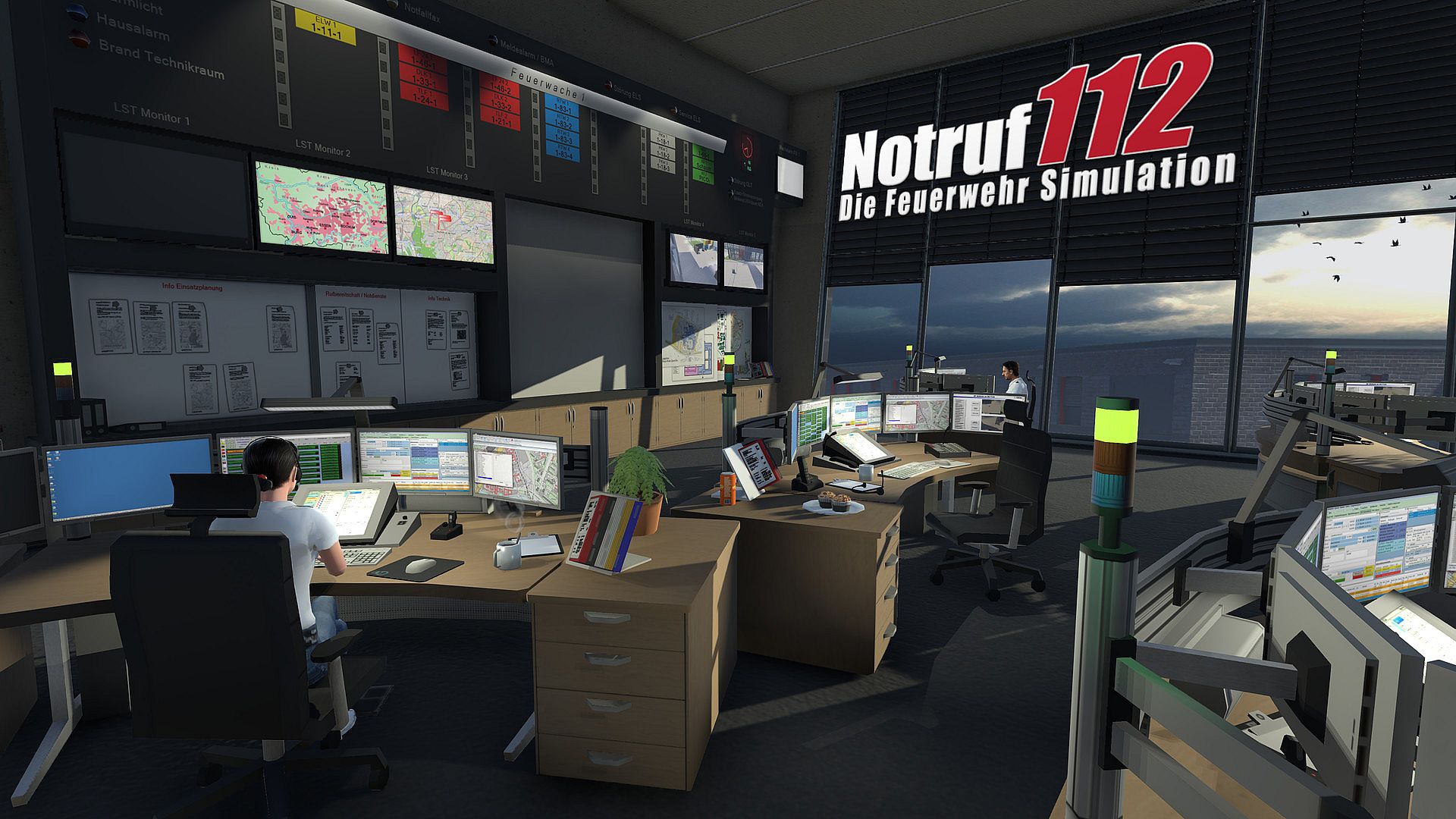
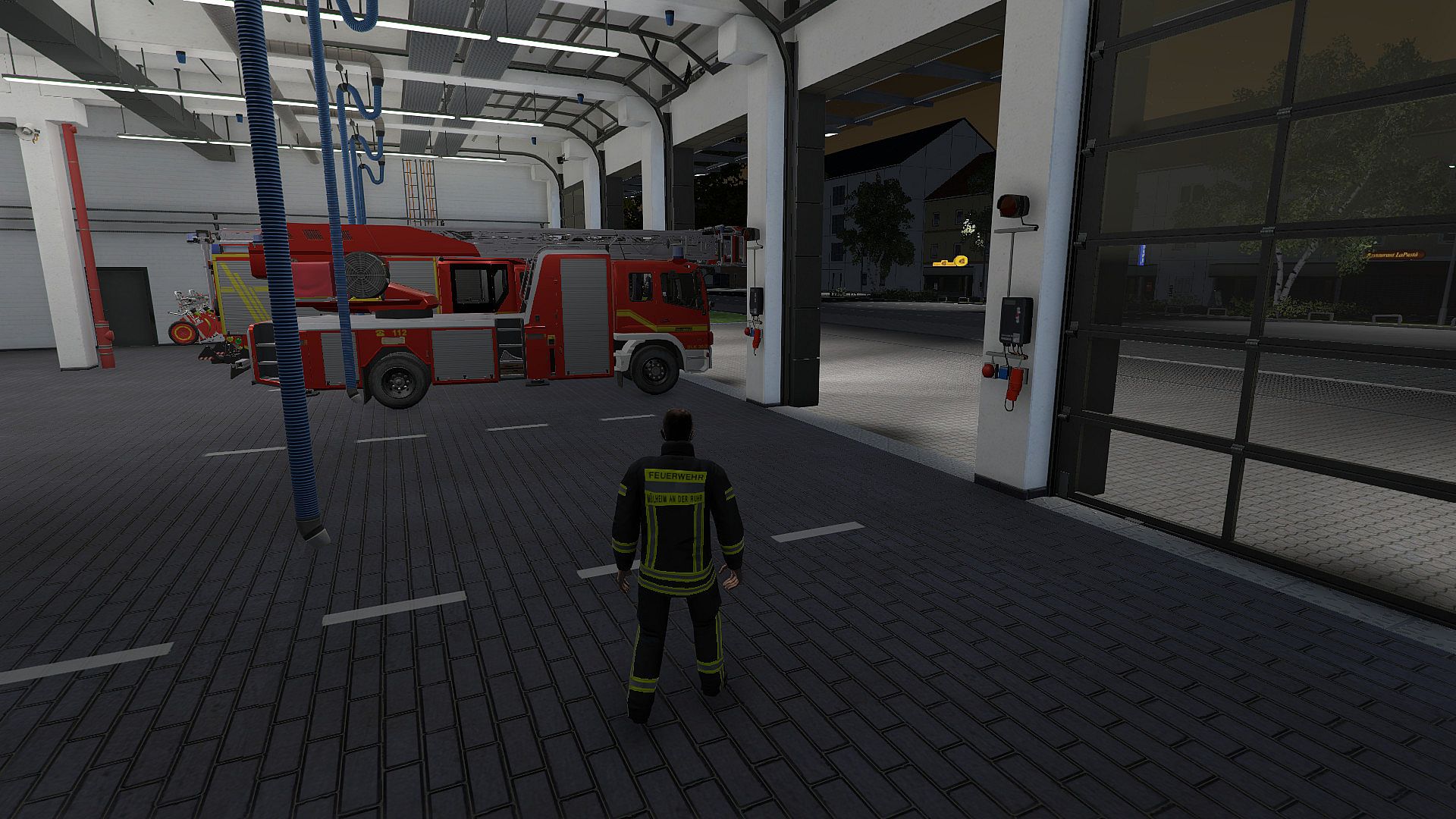
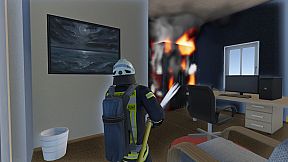
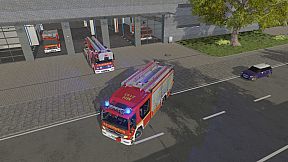
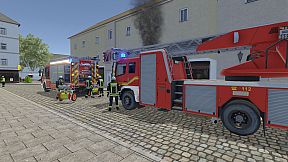
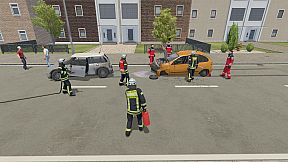
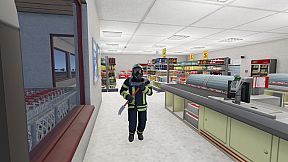
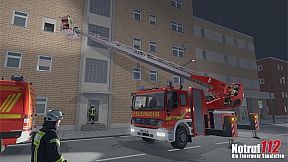
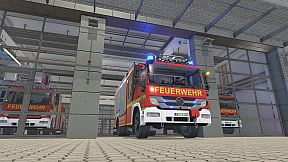
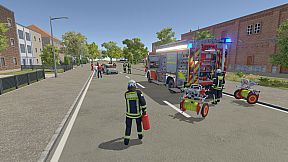
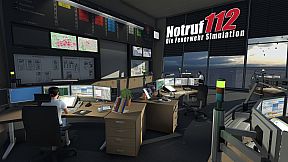
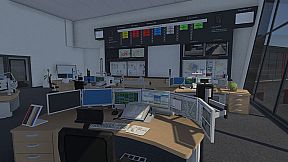
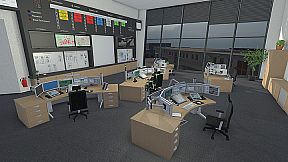
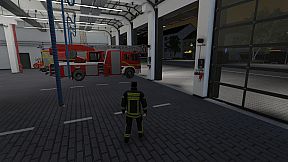
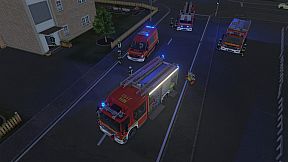
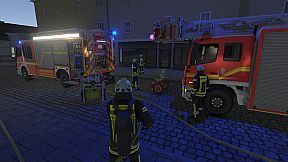
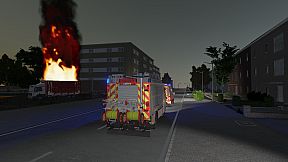
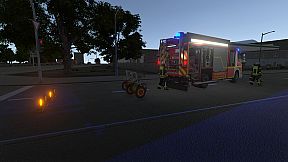
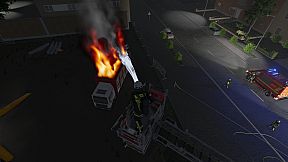
Notruf 112 | Emergency Call 112 is a detailed fire department simulation game for PC that places players in the role of a firefighter responding to incidents in a large city. The experience draws from real procedures at a modern German fire station and emphasizes vehicle operation, equipment handling, and incident management across randomly generated calls.
Gameplay
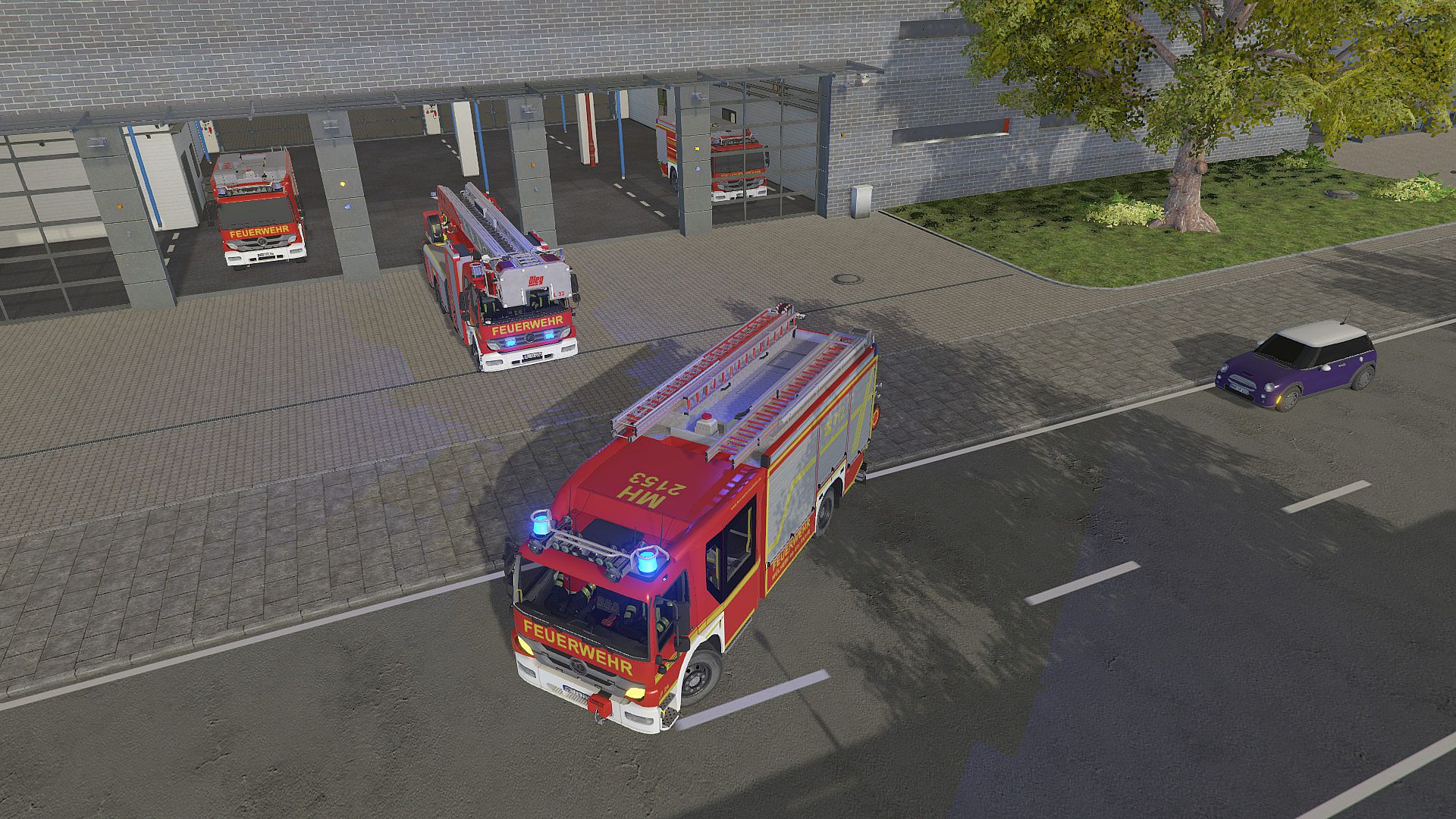
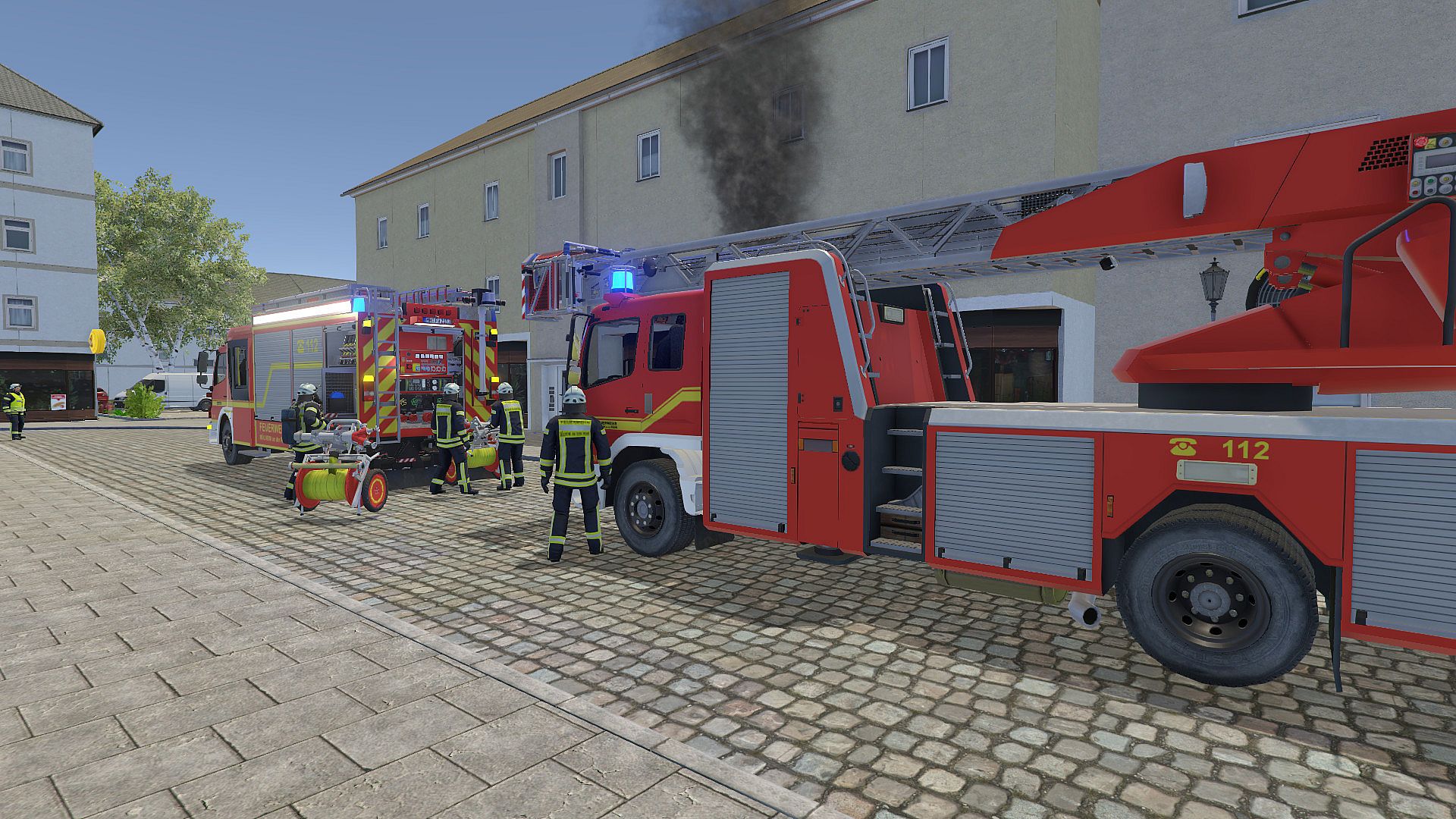
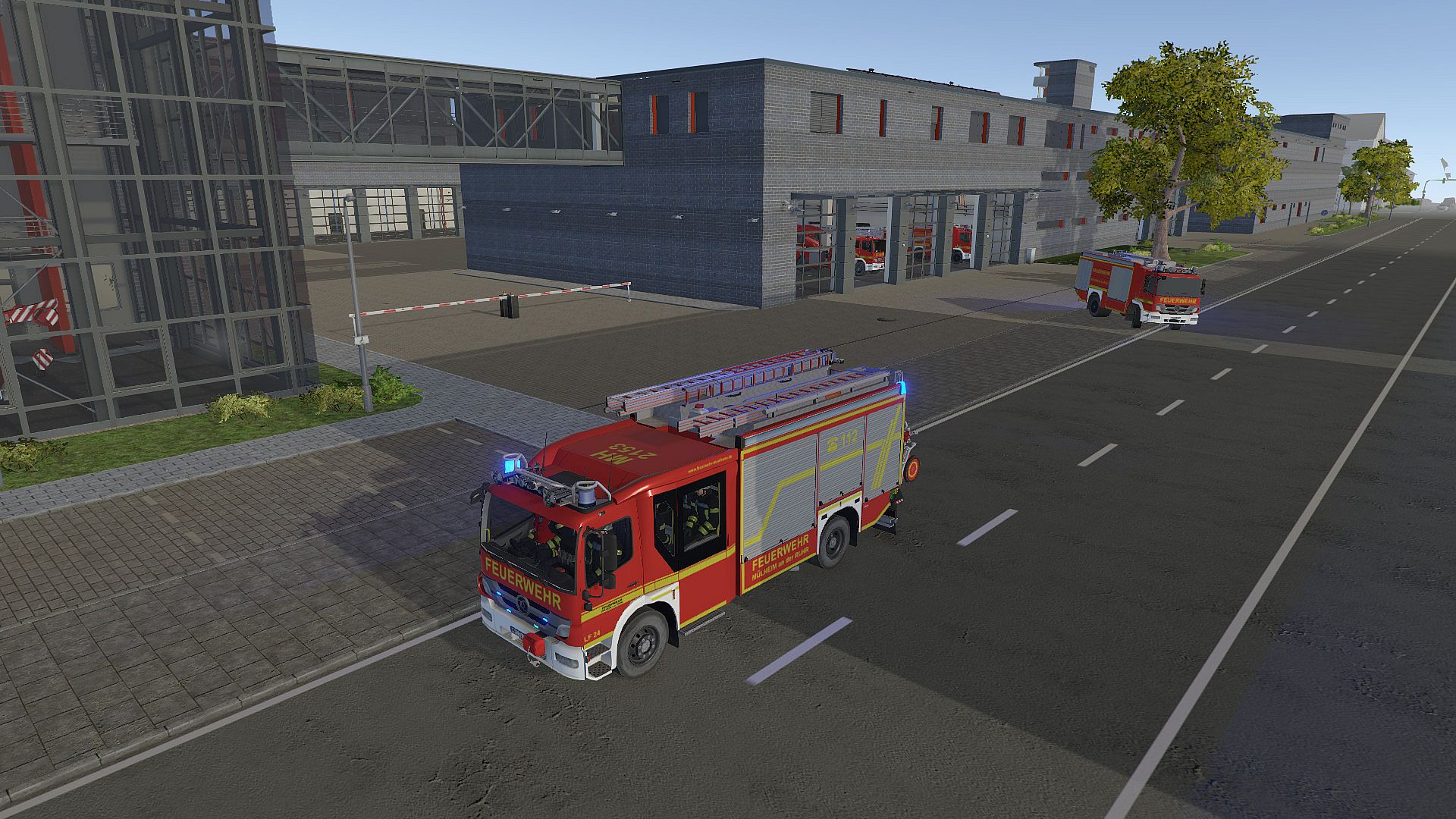
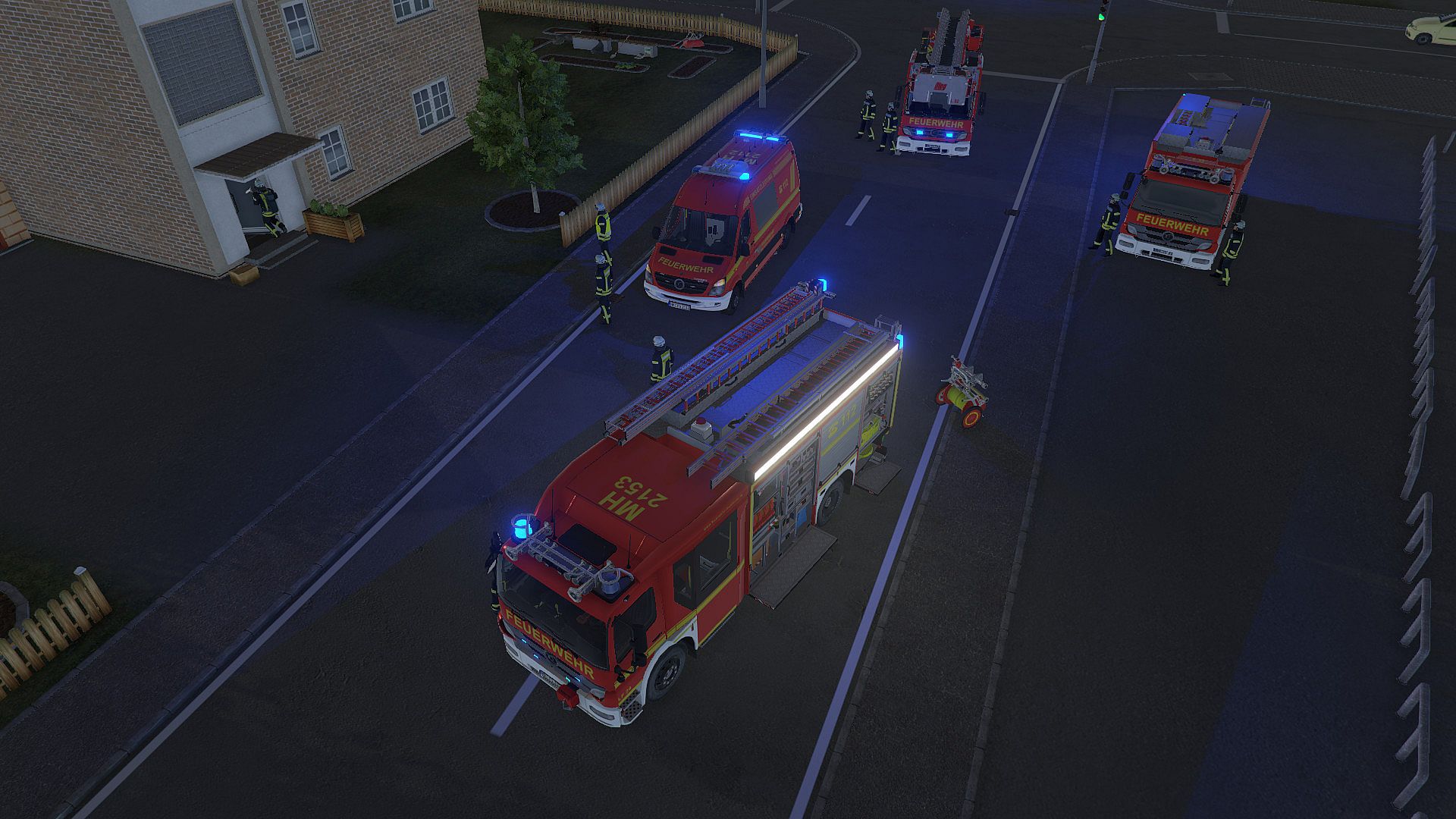
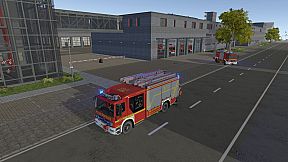
Players begin shifts by responding to alarms that dispatch them to varied locations throughout an open game world. Driving involves activating emergency lights and sirens on vehicles while navigating realistic traffic conditions. Upon arrival, the focus shifts to scene assessment, equipment deployment, and direct intervention.
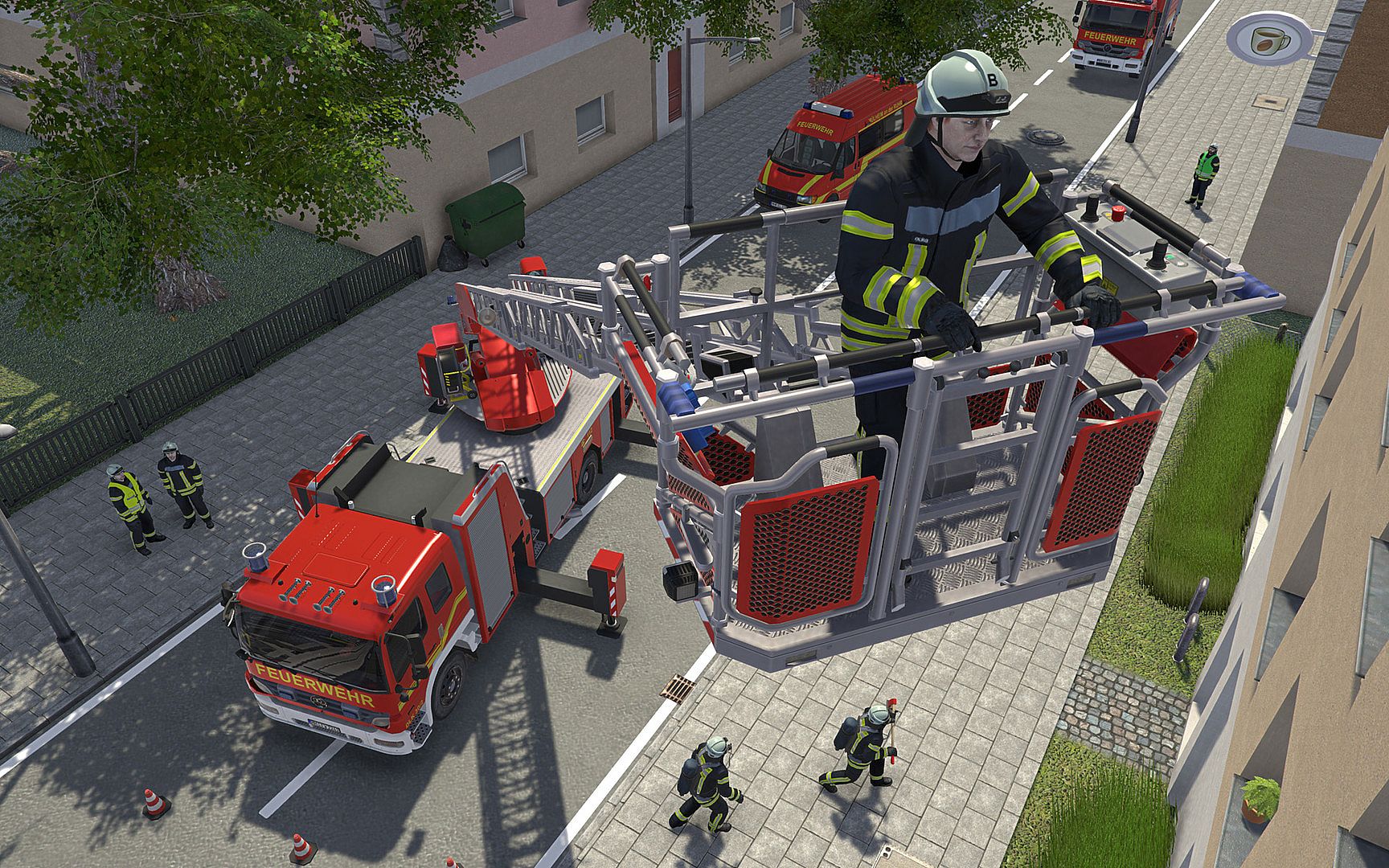
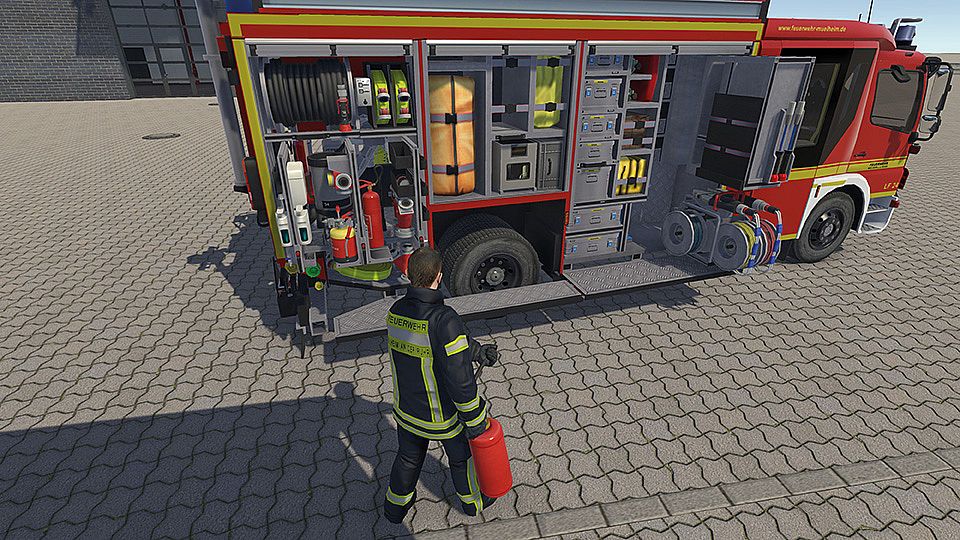
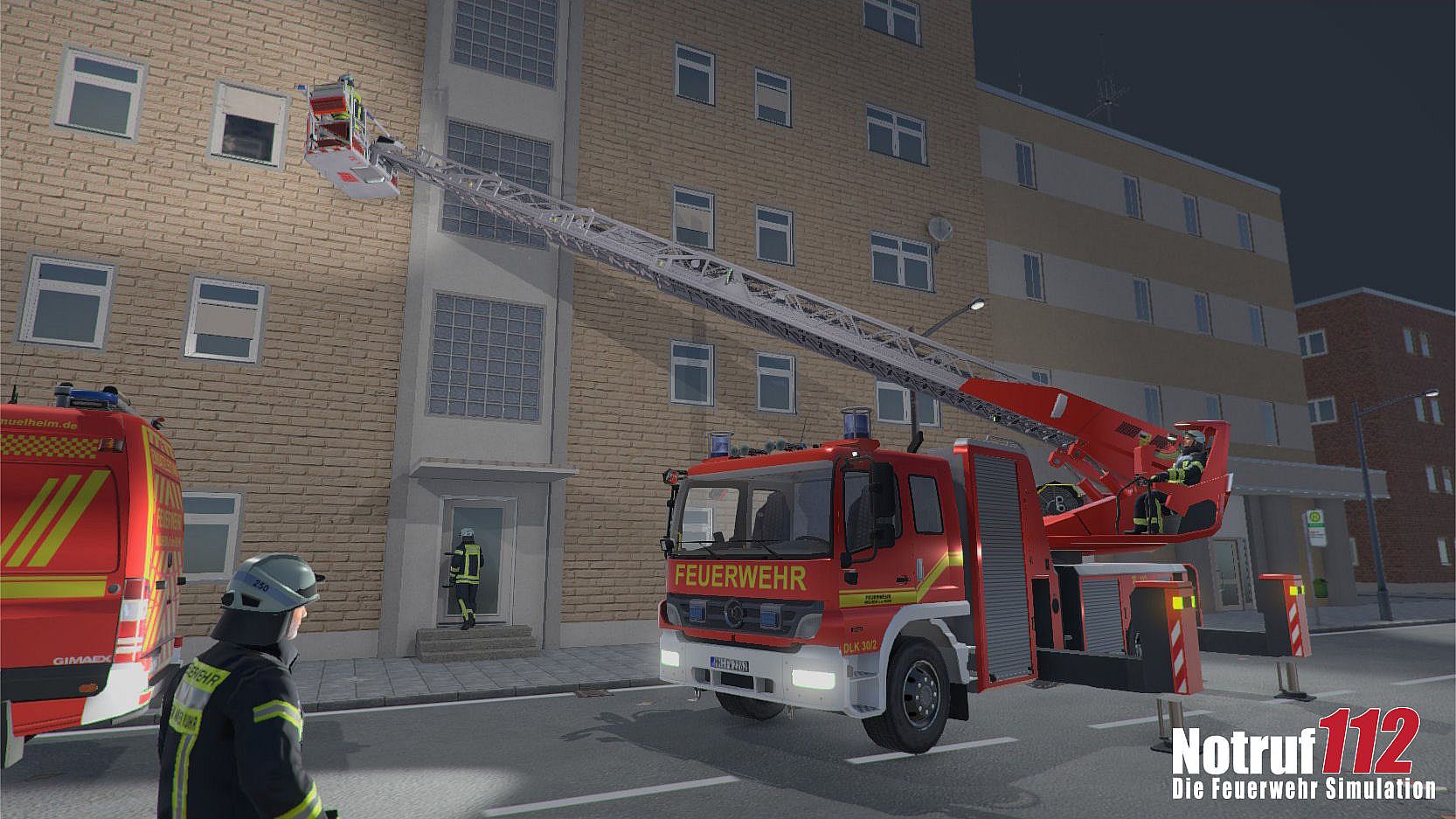
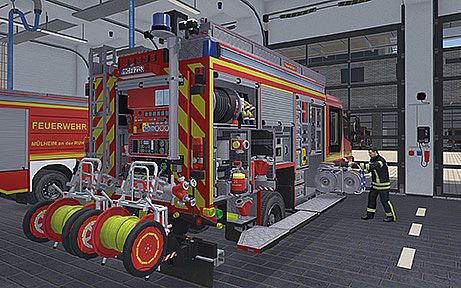
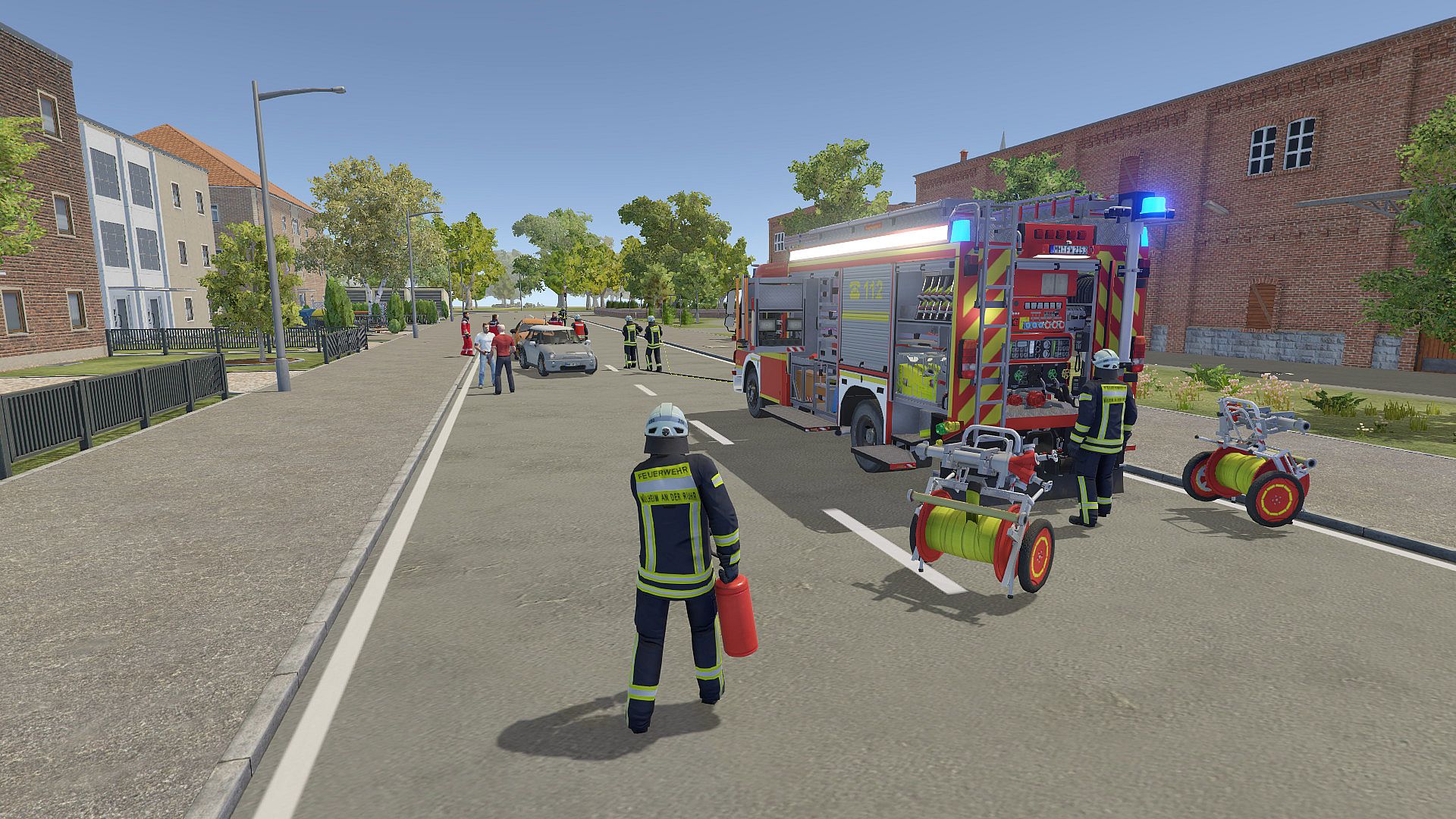
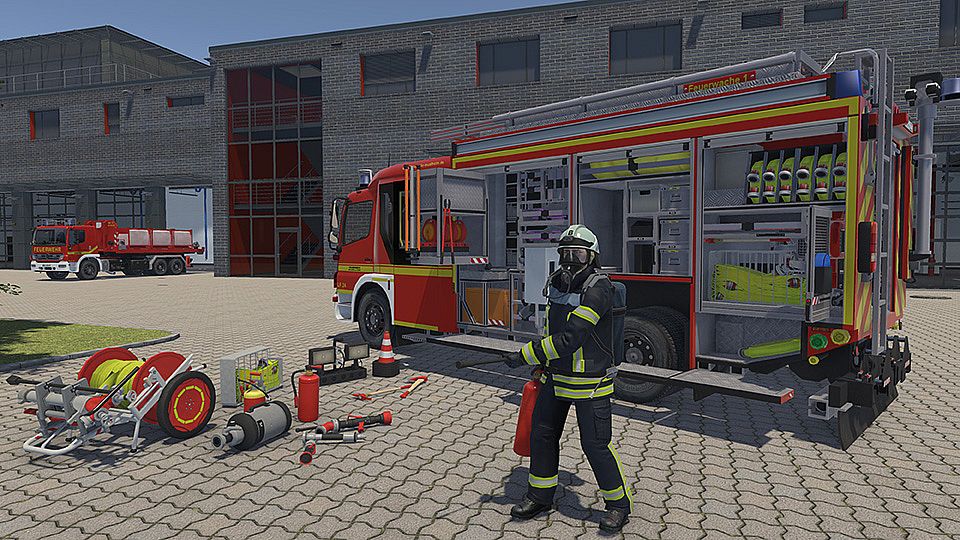
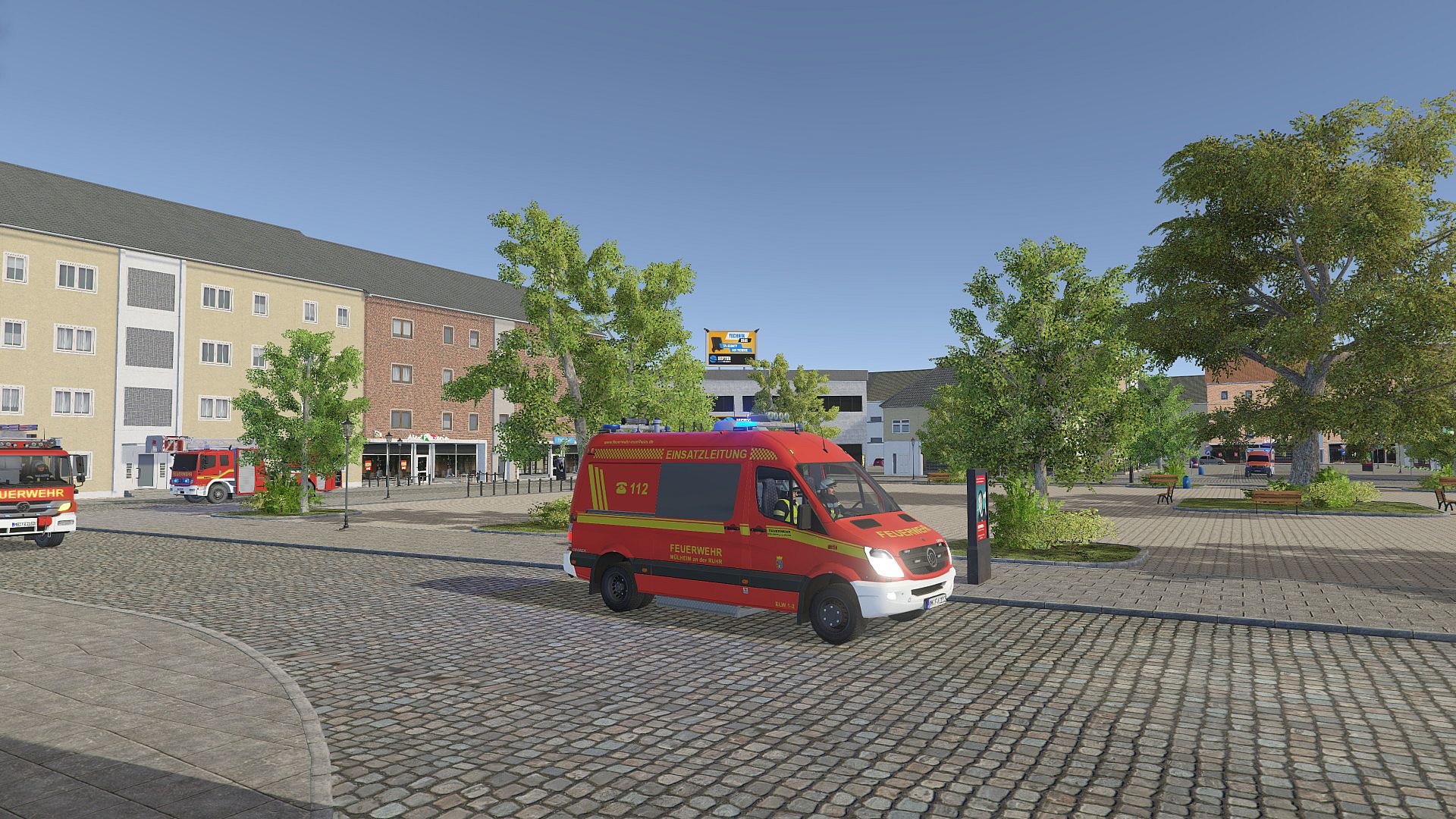
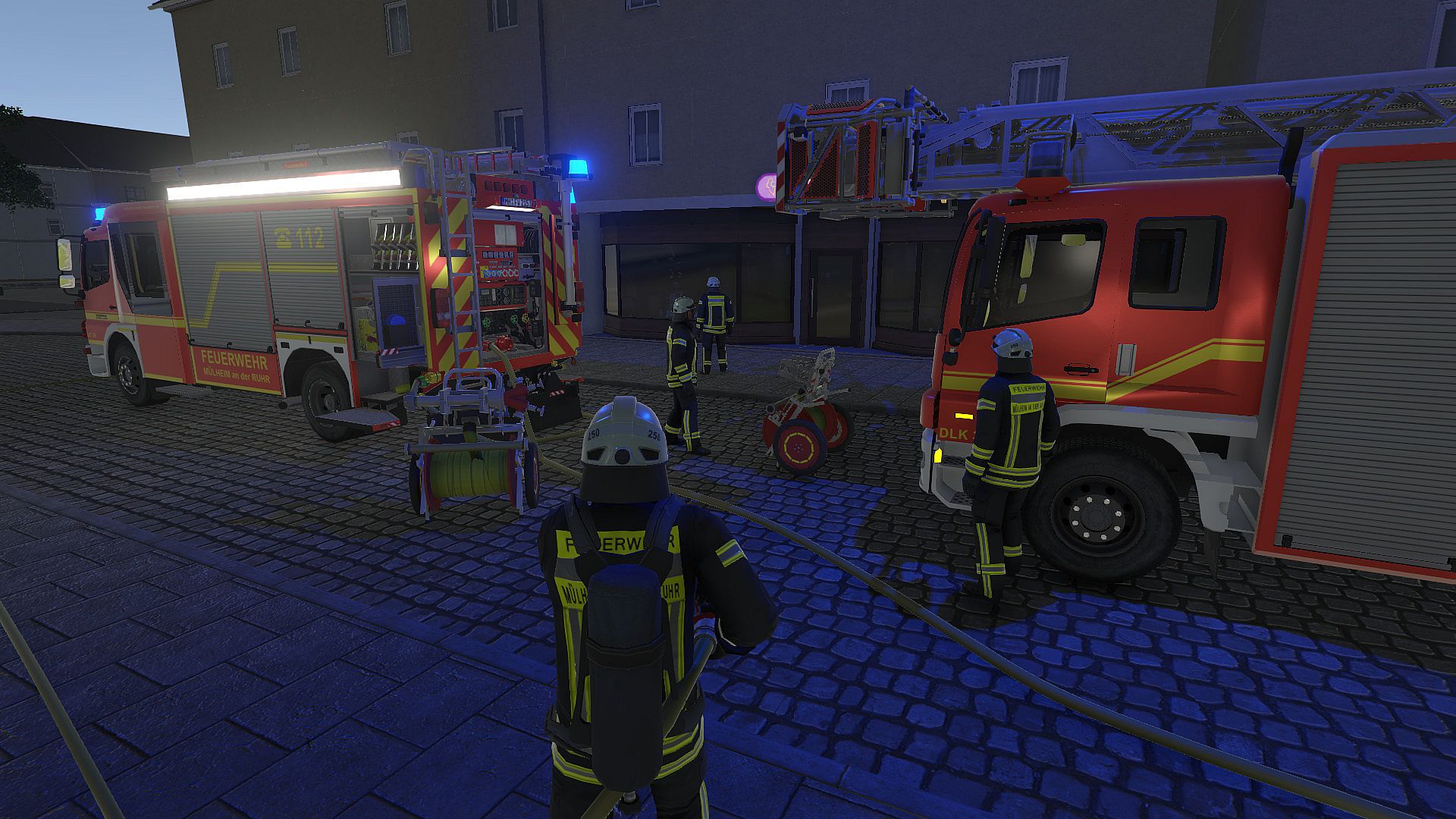
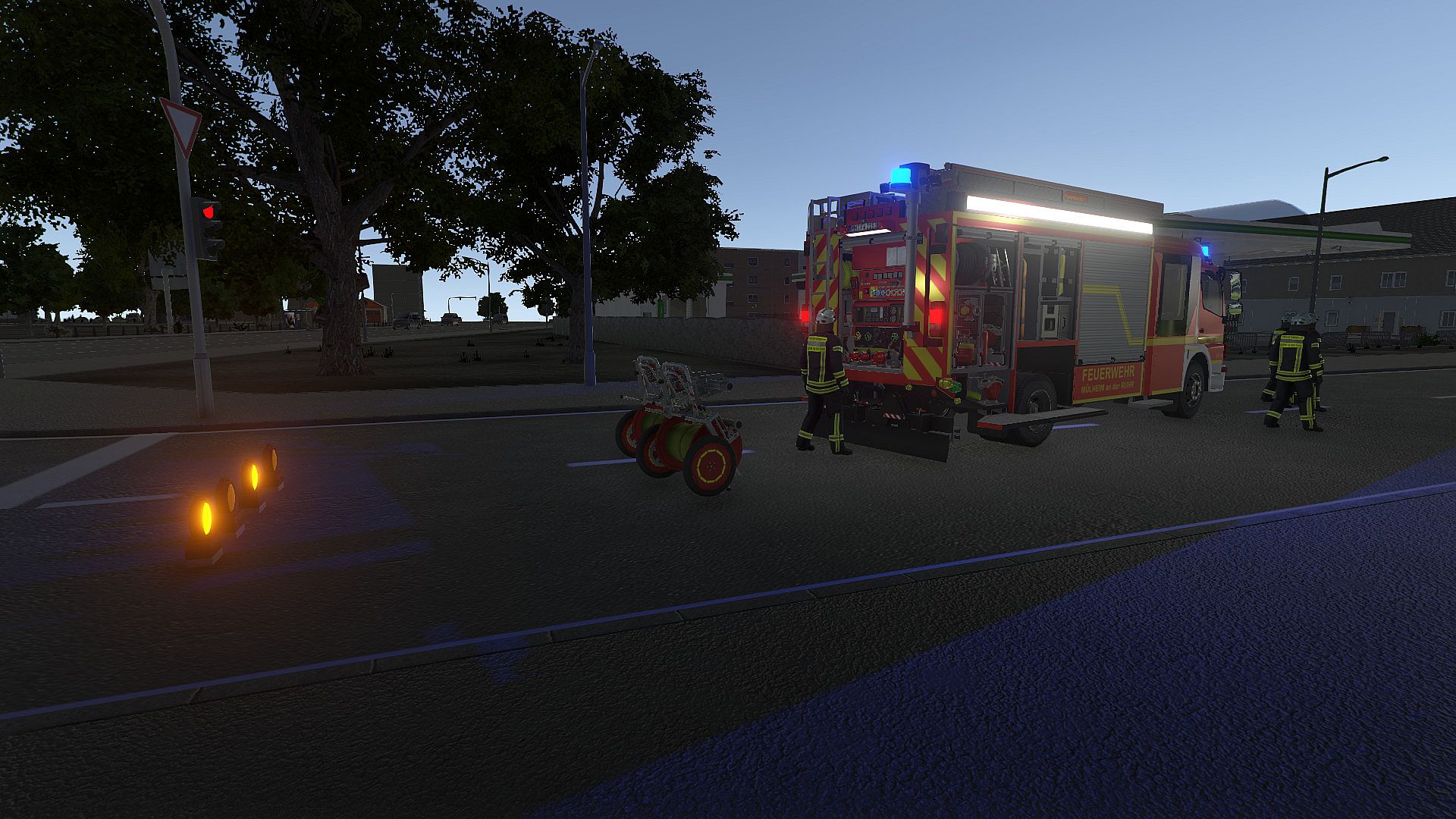
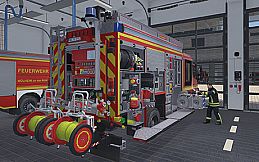
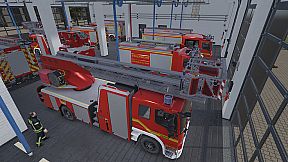
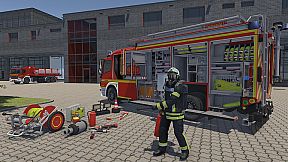
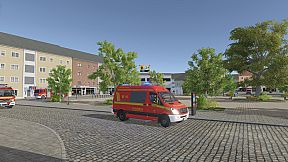
Core mechanics center on the fire trucks themselves. The LF24 model includes a full set of functional tools and a light pole for illumination. Other vehicles such as the water tender, turntable ladder, swap body carrier, and command unit operate with comparable fidelity. Equipment can be removed from storage compartments and positioned as needed before or during operations.
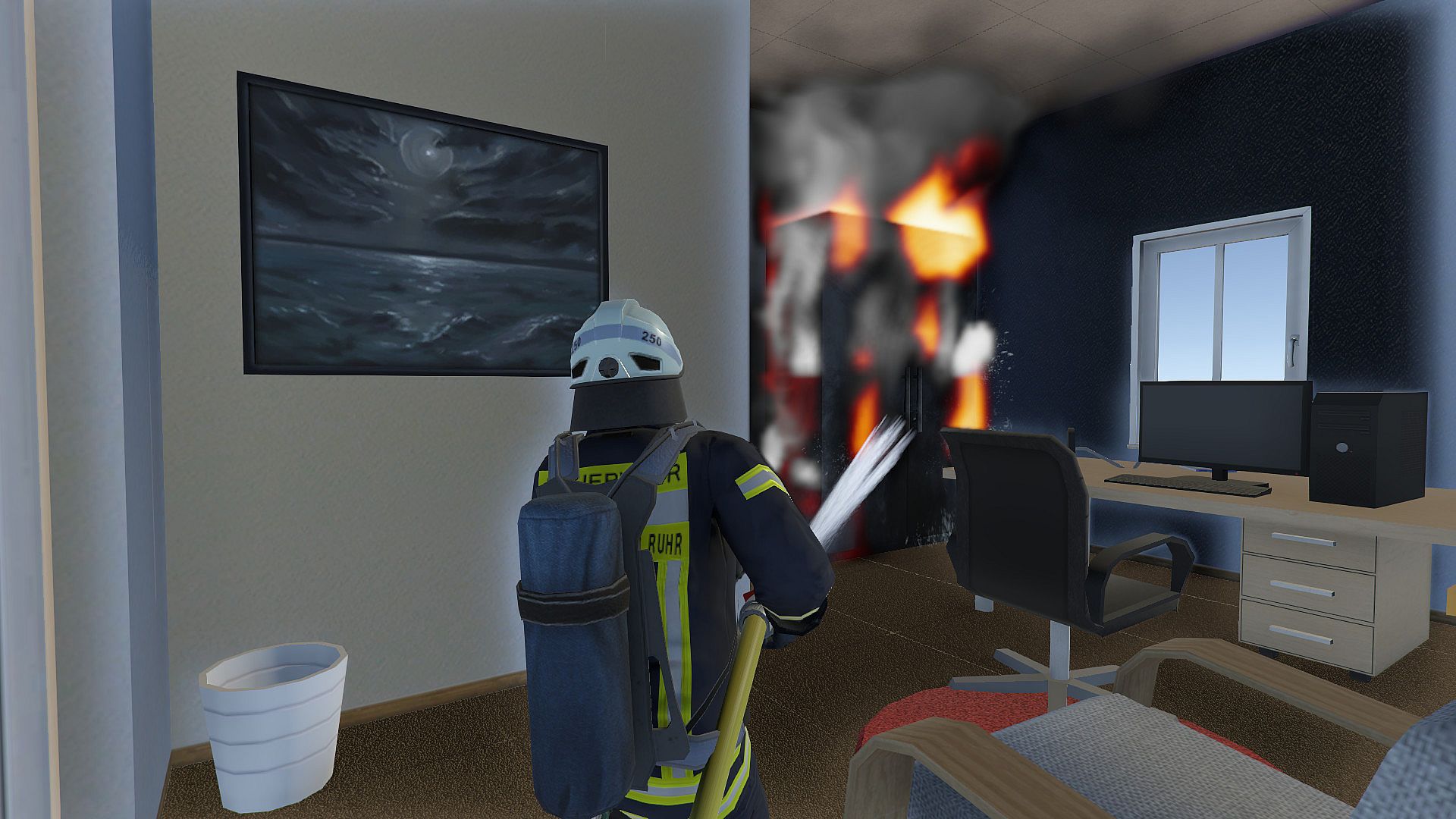
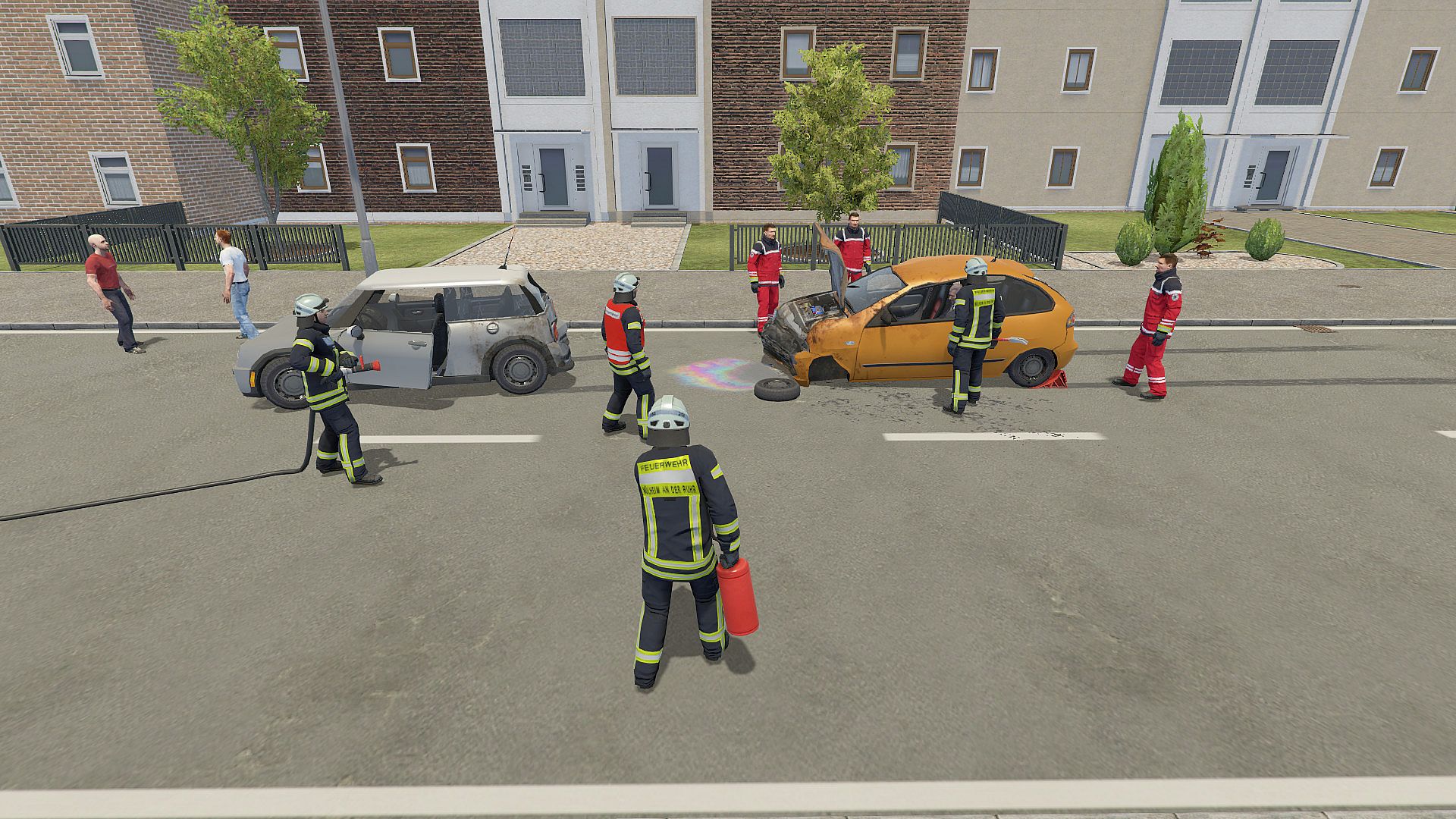
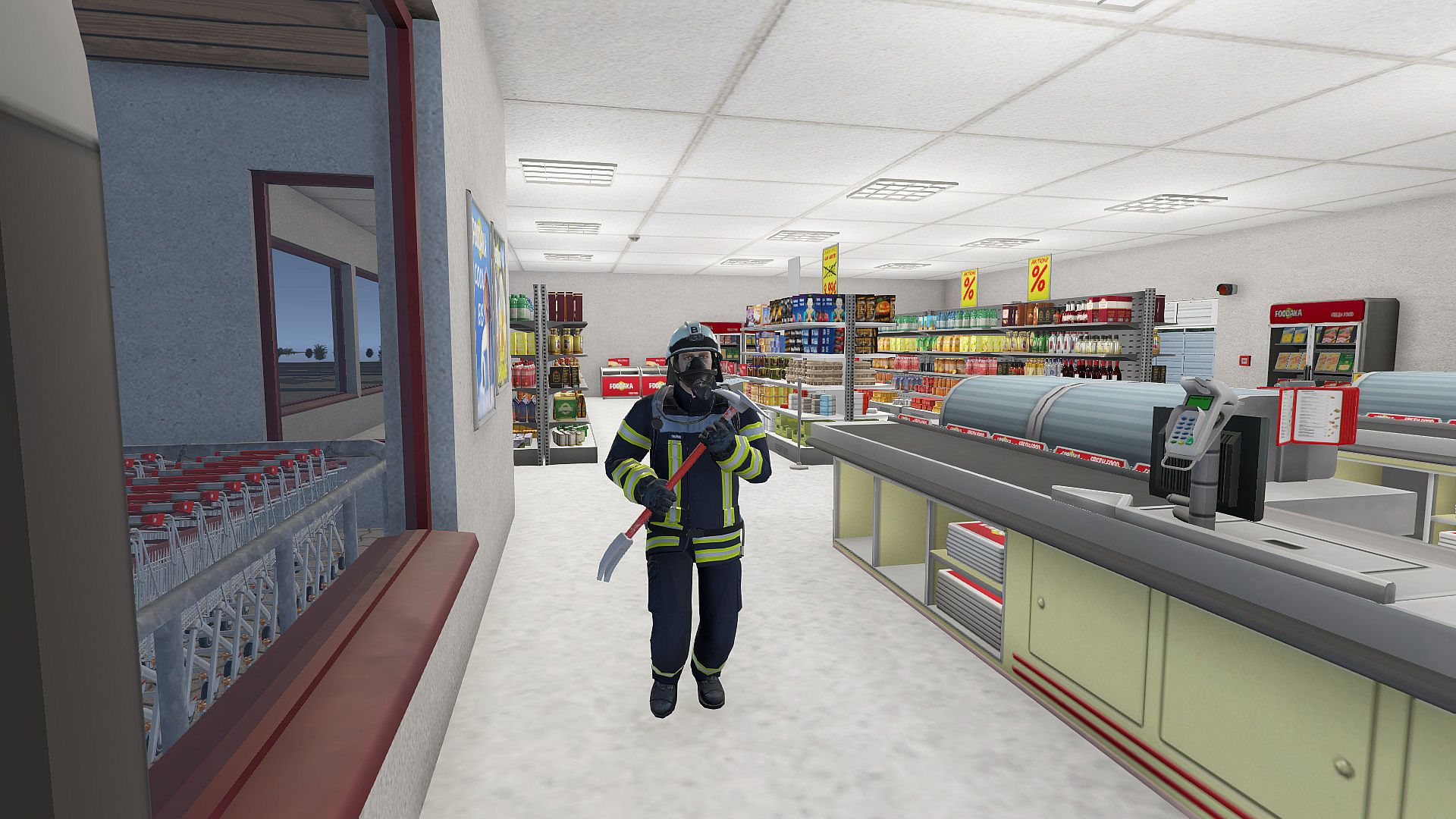
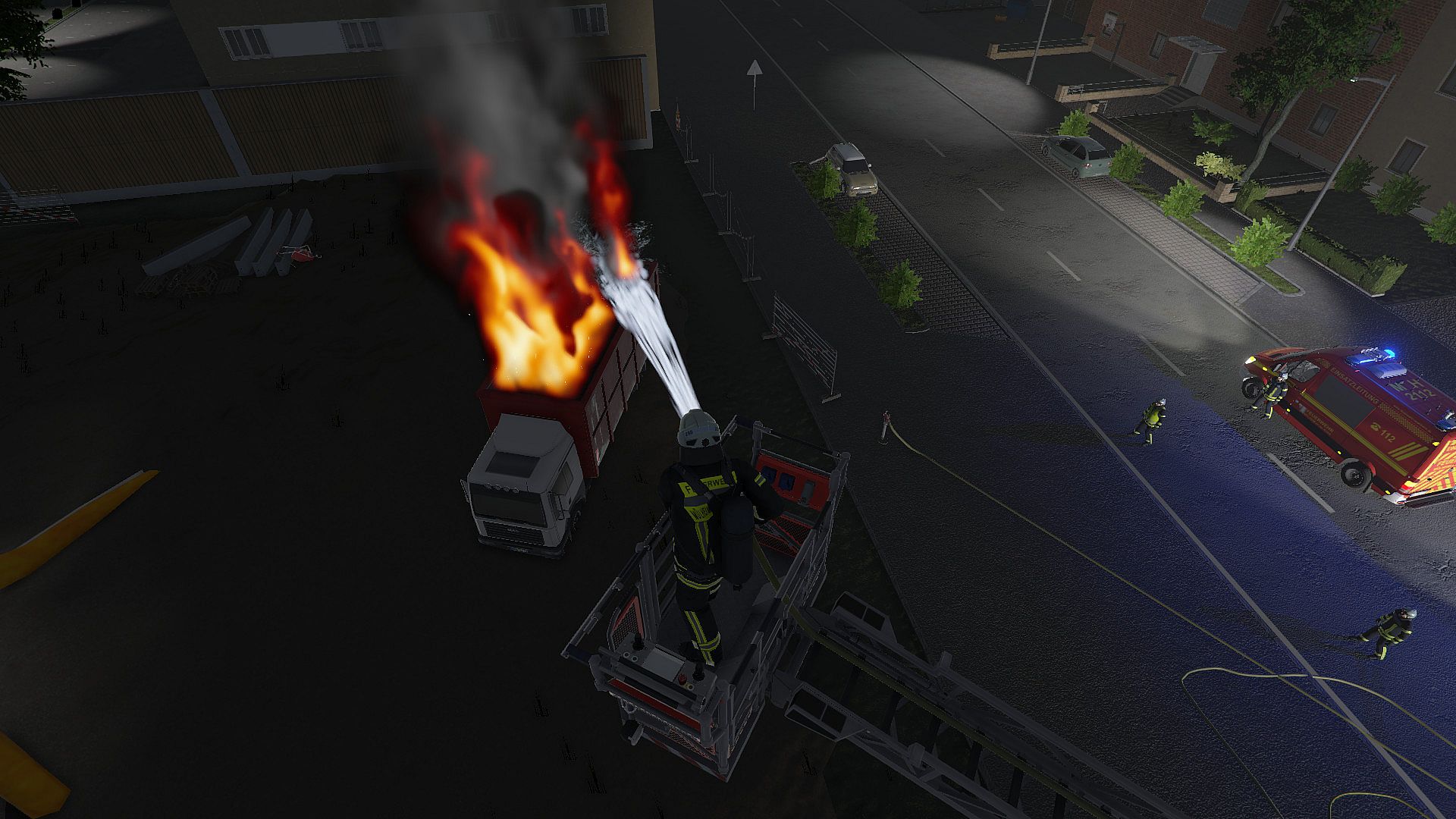
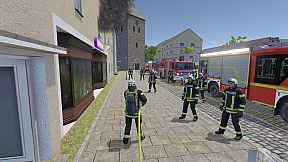
Firefighting relies on movable hoses that players manipulate with realistic physics. Fires spread according to a fluid simulation that accounts for interior rooms and exterior structures. Breathing apparatus becomes necessary for smoke-filled environments. Additional tasks include clearing oil slicks, stabilizing vehicle accidents, and clearing blocked roads. Sophisticated AI manages supporting firefighters, allowing coordinated efforts without constant direct control.
Game Modes
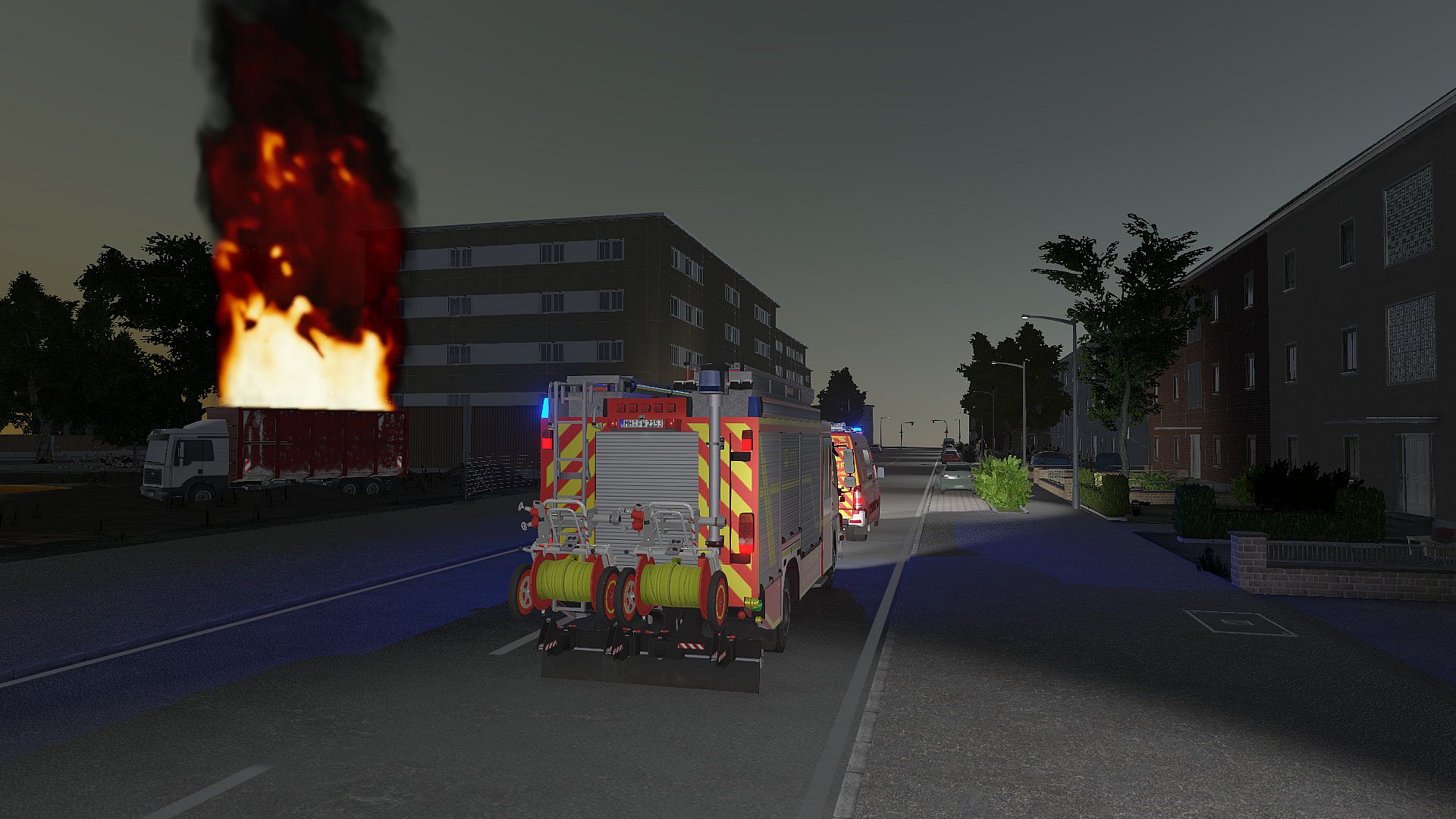
The game operates as a continuous simulation rather than segmented competitive formats. Randomly generated scenarios populate the open world, ranging from small industrial fires and room blazes to traffic collisions and night operations. Each call follows the same core loop of response, setup, and resolution, with variations in scale and required equipment.
Navigation systems built into the trucks guide players to incidents. The command vehicle supports oversight of multiple units at larger scenes. No separate multiplayer or versus options exist; all activity remains single-player with AI teammates handling supporting roles.
Key Features and Mechanics
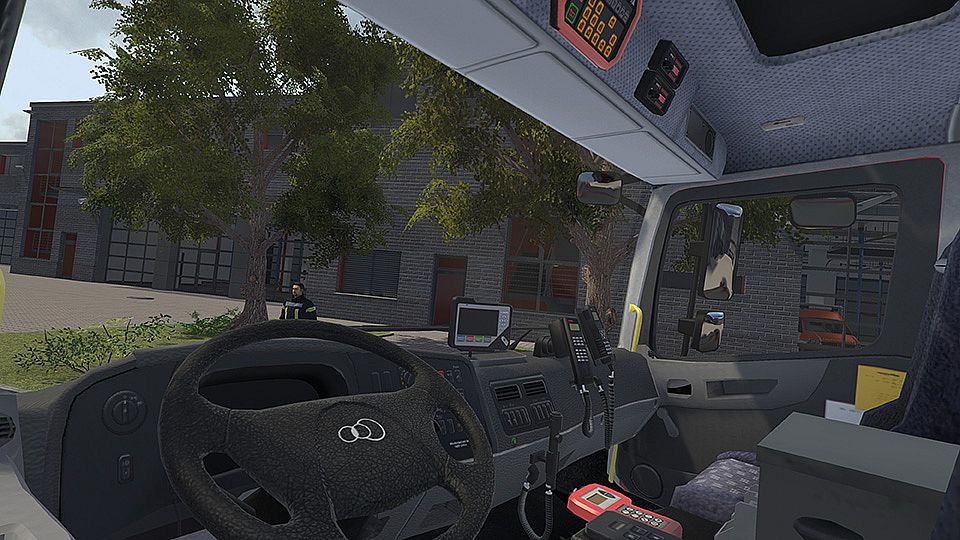
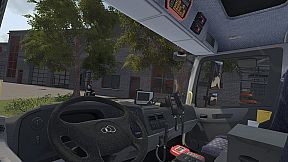
Vehicle interiors receive particular attention, with every compartment and tool modeled after real counterparts. Players can switch between roles such as driver, hose operator, or ladder handler during the same incident. Night operations introduce reduced visibility that the functional light pole on the LF24 helps address.
Technical assistance calls require different approaches than pure fire suppression. Oil spill response and accident cleanup test precise positioning of vehicles and tools. The fictitious town setting allows every building to serve as a potential incident site, encouraging exploration between calls.
Is It Worth Playing?
Reception stands at mostly positive, with 76 percent approval from over 500 user reviews. Players who enjoy methodical vehicle handling and procedural incident response often cite the level of detail in equipment and fire behavior as strengths. Those seeking fast-paced action or competitive elements may find the deliberate pace less engaging.
The title suits individuals interested in emergency services simulations who value accuracy over arcade-style controls. Its 2016 release means the core experience remains unchanged, with no ongoing seasonal content or major patches reported in recent years. Availability on PC makes it accessible for those with compatible hardware meeting the original system requirements.