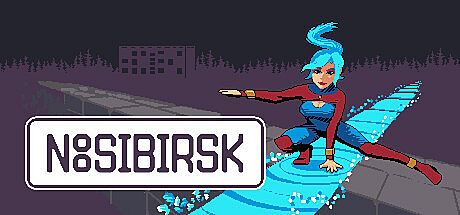


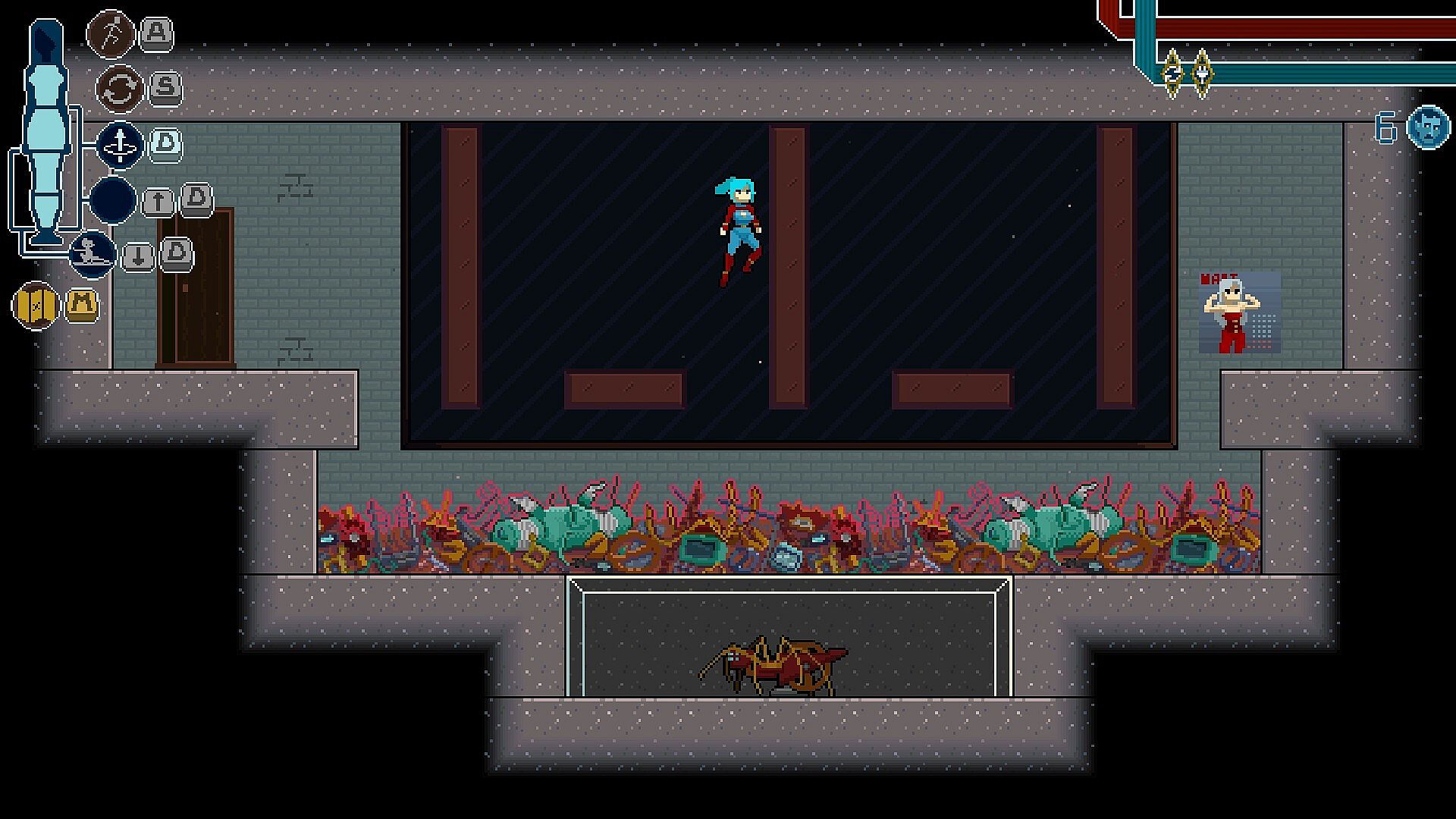
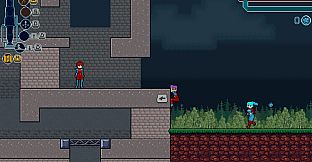
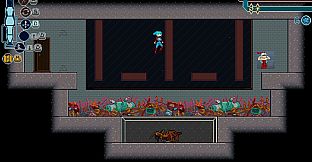
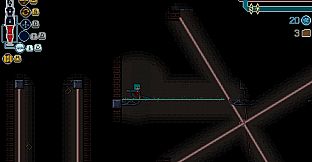
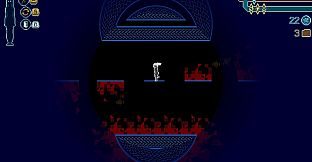
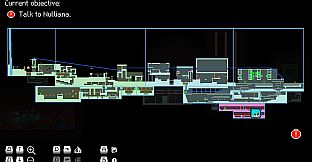
Noosibirsk is an indie adventure game that combines puzzle-platformer elements with exploration in a post-Soviet closed city. Players control Qupoline, a character who dreams of seeing the world beyond the city's borders, and the experience centers on solving environmental challenges while navigating a hand-crafted pixel art world. The title emphasizes thoughtful puzzle design over precise platforming demands, with abilities that players combine to overcome obstacles and reach new areas.
Gameplay
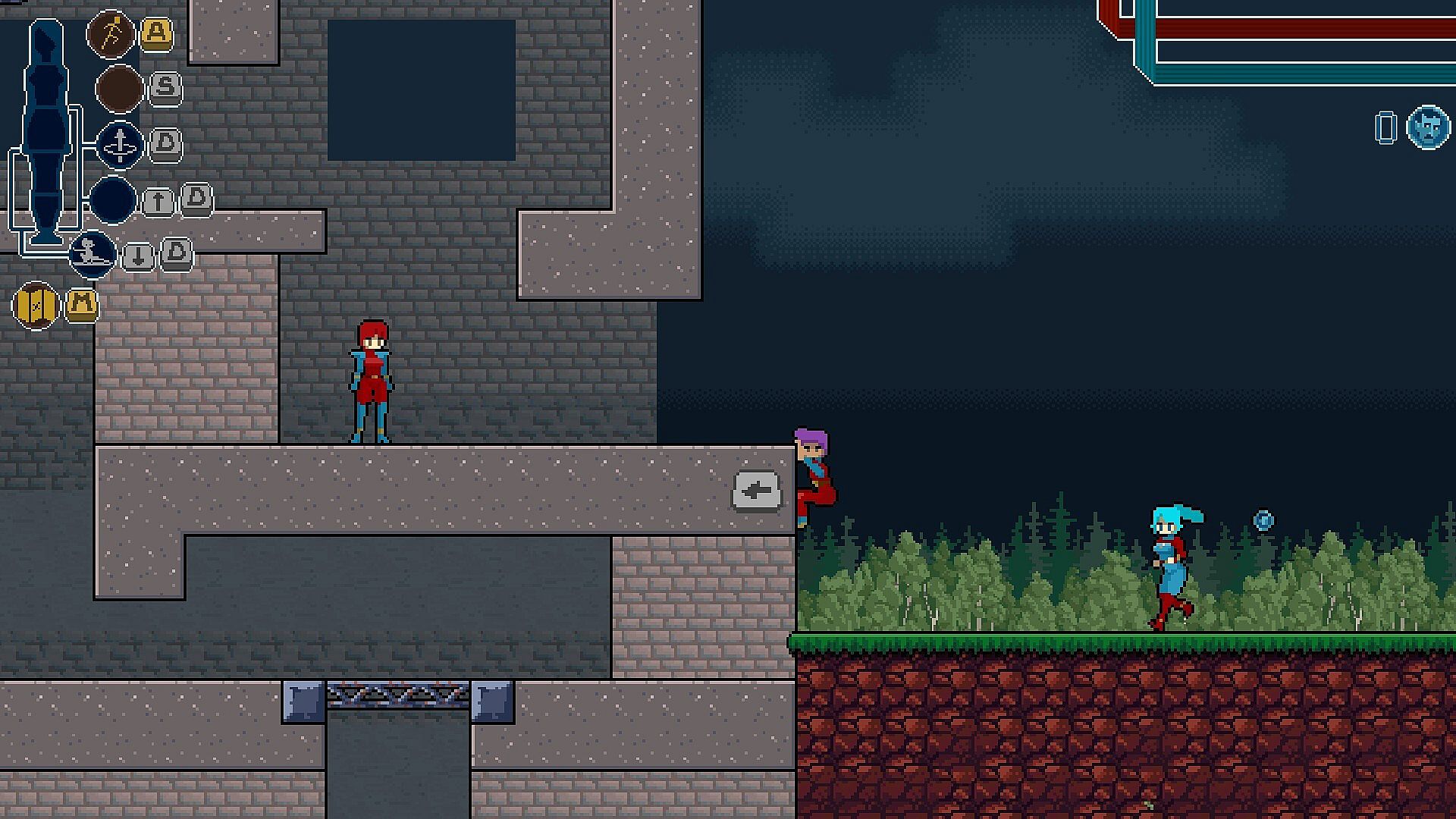
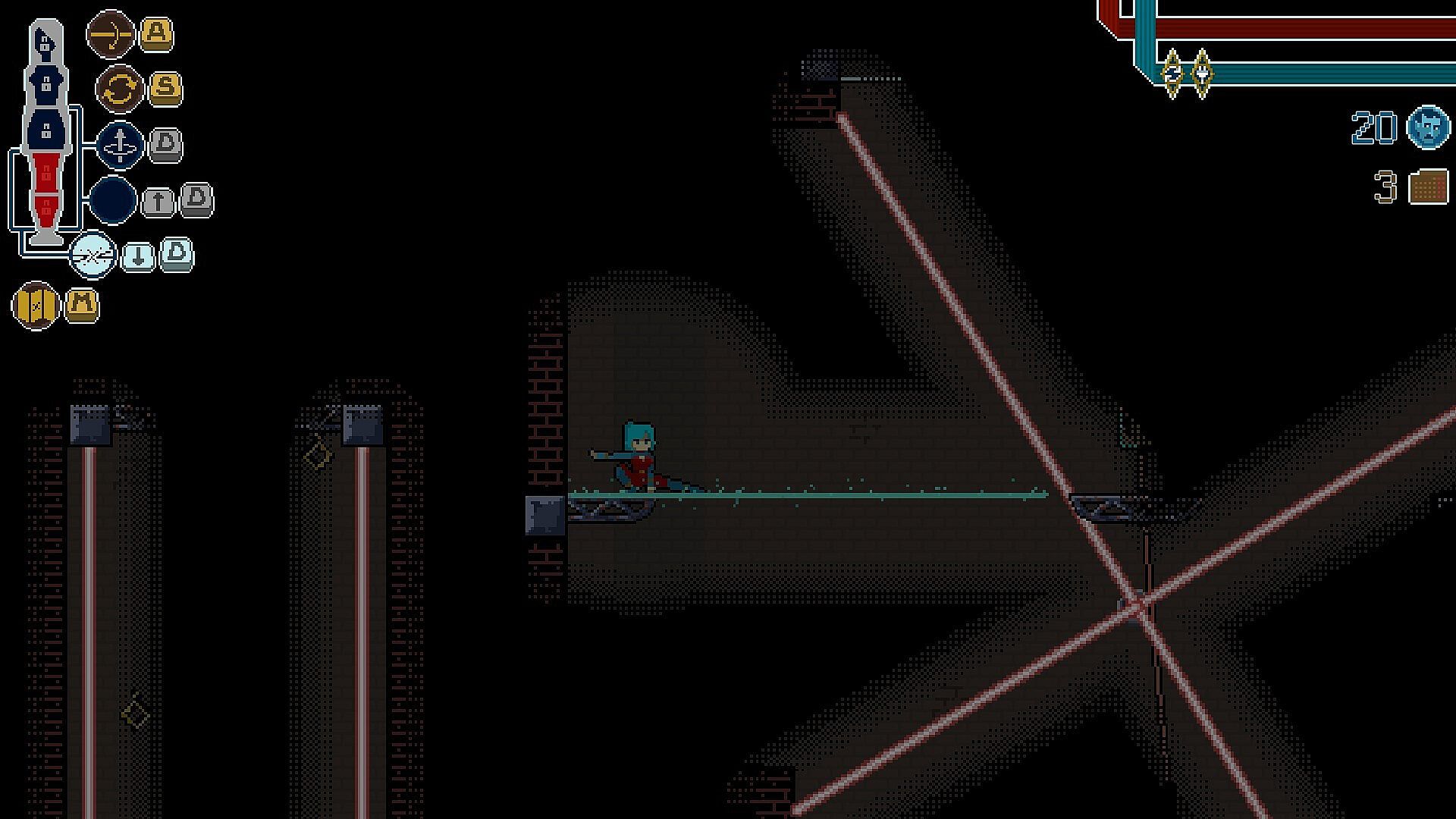
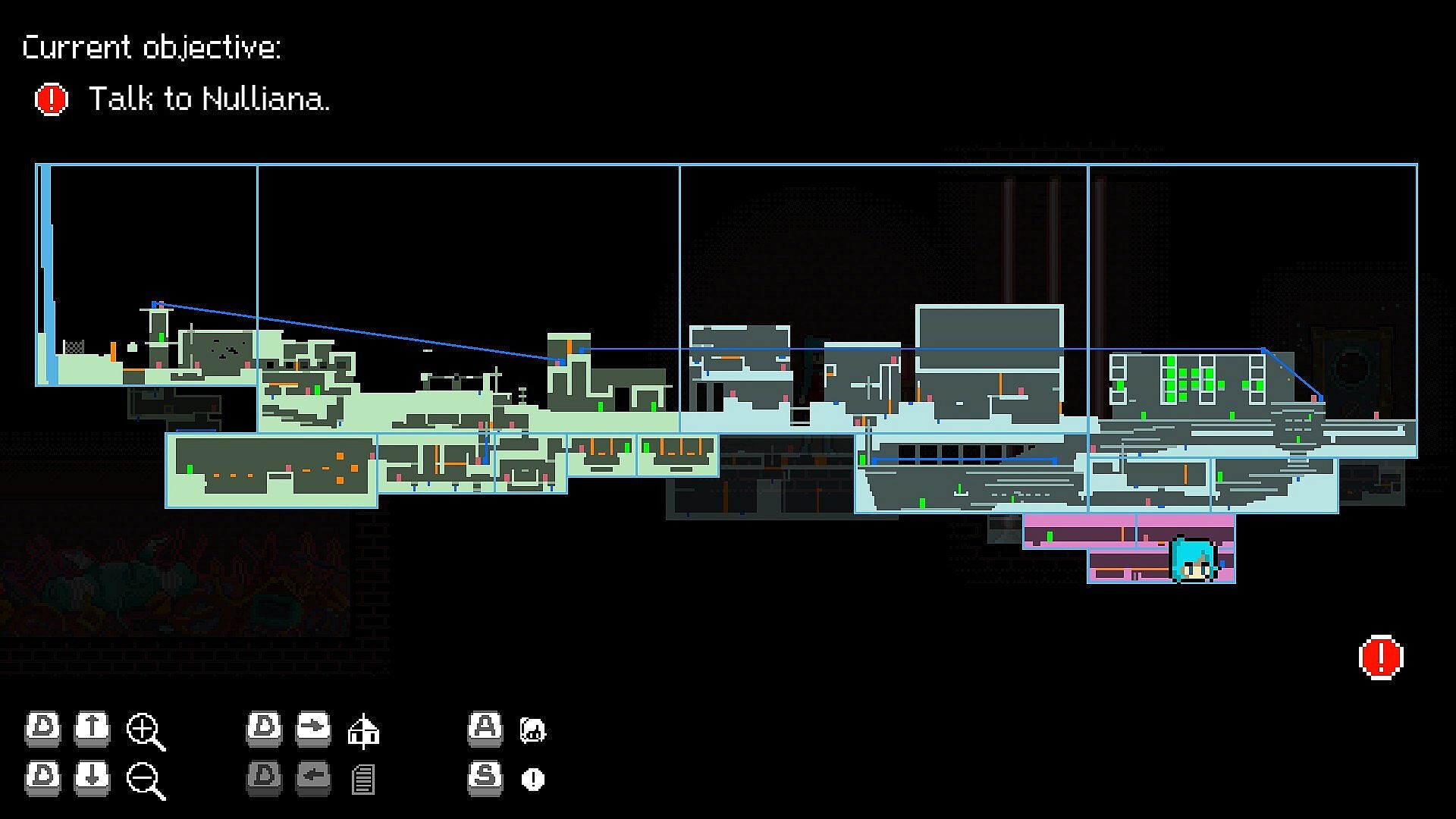
The core loop involves using Qupoline's abilities to manipulate the environment and solve puzzles. These challenges require combining different skills to progress, often involving tricky jumps and reflex tests that serve the puzzle rather than stand alone as tests of timing. Exploration plays a major role as players acquire new abilities that open previously inaccessible parts of the city, turning the setting into an interconnected space where revisiting earlier locations yields fresh interactions.
Boss encounters appear throughout the journey and focus on testing mastery of the established mechanics instead of traditional combat systems. There is no conventional fighting; success comes from applying puzzle solutions and ability combinations in creative ways during these confrontations. The game maintains a consistent single-player structure where all story elements remain accessible without risk of permanent loss, and every area supports later returns for additional discovery.
Optional content adds depth for players seeking extra difficulty. Harder puzzle variants and modified boss encounters provide increased challenge without altering the main path. The demo version covers the linear opening section of the full experience, allowing players to carry progress forward while preserving achievements across versions.
Game Modes
Noosibirsk operates as a single-player adventure with no separate multiplayer or competitive modes. The primary experience revolves around sequential progression through puzzles, exploration, and boss tests within the closed city environment. Optional harder puzzles and boss variants function as self-contained challenges that players can tackle at their own pace alongside the main story.
Revisiting areas forms an integral part of the structure, rewarding players who return with new abilities to uncover additional interactions. This design keeps the focus on personal discovery and mechanical understanding rather than timed events or shared sessions with others.
World and Aesthetic
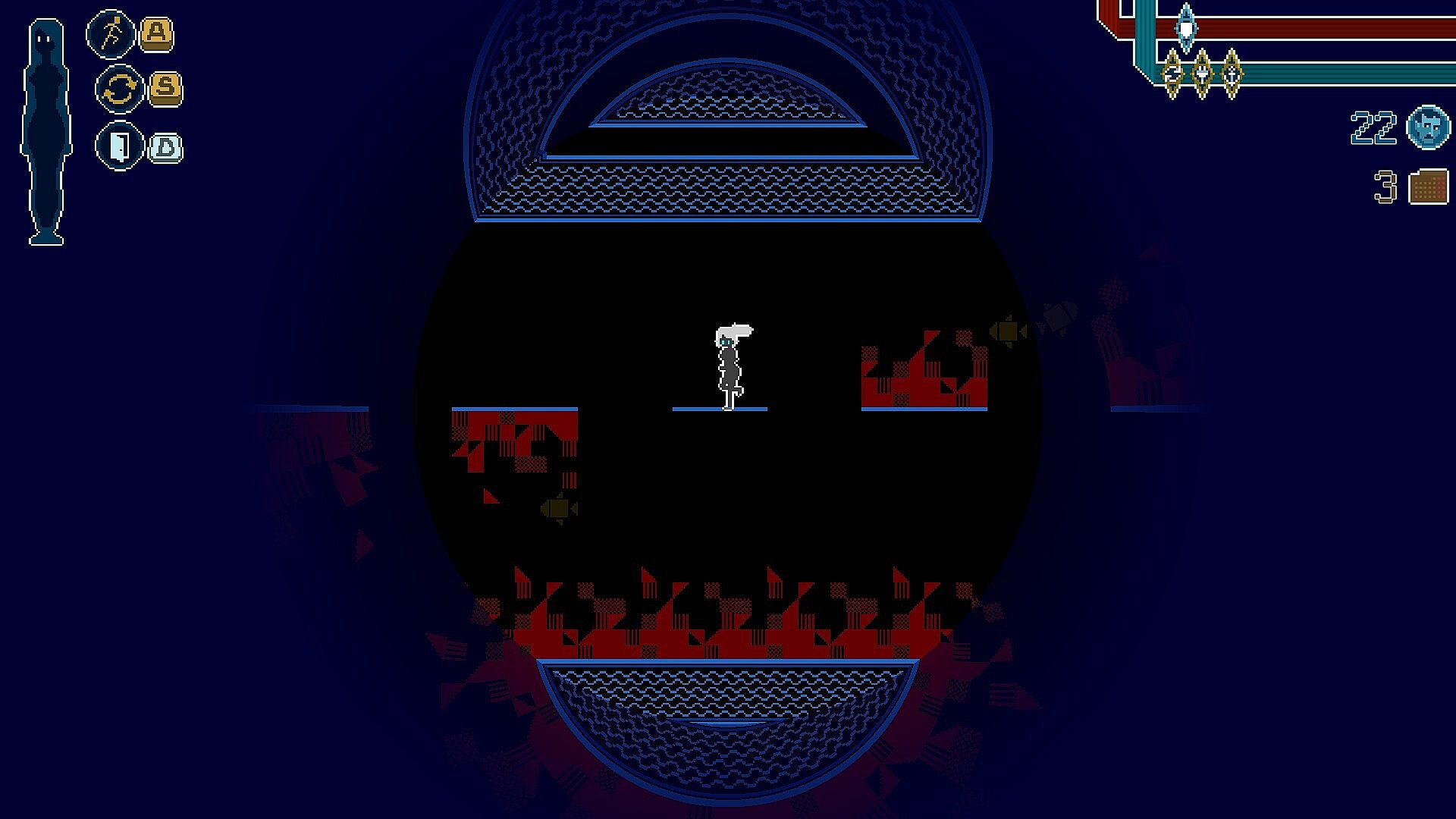
The setting draws from a post-Soviet closed city atmosphere rendered in hand-crafted pixel art animation. Visual style takes inspiration from the Momodora series, creating a distinctive look that supports the narrative of restricted borders and hidden possibilities. All music tracks were composed specifically for the game, reinforcing the unique tone without relying on licensed material.
Ability progression directly ties into world interaction, letting players unlock new routes and secrets as they expand their toolkit. The demo highlights the opening linear segment while demonstrating how later abilities encourage backtracking through familiar spaces for fresh content.
Is It Worth Playing?
Players who enjoy puzzle-platformers with an emphasis on ability-based problem solving and non-linear exploration will find a focused experience here. The absence of missable content and the ability to complete everything in one playthrough reduce frustration for those who prefer thorough exploration without pressure. Optional harder puzzles and boss versions cater to players looking for additional tests of skill after the main path.
The demo provides a direct entry point that carries over to the full release, making it straightforward to evaluate the core loop before committing. Those drawn to indie titles with pixel art aesthetics and custom soundtracks may appreciate the consistent artistic direction throughout the city setting. The game suits single-player sessions centered on mechanical discovery rather than action or competition.