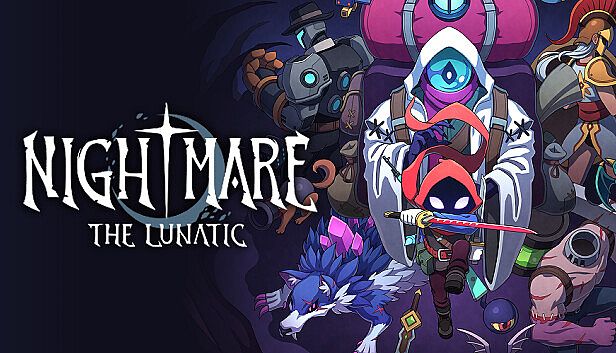



















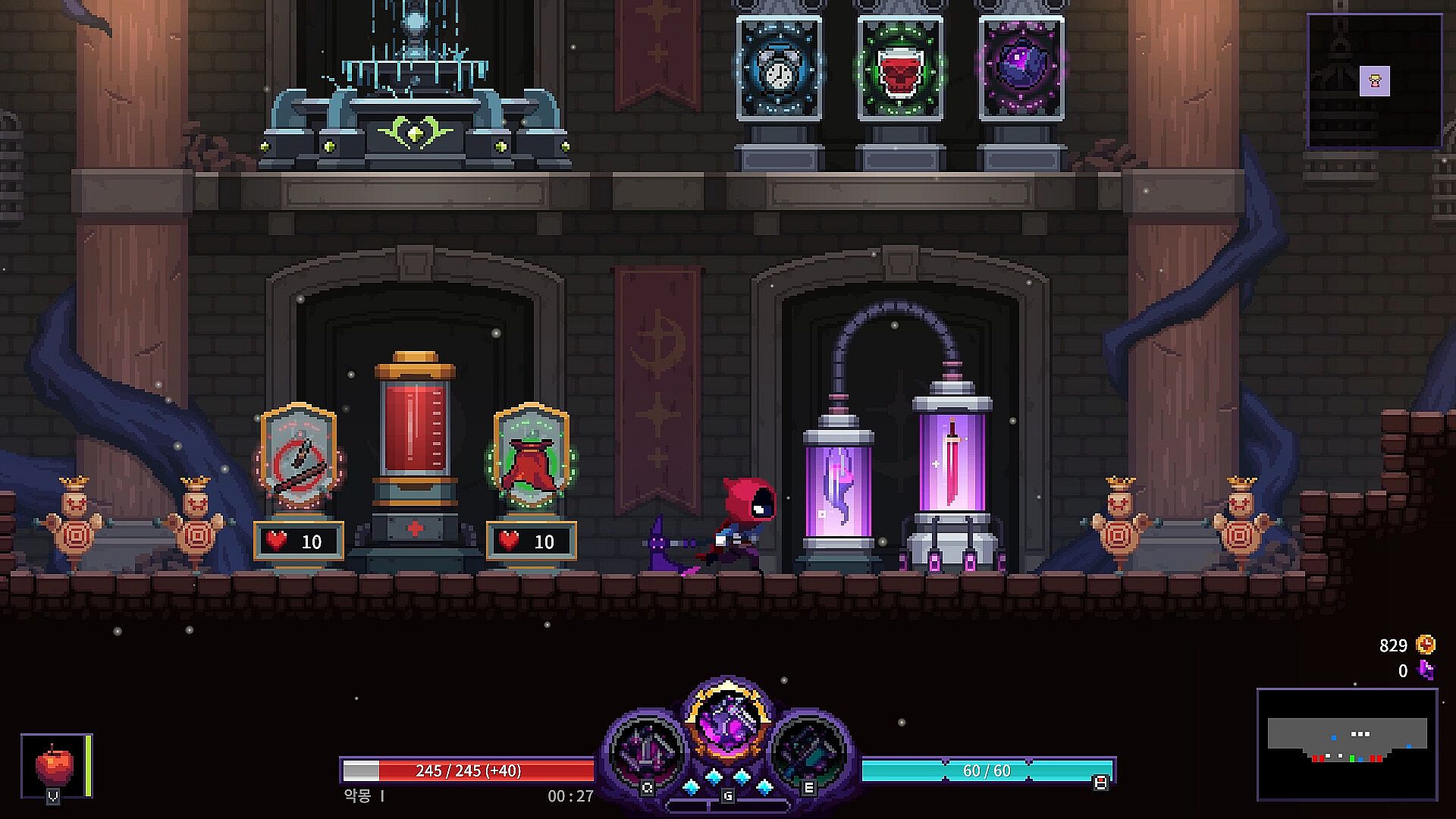
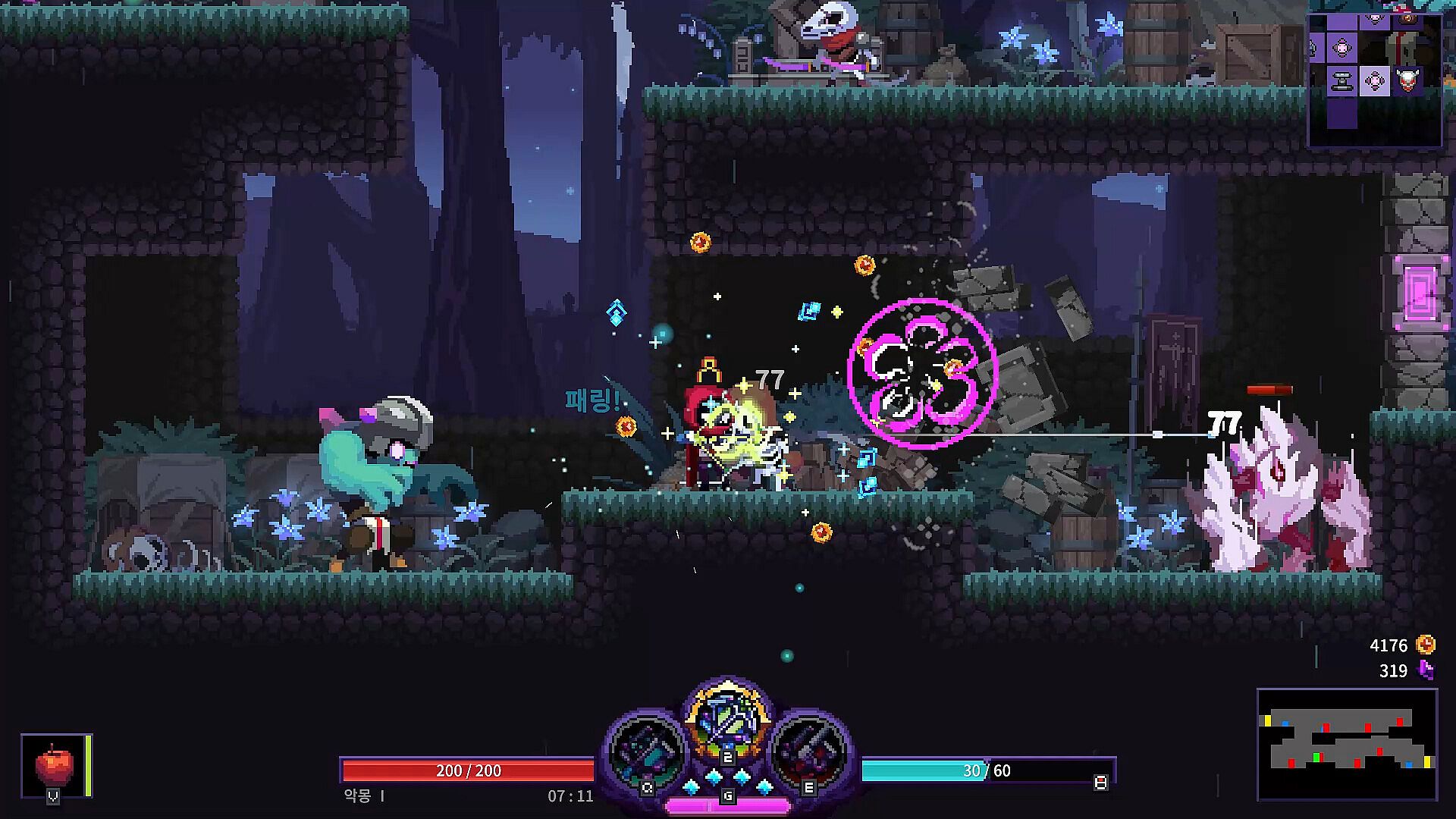
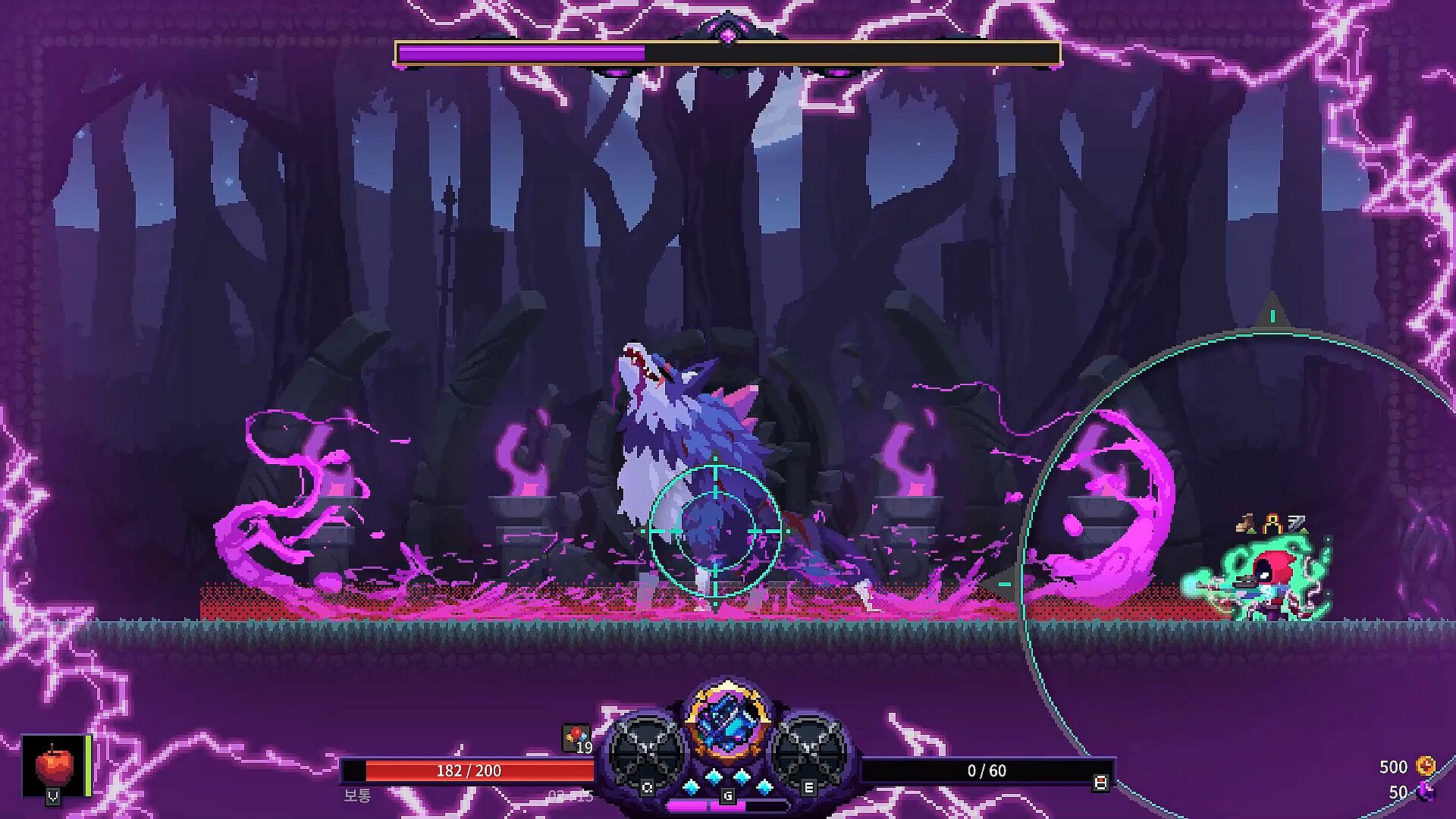
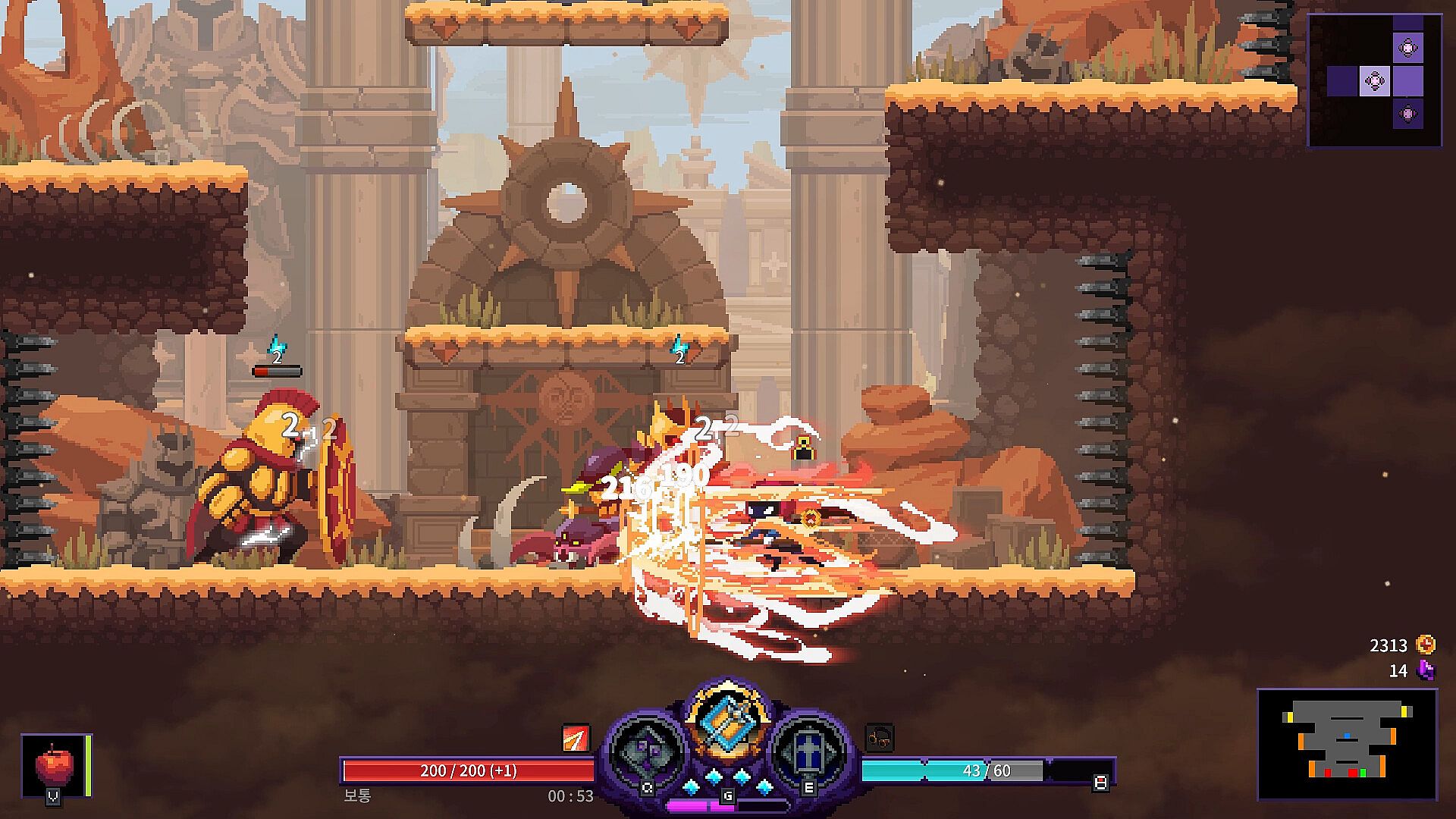
Nightmare: The Lunatic is a 2D action roguelite platformer where players attempt to break free from an endless nightmare by navigating shifting dream environments filled with hostile creatures.
Gameplay
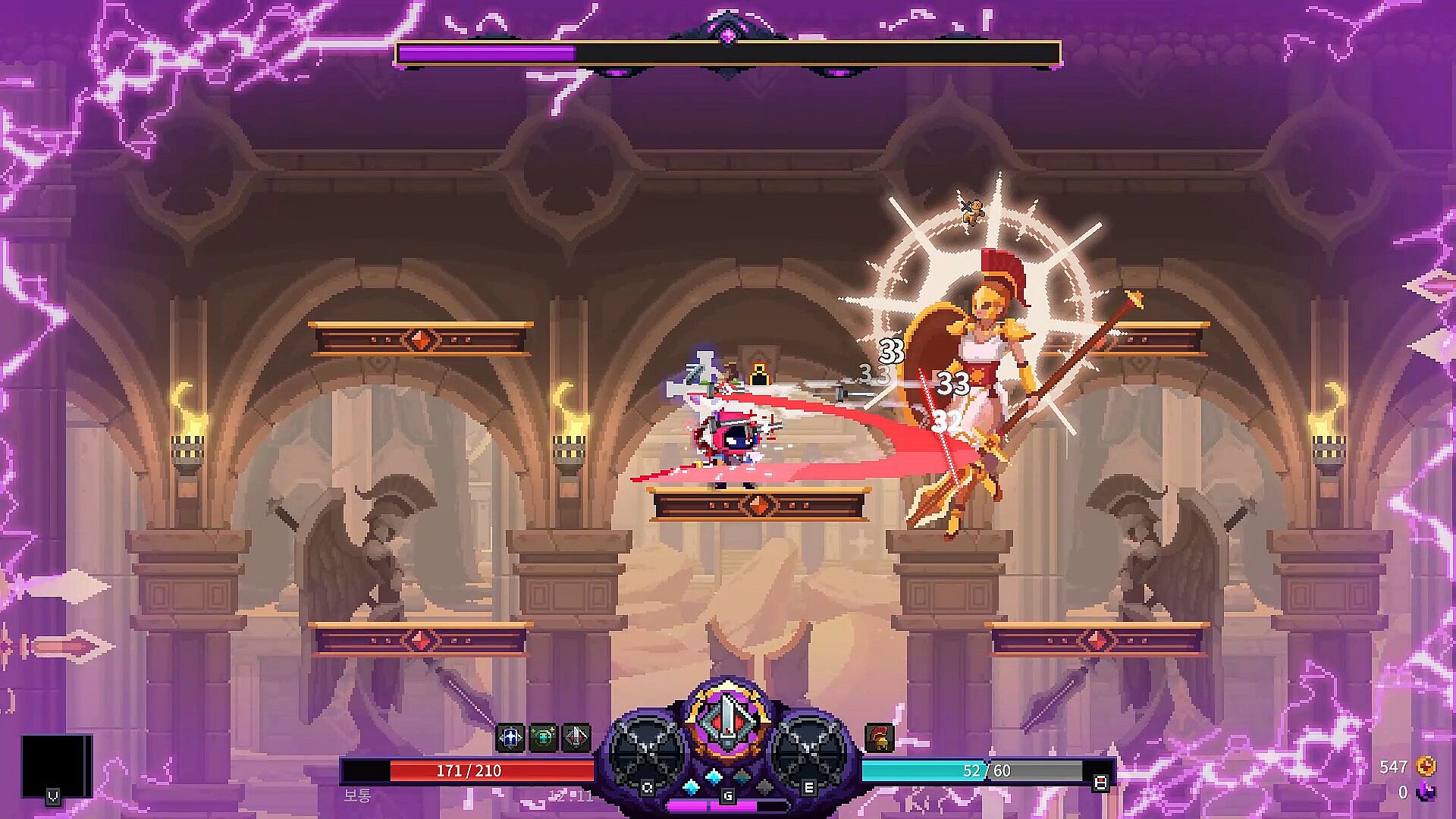
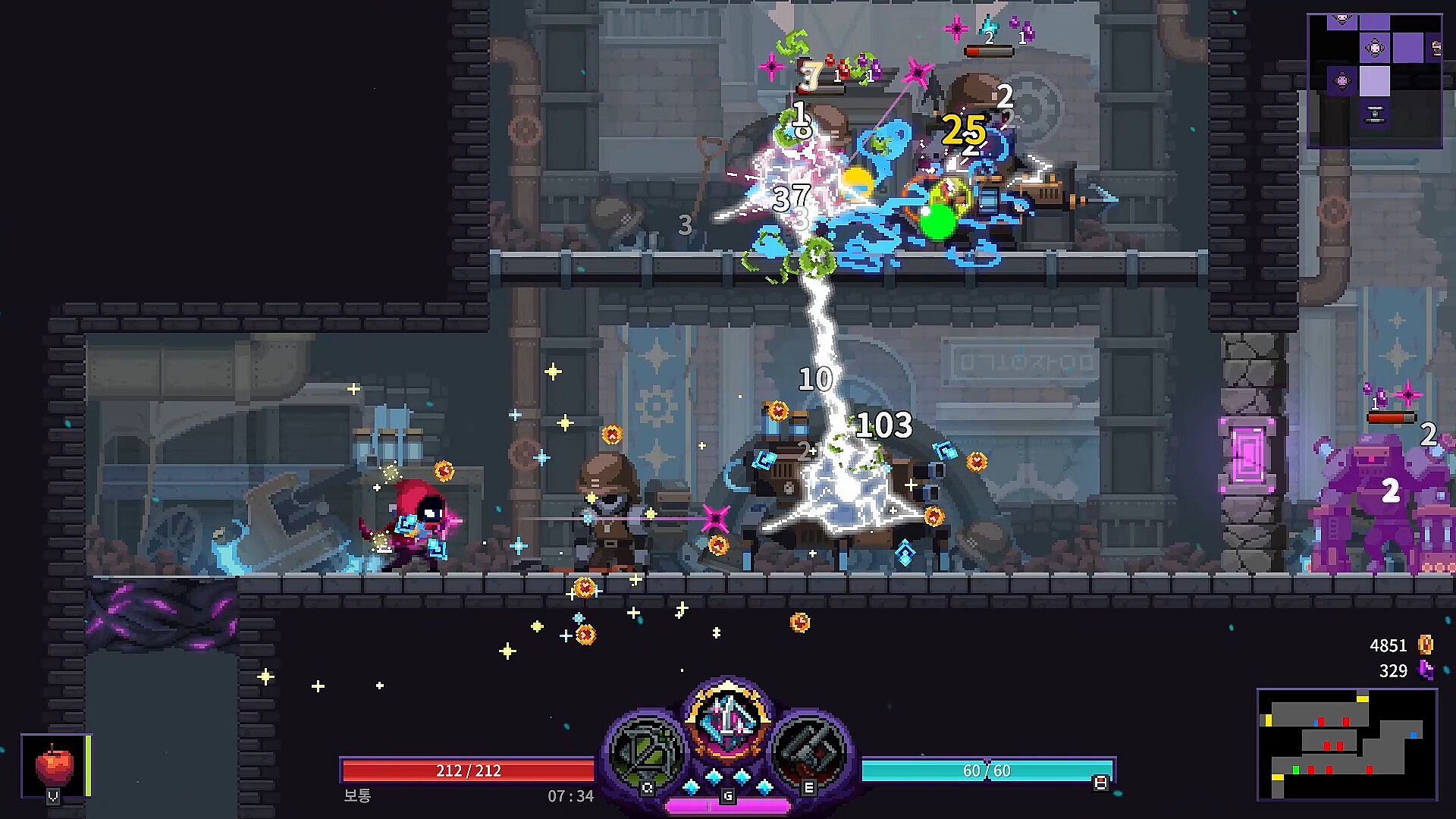
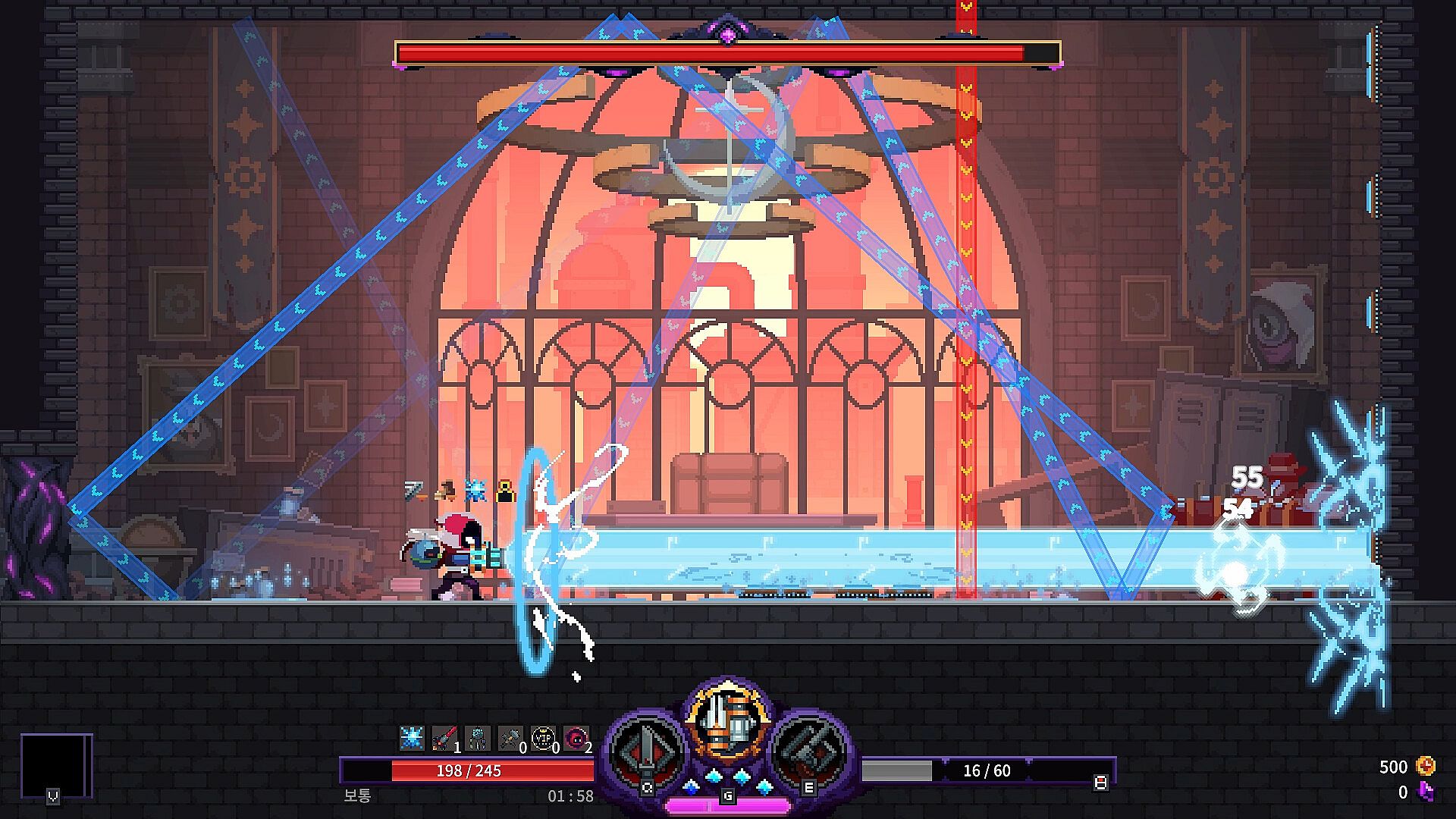
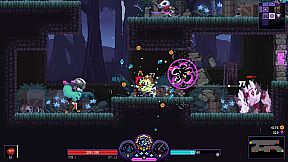
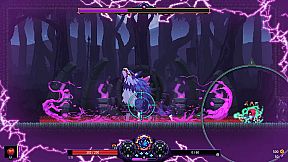
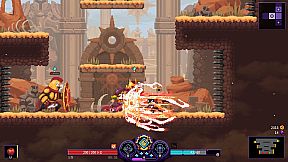
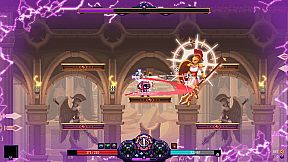
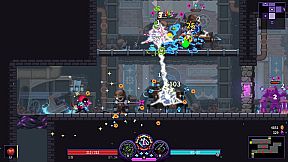
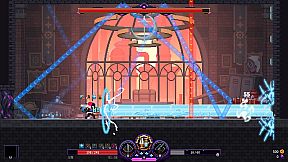
The core loop centers on room-by-room progression through procedurally arranged dream spaces. Players clear groups of enemies while collecting resources, opening containers, and locating hidden areas before confronting a boss at the end of each run. Combat emphasizes timing and positioning, with a focus on identifying enemy attack patterns to execute successful parries that open windows for counterattacks.
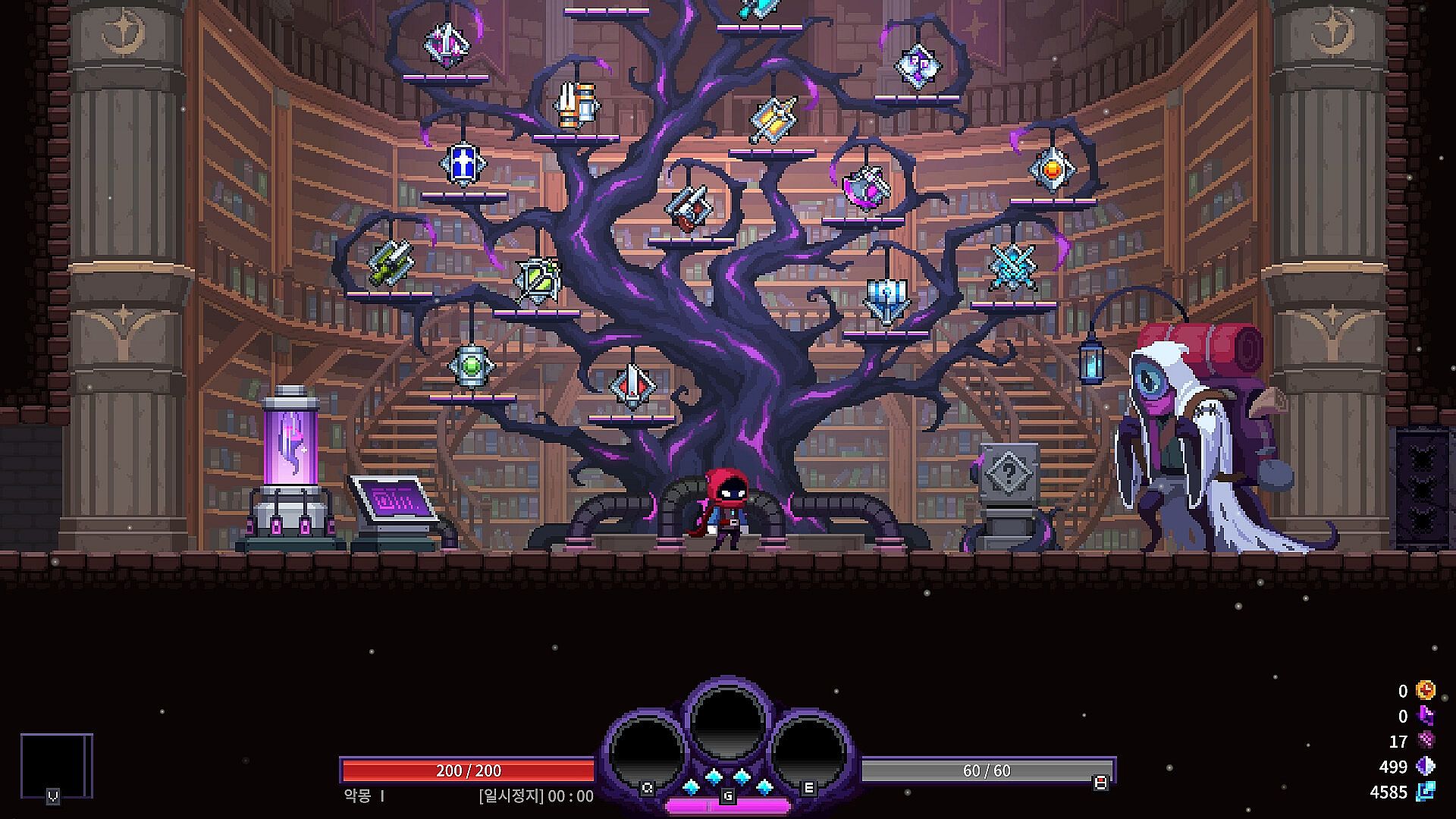
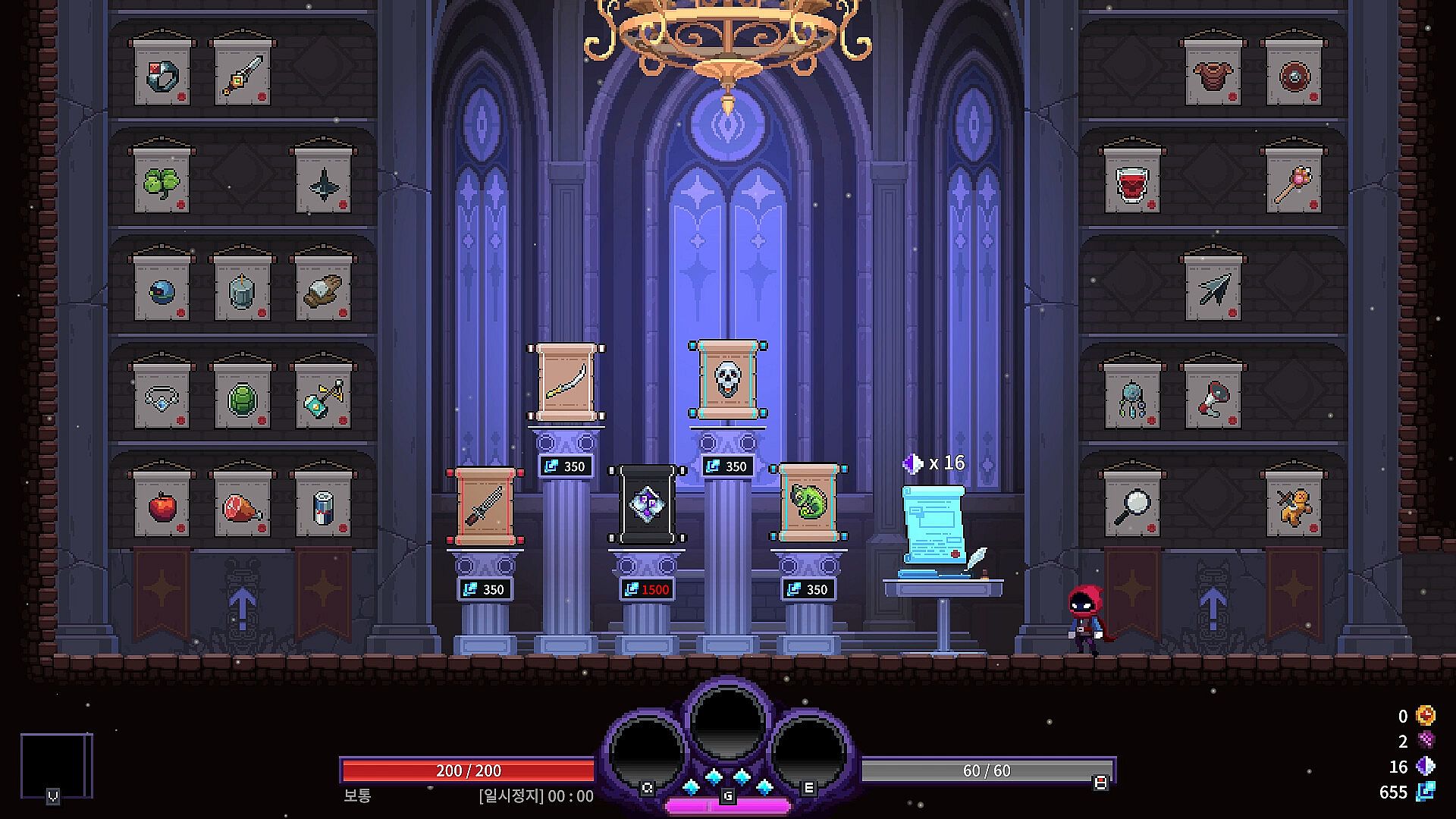
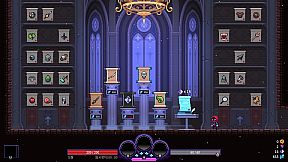
Each run begins with three weapons equipped simultaneously. Players switch between them on the fly to adapt to different situations, such as using a ranged option for distant threats before transitioning to a close-quarters tool for faster engagements. Special attacks tied to each weapon add another layer of decision-making during fights. Exploration yields totems that grant distinctive abilities, allowing players to build synergies across multiple attempts as they recover items scattered throughout the dream.
Death returns the player to the start with a restructured layout, encouraging repeated runs to refine movement, learn monster behaviors, and optimize weapon combinations. The platforming elements require precise jumps and navigation across vertical and horizontal spaces while managing combat encounters.
Game Modes
The experience revolves around successive roguelite runs that reset upon failure but preserve progression through collected totems and learned patterns. There are no separate story campaigns or competitive brackets. Instead, the structure encourages chaining attempts to improve survival time and reach further into the nightmare before the next reset occurs.
Each run follows the same fundamental flow of room clearing and boss confrontation, with variations arising from the randomized placement of enemies, resources, and environmental layouts. This setup keeps the focus on mechanical mastery rather than branching narrative paths or team-based objectives.
Core Mechanics and Progression
Weapon selection plays a central role in long-term engagement. The three-slot system rewards experimentation with different loadouts, as certain combinations handle specific enemy types more effectively than others. Parry timing serves as a defensive cornerstone, rewarding observation of attack telegraphs across the monster roster.
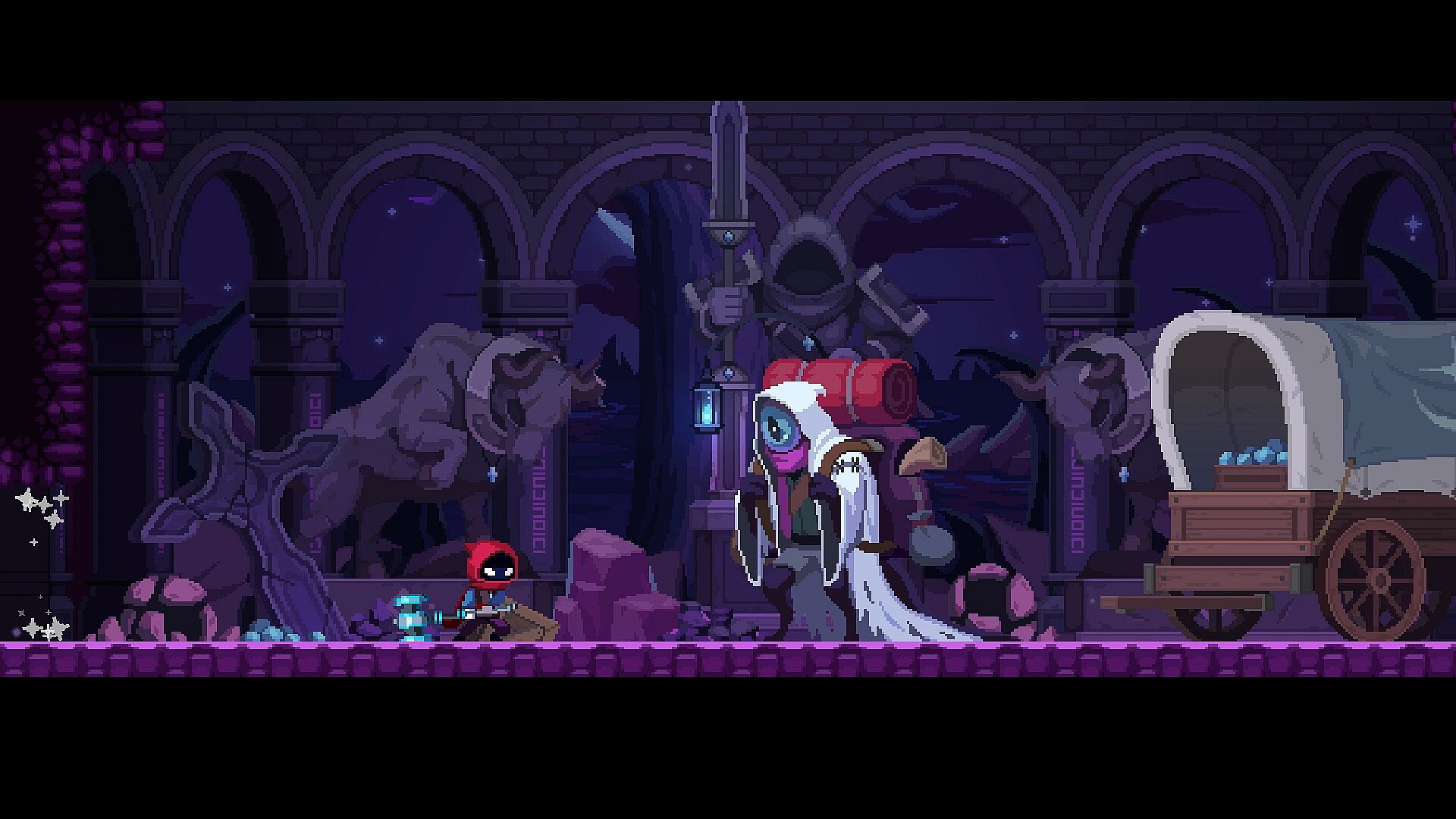
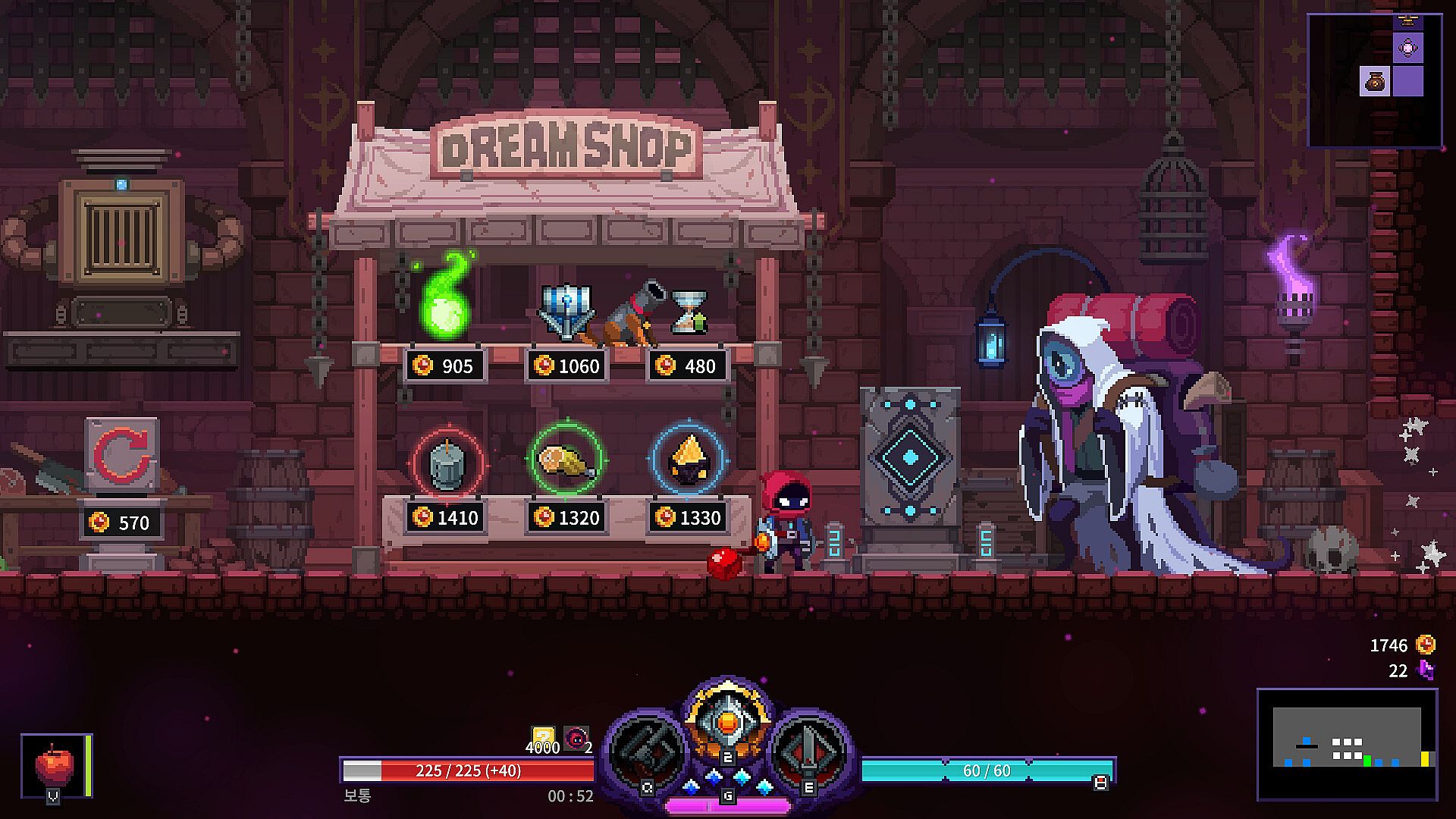
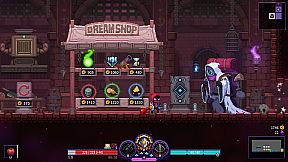
Totems function as the primary upgrade path, providing passive or active bonuses that accumulate over successful runs. Players recover these items during exploration, gradually expanding their options for future attempts. The dream merchant element from the premise ties into item recovery, though the emphasis remains on self-reliance through repeated exploration.
Is It Worth Playing?
Player feedback on Steam shows Very Positive ratings from 225 reviews, with 87 percent positive. Reviewers highlight the fluid movement, responsive combat, and the satisfaction derived from mastering the three-weapon switching system alongside parry opportunities. The roguelite format delivers short, repeatable sessions that reward incremental improvement without requiring lengthy commitments per attempt.
The game suits players who enjoy precise 2D action platformers with roguelite elements, particularly those interested in build experimentation through weapon swaps and ability-granting items. Its indie scale keeps the scope focused on core combat and navigation loops rather than expansive side content. Availability on PC supports low-spec hardware while maintaining consistent performance, making it accessible for those seeking challenging yet concise action experiences.
Overall, the title delivers on its premise of nightmare escape through mechanical depth in a compact package. Those drawn to parry-focused combat and quick retry loops will find consistent value in the run structure and upgrade systems.