

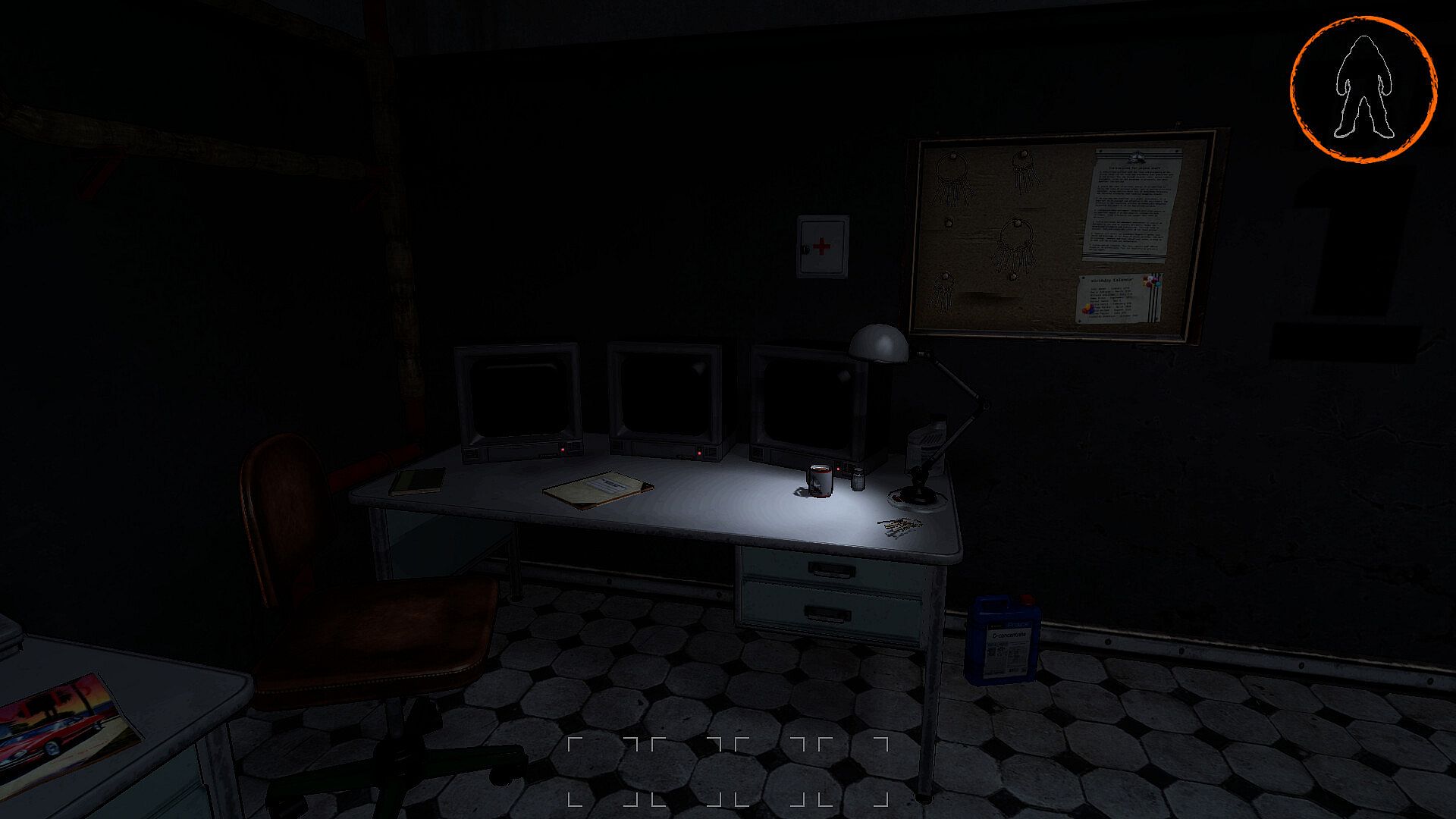
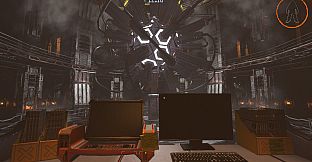
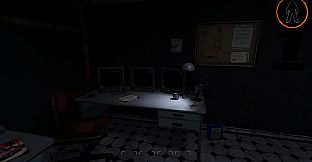

Nightmare Company is an action adventure game with indie roots and early access status on PC. Players take on the role of an operative who enters clients' subconscious minds to resolve recurring nightmares rooted in trauma. The core premise centers on a specialized company that accesses these mental spaces to locate and extract the sources of distress, turning personal nightmares into collectible items that can be sold for profit and upgrades.
Gameplay
The central loop involves stepping through a portal into a client's mindscape. Once inside, the objective is to locate and gather nightmare artifacts scattered throughout the environment. These items represent fragments of the trauma causing the loop. Extraction must happen quickly because the client might wake at any moment, ending the session and stranding anyone still present. Upon return, artifacts are sold at a location called the pit, where earnings fund purchases of new gear from the shop. The shop stocks basic equipment intended to improve survival odds during subsequent entries. Repeated failure to meet collection quotas leads to consequences from the company, adding pressure to perform consistently across jobs.
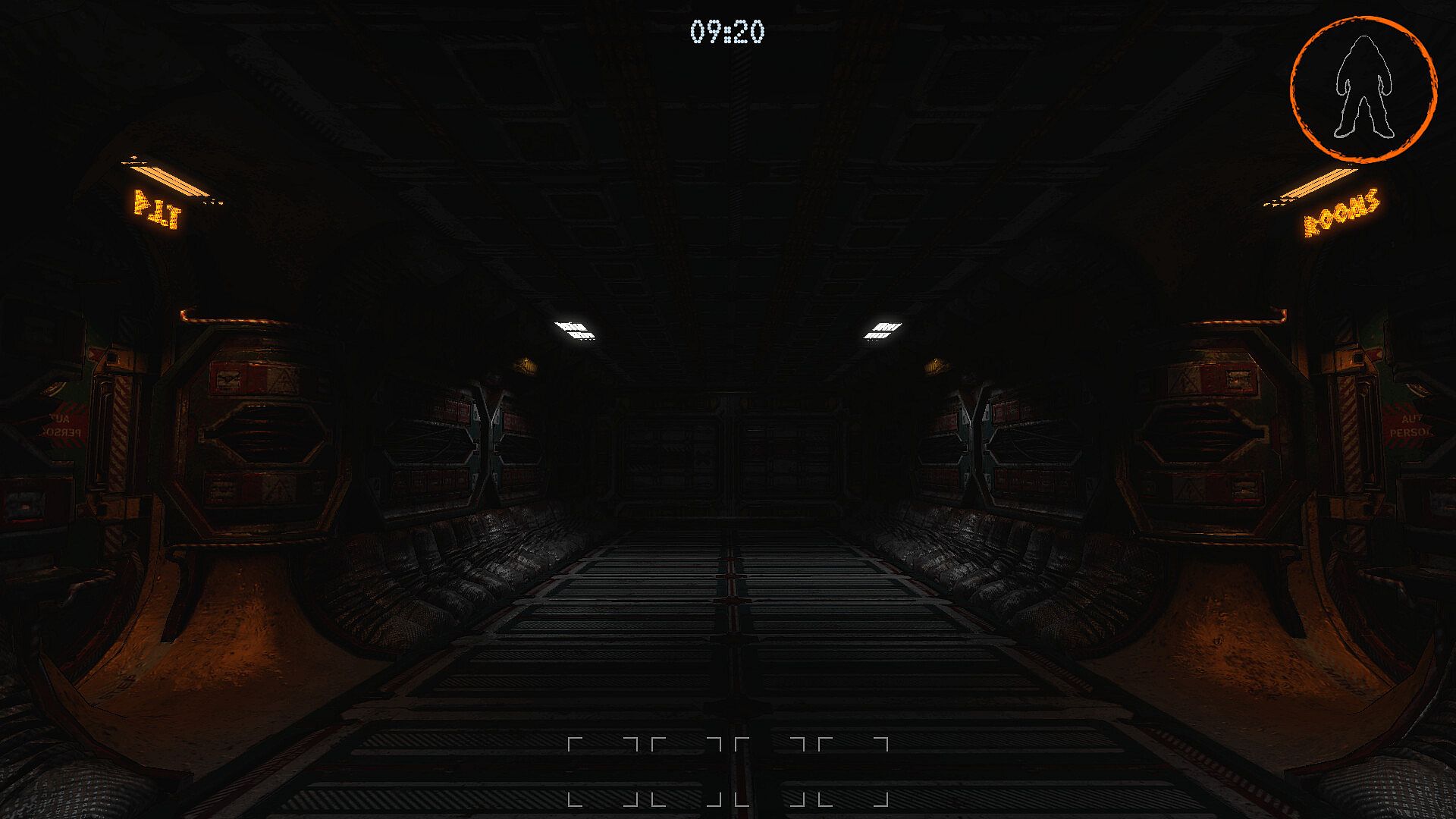
Exploration requires careful navigation of the mind's unstable layout while managing time and avoiding hazards that intensify as the session progresses. Gear choices influence how effectively players can handle threats or move through the space. The system rewards efficient artifact collection and smart spending, creating a cycle of entry, retrieval, sale, and preparation for the next assignment.
Game Modes
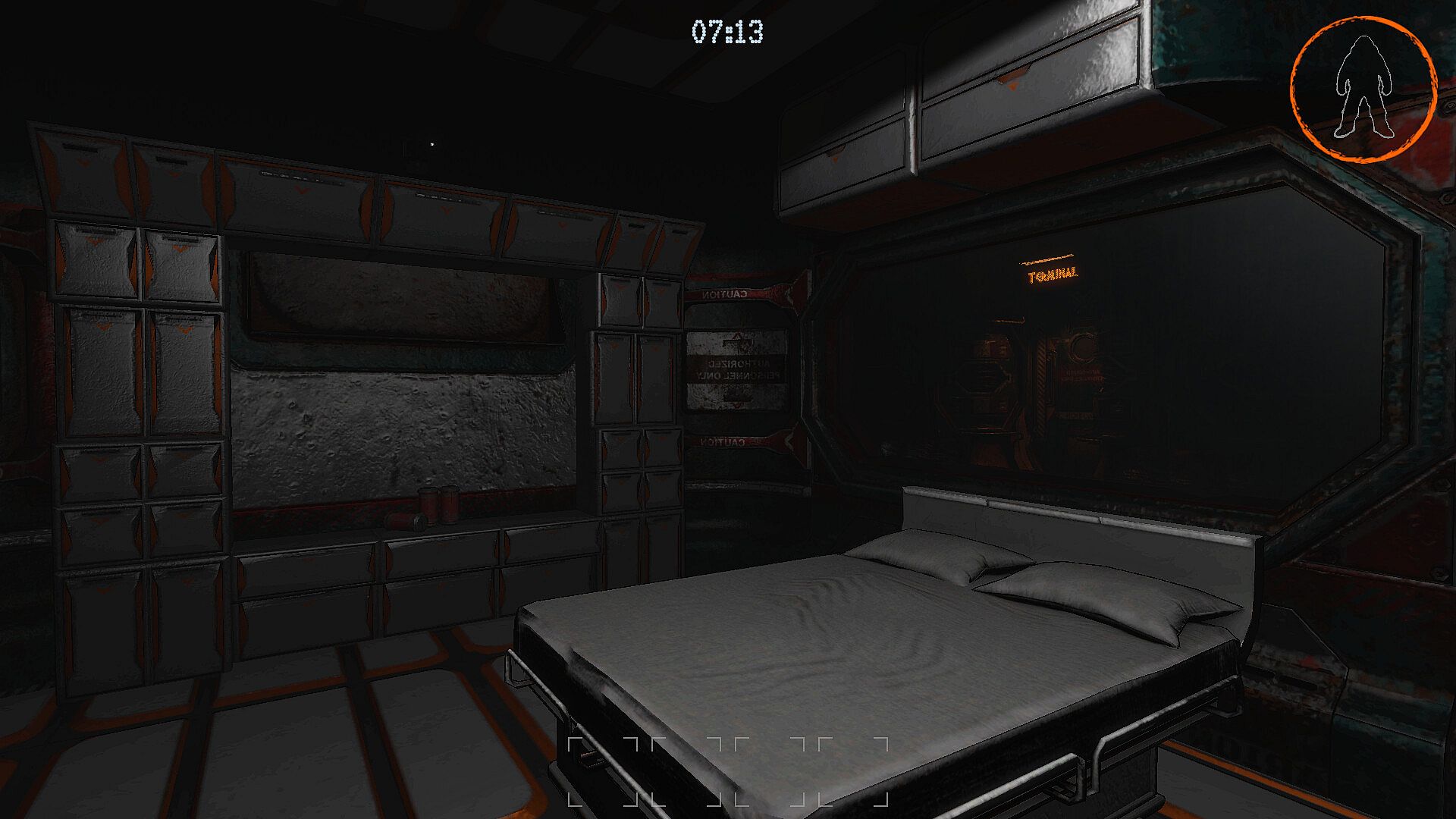
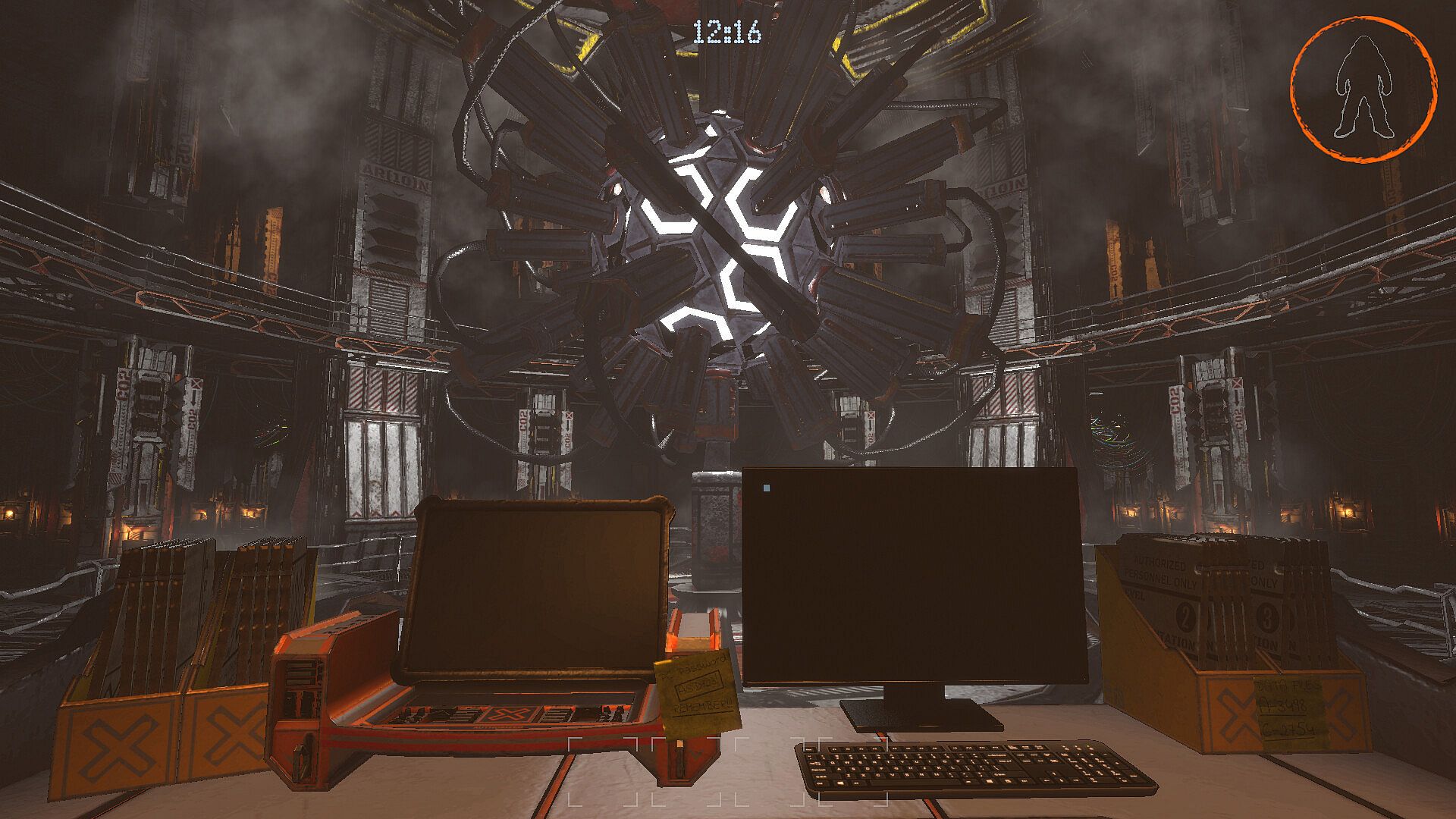
The experience supports both solo play and cooperative sessions with up to three additional players. In group play, participants coordinate roles using a terminal that tracks portal status and map details. One or more players focus on locating and securing artifacts while others monitor the exit point or manage emerging risks. This division of labor allows teams to cover more ground within the limited time window before the client wakes. Communication and role assignment become key factors in successful extractions, especially when multiple artifacts need retrieval under tightening constraints.
Solo runs follow the same core loop but place full responsibility on the individual for all tasks. The shop remains available for gear upgrades regardless of group size, though cooperative efforts can distribute the workload and potentially increase the volume of artifacts recovered per session.
Core Mechanics and Progression
Time management forms the most critical layer of tension. Sessions operate under an implicit countdown tied to the client's sleep state, forcing players to prioritize high-value targets and decide when to extract. Artifacts vary in type and value, encouraging selective collection rather than exhaustive searching. The pit serves as the economic hub where sales convert finds into currency for the shop's inventory of survival tools and enhancements.
Progression ties directly to repeated job completions. Consistent performance builds resources for better equipment, which in turn supports deeper or more challenging mindscapes. The early access version emphasizes this loop while signaling that additional nightmares, pursuing entities, and expanded gear options will arrive in future updates.
Is It Worth Playing?
Nightmare Company suits players who enjoy co-op extraction gameplay combined with time pressure and light resource management. The cooperative structure rewards teamwork in artifact retrieval and exit security, while solo play tests individual efficiency under the same constraints. The early access state means the foundation of entering subconscious environments, collecting artifacts, and upgrading via sales is already functional, with more content planned to expand the variety of threats and equipment.
Those drawn to indie action adventure titles that blend exploration, collection, and co-op coordination will find the described systems align with that preference. The risk of being left behind if the client wakes adds a layer of urgency that differentiates sessions and encourages decisive play. Availability on PC in early access allows immediate access to the current loop while updates continue to build out the experience.