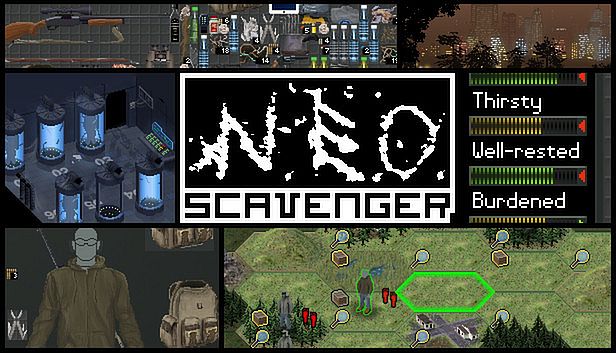












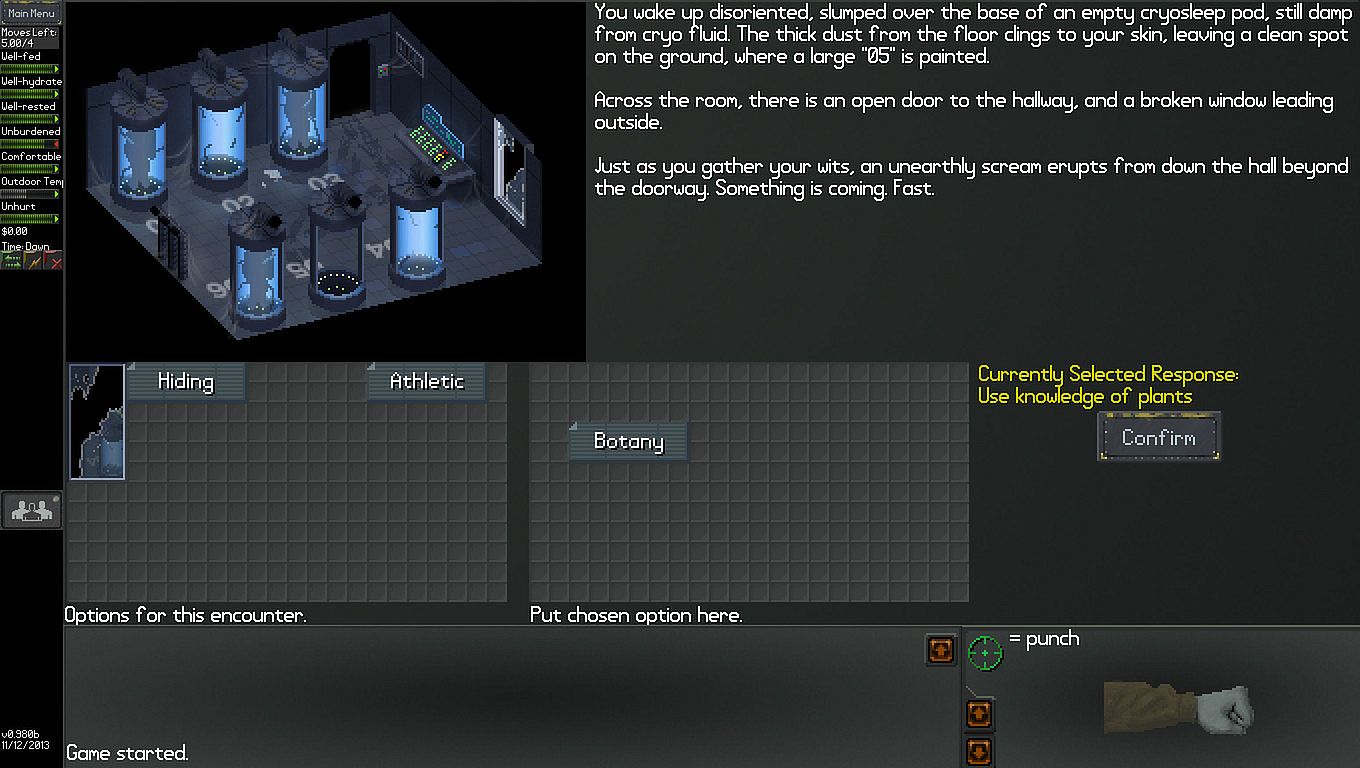
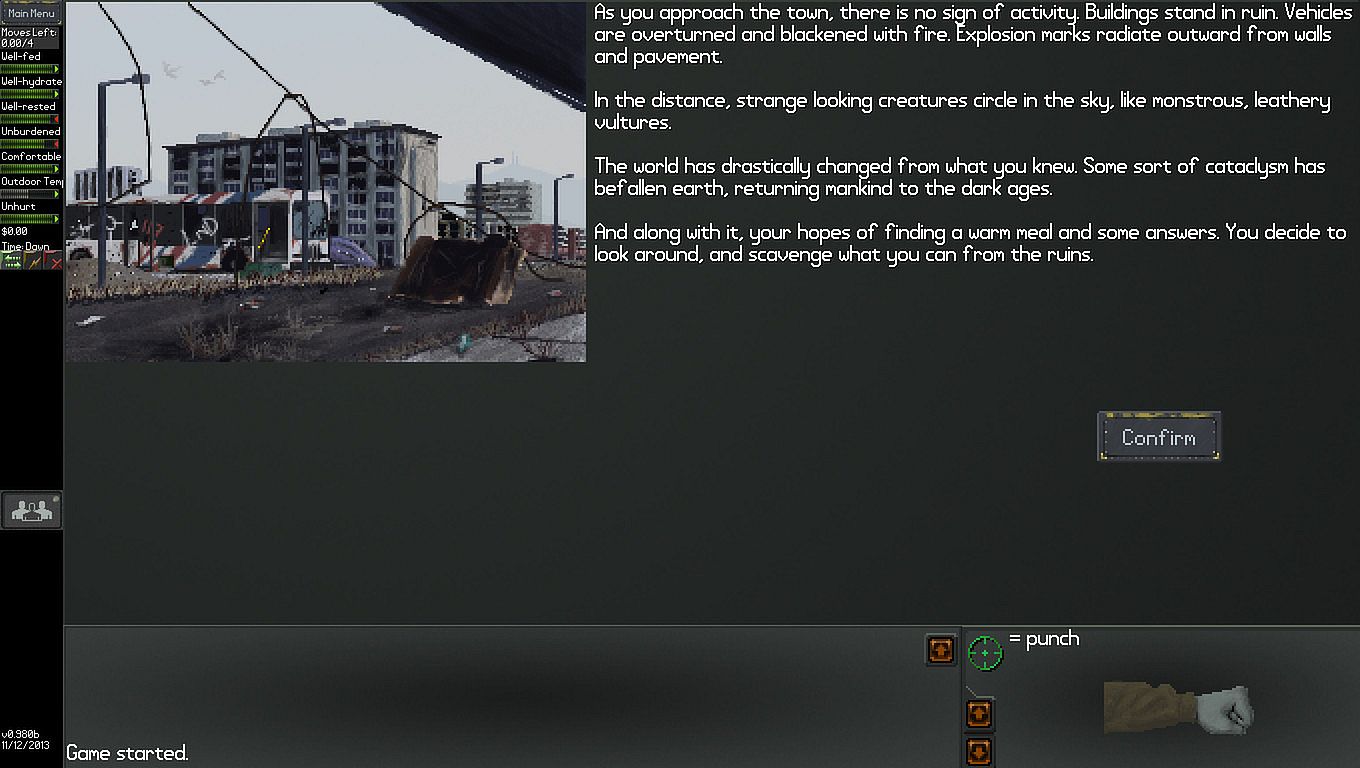
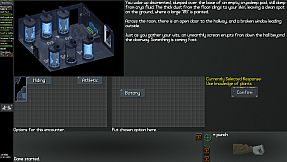
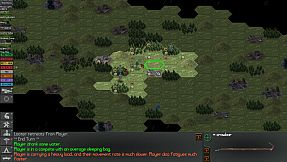
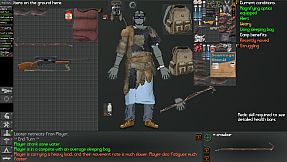
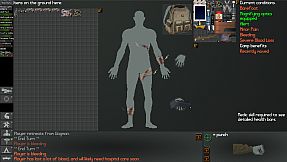
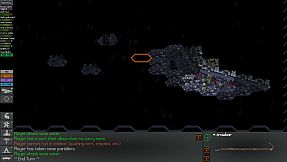
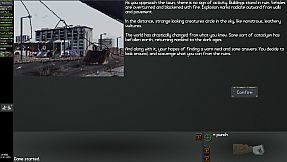
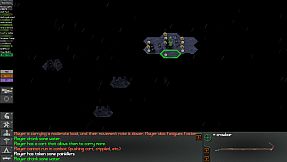
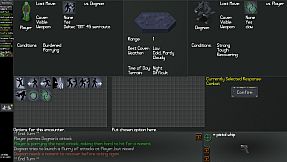
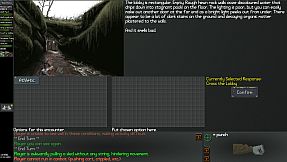
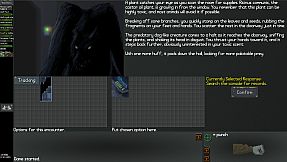
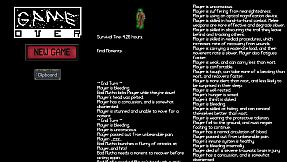
NEO Scavenger is a turn-based survival strategy and RPG game set in a near-future post-apocalyptic Michigan. Players awaken with no memory and must navigate a hostile wasteland while managing hunger, thirst, fatigue, temperature, and injuries. The experience emphasizes careful decision-making each turn on a hex-based map, where choices about movement, scavenging, and encounters determine whether the character lives or dies permanently.
Gameplay
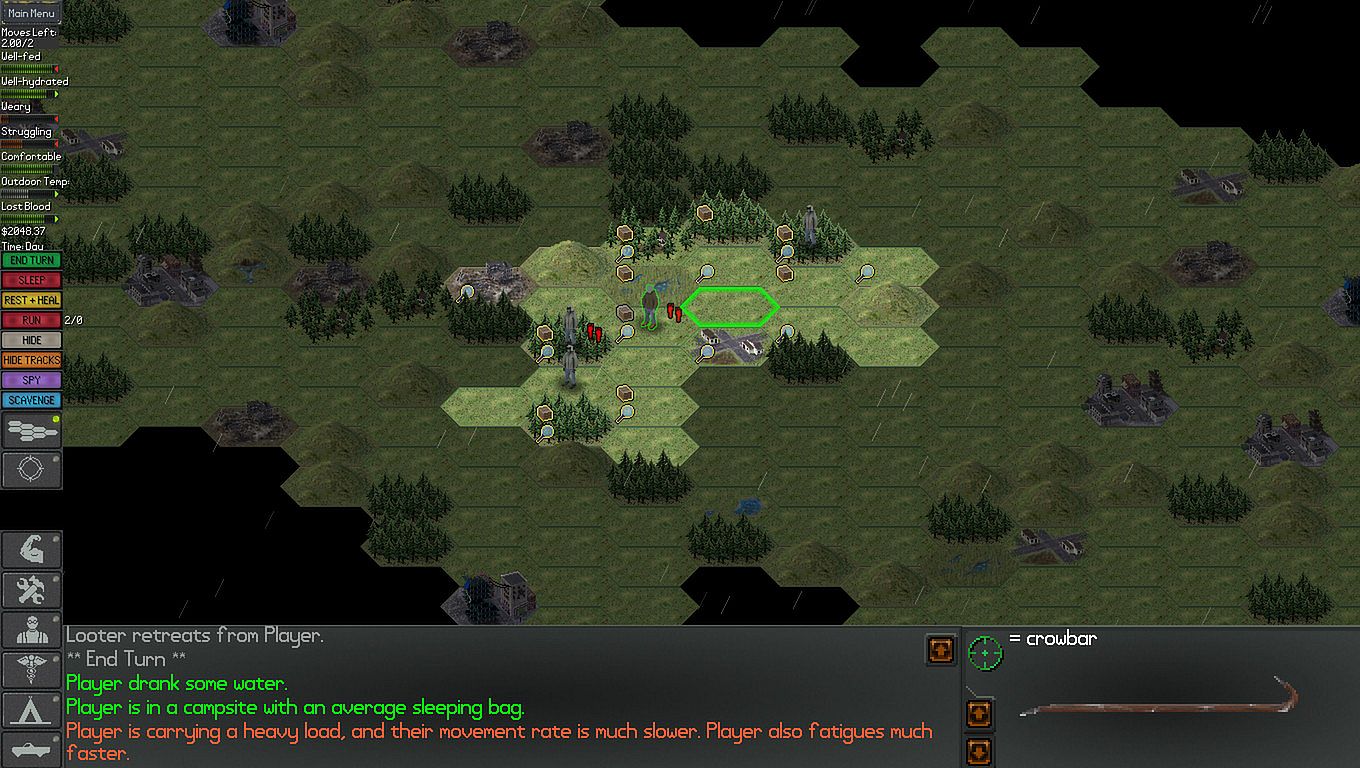
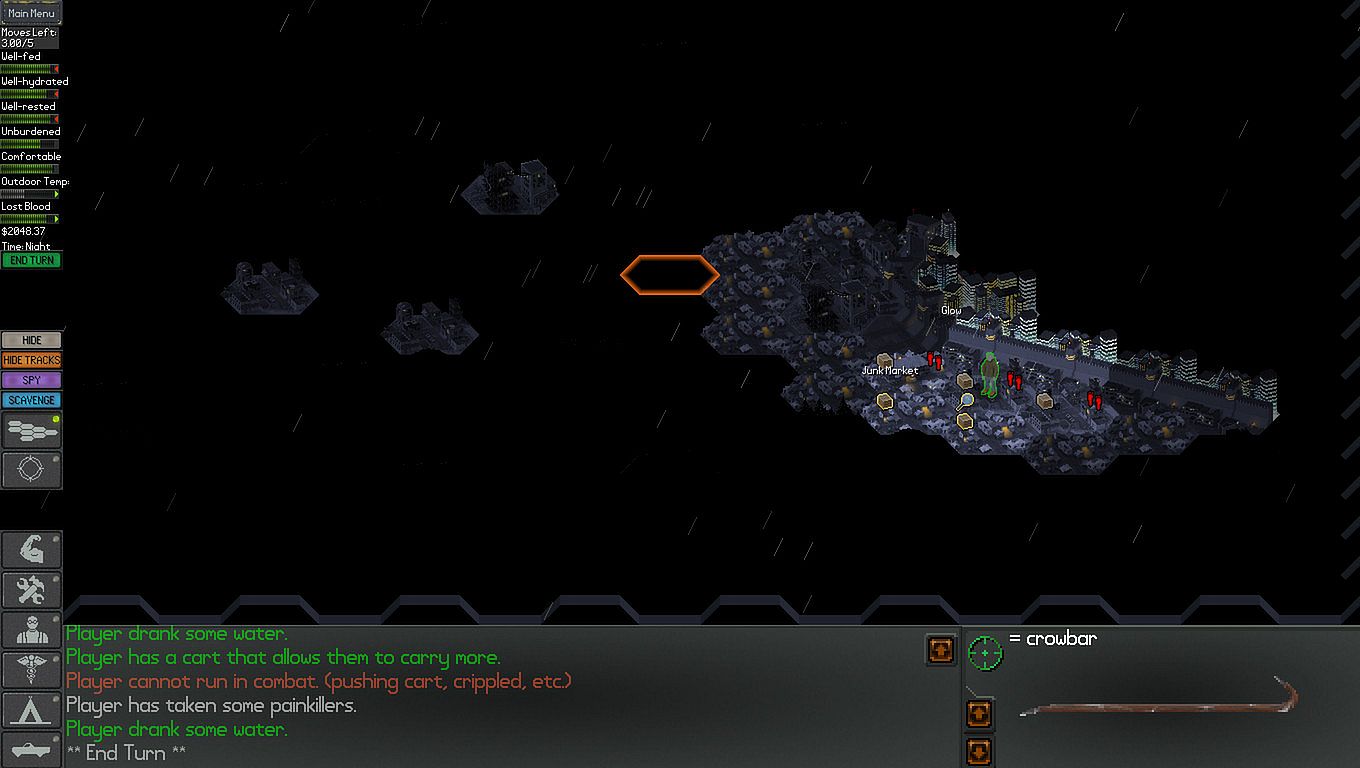
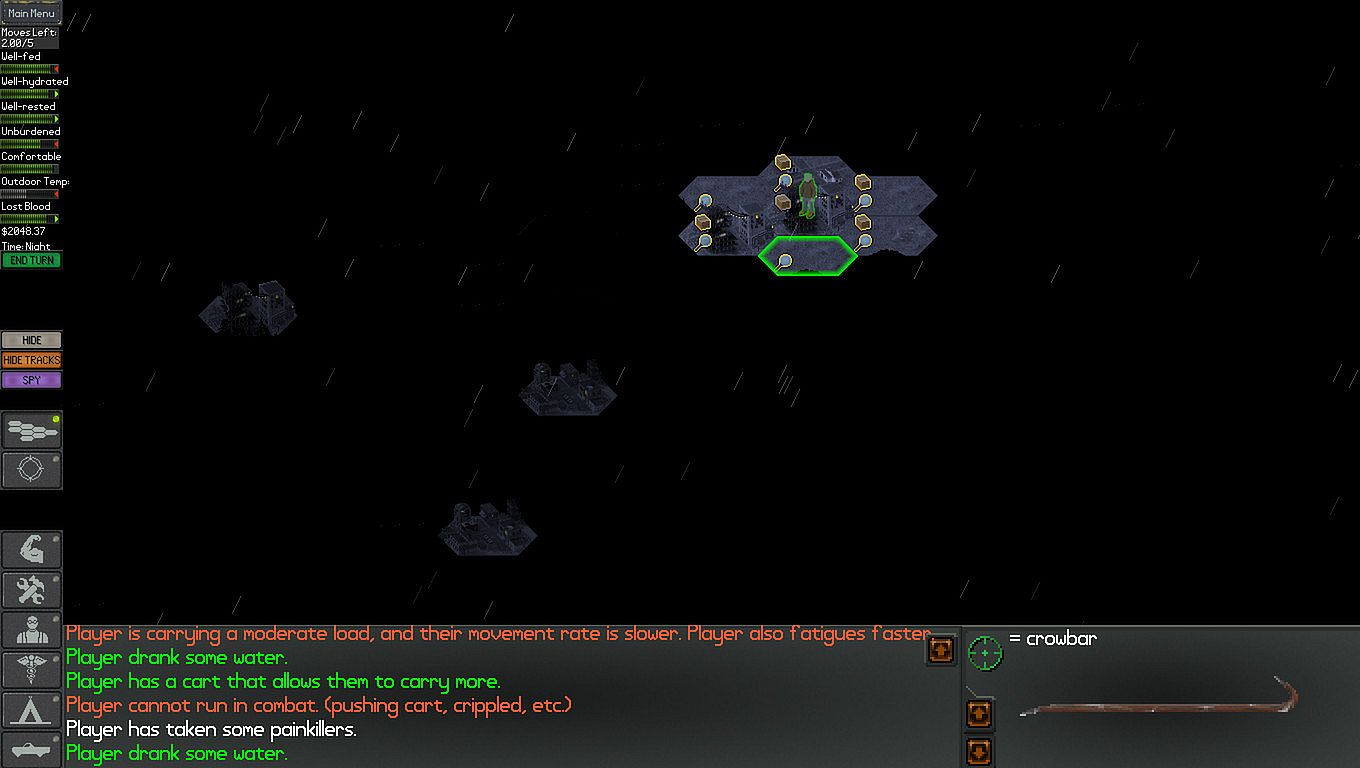
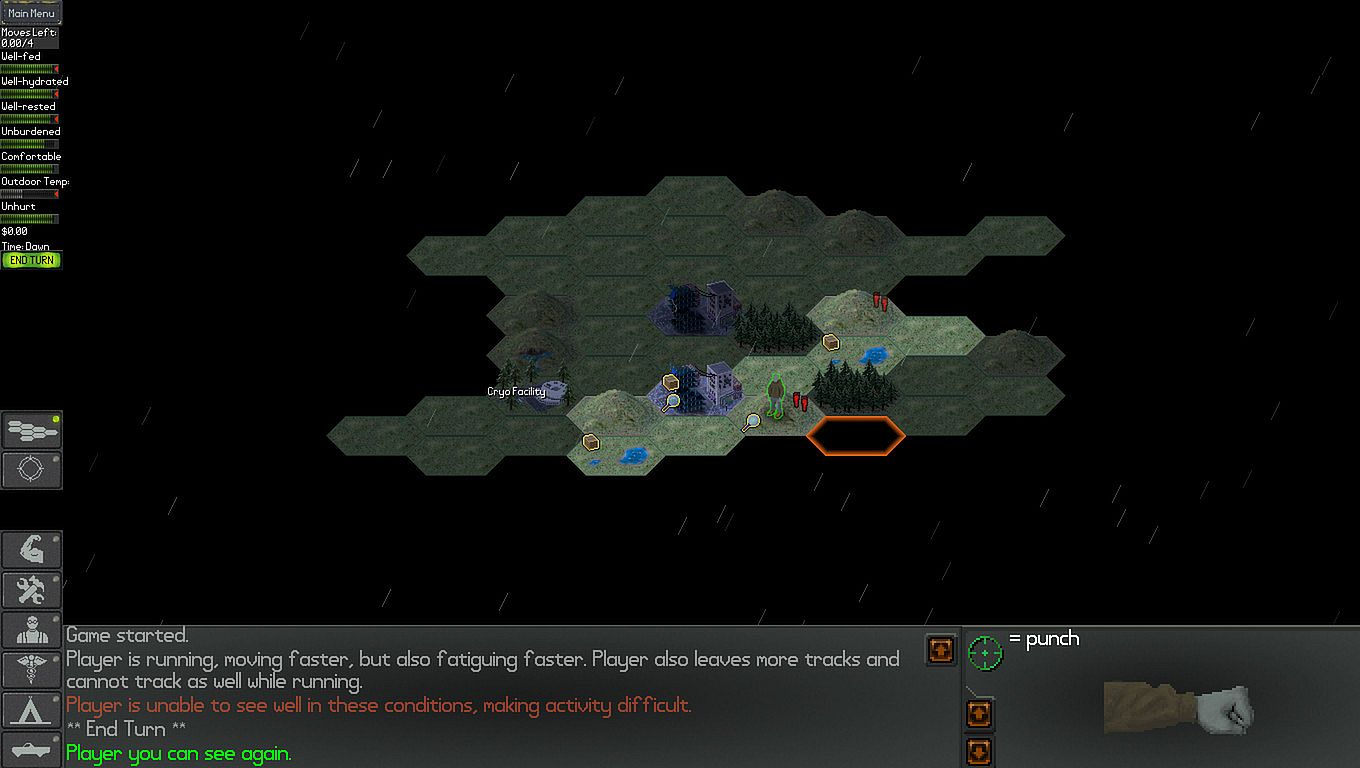
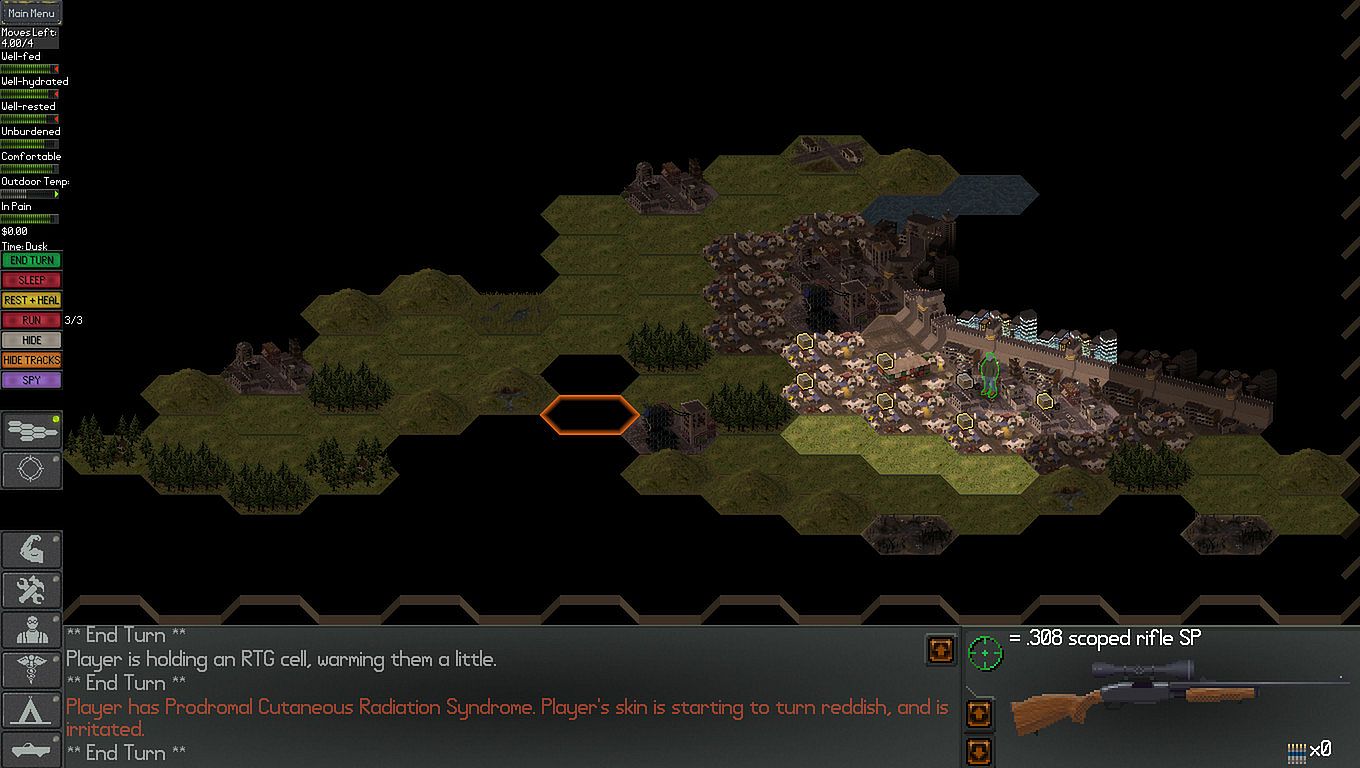
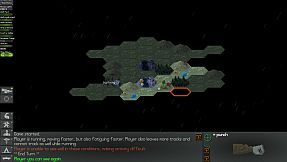
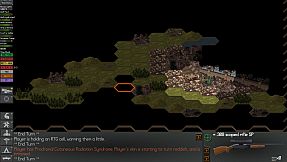
The core loop revolves around surviving one turn at a time in an environment that tracks realistic needs and conditions. Each turn advances time by an hour, during which the player selects locations on the hex grid to explore, scavenge for supplies, or rest. Factors such as line of sight, elevation, daylight, and dynamic weather based on real autumn data in the region influence visibility and exposure risks. Creatures wander independently, leaving tracks that can be followed or hidden, adding layers of tracking and avoidance to travel.
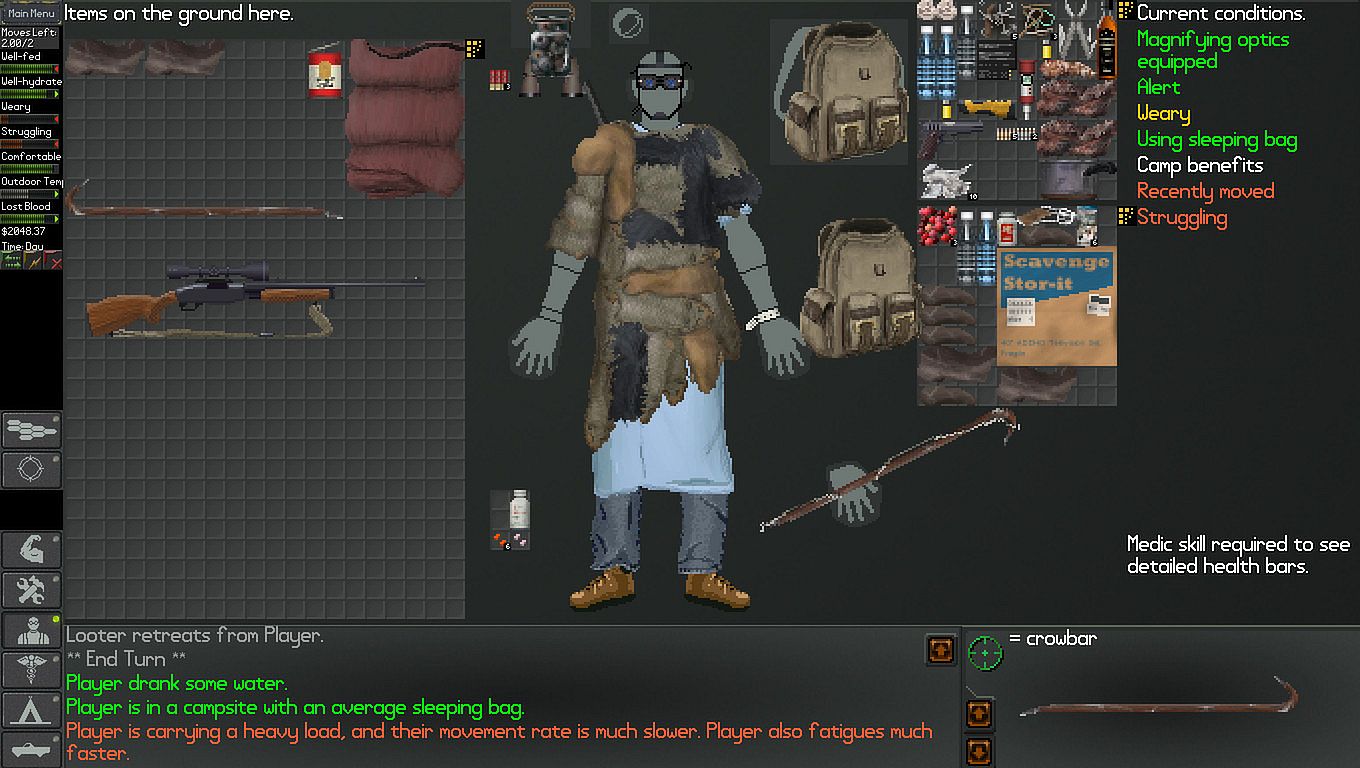
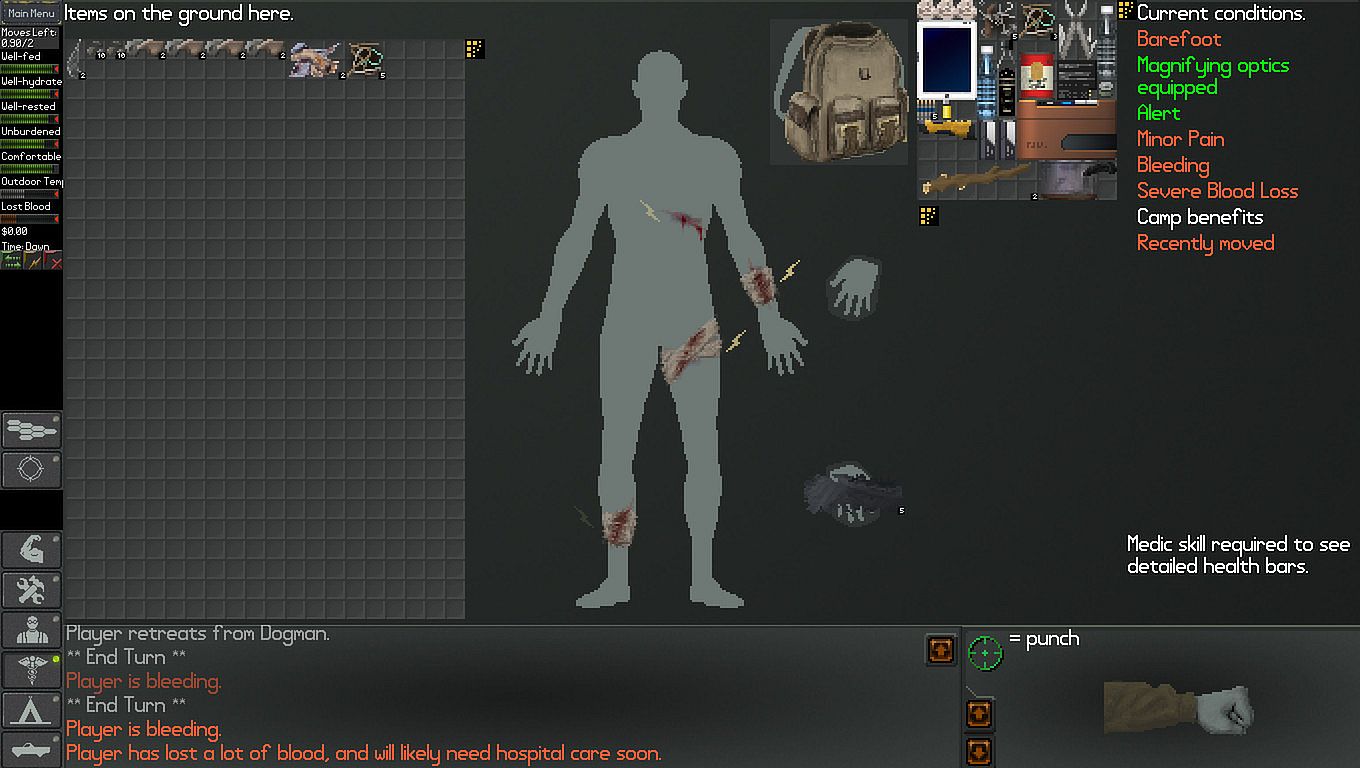
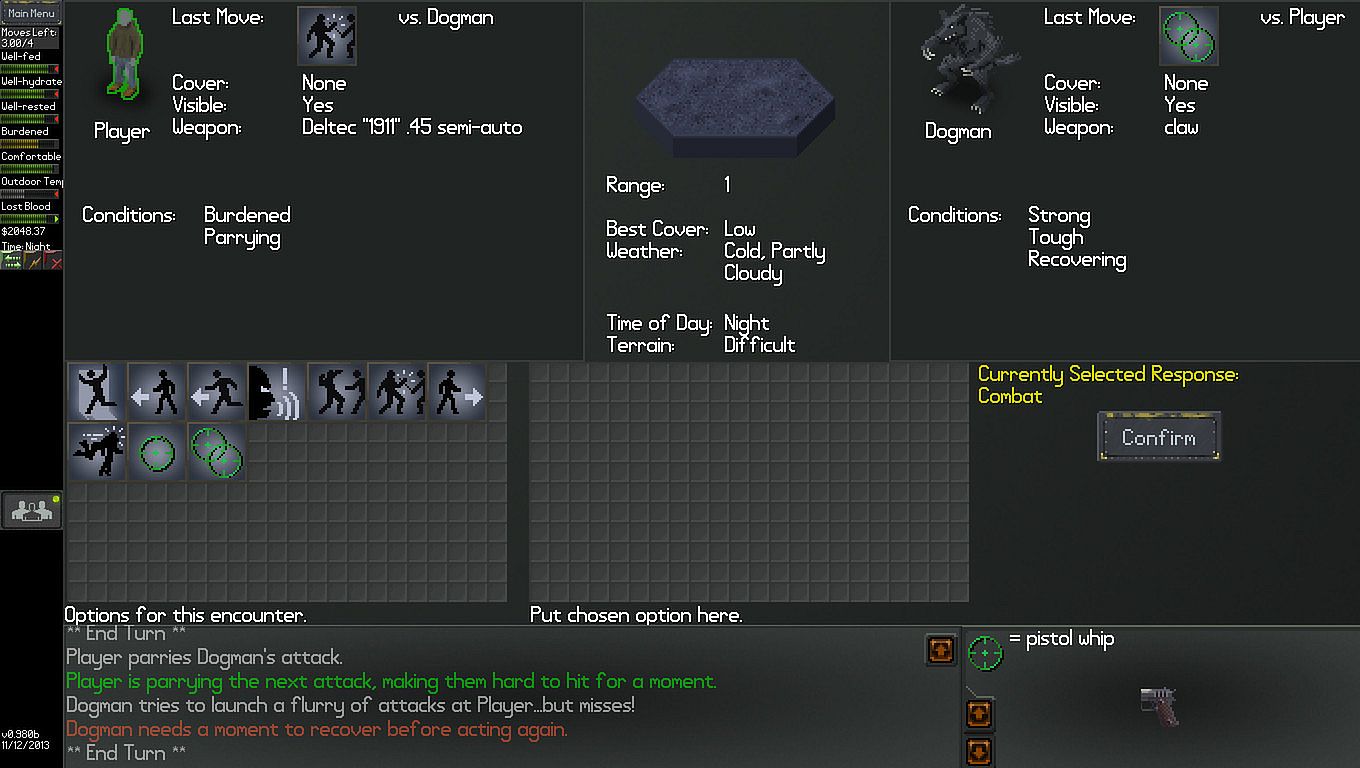
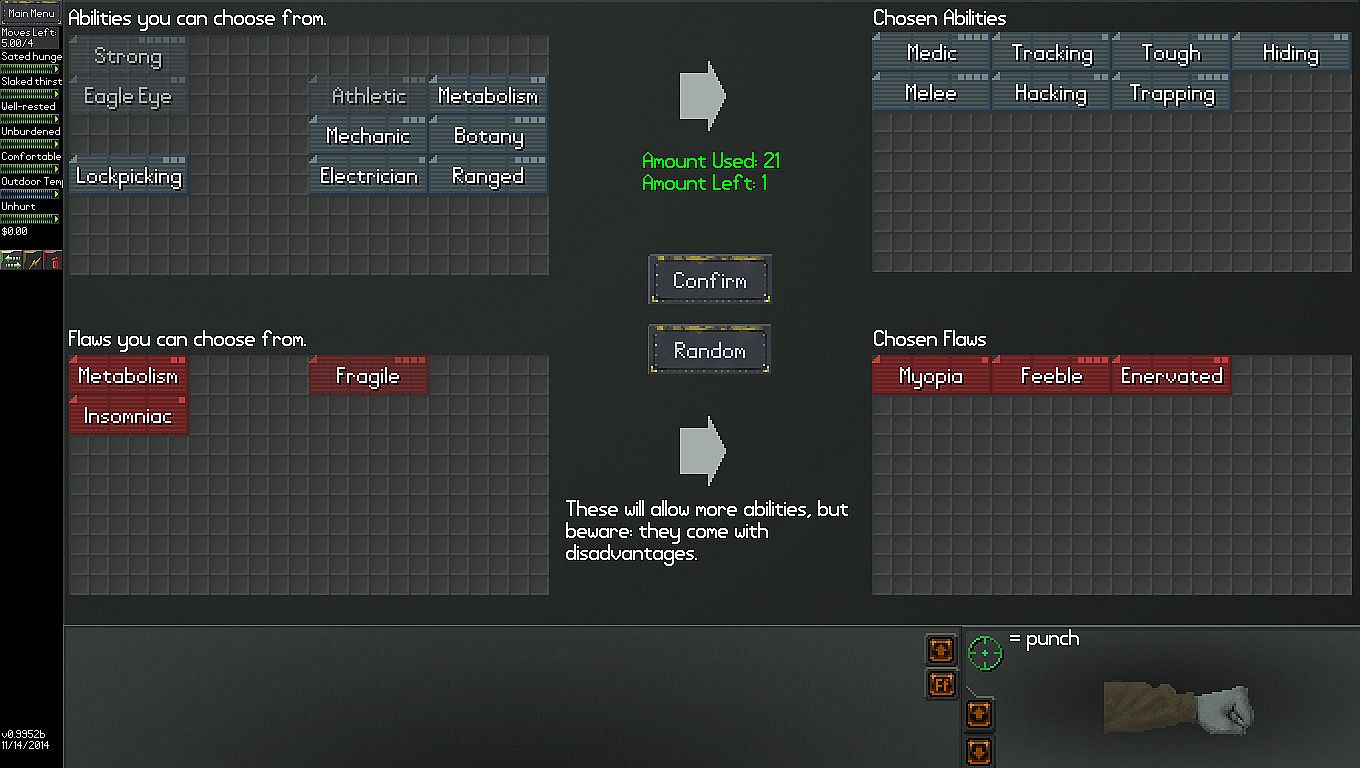
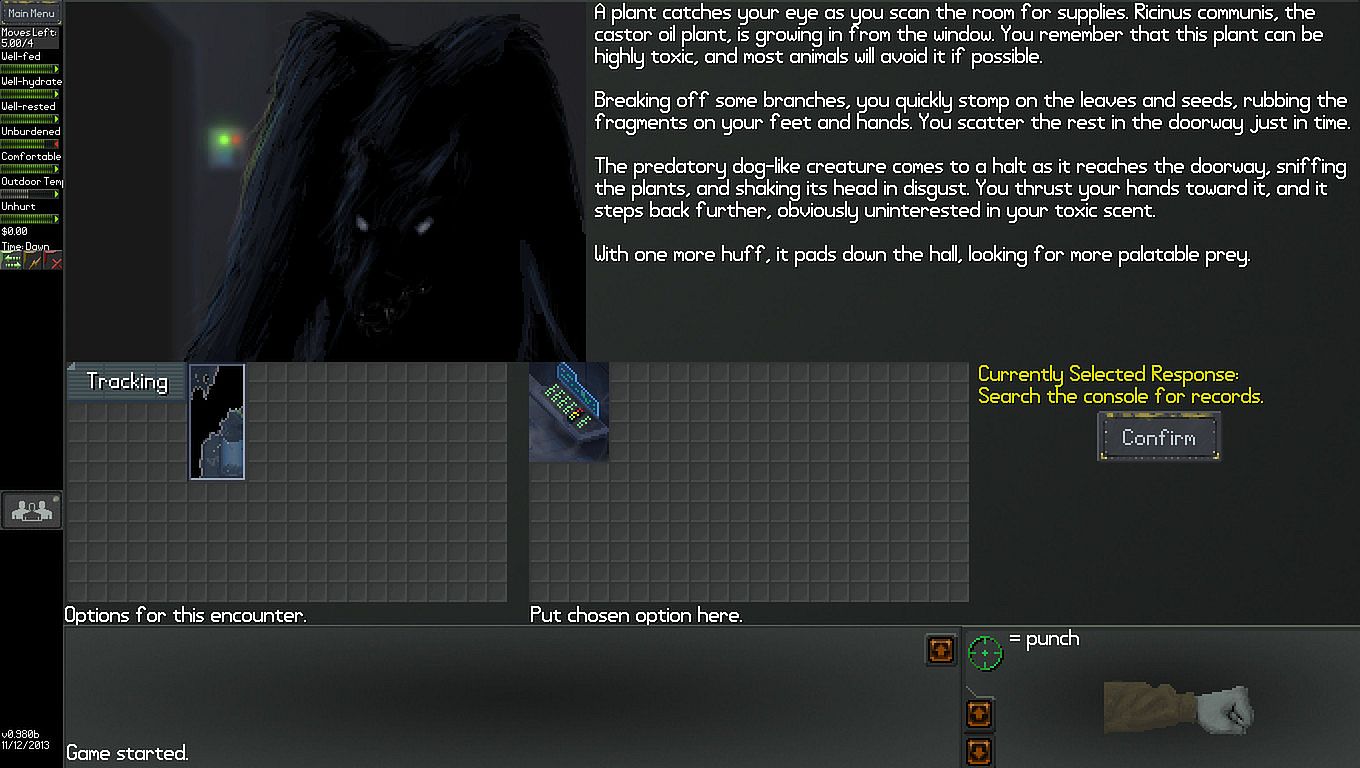
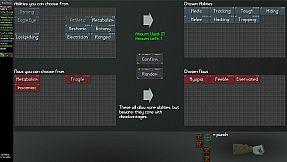
Inventory management demands attention to grid slots, containers, and encumbrance, while an extensive crafting system permits substitutions with similar items for tools, traps, and equipment. Combat unfolds through detailed turn-based actions including tackles, lures, kicks while downed, demands for surrender, and threats, paired with complex wound simulation that accounts for location, infection, bleeding, and pain. Abilities and flaws chosen at the start shape available options and quest paths, with no experience points or leveling to reward instead improved player knowledge and strategic use of strengths.
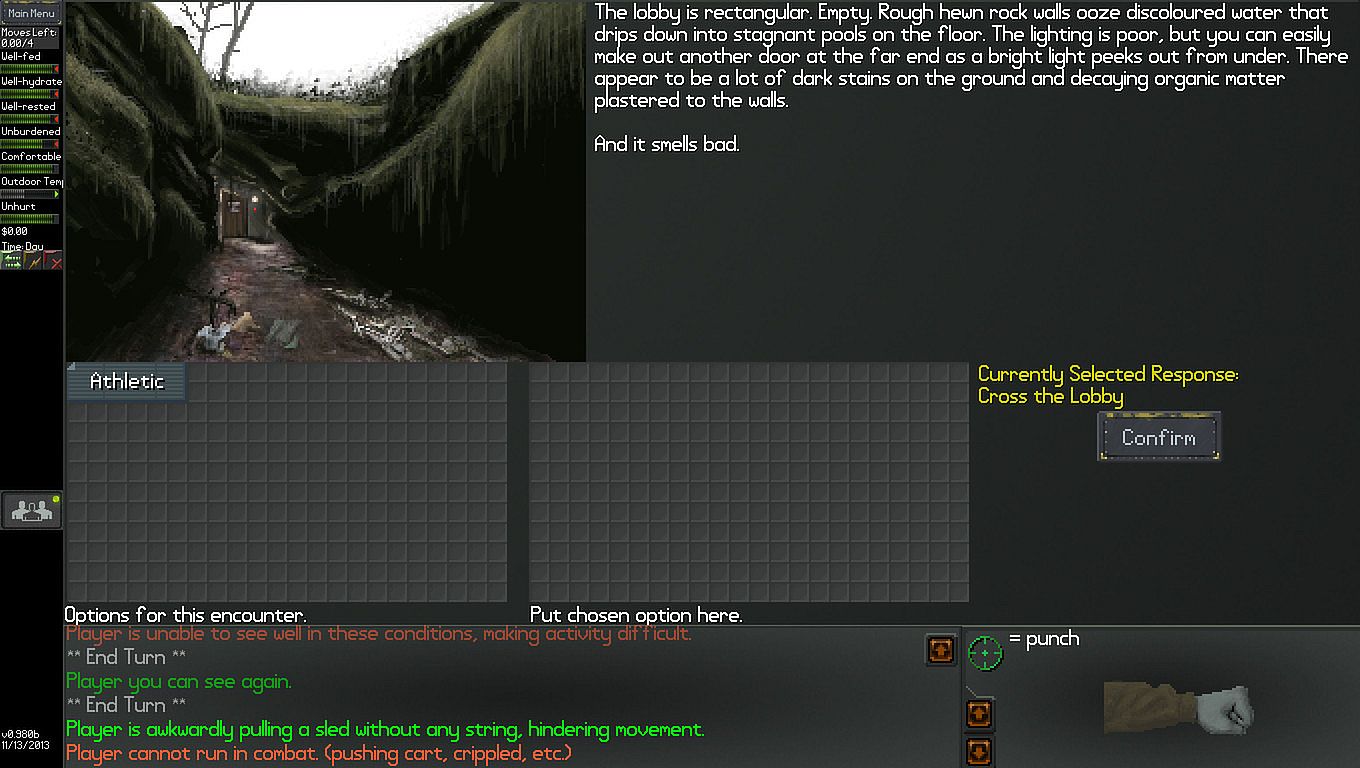
Additional systems cover foraging for safe plants and water, hunting small or large game, hacking scavenged electronics for data, and seeking shelter against hypothermia or disease. The map includes randomized elements each run, such as ruin locations and certain encounters, while Detroit serves as a rare urban refuge for trading and medical needs.
Game Modes
NEO Scavenger supports two primary approaches within its single-player framework. Sandbox play focuses on testing endurance against the environment and hostile encounters without pursuing specific objectives. Story play involves gathering clues about the character's identity, the events that led to the apocalypse, and any pursuers, unlocking different branches based on chosen abilities and flaws.
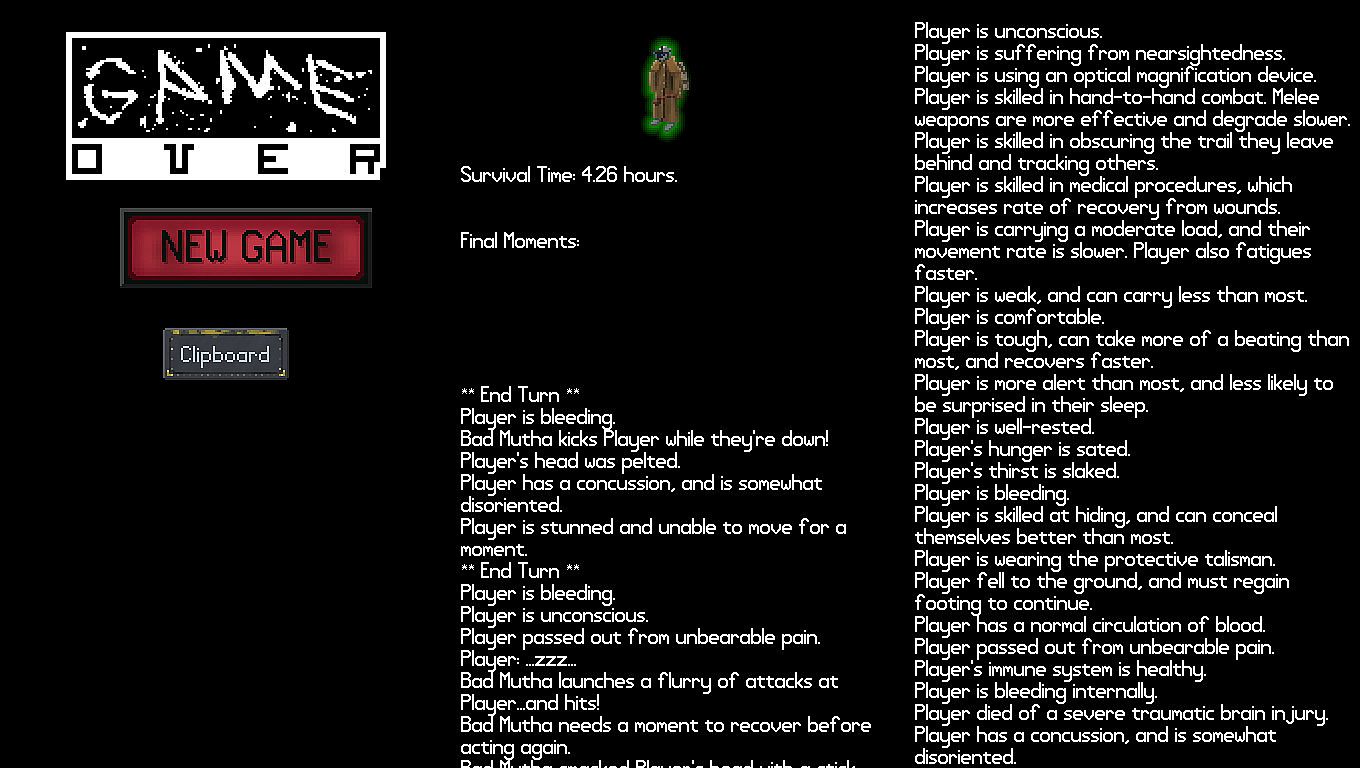
Permadeath underpins both approaches as the sole difficulty setting. Death deletes the save file, requiring a fresh start with new ability selections. This structure encourages deliberate pacing, as players can save and resume at any point but face irreversible consequences for mistakes.
Key Mechanics and Systems
Survival simulation extends to metabolism details like intoxication and shelter requirements, alongside morale effects on creature behavior that can lead to group actions. Hiding mechanics allow avoidance during travel or encounters, and a haunting soundtrack composed specifically for the game enhances the atmosphere during play sessions.
The hex map navigation incorporates elevation and daylight effects on line of sight, while semi-random generation ensures varied layouts of forests, hills, plains, and ruins across playthroughs. Crafting flexibility supports creative solutions, such as improvised scopes or noise-making devices from everyday scavenged parts.
Is It Worth Playing?
NEO Scavenger appeals to players who value deep, realistic survival mechanics in a turn-based format without grinding or progression systems. Its permadeath design and emphasis on learning through repeated attempts suit those comfortable with high lethality and careful planning. Reception highlights the strength of its inventory, combat, and environmental systems, though the interface and frequent deaths can frustrate newcomers. The game remains available on PC with a small but dedicated player base, and its core features have stayed consistent since release without recent major expansions. Those drawn to sandbox exploration or light narrative investigation in a harsh setting will find substantial replay value through different ability combinations and randomized elements.