




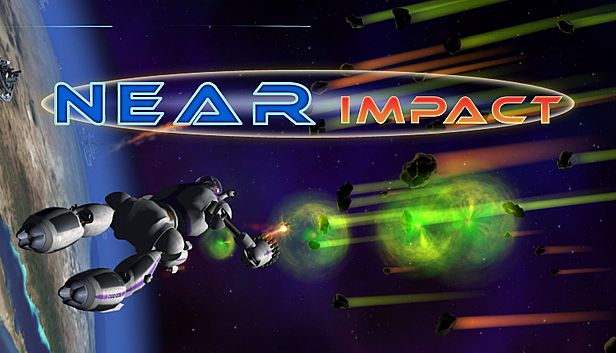














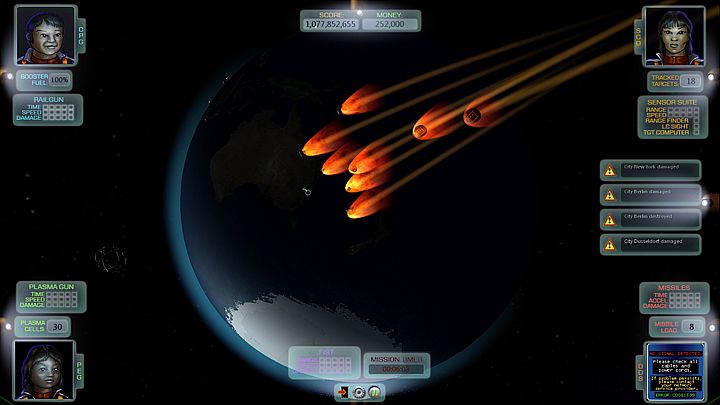
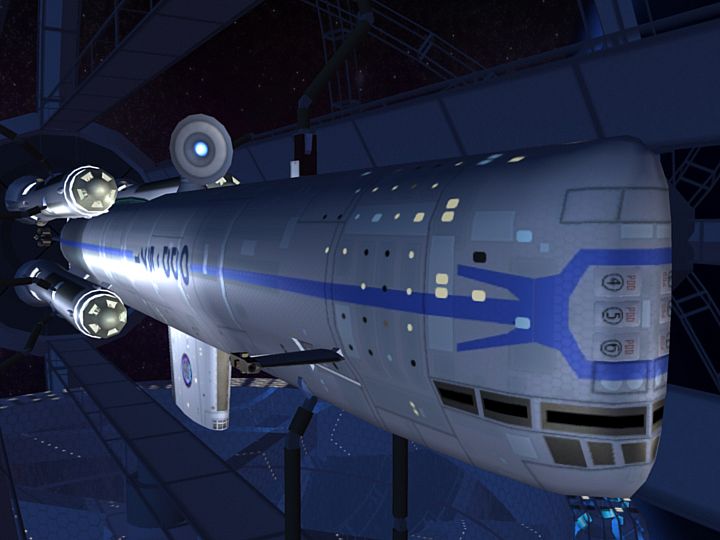
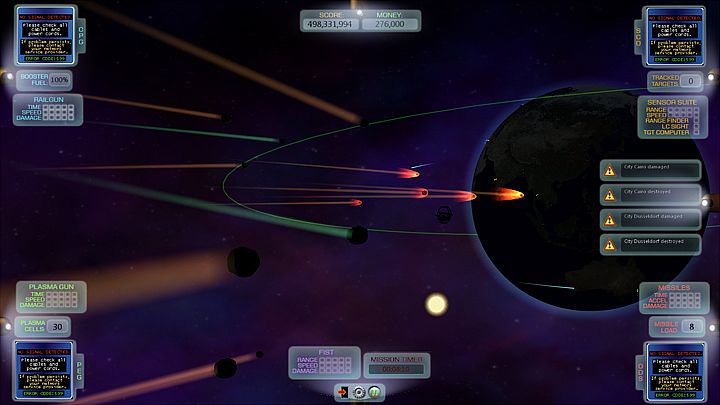
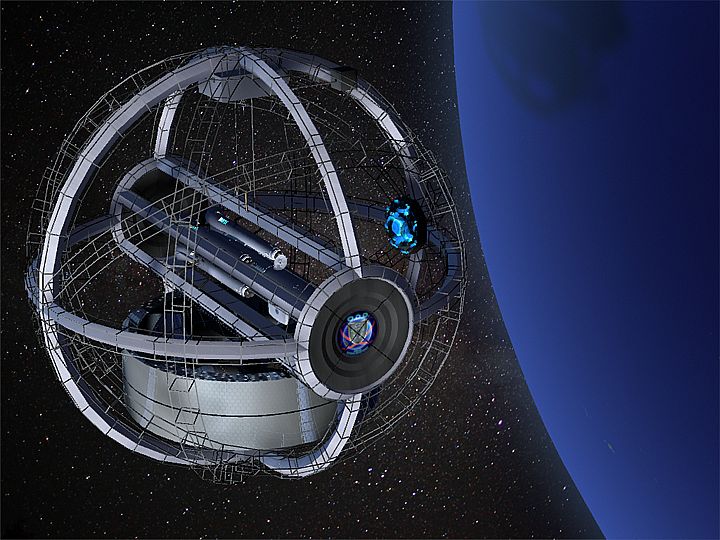
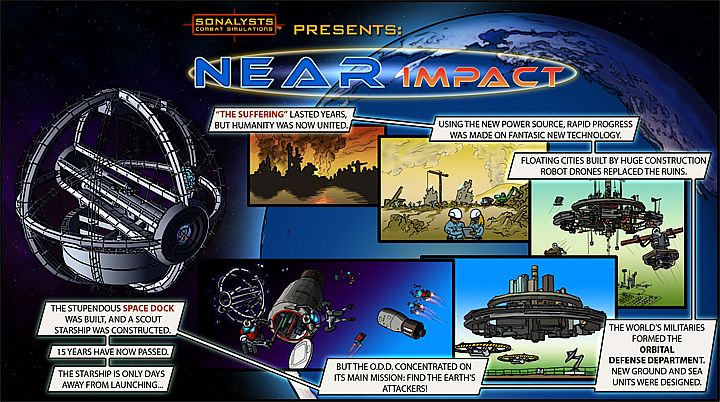
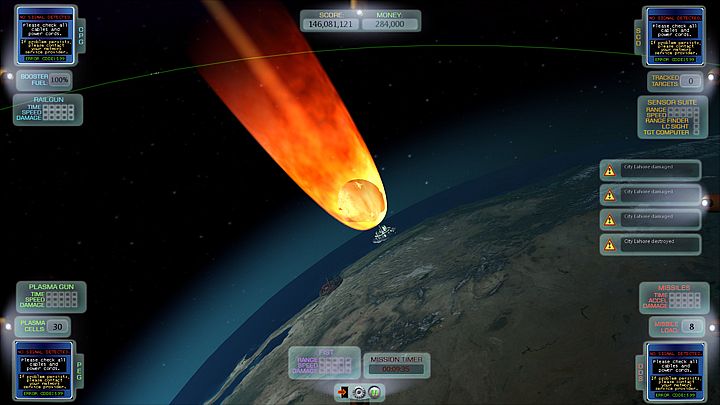
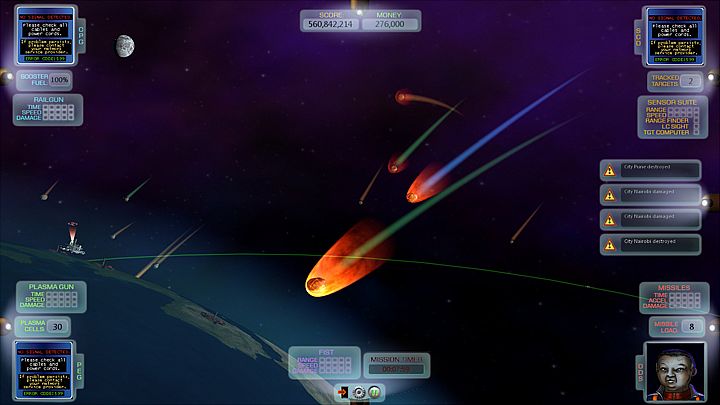
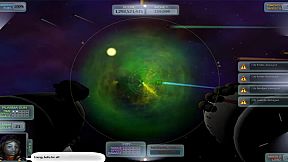
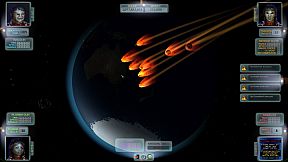
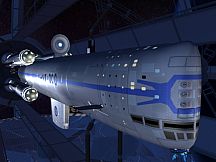
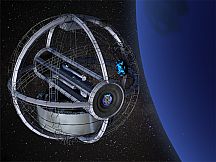
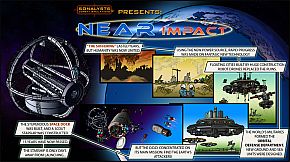
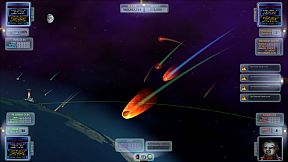
Near Impact is an action strategy game for PC that blends direct drone combat with defensive base building. Players control a single orbital robot tasked with intercepting waves of incoming asteroids before they strike floating cities on a post impact Earth. The core loop combines real time shooting, physics based projectile arcs, and resource management to keep the planet safe while a larger starship prepares for launch.
Gameplay
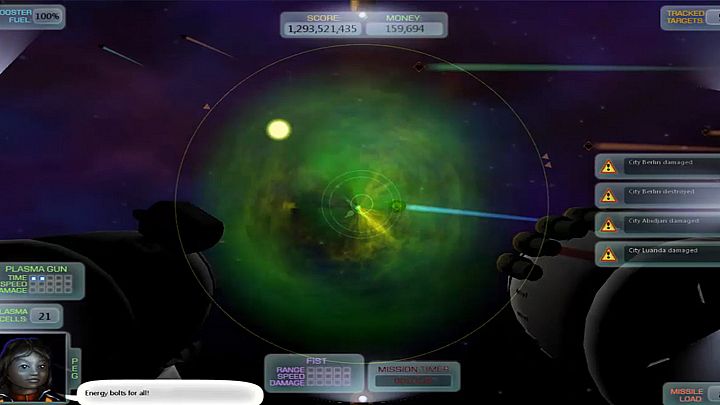
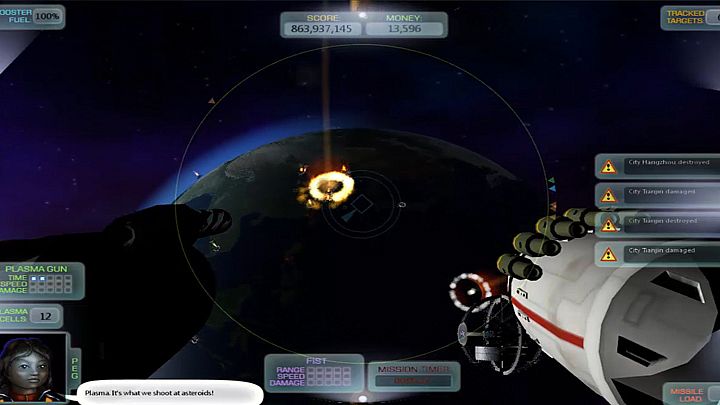
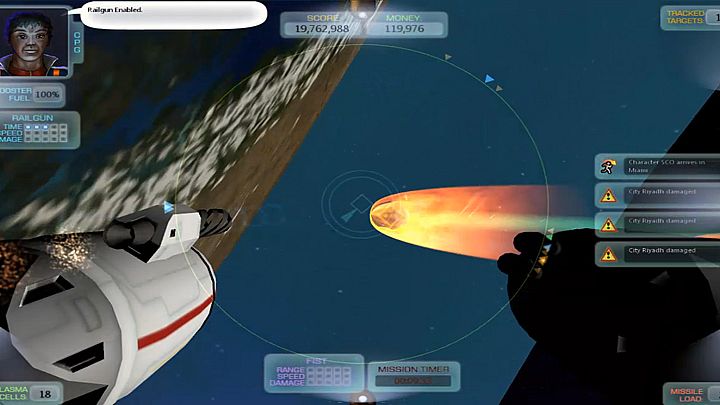
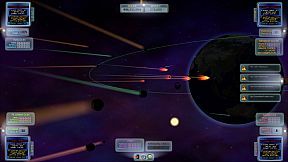
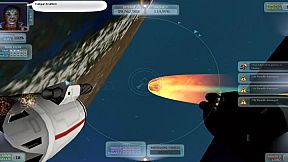
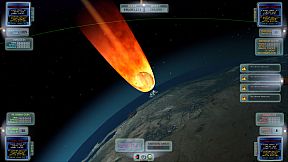
The player directs the drone robot in a constant orbit around Earth. Railguns fire rapid projectiles that curve under gravity, missiles lock onto targets, plasma cannons deliver close range bursts, and rocket powered fists provide a final melee option. Because the robot circles the planet, every shot requires accounting for the changing angle and velocity. Asteroids accelerate on approach, and some that look like near misses can bend into collision courses or enter temporary orbits that return as later threats.
Currency earned from destroyed asteroids funds ground defenses. Clicking a city lets players deploy ships, submarines, aircraft, tanks, and fixed installations armed with railguns or missiles. These units form a last line of protection around populated areas. The same currency also purchases upgrades that increase projectile speed, range, and damage for the drone weapons or improve the effectiveness of ground units.
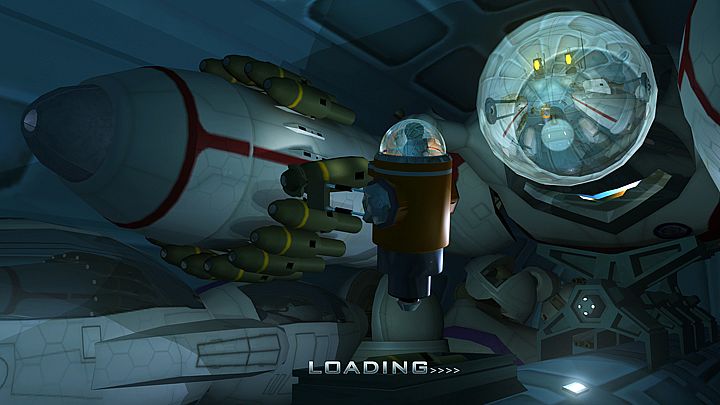
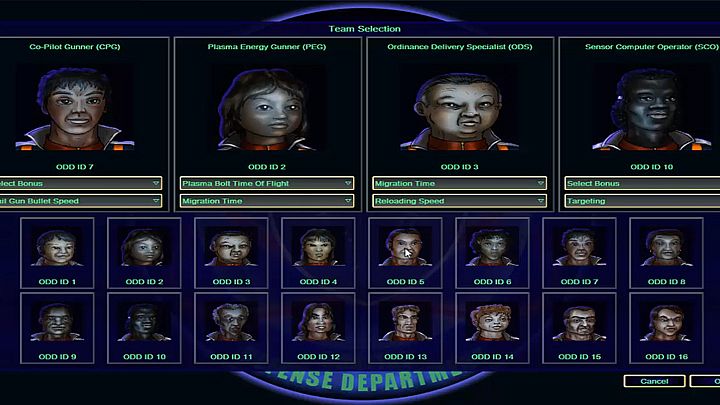
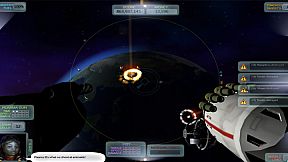
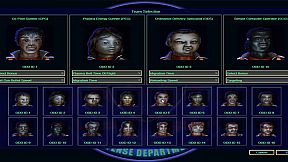
Upgrades for the drone arrive via an orbital supply pod that the robot must physically reach. Ground unit upgrades deploy automatically. A team of four drone operators provides voice commentary on events such as low ammunition or new sensor contacts while granting passive bonuses to assigned systems. The longer survival continues, the denser the asteroid waves become, with new spawn angles and tougher asteroid variants appearing over time.
Game Modes
Near Impact offers a single continuous survival experience rather than separate named modes. Players can emphasize different elements to suit their preferences. Those who prefer shooting can focus almost entirely on the drone robot, manually adjusting its orbit and engaging asteroids directly. Others can lean into tower defense by investing heavily in ground units and letting the drone handle only the most immediate threats.
Hybrid approaches reward balanced play with higher scores. Manual control of the drone thrusters allows players to break orbit temporarily, rendezvous with supply pods, and reposition for better firing angles. Pure orbital play keeps the robot on its default path while still requiring precise timing for shots that must account for gravitational arcs. The ascending difficulty ensures that every wave tests the chosen strategy as asteroid numbers rise and new attack vectors open.
Team and Resource Systems
Selecting the right team of four operators adds another layer of strategy. Each character brings unique voice lines and system bonuses that players assign before waves begin. These bonuses affect weapon performance or defensive unit output, encouraging experimentation across multiple runs. Resource management stays tight because every asteroid destroyed yields currency that must be split between immediate ground defenses and long term drone upgrades.
Orbital mechanics remain central throughout. Projectiles follow shifting trajectories, asteroids gain speed near the planet, and missed threats can loop back later. This creates constant tension between shooting efficiently and positioning the drone to collect upgrades without leaving cities exposed.
Is It Worth Playing?
Near Impact suits players who enjoy hybrid action strategy experiences that mix precise shooting with light tower defense elements. The orbital physics and variable play styles give it lasting appeal for those who like experimenting with different approaches in a single session. With only a handful of reviews available and no recent updates, the game remains a niche title best suited to fans of older indie strategy games who appreciate its focused mechanics over modern production values. Those seeking a straightforward asteroid defense challenge with meaningful choices in how they engage threats will find the core loop engaging, while players looking for frequent content updates or large communities may want to look elsewhere.















