




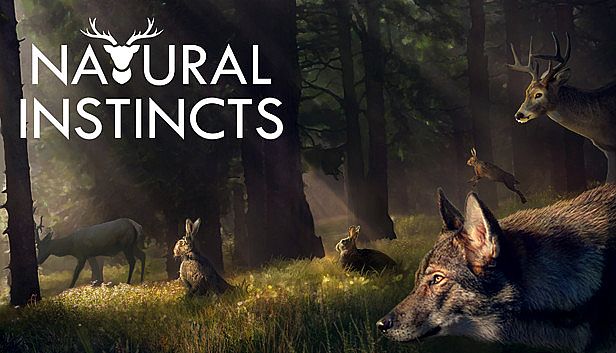








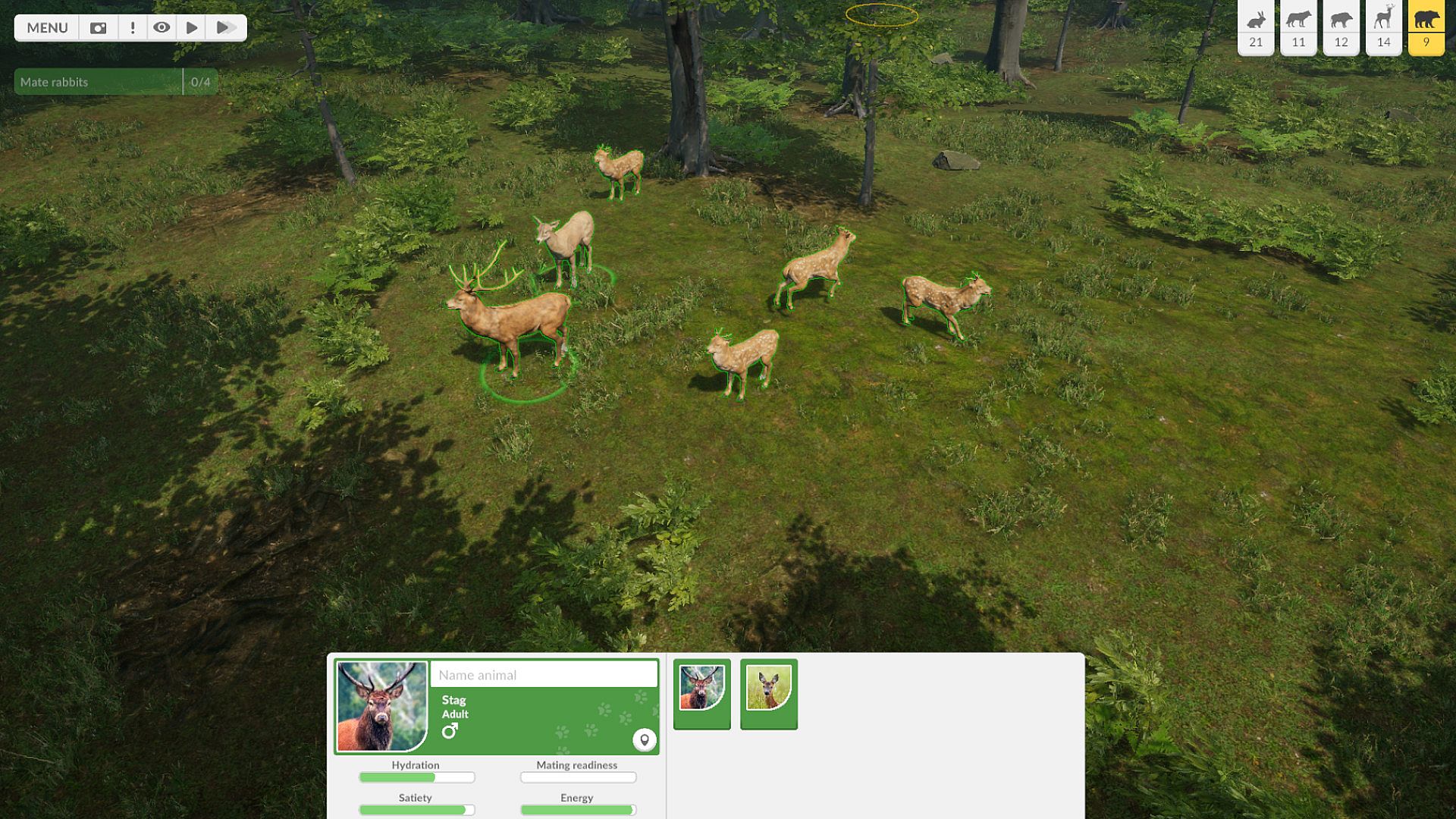
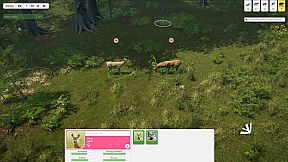
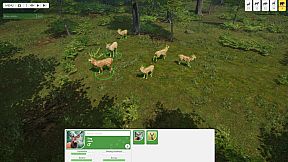
Natural Instincts: European Forest is a singleplayer strategy and simulation game focused on managing wildlife populations in European forests. Players guide various animal species through environmental challenges while maintaining ecological balance through selective breeding and direct commands.
Gameplay
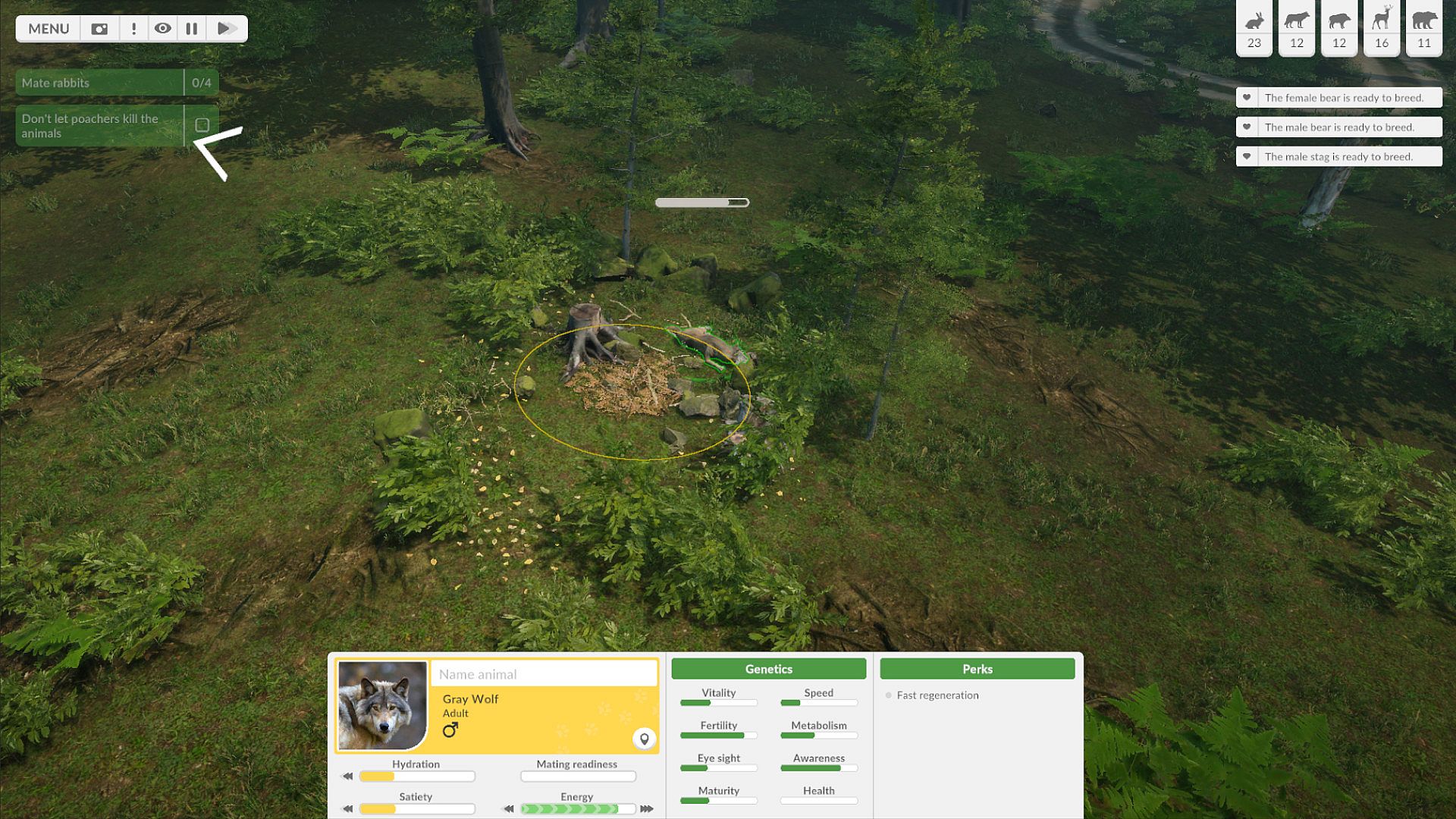
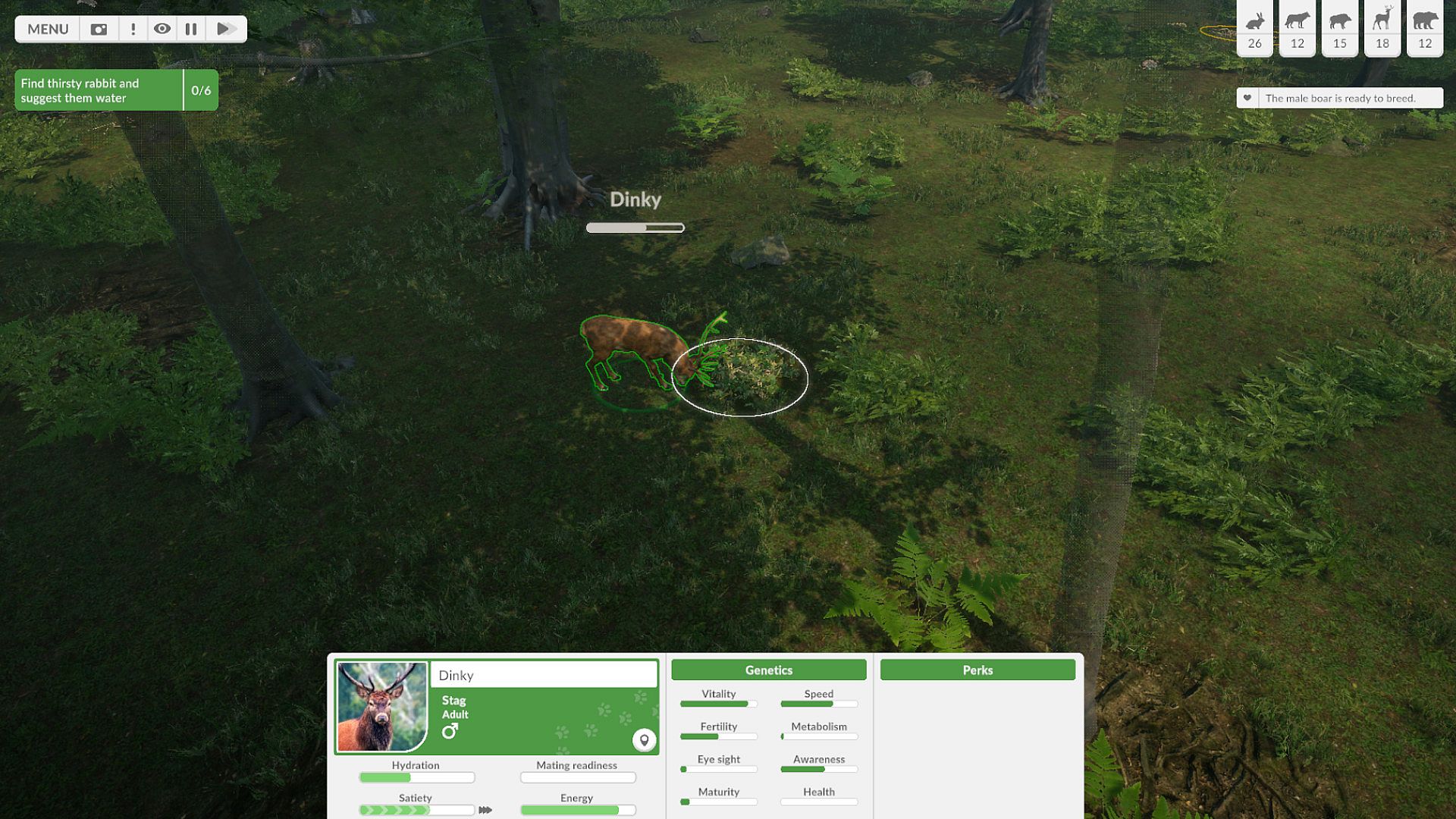
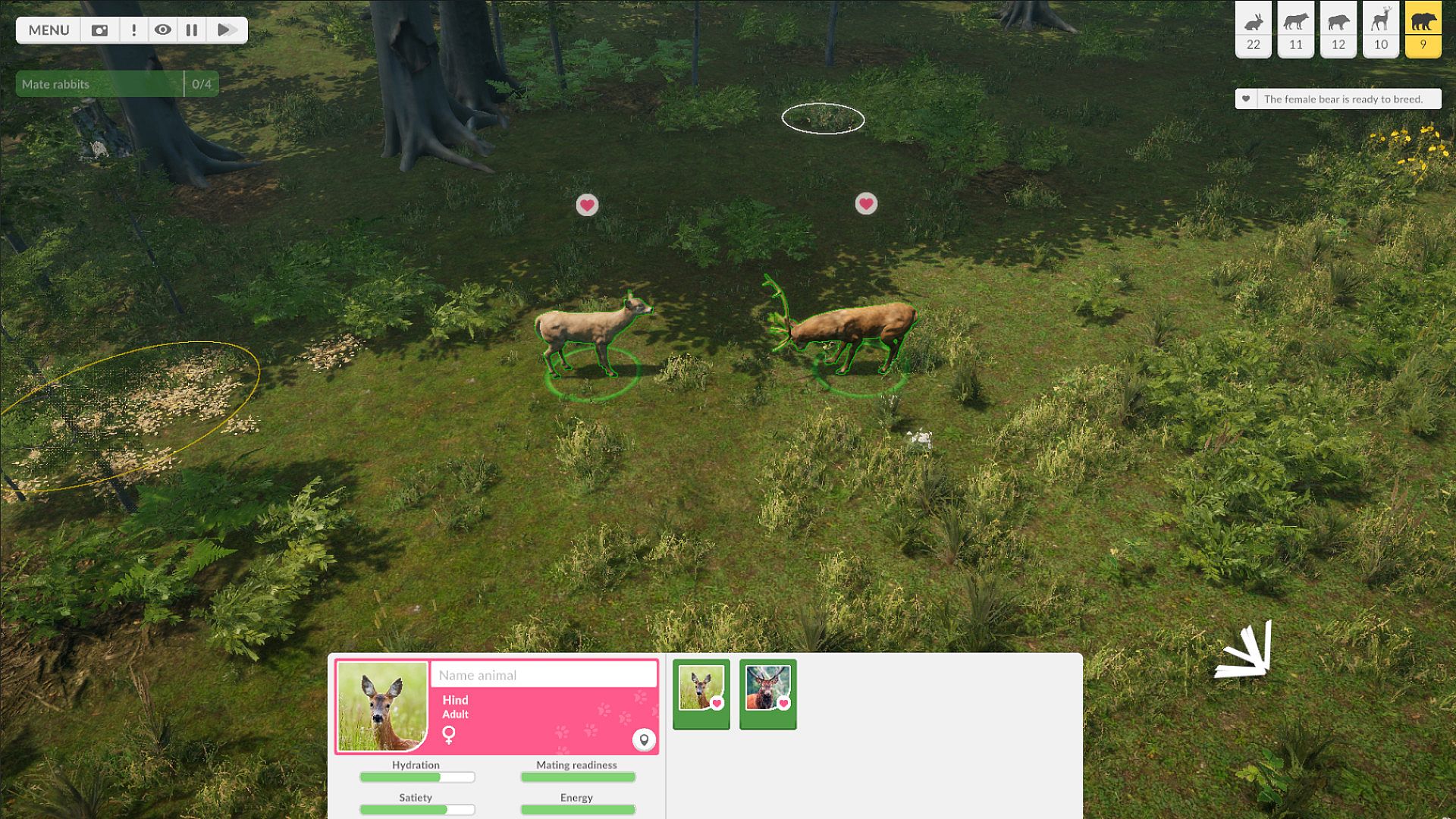
The core loop centers on observing animal behavior and issuing targeted instructions to help groups survive. Each animal carries inheritable traits that influence strength and adaptability across generations. Careful selection during breeding helps build more resilient packs or colonies over time. Prey and predator numbers must stay in proportion, as imbalance quickly leads to population decline for one side or the other.
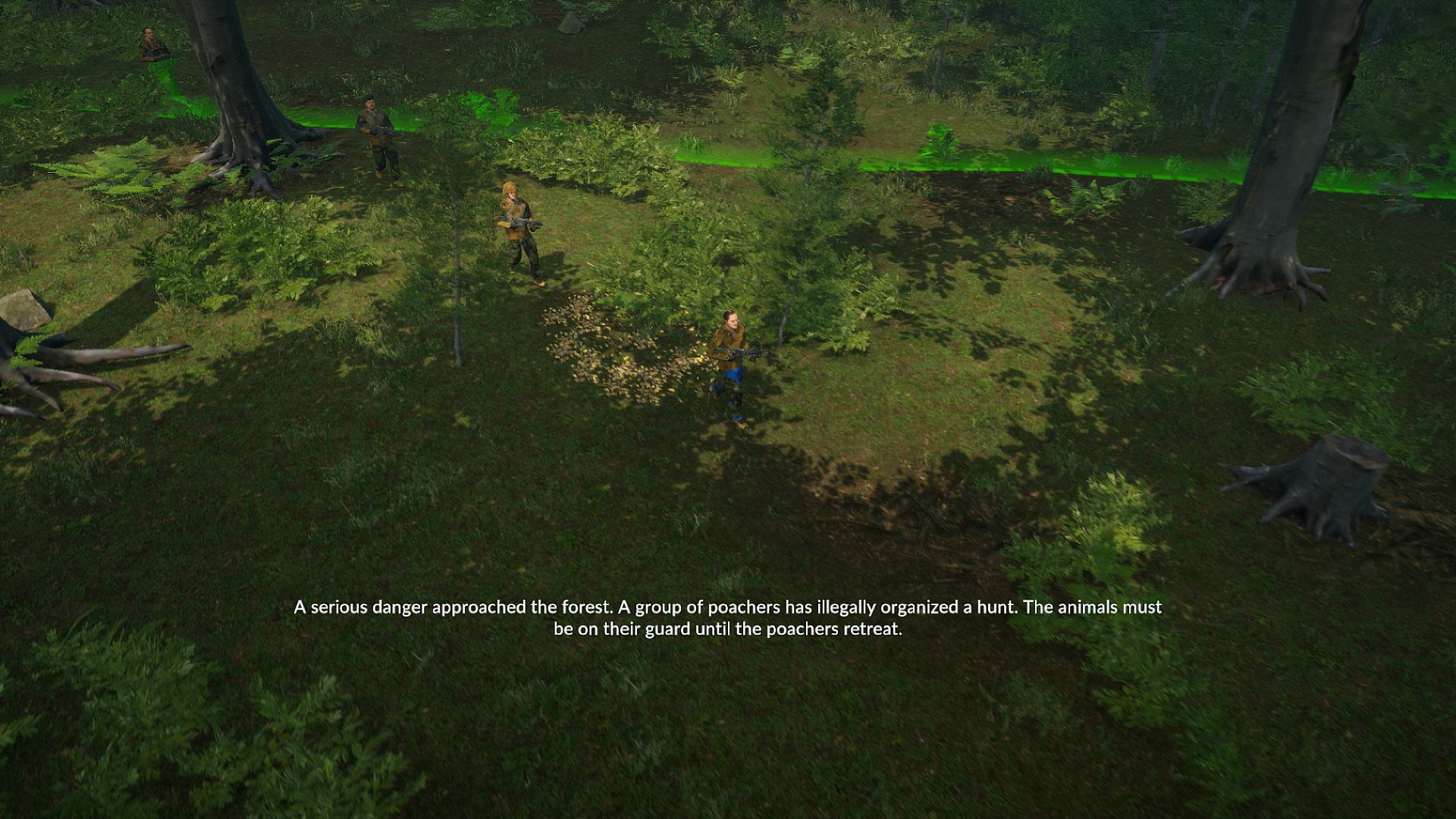
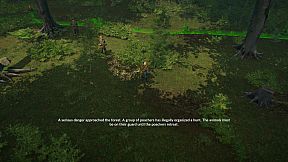
Events such as poacher encounters or illegal dumping sites require immediate intervention. Commands steer animals away from roads, waste, and other hazards. Volunteers occasionally assist with cleanup or feeding efforts, providing temporary support during crises. Animals respond to repeated guidance by learning safer patterns, though poor decisions can accelerate local extinctions.
Unique habits appear for each species. Wolves coordinate hunts, deer follow seasonal movements, and fawns remain scentless at birth to reduce detection risk. These behaviors play out in real time as players watch and adjust strategies accordingly.
Game Modes
The game structures its content around several distinct campaigns. Each campaign follows one European forest species and presents a focused narrative of survival pressures. Short scenarios cover wolves, rabbits, and wild boars, among others. Within these stories players complete targeted tasks that reveal daily habits and environmental threats specific to the chosen animal.
Progression depends on successful breeding cycles and hazard avoidance rather than open-ended sandbox play. The campaigns remain self-contained, allowing players to experience different perspectives without carrying progress between them.
Key Mechanics
Breeding decisions form the strategic backbone. Traits passed to offspring determine future success against predators or human interference. Maintaining equilibrium between species prevents cascading failures in the simulated ecosystem. Direct commands override natural movement when immediate danger appears, while long-term observation reveals patterns that inform better choices.
Human-related threats appear regularly. Poachers and pollution sources test reaction speed and planning. Volunteer assistance arrives at intervals, offering relief during extended challenges. The overall system rewards patience and foresight over rapid expansion.
Is It Worth Playing?
The game suits players interested in calm simulation experiences centered on conservation themes. Its mixed reception on Steam reflects divided opinions on pacing and depth, with some appreciating the focused species campaigns and others noting limited variety. Those who enjoy managing small populations and watching generational changes may find the systems engaging. The title remains available on PC and continues to receive occasional updates that address balance and content additions. Individuals seeking high-action strategy or competitive elements will likely find the pace too measured. Overall it delivers a niche wildlife management experience best suited to fans of relaxed, educational simulations.















