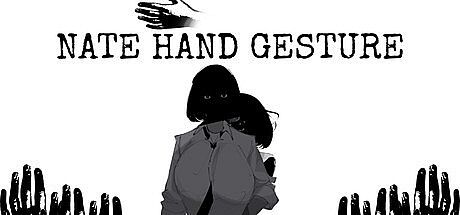


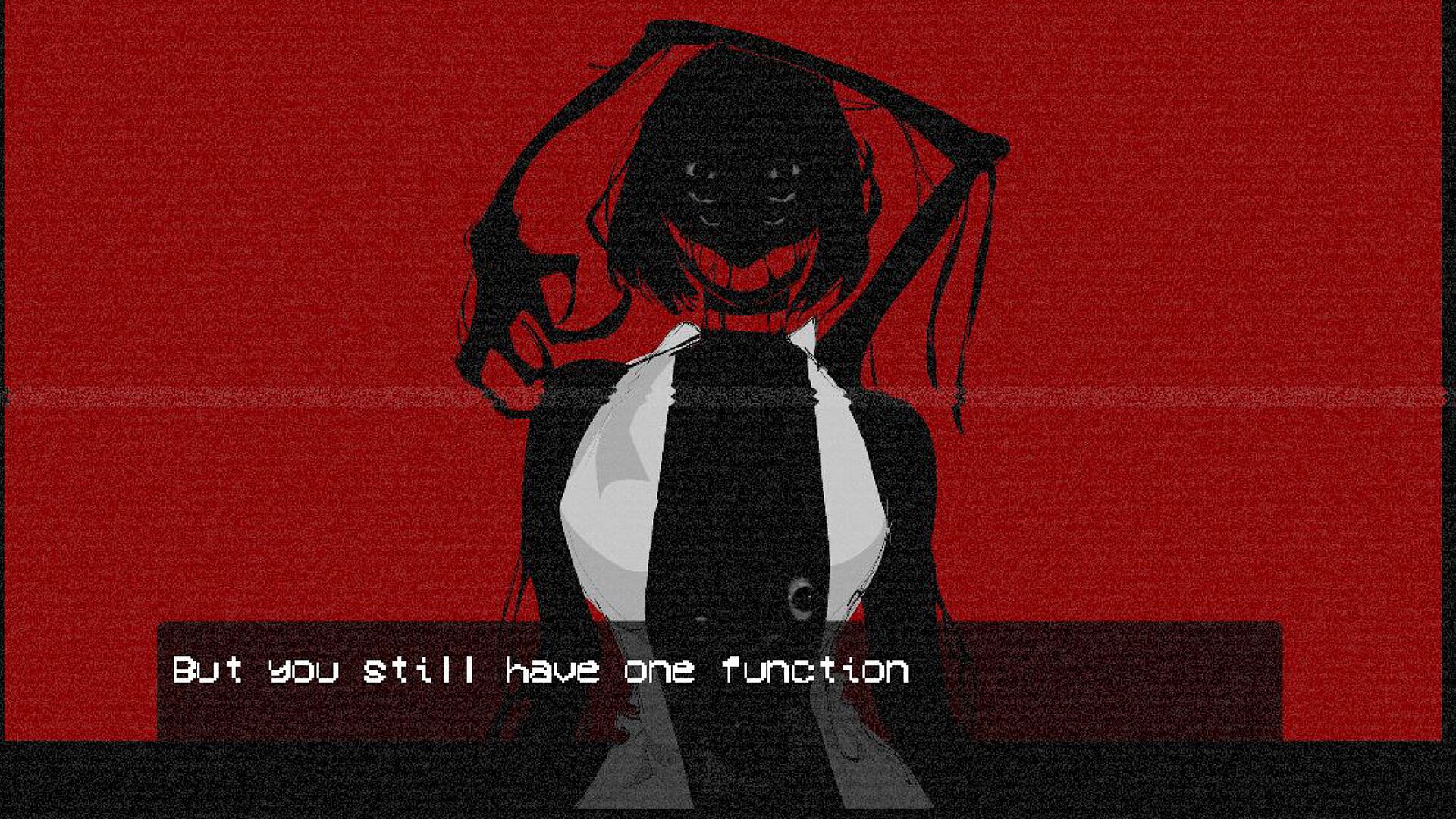
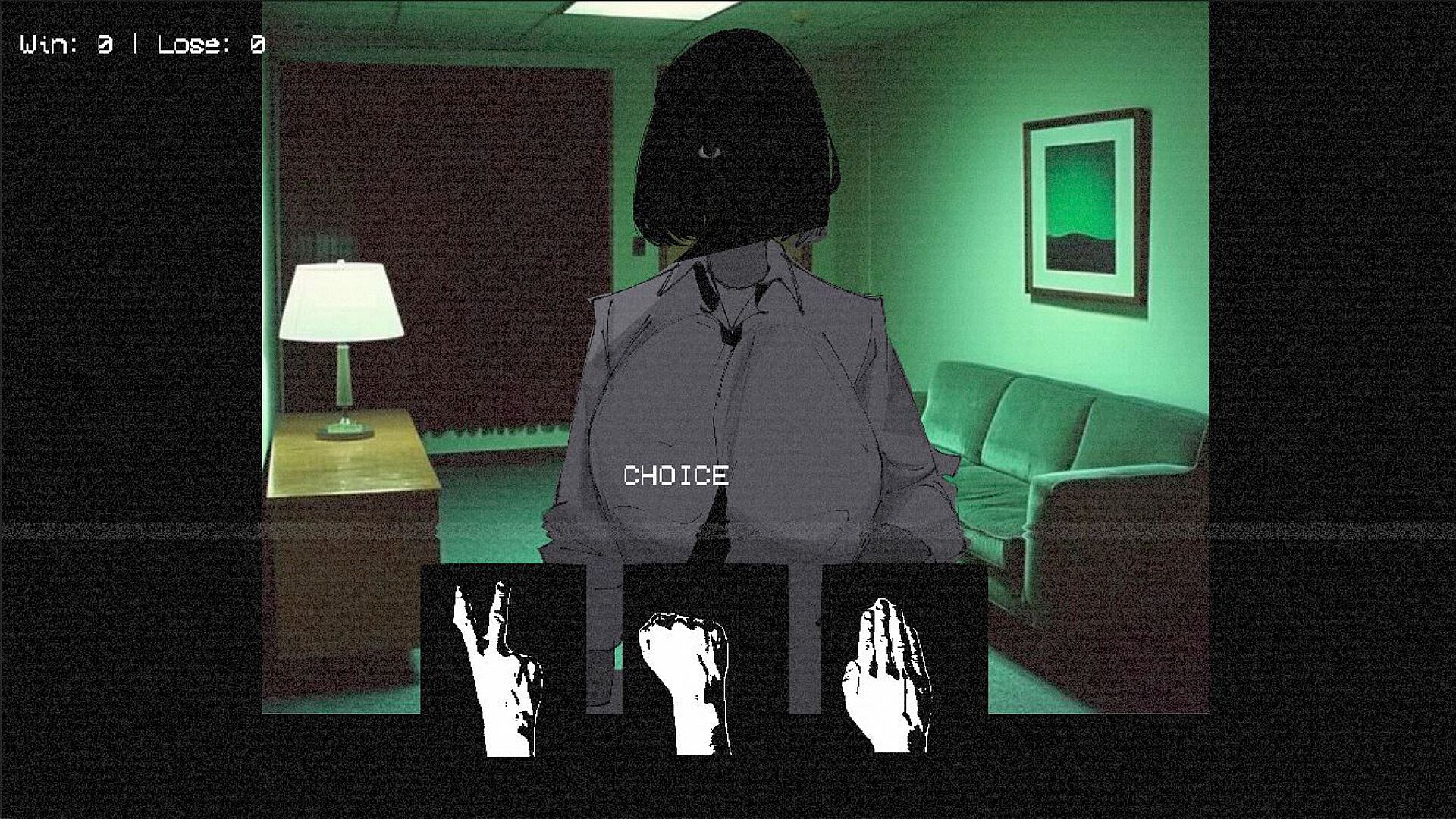
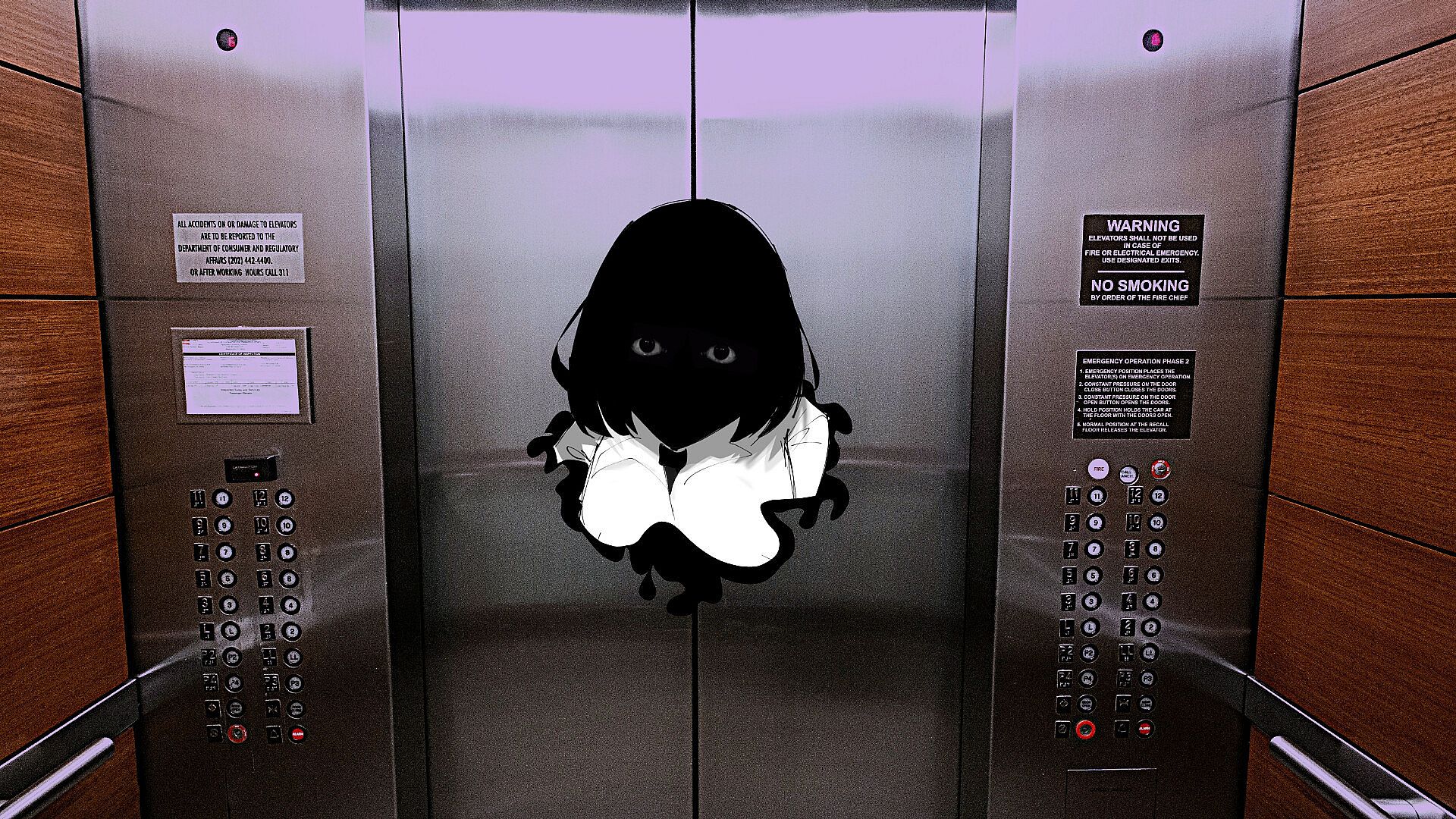
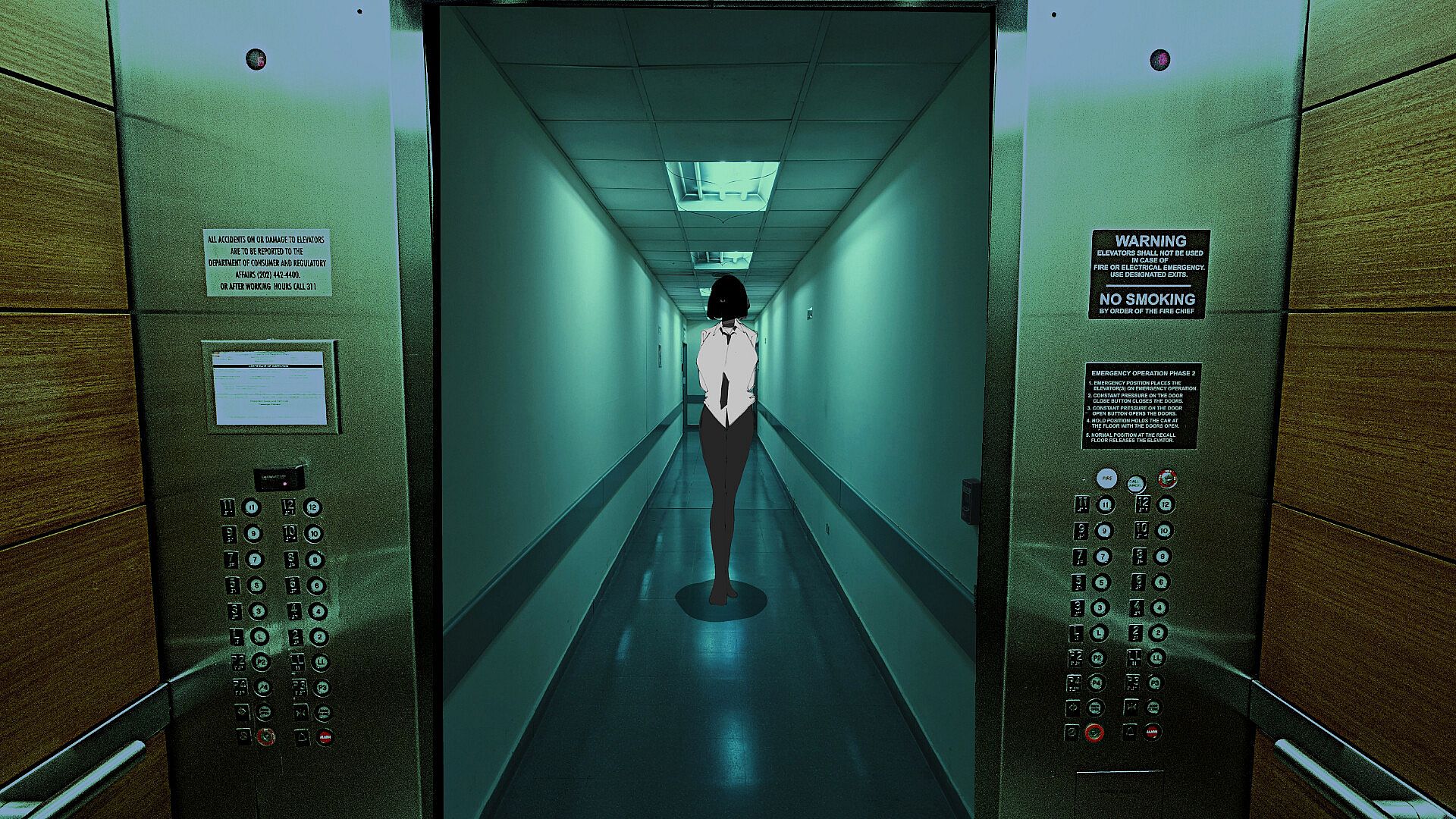
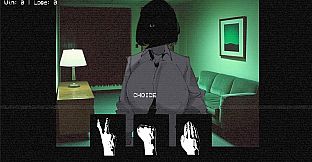
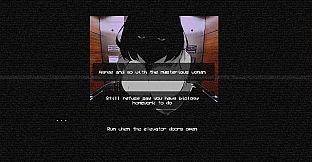


Nate Hand Gesture is an indie psychological horror visual novel developed for PC. Players take on the role of someone trapped in a tense encounter with an entity named Nate, who engages in a hand gesture game to draw out human emotions. The experience centers on dialogue choices and a rock paper scissors style mini game that determines outcomes based on the entity's shifting mood.
Gameplay
The core loop revolves around conversation and the hand gesture mini game. Each round requires selecting rock, paper, or scissors while monitoring Nate's reactions through dialogue options. Keeping her mood stable influences whether she allows a win or forces a loss, which in turn shapes the immediate story direction. Hidden elements appear through repeated playthroughs, revealing additional routes when players gather more context from prior attempts. The system rewards careful observation of her responses rather than random selections.
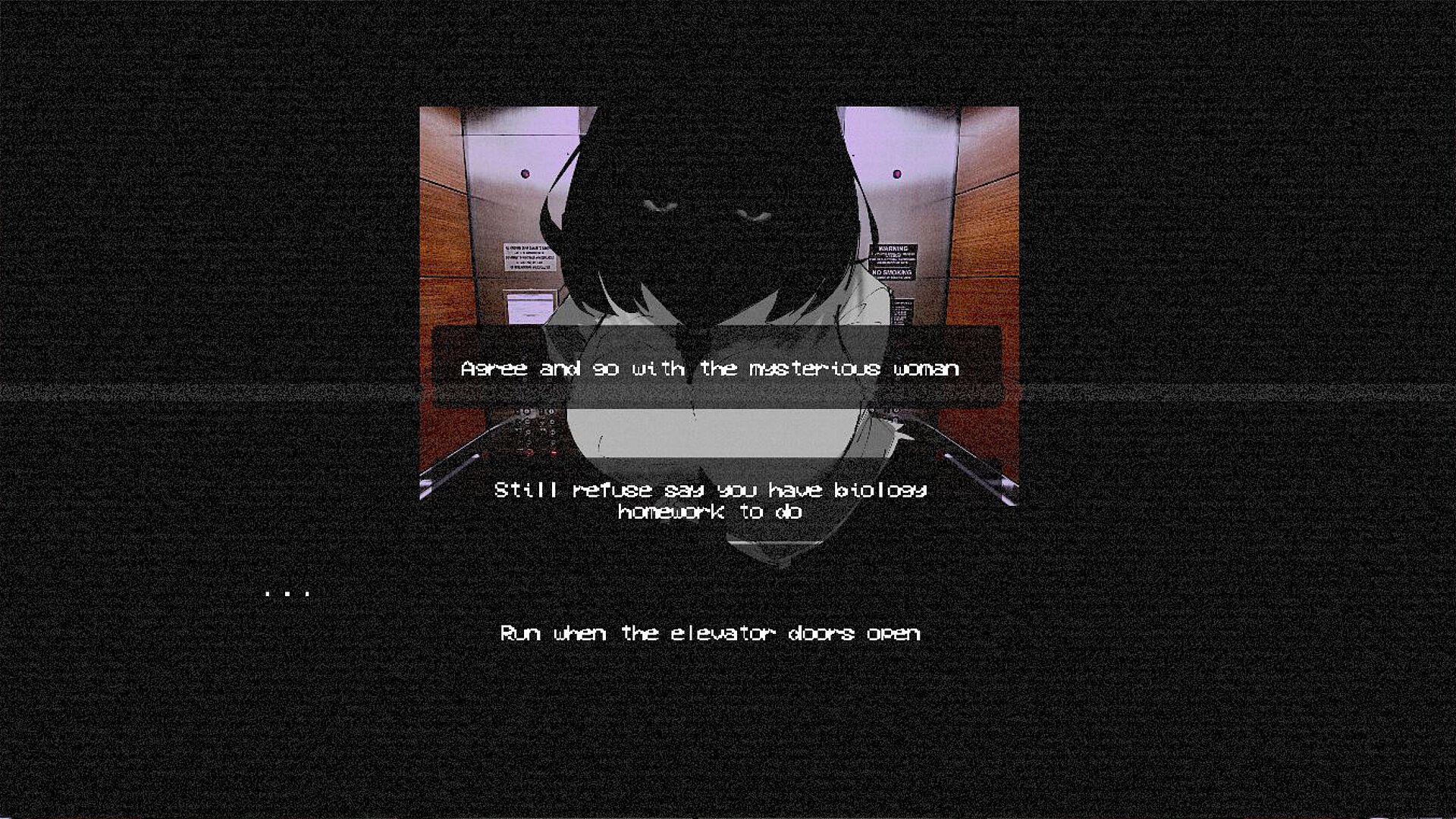
Branching occurs naturally from these interactions. A single choice during the game can open or close paths, and the amount of information collected across sessions affects later conclusions. The visual novel format keeps focus on text, static scenes, and the mini game interface without additional layers like exploration or combat.
Game Modes
The title operates as a single player experience with one primary route in the current version. This route contains multiple endings, including three death outcomes and several alternate conclusions. No separate multiplayer or competitive modes exist. Progression relies entirely on replaying the same sequence while testing different dialogue responses and hand choices to unlock variations. The structure encourages full exploration of options rather than linear advancement through distinct modes.
Story and Endings
The narrative places the player in an inescapable situation with Nate, an entity that consumes humans specifically to feel their emotions. Dialogue choices during the hand gesture exchanges drive the plot forward, with mood management serving as the central mechanic. Conclusions shift depending on how much prior information the player has uncovered, creating replay value beyond the initial playthrough. The main path resolves relatively quickly, yet accessing every ending requires additional time aligned with real world pacing to trigger specific conditions.
Features such as dating sim style interactions and hidden objects integrate into the branching system. These elements surface only through deliberate experimentation with every available option during the encounters.
Is It Worth Playing?
The current release exists as a demo featuring the complete main route and its associated endings. Players interested in short horror visual novels with choice driven outcomes and a focused mini game will find the mood management system engaging. Those seeking longer campaigns or multiple distinct routes may prefer to wait for further updates, as the Steam version remains in development. The experience suits fans of psychological tension built through simple mechanics rather than complex systems or large scale worlds. Repeated sessions reveal new details, making it suitable for anyone who enjoys uncovering alternate conclusions through trial and error.