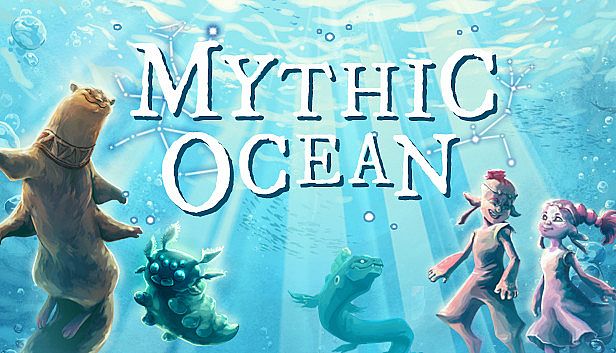















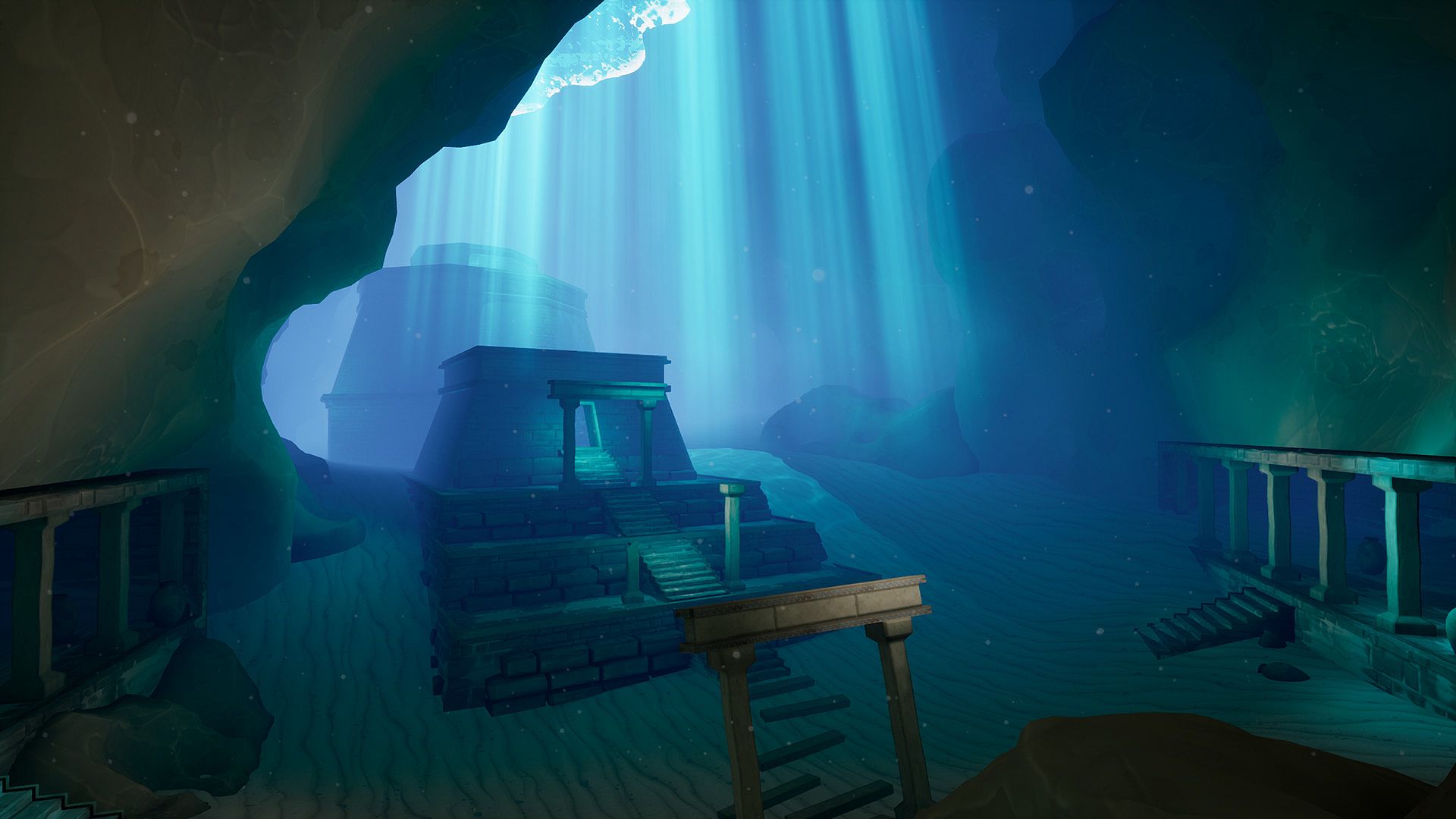


Mythic Ocean is an indie adventure game centered on narrative exploration in a single-player underwater setting. Players take on the role of a sea-dwelling being who interacts with a pantheon of gods to influence the creation of a new universe following an apocalyptic event. The experience blends free-roaming movement through peaceful ocean environments with dialogue choices that determine how each god develops and what kind of world emerges at the end.
Gameplay
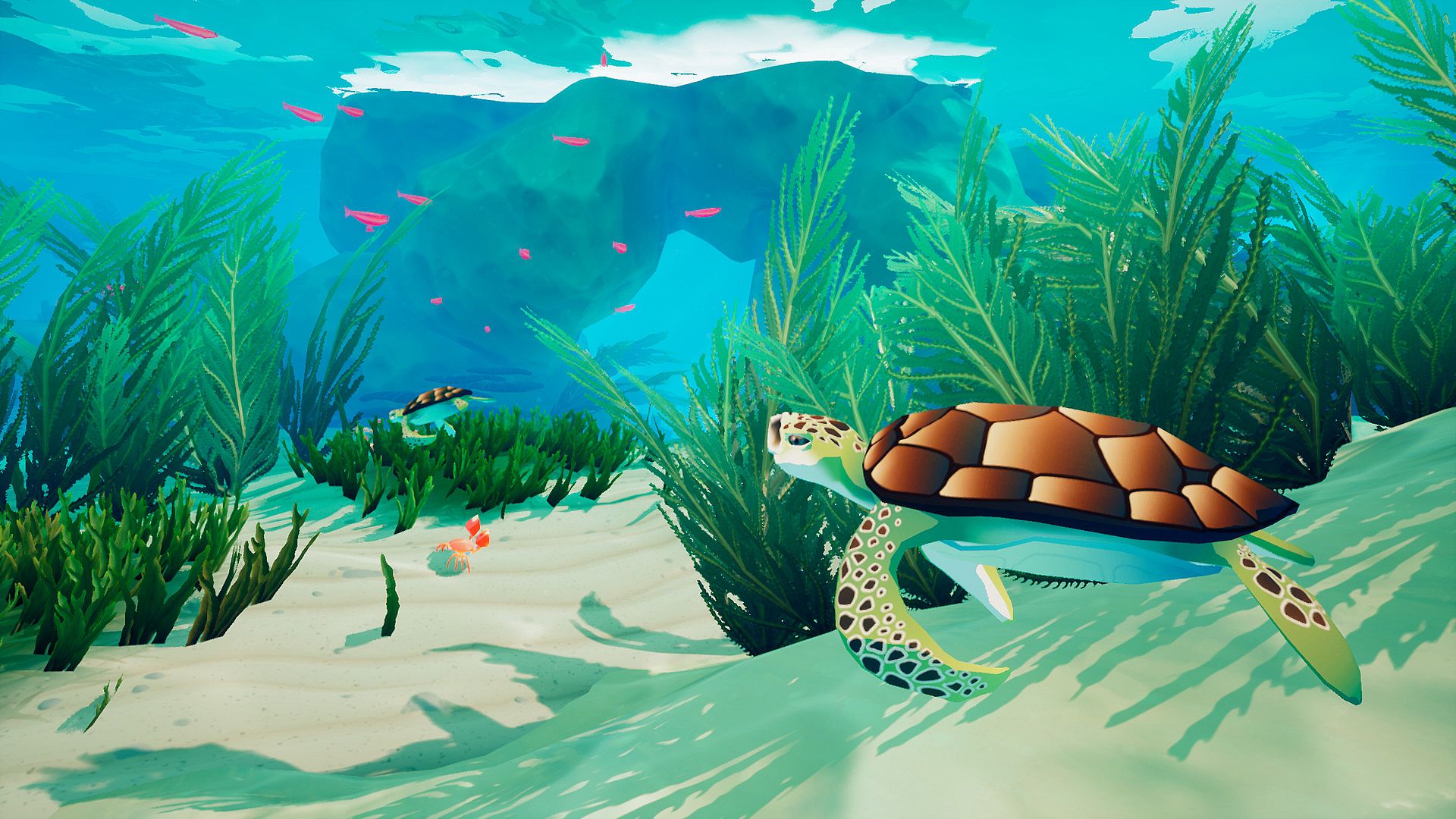
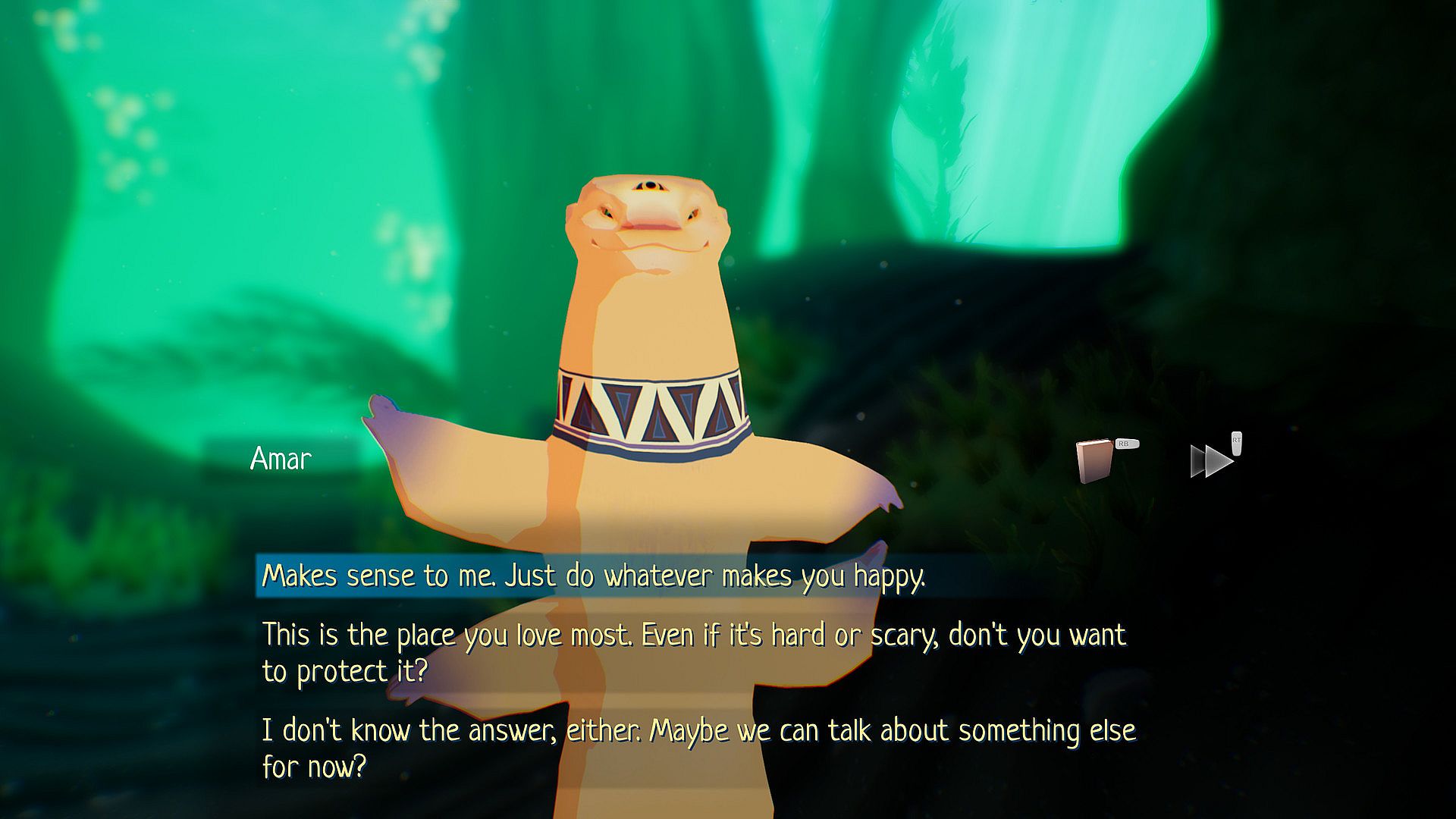
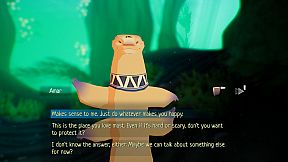
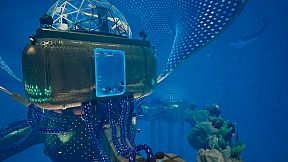
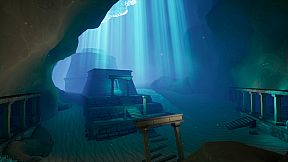
The core loop involves swimming through diverse underwater areas to locate and converse with gods. Movement uses standard keyboard controls for navigation, sprinting, and interaction, while conversations form the main activity. Each discussion reveals a god's motivations, fears, and conflicts with others, allowing players to shape their personalities through responses. These influences carry forward, affecting relationships between gods and the final outcome of the new world. Exploration serves as a way to revisit locations and discover additional details or creatures without any risk of failure or combat. The absence of traditional challenges shifts focus entirely to decision-making and observation of how choices ripple through the pantheon.
Game Modes
Mythic Ocean offers a single-player narrative experience with no separate modes or multiplayer components. All play occurs within the main campaign, where progression relies on locating gods and engaging in repeated conversations that branch based on prior decisions. The structure encourages multiple playthroughs to observe different combinations of god influences and resulting endings, ranging from harmonious creations to more chaotic ones. Fast travel between discovered gods streamlines revisits, supporting experimentation with dialogue options across sessions.
Story and Characters
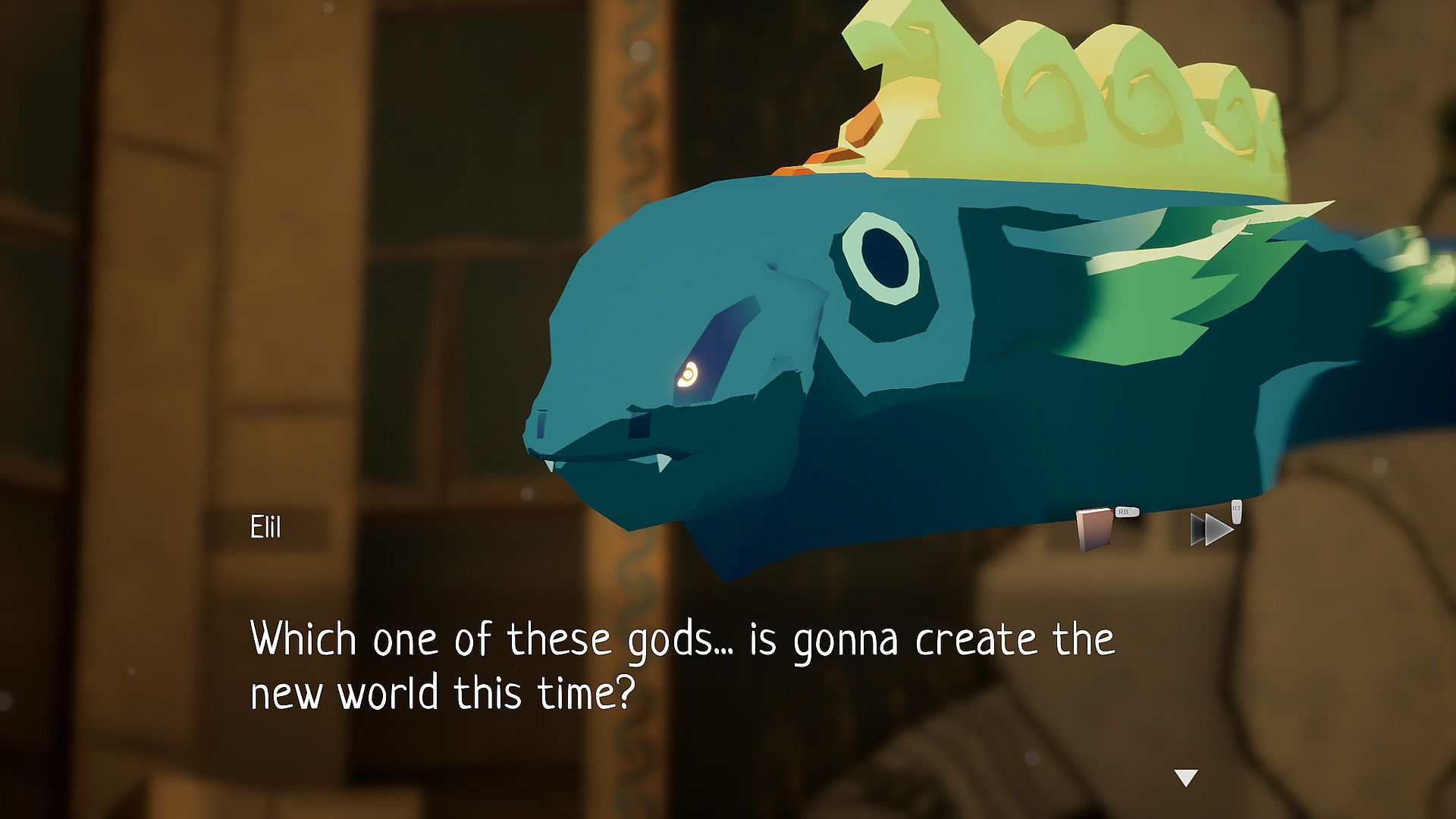
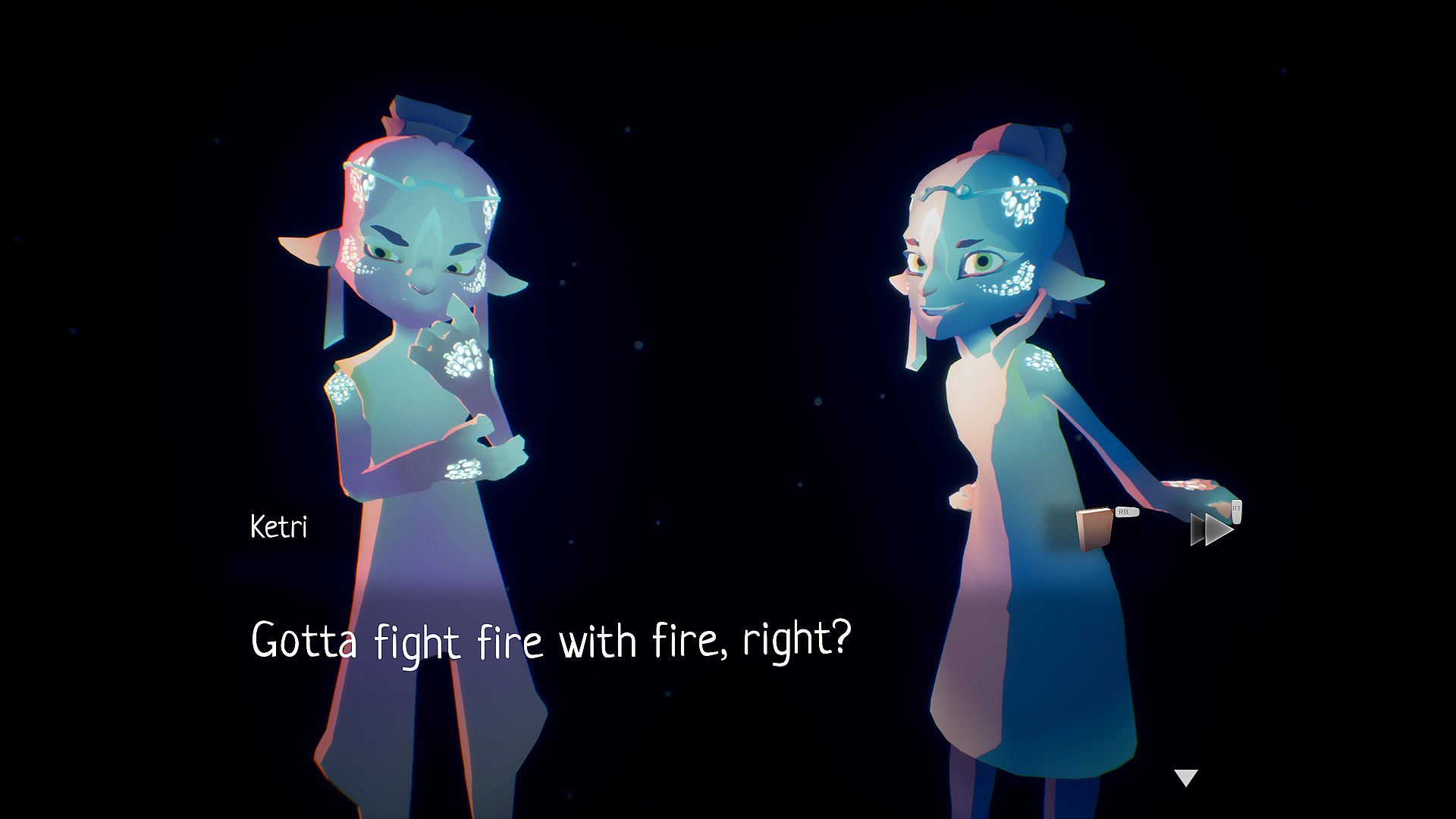
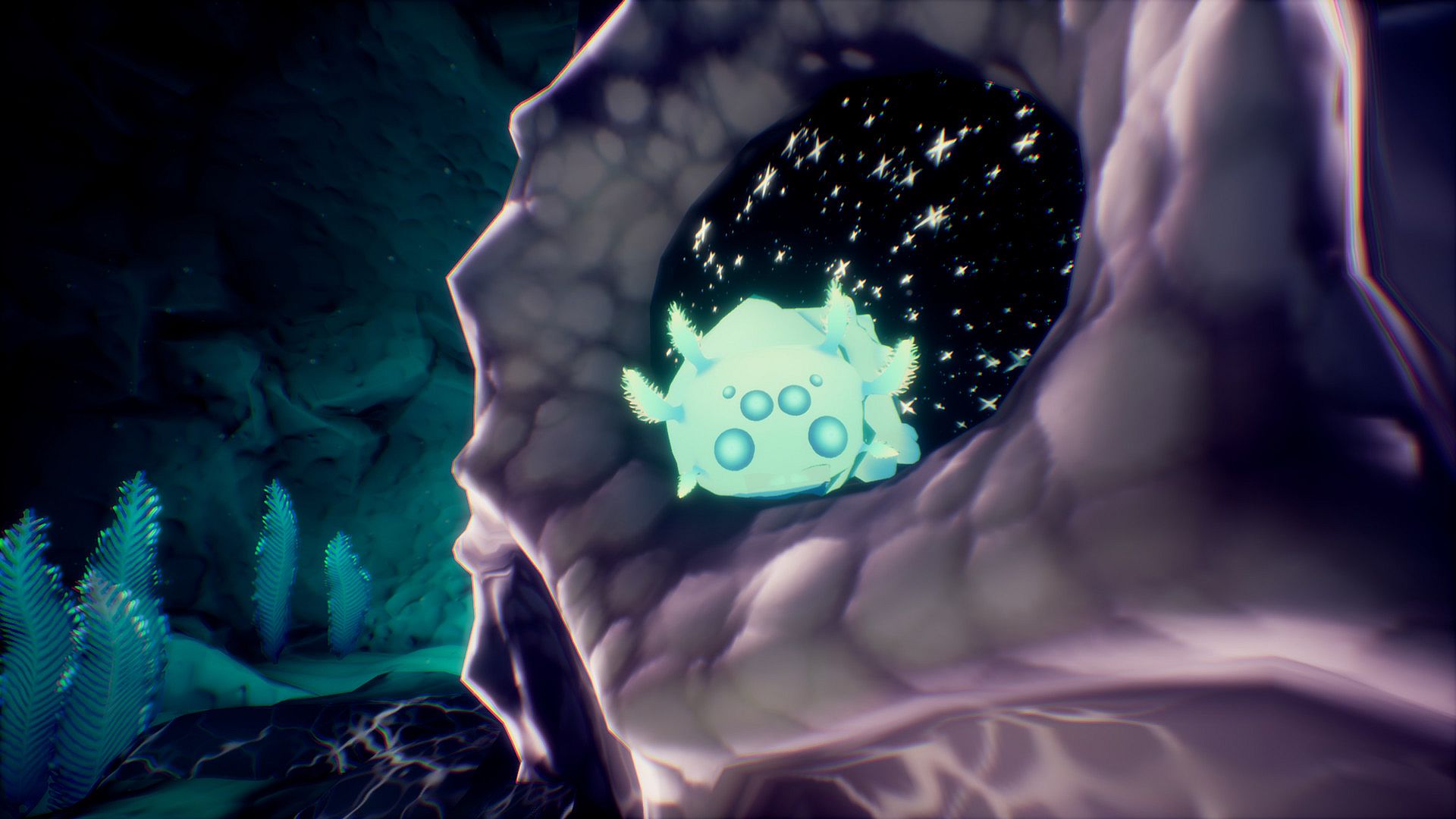
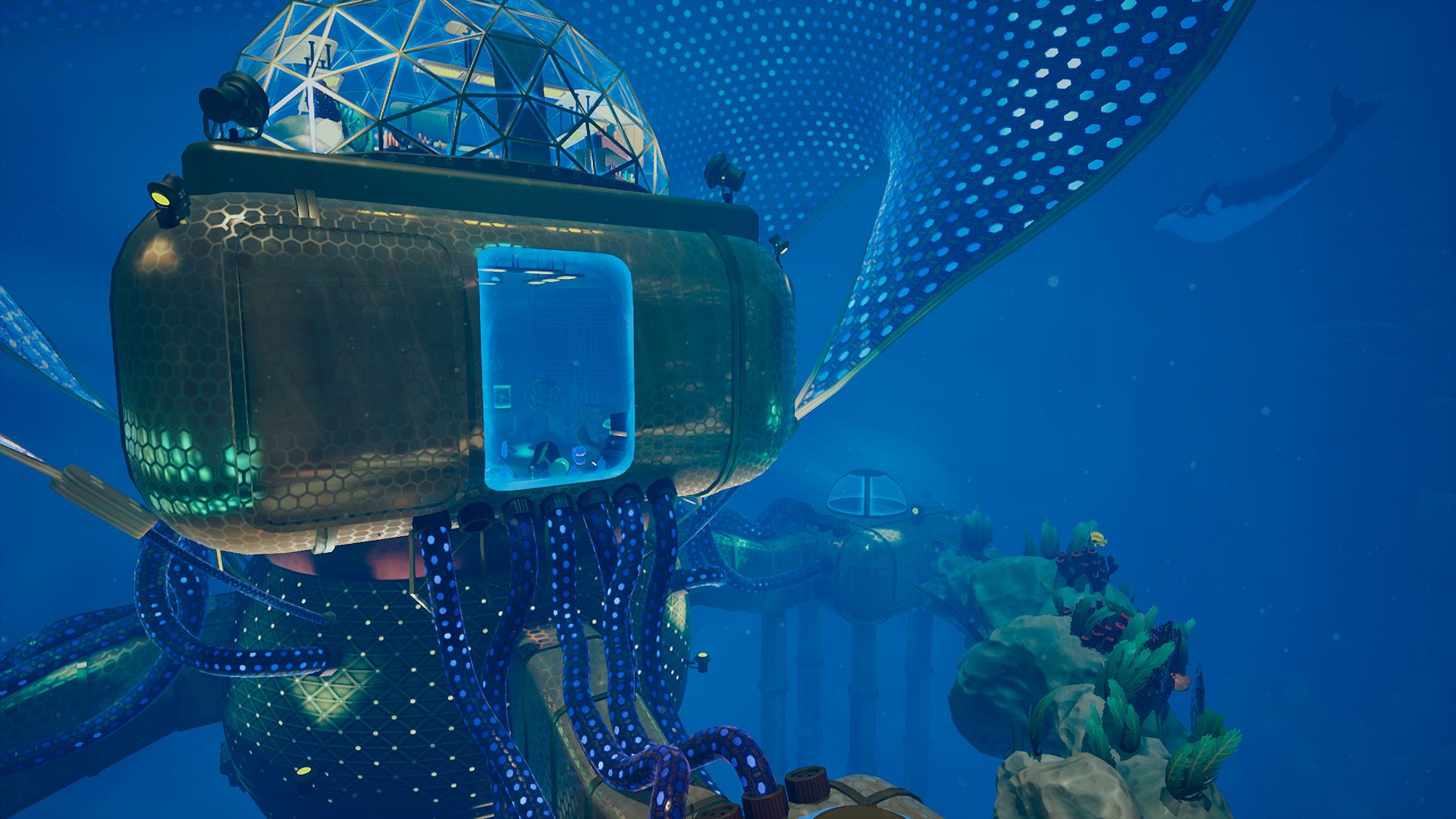
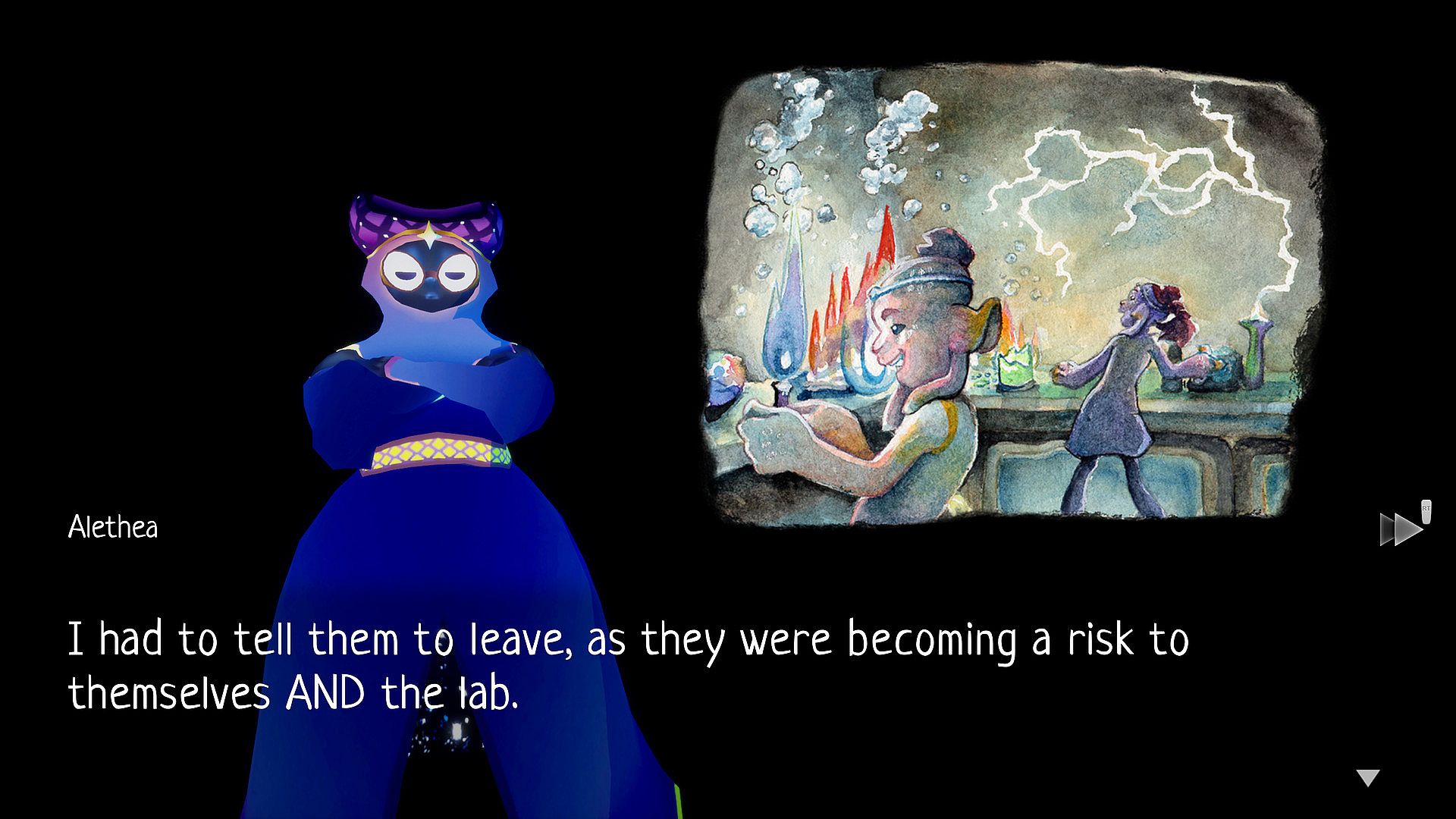
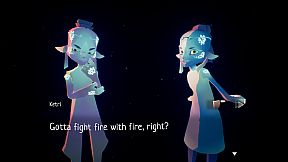
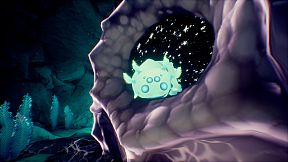
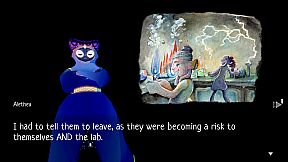
The narrative begins after a vision of universal destruction, placing the player in a reset chamber guided by an eel named Elil. Six distinct gods populate the ocean: Amar, an otter-like figure; the twins Estri and Kestri from a distant origin; Lutra, a curious telepathic larva; Alethea, a scientist convinced of a simulated reality; and Gnosis, who suffers from amnesia. Interactions highlight their individual flaws and potential for growth or conflict, such as disputes over resources that force empathetic or pragmatic choices. No outcome is presented as ideal, reflecting the game's emphasis on nuanced consequences rather than clear victories.
Is It Worth Playing?
This title suits players seeking a relaxed, story-focused adventure without action elements or time pressure. Its strength lies in memorable character writing and the satisfaction of seeing dialogue choices alter god behaviors and world creation. The experience runs relatively short, typically completable in a few hours per playthrough, which suits those who appreciate concise narratives over extended campaigns. Reception highlights the charm of the gods and peaceful atmosphere, though some note the brevity limits deeper exploration of themes. Availability on PC makes it accessible for anyone interested in visual novel-style decision-making paired with open movement in an underwater world. Those who enjoy influencing outcomes through conversation and replaying for alternate results will find the most value here.