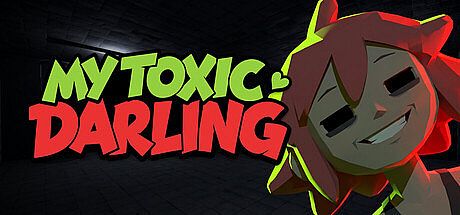



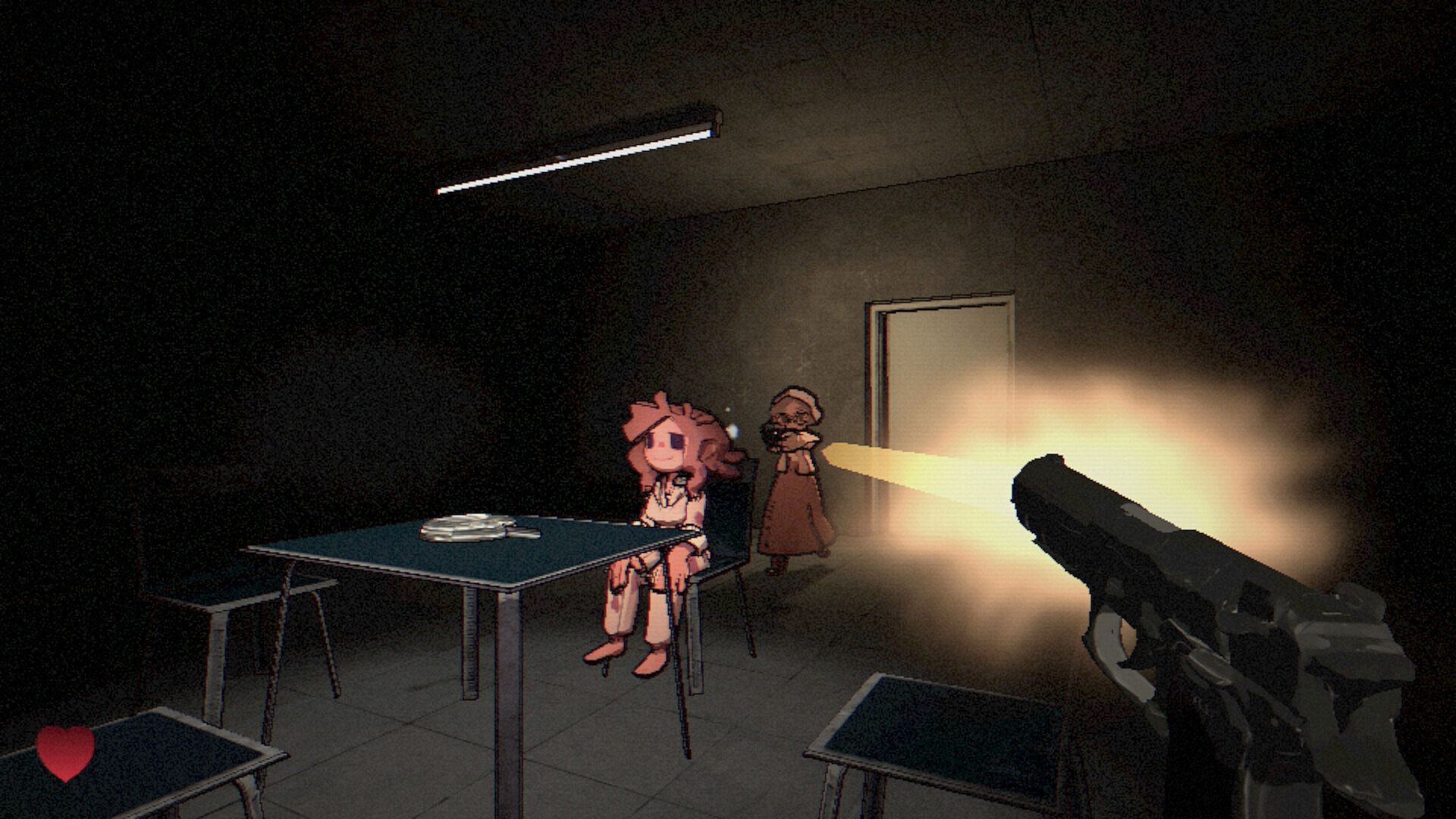
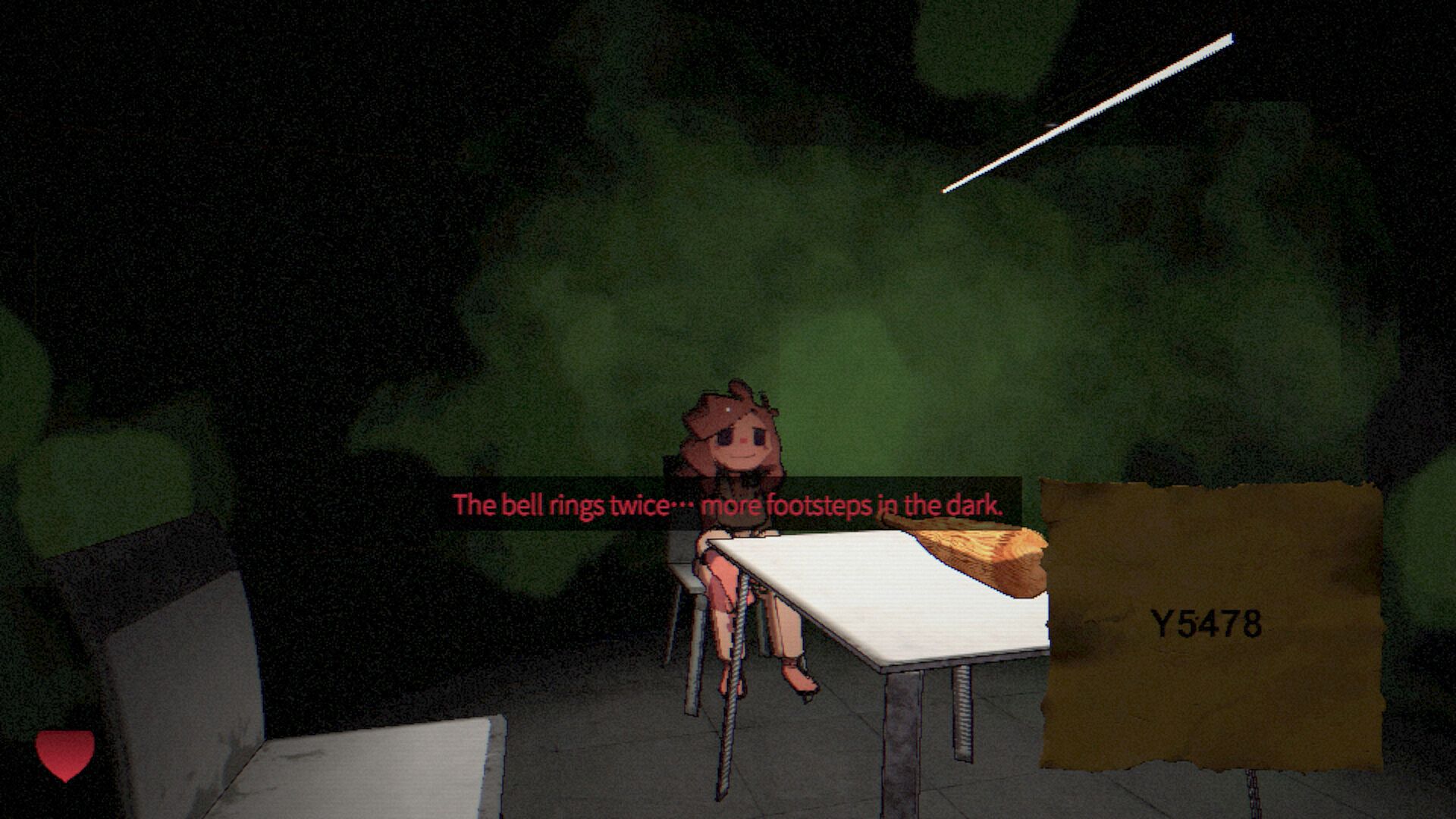
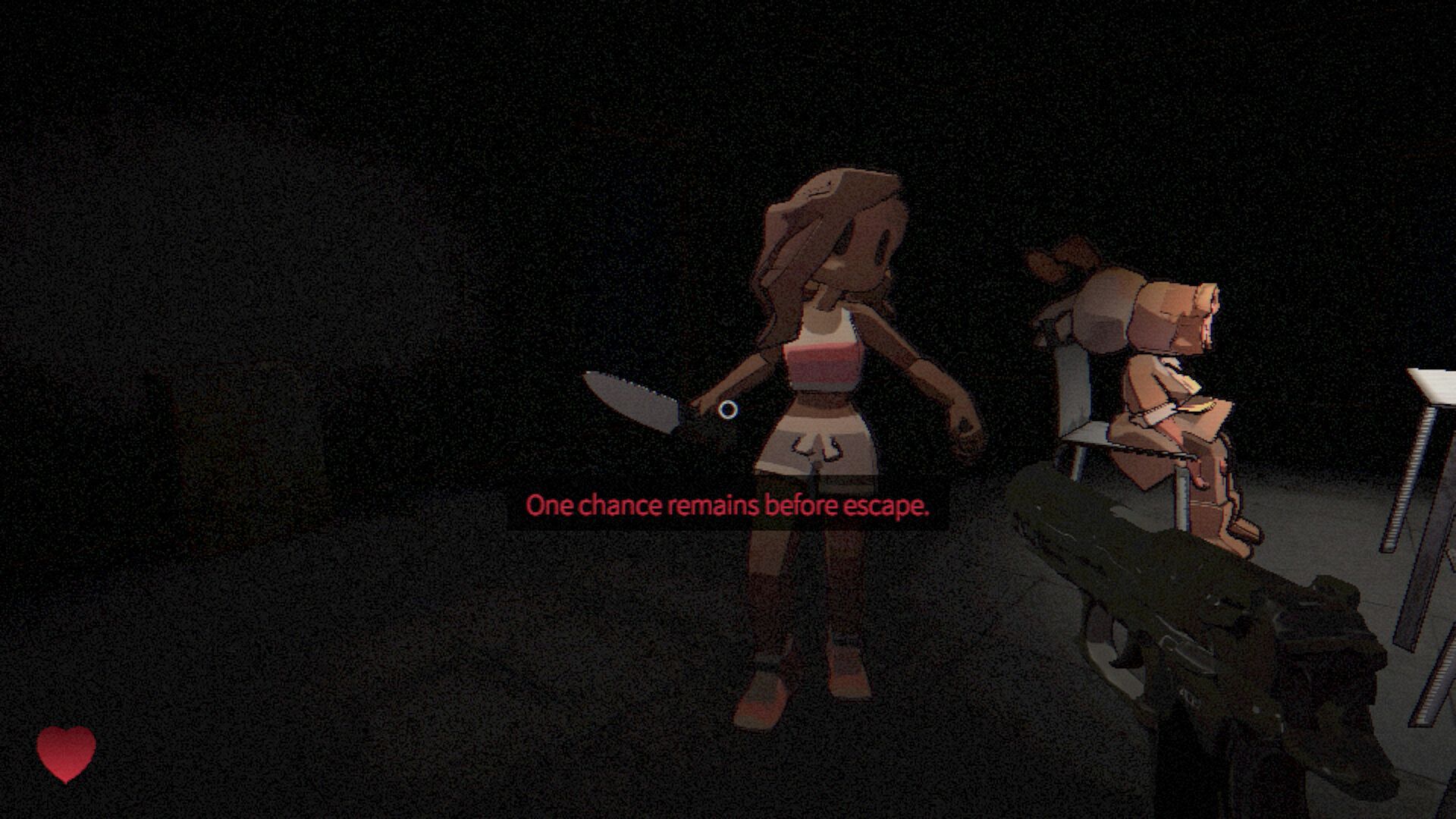
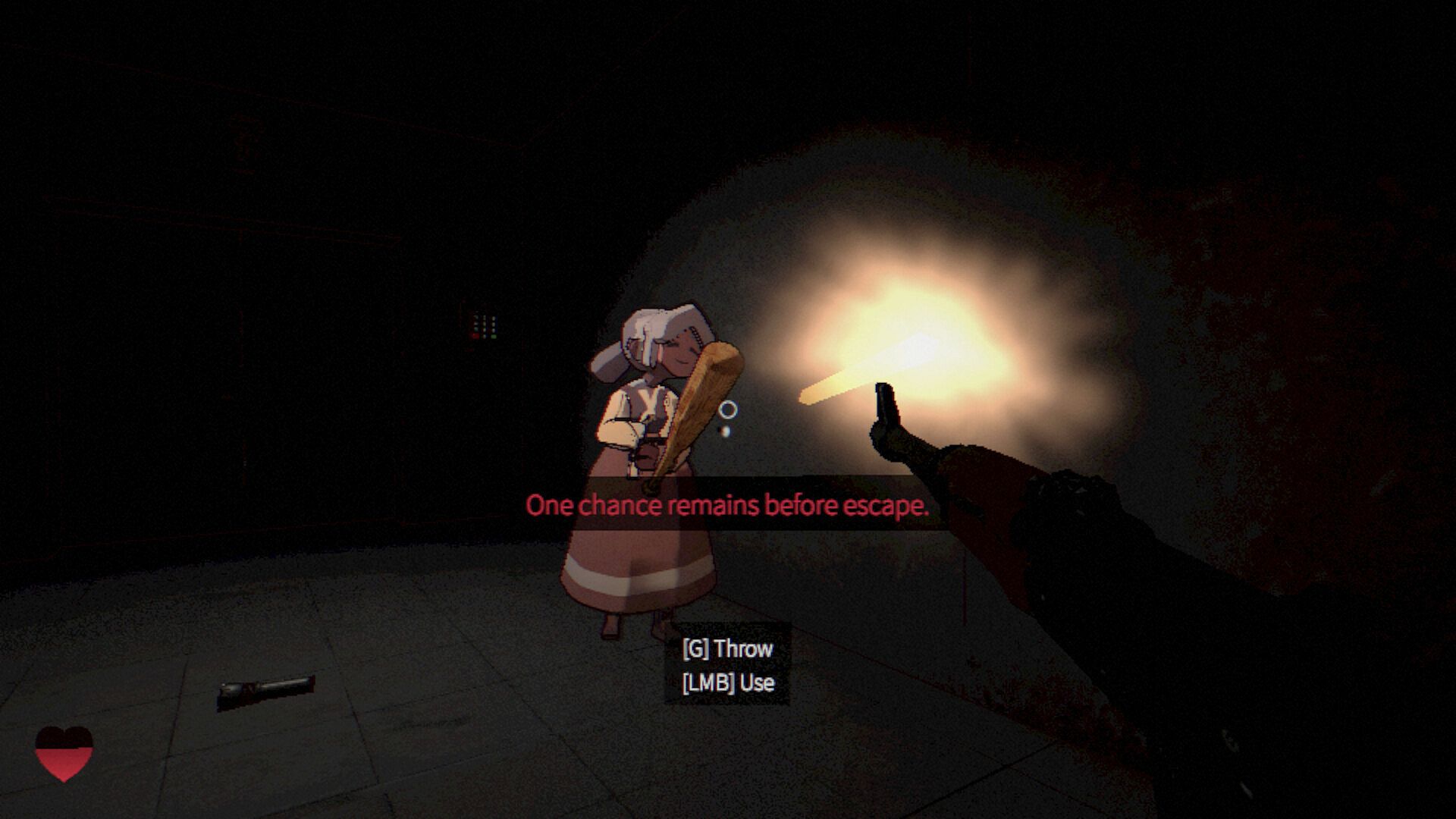
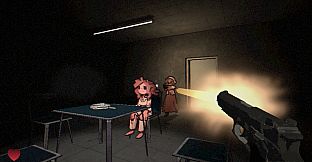

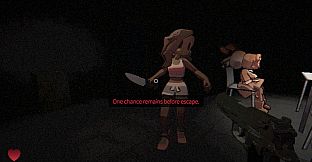
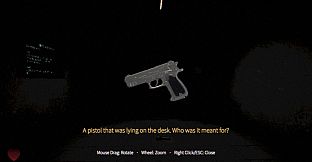
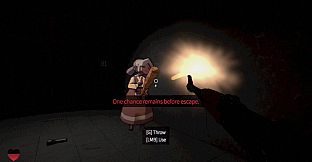
My Toxic Darling is a first-person co-op psychological horror game developed for PC that blends action and adventure elements into a tense, dialogue-driven experience. Players share control of a single body inside a sealed facility, racing against a real-time clock to secure three keys and reach the exit before midnight. The core loop revolves around navigating darkened corridors, conducting interrogations with seated strangers, and evading threats that respond to sound and movement.
Gameplay
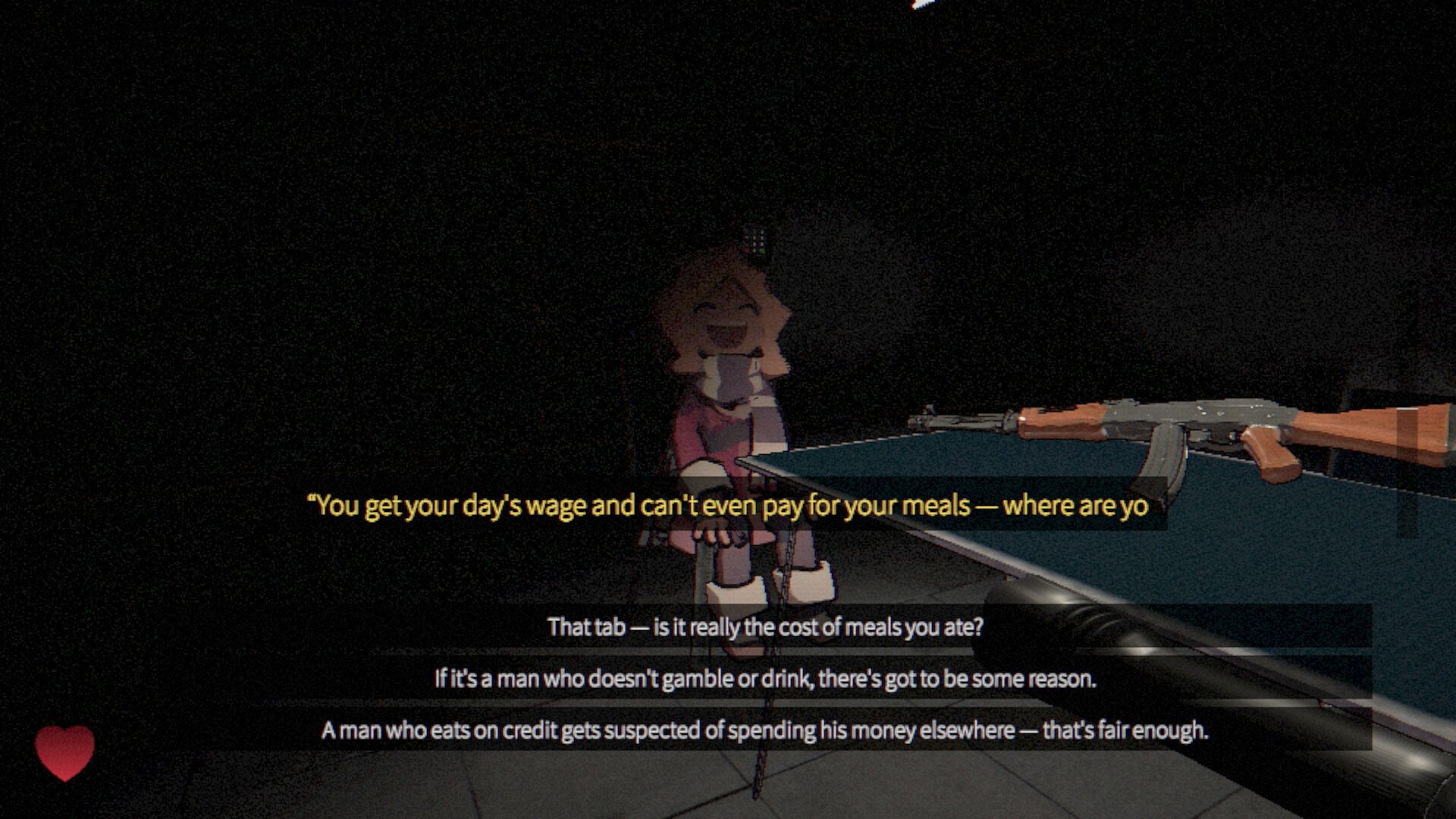
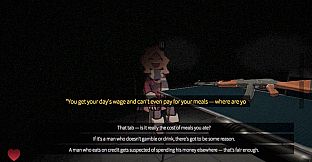
Two players operate one character through split controls, with one handling movement and the other managing observation and interaction. This shared-body system means every decision carries immediate consequences for both participants. Proximity voice chat allows natural conversation during play, heightening the sense of coordination required when answers during interrogations shift hidden relationship scores. Positive, neutral, or hostile responses determine whether doors unlock or pursuers activate.
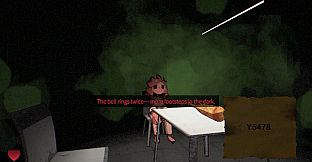
The facility generates procedurally each session, ensuring varied layouts and encounter placements across runs. A persistent clock advances in real time, with hourly bells signaling increasing danger as fog rises from the floor and brings additional threats. Sessions typically last one to two hours and emphasize careful listening to dialogue that reveals backstories while distinguishing talkative entities from silent stalkers that track noise.
Exploration mixes careful movement with quick reactions when things that stopped talking begin to follow. Combat remains secondary to evasion and choice-based progression, fitting the psychological horror focus on tension and consequence rather than direct confrontation.
Game Modes
The primary experience centers on two-player online co-op, where partners divide responsibilities across the shared body. Single-player support allows solo runs with the same mechanics adapted for one set of controls. Sessions support play as a couple or in small teams through the co-op framework, though the design centers on the intimate coordination of two operators.
No separate competitive or versus modes exist. All play revolves around the core escape objective within the time limit, with procedural generation providing replayability through changing room layouts, interrogation opportunities, and threat placements each night.
The Race Against Midnight
Time pressure defines every decision. Players must balance thorough interrogation of seated figures against the advancing clock, as wasted hours trigger the fog event and escalate pursuit. Three keys must be obtained through a combination of persuasion, stealth, and occasional confrontation before the final bell. Failure to exit leaves the score tracked regardless, underscoring the game's emphasis on consequence over perfect success.
Procedural elements ensure no two attempts follow identical paths. The same facility skeleton hosts different room connections, character placements, and key locations nightly, rewarding adaptability and communication between the two controllers.
Is It Worth Playing?
My Toxic Darling targets players who enjoy cooperative horror built around dialogue choices and shared control rather than traditional shooting or exploration. The split-control co-op creates unique tension through divided responsibilities, while the interrogation system adds layers of social deduction absent from most horror titles. Procedural layouts and the strict time limit keep sessions focused and repeatable without requiring long commitments.
Support for multiple languages and accessibility features such as full subtitles broadens appeal. The game includes single-player options alongside co-op, making it accessible whether playing alone or with a partner. Content warnings cover flashing lights, sudden audio, and depictions of violence and toxic relationships, so players sensitive to psychological themes should review those details first.
With its August 2026 release date approaching, the title offers a distinct take on co-op horror that prioritizes coordination and consequence over spectacle. Those drawn to short, high-stakes sessions centered on conversation and evasion will find the mechanics align closely with the described experience.