






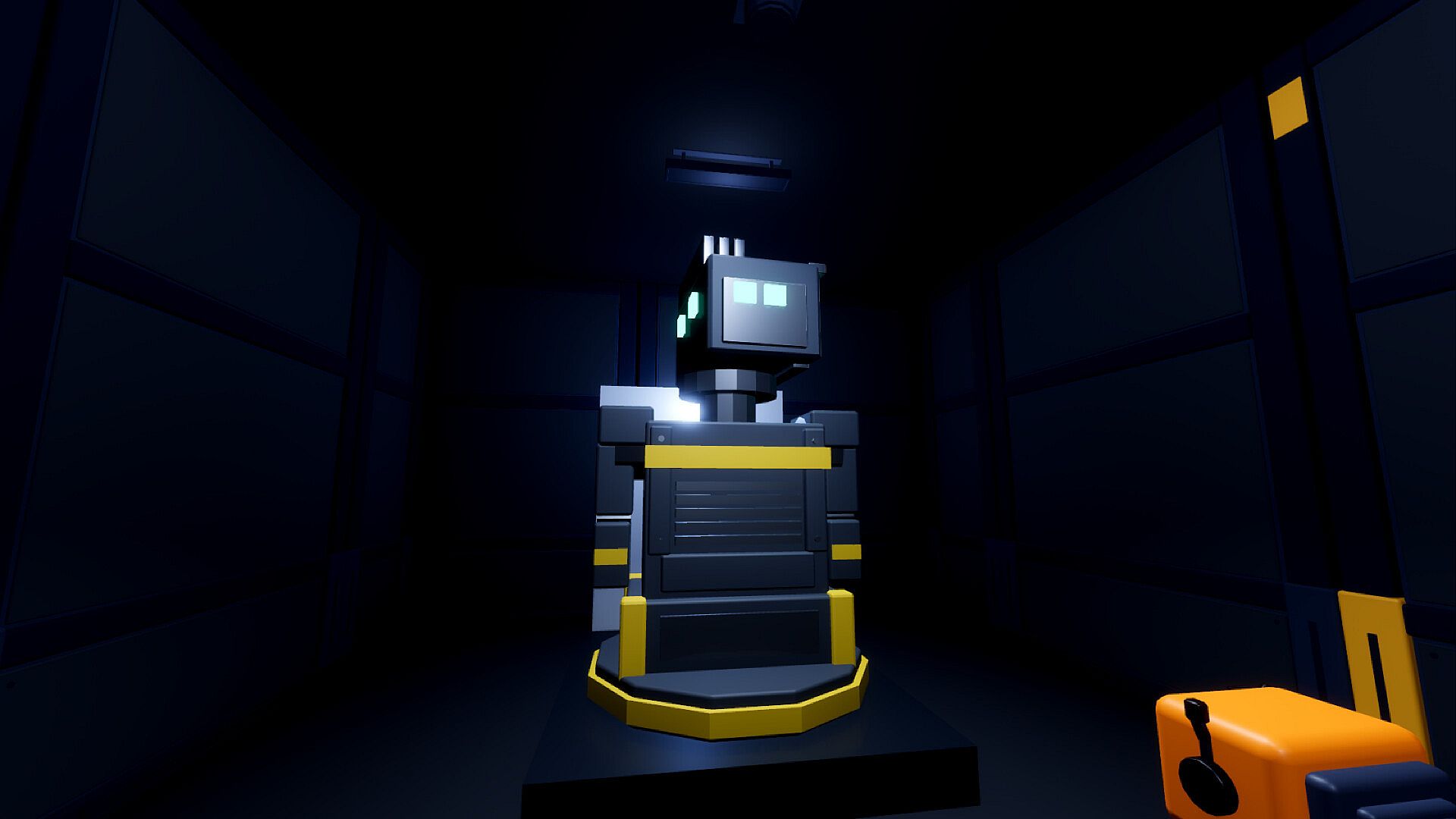
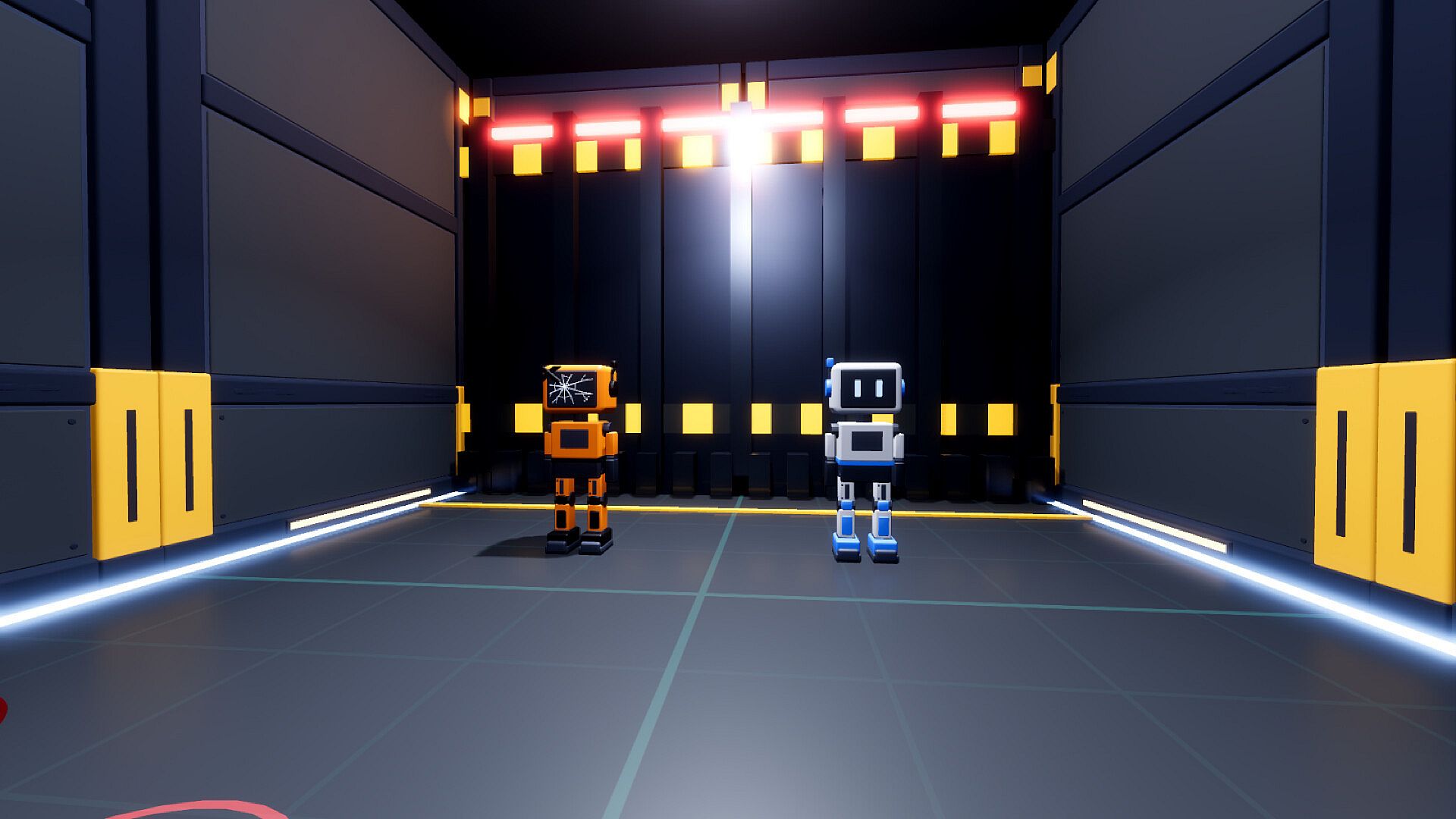
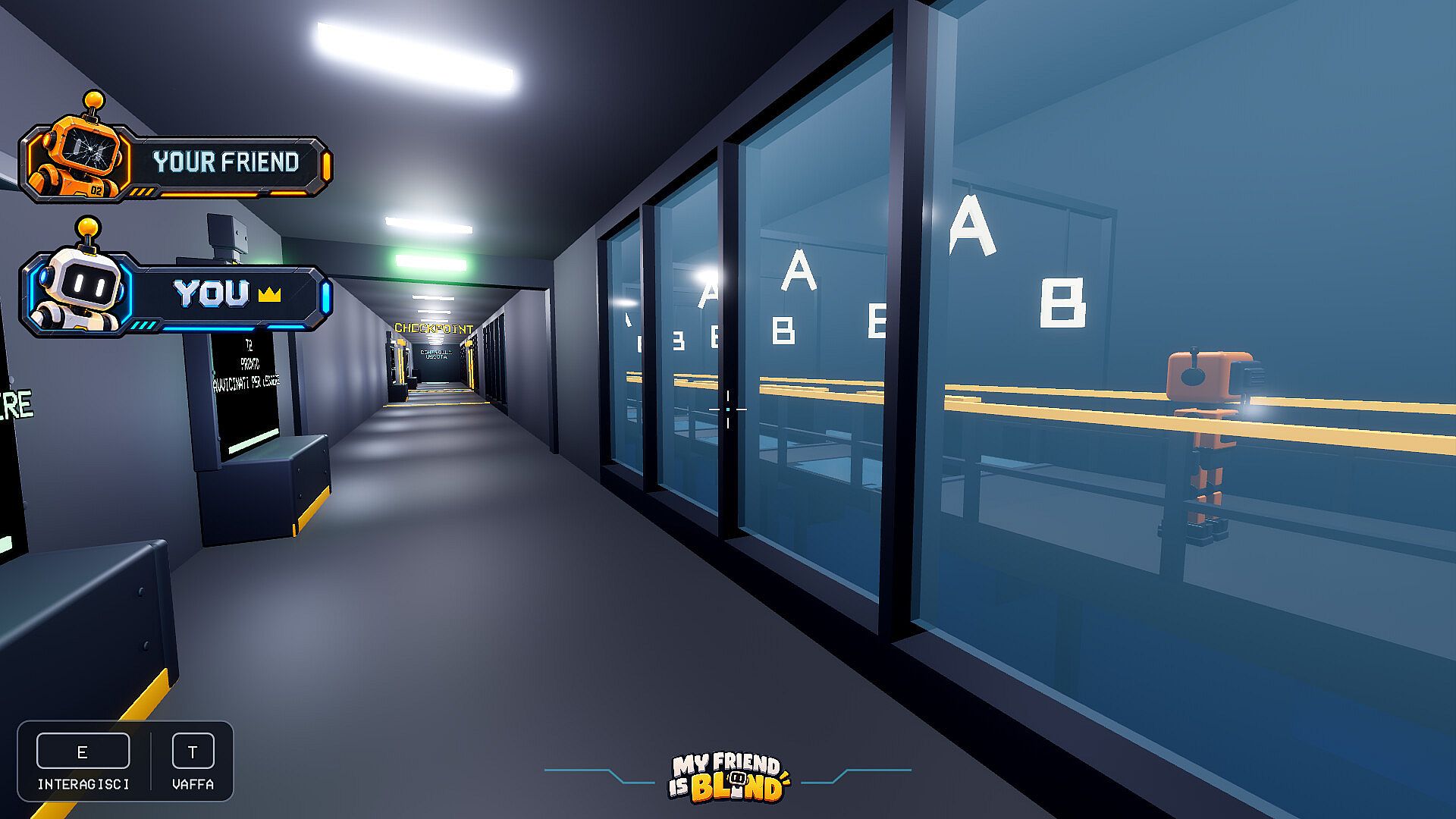
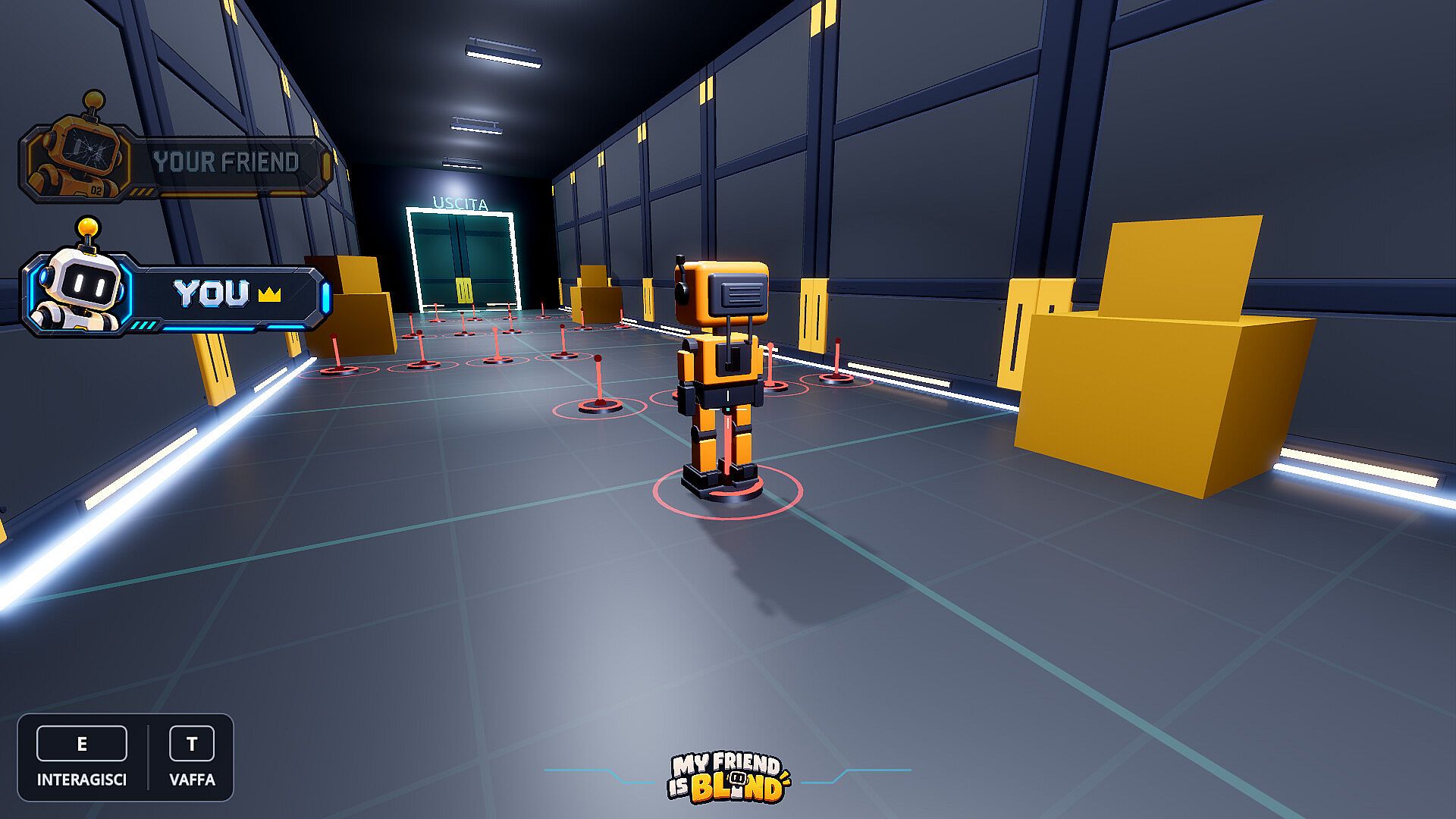
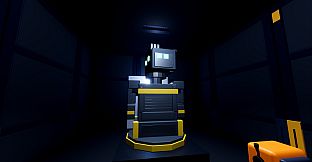
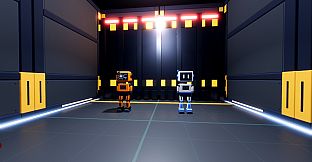
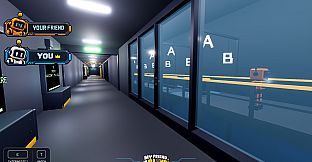
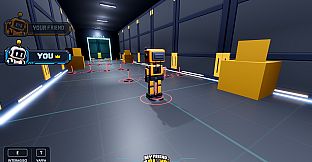
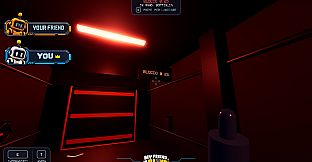
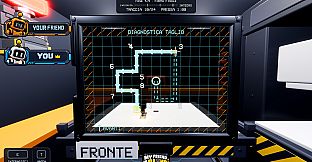
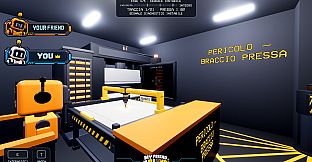
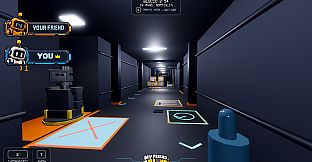
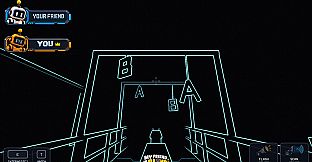
My Friend is Blind is an asymmetric online co-op game for two players on PC that places communication at the center of every challenge. One player acts as the Guide with full visibility of hazards, while the other plays as the Blind and navigates with limited sight, relying entirely on spoken directions from their partner. The setup unfolds inside a robot testing facility repurposed as a chaotic game show, where coordination determines success across short, high-stakes trials.
Gameplay
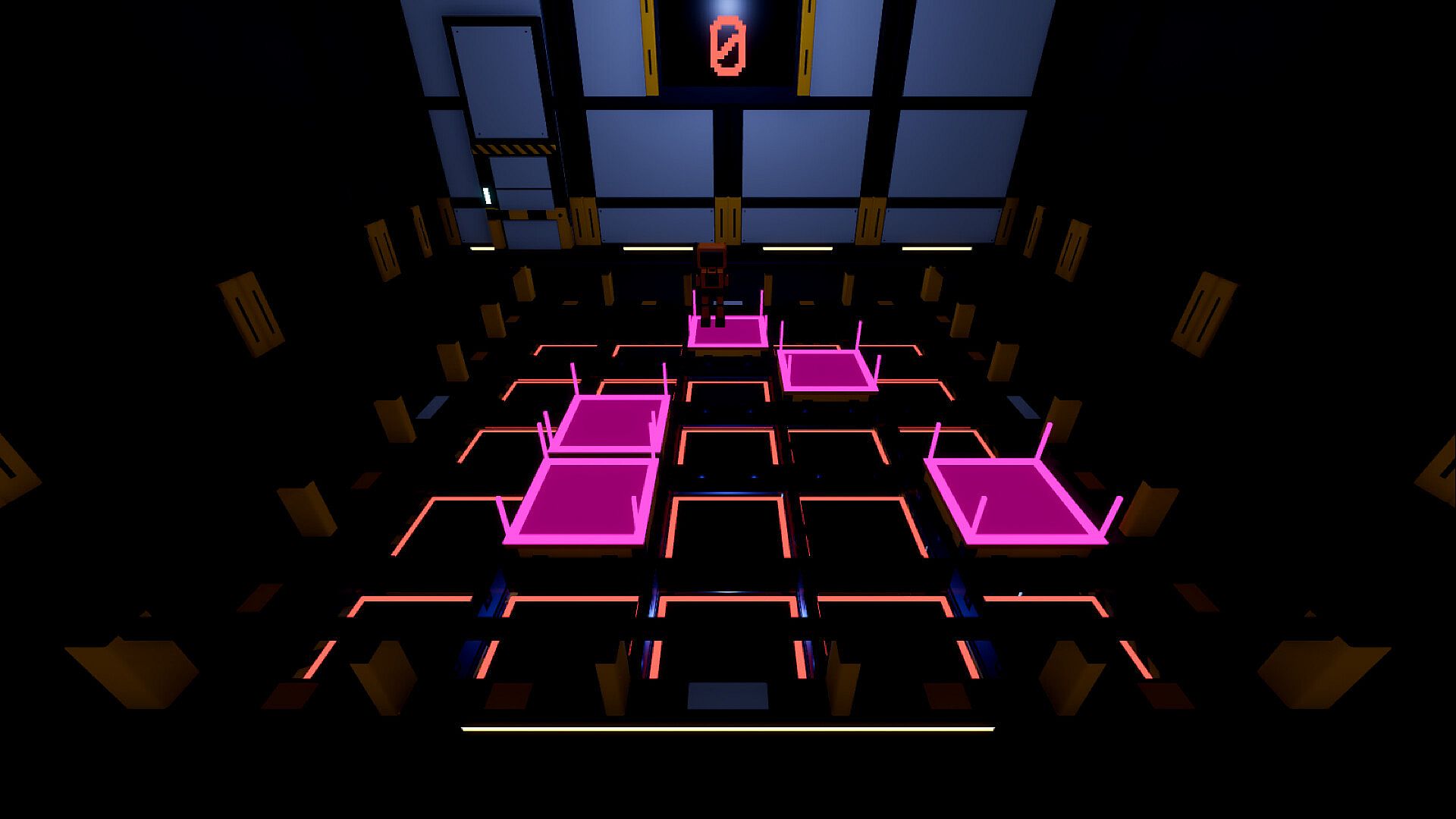
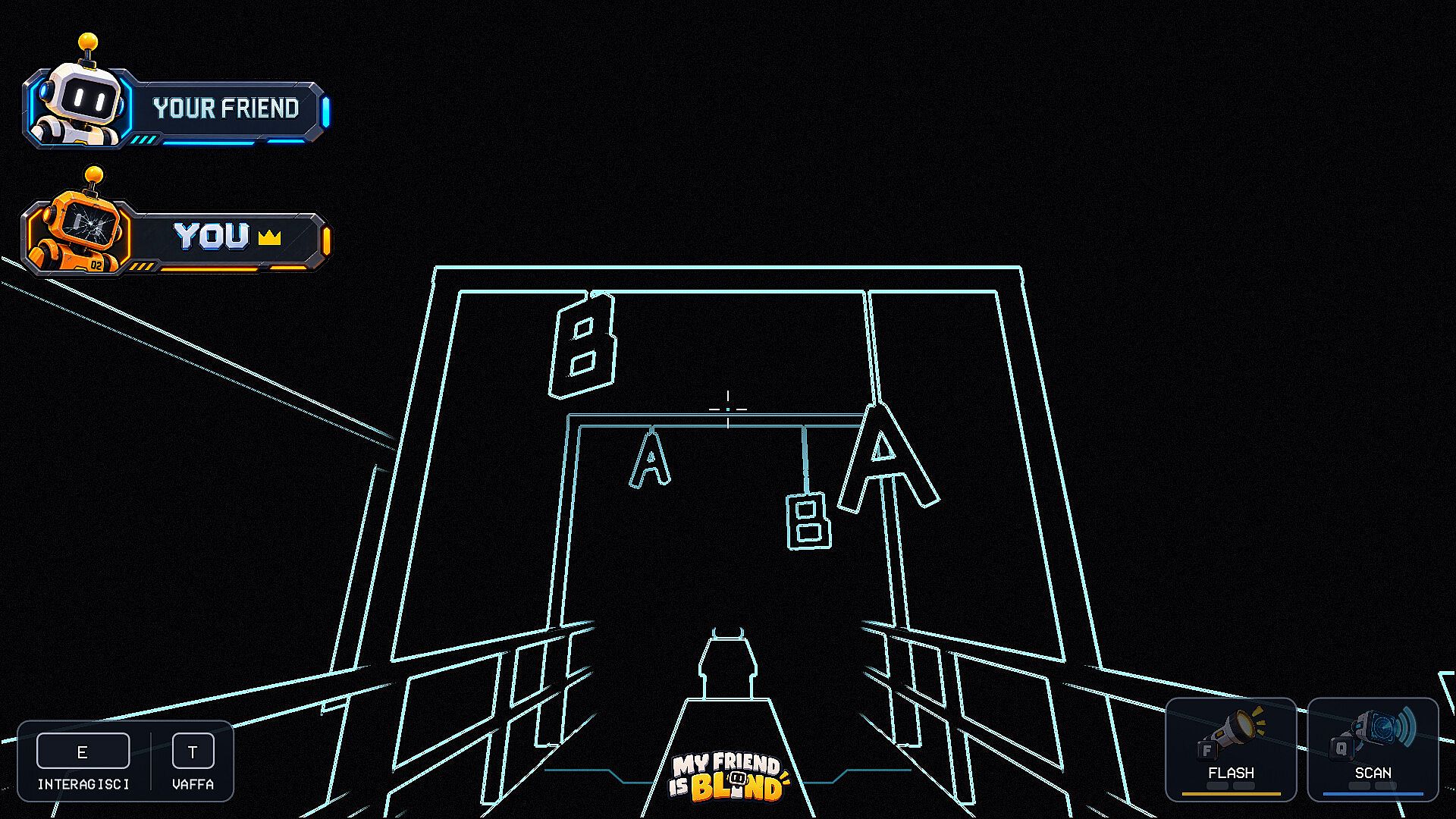
The core loop revolves around the division of roles and the need for precise verbal instructions. The Guide sees mines, traps, crumbling tiles, and patrolling guards in real time. The Blind moves through the environment with almost no visual information and must execute actions based on what the Guide describes. No built-in voice chat exists, so players handle all coordination through external calls or by sitting together in the same room. This turns spoken words into the primary mechanic rather than any button combination or aiming system.
The Blind character carries two limited tools for occasional assistance. Flash provides a quick, full-room glimpse, while Scan delivers a longer but more localized view of nearby elements. These abilities come with cooldowns and must be used sparingly to avoid wasting them on minor details. A simple taunt emote lets players express frustration or amusement after repeated failures. Deaths happen quickly, and restarts occur instantly, keeping sessions focused on repeated attempts rather than long recovery times. Roles can be swapped at any point, allowing both players to experience each side of the partnership.
Game Modes
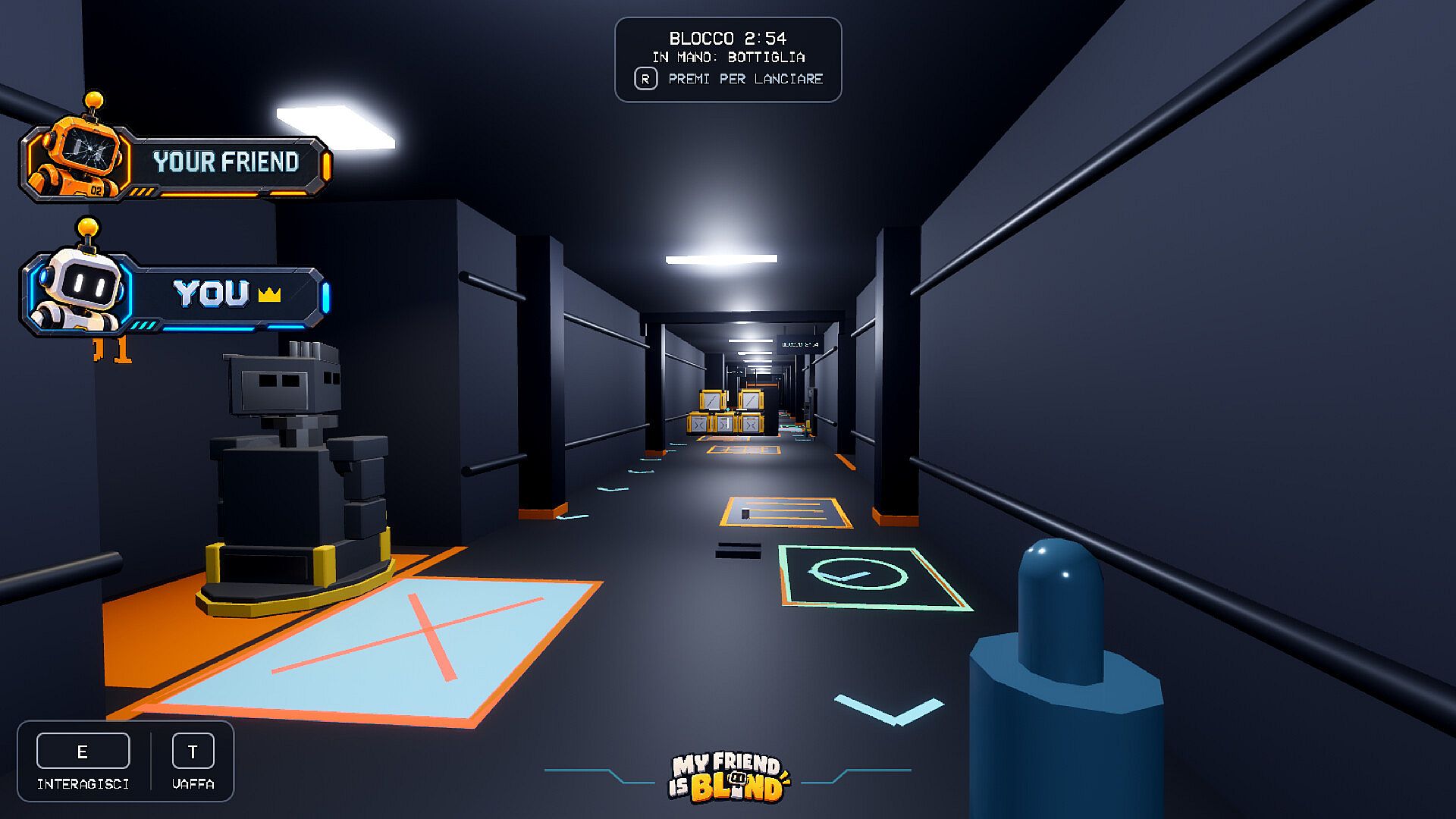
Six distinct trials test different aspects of teamwork and timing. Minefield requires crossing a corridor packed with invisible mines while a crusher wall advances from behind. Safe Tiles challenges players to identify stable platforms before a timer expires and drops everything else. Don't Move introduces a watcher robot that eliminates anyone caught moving during its scan, along with hidden trapdoors that add further risk.
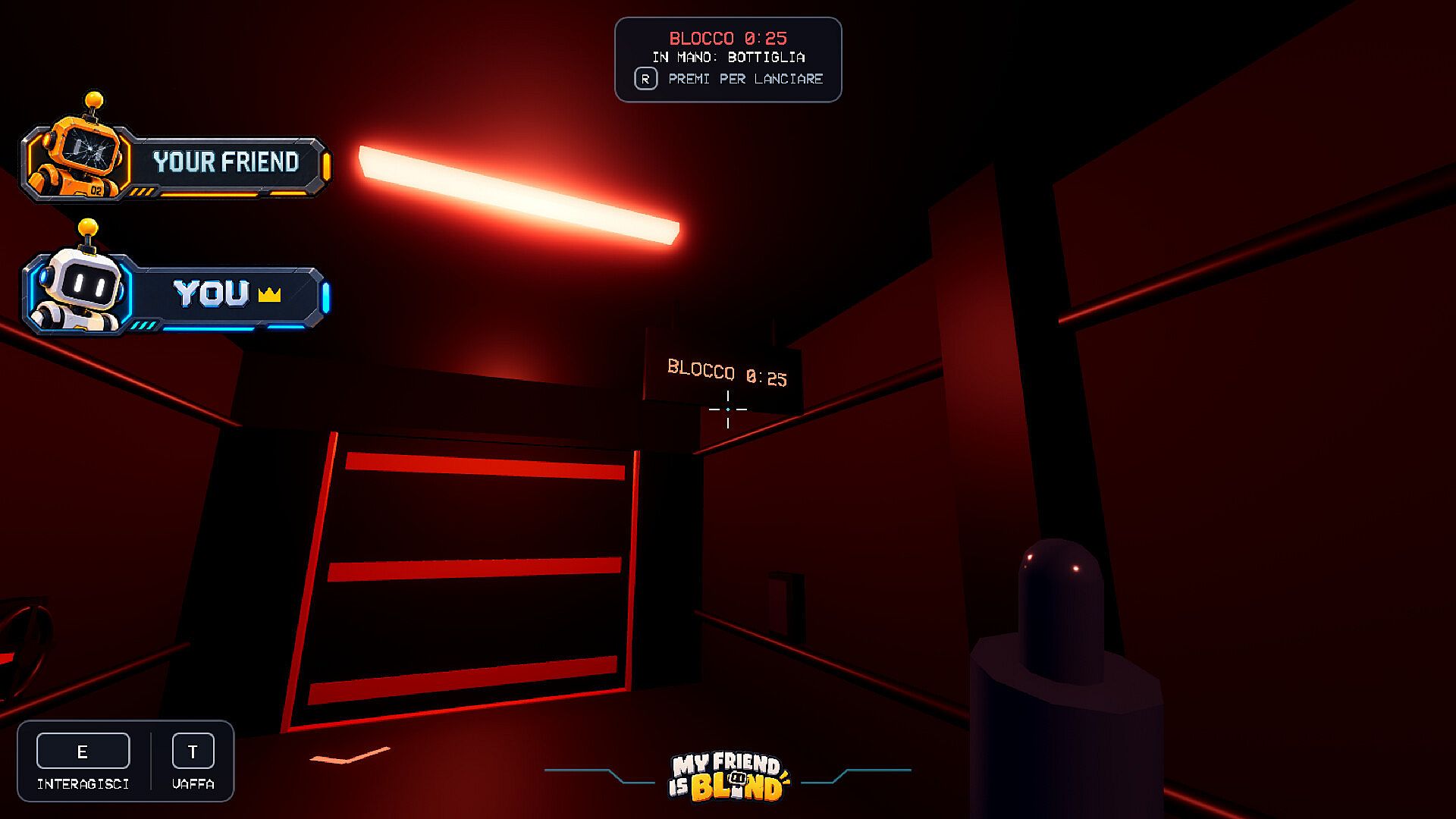
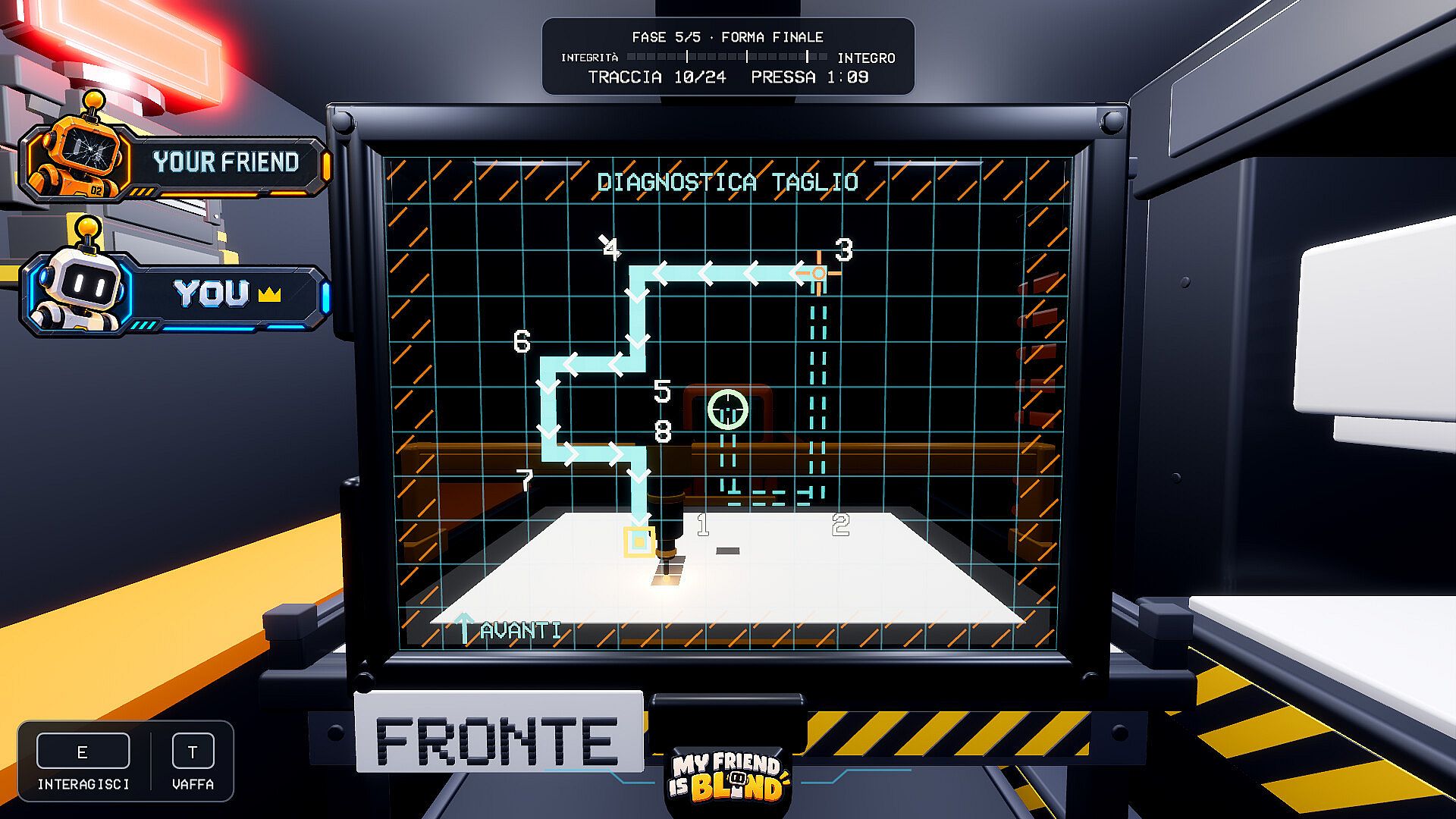
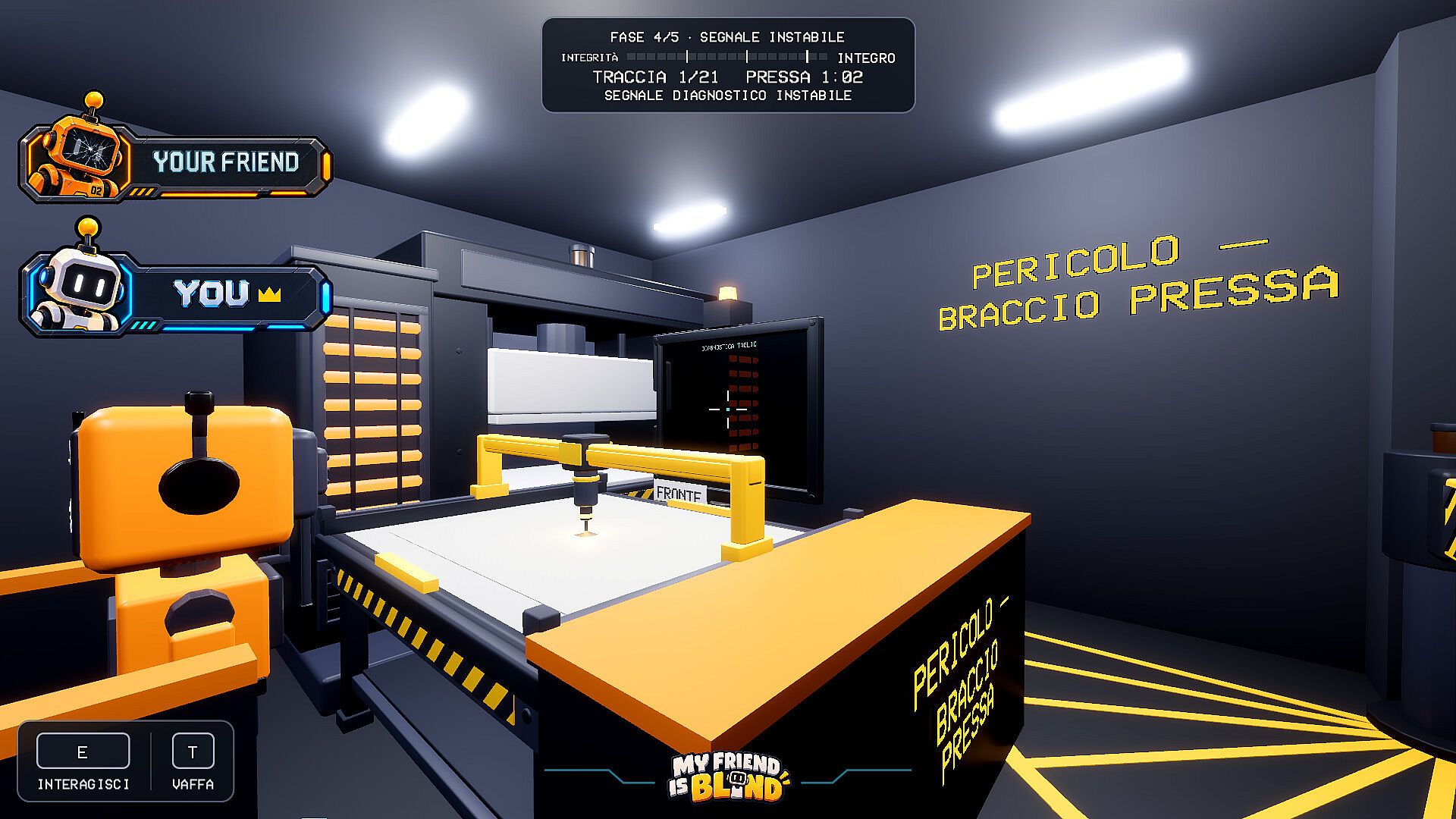
Glass Circuit features paired glass platforms where one side holds and the other breaks, with only the Guide's terminals revealing the correct choice. Final Shape puts the Blind in control of an industrial cutter while the Guide verbally steers the path to match a target outline. Echo Protocol sends players down a corridor patrolled by sound-sensitive guards, where quiet movement and object throws for distraction become essential. Each trial runs as a standalone test that can be attempted in any order or repeated for practice.
Communication as the Core Mechanic
Success depends on clear, concise descriptions and quick reactions rather than individual skill with controls. The Guide must translate visual information into actionable directions without overwhelming the Blind player. The Blind player, in turn, reports what they encounter and confirms actions in real time. This back-and-forth creates natural tension during tight sequences, such as timing a move between guard patrols or selecting the right platform before tiles collapse. Swapping roles mid-session highlights how each perspective changes the difficulty and required language.
Is It Worth Playing?
The game suits players who enjoy short, repeatable co-op sessions built around voice coordination and quick retries. Its focus on two-player asymmetry and external communication makes it distinct from standard multiplayer titles, appealing to pairs who already play together on calls or in person. Instant restarts and limited tools keep each attempt brief and focused on refining instructions rather than grinding resources. Without confirmed player counts or long-term updates, the experience stands on its six trials and role-swapping system, which provide enough variety for repeated playthroughs among friends seeking a teamwork challenge. Those who prefer solo play or visual-heavy action will find less to engage with here.











