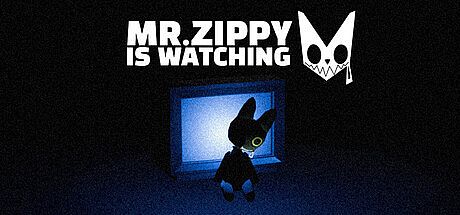


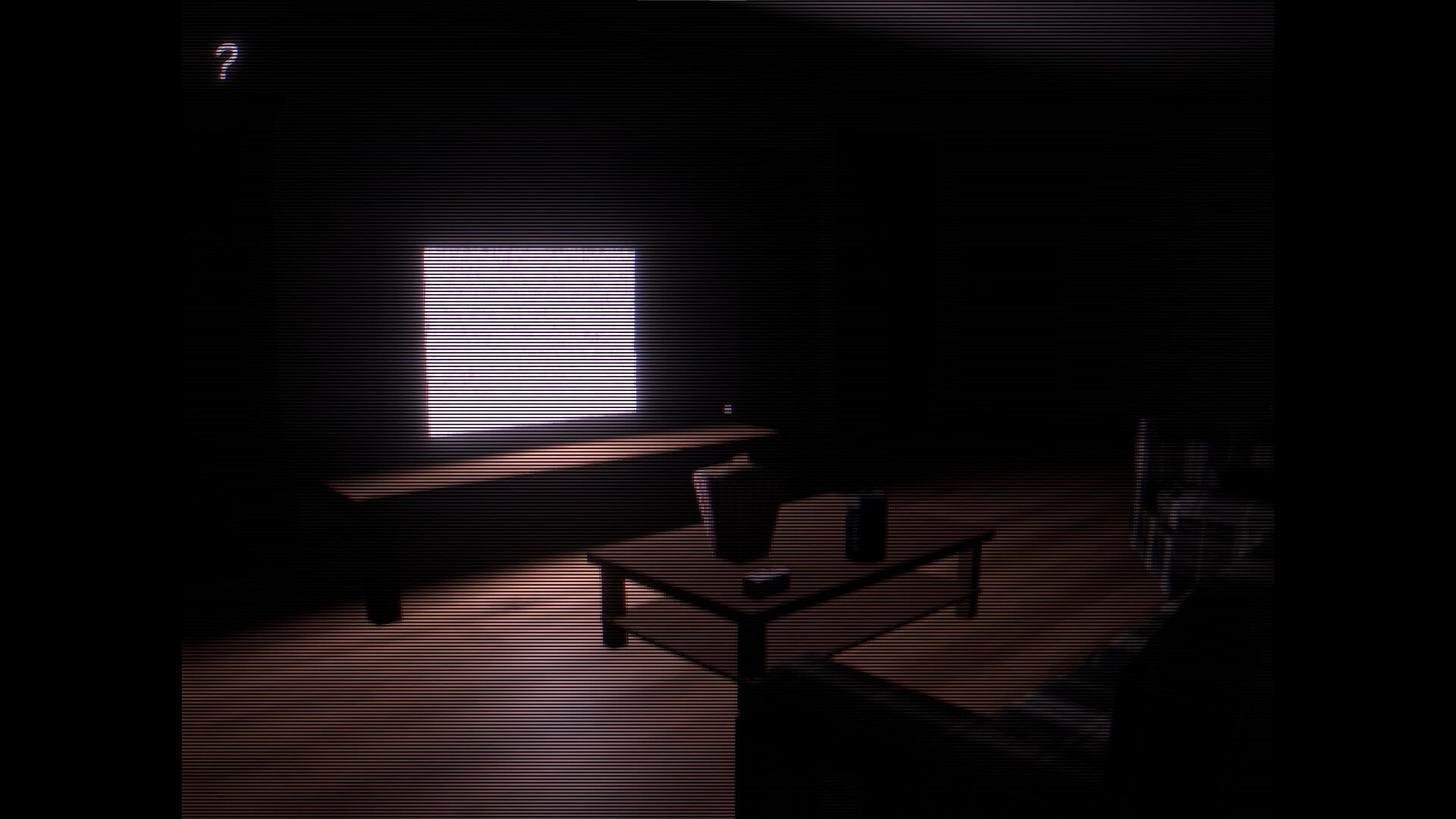
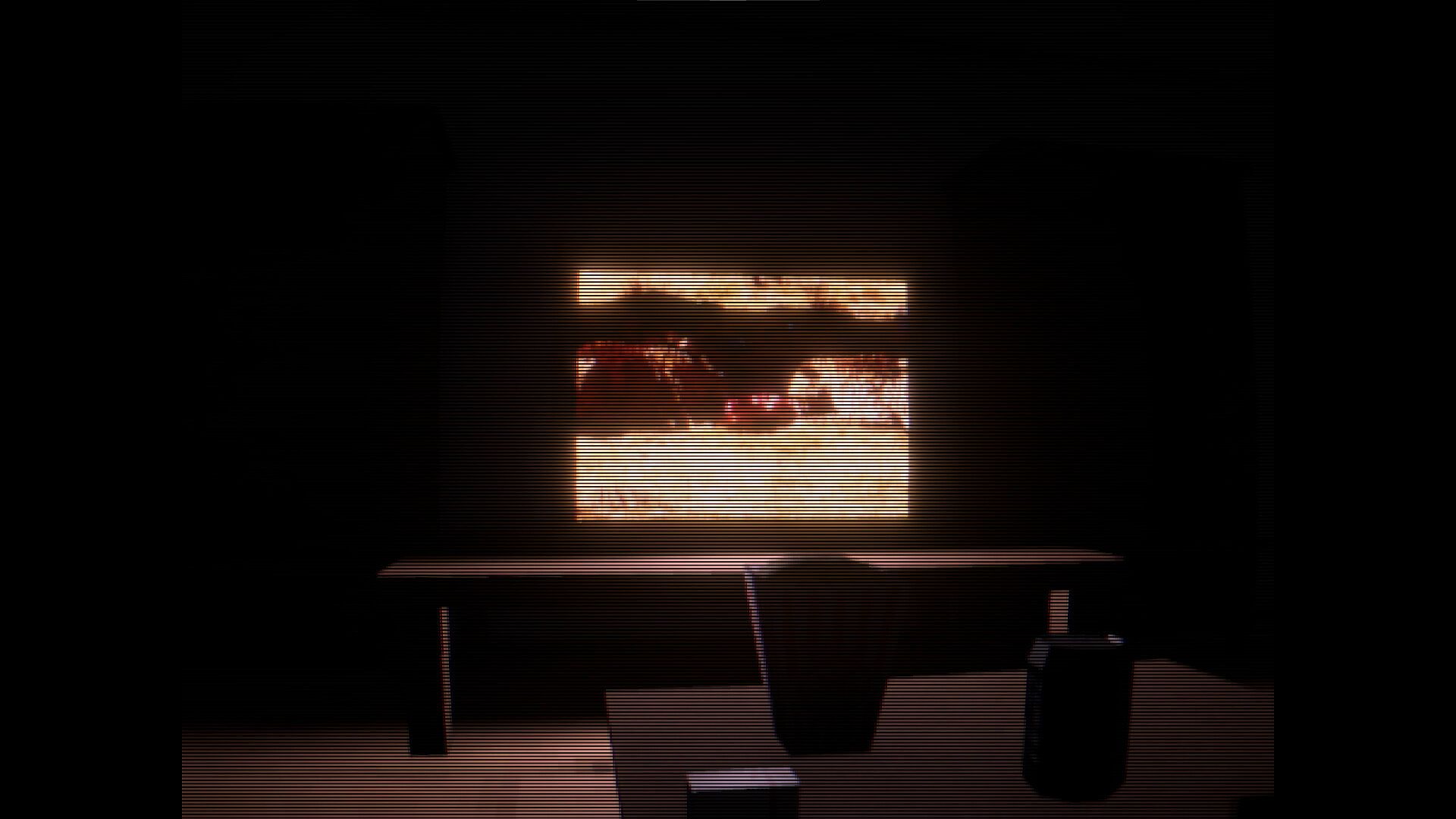
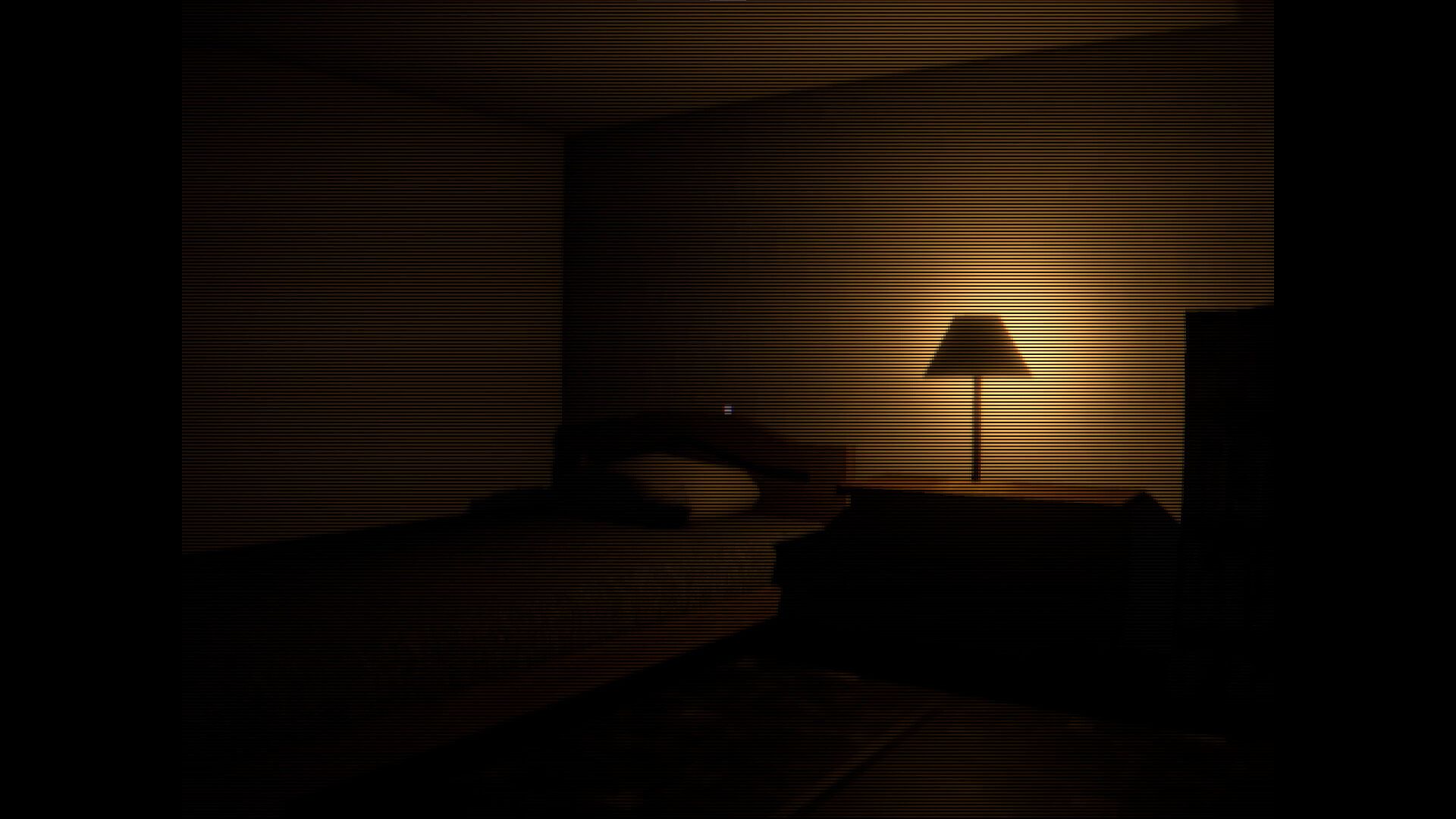
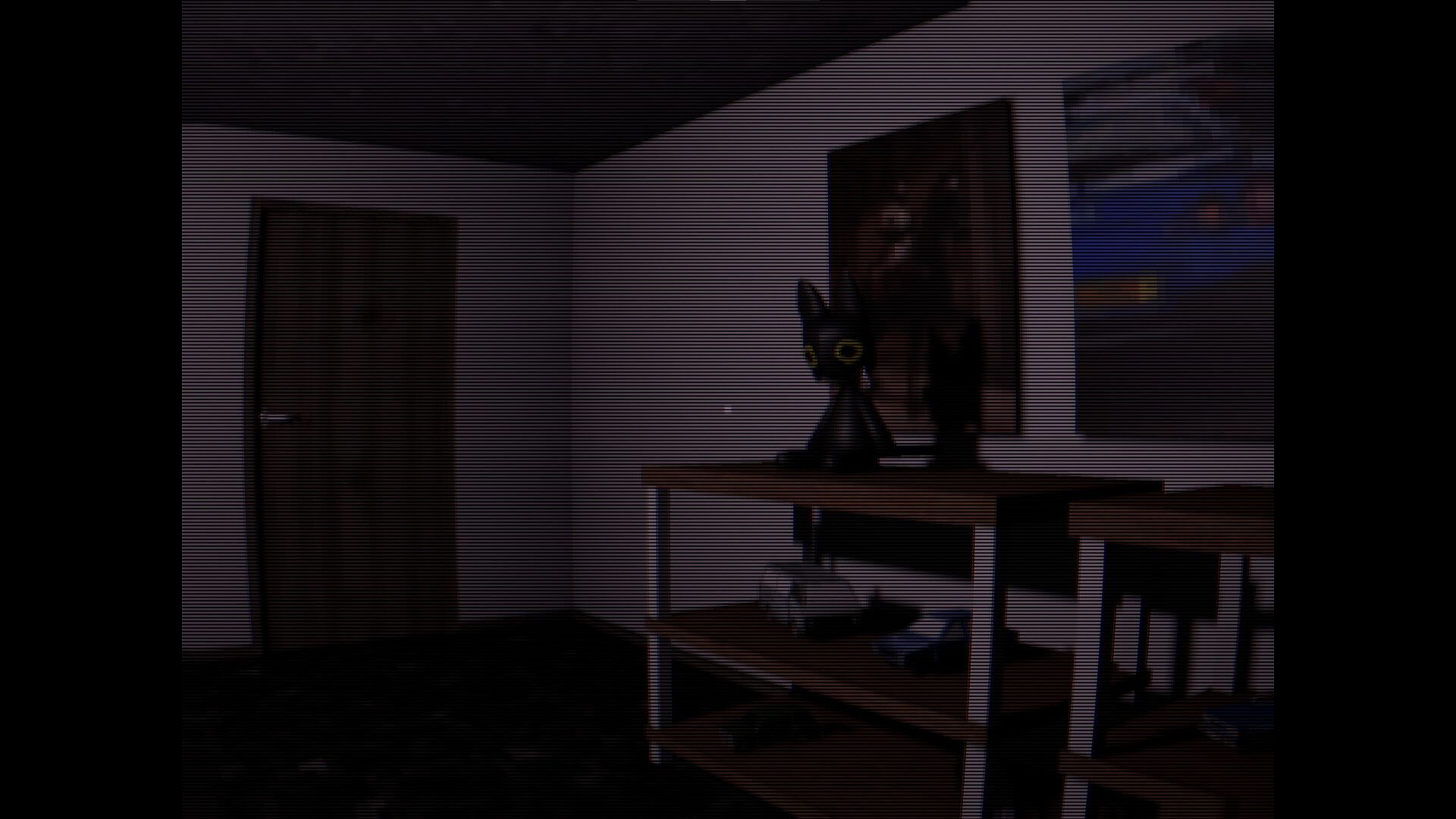
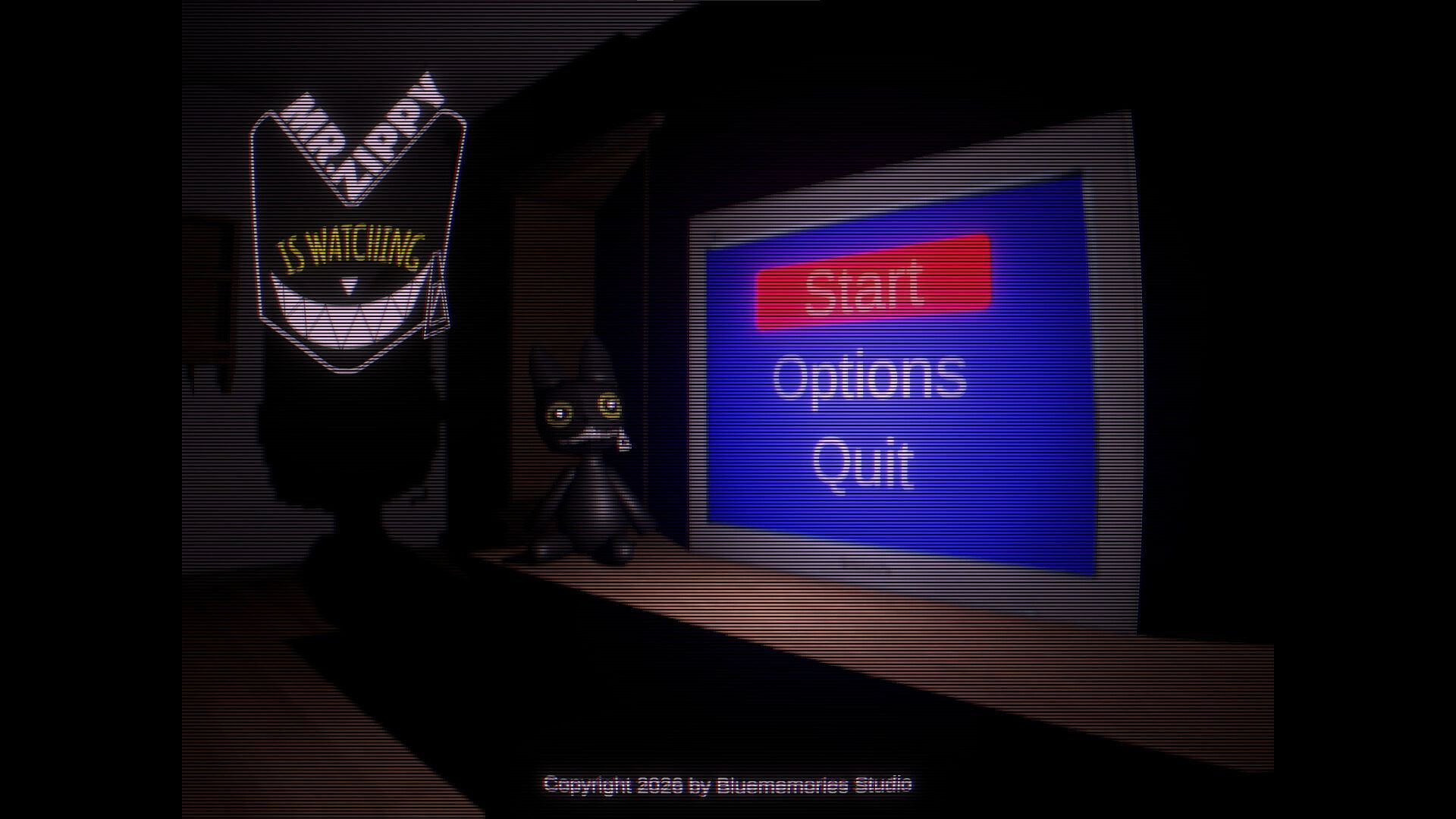
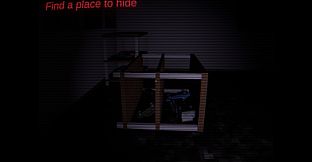
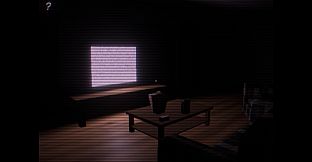
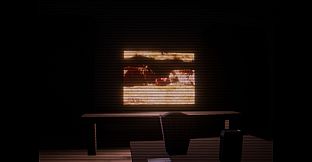
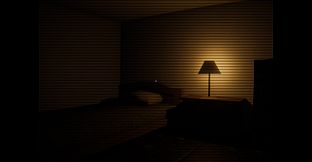
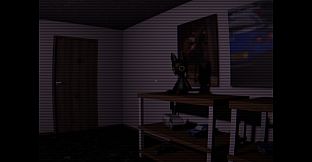
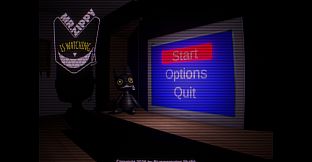
Mr. Zippy is Watching stands out as a compact indie adventure title that merges mascot horror with psychological tension in a first-person format designed for PC. Players step into the role of a child who sneaks out of bed to catch a late-night television program on urban legends, only to confront growing unease about a familiar toy left behind in the bedroom. The experience unfolds through a focused narrative that emphasizes exploration of a domestic setting, objective completion, and interaction with hidden elements around the house.
Gameplay
The core loop revolves around navigating a familiar yet unsettling home environment while managing limited resources and solving challenges to advance the story. Flashlight operation forms a central system, requiring repeated manual charging actions to maintain illumination in darkened areas where threats may lurk. Players must balance light usage carefully, as prolonged darkness increases vulnerability during key sequences.
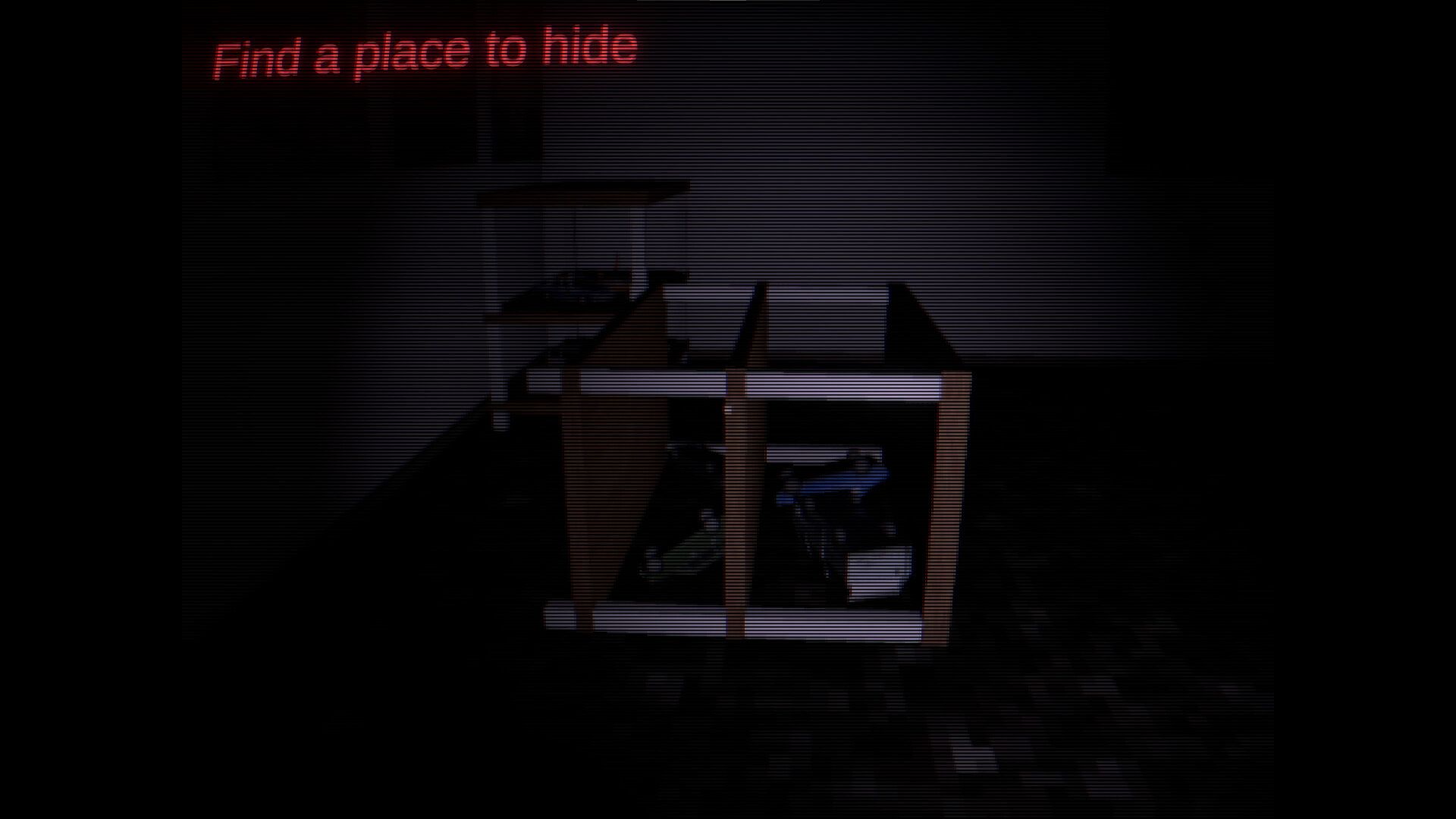
Progression incorporates a variety of minigames and puzzles that tie directly into interactions with the central figure. One notable activity involves a hide-and-seek style challenge where the flashlight must be focused precisely to locate the toy. Additional tasks require examining household objects, uncovering secrets, and responding to environmental cues to piece together events. Movement options include walking and running, with dedicated controls for interaction and secondary actions that support puzzle solving.
The visual approach draws from PSX-era aesthetics, using low-polygon models and retro rendering techniques to amplify unease through grainy textures and limited draw distances. This style supports the first-person viewpoint by creating a sense of confinement and ambiguity in familiar spaces.
Game Modes
The title operates exclusively as a singleplayer narrative experience without separate multiplayer options or competitive formats. All content centers on a linear story progression that integrates puzzle elements and minigames as part of the main path. Players follow objectives in sequence to reach the conclusion, with no branching campaigns or alternate modes available.
Minigames such as the flashlight-focused hide-and-seek activity serve as integrated challenges rather than standalone modes. These segments blend into the overall flow, requiring quick reactions or precise aiming to continue. The structure keeps the focus on atmospheric storytelling and survival within the house setting.
Atmosphere and Presentation
Tension builds through careful sound design and visual restraint, with the retro graphical style contributing to a persistent feeling of discomfort. The setting remains confined to a single residence, allowing detailed attention to ordinary objects that gain sinister implications as the narrative advances. Content includes mild fantasy violence and occasional jumpscares, though the emphasis stays on psychological buildup over graphic depictions.
Controls support both keyboard and controller inputs, with specific mappings for flashlight management that encourage active engagement. Updates from the developer have addressed technical issues and refined elements like text pacing and lighting mechanics since the initial release tied to a mascot horror game jam.
Is It Worth Playing?
Reception highlights the game's strengths in delivering a concise, atmospheric experience suited to players who enjoy short horror narratives. Early feedback praises the charming yet eerie tone, solid tension without reliance on constant scares, and the effective use of resource management during exploration. The 5.0 rating from available ratings on its primary distribution platform reflects positive responses to the overall package.
Active development continues with plans for additional content, including a new chapter, alongside ongoing bug fixes and quality improvements. This makes the title appealing for those seeking a focused singleplayer adventure that prioritizes story and mechanics over extended playtime. Individuals interested in psychological horror with puzzle integration and retro visuals will find the experience aligns well with those preferences, particularly if they value brevity and atmospheric immersion in a domestic setting.