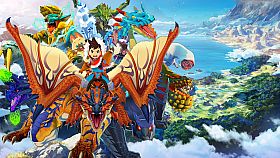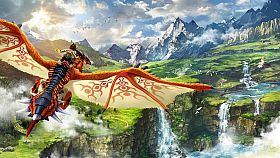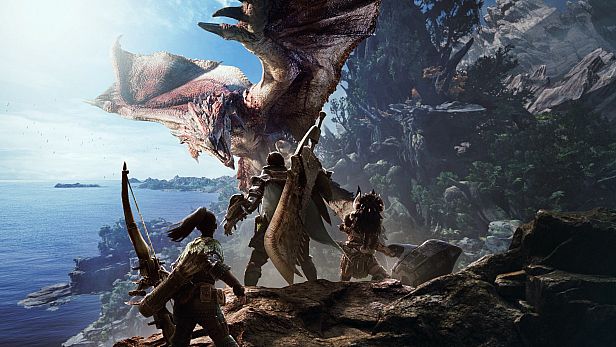






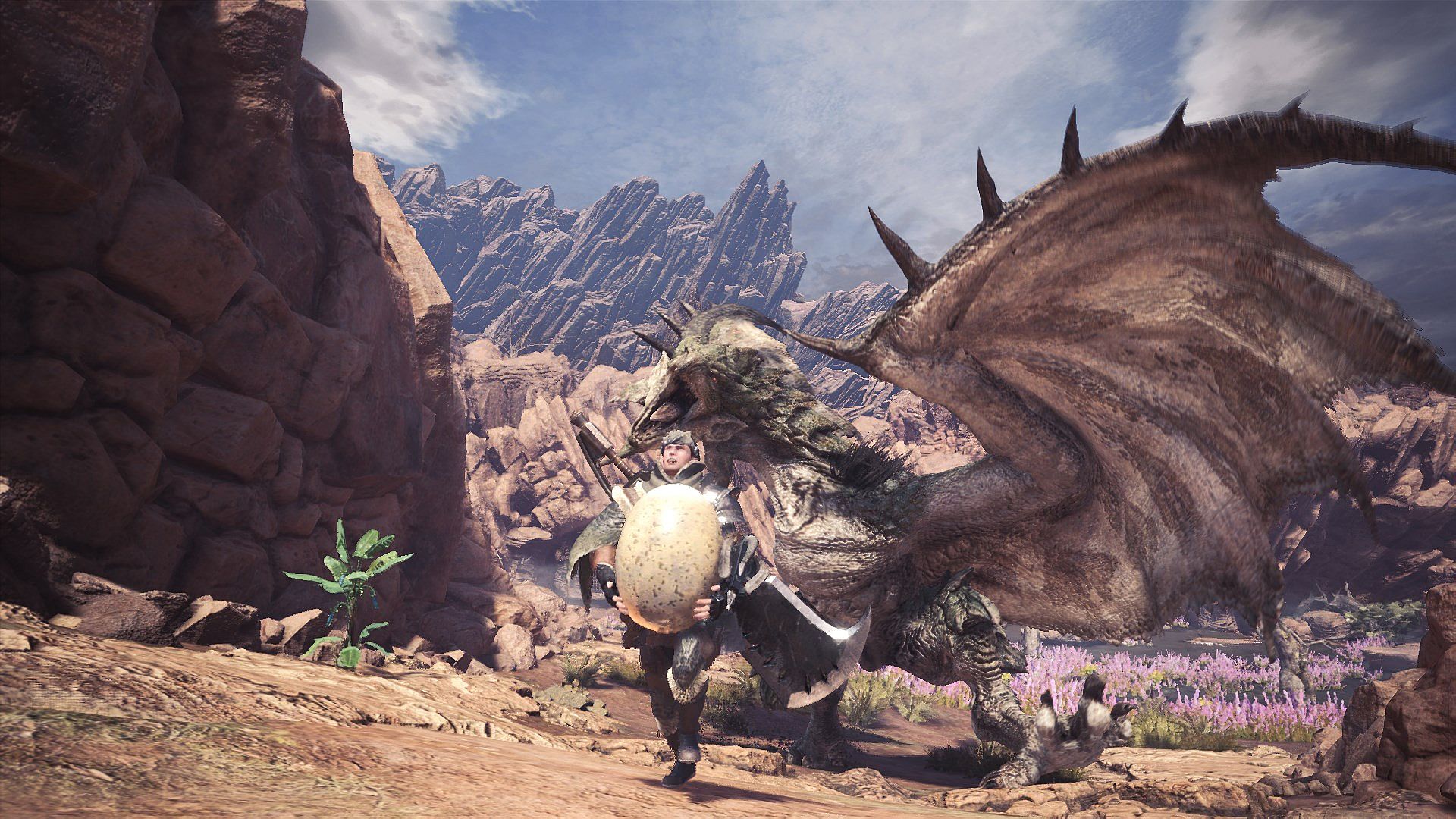
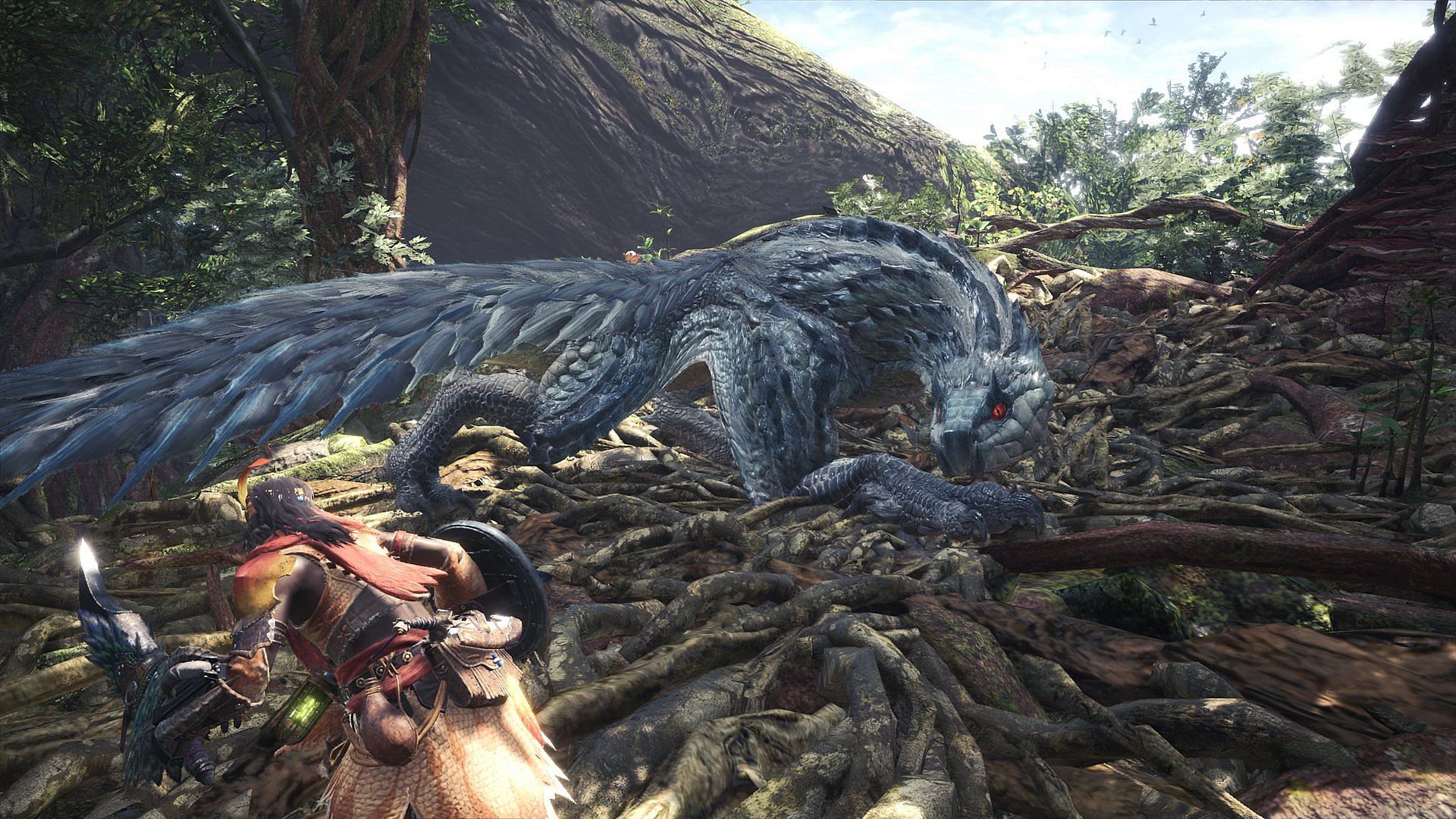
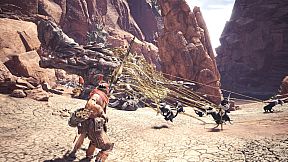
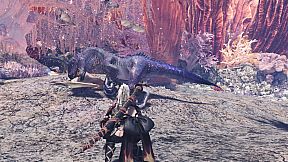
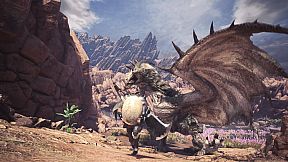
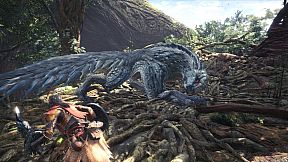
Monster Hunter: World is an action RPG that places players in the role of a hunter tasked with tracking and defeating large monsters across interconnected environments. The experience centers on preparation, combat, and resource management in a setting where monsters interact with their surroundings and each other in real time.
Gameplay
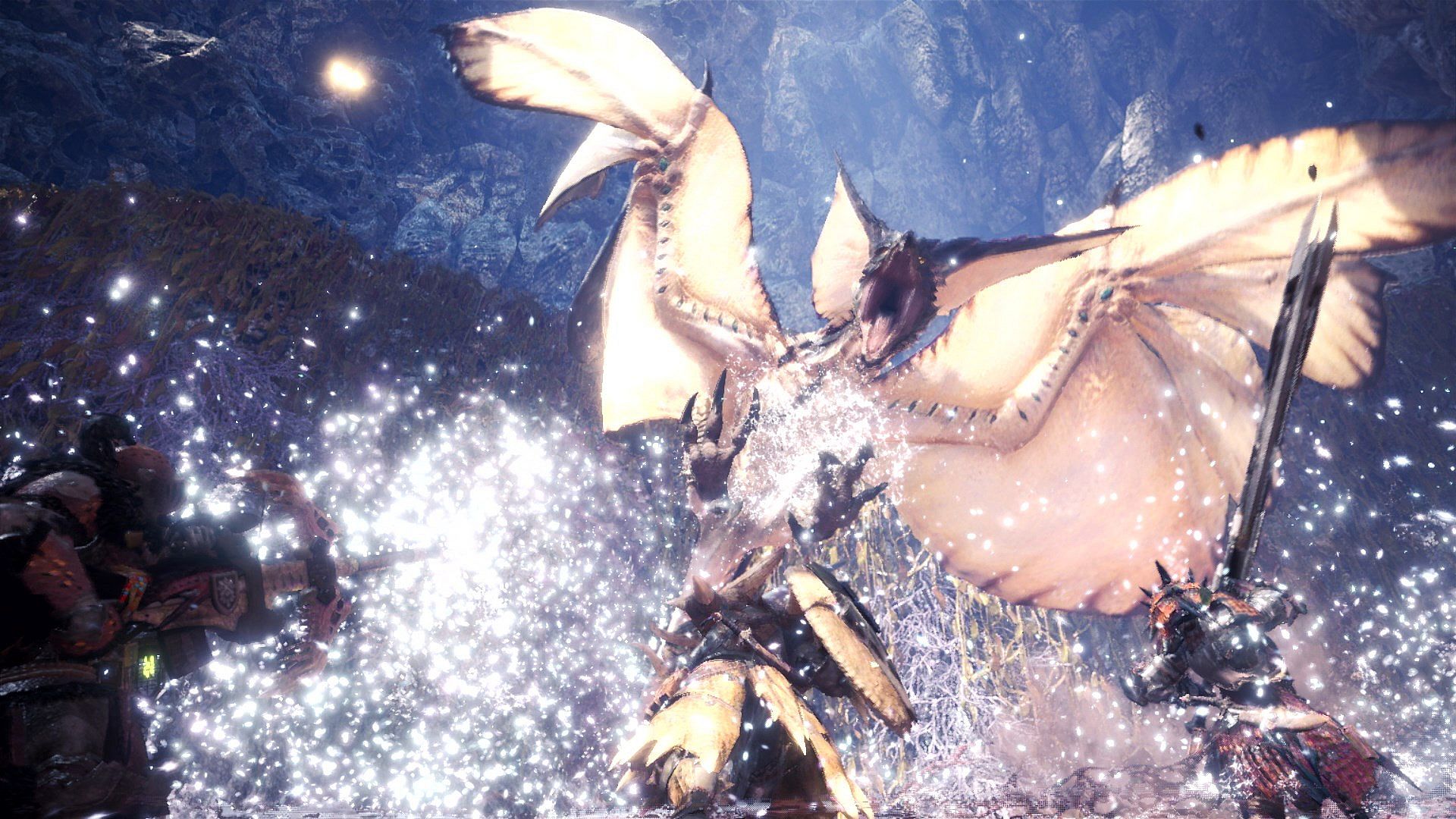
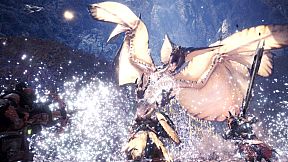
The core loop involves selecting a weapon type, preparing equipment, locating a target monster, engaging in combat, and harvesting materials from successful hunts. These materials feed directly into crafting stronger weapons and armor sets that unlock access to tougher challenges. Combat occurs in third-person view and emphasizes learning monster attack patterns, positioning, and timing rather than simple button mashing. Each weapon class features distinct move sets and playstyles that reward practice and adaptation.
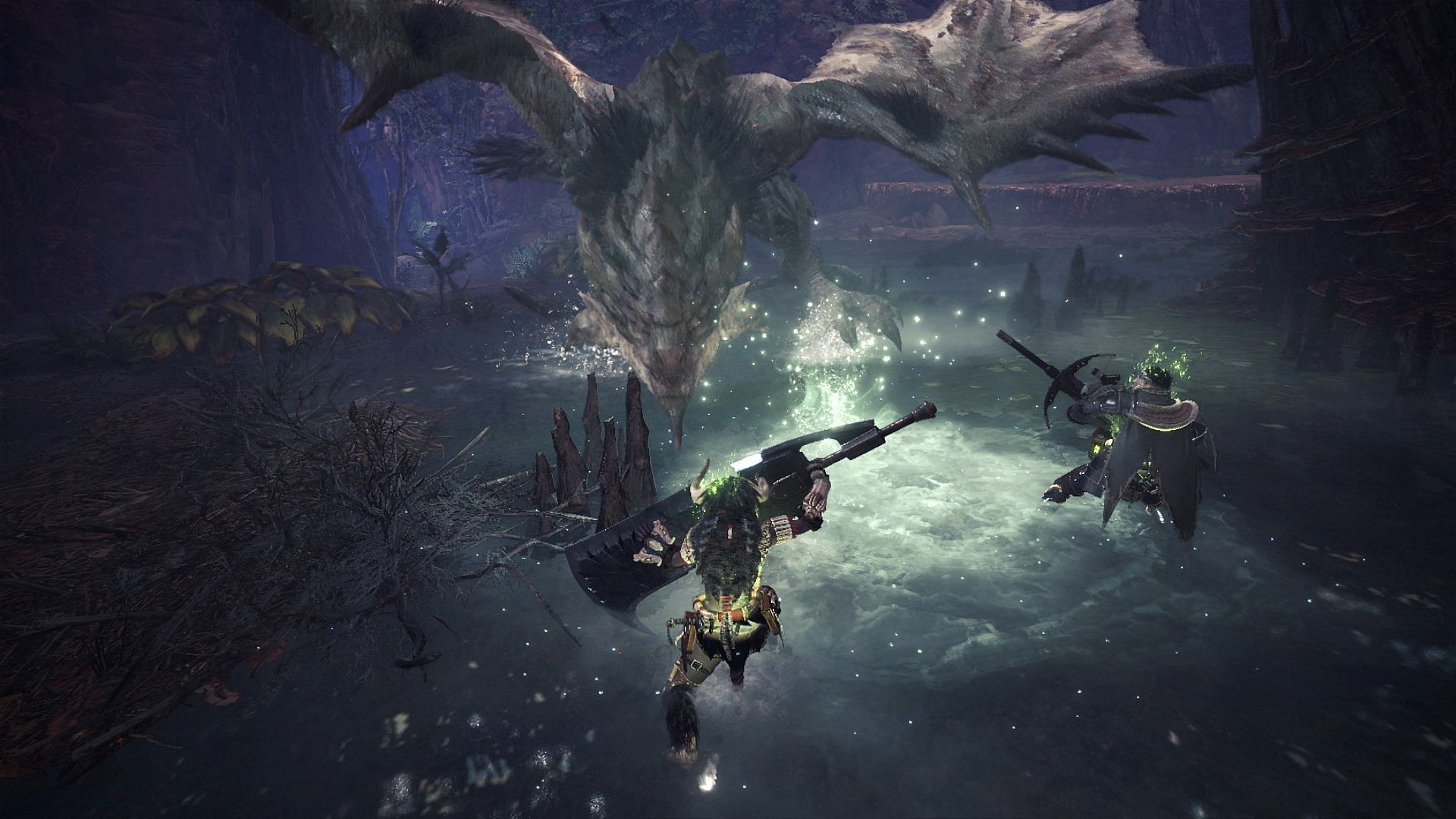
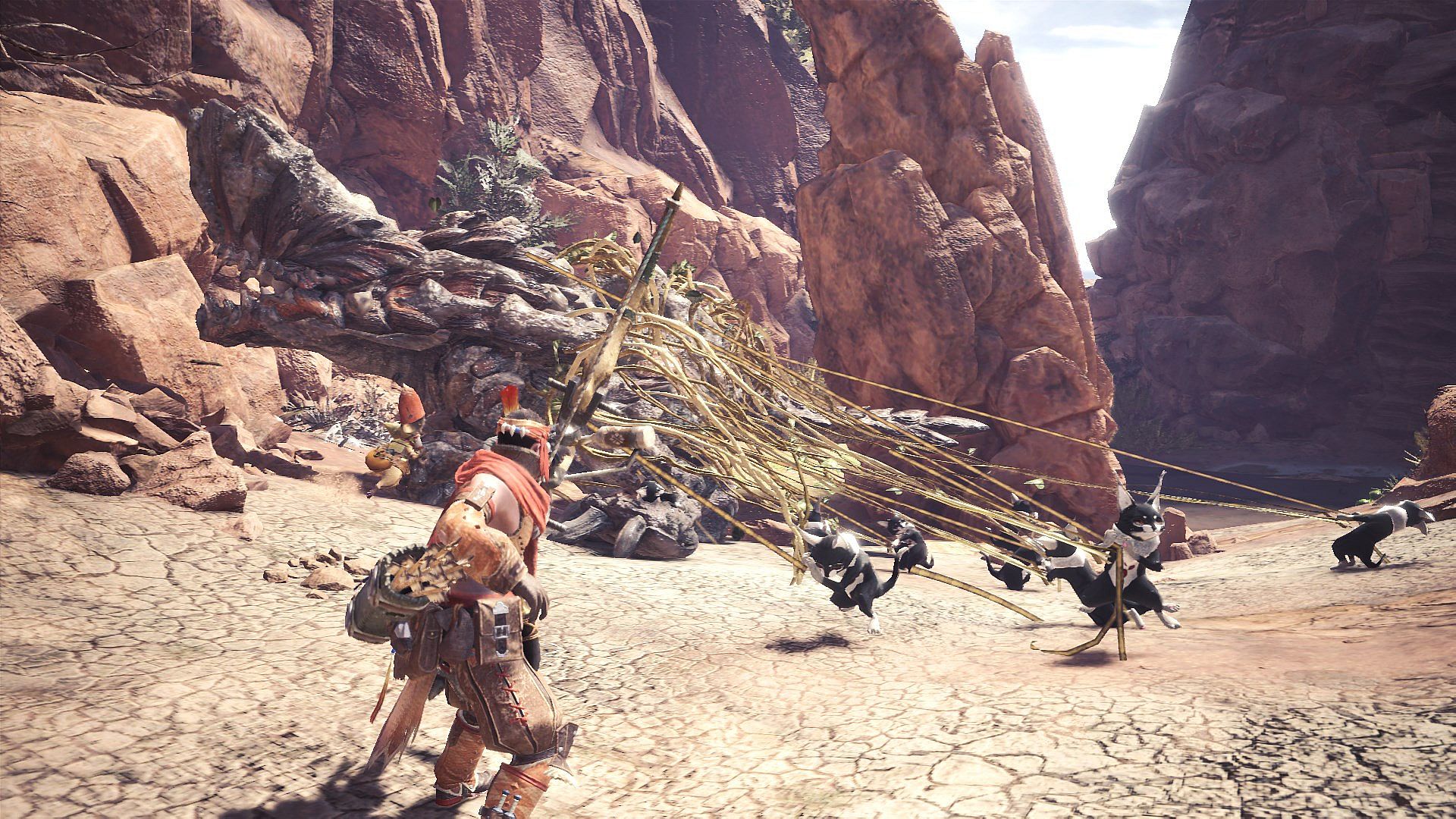
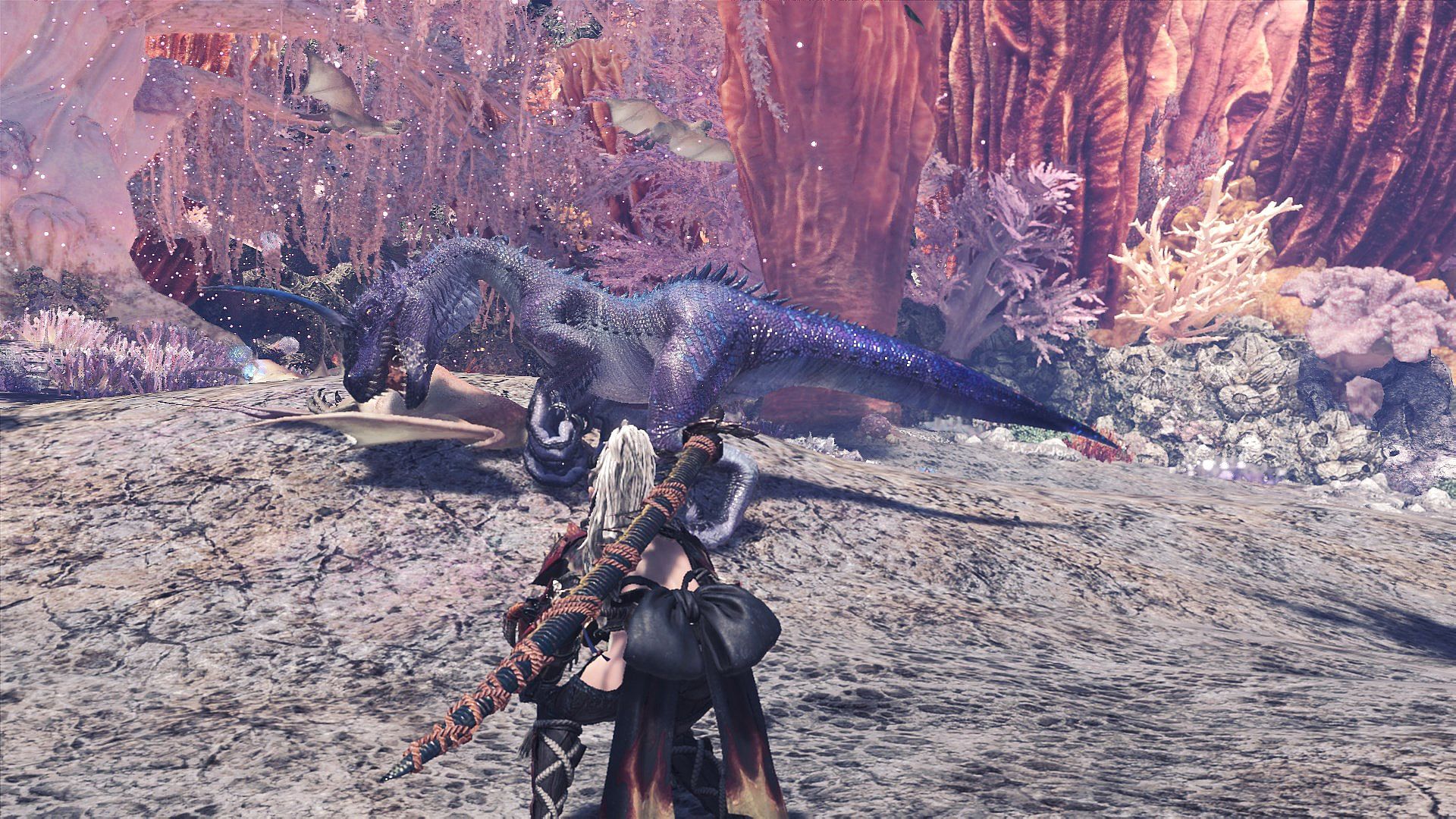
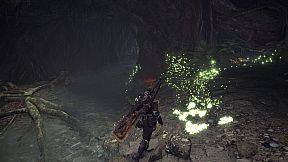
Players can interact with the environment during fights by using terrain features, luring monsters into hazards, or taking advantage of other creatures in the area. Mounting a monster allows repositioning along its body for targeted strikes. Armor and weapons carry skill ranks that combine across equipped pieces to provide bonuses such as increased damage, status resistance, or stamina management. A day-night cycle influences monster behavior and visibility in the field.
Game Modes
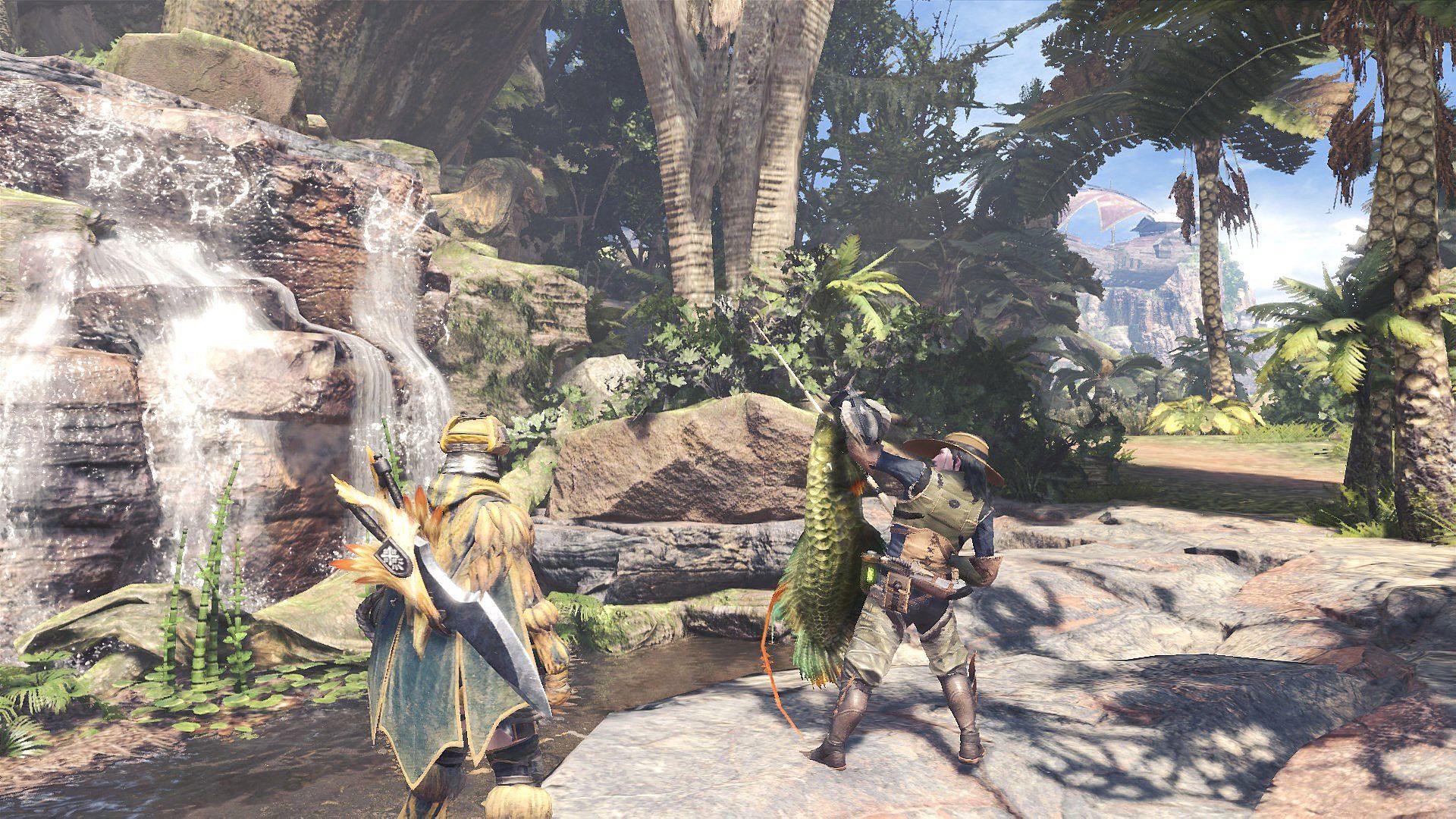
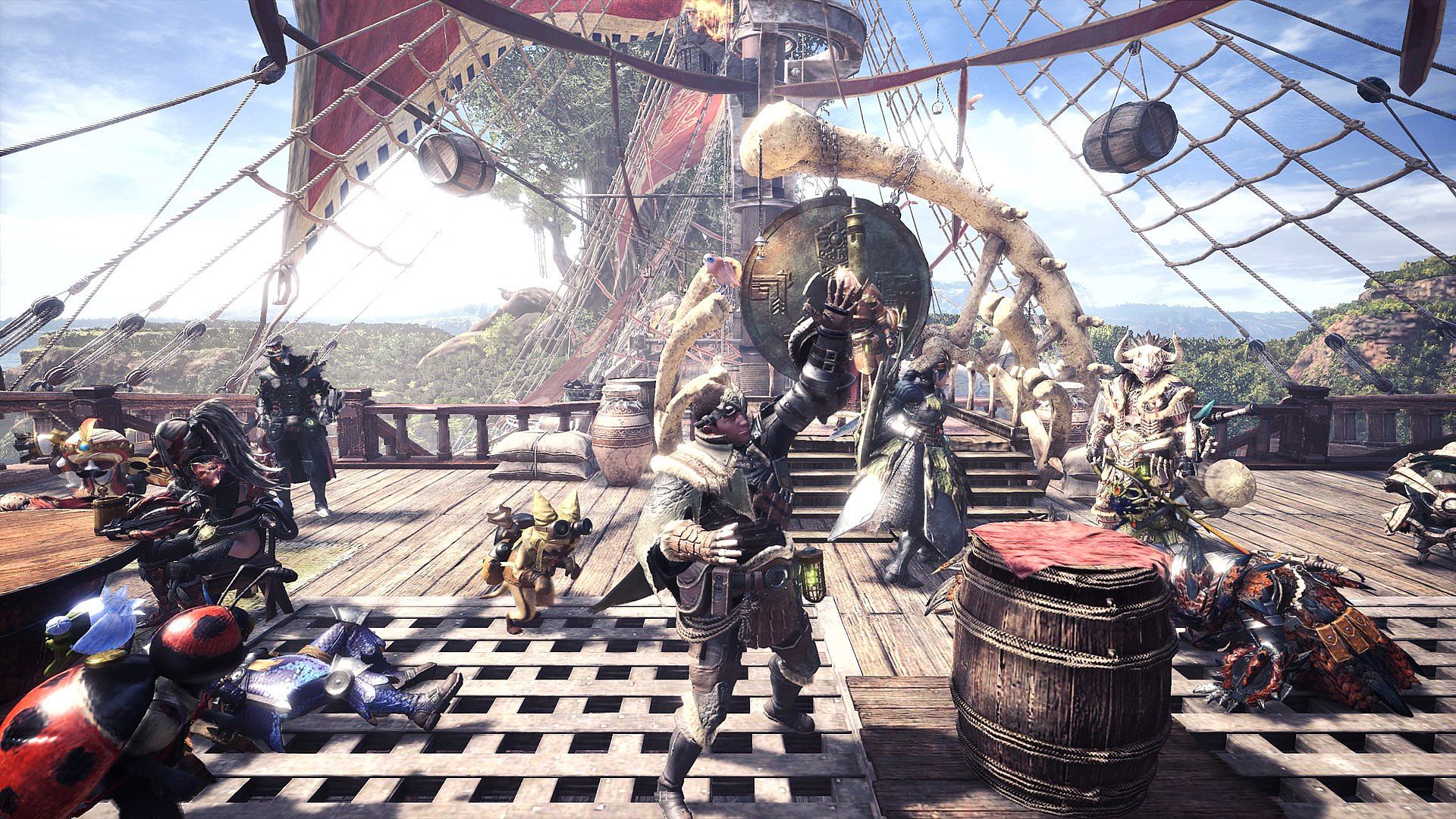
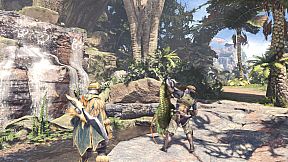
Hunts form the primary activity and can be undertaken solo or in online sessions with up to three additional players. Quests range from assigned story objectives to optional investigations that players discover while exploring. Multiplayer sessions support coordinated efforts against the same target, with shared rewards and materials distributed to all participants.
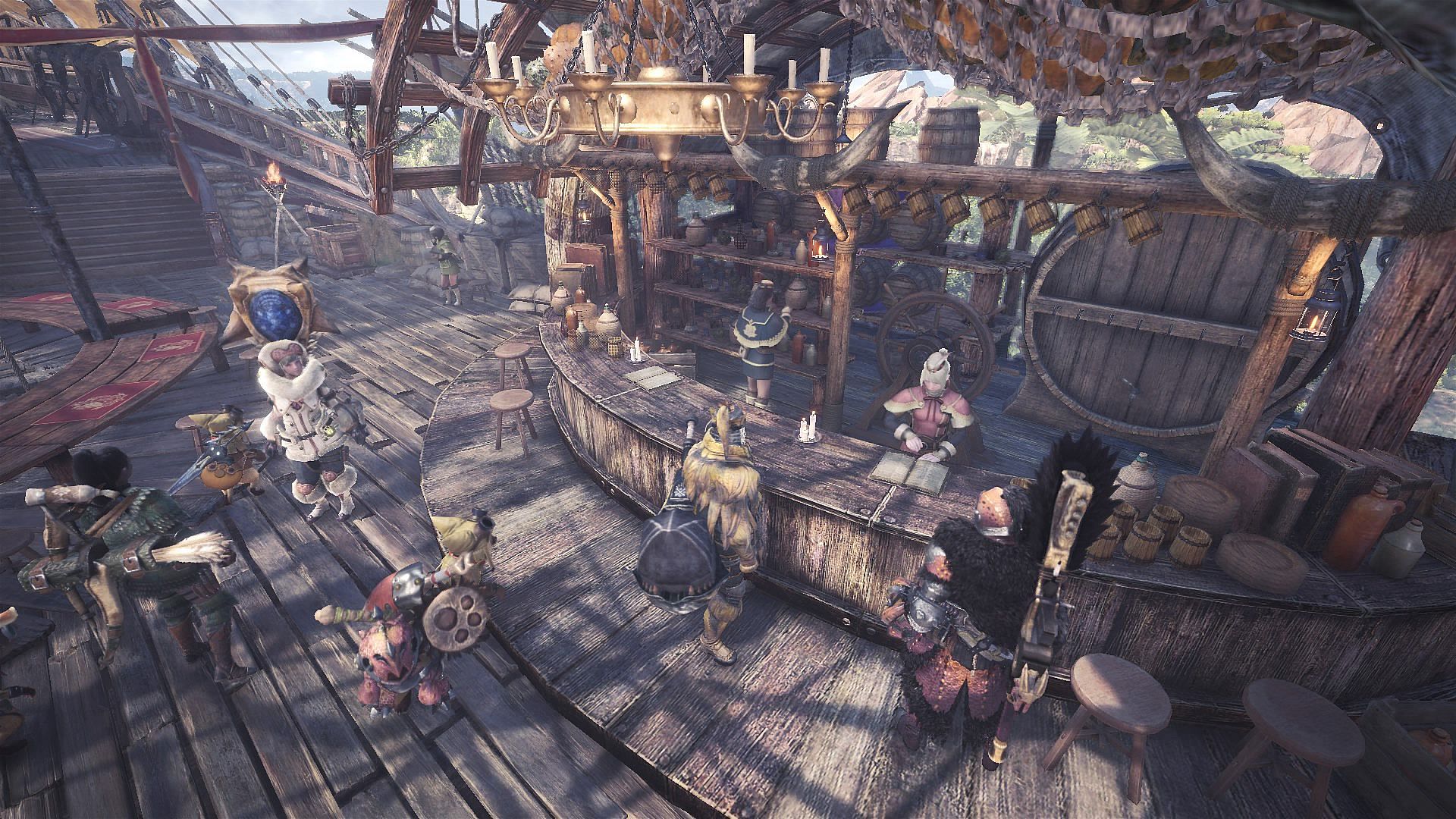
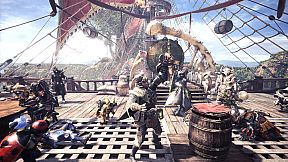
Online functionality also enables larger gatherings for certain activities, though the standard hunting experience remains focused on groups of four. No separate competitive or versus modes exist; all player interaction revolves around cooperative monster encounters.
Progression and Equipment
Advancement comes entirely through gear rather than character levels. Defeating stronger monsters yields rarer parts that allow creation of higher-tier weapons and armor. Skill systems encourage experimentation with different combinations to match specific monster weaknesses or personal play preferences. The process creates a steady sense of improvement as hunters return from expeditions with new crafting options.
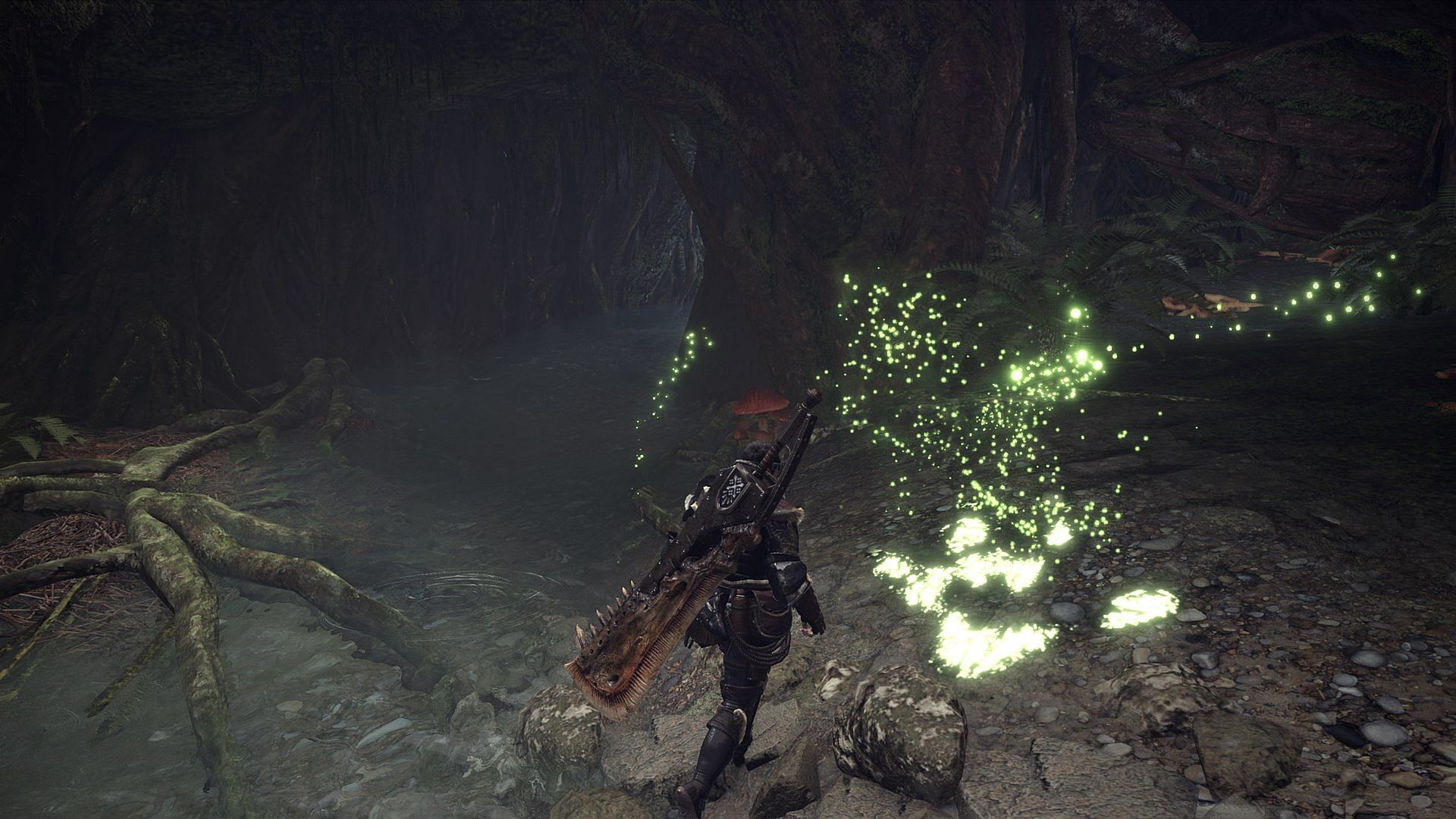
Exploration reveals additional resources and optional encounters that contribute to the same crafting economy. Environmental changes during hunts, such as broken terrain or triggered hazards, add variety to repeated visits to the same areas.
Is It Worth Playing?
Monster Hunter: World delivers a substantial amount of content built around its hunting and crafting systems. Reviews consistently highlight the depth of combat and the satisfaction of overcoming difficult encounters after preparation. The game remains available on Xbox One and Xbox Series consoles with online co-op support intact.
It suits players who enjoy methodical combat, long-term gear progression, and cooperative sessions against challenging opponents. Those seeking fast-paced action or narrative-driven experiences may find the deliberate pace and menu navigation less appealing. The title continues to attract hunters years after release due to its self-contained loop of preparation and payoff.