



















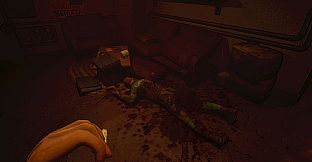
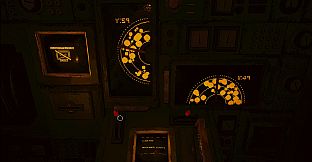



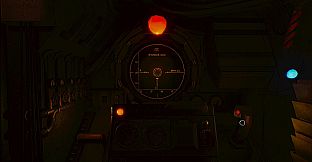

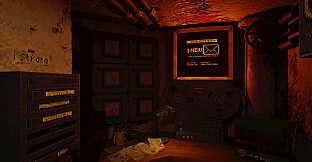

MOLE is an indie psychological horror simulation adventure game set aboard a massive deep-bore drilling vessel. Players take on the role of the Navigator in a first-person perspective, managing complex machinery while confronting personal memories and an unrelenting external signal. The experience blends tactile machinery interactions with narrative exploration in a claustrophobic environment that descends deeper into the earth.
Gameplay
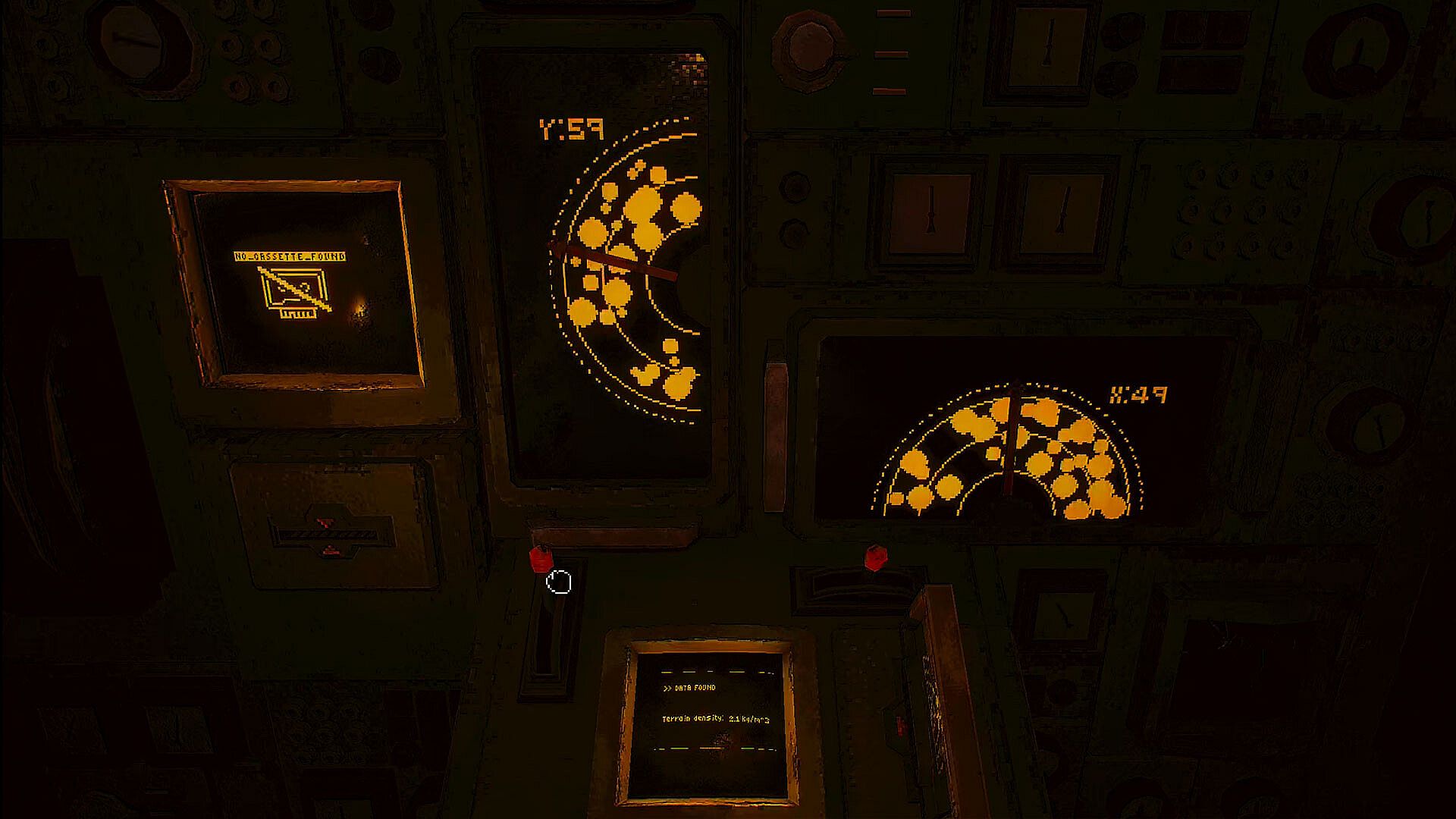
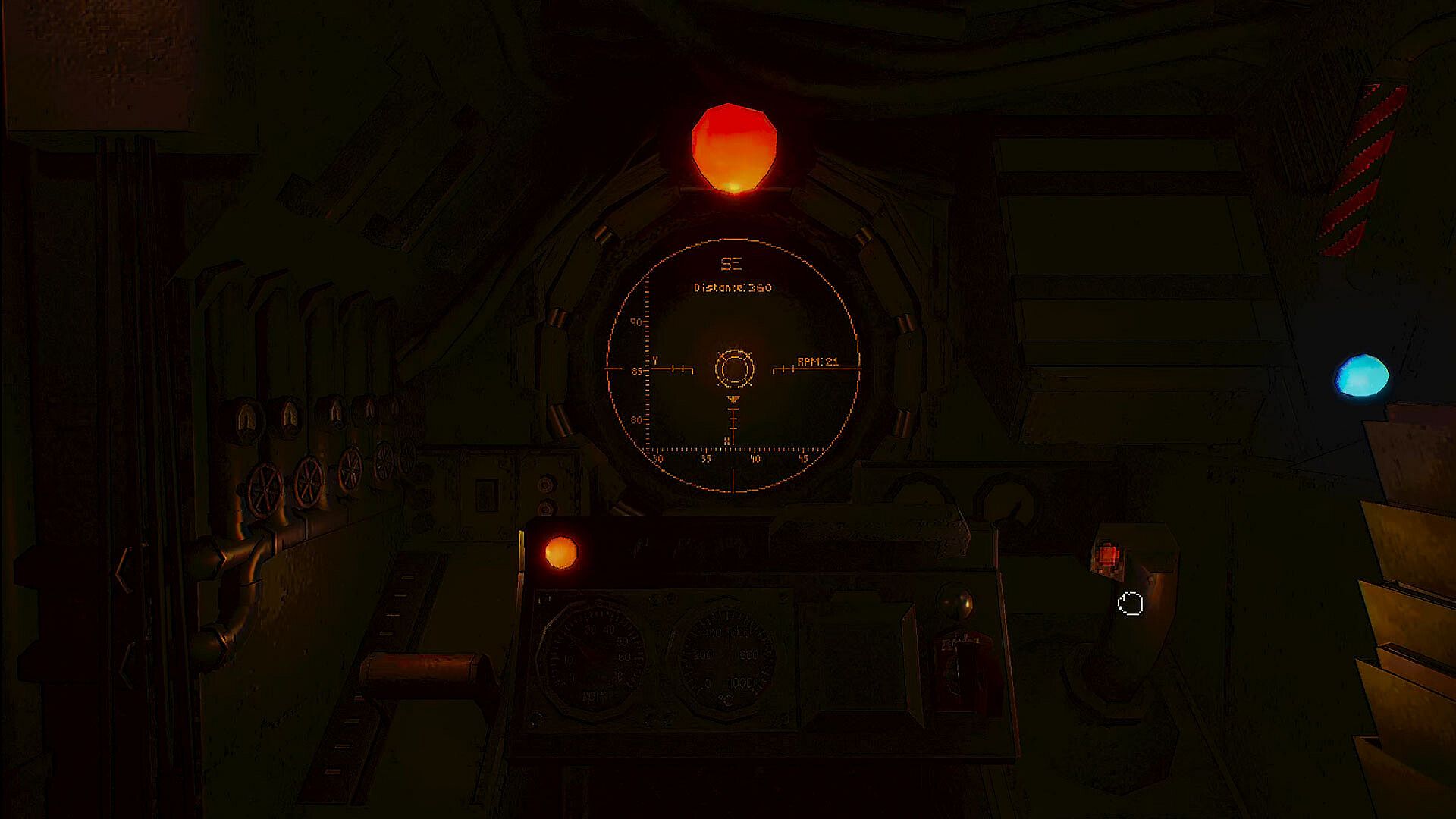
The core loop centers on operating the vessel's systems through direct, hands-on controls. Tasks involve precise mouse movements to adjust dials, pull levers, repair components like engines or fuses, and set navigation courses. These actions feel mechanical and deliberate, requiring players to perform sequences manually rather than through simple button presses. As the descent continues, pressure builds from the need to maintain the vessel while memory fragments emerge, presenting narrative choices that influence the unfolding story.
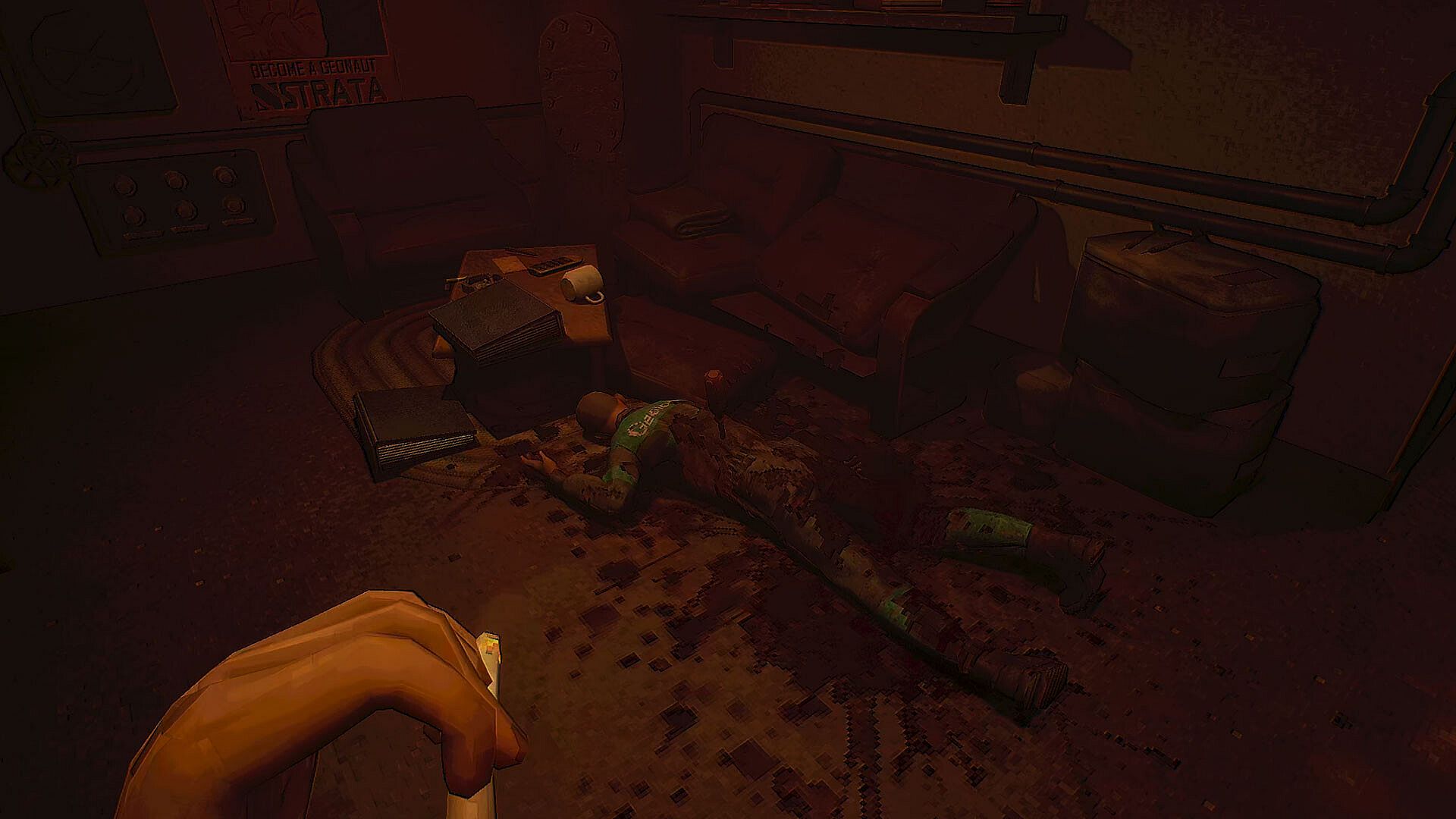
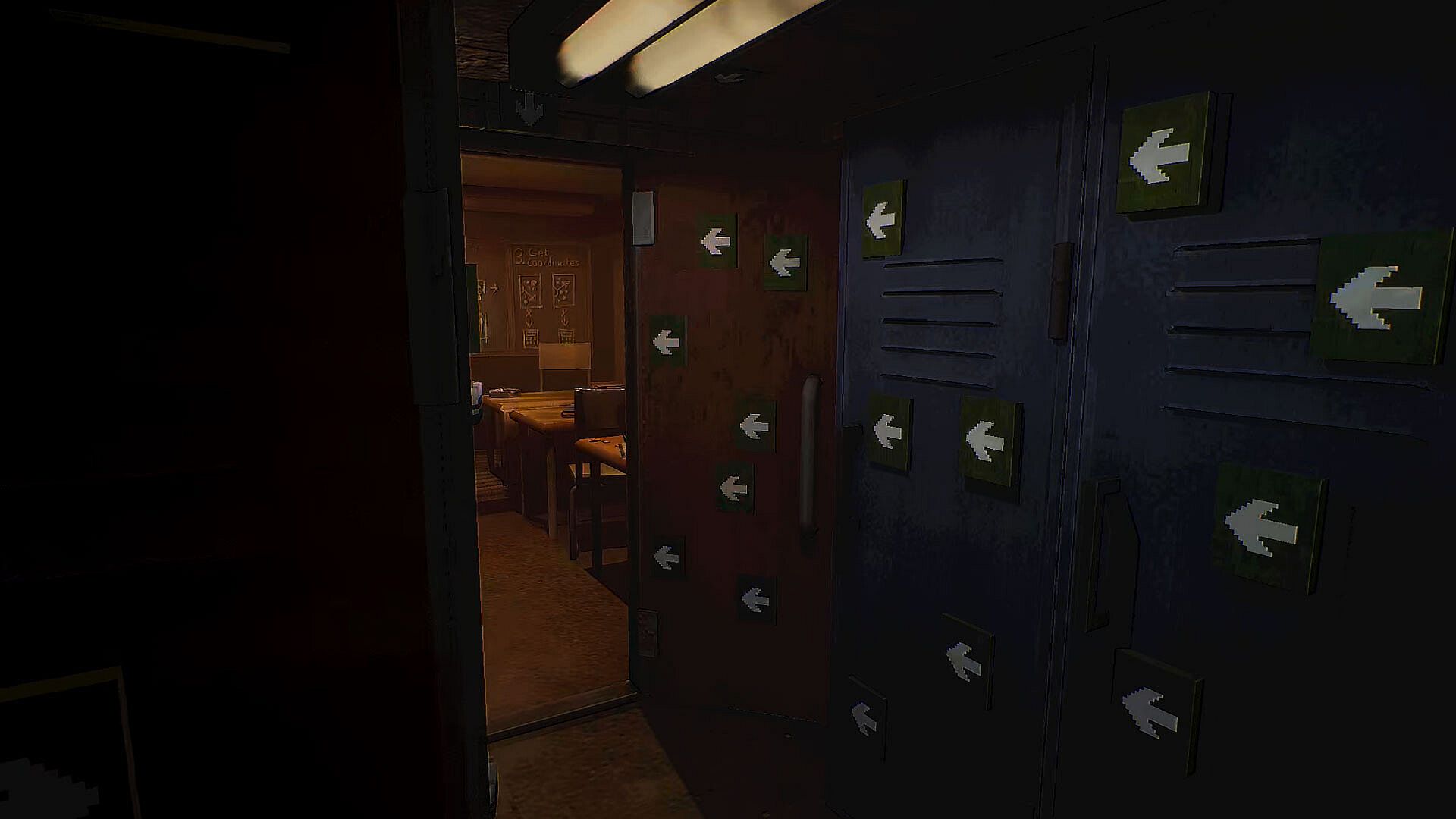
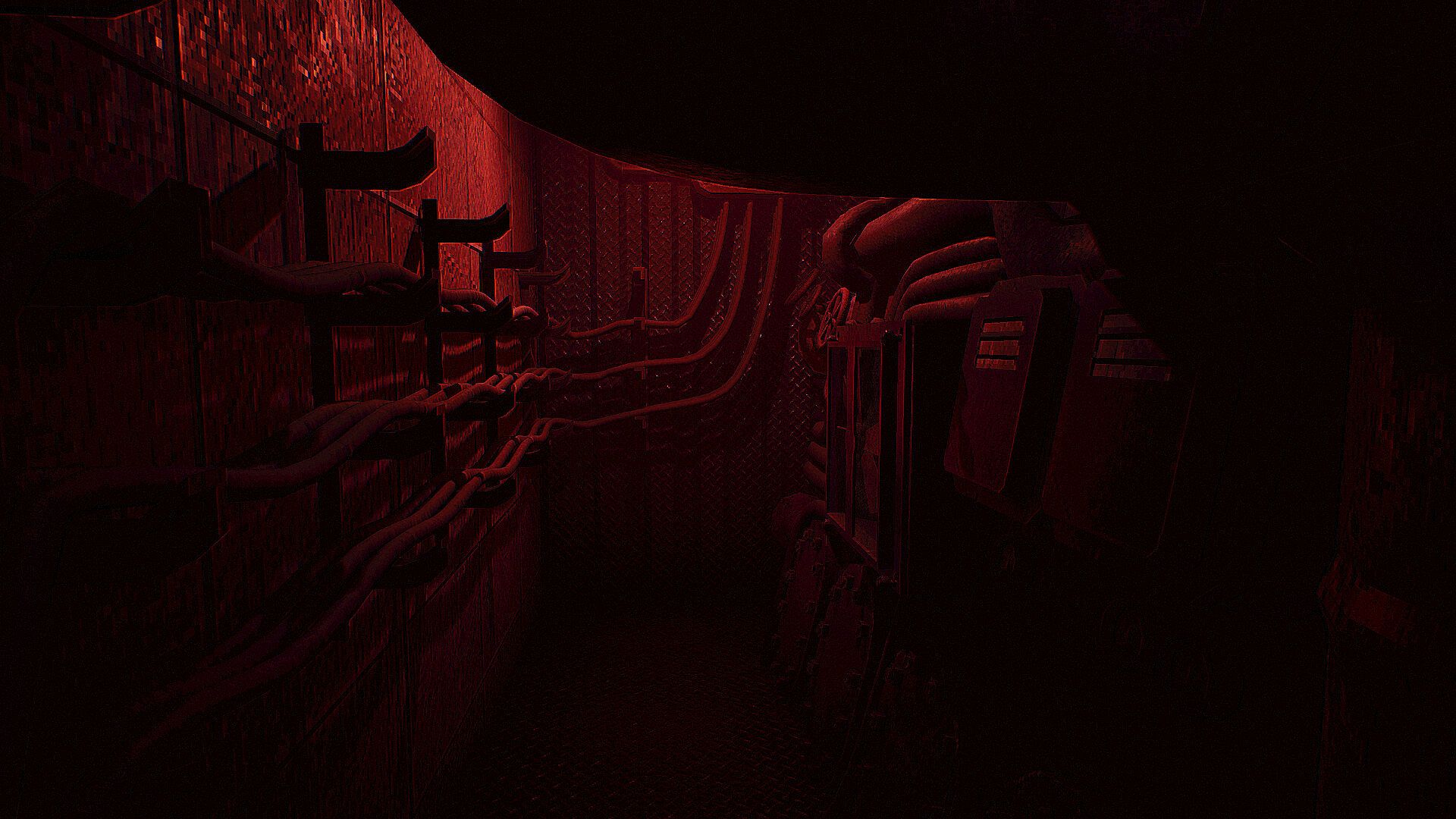
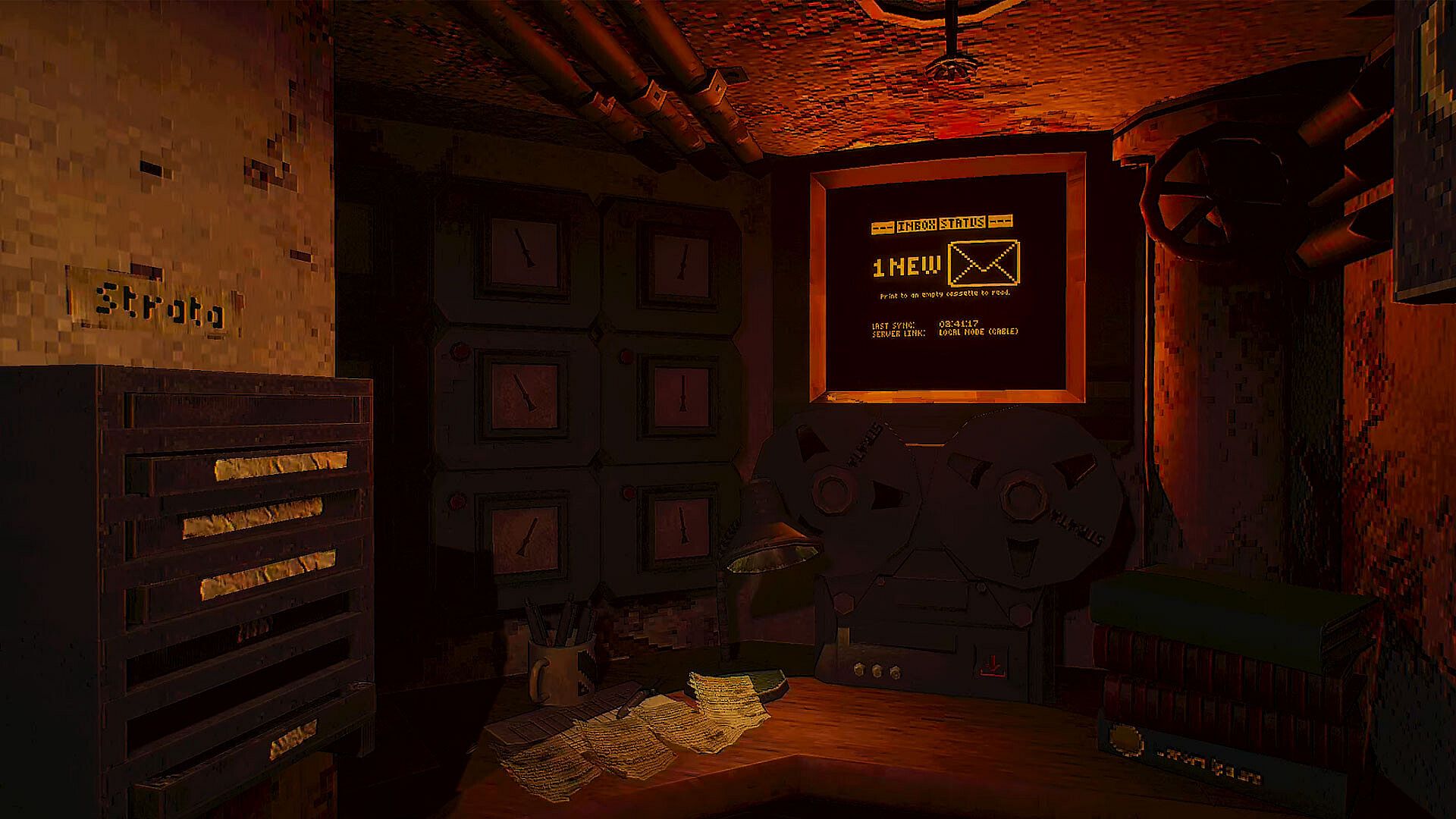
Puzzles integrate directly into the environment, often demanding attention to visual and audio cues scattered throughout the ship. Environmental storytelling reveals details about the missing crew and the vessel's purpose without explicit exposition. Chase sequences add tension, forcing players to navigate threats through avoidance rather than combat. The retro aesthetic and sound design heighten the sense of isolation and unease during these moments.
Sanity mechanics tie into the descent, where prolonged operation erodes mental stability and affects perception of the surroundings. Players must balance vessel maintenance with these personal elements, creating a loop that mixes simulation precision with horror atmosphere.
Game Modes
MOLE operates as a single-player narrative experience without separate multiplayer or competitive modes. The structure follows a linear progression through the vessel's depths, punctuated by puzzle-solving segments and story revelations. All gameplay occurs in first-person view aboard the drilling machine, with no branching campaigns or alternate scenarios confirmed beyond the core descent.
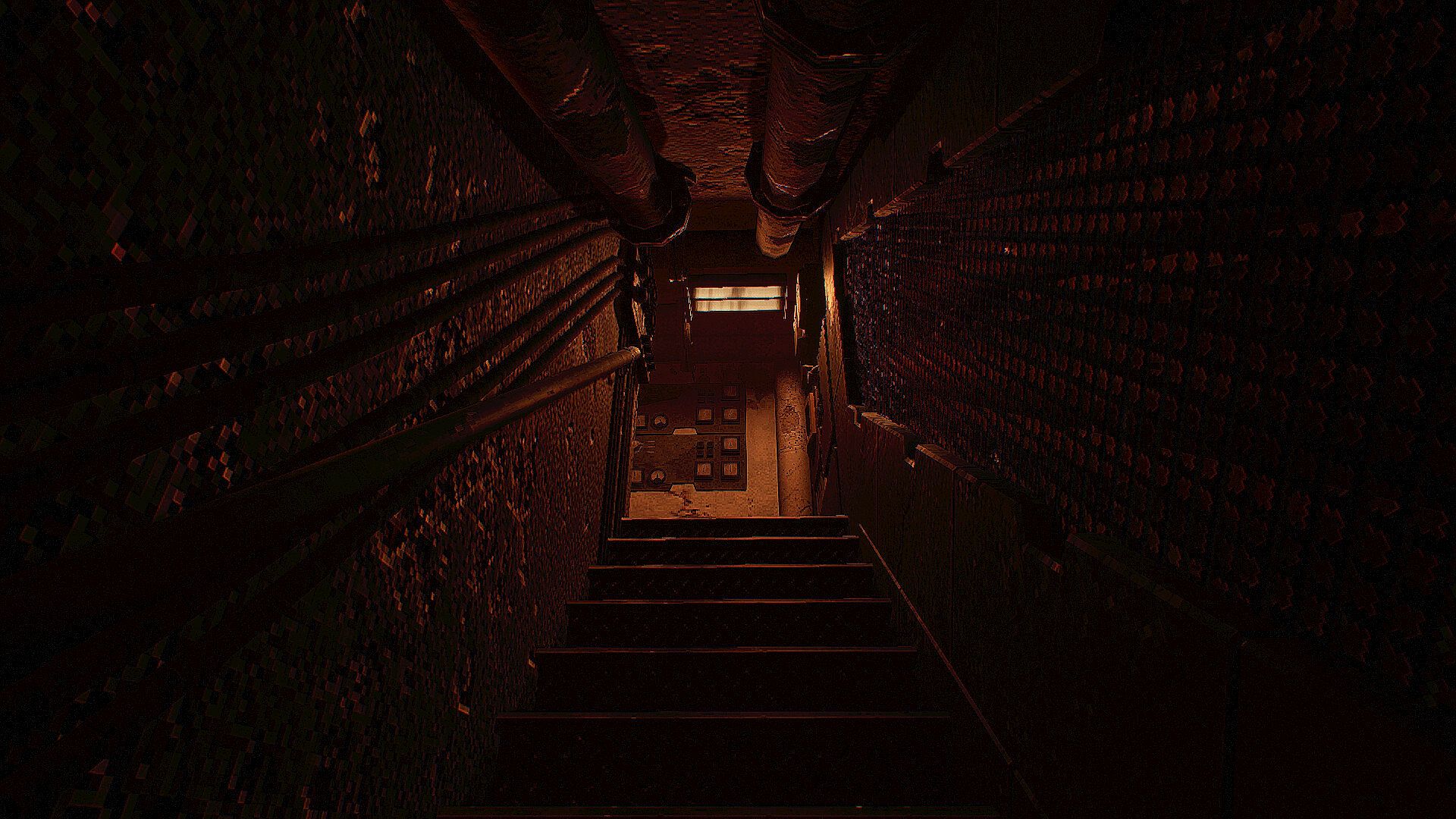
Exploration focuses on the vessel's interior systems and the personal history of the Navigator. Tasks escalate in complexity as depth increases, combining routine machinery operations with urgent responses to emerging threats. This unified mode emphasizes immersion in the simulation elements over varied playstyles.
Narrative and Themes
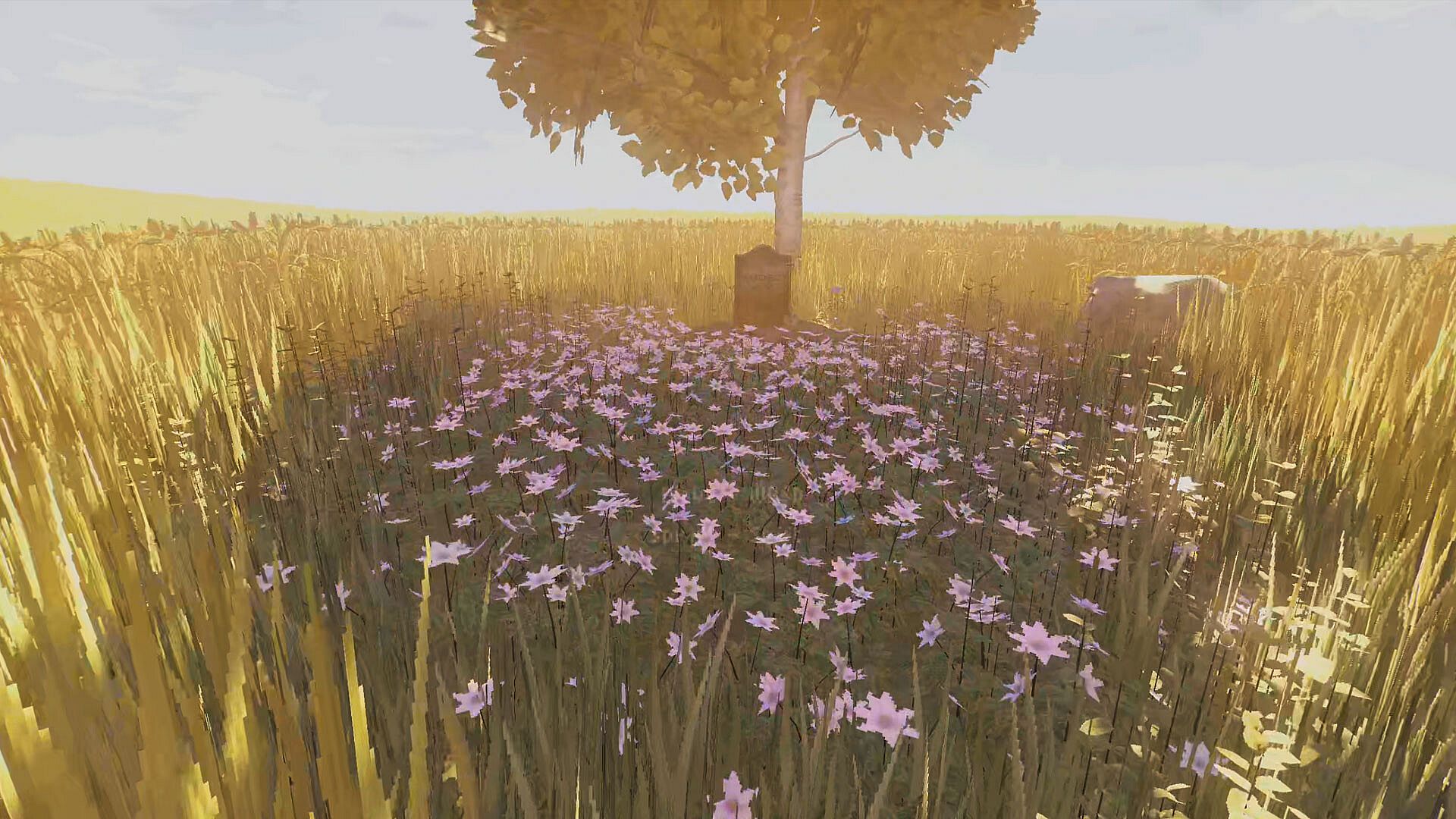
The story revolves around faith, madness, and buried personal history as the Navigator pursues a mysterious signal. Memory fragments surface through choices that players make during interactions, gradually revealing the circumstances of the crew's disappearance. The setting draws on a post-WWII Slavic-inspired aesthetic for the vessel, reinforcing themes of isolation and sacrifice.
Player actions around the drill directly tie into the unfolding events, making the simulation mechanics part of the narrative delivery. The experience explores the cost of pursuing redemption or answers at extreme depths, both literal and psychological.
Is It Worth Playing?
MOLE suits players who enjoy process-oriented simulation paired with psychological horror elements. The tactile puzzle design stands out for its satisfying, hands-on feel during machinery tasks, while the short runtime allows for a focused session without extended commitment. Reviews highlight the polished atmosphere, creative puzzle variety, and effective environmental storytelling as strengths that reward attentive play.
Those drawn to first-person adventures with mechanical depth and narrative mystery will find the core systems engaging. The absence of combat shifts emphasis to tension through avoidance and maintenance under pressure. Recent release status means the title remains in its initial form, with community feedback noting strong execution in its niche.
Overall, the game delivers a cohesive experience for fans of claustrophobic, simulation-heavy horror without relying on expansive features or ongoing updates. Its emphasis on deliberate interactions and story integration makes it a targeted recommendation rather than a broad appeal title.














