



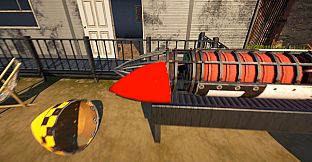
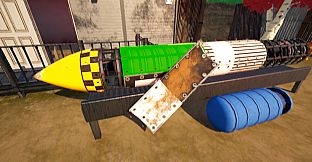
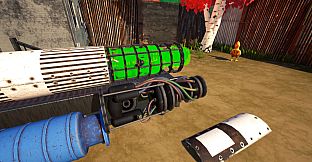
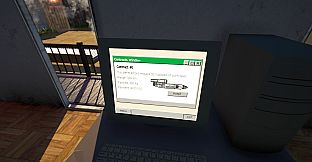

Missile Arsenal Simulator is an indie simulation game where players take on the role of an eccentric inventor constructing ballistic missiles on a rural farm. The experience blends casual building mechanics with strategic decision-making as resources are gathered, equipment upgraded, and products delivered to demanding buyers. Single-player progression forms the core loop, with opportunities to automate tasks and manage multiple production lines over time.
Gameplay
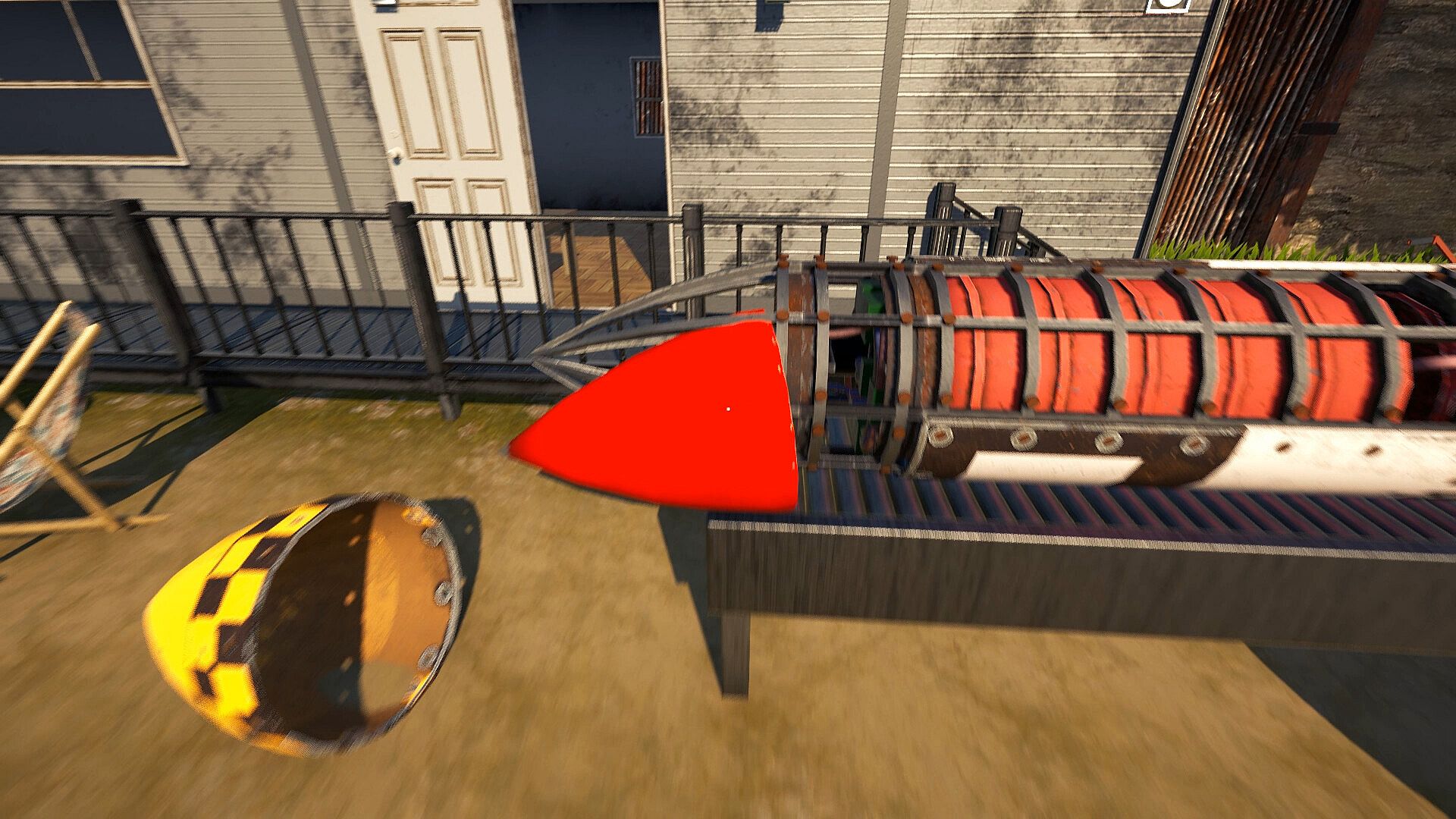
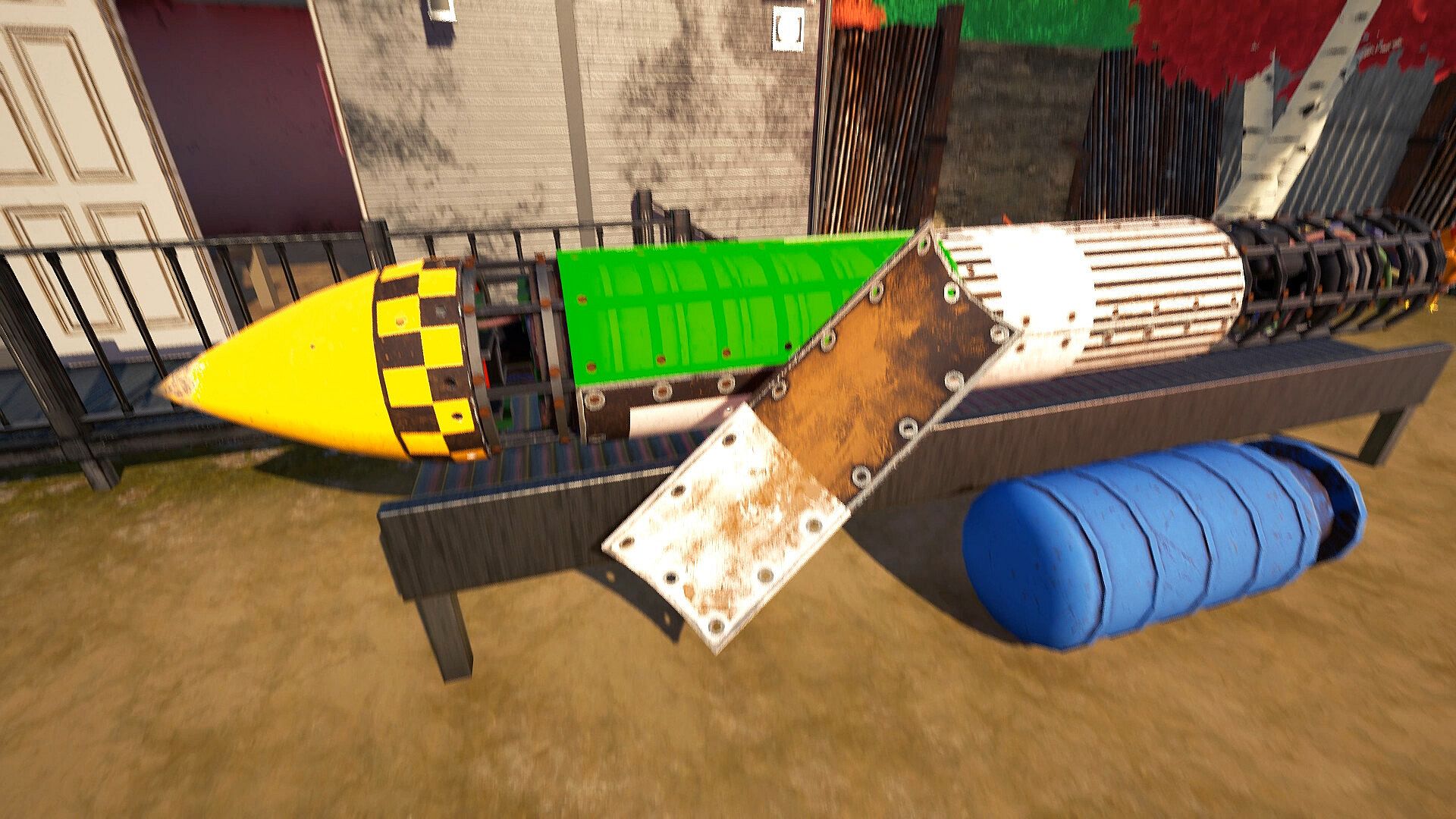
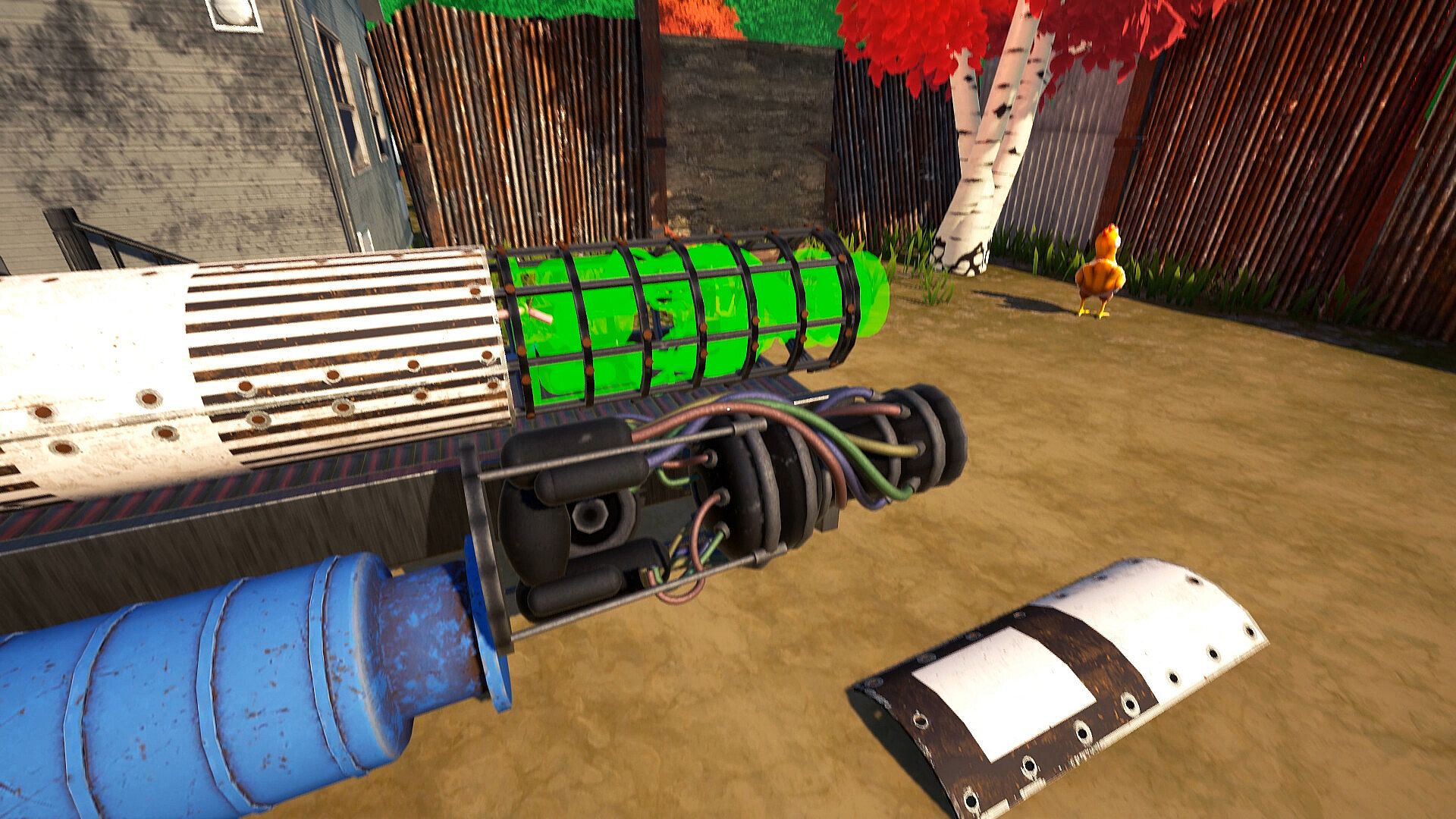
Players begin at a basic workbench, assembling missile components from scavenged materials such as oil drums for casings and fertilizer-based mixtures for fuel. Early efforts rely on manual welding, wiring, and mixing, which gradually give way to purchased machinery including 3D printers and precision tools. Cash earned from completed orders funds research into better propellants and facility expansions that transform the barn into a more efficient operation.
Assistants become available for hire to handle repetitive labor. Interns manage heavy lifting and transport of parts, while scientists focus on technical refinements that push design limits. This automation layer reduces hands-on work and allows focus on higher-level planning, such as balancing production speed against quality requirements from clients.
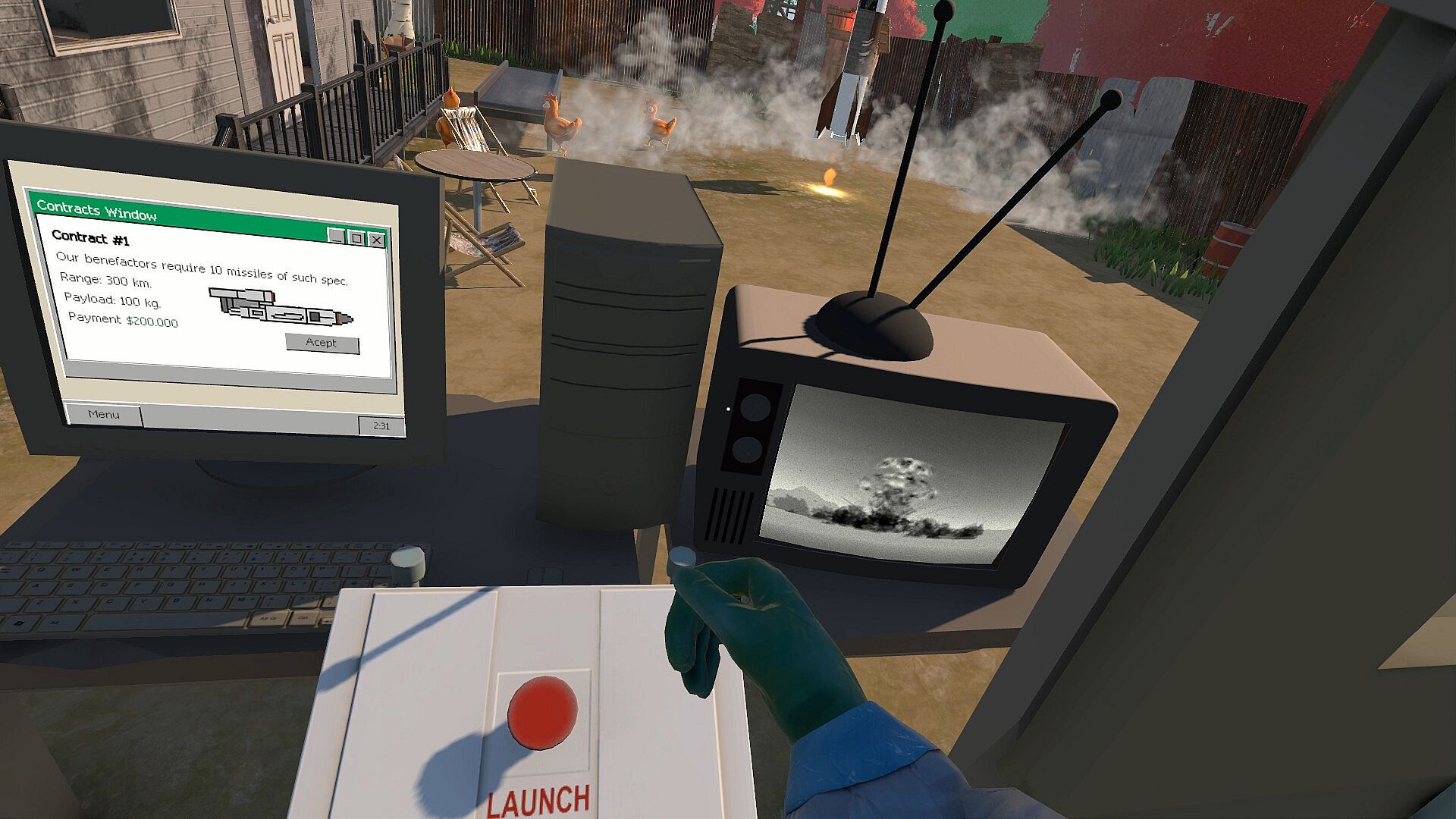
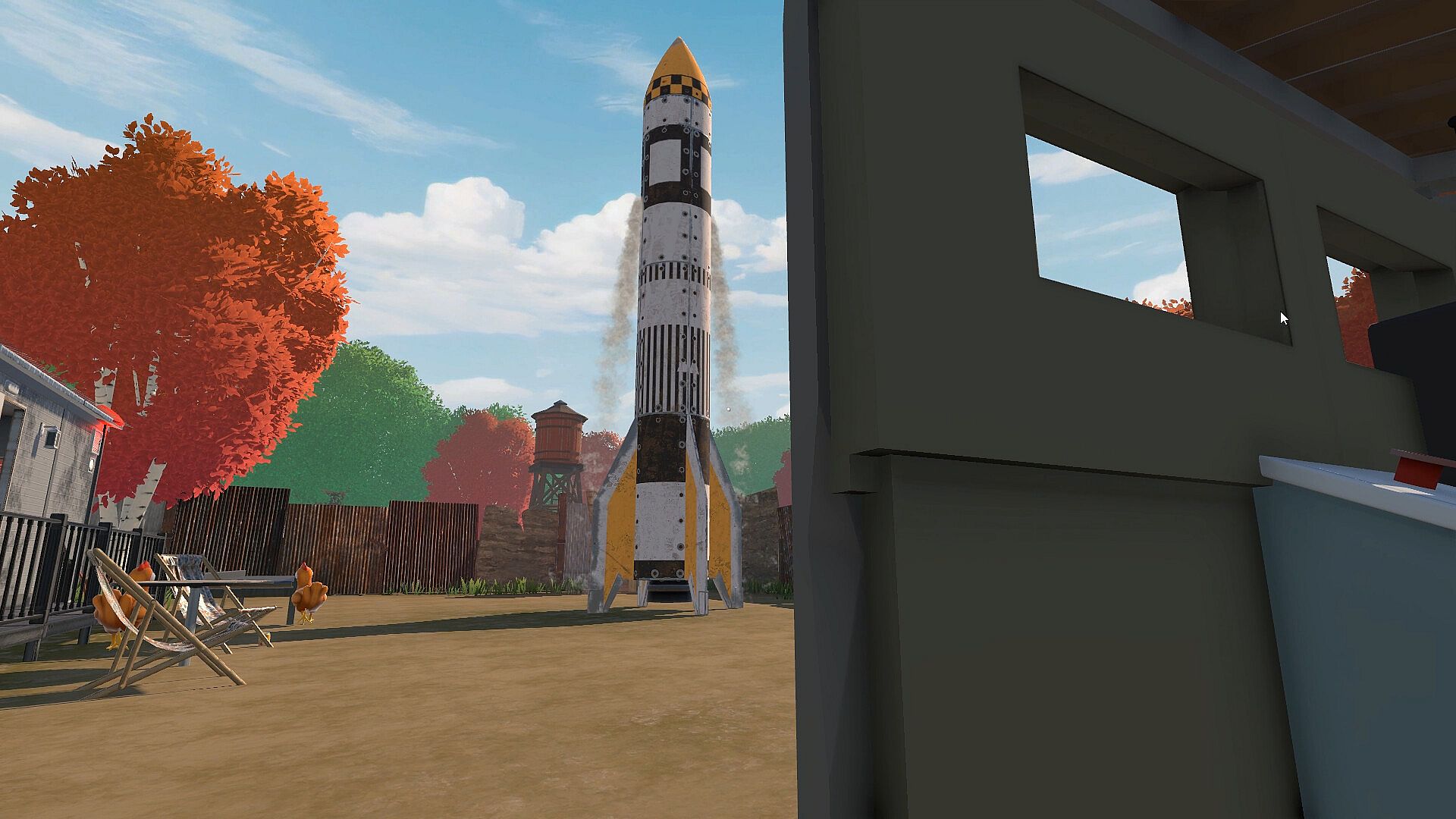
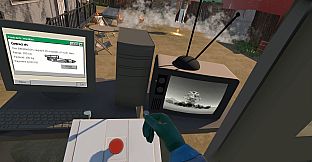
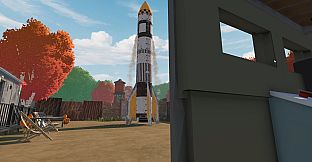
Every completed missile undergoes testing in the backyard before delivery. A large red button initiates launches that appear on holographic radar displays and old television feeds. Trajectory errors can send projectiles off course toward unintended targets, resulting in penalties that affect available funds and reputation.
Game Modes
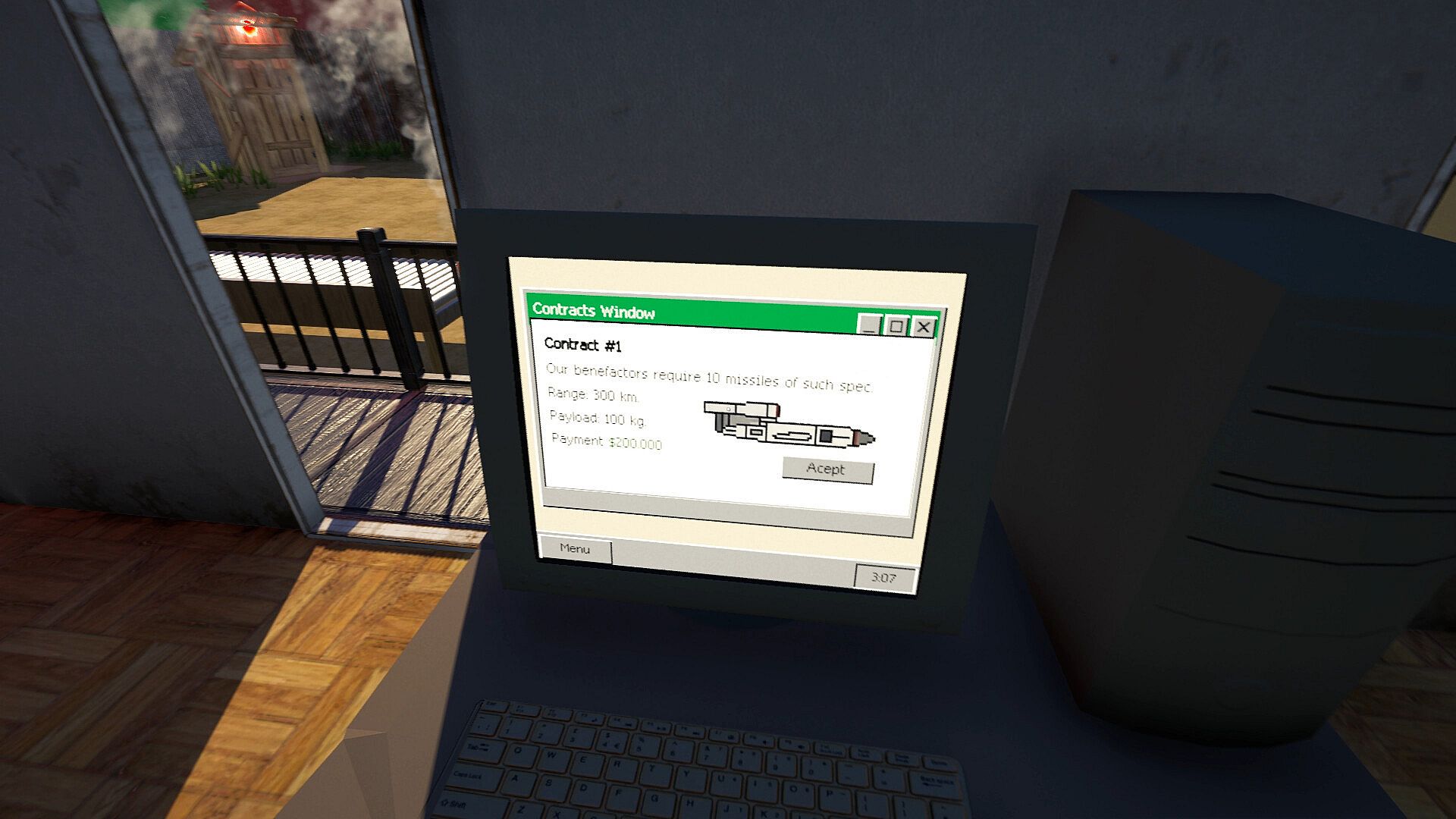
The primary experience centers on steady progression through assembly, testing, and sales cycles. Orders arrive from three distinct factions with separate priorities: government representatives seeking reliable military hardware, a private military company focused on specialized modifications, and insurgent groups requesting unconventional features. Fulfilling requests builds cash reserves while maintaining relationships across all parties.
Advanced play involves stockpiling completed missiles and preparing for a large-scale final contract. This phase requires constructing a powerful intercontinental ballistic missile equipped with a specialized core, then selecting its destination. Options include honoring the assigned target, redirecting it toward a client location, or disposing of it at sea, each leading to different conclusions based on prior choices.
Progression and Upgrades
Resource management drives long-term development. Initial manual processes give way to automated conveyor systems once sufficient income supports hiring and equipment purchases. Research unlocks improved formulas and components that increase yield and reliability, encouraging repeated playthroughs to explore different upgrade paths.
Client interactions add variety through specific demands, such as adding countermeasures or unusual paint schemes. Balancing these requests while avoiding excessive fines from test mishaps creates ongoing tension between speed, safety, and profitability.
Is It Worth Playing?
The game suits players who enjoy simulation titles focused on incremental building and light strategy. Its single-player structure emphasizes personal progression without competitive pressure, and the humorous premise around questionable inventions provides consistent motivation. Online co-op support appears in the feature list, though details remain limited ahead of release.
With a planned release date still to be announced and no reviews available yet, interest depends on appetite for the described mechanics of missile construction, automation, and faction management. Those drawn to casual indie simulations may find the combination of assembly, testing, and branching endings appealing once it launches.