








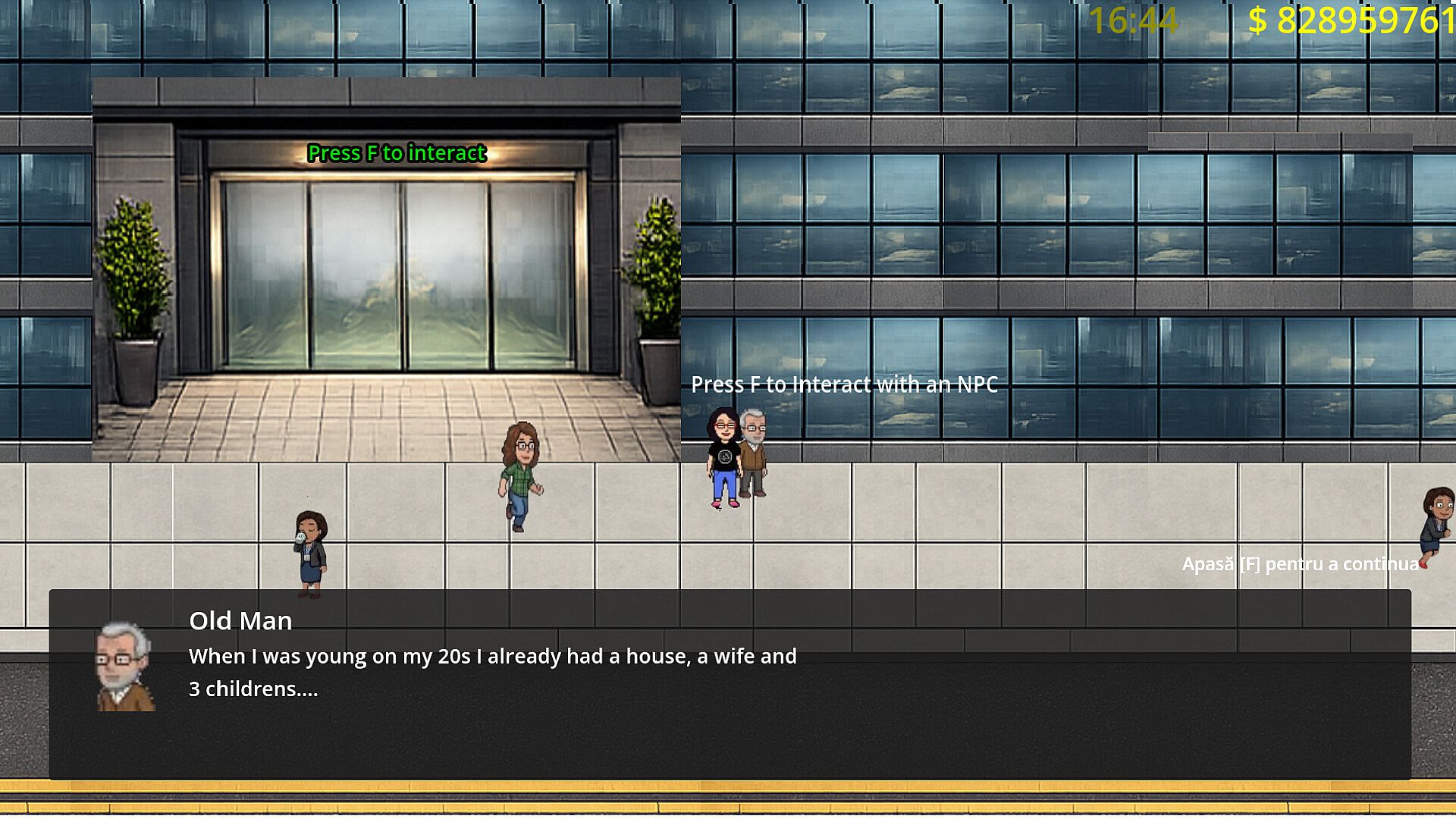
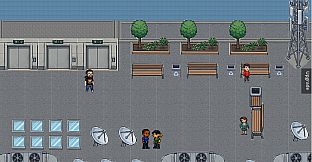

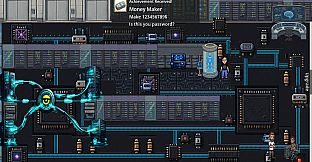

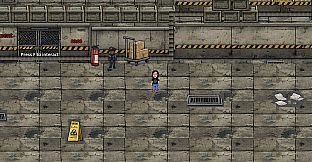

Mini IT Tycoon is an indie casual simulation and adventure game for PC that places players in the role of a new IT employee building an office empire from scratch. The experience blends management mechanics with light exploration and narrative elements in a single-player format.
Gameplay
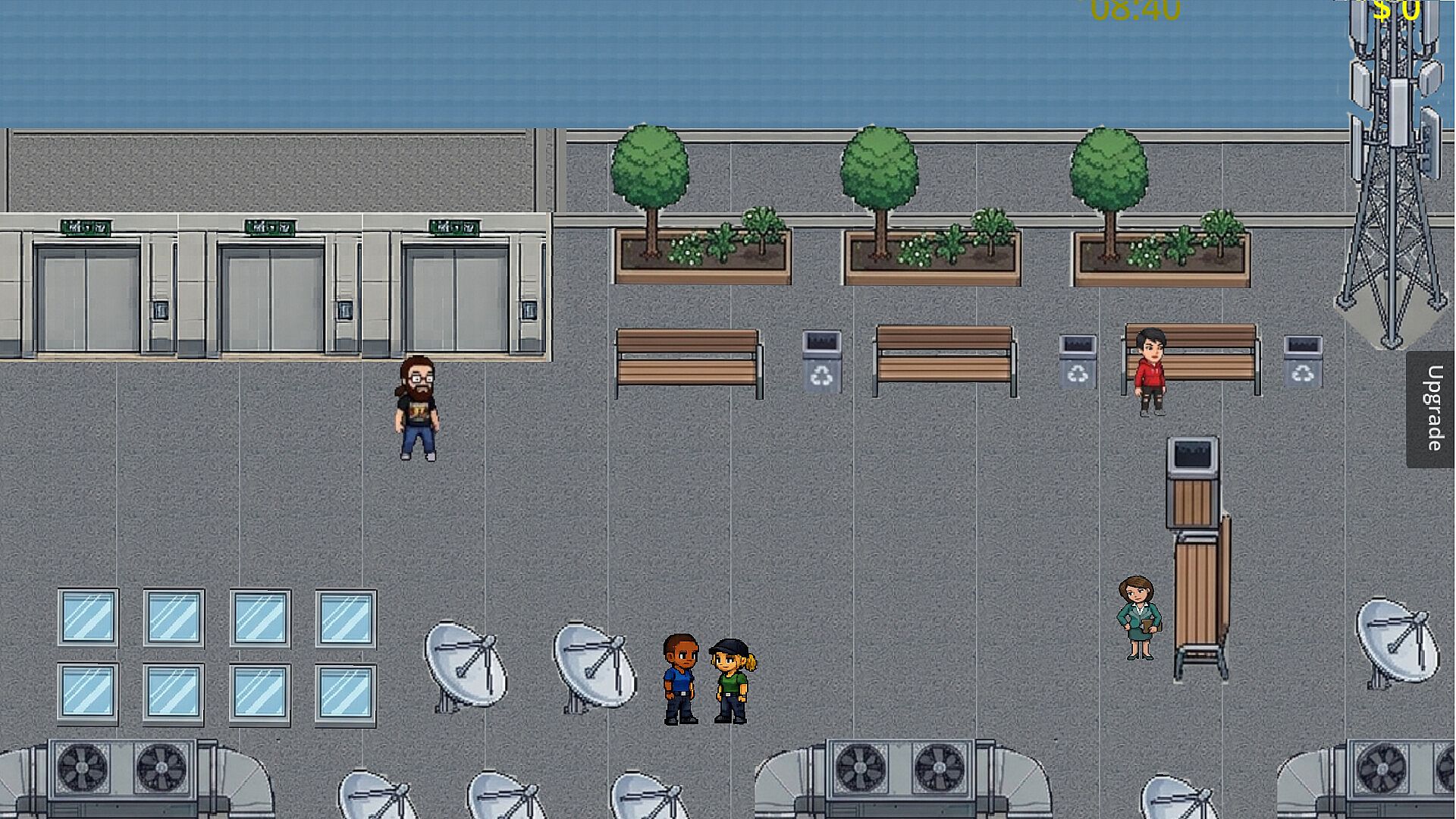
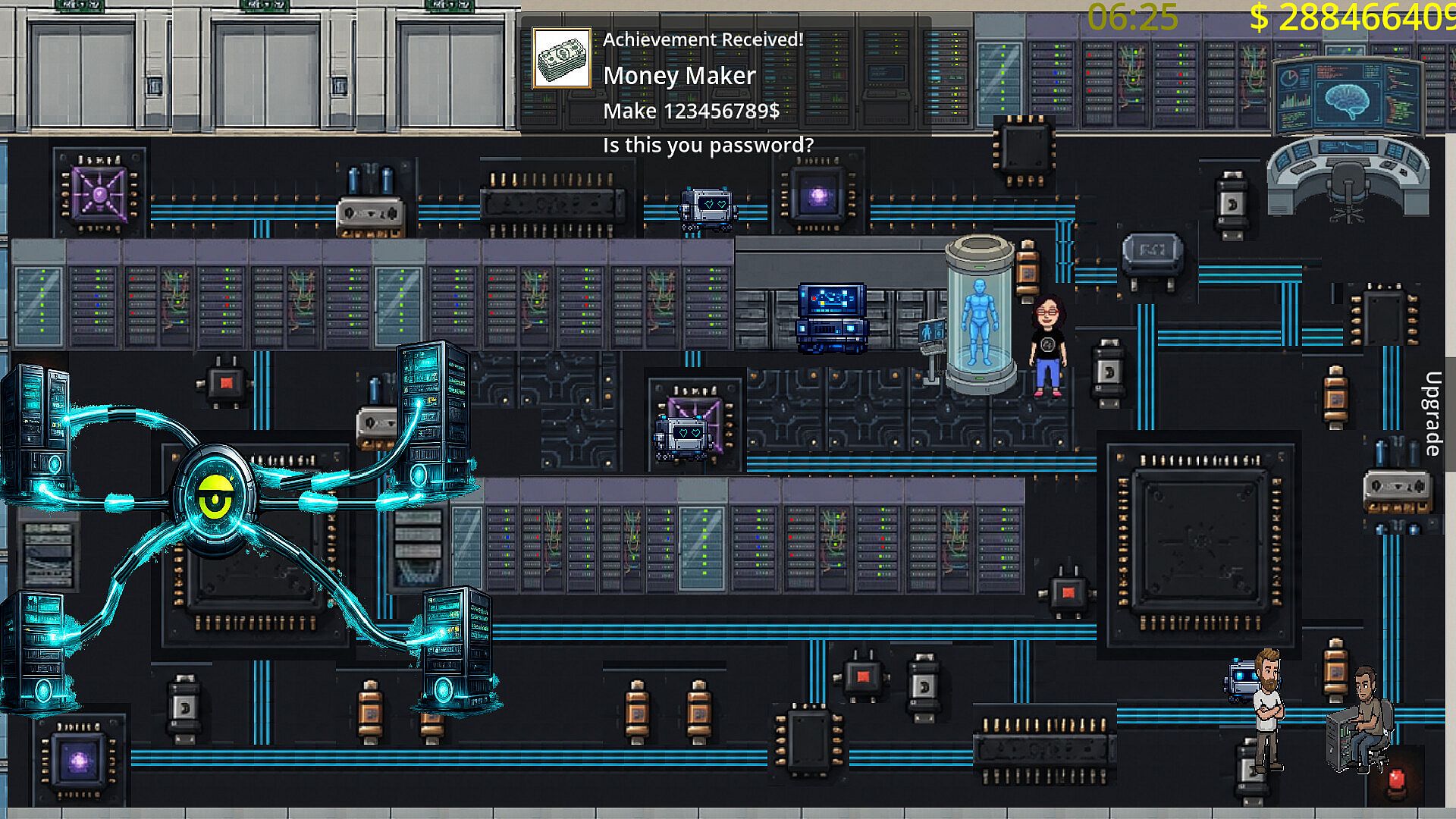
Players start by repairing broken workstations to generate cash. That income funds investments in staff such as junior technicians and later advanced AI systems. The office expands floor by floor as upgrades accumulate. A full dialogue system lets players converse with coworkers, some of whom provide useful information while others offer less practical exchanges. Quests present clear objectives that reward completion with story progression and new unlocks. Achievements track permanent progress across sessions. Multiple save slots support continued play without losing prior advancement. Character selection occurs at the start, allowing players to define their starting identity before climbing the corporate ranks.
Game Modes
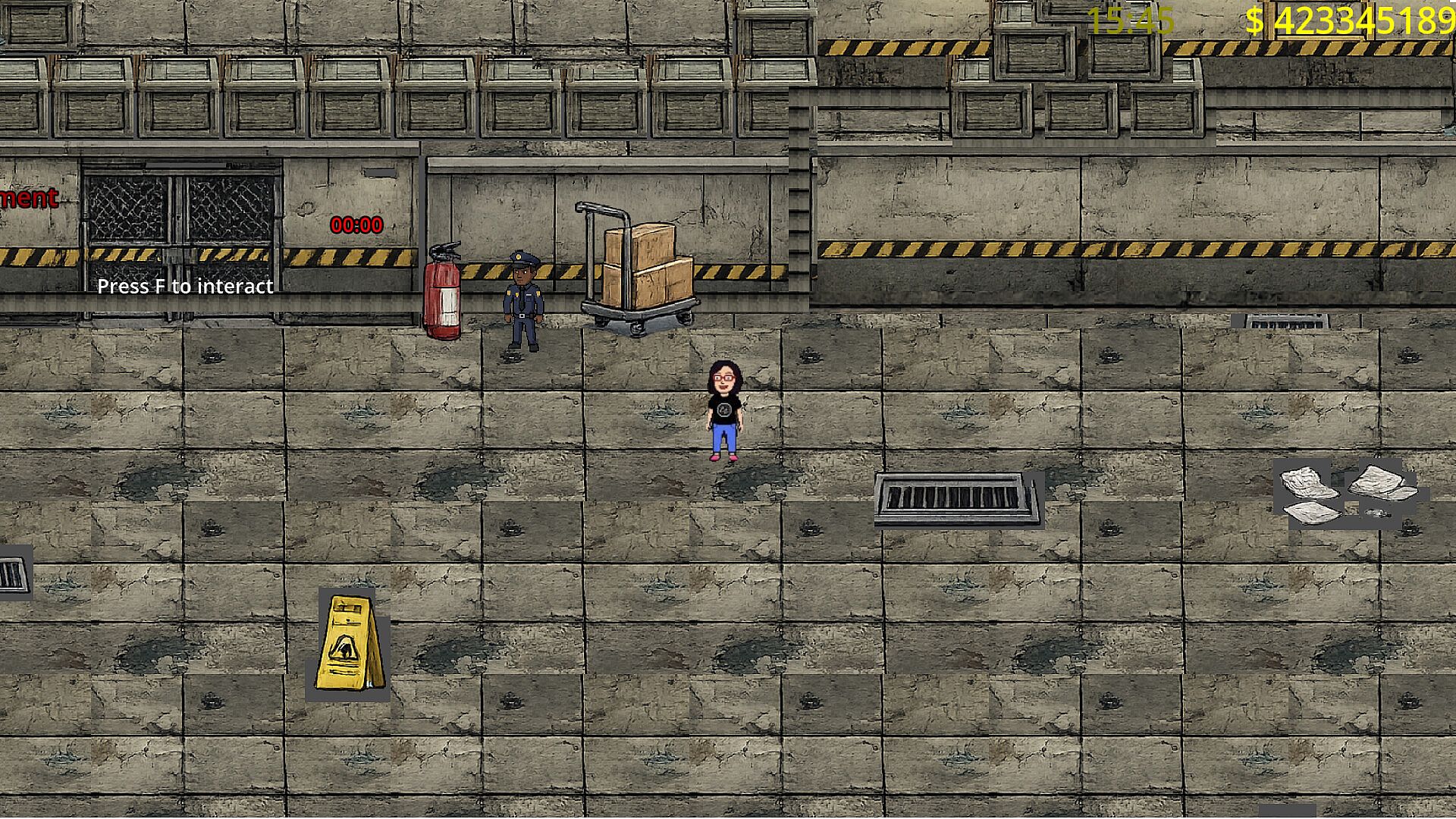
The game operates as a single-player experience centered on tycoon-style management. Progression occurs through repair tasks, staff and system upgrades, quest completion, and office expansion. A night-shift survival element introduces encounters after midnight in the basement, adding tension to extended sessions. Story advancement ties directly to upgrade choices, with later developments introducing unexpected narrative shifts.
Story and Progression
The narrative follows a fresh hire navigating corporate life while expanding operations. Success brings greater automation and efficiency, yet it also unlocks stranger developments. Pushing upgrades far enough alters the environment itself, leading to a twist ending that questions the nature of the constructed empire. Exploration remains light but supports the core loop of earning, investing, and advancing the story chapter by chapter.
Is It Worth Playing?
Mini IT Tycoon suits players who enjoy tycoon management combined with incremental upgrades and a story that evolves with player actions. The solo-developed project uses Godot and emphasizes steady office growth alongside occasional survival elements during overtime. With no user reviews available prior to release and a coming-soon status on PC, interest depends on preference for single-player simulation titles that mix routine tasks with escalating narrative consequences. Those drawn to building systems from basic desks to AI-driven setups may find the described loop engaging once the game launches.











