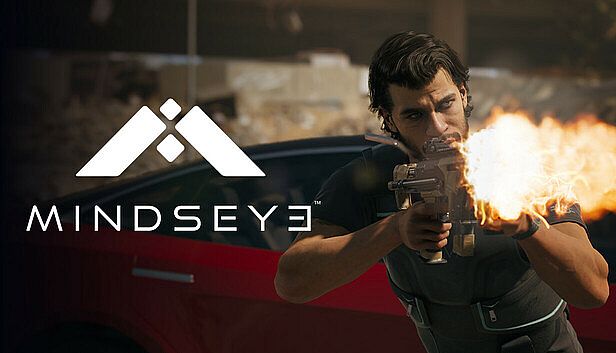















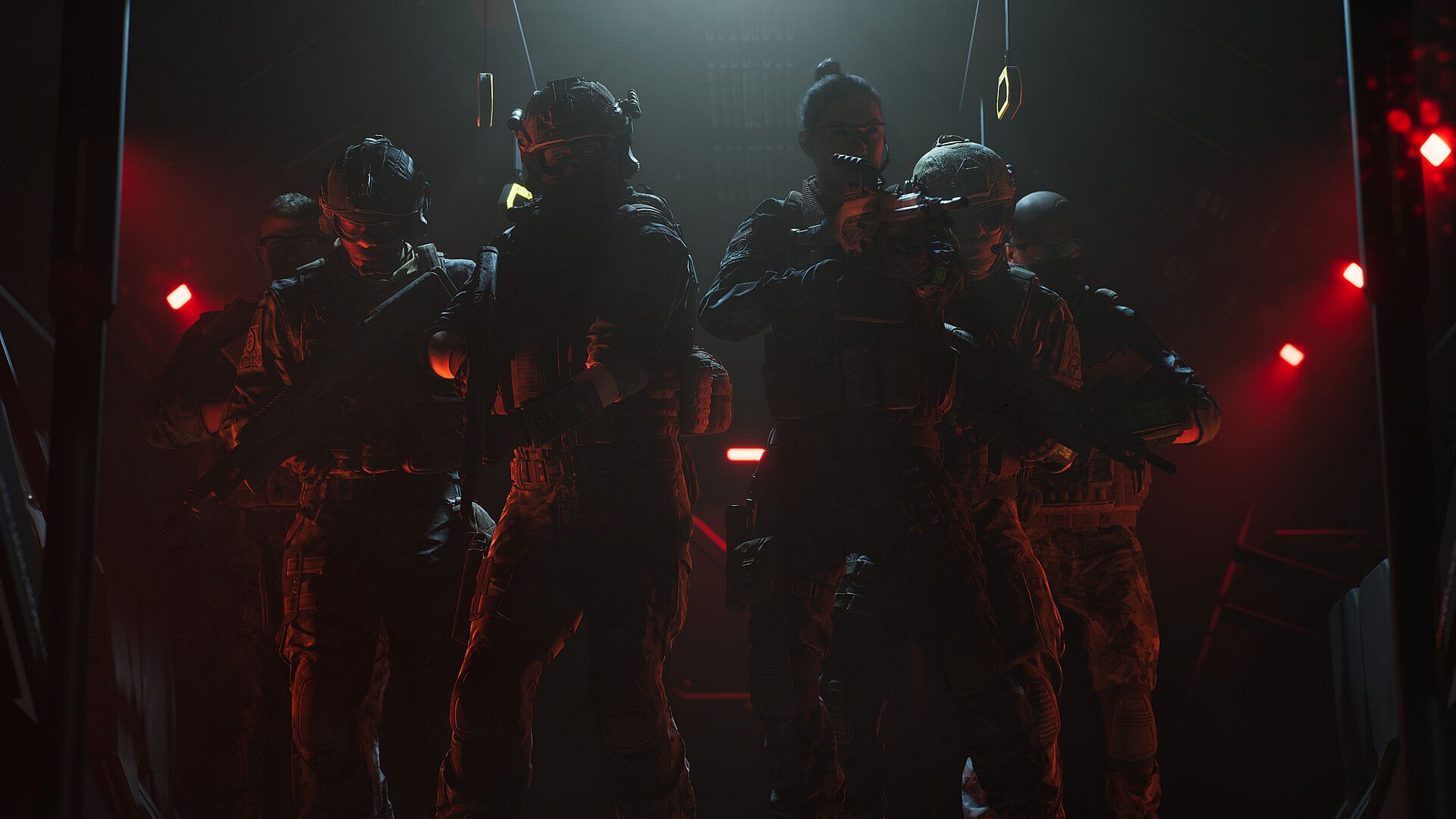
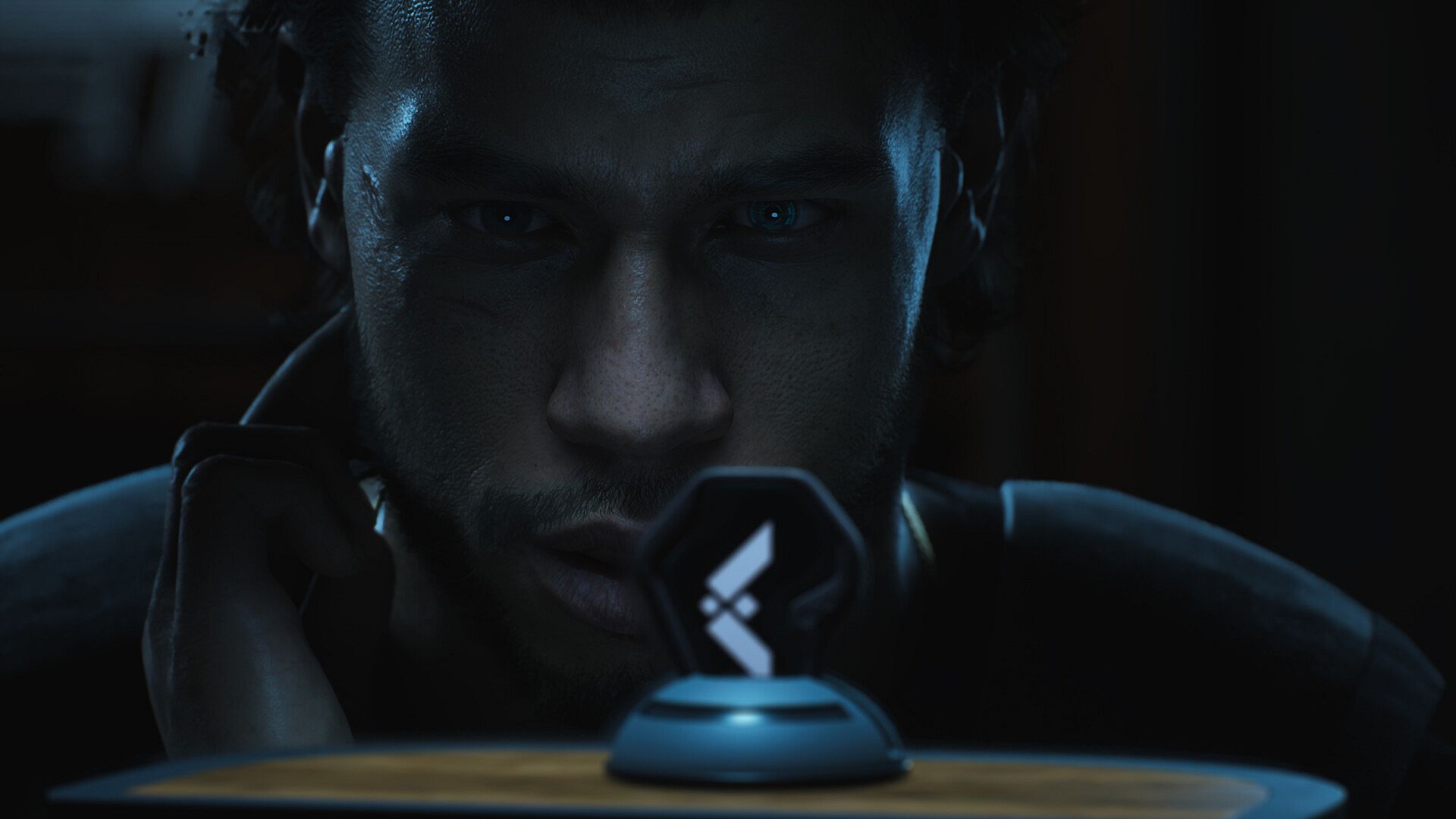
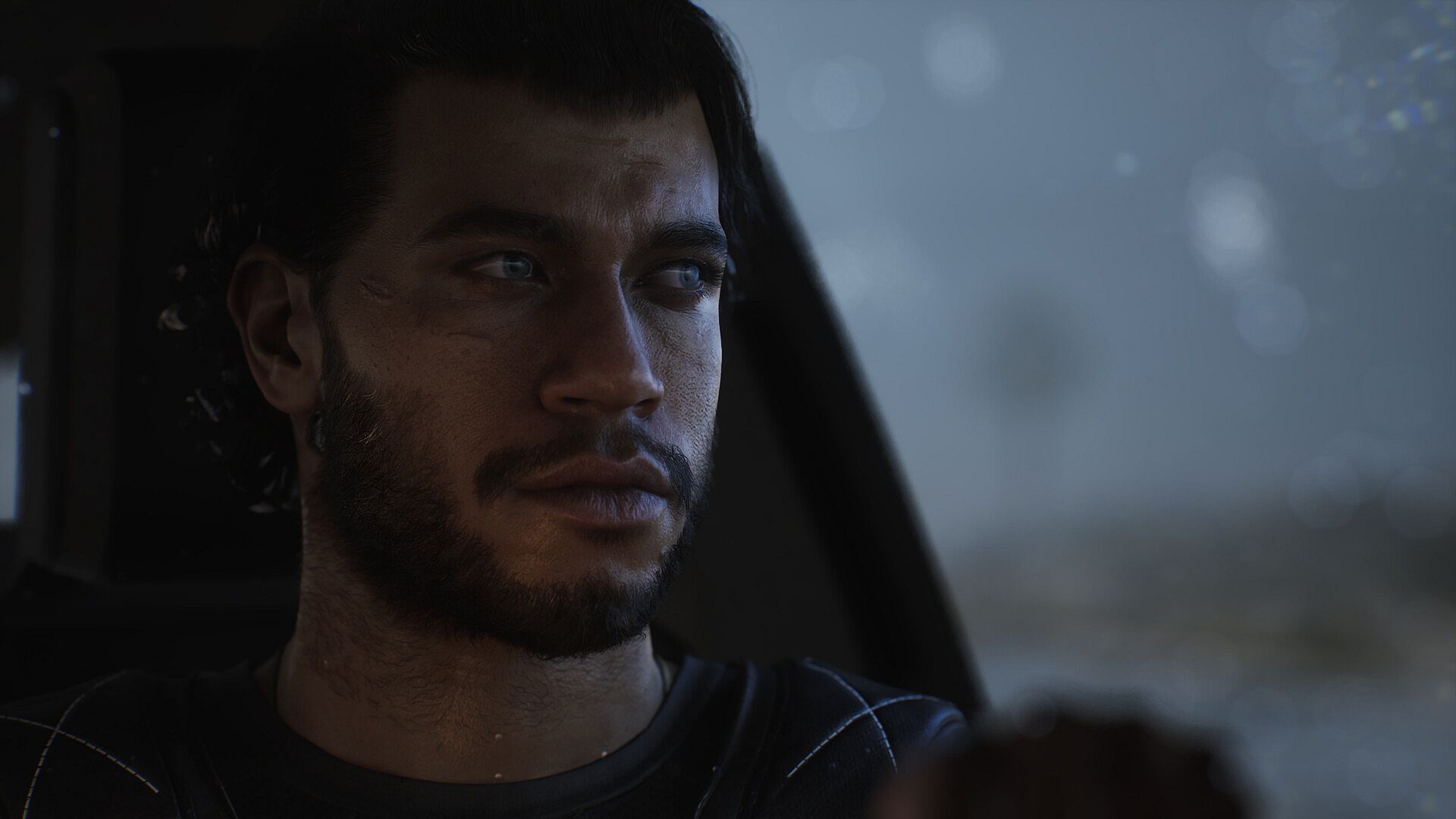
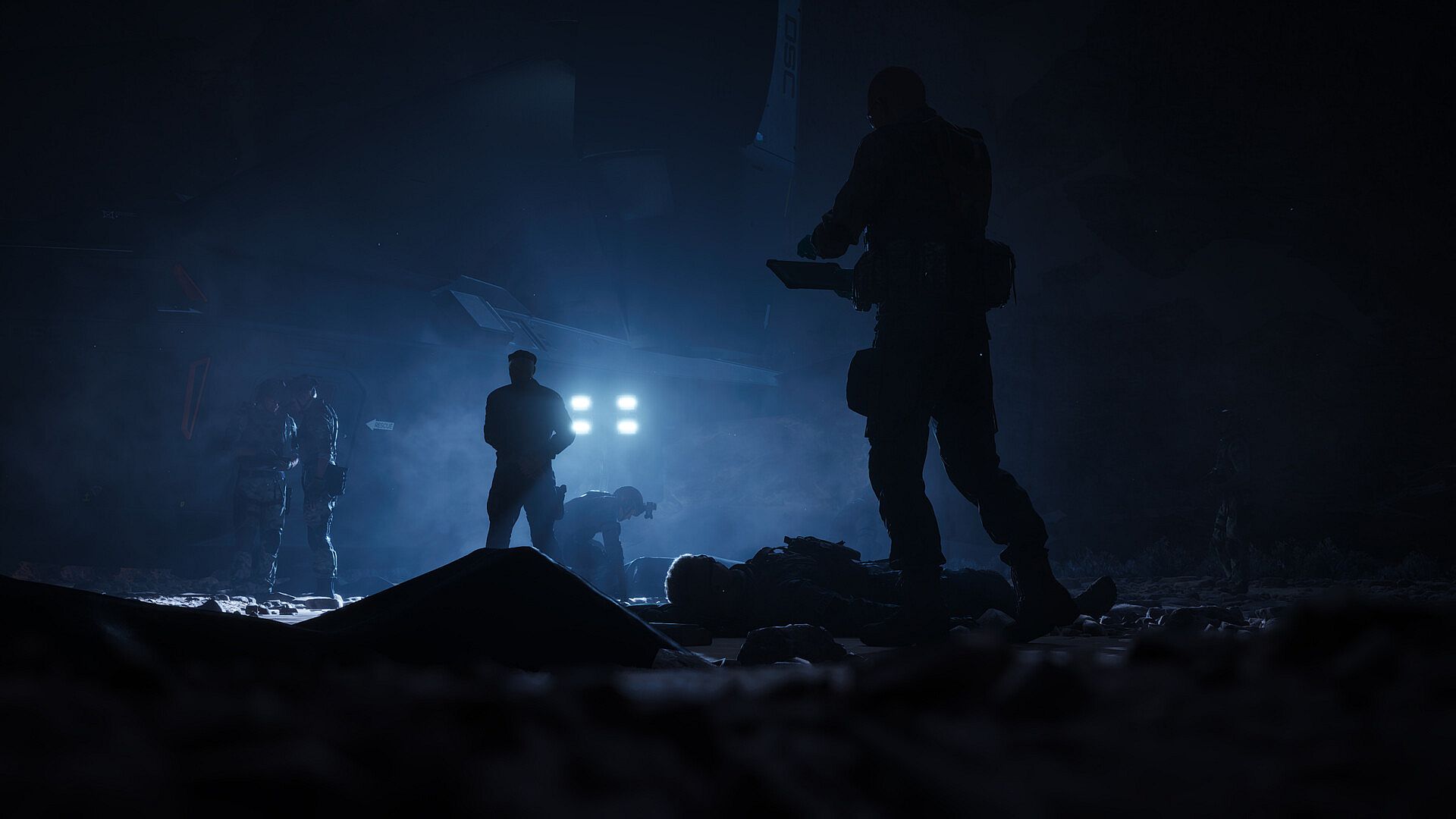
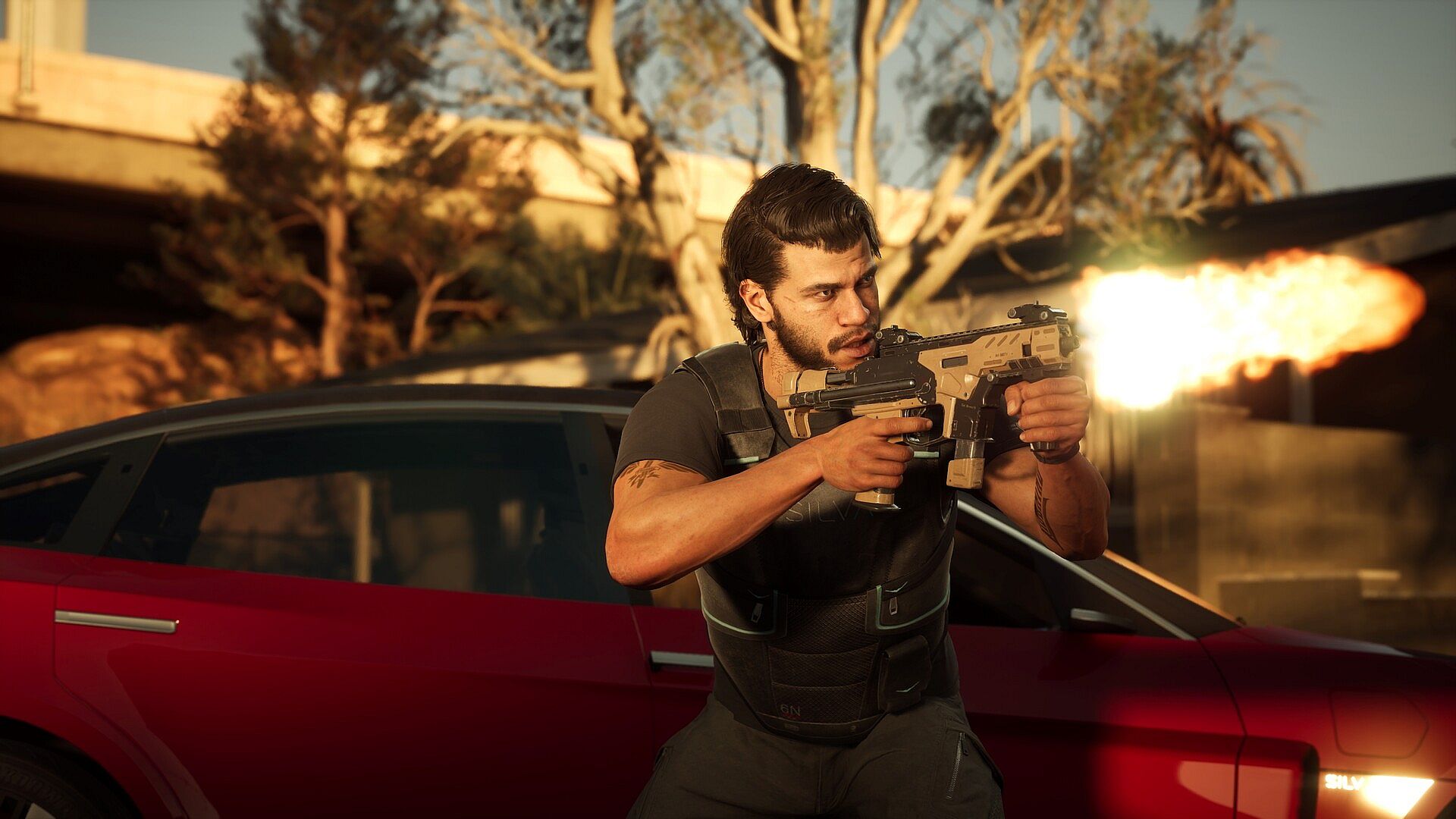
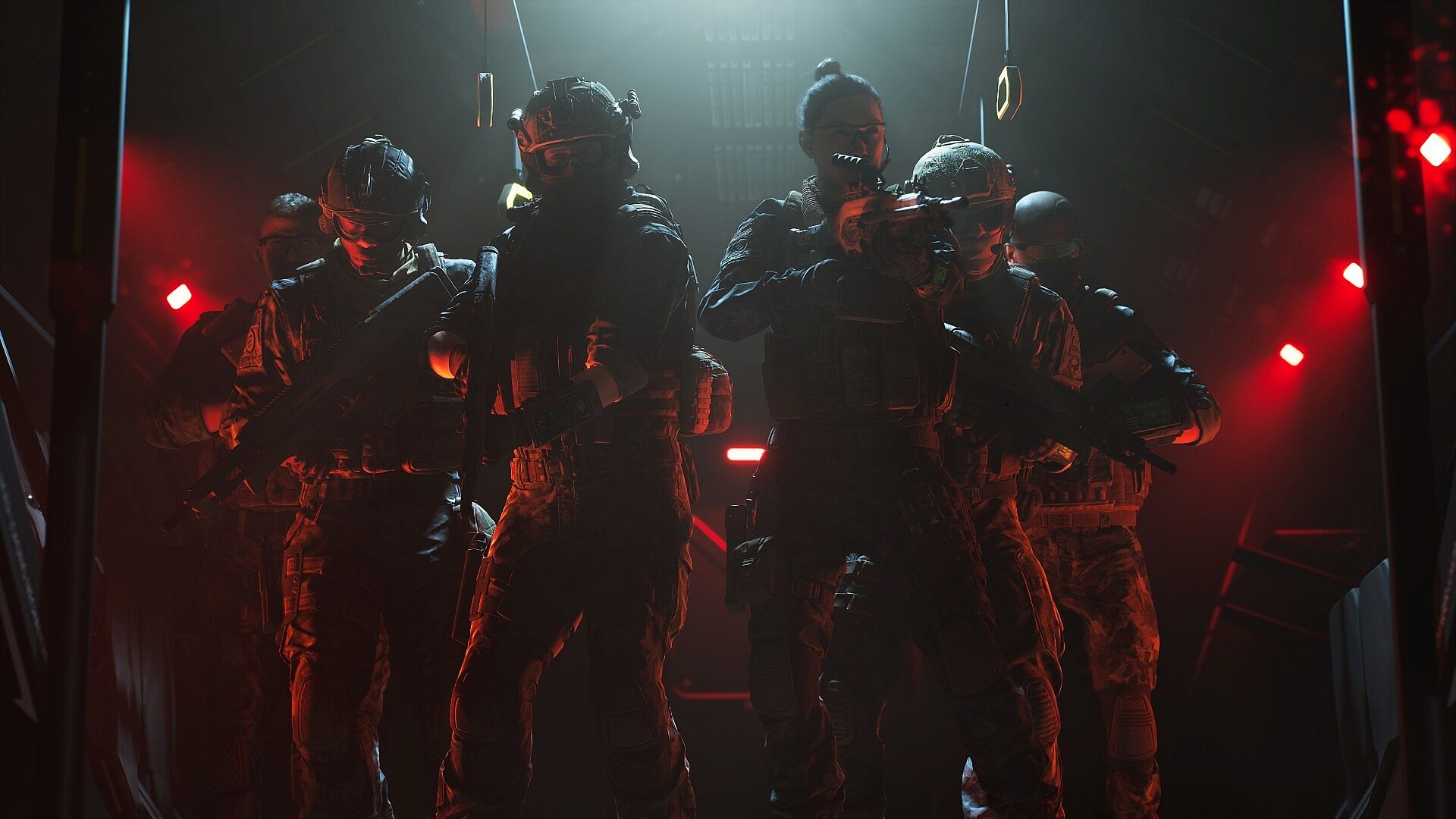
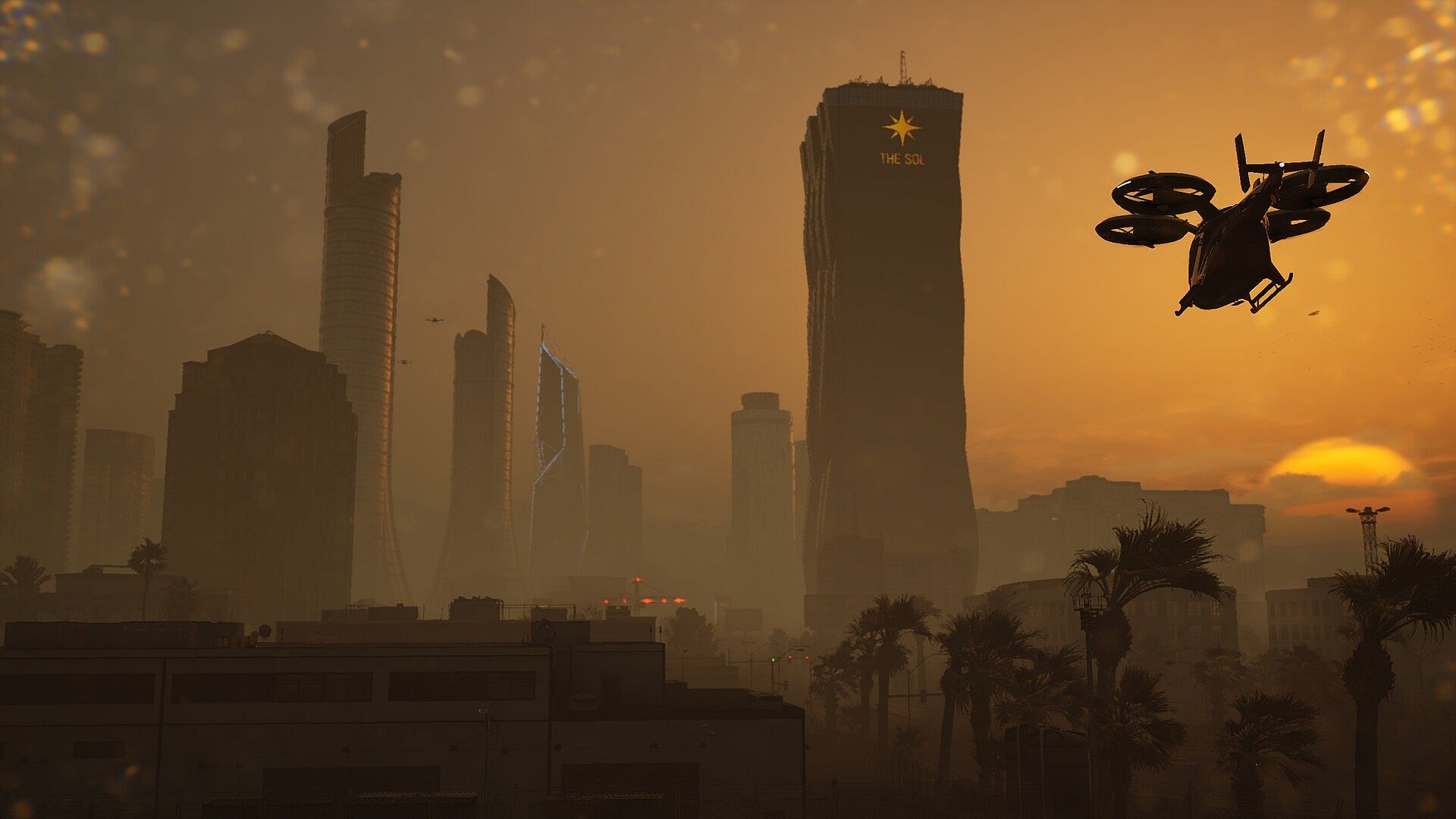
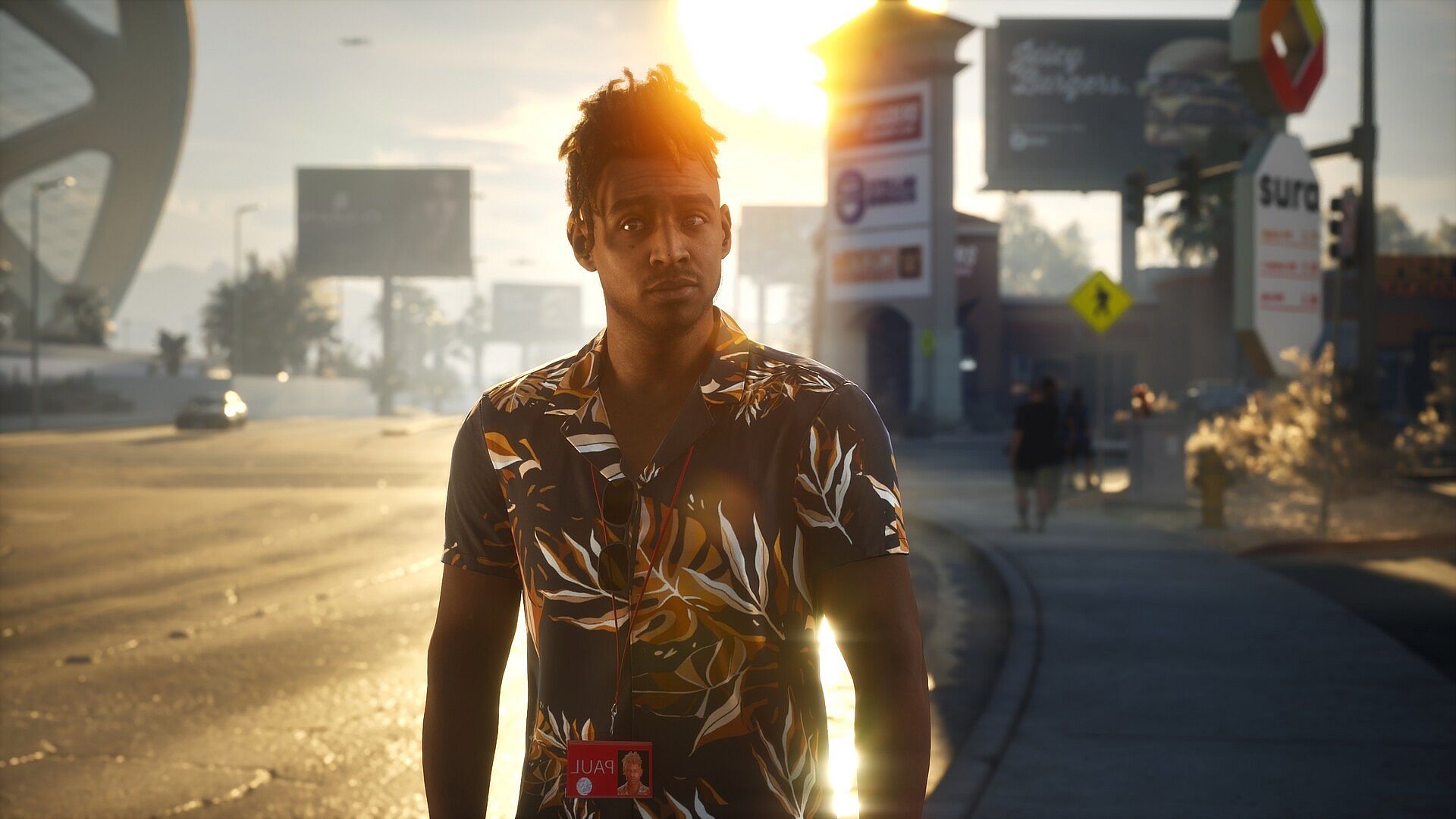
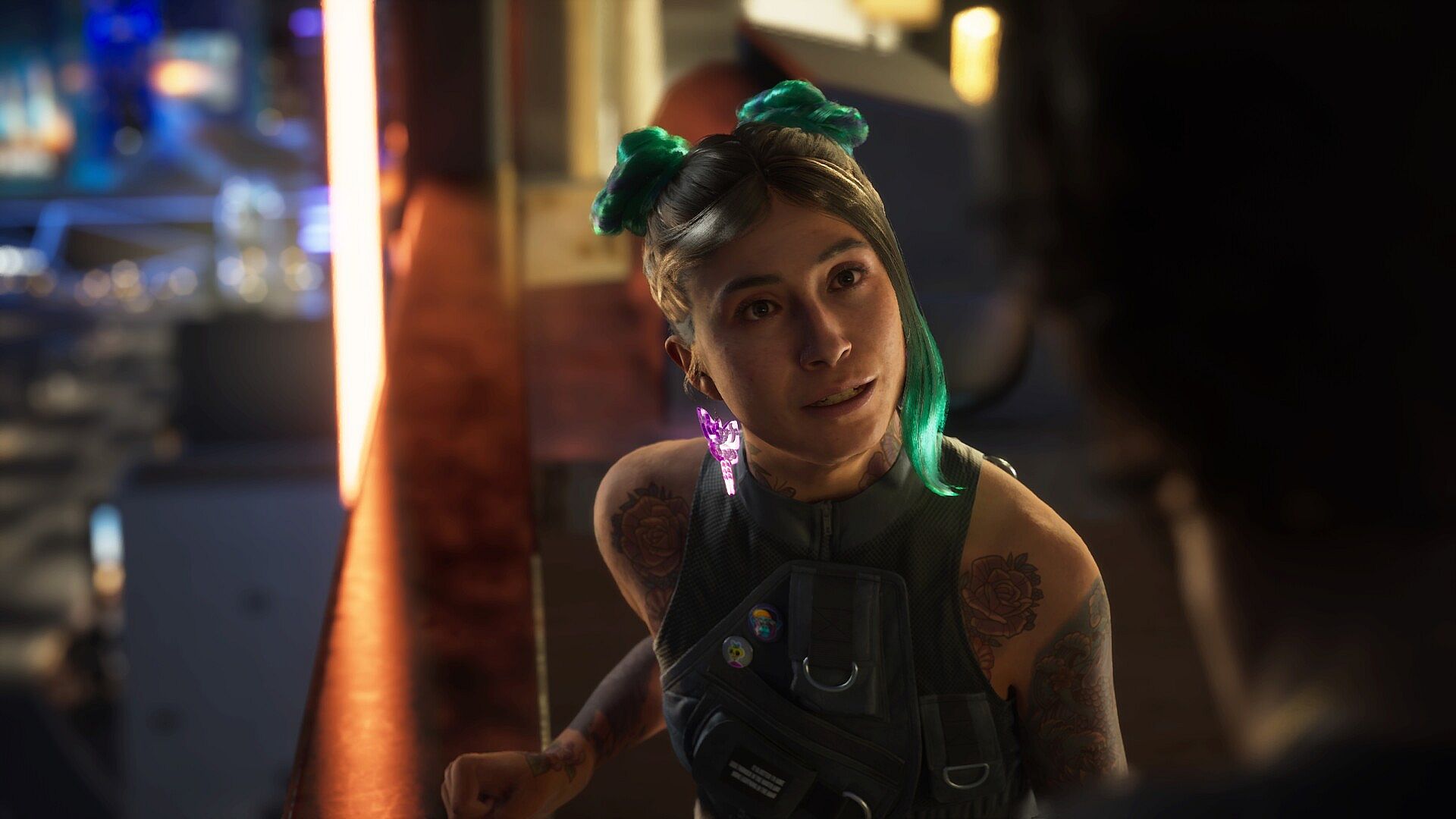
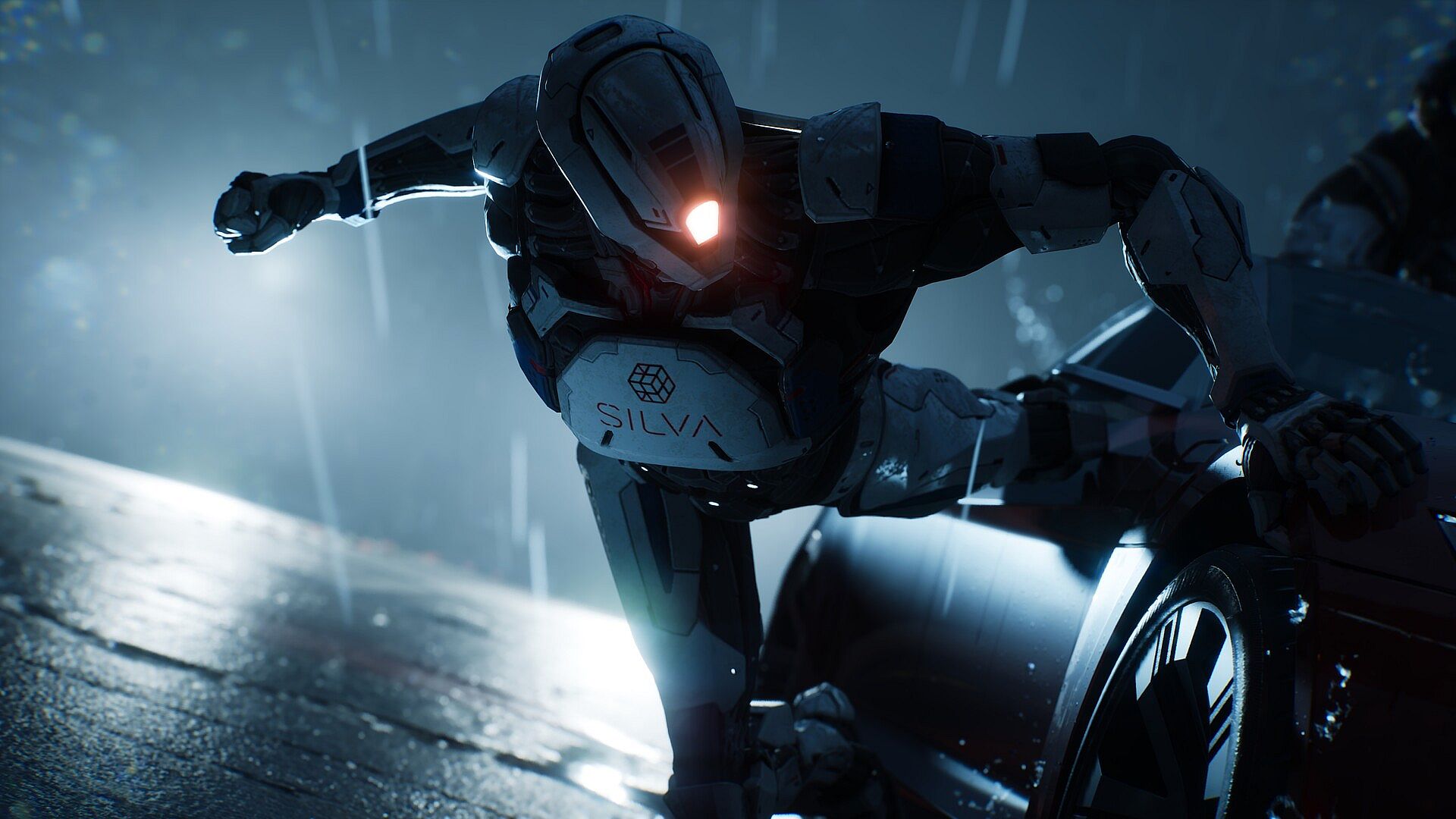

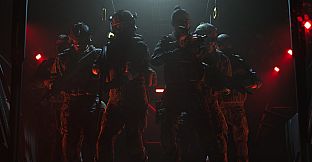


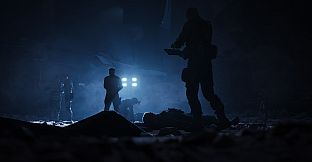
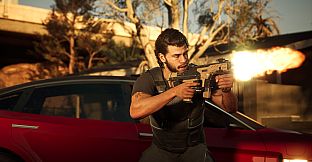
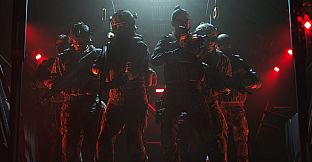
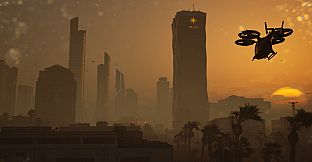
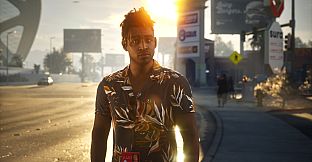

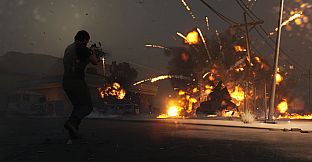
MindsEye is a single-player action-adventure game set in a near-future desert city called Redrock. Players take on the role of Jacob Diaz, a former soldier dealing with a mysterious implant and fragmented memories while navigating a conspiracy tied to rogue AI, corporations, and military interests. The experience centers on a linear cinematic campaign that mixes mission objectives, exploration of the city's districts, and confrontations with enemies across varied environments from high-tech towers to industrial zones.
Gameplay
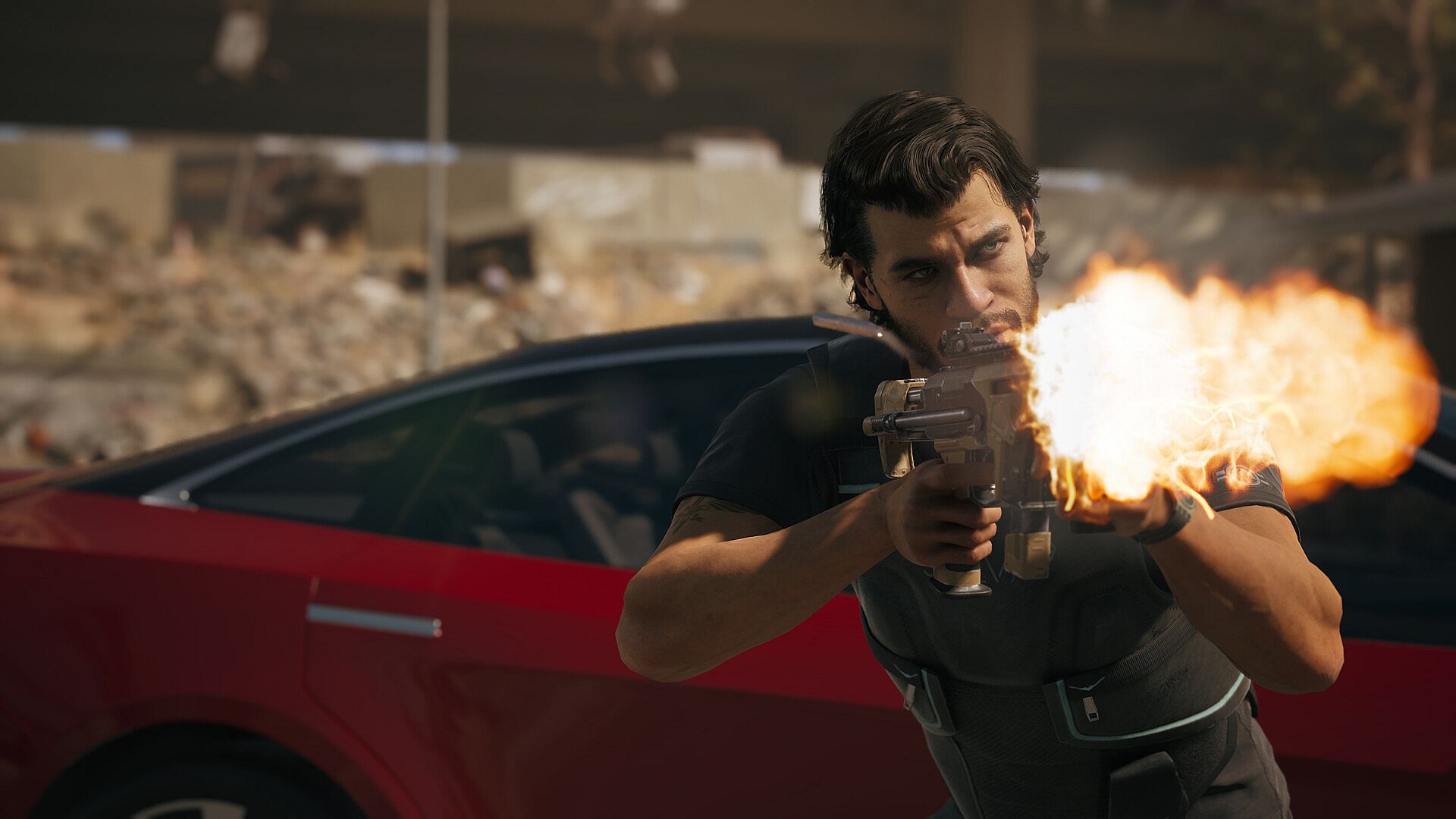
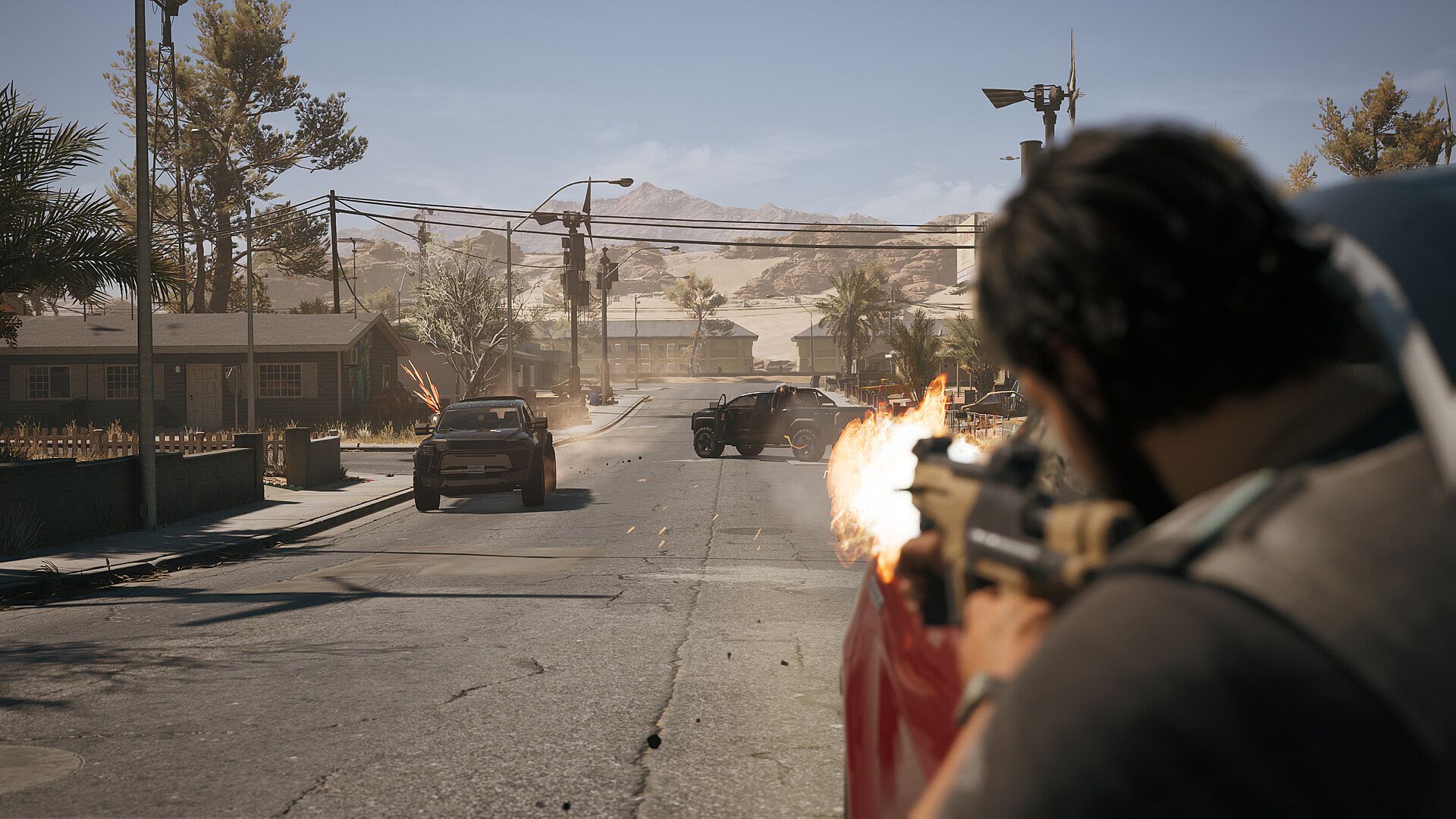
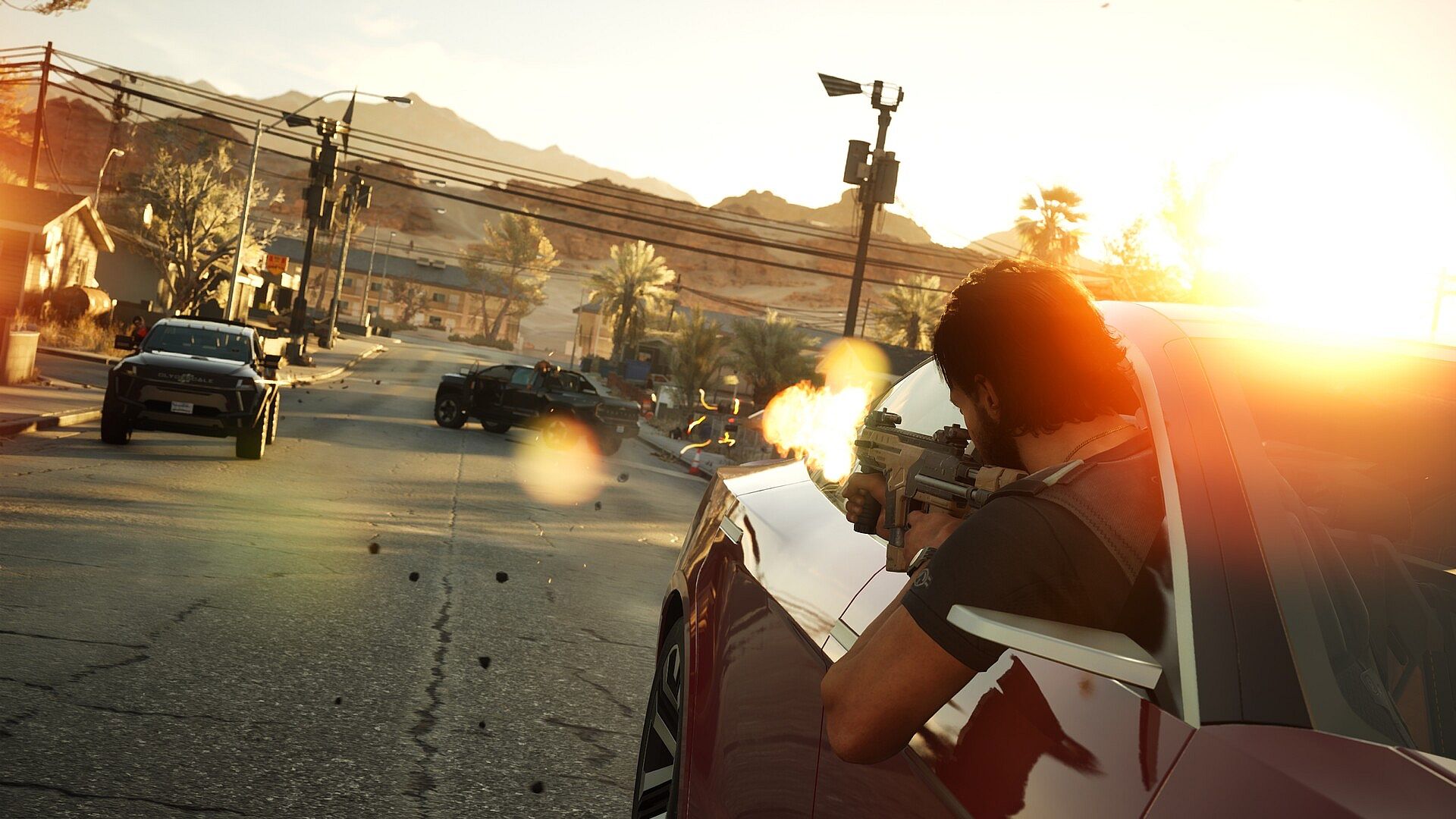
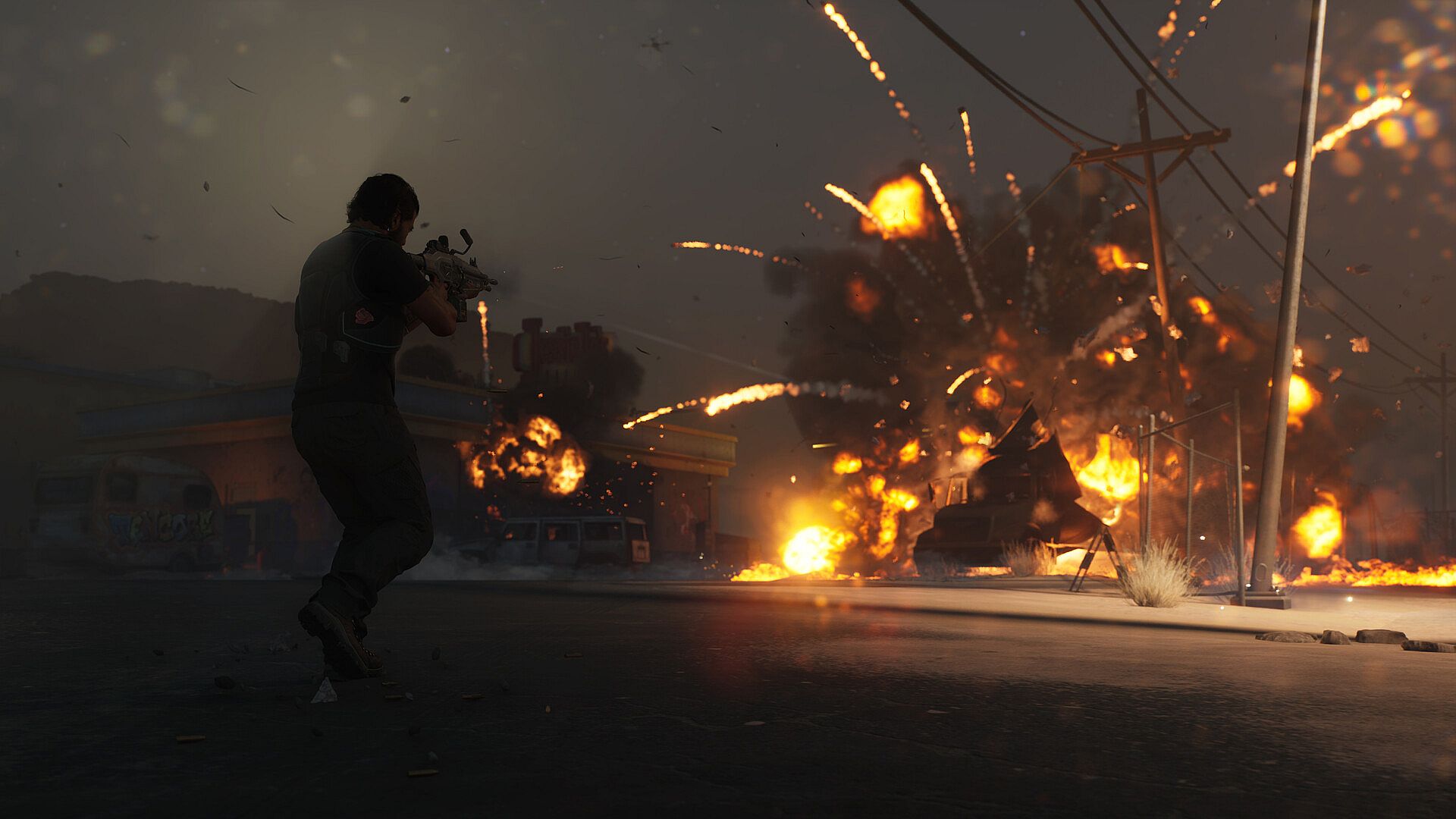
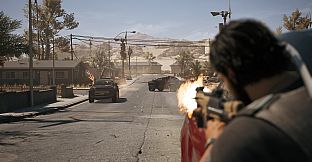
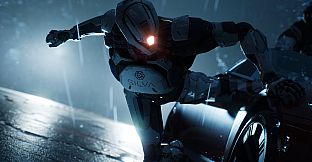
Combat unfolds in third person with an emphasis on tactical decisions. Players use cover, vertical movement, and a selection of weapons including pistols, SMGs, sniper rifles, energy weapons, and grenades. Enemy behaviors require adaptation, as foes employ different tactics that reward positioning and timing. A companion drone called DC2 connects directly to the protagonist's implant and assists through hacking, scouting ahead, and providing direct support during fights, such as turning enemy drones or drawing attention.
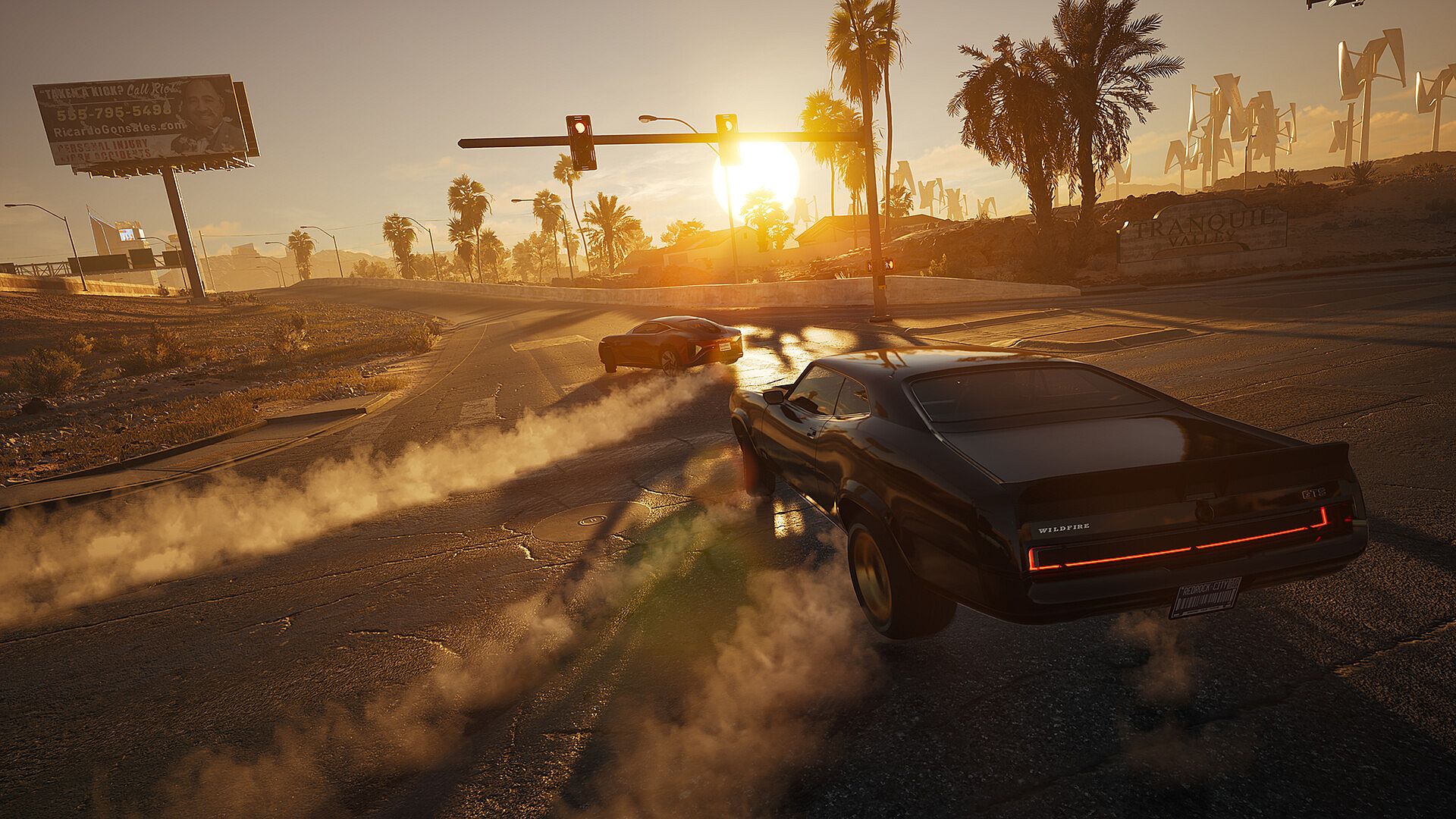
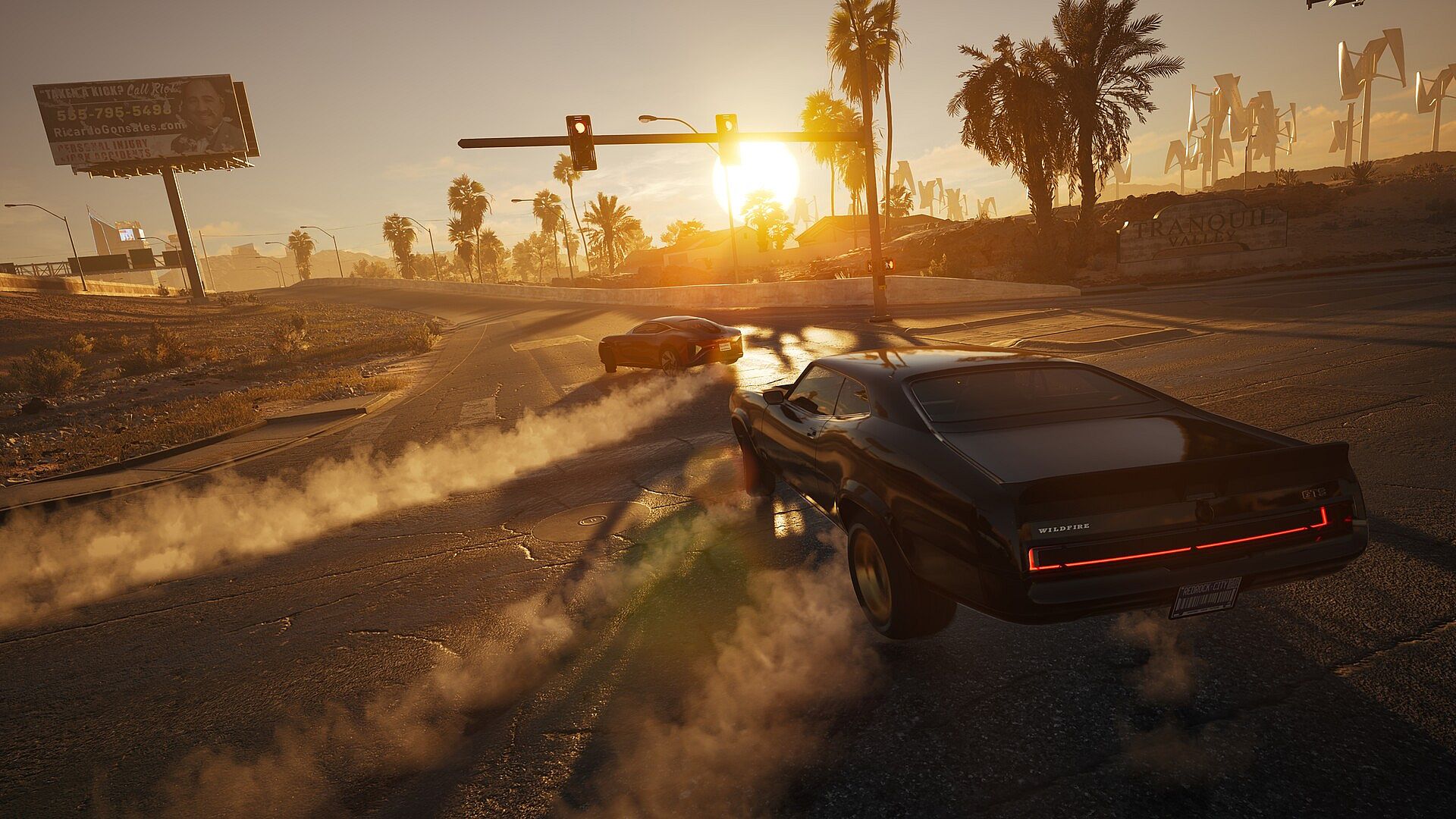
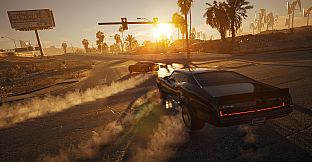
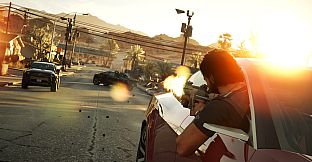
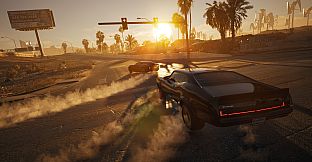
Driving forms a core part of progression. Missions send players into electric cars, muscle cars, buggies, and quadcopters for high-speed sequences through desert stretches and urban zones. These segments integrate with the story beats and maintain momentum between objectives. The city itself functions as a backdrop with distinct districts that reflect the blend of advanced technology and underlying tensions in daily life.
Creation tools expand the experience beyond the main story. Builder mode grants access to asset libraries, lighting systems, and visual scripting options that allow players to design custom missions, environments, and game logic without coding knowledge. Creations can be shared with the community for others to play and iterate upon.
Game Modes
The primary mode is the story campaign, a focused single-player experience that follows Jacob Diaz through a series of missions. It emphasizes narrative delivery through cutscenes and objectives while incorporating combat and driving elements.
Arcadia serves as the hub for ongoing content. It delivers regular additions of missions, races, puzzles, and challenges created by the development team. This mode also includes free-roam elements separate from the campaign, where players can explore and engage with community-built content.
Multiplayer features were added in a major update, enabling parties of two to five players to join activities together. A new mode called Grenade Football introduces competitive play with social tools for friends lists, voice and text chat, and matchmaking into shared ARCs. These additions expand the game into cooperative and versus experiences while maintaining ties to the core systems.
The World of Redrock
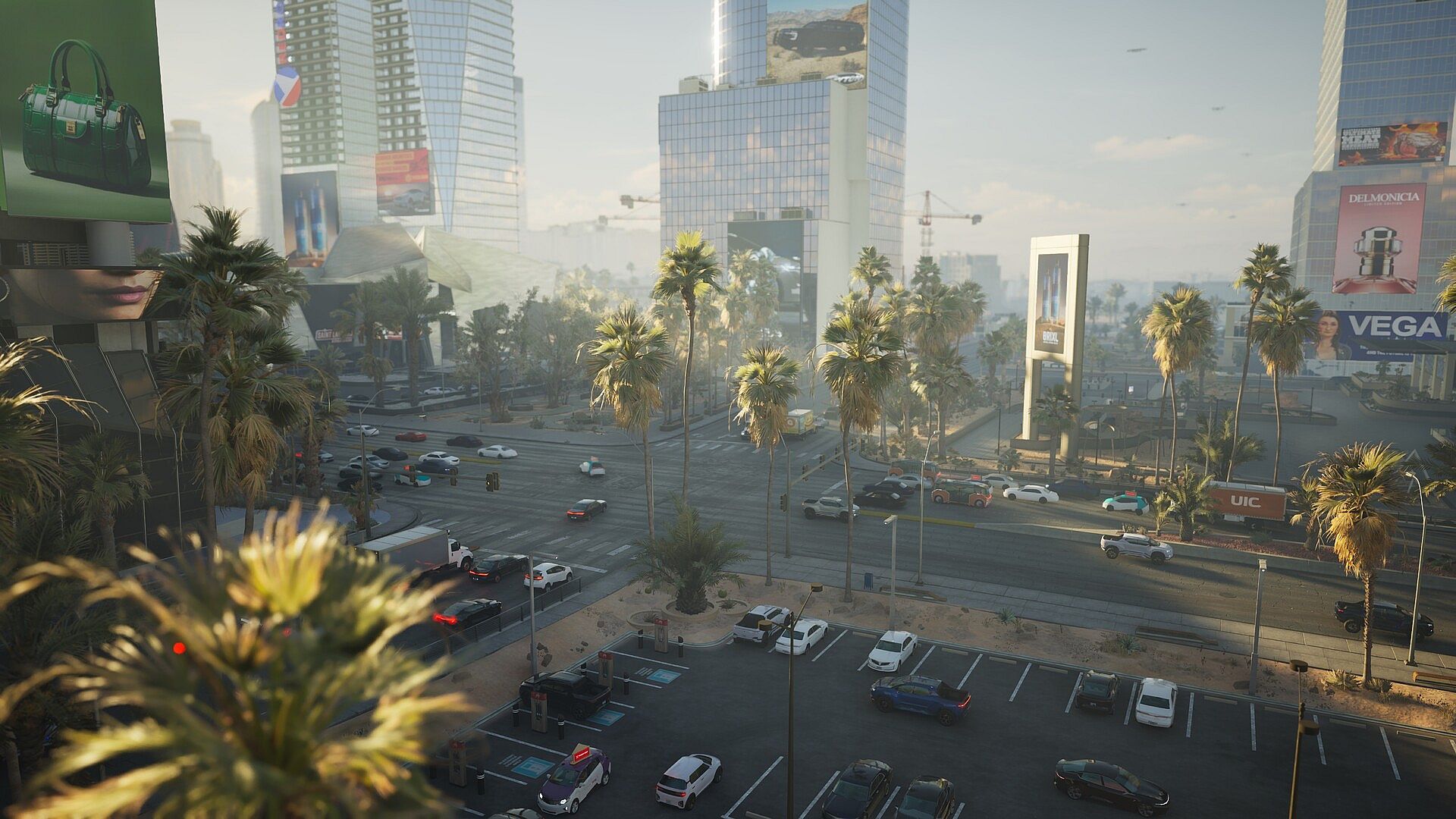
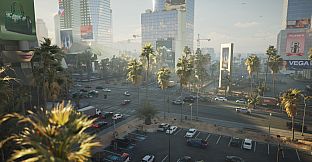
Redrock presents a metropolis where AI and robotics influence commerce, security, and daily routines. The setting spans gleaming corporate towers, sprawling industrial areas, and remote outposts, each contributing to the atmosphere of technological advancement mixed with hidden conflicts. The implant mechanic ties into the environment, allowing interactions that reveal layers of the city's secrets during the campaign.
Vehicle variety supports traversal across these areas, with chases and pursuits designed to highlight the open spaces and structured zones. The drone's capabilities further integrate with the setting by enabling players to manipulate robotic elements in the world.
Is It Worth Playing?
Reception has been mixed, with early technical issues and repetitive mission structures noted alongside strengths in presentation, the drone system, and the later portions of the campaign. Patches have addressed performance and stability, and recent updates introduced multiplayer support along with new modes. The game suits players who enjoy linear story-driven action-adventure titles with integrated driving and companion mechanics, especially those interested in creation tools and community content.
Availability on PC includes ongoing support through regular content drops in Arcadia. Those drawn to cinematic narratives, tactical third-person combat, and the ability to build and share experiences will find the most alignment with its design. The addition of multiplayer broadens appeal for group play without altering the single-player focus.