















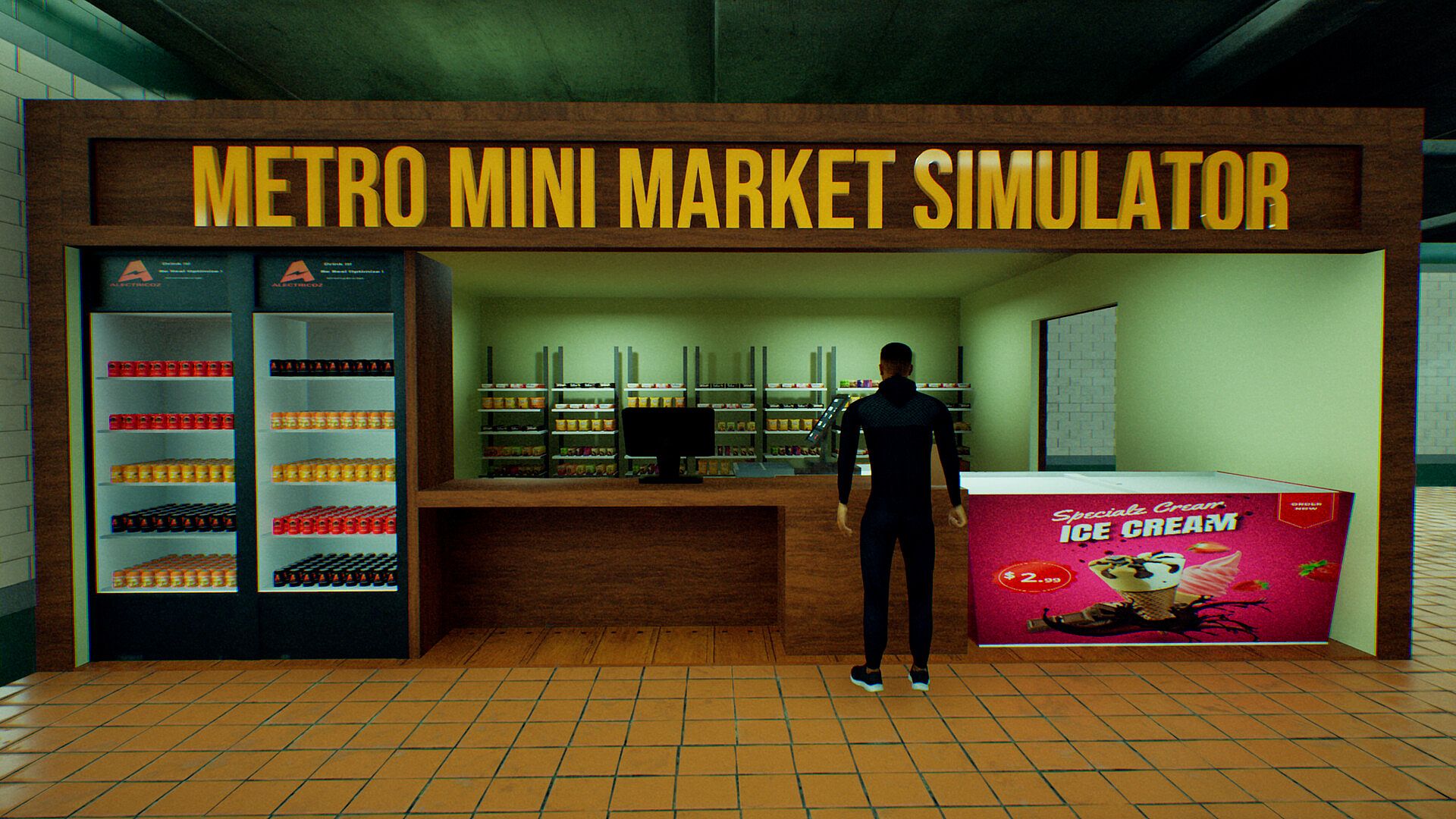
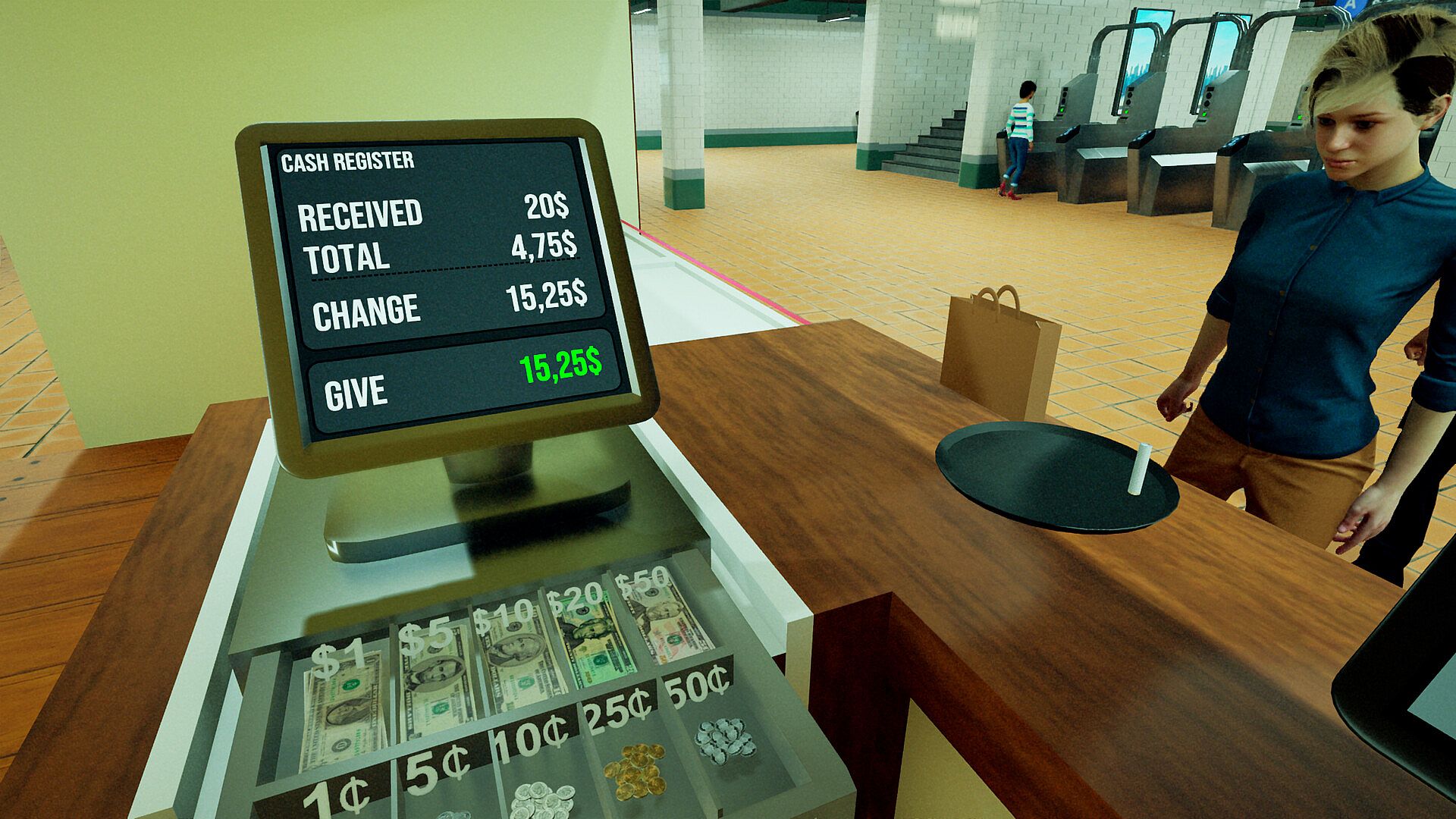
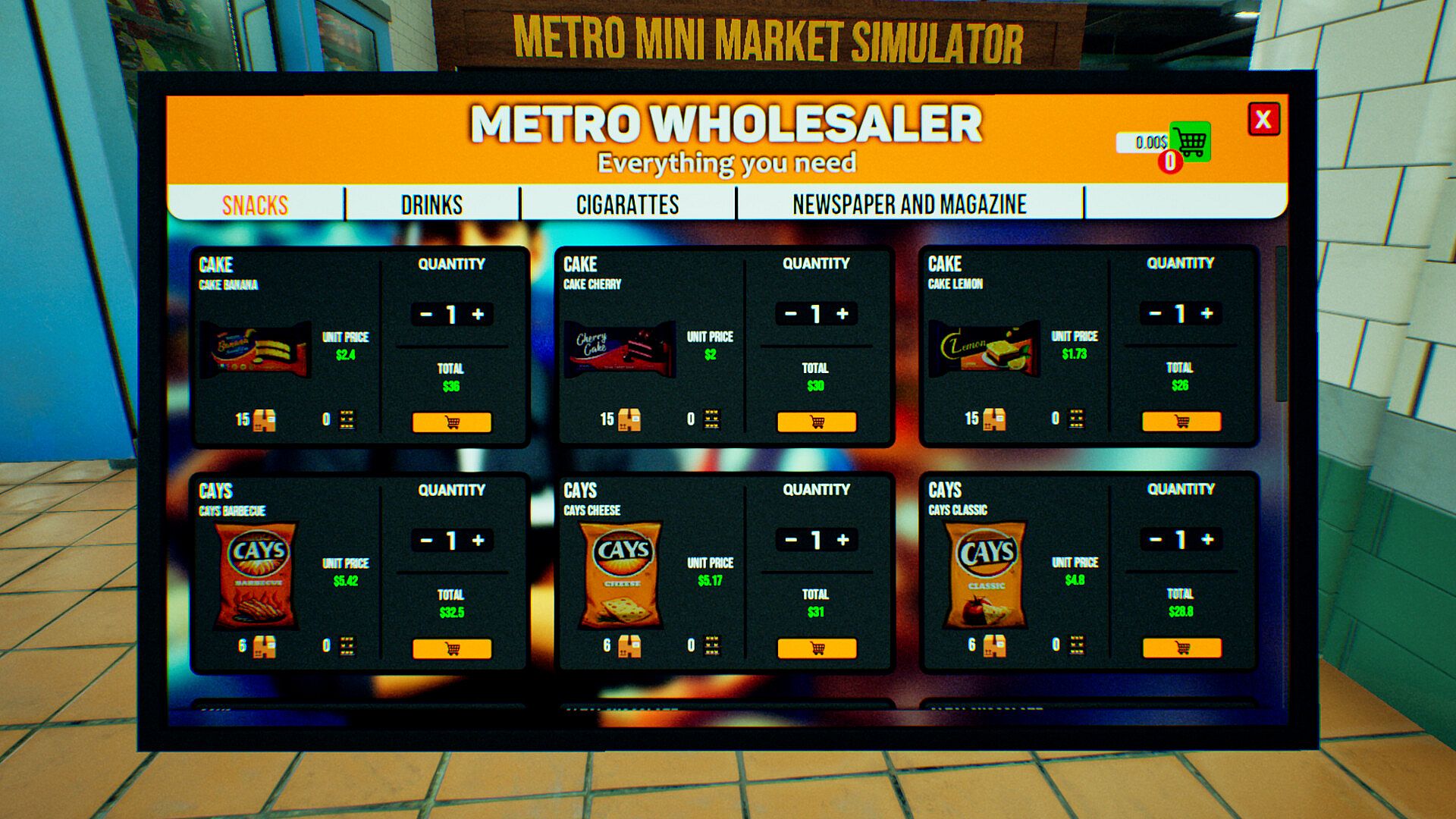
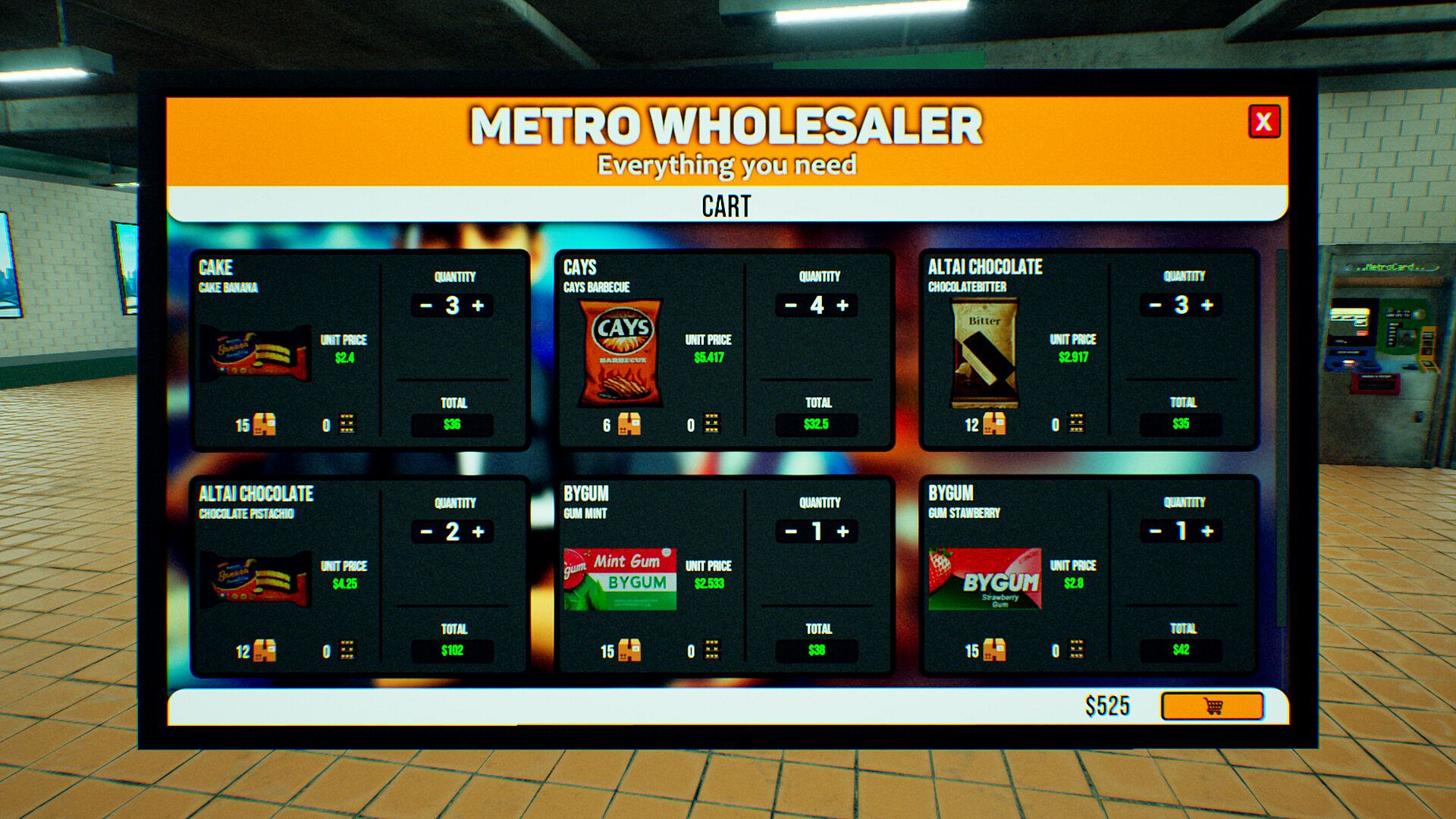
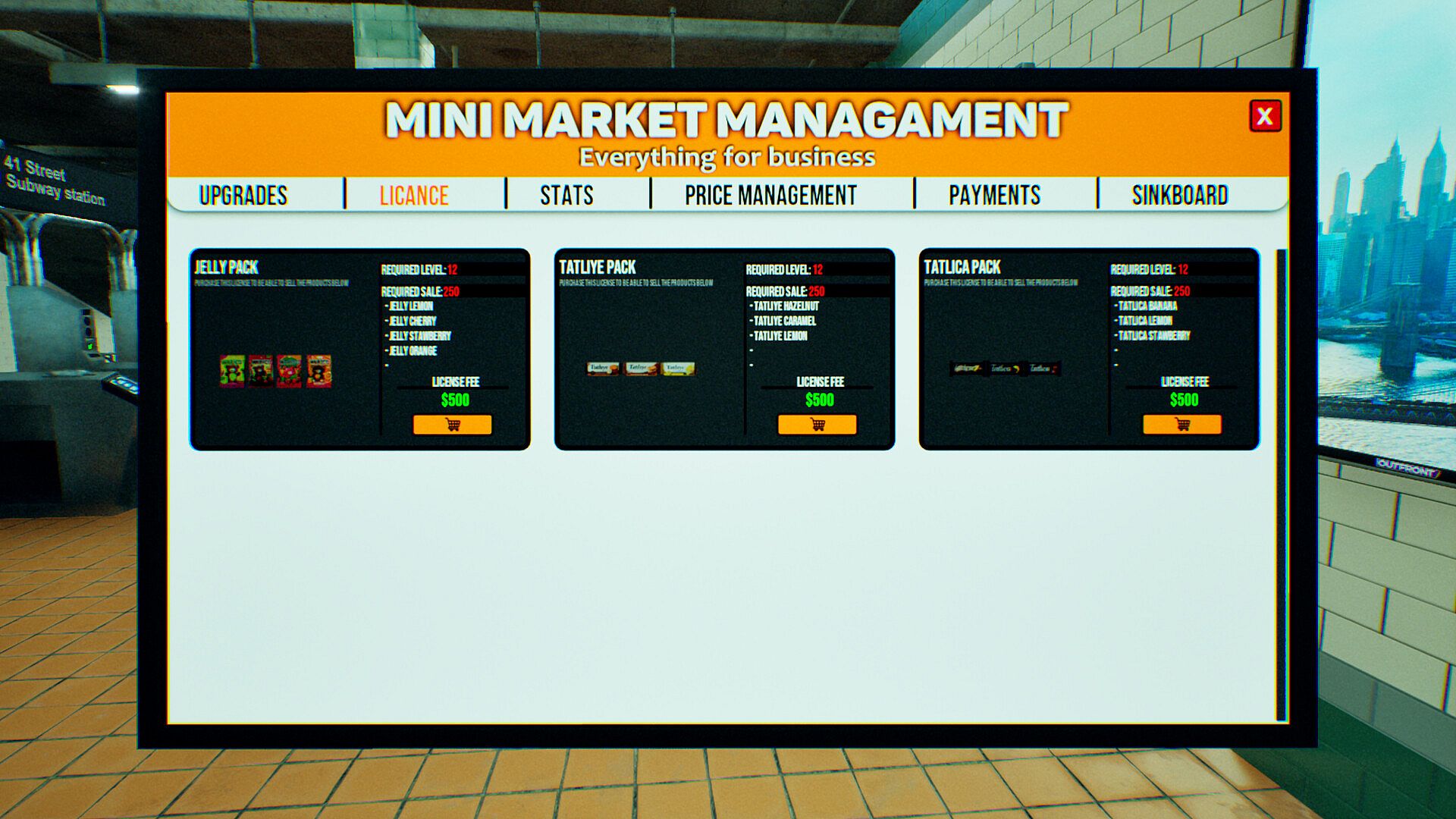
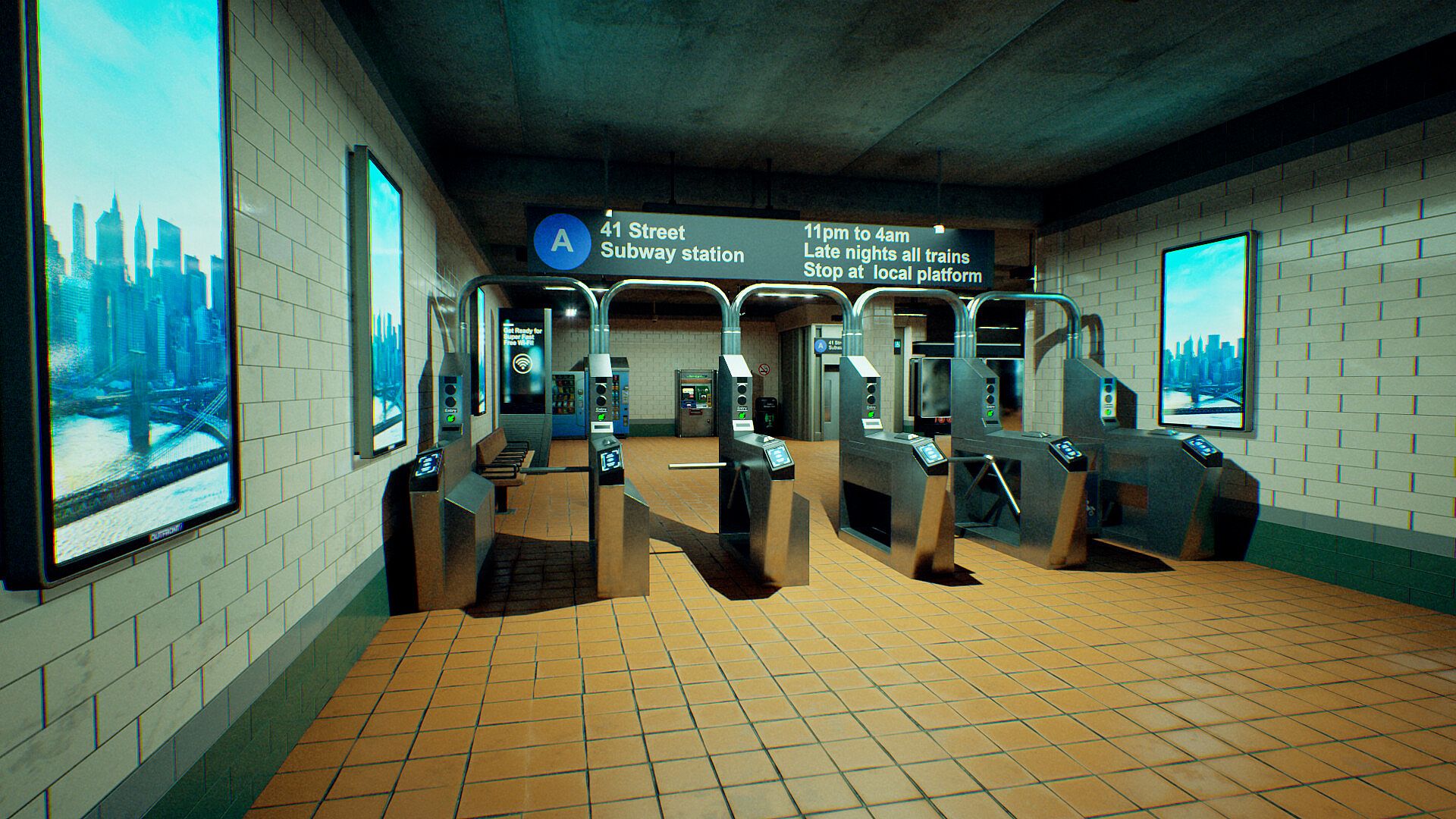
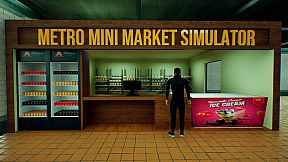
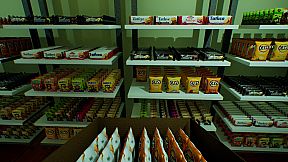
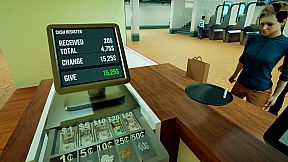
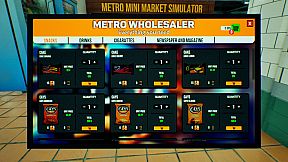
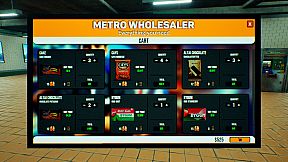
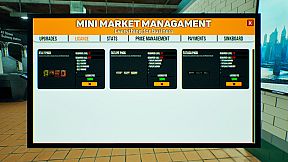

Metro Mini Market Simulator is a casual simulation game centered on running a small retail outlet inside a busy metro station. Players begin with basic setup including one shelf, limited stock, and a simple cash register, then expand through sales revenue into new product licenses and store upgrades.
Gameplay
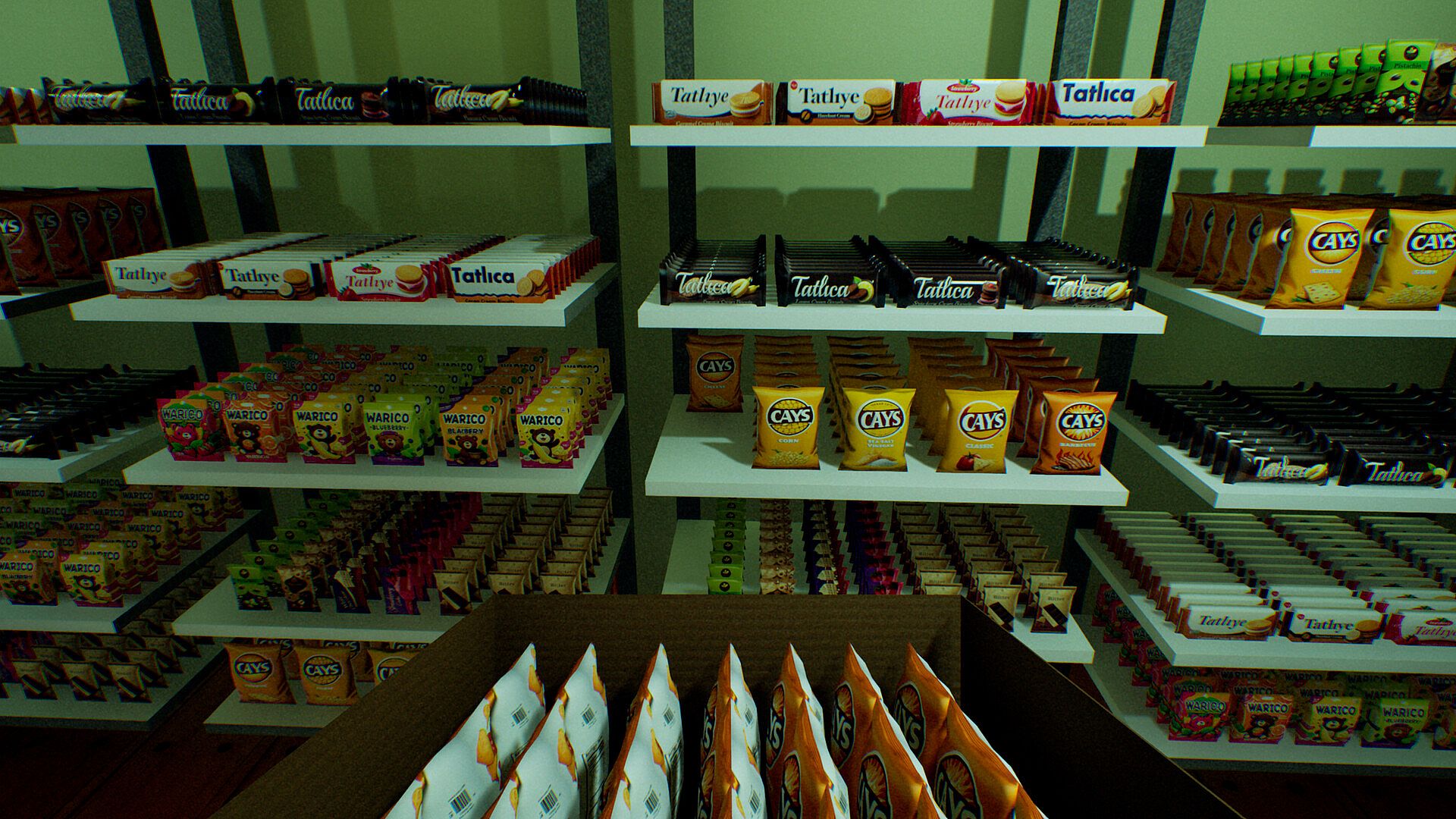
The core loop revolves around stocking shelves, serving customers, and reinvesting profits. Early stages limit options to a handful of everyday items, but progress unlocks equipment such as beverage coolers, magazine racks, and point-of-sale terminals. These additions broaden the inventory and improve transaction speed. Vending machines placed throughout the station provide passive income streams once installed. Storage expansion allows larger stock levels, reducing the frequency of restocking trips. Pricing decisions directly affect customer satisfaction and repeat business, requiring ongoing adjustments to match demand patterns. The single-player experience emphasizes steady growth through careful inventory tracking and equipment purchases rather than time-limited challenges.
Game Modes
Metro Mini Market Simulator runs entirely in single-player. No separate modes or competitive elements appear in the available information. All progression occurs within the main management scenario, where the focus stays on expanding the market from its initial small scale into a more varied operation.
Business Expansion and Upgrades
Revenue from daily sales funds license acquisitions that add new product categories. Equipment purchases improve customer throughput and open additional revenue sources through automation. Storage upgrades support higher inventory volumes, which in turn support faster sales cycles. The process rewards consistent attention to pricing and stock levels to maintain steady customer flow and avoid lost sales from empty shelves or overpriced goods.
Is It Worth Playing?
The game received Mostly Positive reviews from 47 user submissions, representing 70 percent approval. It suits players who enjoy relaxed business management simulations without combat or multiplayer components. The straightforward progression from basic setup to expanded operations provides a clear sense of advancement for those interested in casual retail strategy. Availability on PC supports easy access for short sessions or longer planning periods. Those seeking deeper systems or frequent content updates may find the scope limited based on current details.