



















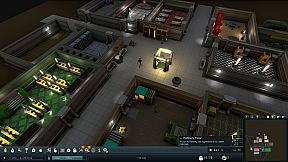
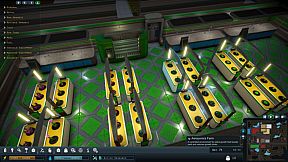
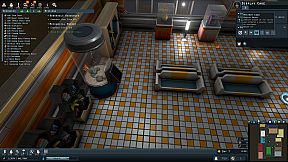
Mercury Fallen is a strategy and simulation game that places players in charge of rebuilding a damaged underground facility on an alien planet after a colonization mission goes awry. Colonists awaken to find their intended home in ruins, and the task falls to the player to restore order, gather resources, and expand operations both below ground and across the surface. The experience blends base construction with resource management and gradual discovery of the planet's secrets.
Gameplay
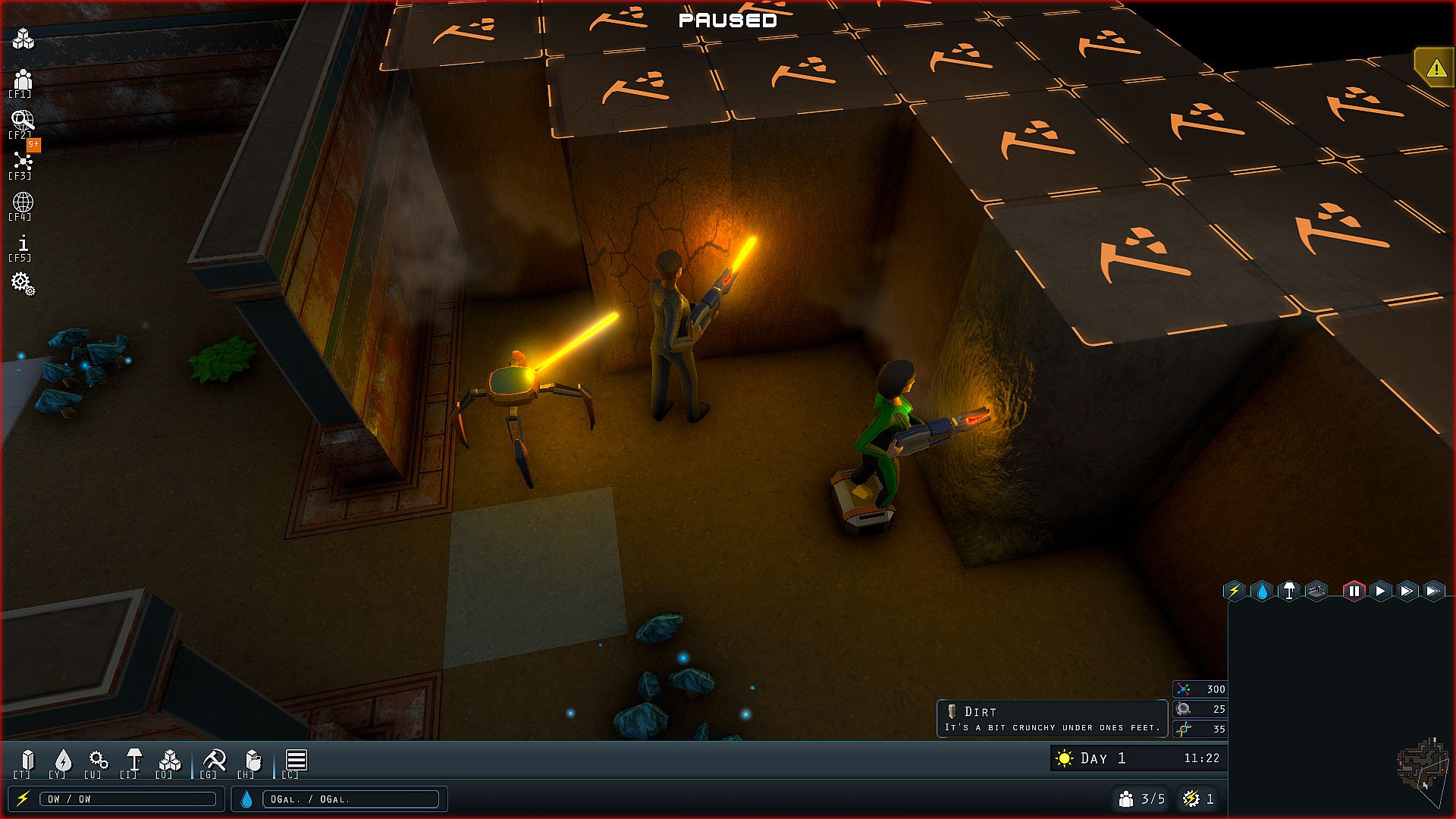
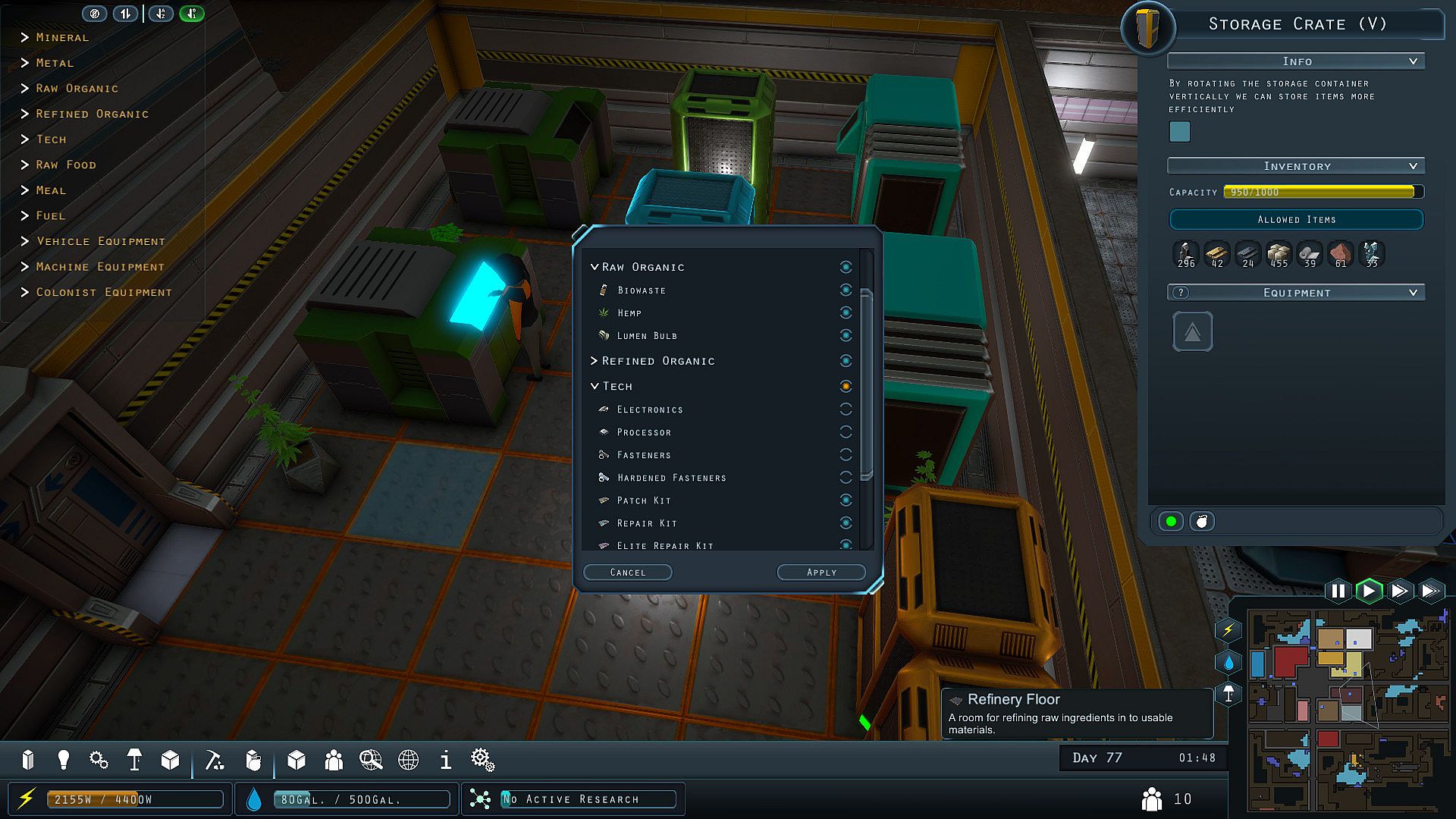
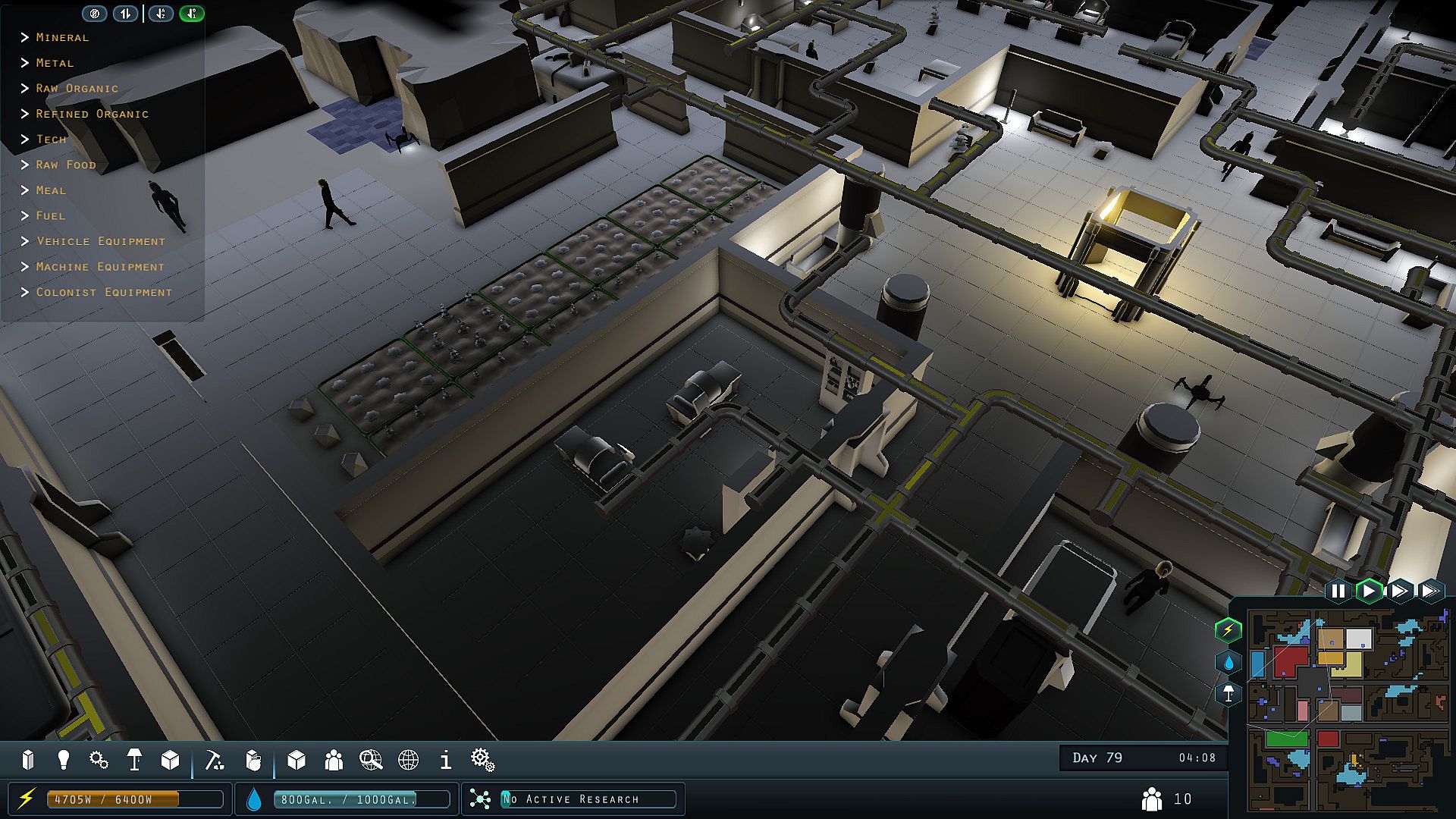
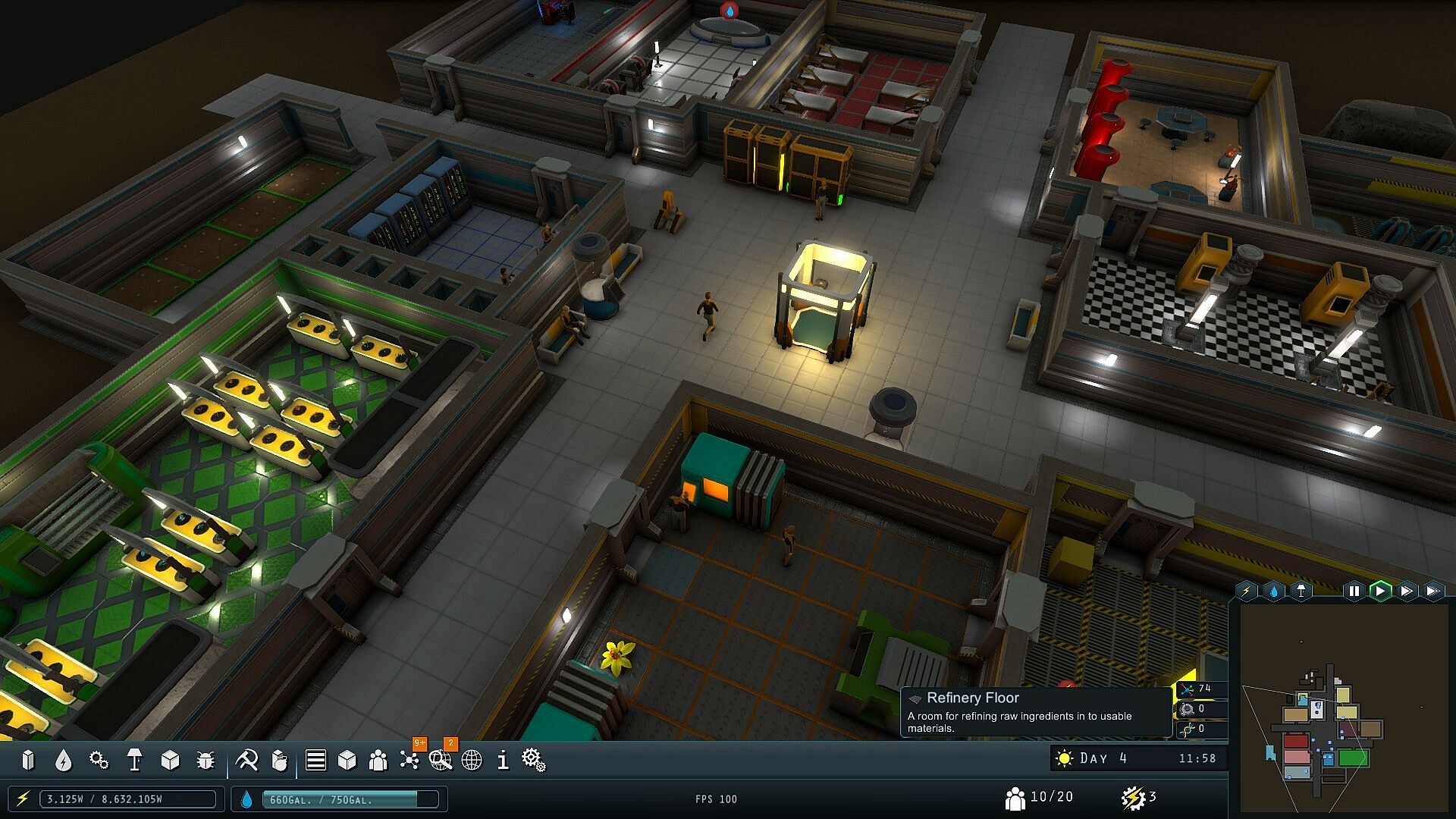
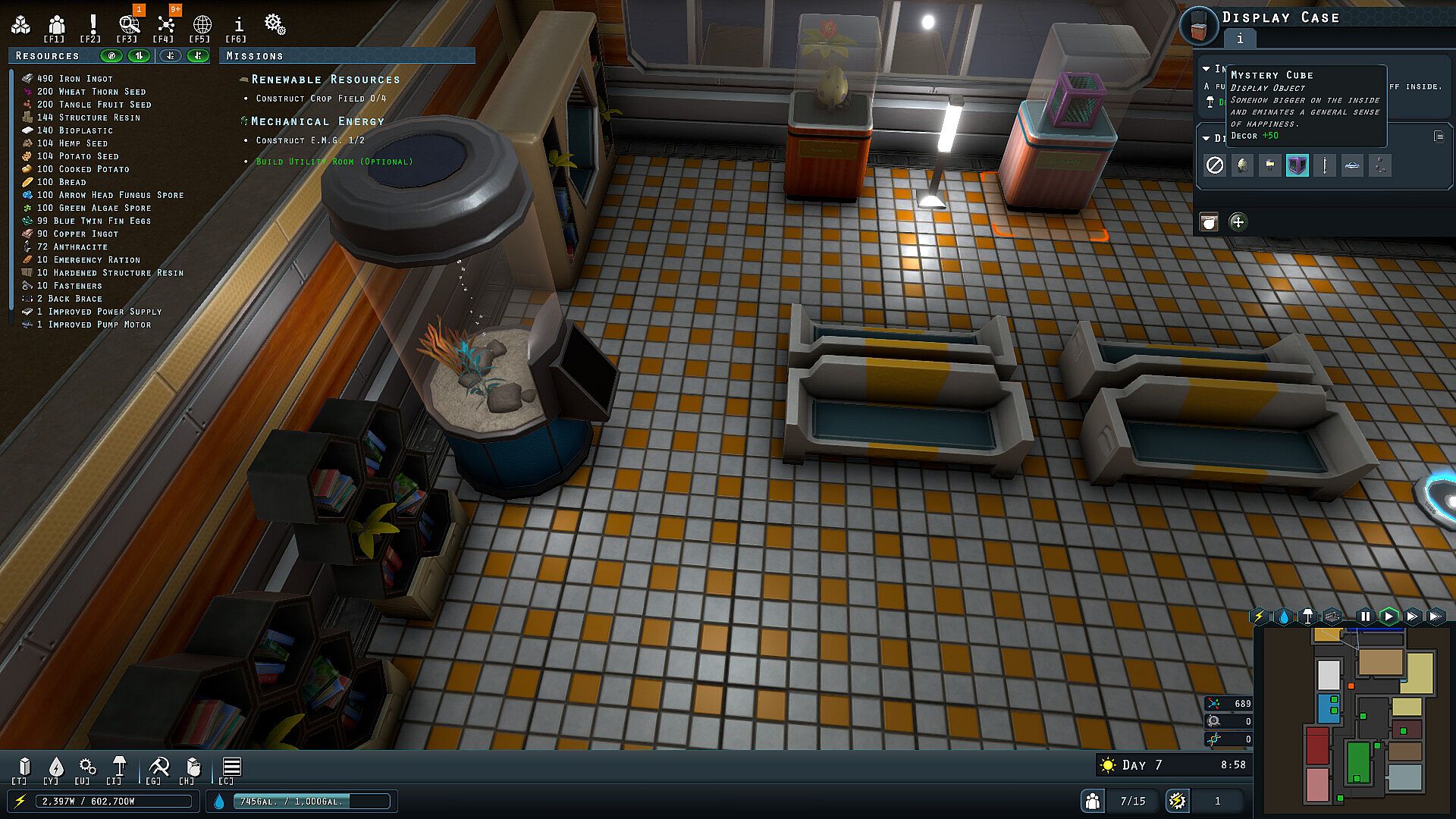
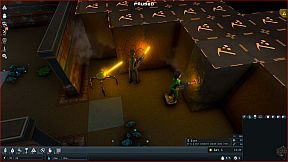
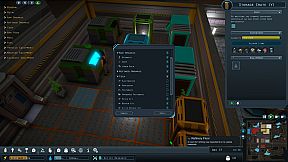
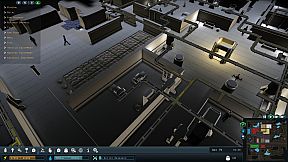
Players begin by clearing debris from the collapsed Mercury Facility and repurposing materials to create essential spaces such as bedrooms, crafting areas, and power infrastructure. Resource scavenging forms the foundation of progress, with players deconstructing old structures to fuel new builds while maintaining oxygen, water, and energy supplies for the growing population.
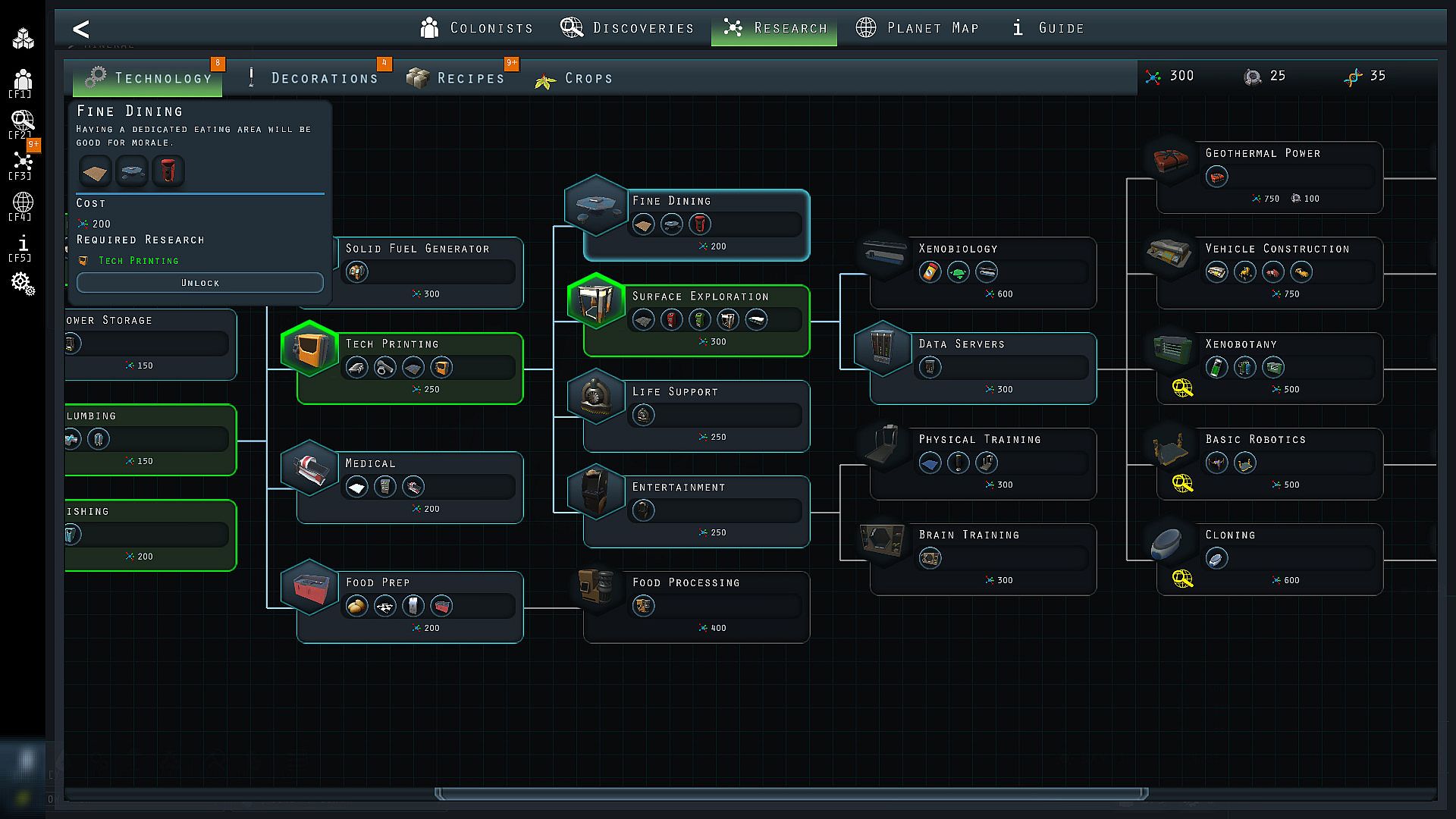
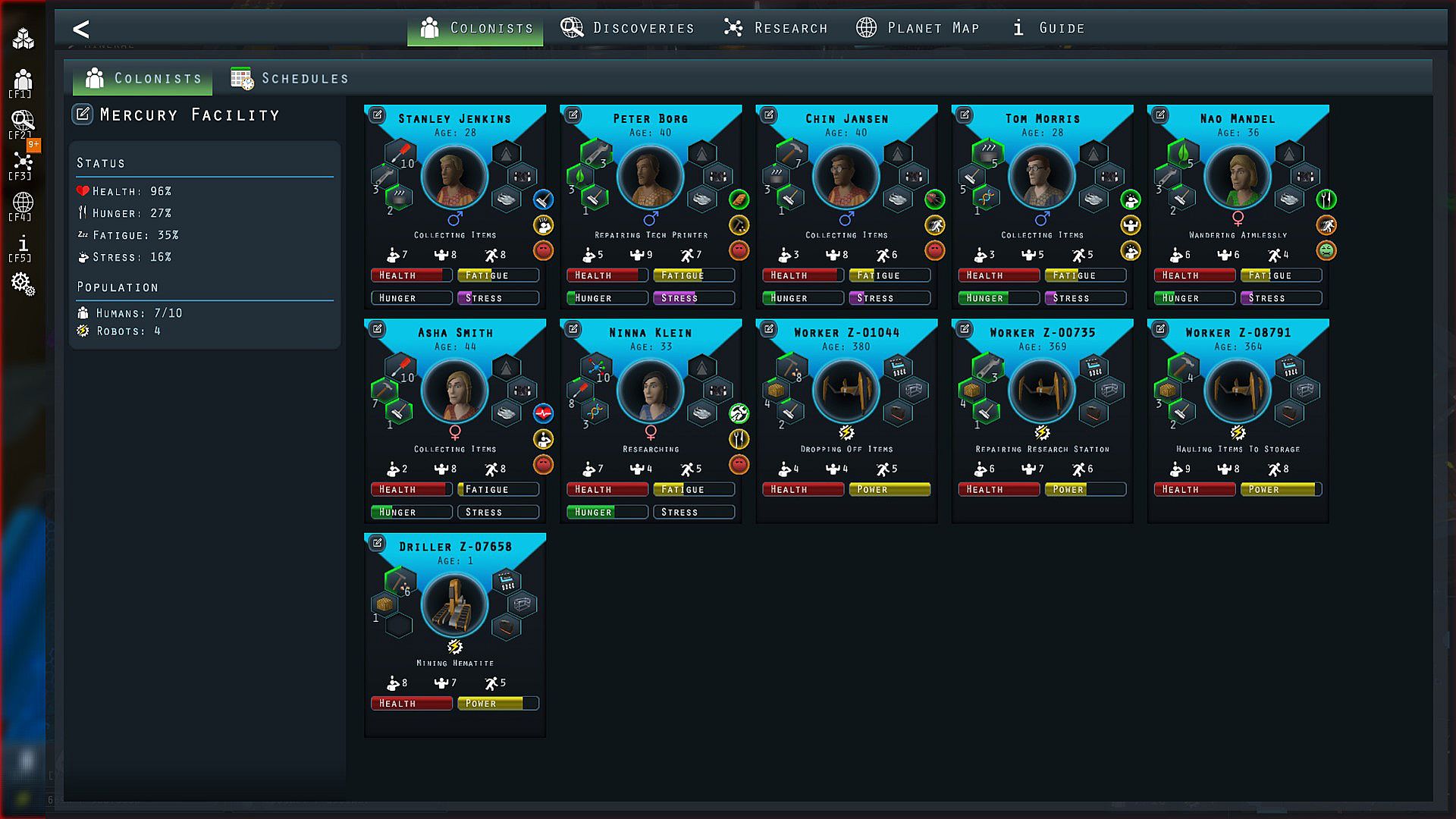
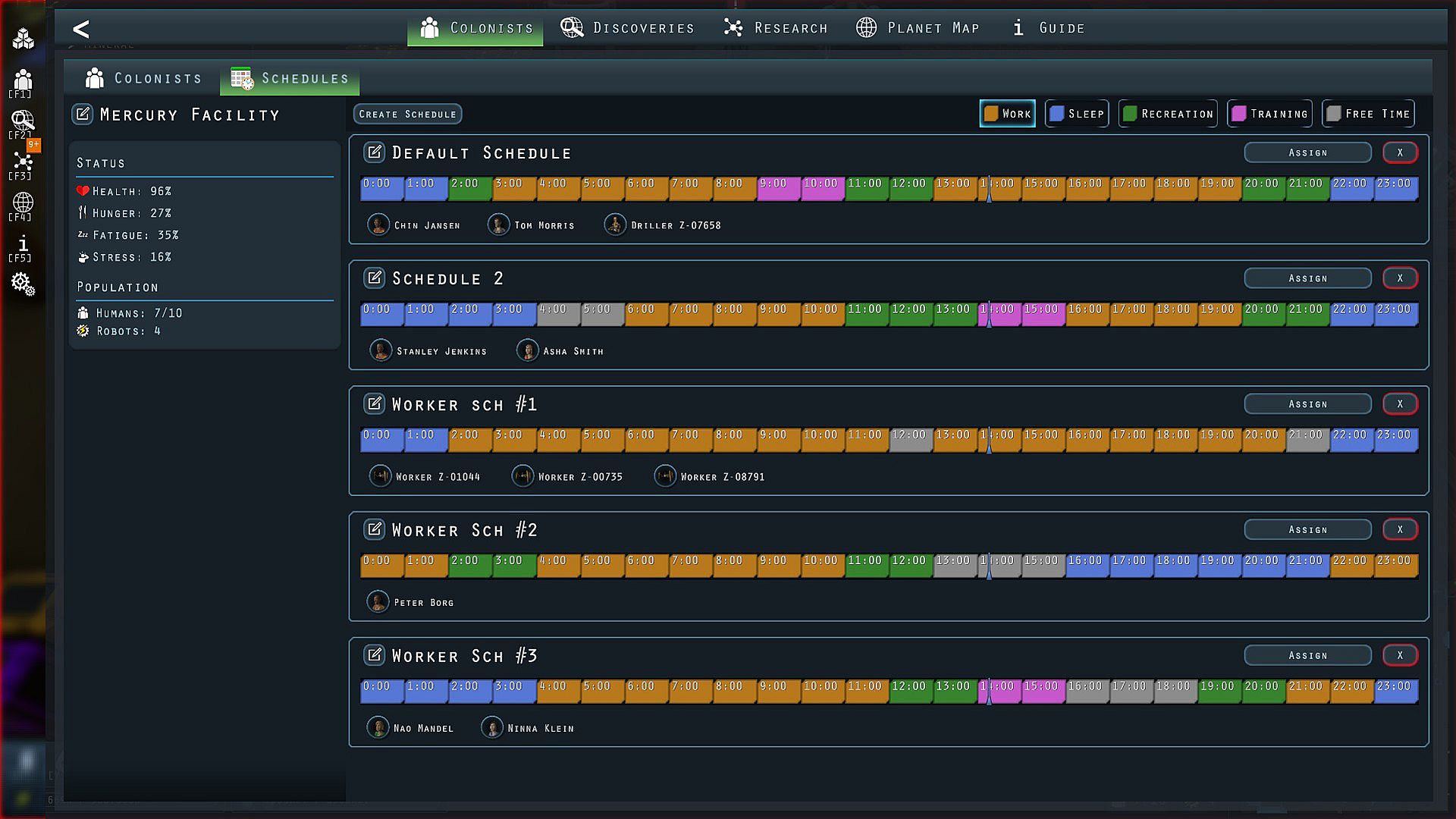
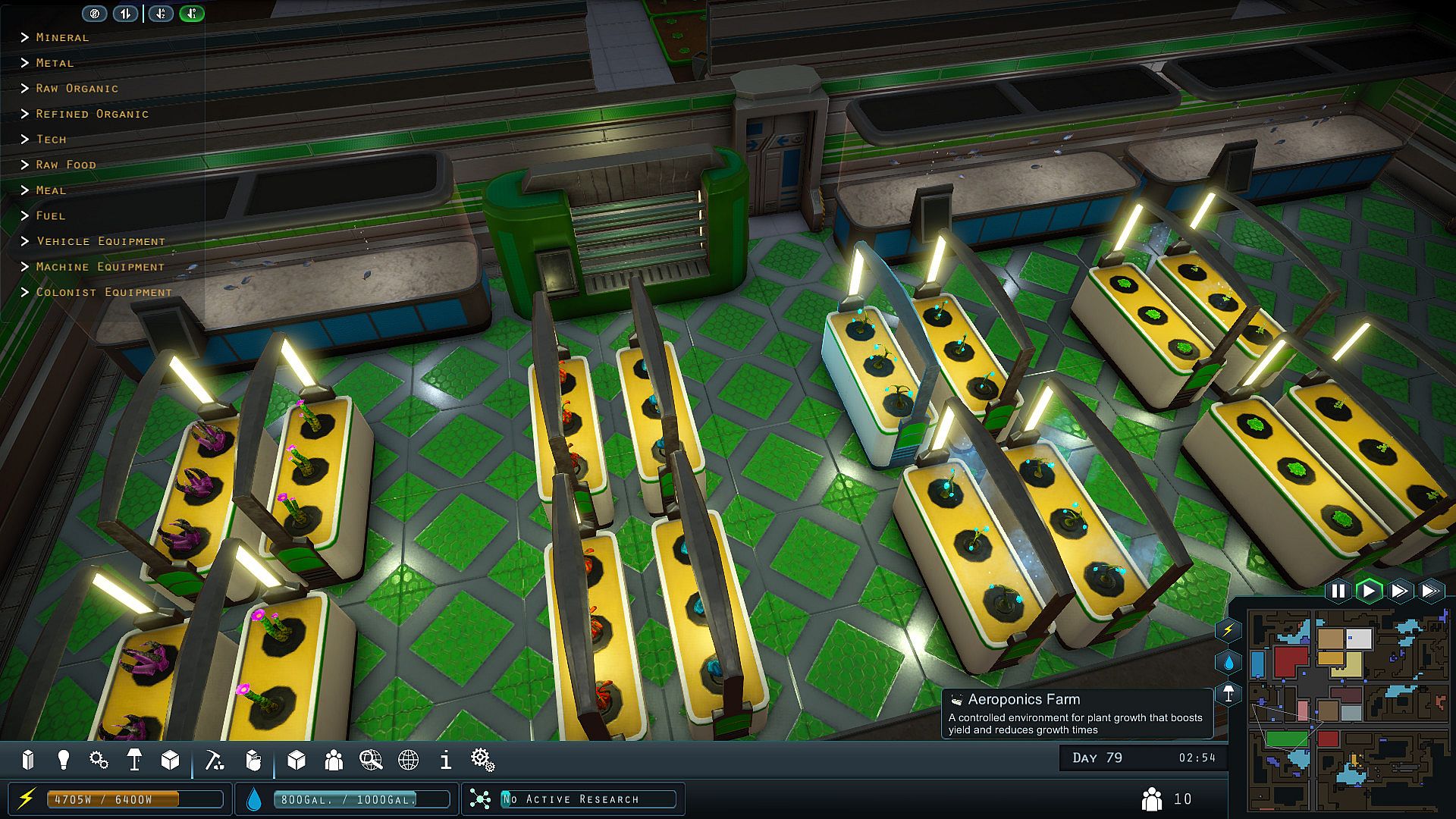
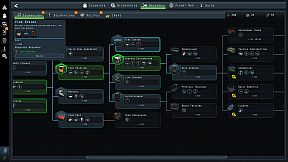
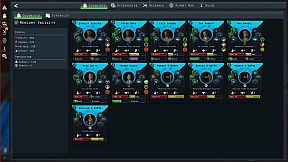
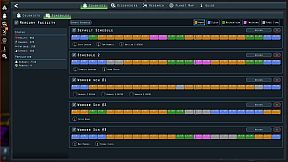
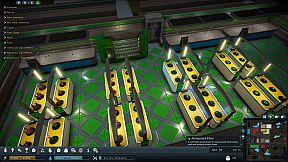
Colonists possess individual traits that influence their performance, including quirks that affect mood and productivity. Managing their needs involves assigning jobs, providing recreation, and responding to injuries or illnesses that arise during daily operations. Research unlocks new room types, crop varieties, and equipment, allowing the colony to incorporate alien plant life alongside standard terrestrial options for food and production chains.
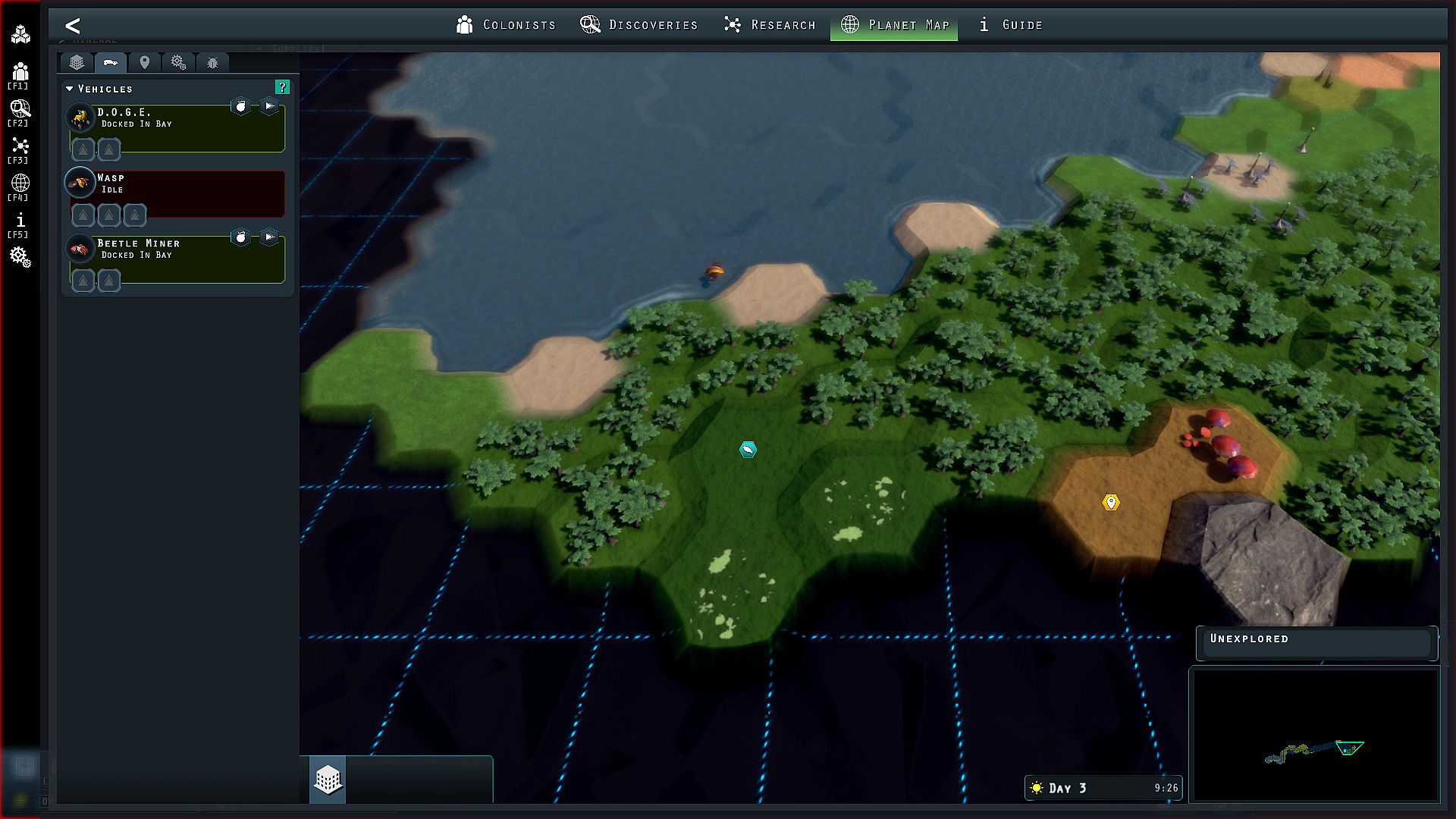
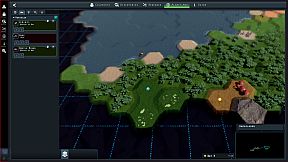
Expansion extends to the planet's surface through expeditions that locate additional survivors, robotic assistants, and scattered technology. Vehicles enable travel across varied terrain for resource extraction, while surface power networks supplement underground systems. Random events such as structural collapses or crop failures require quick adjustments to prevent setbacks.
Game Modes
Mercury Fallen operates as a single-player colony management experience without separate competitive or cooperative modes. The core loop centers on self-paced progression where players balance construction, research, and exploration at their own rhythm. Procedural generation of the planet and facility layout creates varied starting conditions and resource distributions for each new colony attempt.
Dynamic events and colonist interactions add variability within this framework, encouraging different approaches to workforce expansion through cloning or automation. The absence of predefined scenarios means every run develops according to player choices in layout design and priority setting.
Exploration and Progression
Surface expeditions reveal points of interest that yield rare materials and narrative fragments about the planet's past. These outings support long-term goals by introducing new crafting options and facility upgrades. Technology trees guide advancement toward more efficient systems and specialized equipment for both underground and outdoor operations.
Robots and cloned workers supplement the original colonists, allowing players to scale operations without constant micromanagement of every task. This layered progression rewards consistent attention to infrastructure while leaving room for experimentation with room layouts and crop rotations.
Is It Worth Playing?
Mercury Fallen suits players who enjoy methodical base-building combined with light survival elements and story discovery. Its focus on underground restoration paired with surface ventures provides a distinct take on colony simulation that emphasizes steady expansion over high-pressure crises. The game reached its full 1.0 release after early access, confirming a complete feature set that includes procedural worlds and support for community modifications.
Those seeking a relaxed pace with opportunities to customize colonist appearances and manage interpersonal dynamics will find the systems rewarding. The blend of crafting, research, and exploration creates ongoing objectives that scale with colony size, making it a solid choice for fans of indie strategy titles centered on planetary settlement.