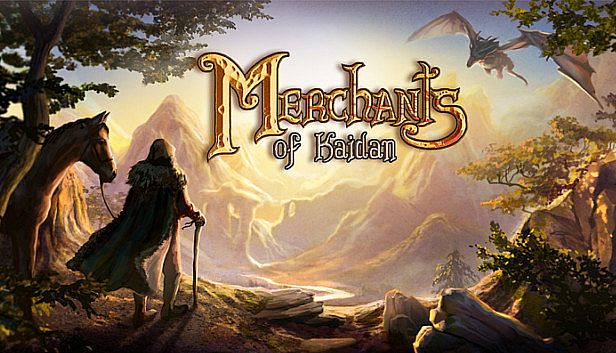















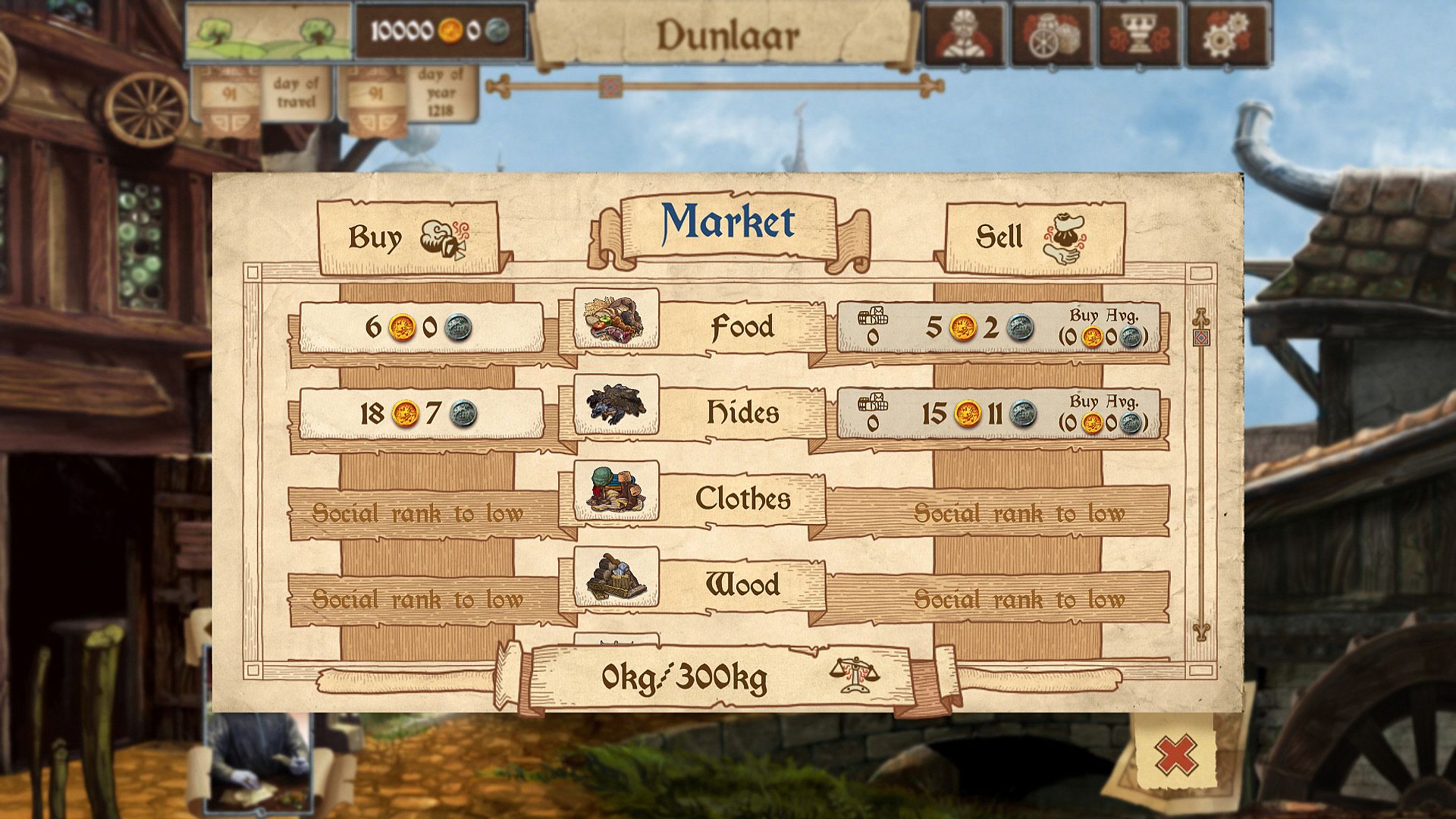
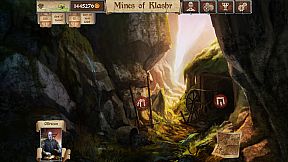
Merchants of Kaidan is a single-player trading simulation blended with role-playing and strategy elements. Players step into the role of a merchant navigating a fictional world filled with economic opportunities, personal vendettas, and unpredictable challenges. The core loop revolves around buying goods at low prices in one location and selling them higher elsewhere while managing risks, expanding operations, and advancing through narrative quests.
Gameplay
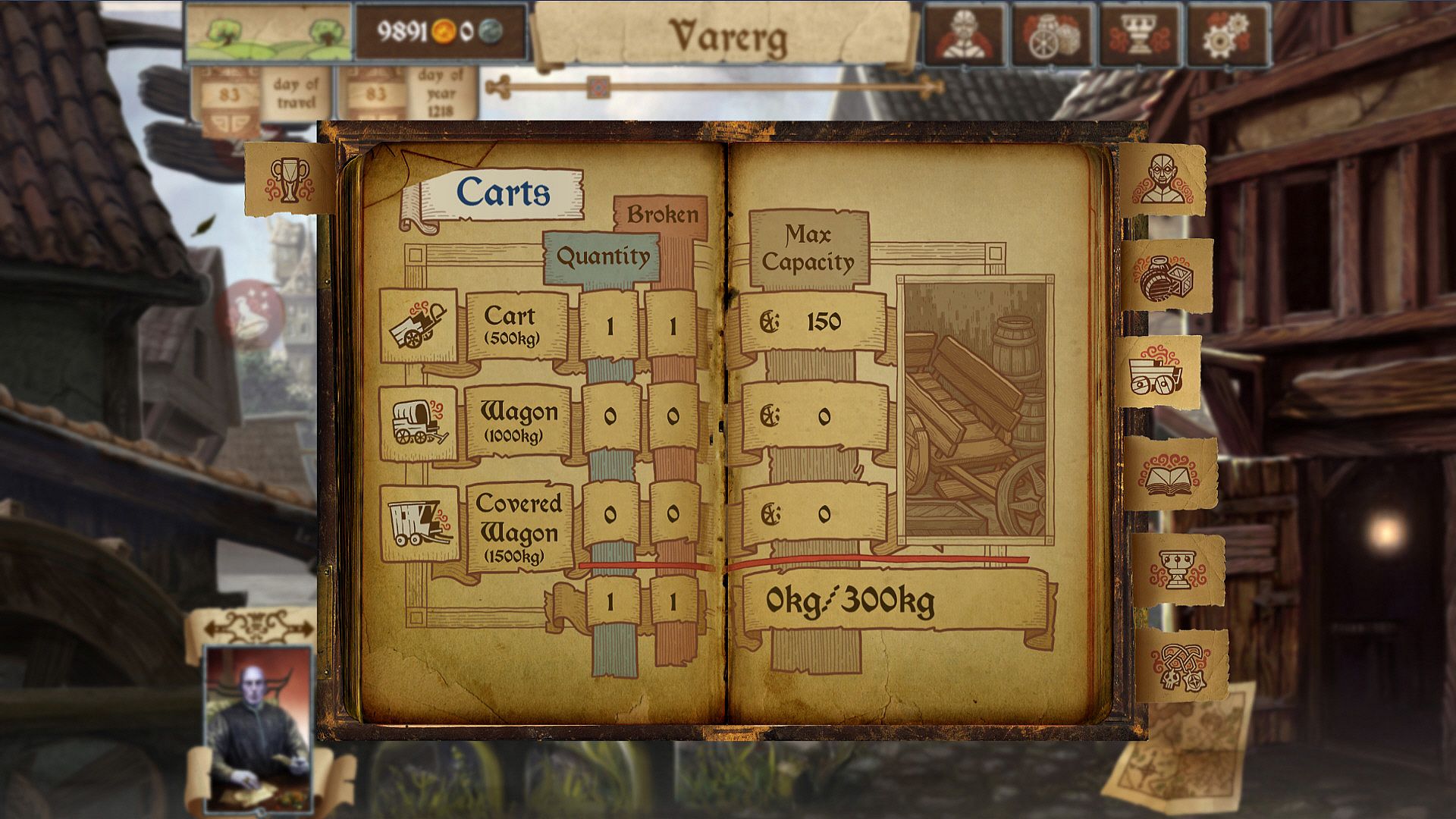
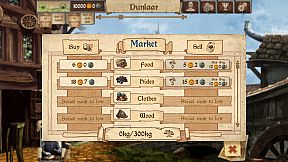
The experience begins with limited resources: a single cart and a small amount of gold and silver coins. Success depends on understanding market dynamics influenced by supply, demand, seasonal changes, city locations, and random occurrences such as droughts or infestations. Fifteen types of goods are available for trade, each with distinct traits including some that are illegal or perishable and require careful timing to avoid losses.
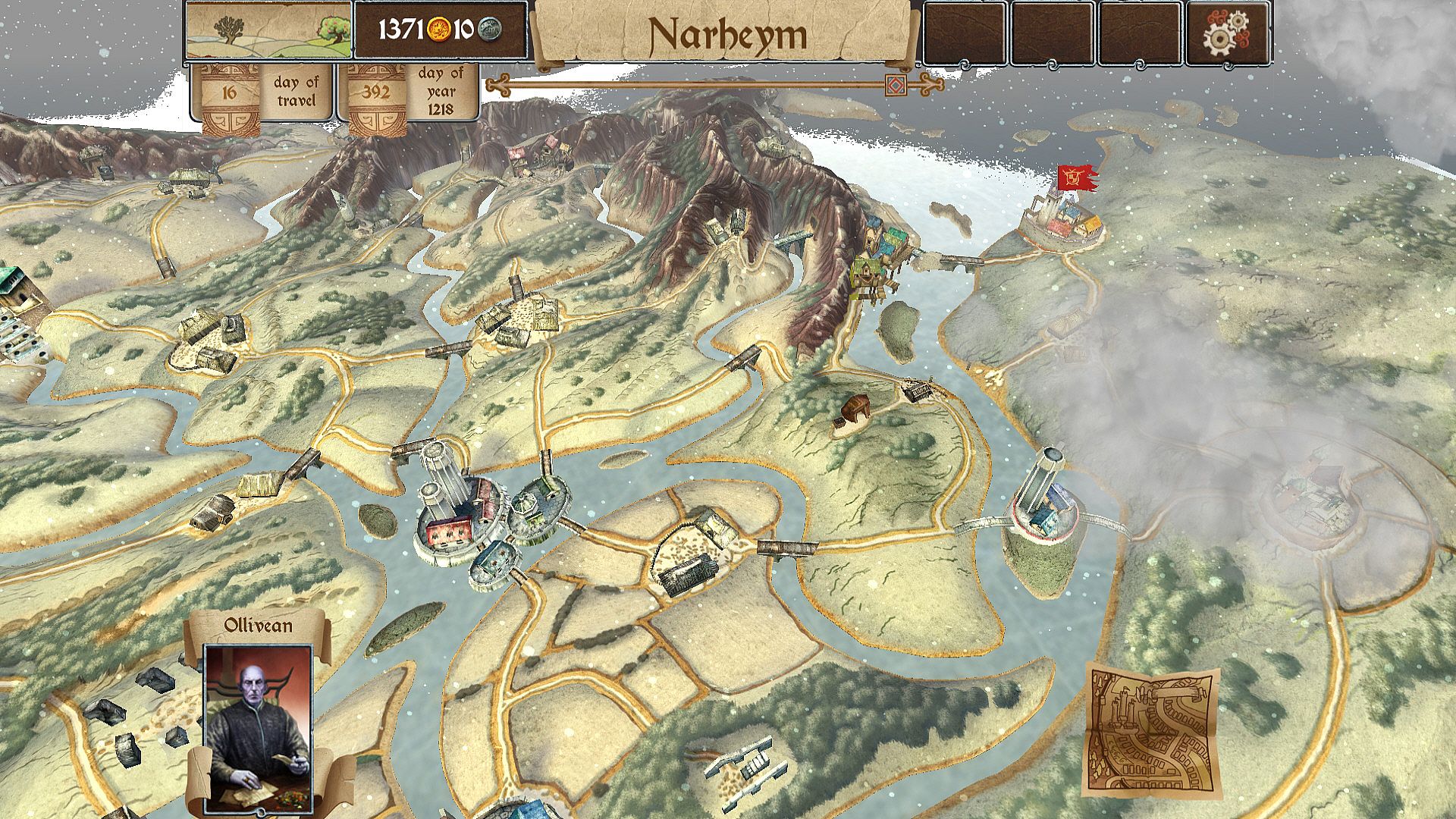
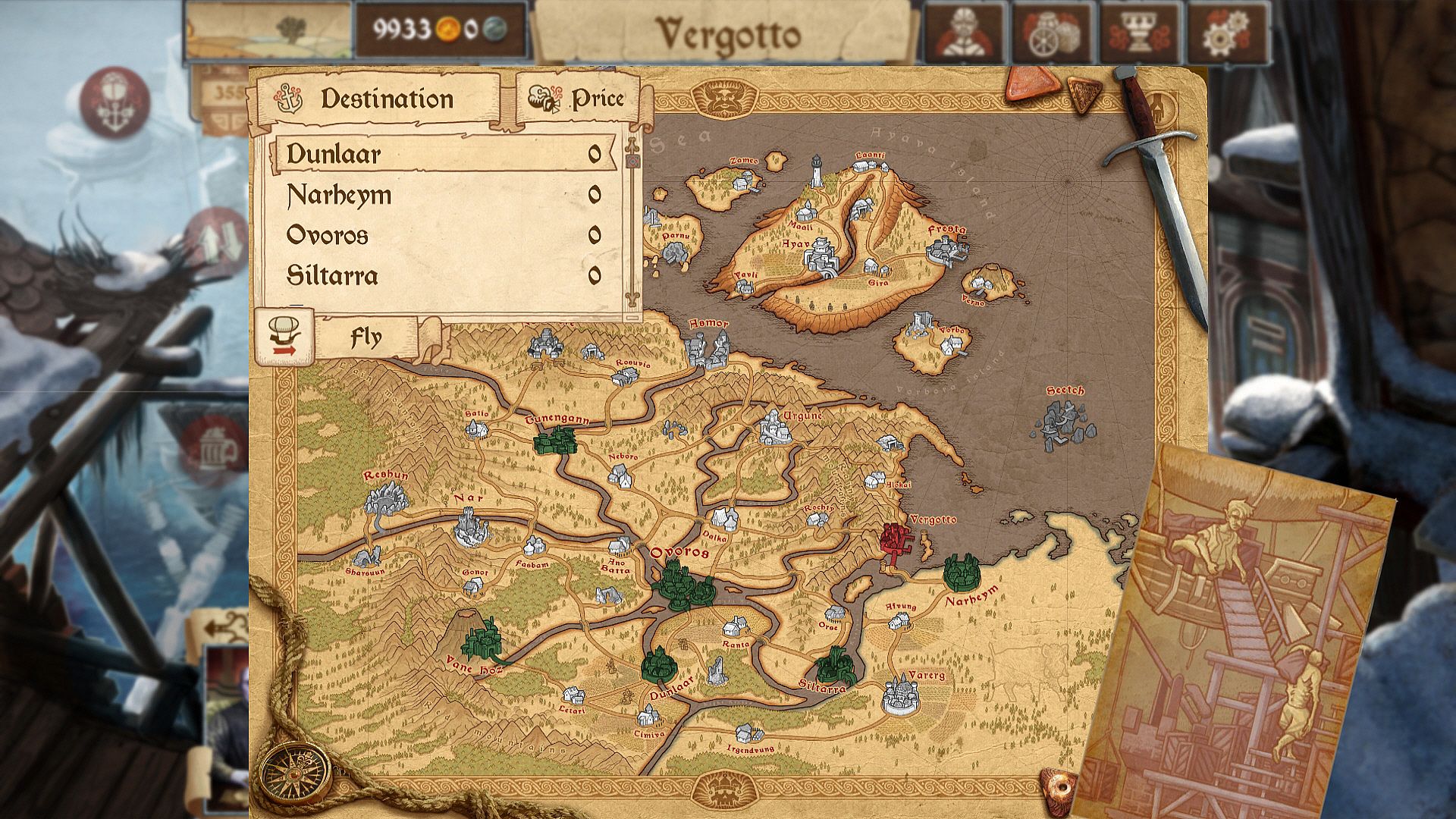
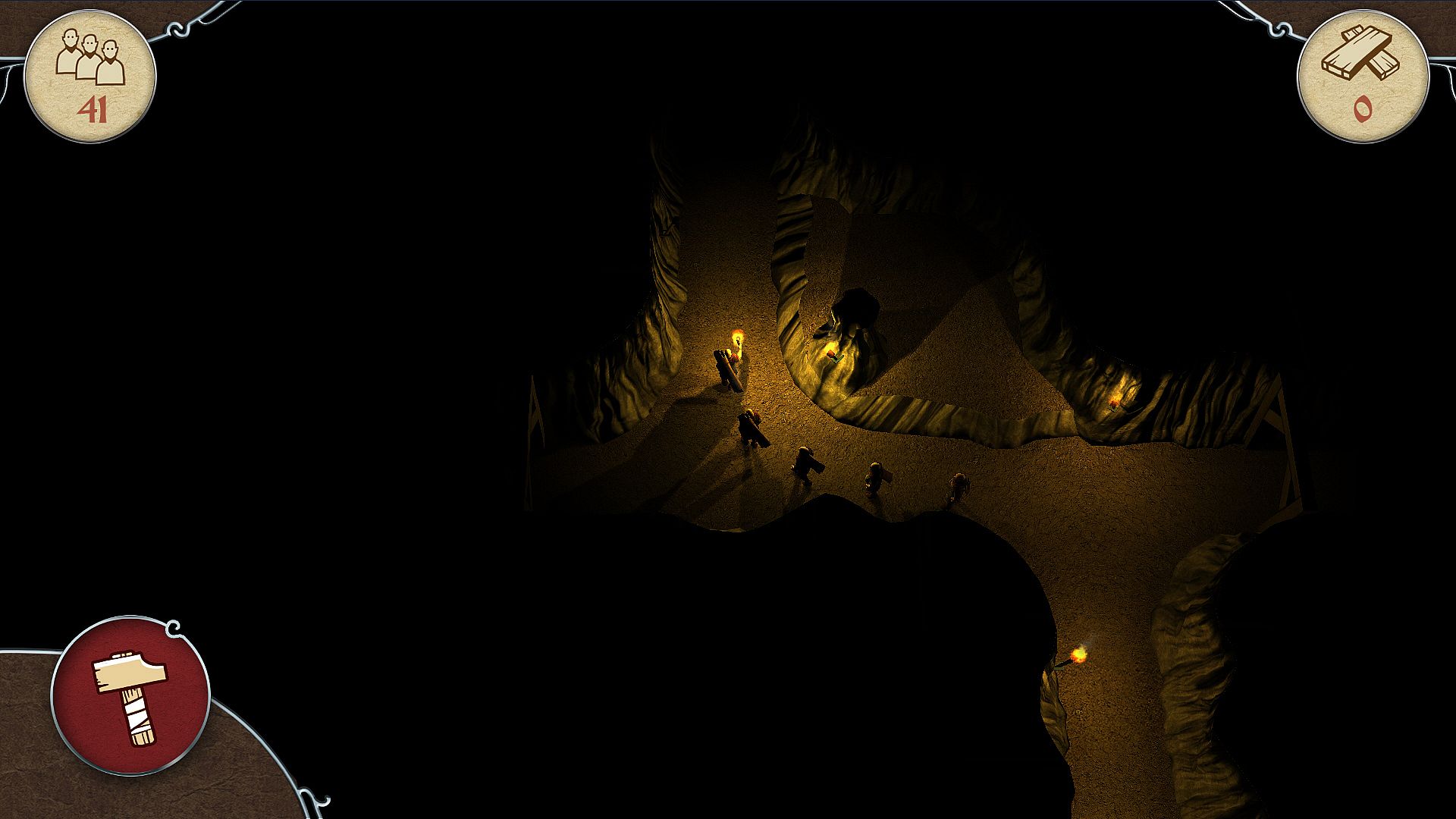
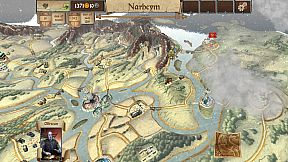
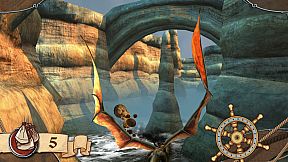
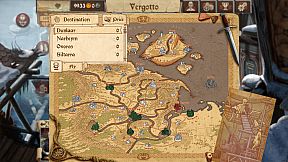
Travel occurs across three methods: over roads, by sea, or through flight. Each option carries unique advantages, costs, and associated events like storms or attacks. As the merchant grows wealthier, the fleet expands to include more carts, enabling partnerships that allow simultaneous control of three traders. Advisers can be hired for specialized support in areas like navigation, combat against bandits, or sailing efficiency, with the option to invest in their training at additional expense.
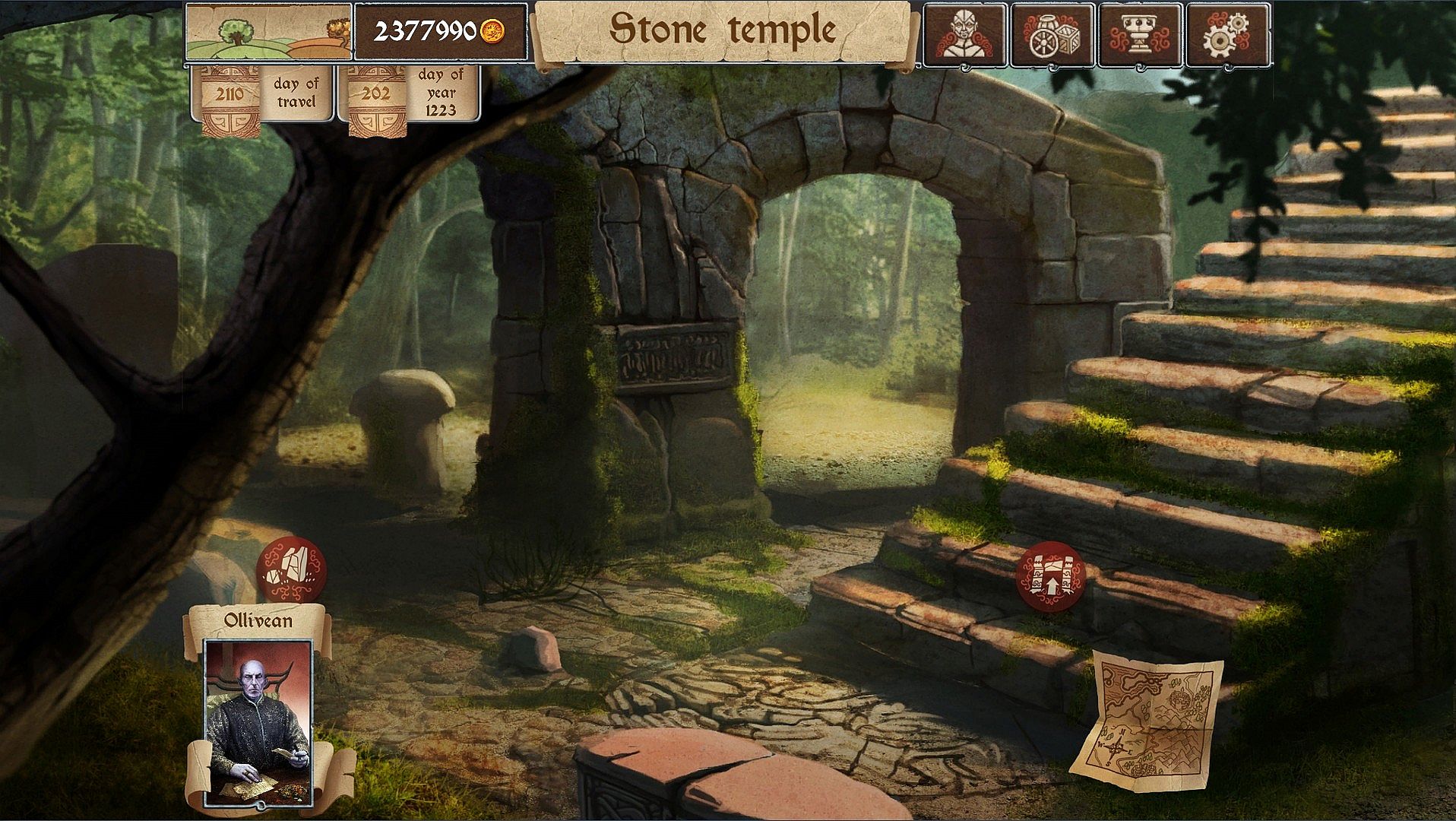
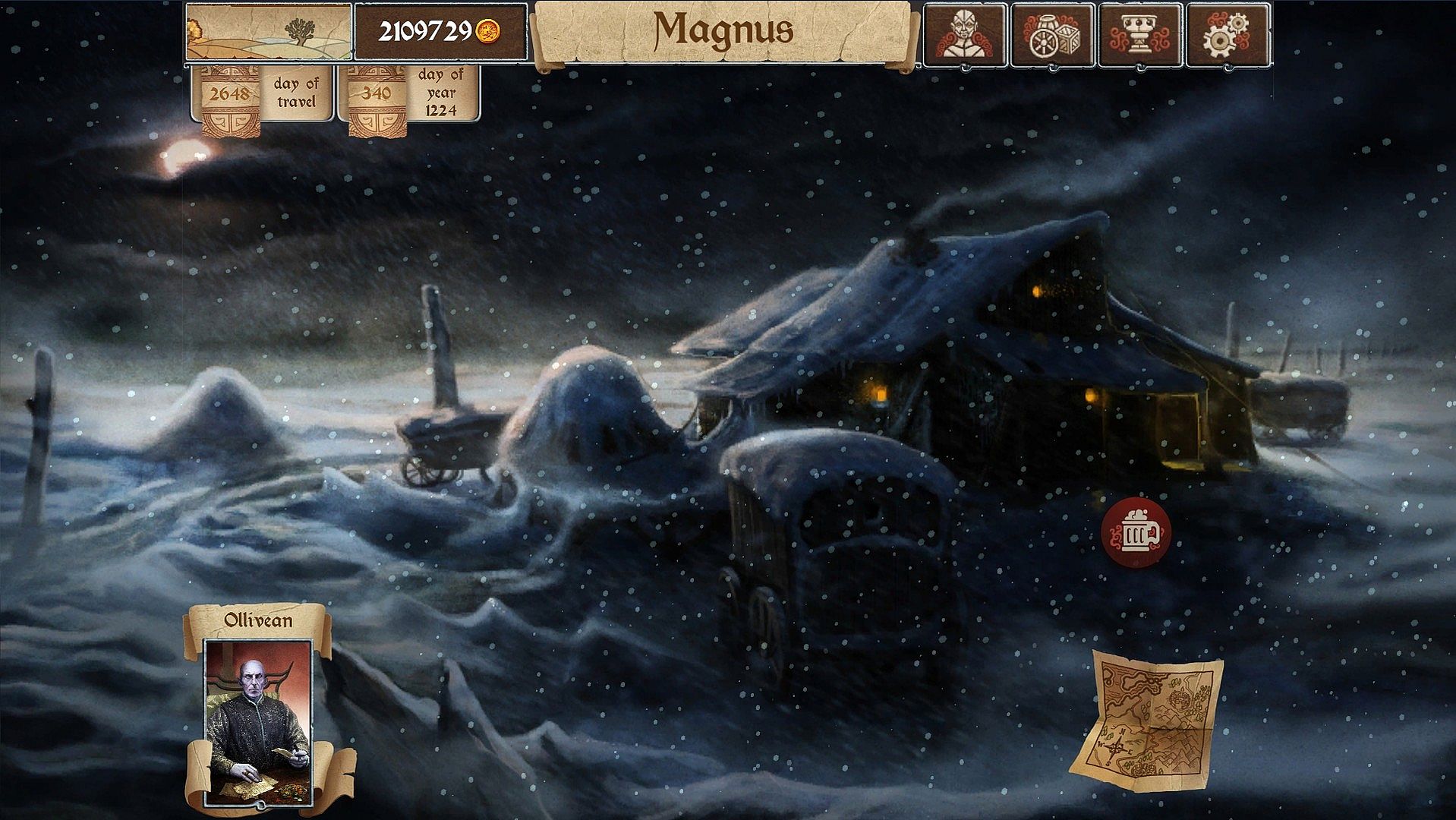
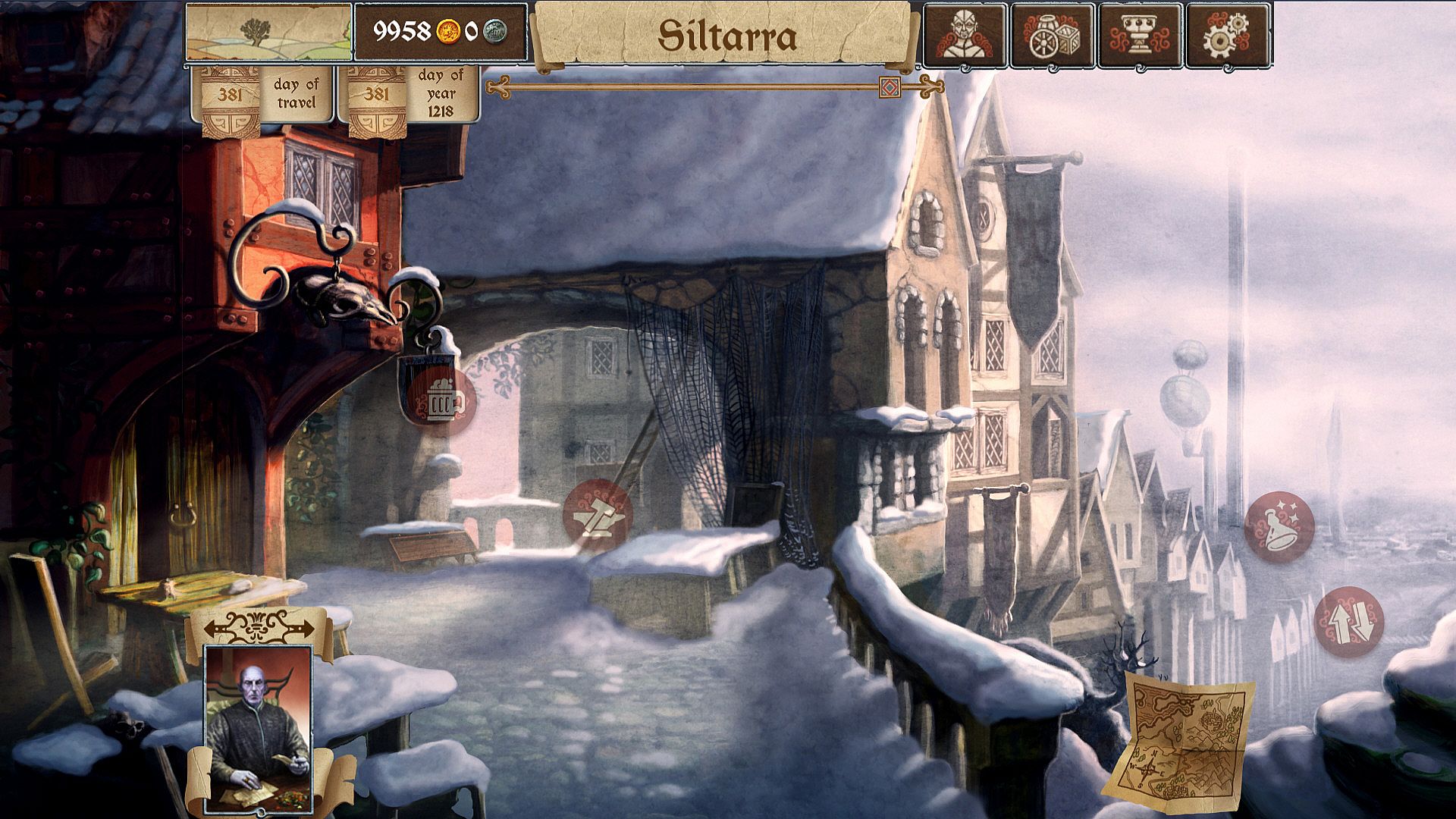
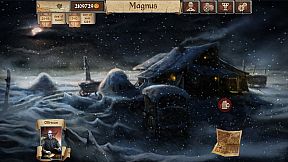
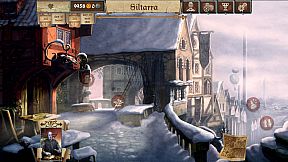
Four seasons alter prices, open or close travel routes, and change the visual appearance of cities. Random blessings, curses, and artifacts further modify statistics that affect trading performance and event outcomes. A complex algorithm governs price fluctuations based on multiple variables, encouraging constant monitoring of rumors from travelers and strategic decisions about cargo space and risk versus immediate profit.
Game Modes
The game structures its content around four storylines that together contain over one hundred quests, each broken into multiple steps. The primary storyline follows the pursuit of vengeance for a father's murder, while three additional lines provide side content. One main scenario anchors the central narrative, supported by two quicker scenarios for varied pacing.
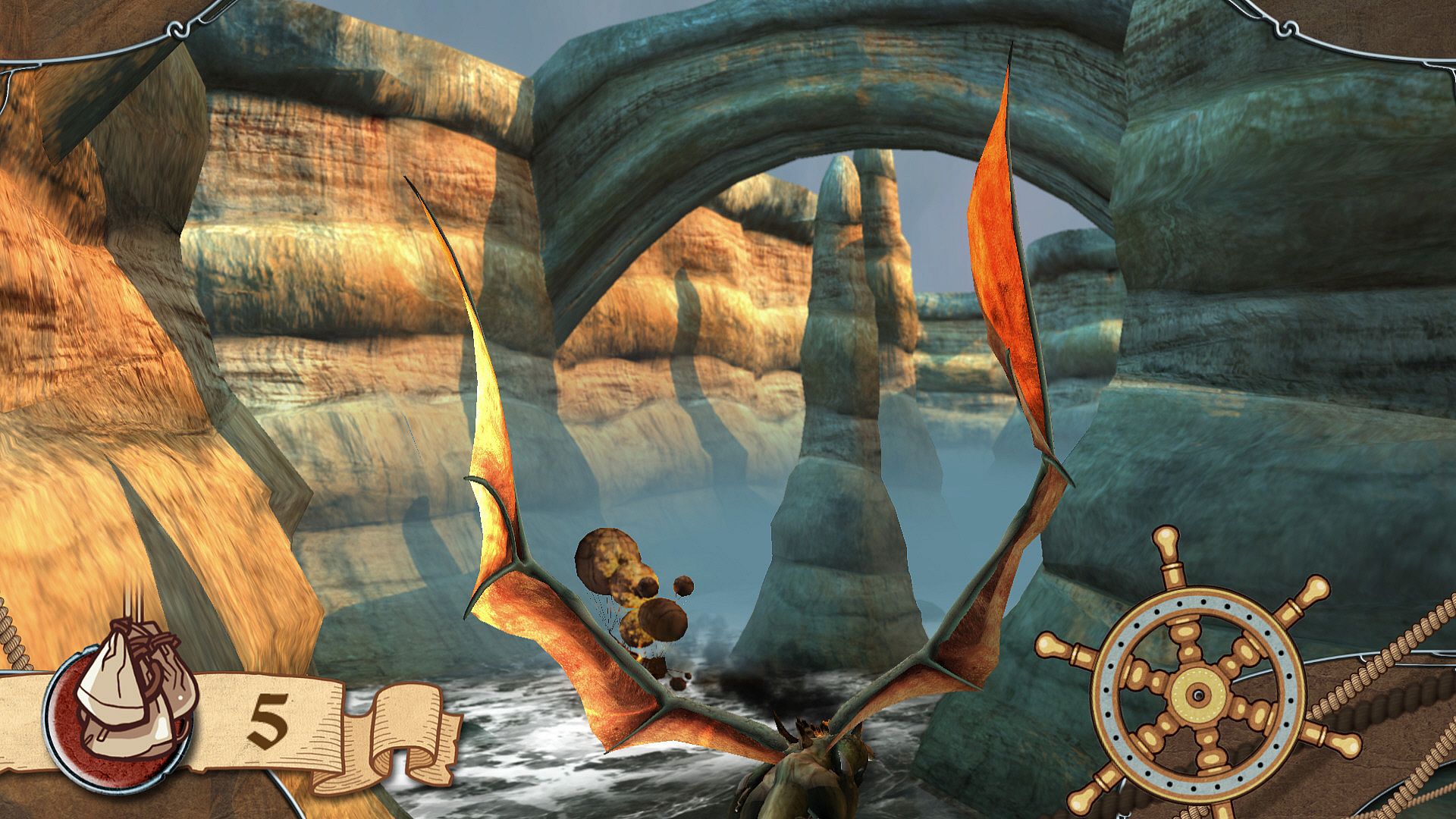
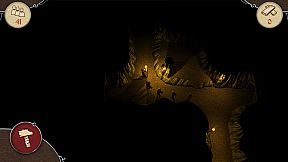
Random events integrate into journeys regardless of the chosen path, introducing elements such as highway robberies or dragon attacks that test decision-making under pressure. These systems create a persistent single-player campaign focused on progression through trade, story advancement, and character development rather than competitive or cooperative modes.
Story and World
The protagonist, Olivean de Calinn, starts the tale on what should have been a milestone birthday. Betrayal by a former partner named Van Talodd leads to the loss of family assets and a flight from danger. The goal becomes rebuilding wealth under a false identity to confront the traitor and restore honor. Kaidan serves as the setting, a world once home to an advanced space-faring civilization whose remnants now support a less developed society reliant on ancient artifacts.
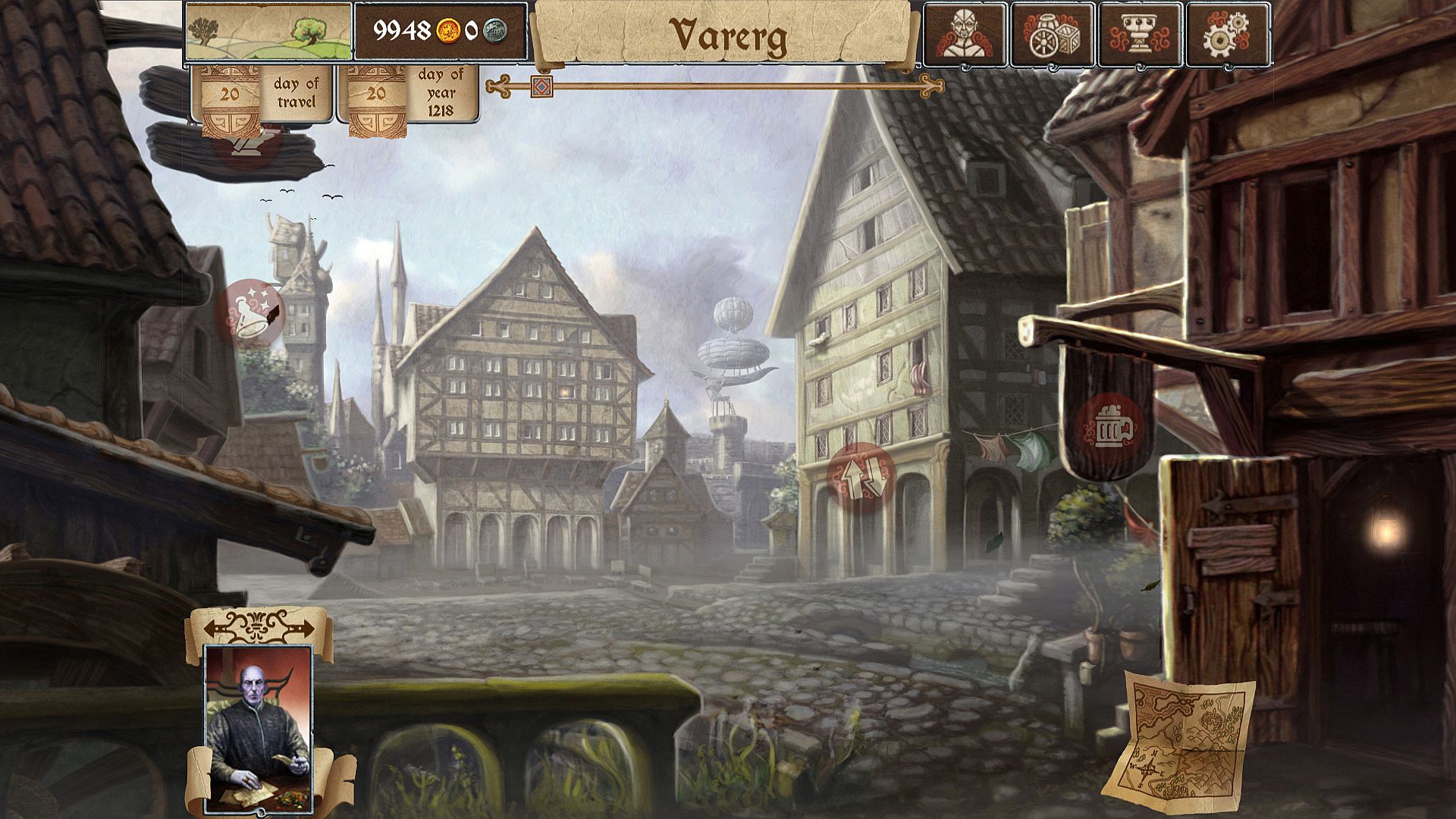
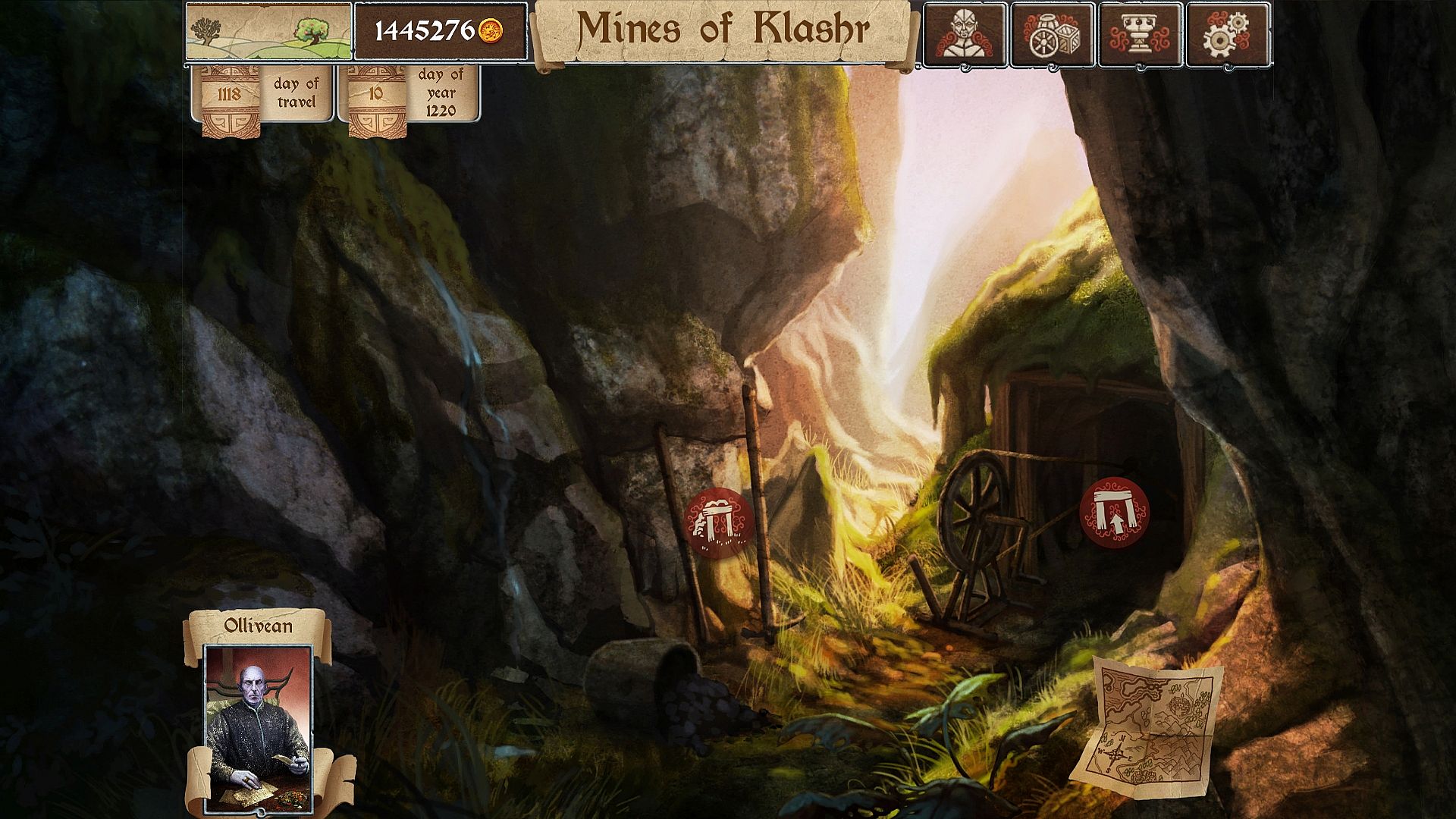
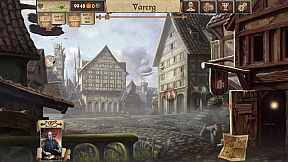
Hand-drawn locations provide visual variety across seasons, reinforcing the sense of a living economy where events and player choices shape opportunities. The narrative weaves personal revenge with broader merchant life, requiring players to balance immediate trades against long-term objectives like fleet growth and adviser management.
Is It Worth Playing?
Merchants of Kaidan suits players who enjoy deliberate trading simulations combined with light RPG progression and quest-driven storytelling. The mechanics reward careful planning around seasons, events, and market variables, while the quest structure provides direction beyond pure economics. Some features feel underdeveloped based on available feedback, which may frustrate those seeking polished systems or frequent content additions. The game remains available as a complete single-player title without ongoing seasonal updates or expansions confirmed in recent years. Those drawn to indie strategy experiences centered on resource management and narrative revenge will find its focused loop engaging, whereas players preferring action-heavy or multiplayer elements may look elsewhere.