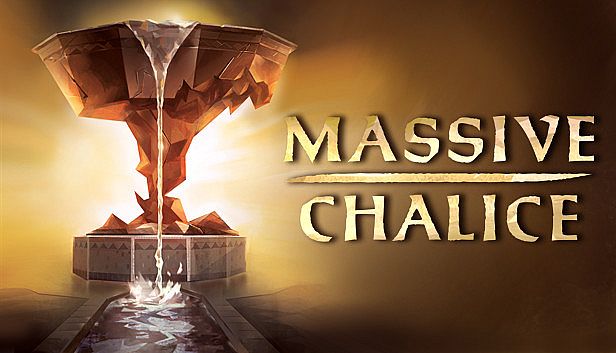
















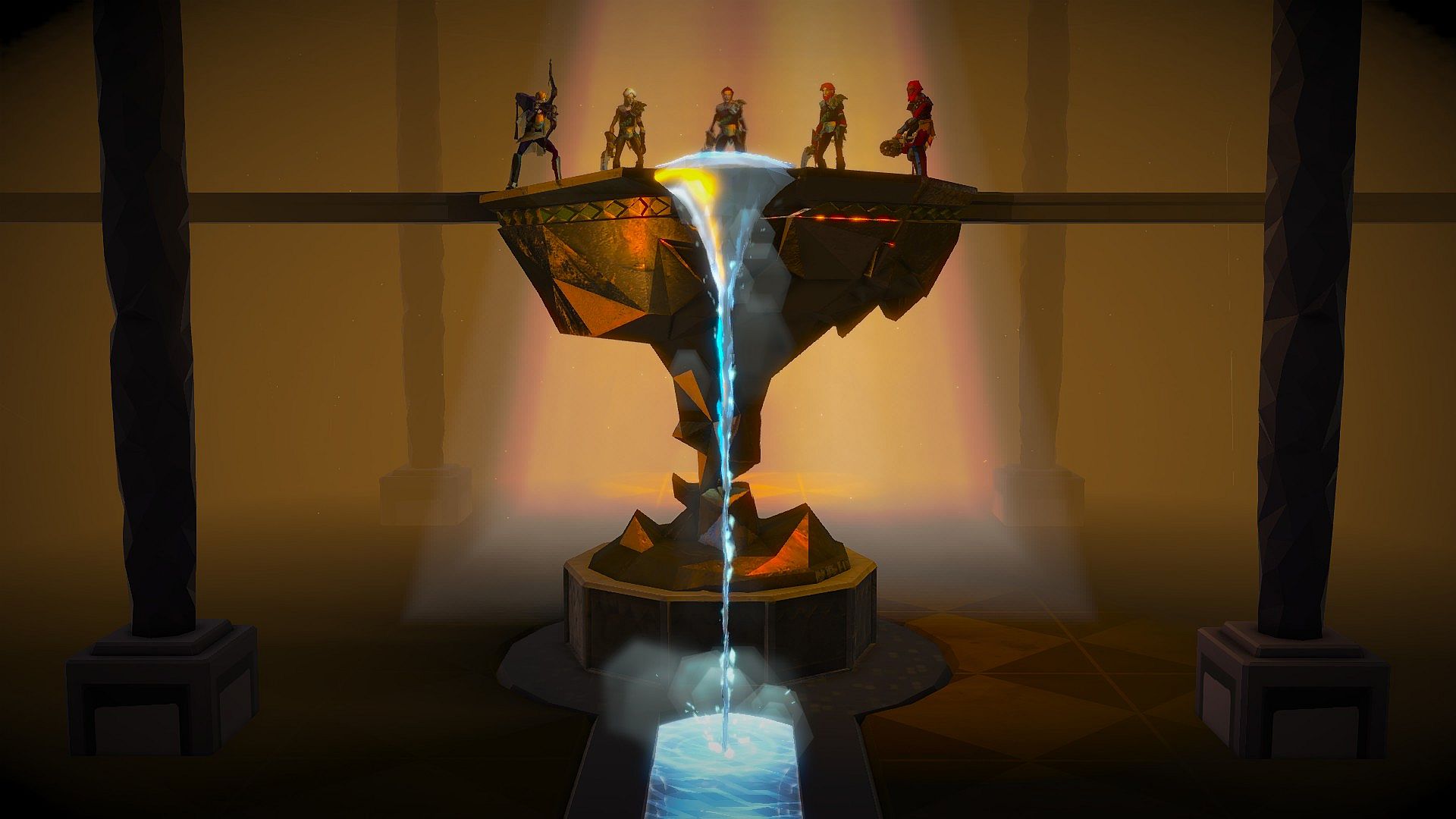
Massive Chalice is a tactical strategy game developed by Double Fine Productions for PC. Players assume the role of an immortal ruler who must defend a nation against the Cadence over a 300-year timeline. The experience centers on managing heroes through generations while directing turn-based combat against invading forces.
Gameplay
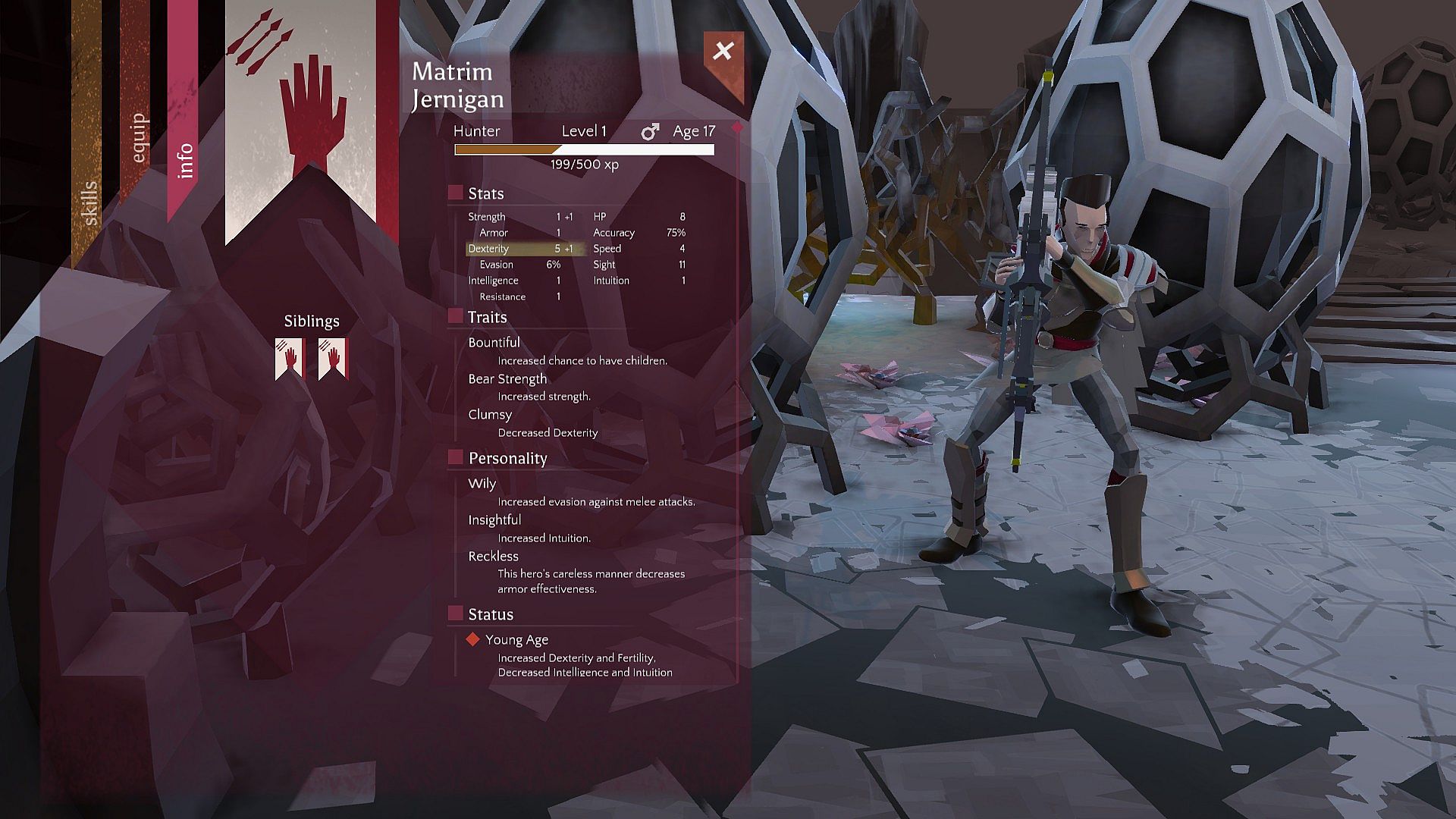
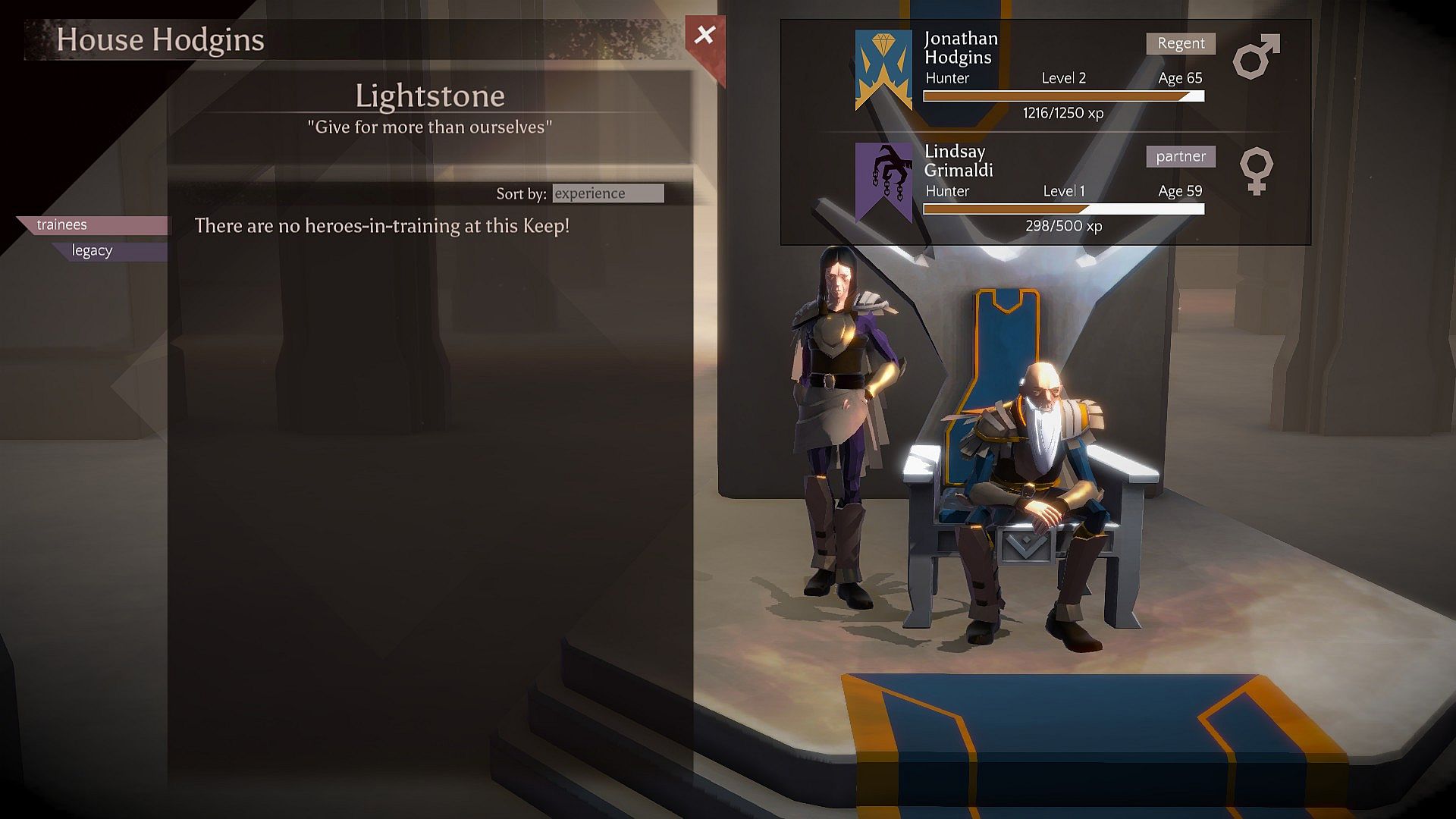
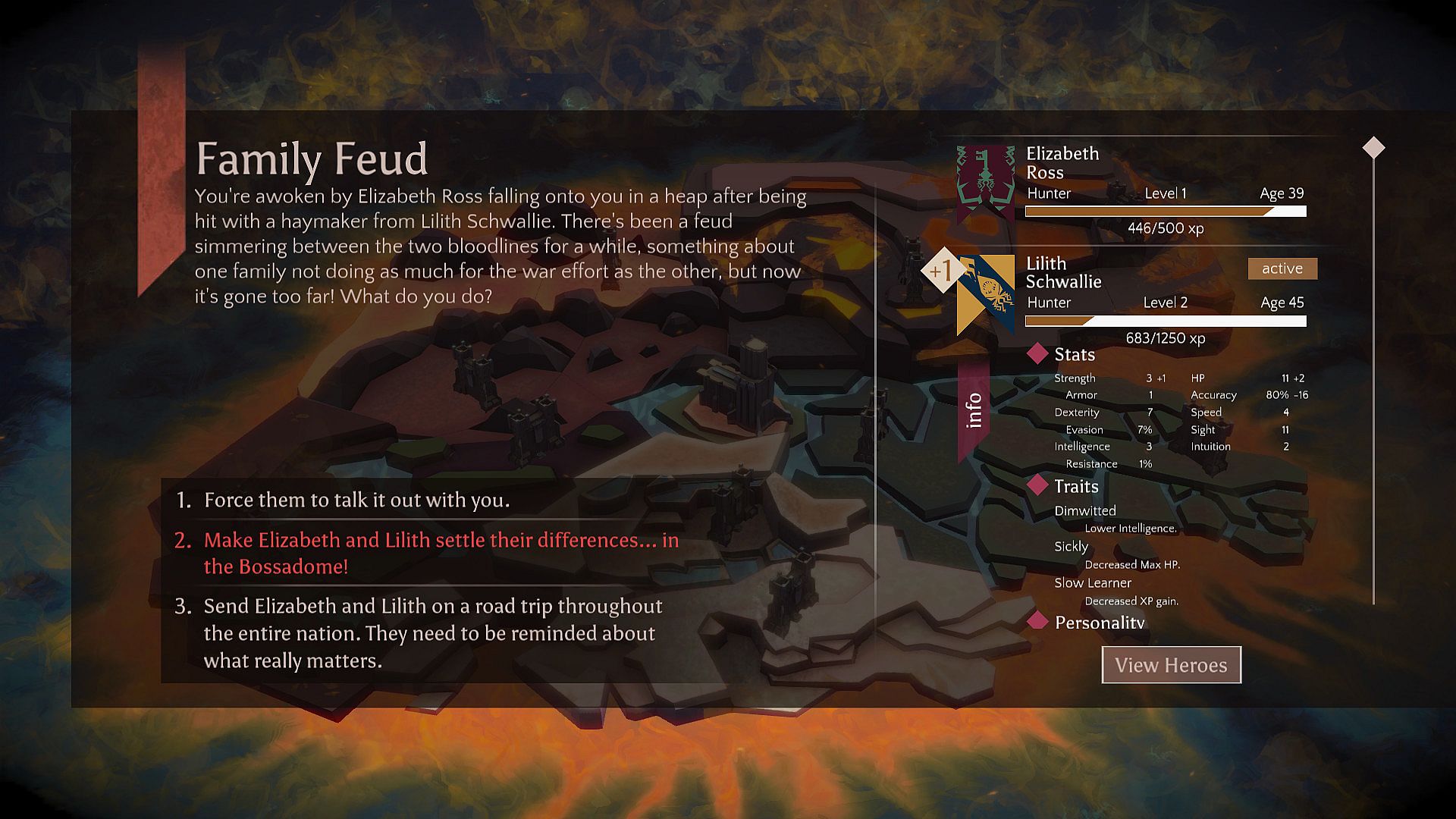
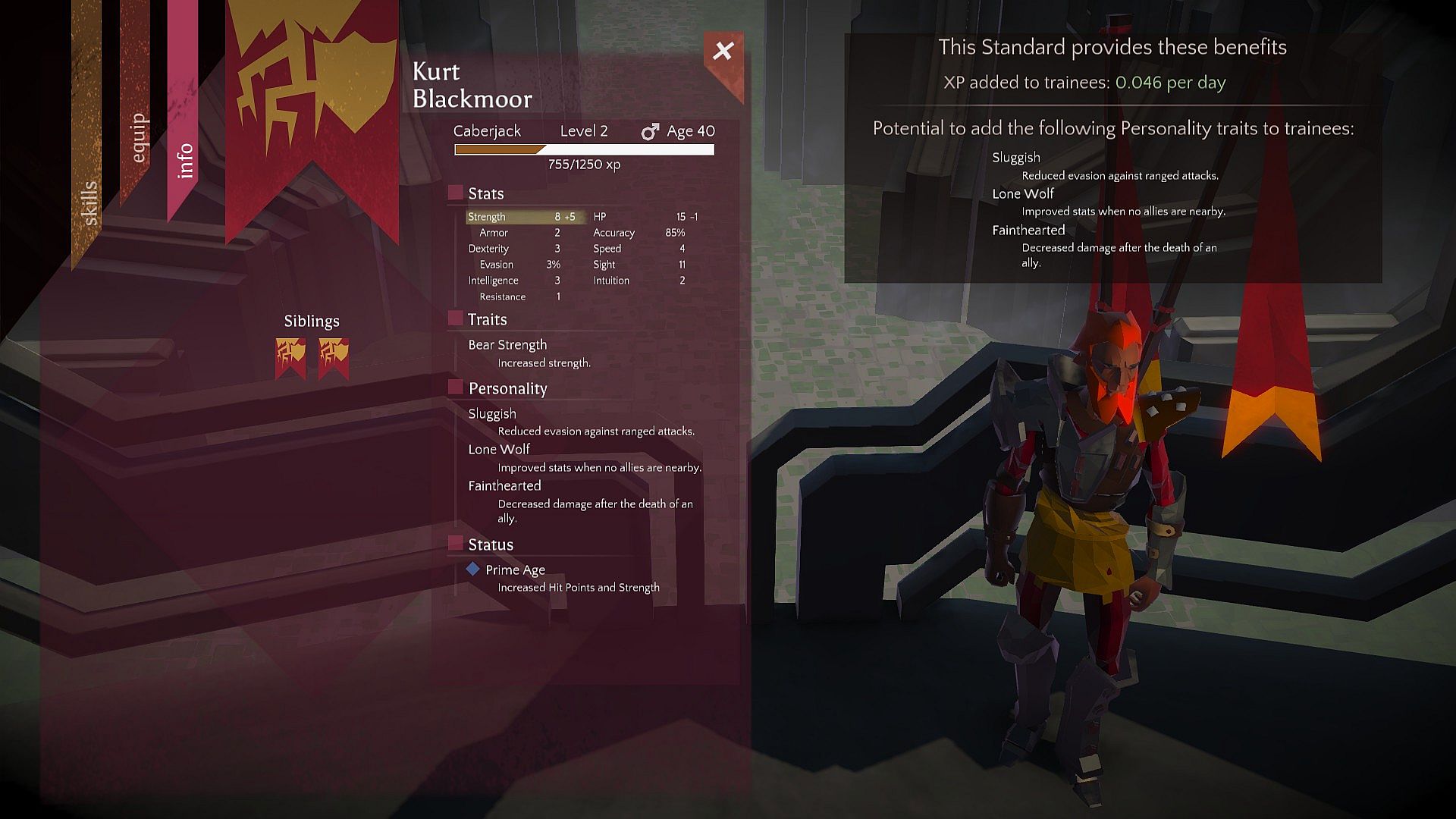
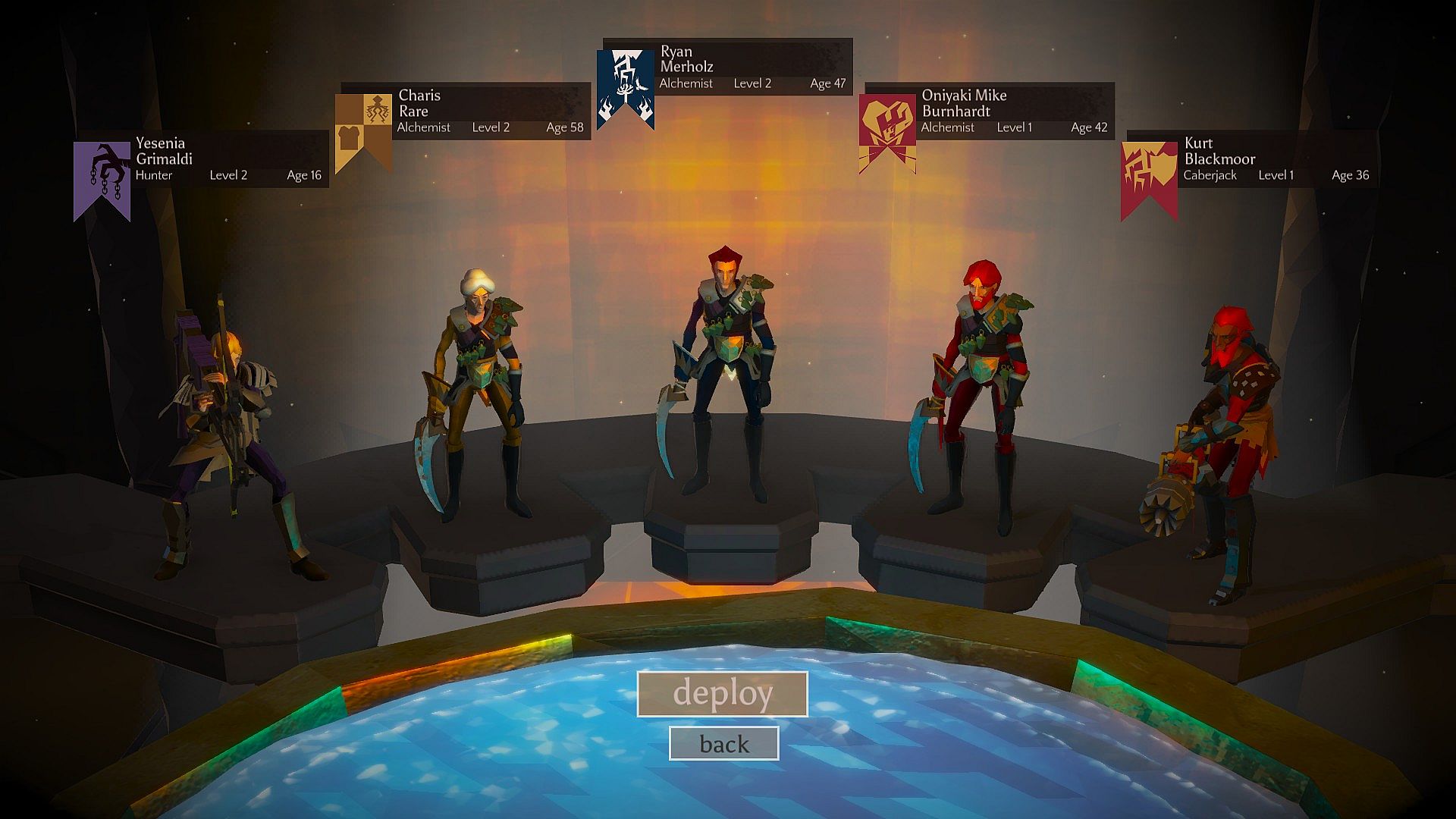
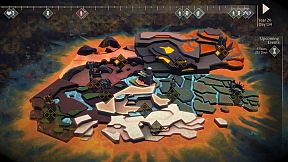
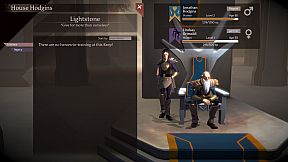
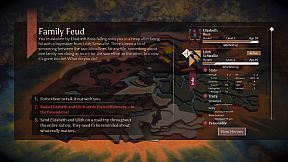
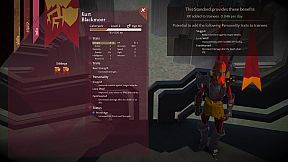
The core loop alternates between overseeing the kingdom and leading individual battles. In the strategy layer, the player allocates limited resources from the Massive Chalice to projects that strengthen defenses or support the population. Heroes age and eventually die, requiring constant attention to bloodlines through marriages and adoptions that pass on randomized genetic traits. These traits influence combat statistics and abilities, so pairing the right parents becomes essential for producing effective fighters in later decades.
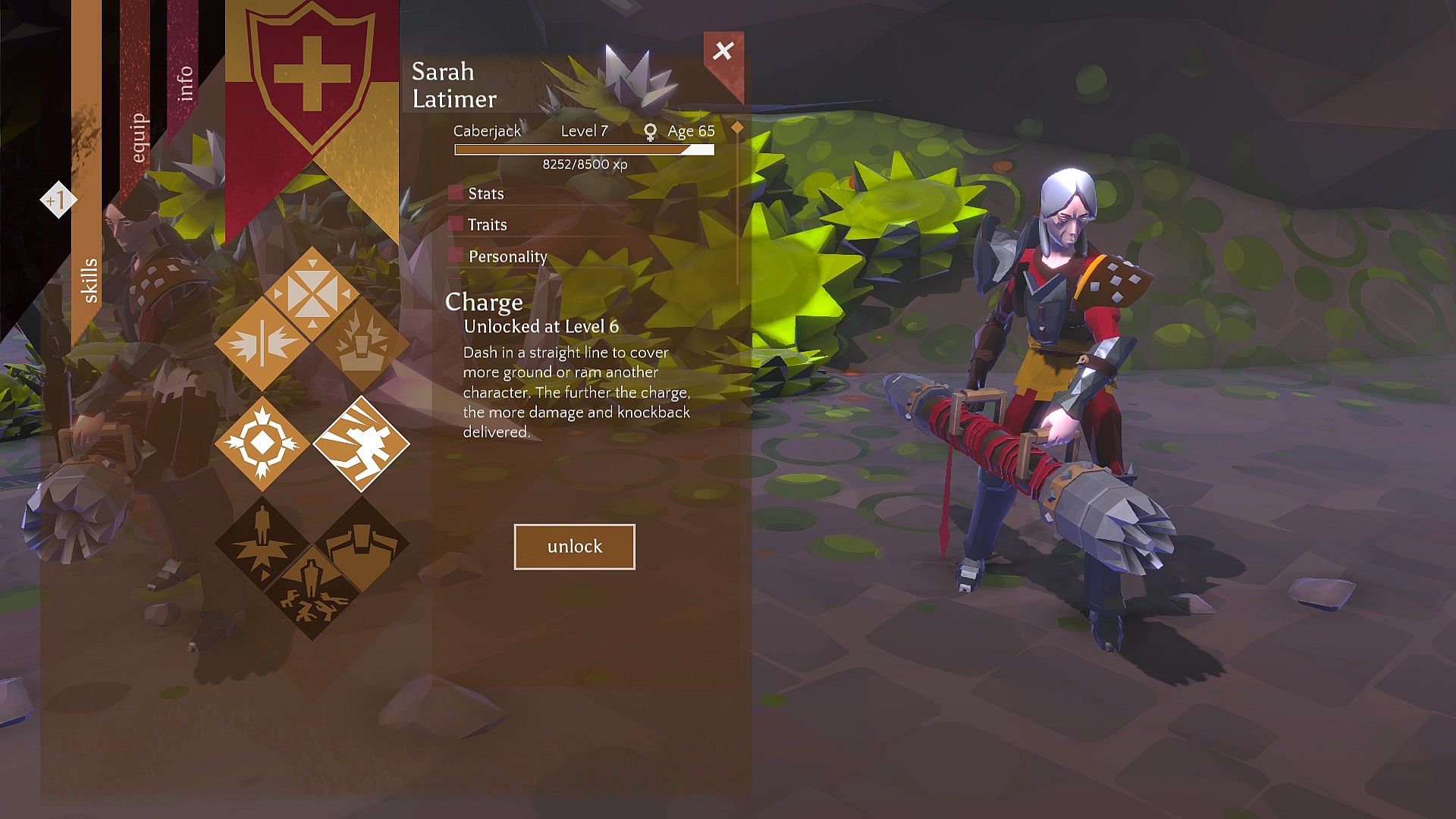
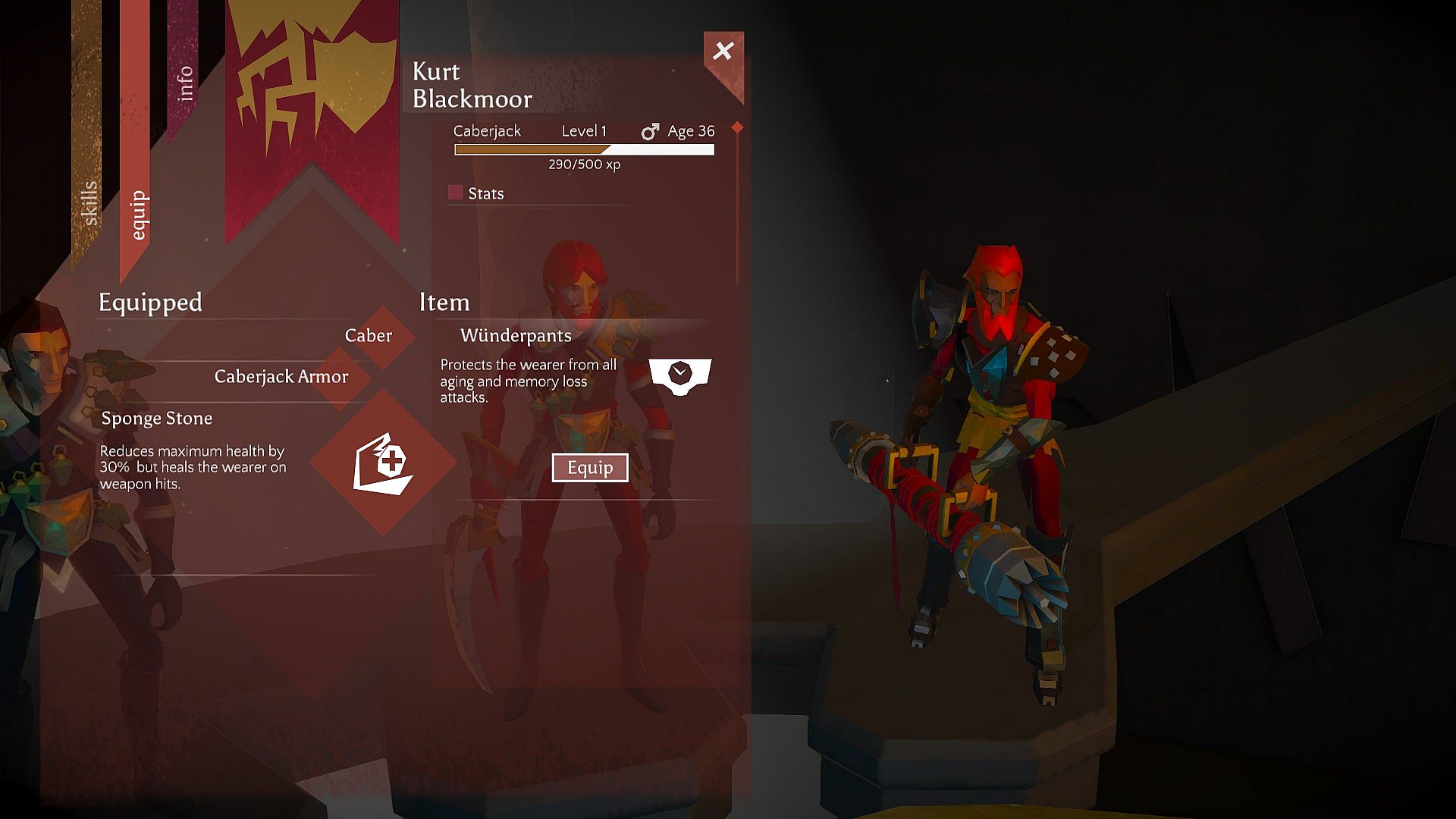
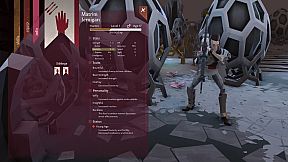
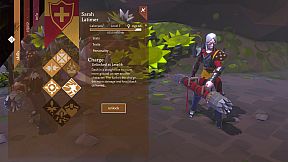
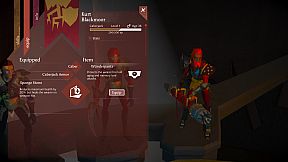
Heroes belong to base classes such as Caberjacks, who use heavy battering weapons, Hunters armed with large crossbows, and Alchemists who deploy explosives. Mixed parentage can produce hybrid classes that combine elements of both. As characters grow older their physical attributes shift, with younger heroes often faster but less wise, while elders gain insight at the cost of speed and strength. Distinguished heroes who fall in battle may leave behind Bloodline Relics, powerful weapons that descendants can inherit to maintain family legacies.
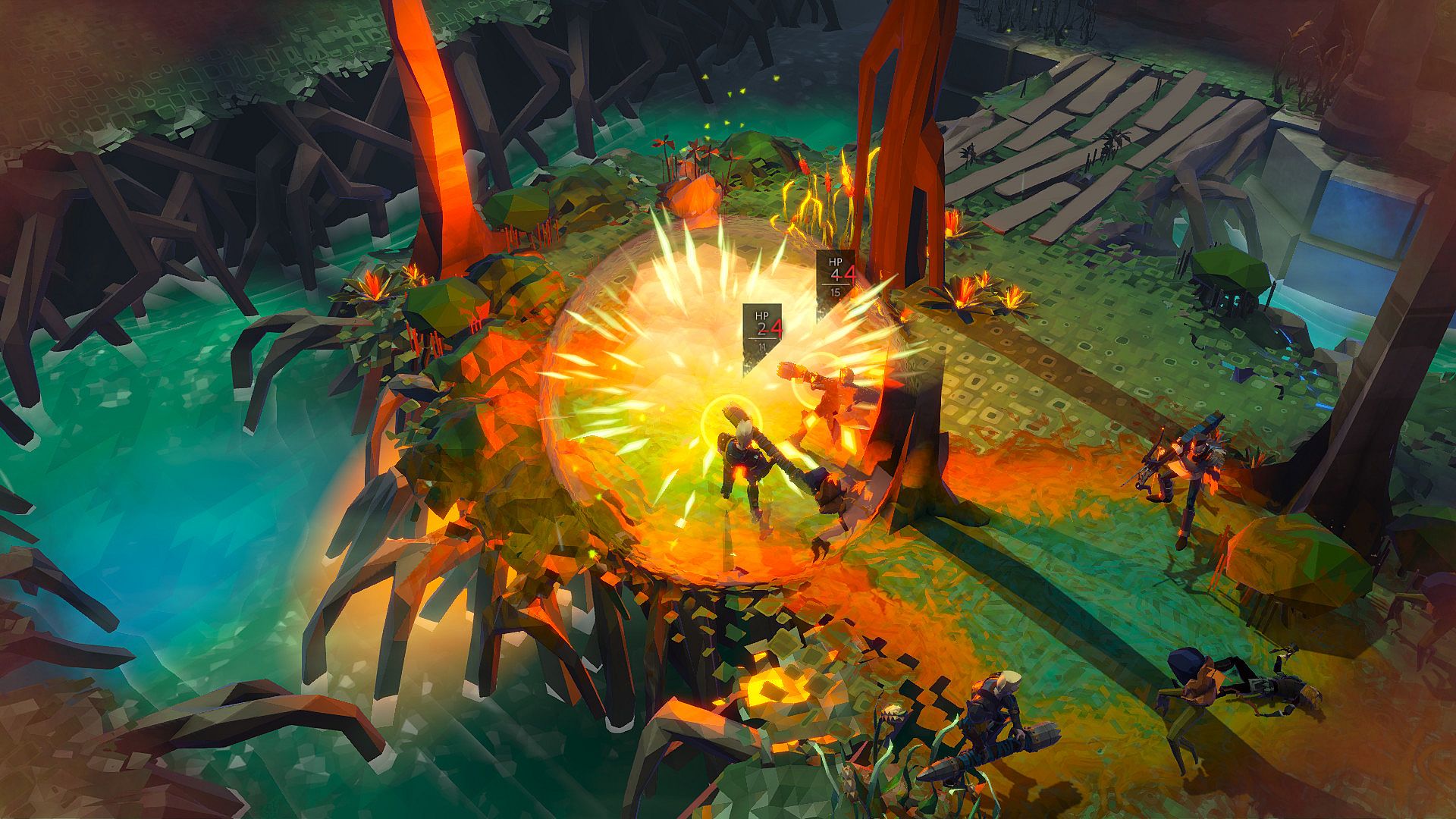
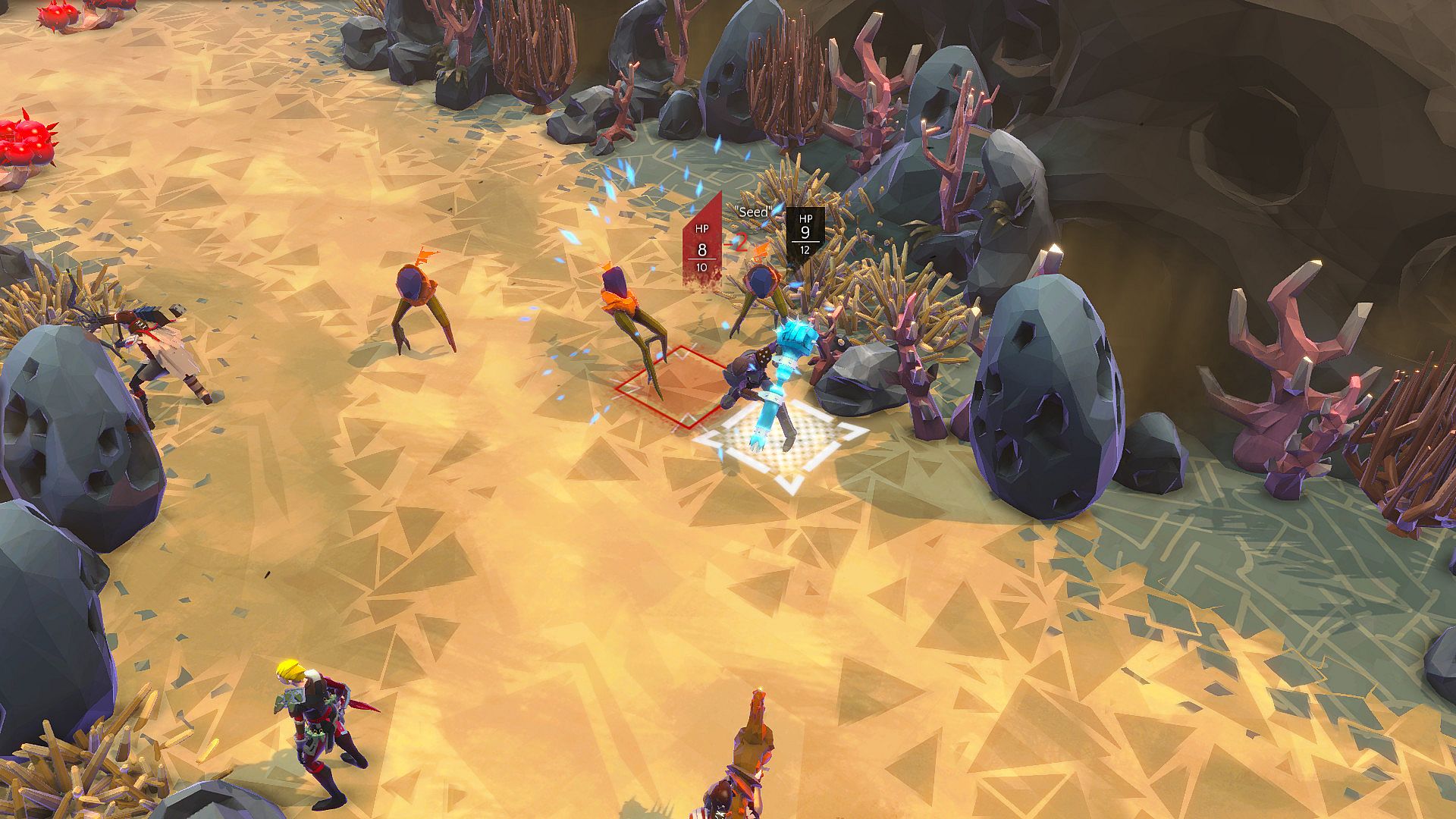
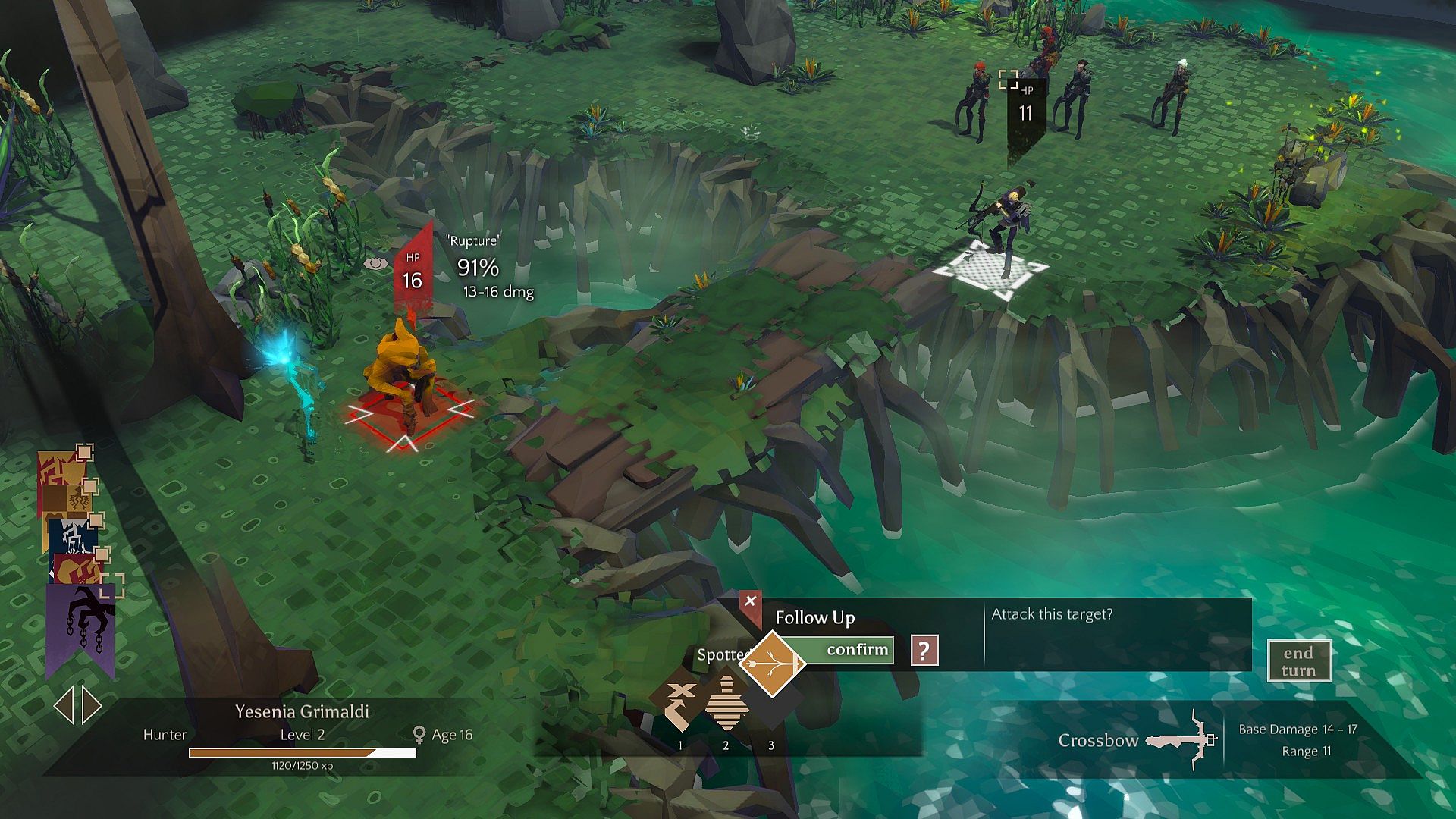
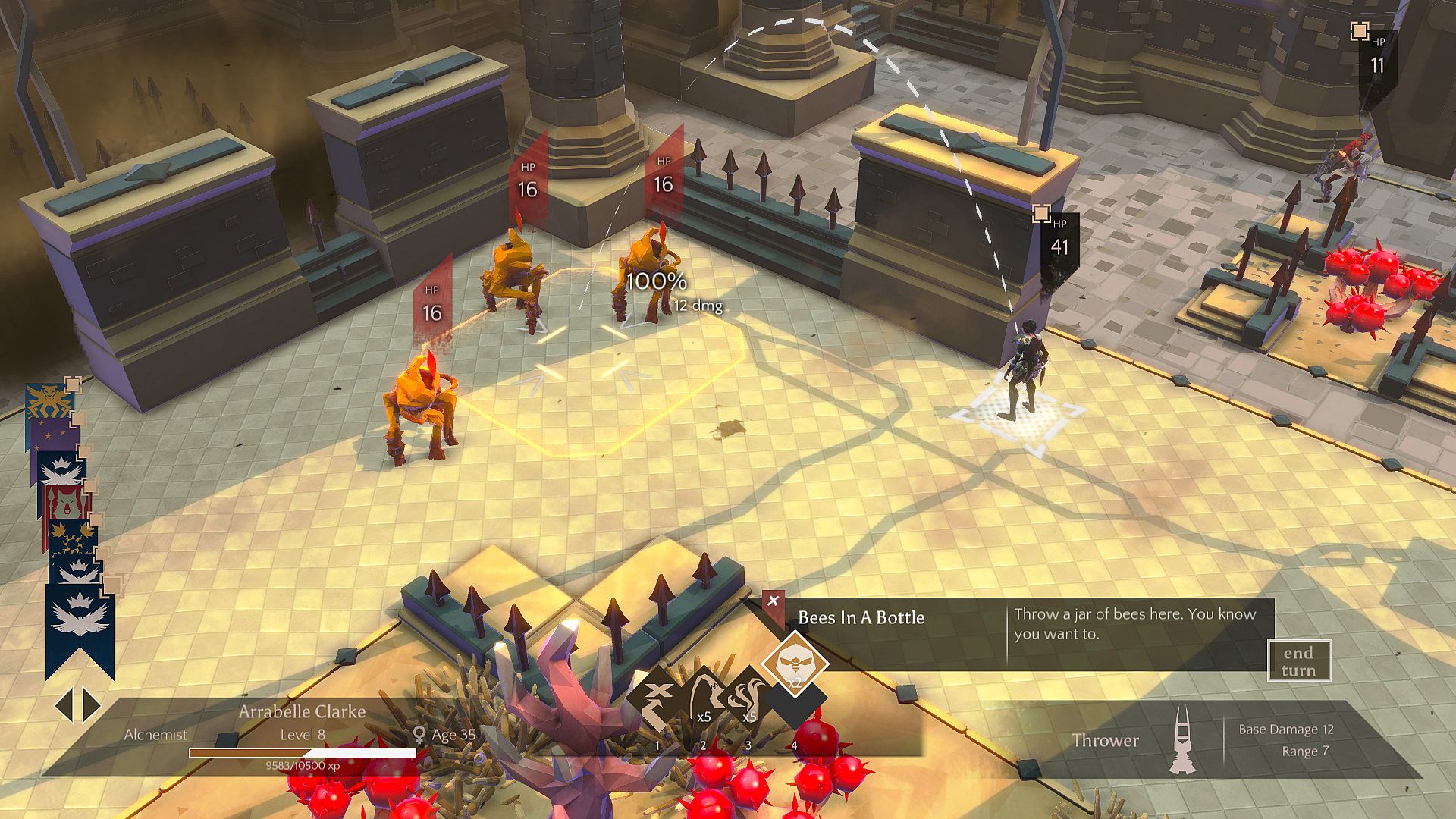
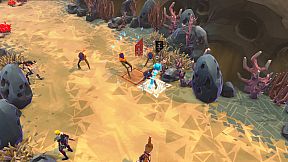
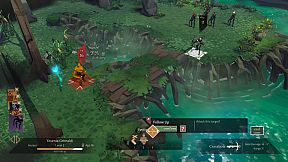
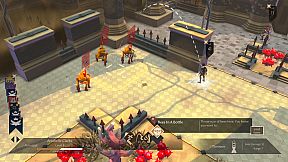
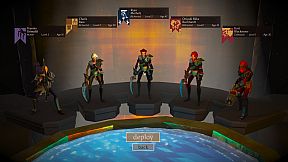
Combat occurs on tactical maps where the player positions a small squad against Cadence units. Positioning, ability use, and adaptation to enemy types determine outcomes. The long timeline means early choices about which bloodlines to prioritize directly affect available forces hundreds of years later.
Game Modes
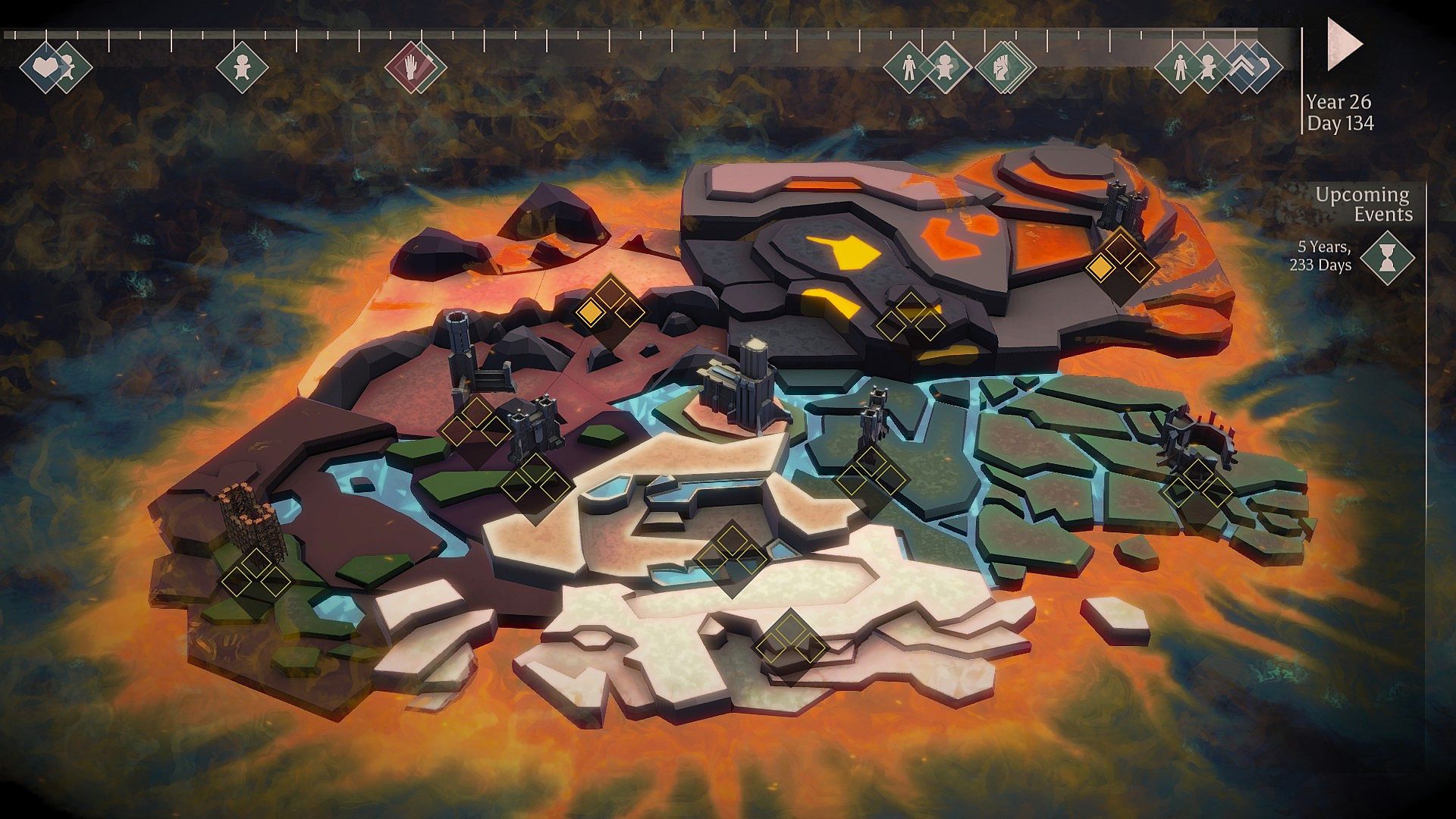
Massive Chalice operates as a single-player experience with two interconnected phases rather than separate selectable modes. The strategy phase handles kingdom management, bloodline planning, and responses to periodic Cadence incursions across multiple locations. Because only one team can be dispatched at a time, players must choose which threats to address immediately and which to contain later.
The tactical phase shifts to turn-based battles on individual battlefields. Here the focus narrows to squad commands, terrain use, and class synergies during each engagement. Success in these fights feeds back into the longer campaign by preserving heroes and potentially creating relics for future generations.
Key Mechanics
Permadeath forms a central pillar. Every hero eventually ages out or falls in combat, so the player must continually cultivate replacements through the bloodline system. The randomized genetics mean offspring can inherit strong traits or detrimental ones, adding variability to each playthrough. Same-sex couples can adopt attuned children to continue houses even without biological offspring.
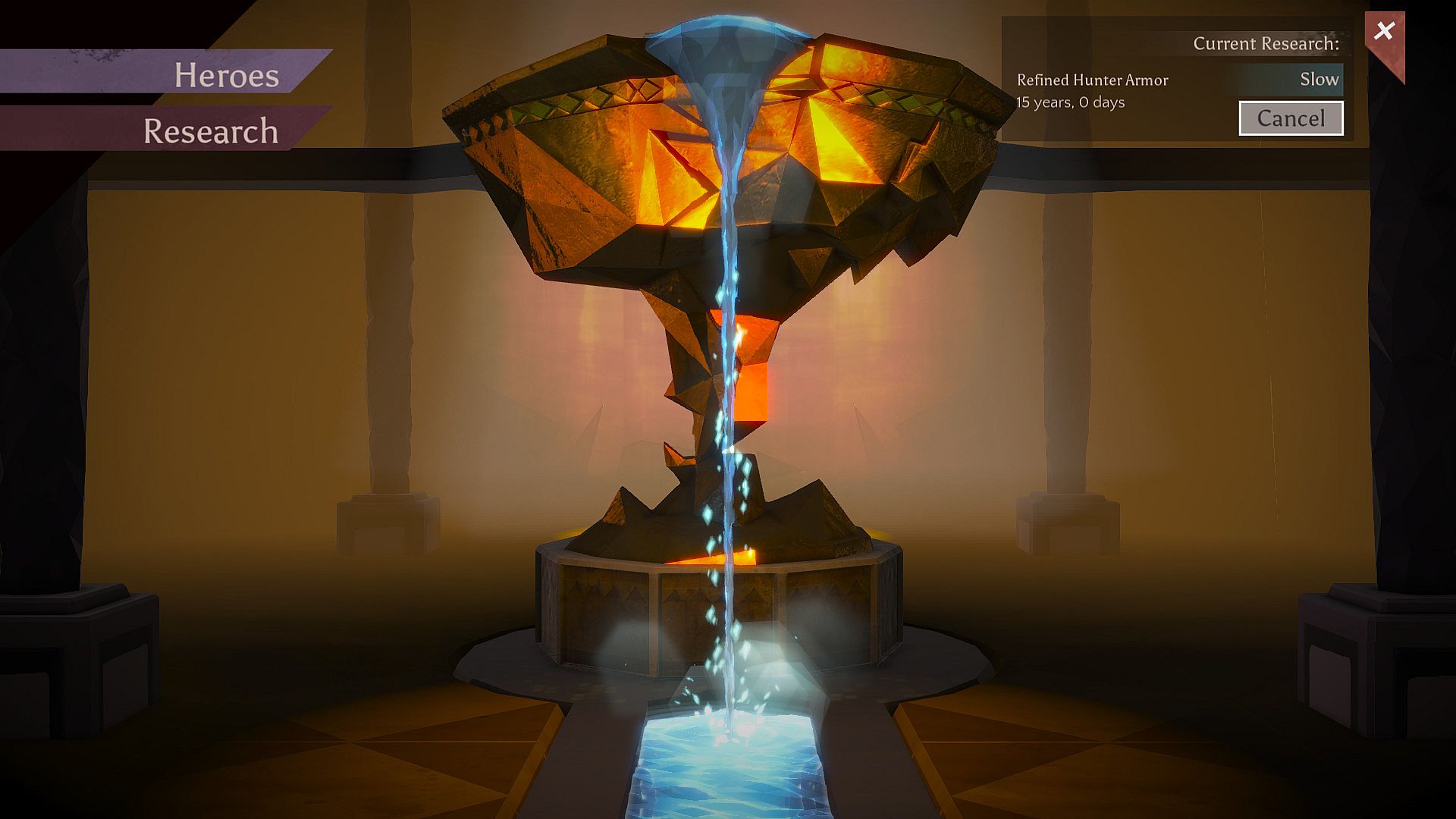
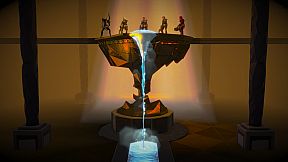
Resource management revolves around the Chalice's energy, which supports construction and research while the 300-year war unfolds. Decisions about which keeps to build or which bloodlines to protect must account for decades of future consequences rather than immediate gains.
Is It Worth Playing?
Massive Chalice appeals to players who enjoy deliberate, generational strategy with heavy emphasis on planning and adaptation. The bloodline mechanics and permadeath create a distinctive loop where short-term tactical victories support long-term survival goals. Mixed critical reception highlights both the novelty of the systems and occasional frustrations with pacing or information presentation.
Those drawn to turn-based tactics, family-tree management, and campaigns that span centuries will find substantial depth in the core features. The game remains available as a complete single-player title without ongoing seasonal content or multiplayer elements. Prospective players should expect a focused experience centered on imperfect hero management rather than polished presentation or frequent updates.