

















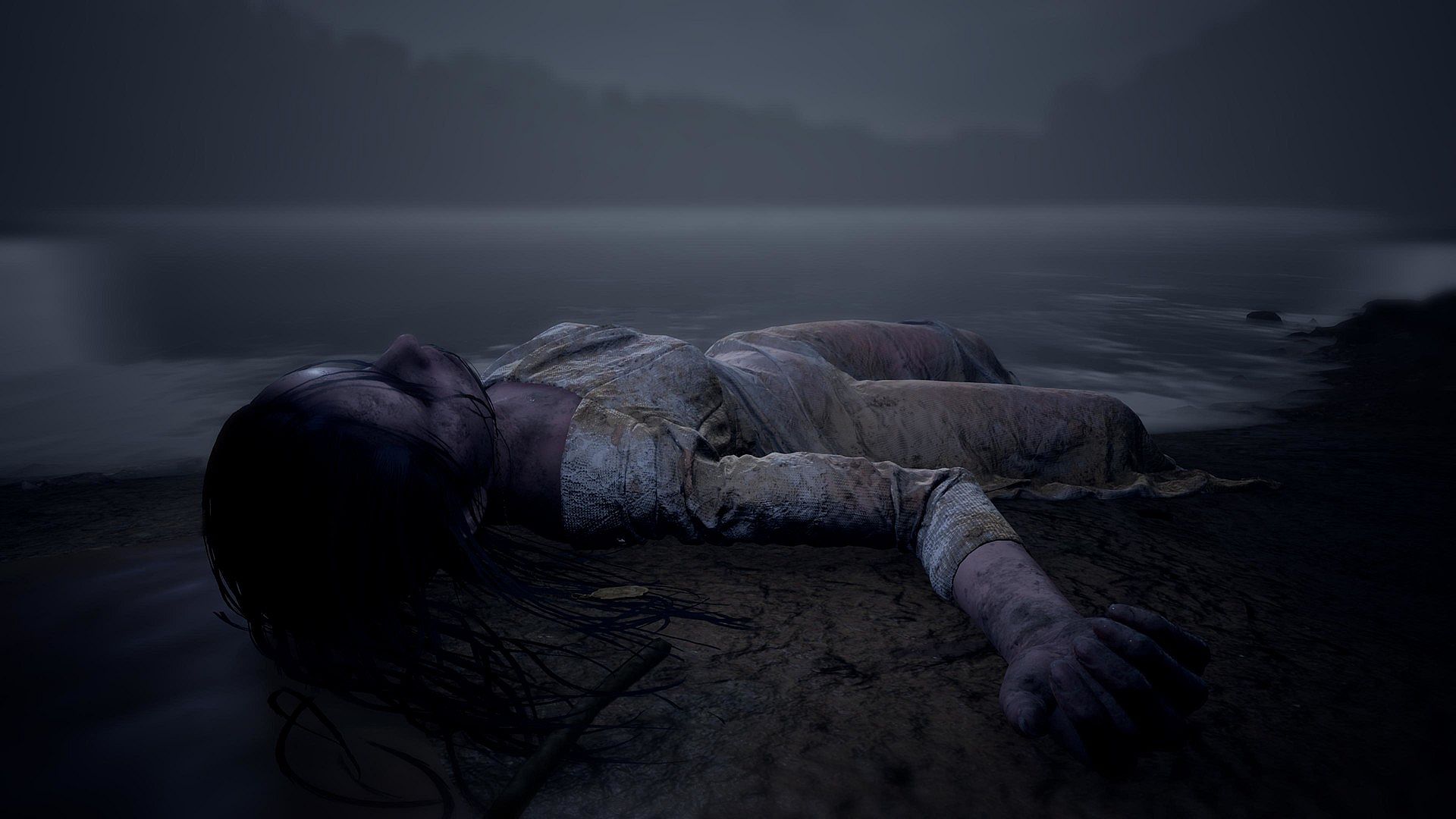


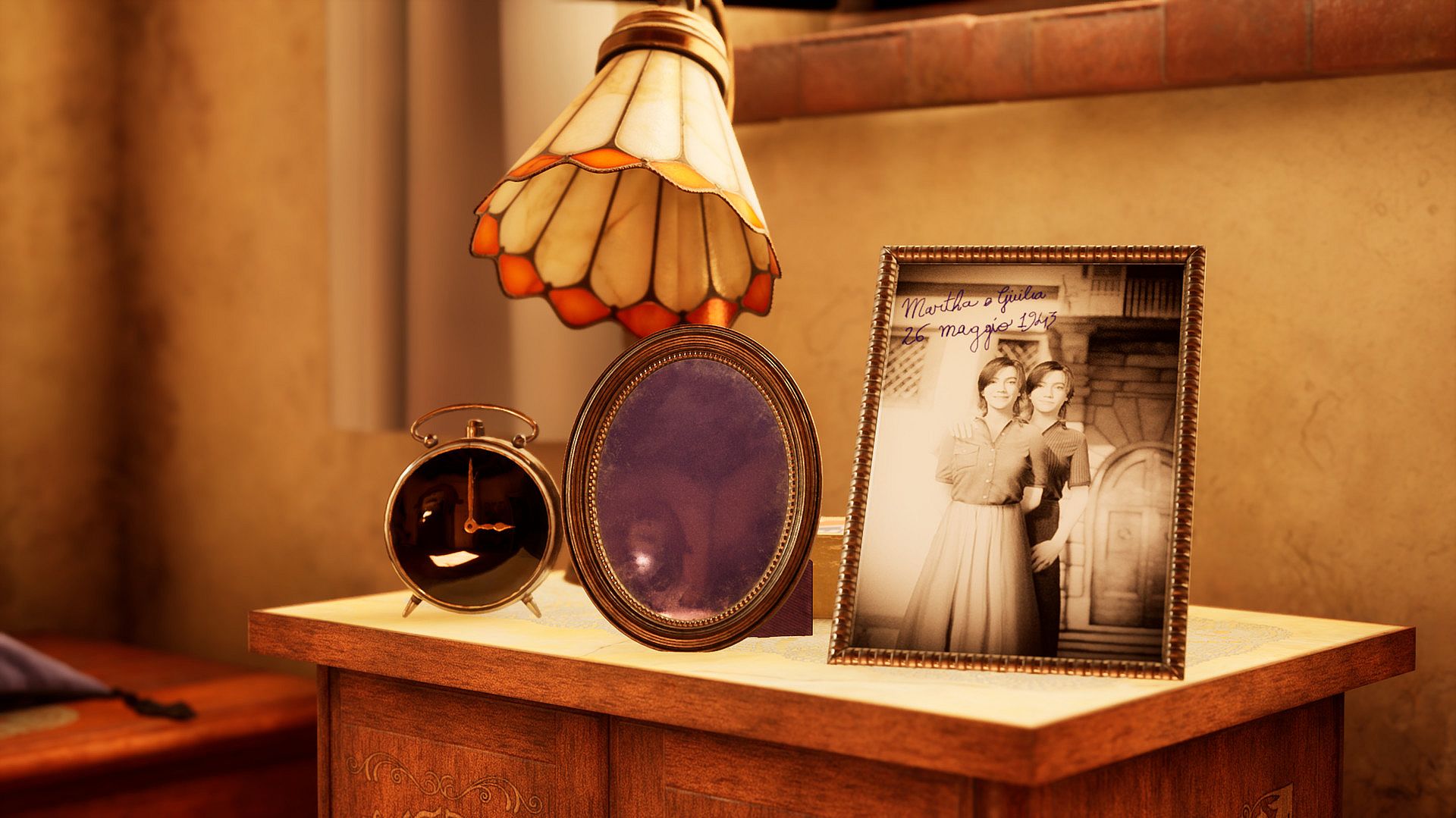

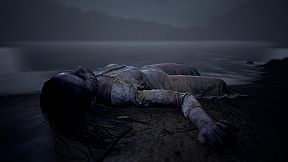




Martha Is Dead is a first-person psychological thriller adventure game developed by LKA and released on PC. Set in 1944 Italy during World War II, the title follows Giulia as she navigates the aftermath of her twin sister Martha's death amid the conflict between German and Allied forces. The story blends personal trauma, family secrets, and the surrounding horrors of war with elements of superstition and folklore.
Gameplay
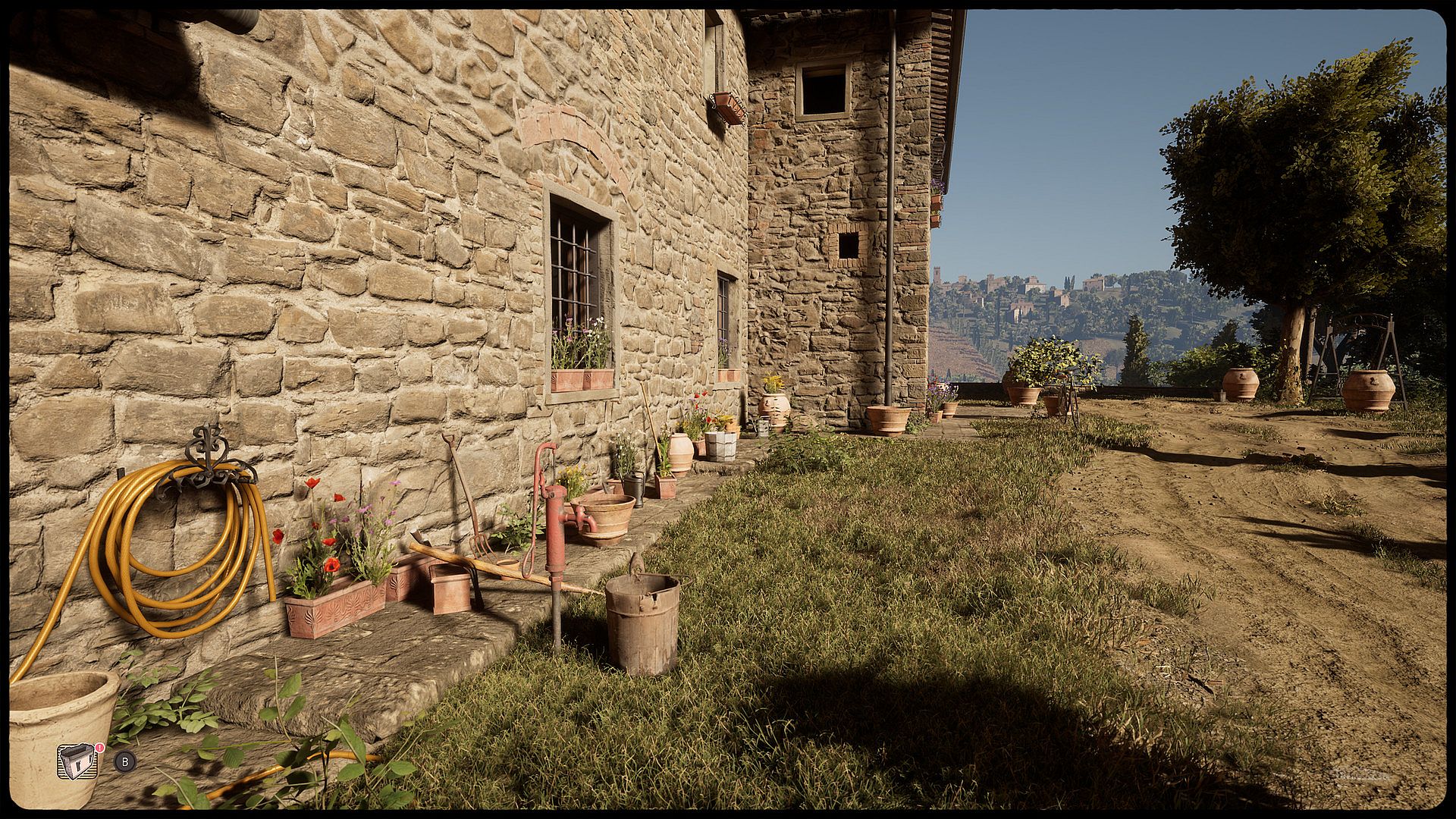
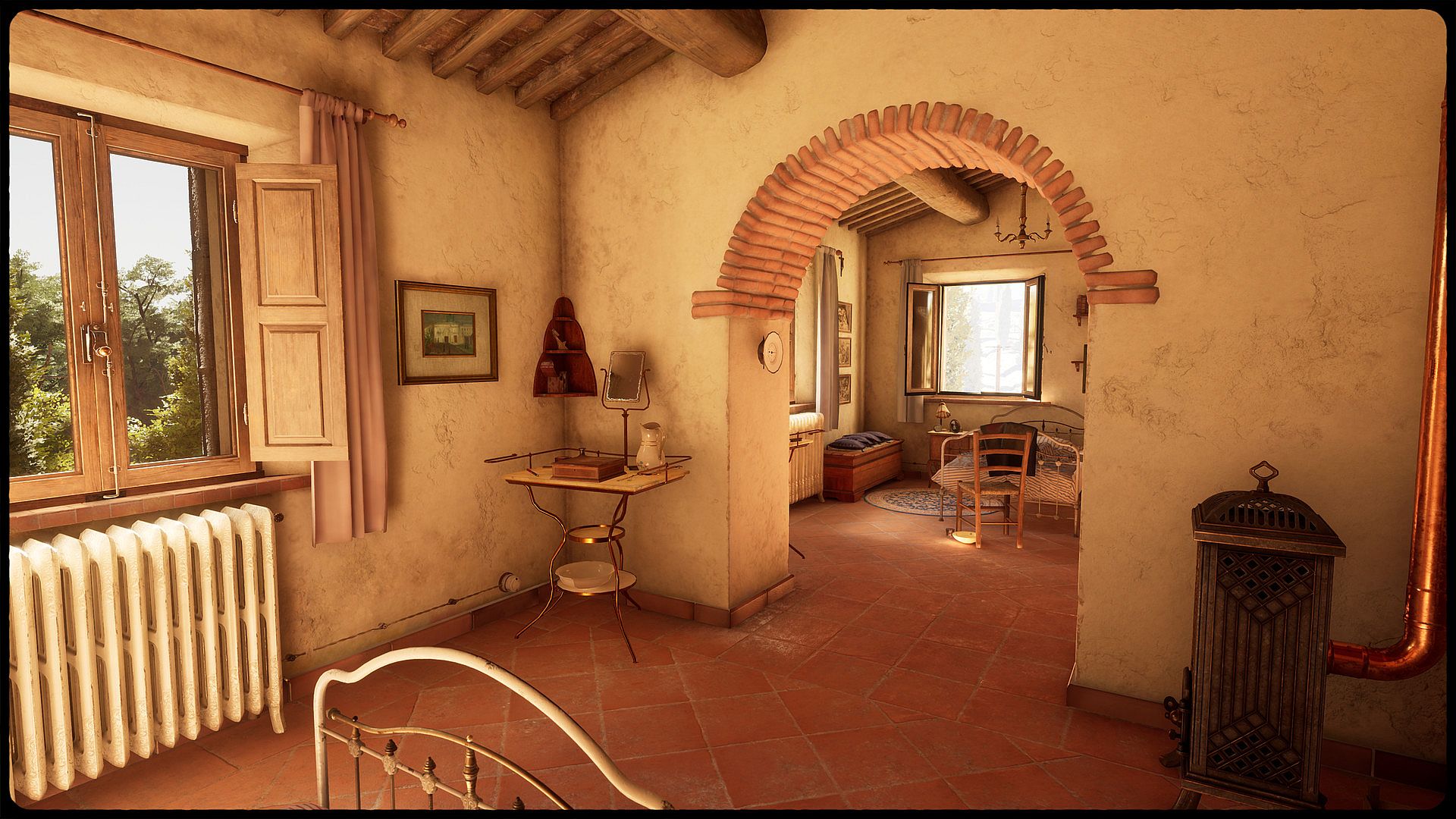
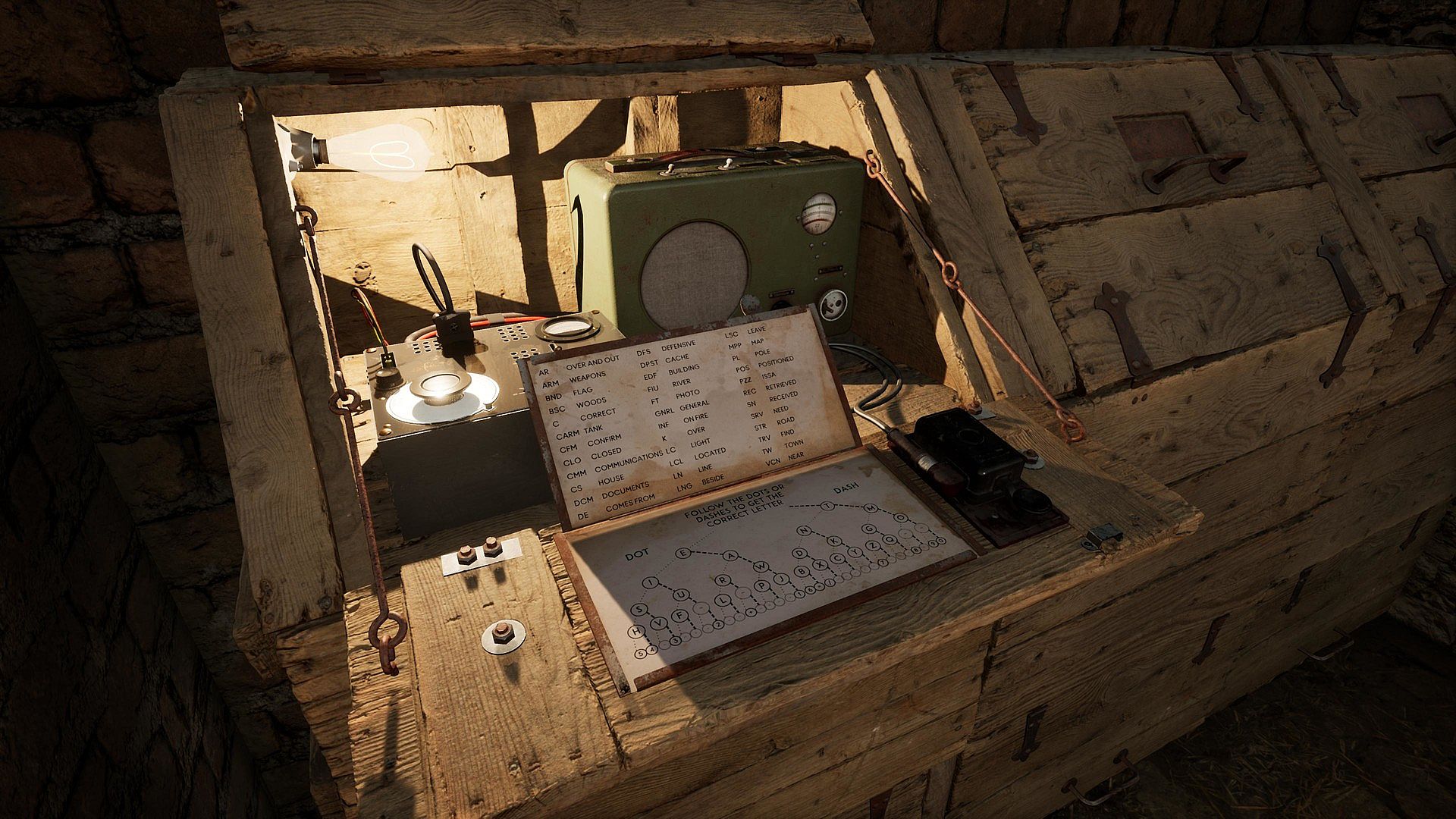
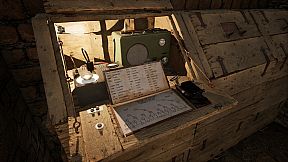
The core loop centers on exploration and narrative progression through a detailed recreation of the Tuscan countryside. Players move on foot, by bicycle, or by boat to visit locations such as the family estate, surrounding woods, and nearby areas. Interaction focuses on collecting items like newspapers and telegrams while listening to period radio broadcasts that provide context on the ongoing war.
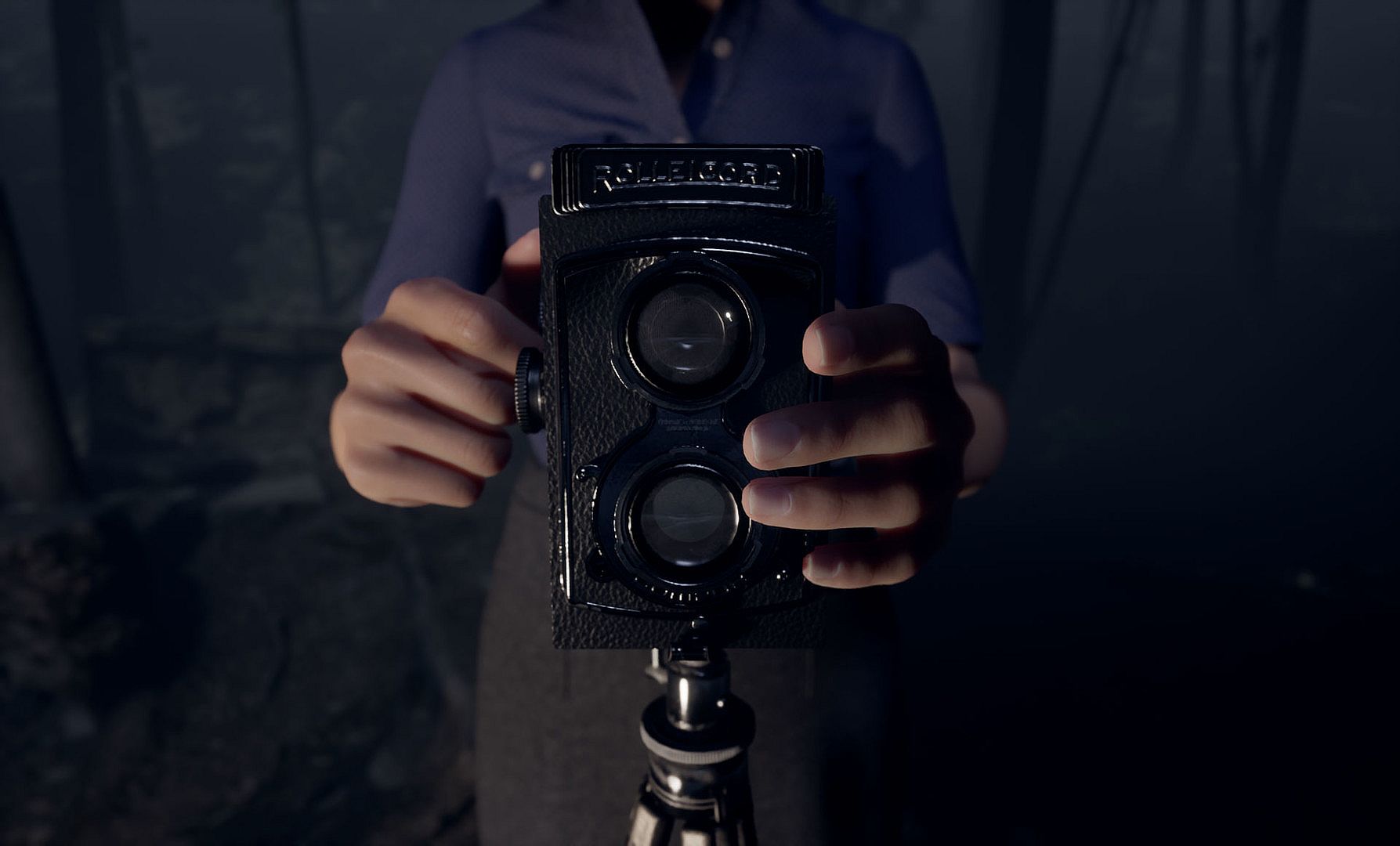
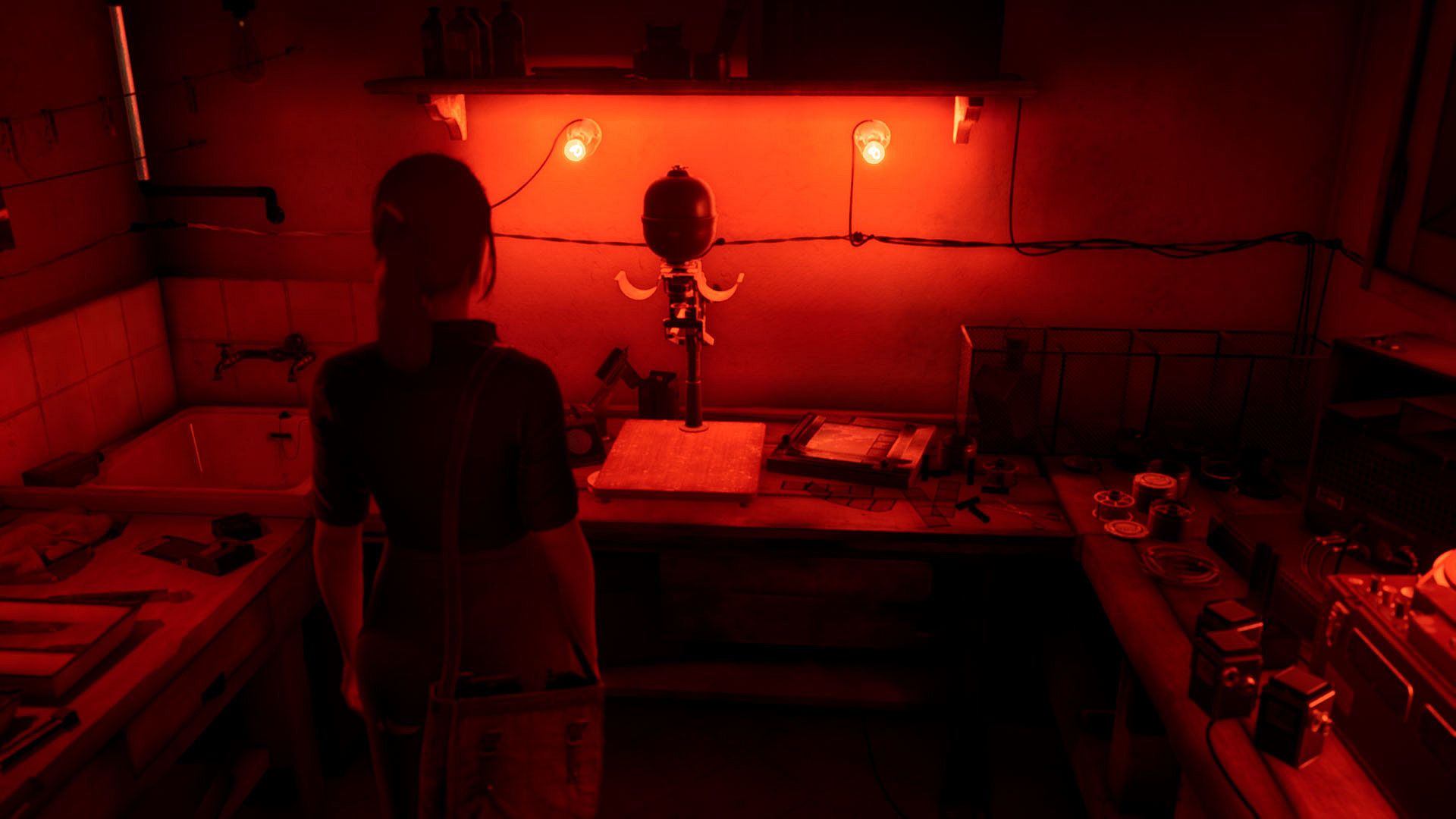
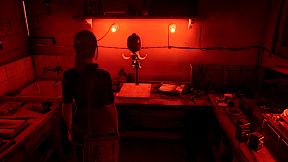
Photography forms a central mechanic. An in-game 1940s camera allows players to capture images using different films, filters, apertures, and shutter speeds. Captured photos must then be developed in a fully functional darkroom simulator that requires precise steps including focusing, exposing, and processing the prints. These photographs often advance the story or reveal additional details about the environment and characters.
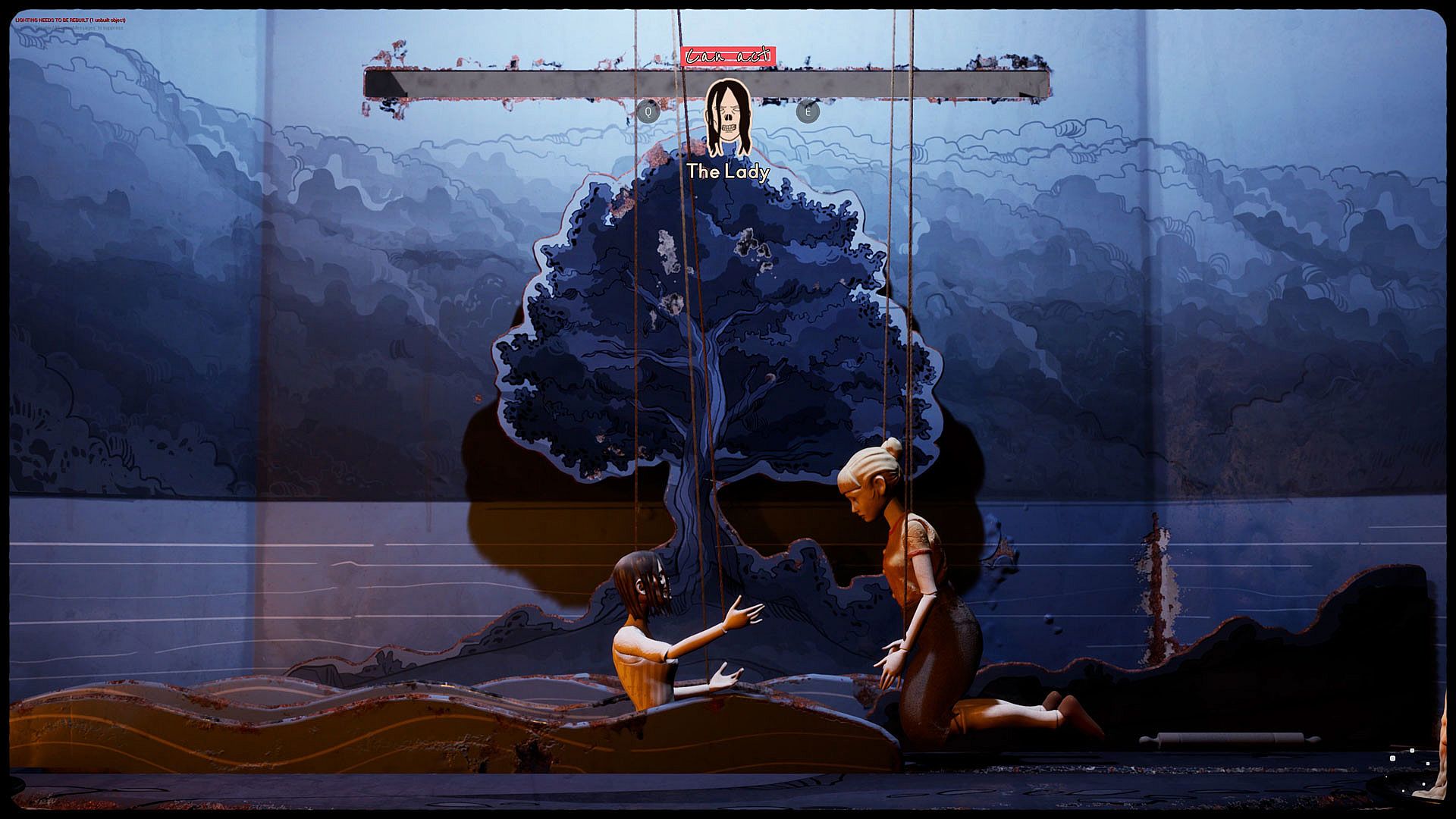
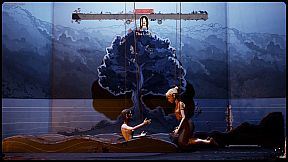
Other systems include sequences with marionette dolls in a puppet theater that help unlock repressed memories. Tarot cards and symbolic elements tied to local folklore can be used to access new story branches or summon aspects of the narrative's supernatural side. Voice acting is performed in Italian with English subtitles available, emphasizing authenticity in character interactions.
Game Modes
Martha Is Dead operates exclusively as a single-player experience with no multiplayer components or separate modes. The entire game unfolds through one continuous narrative campaign that combines exploration, puzzle-like photography tasks, and story-driven sequences. Progression remains linear, guided by objectives that emerge from the plot rather than open-ended choices or competitive elements.
Within this single-player structure, players encounter optional activities such as collecting war-related documents or experimenting with the photography system beyond required story moments. These elements enhance immersion without altering the fundamental single-player focus on uncovering the truth behind Martha's death.
Narrative and Setting
The story unfolds against a faithfully reconstructed backdrop of wartime Tuscany, drawing from historical facts and real locations. Giulia's perspective reveals layers of psychological trauma, family relationships, and the encroaching realities of conflict. Folklore and superstition intersect with these events, introducing symbolic mechanics that tie into the unfolding mystery.
Atmospheric audio supports the tone through an original soundtrack featuring reimagined classic tracks alongside new compositions. The setting emphasizes grounded details, from period-appropriate items to the evolving situation reported via in-game media sources.
Is It Worth Playing?
Martha Is Dead suits players who prefer narrative-driven adventures that prioritize atmosphere, exploration, and psychological themes over action or combat. The photography and darkroom systems provide tangible interaction points that integrate directly with story advancement.
Reception has been mixed to positive across platforms, with praise directed at the visual recreation of the setting, voice performances, and unsettling tone. Some players note slower pacing and occasional technical issues as drawbacks. On Steam, recent user reviews sit in the mostly positive range.
The game stands as a complete single-player title with no ongoing seasons or major post-launch content updates. Those drawn to introspective experiences set in historical contexts with supernatural undertones will find the most value here, while those seeking fast-paced gameplay or multiplayer options may want to look elsewhere.