

















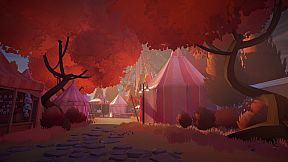
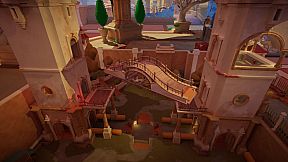
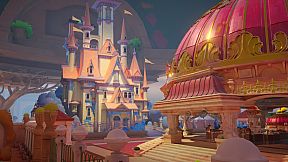

Maquette stands out as a first-person recursive puzzle game in the indie adventure genre. Players navigate a world built around constant shifts in scale, where every action in a miniature model influences the surrounding environment and vice versa. The experience centers on a modern relationship story told through memory fragments, with puzzle solutions emerging from creative manipulation of size and perspective rather than combat or resource management.
Gameplay
The core loop revolves around a central table that serves as a miniature version of the larger world. Any change made to objects on this table immediately replicates in the full-scale environment, creating recursive layers that players must consider simultaneously. Movement feels deliberate as the player walks between the tiny model and the expansive surroundings, adjusting positions to align pathways or clear obstacles.
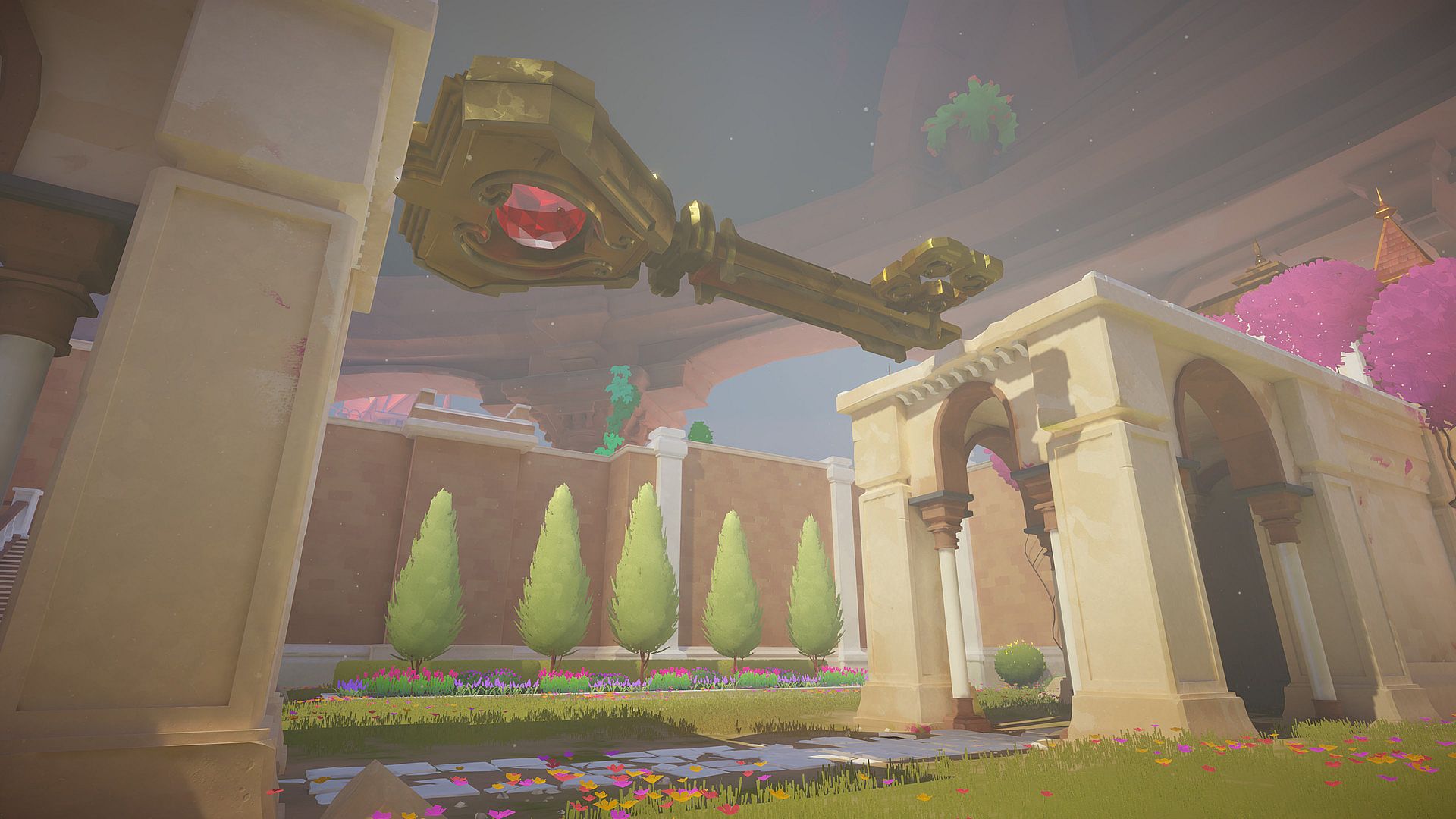
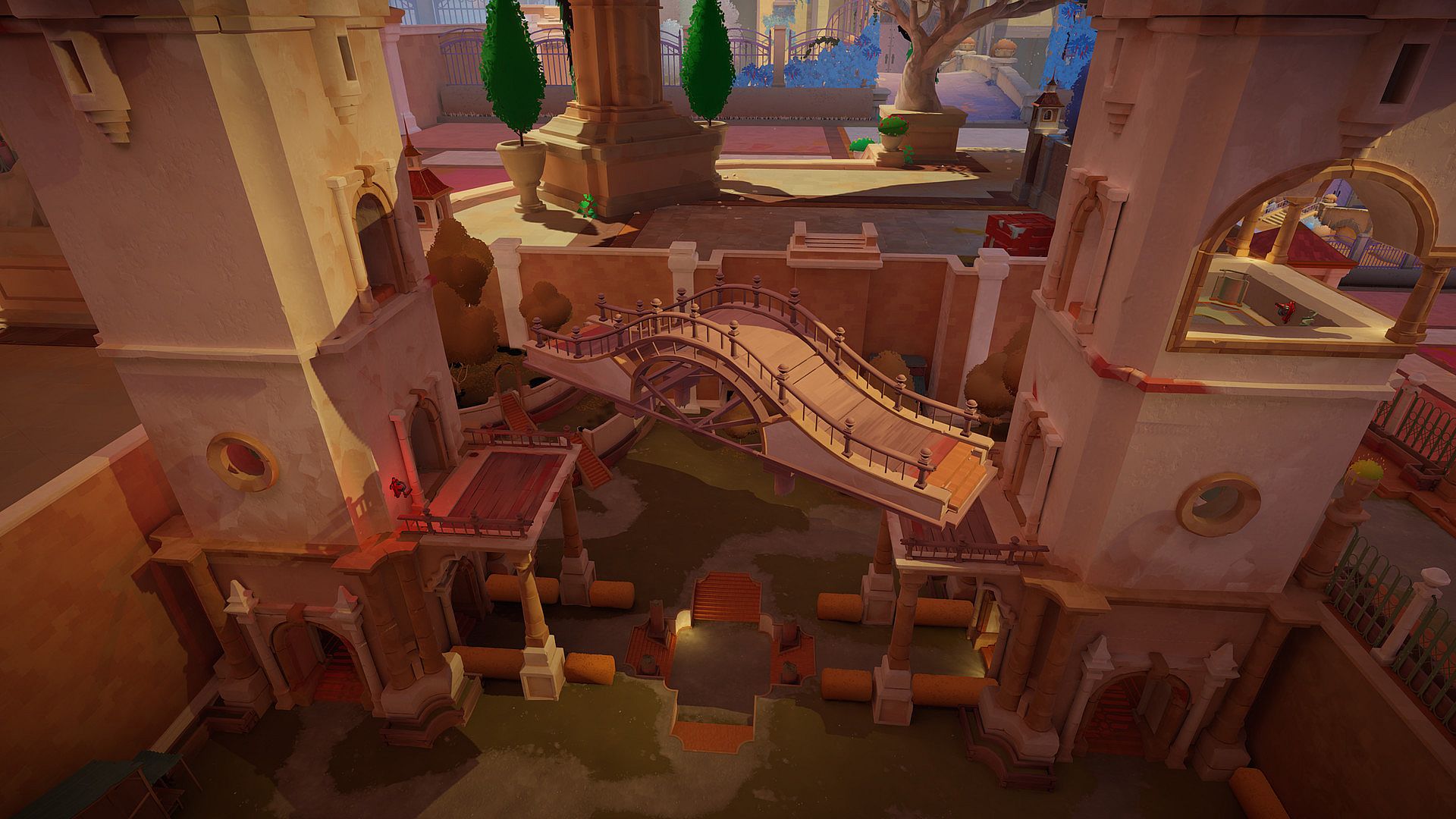
Scale changes form the primary mechanic. A small key picked up in one area can be enlarged to span gaps as a bridge, while cracks in the ground expand into traversable chasms when viewed from the right perspective. Puzzles often require experimenting with multiple scales at once, such as positioning items in the model to open doors in the real world or using enlarged plants as climbable structures. The first-person view emphasizes careful observation, as minor adjustments in the model produce dramatic effects outside it.
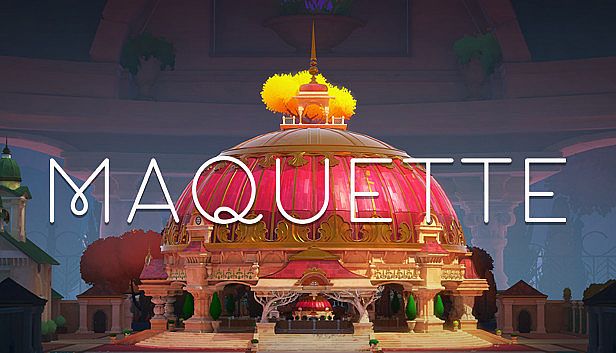
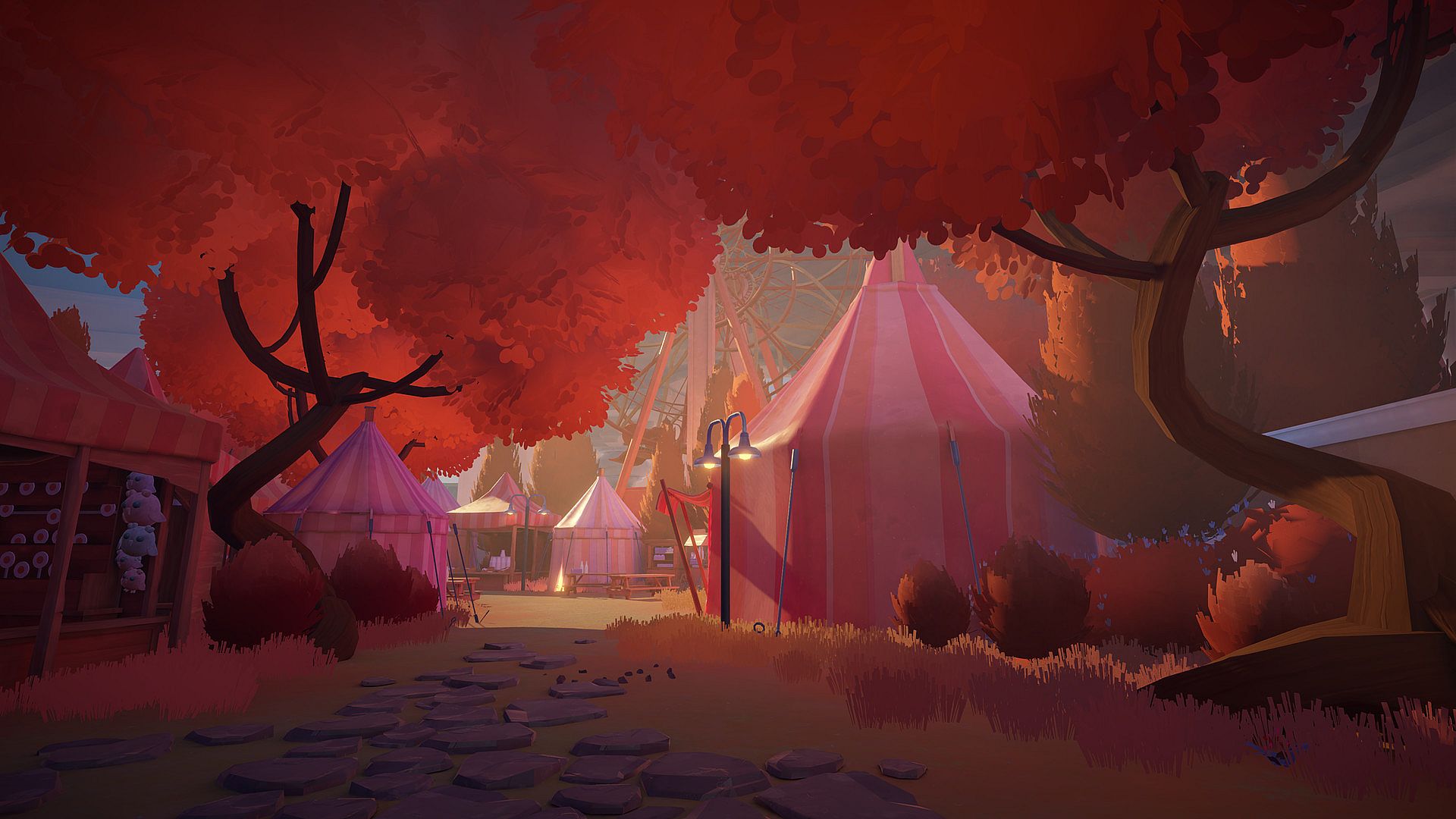
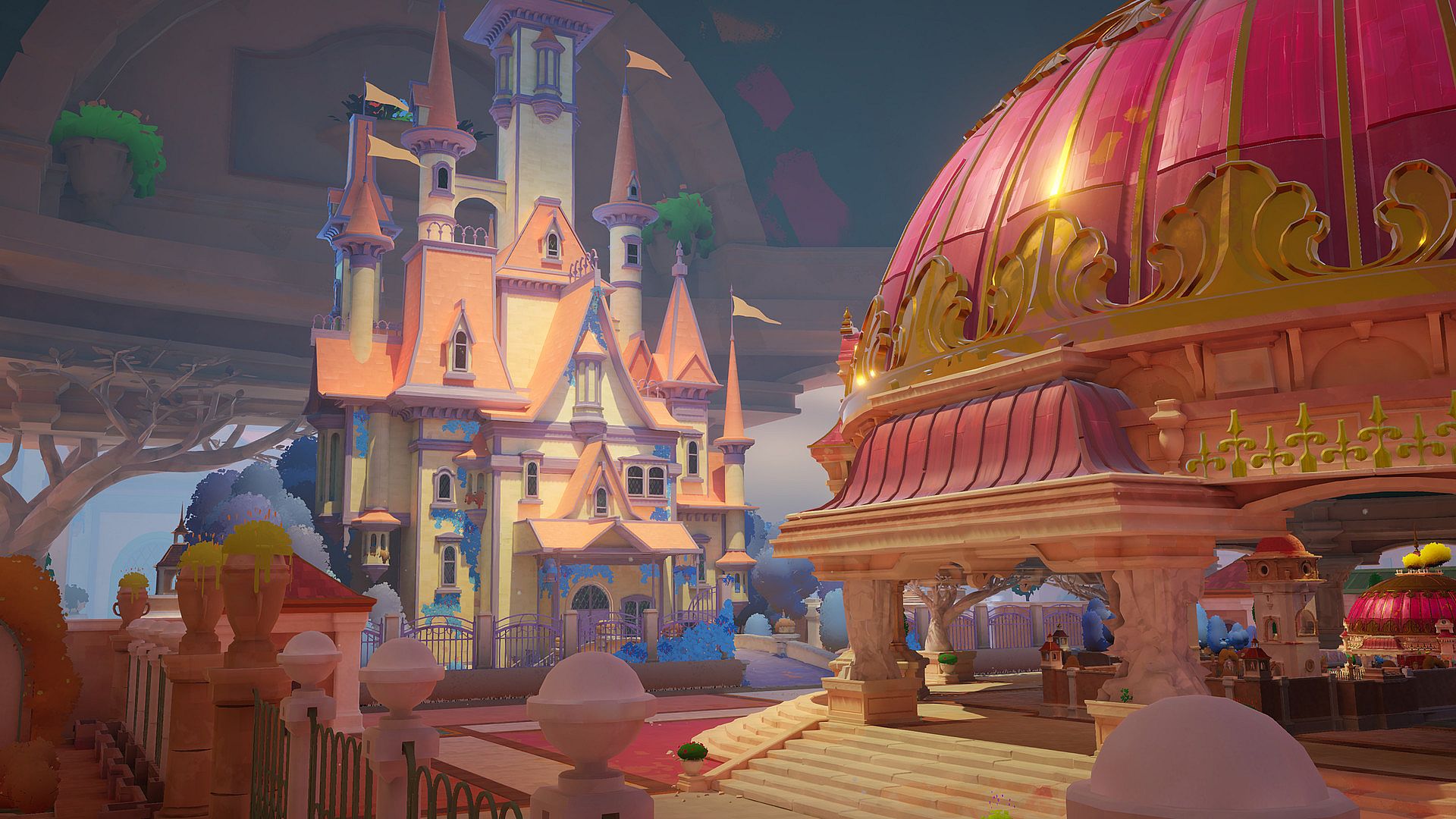
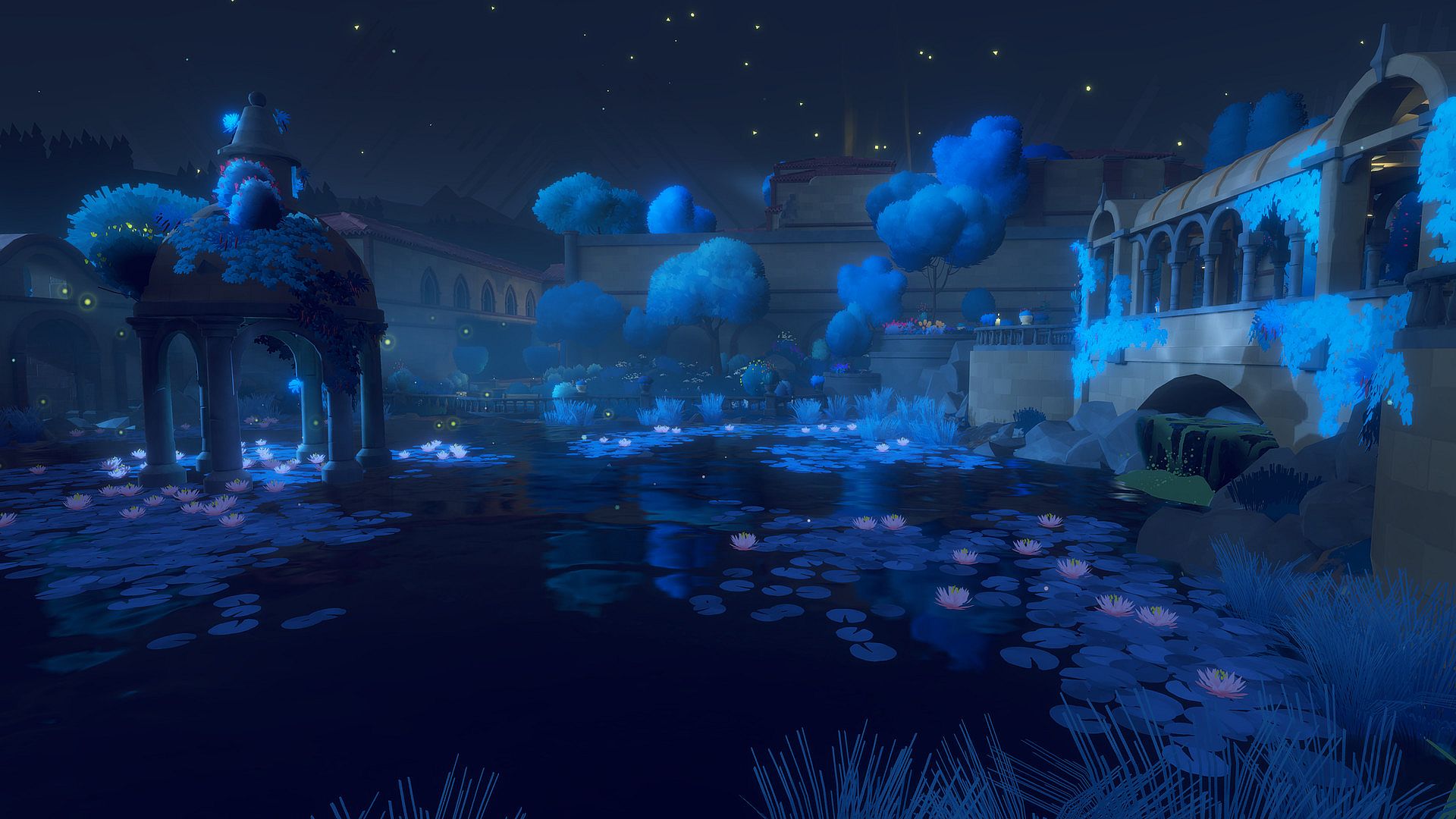
Environments shift across distinct chapters, each tied to a different memory location. These spaces feature domes and architectural elements that reinforce the recursive design, encouraging players to rotate around structures and test interactions from various angles. Controls focus on picking up, placing, and resizing objects without additional systems like inventory management or timers.
Game Modes
Maquette offers a single-player campaign with no multiplayer options or alternate modes. Progression follows a linear sequence of puzzle chapters that advance the narrative without branching paths or competitive elements. The entire experience unfolds in one continuous journey through the recursive world, emphasizing solo exploration and problem-solving over shared or versus play.
Narrative Integration
The puzzle mechanics directly support the story of a relationship's ups and downs. Players relive key moments as the protagonist, with environments transforming to reflect emotional states from the couple's history. Dialogue and environmental details reveal character backstories gradually, blending puzzle progression with reflective moments about everyday conflicts that grow larger in hindsight.
Each chapter introduces new visual themes while maintaining the same scaling rules, allowing the narrative to unfold alongside increasingly complex spatial challenges. The focus remains on personal reflection rather than external threats, making the game appeal to those interested in story-driven adventures where mechanics mirror thematic content.
Is It Worth Playing?
Maquette suits players who enjoy deliberate puzzle games built around a single inventive concept. The recursive scaling delivers satisfying moments of discovery when solutions click, particularly for those drawn to spatial reasoning and perspective shifts. The narrative adds emotional weight for audiences seeking character-focused experiences without heavy action or combat.
Reception highlights the clever central idea while noting occasional repetition in puzzle types and some control precision issues during object placement. The game stands as a complete, self-contained title with no ongoing seasons or expansions required for the full story. Those who appreciate indie puzzle adventures with strong thematic ties to their mechanics will find it rewarding, especially if they value thoughtful pacing over fast action or extensive replayability features.