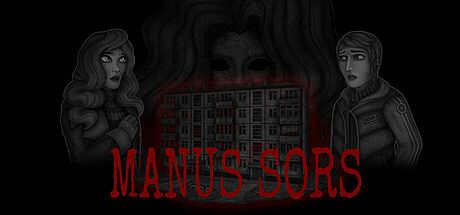


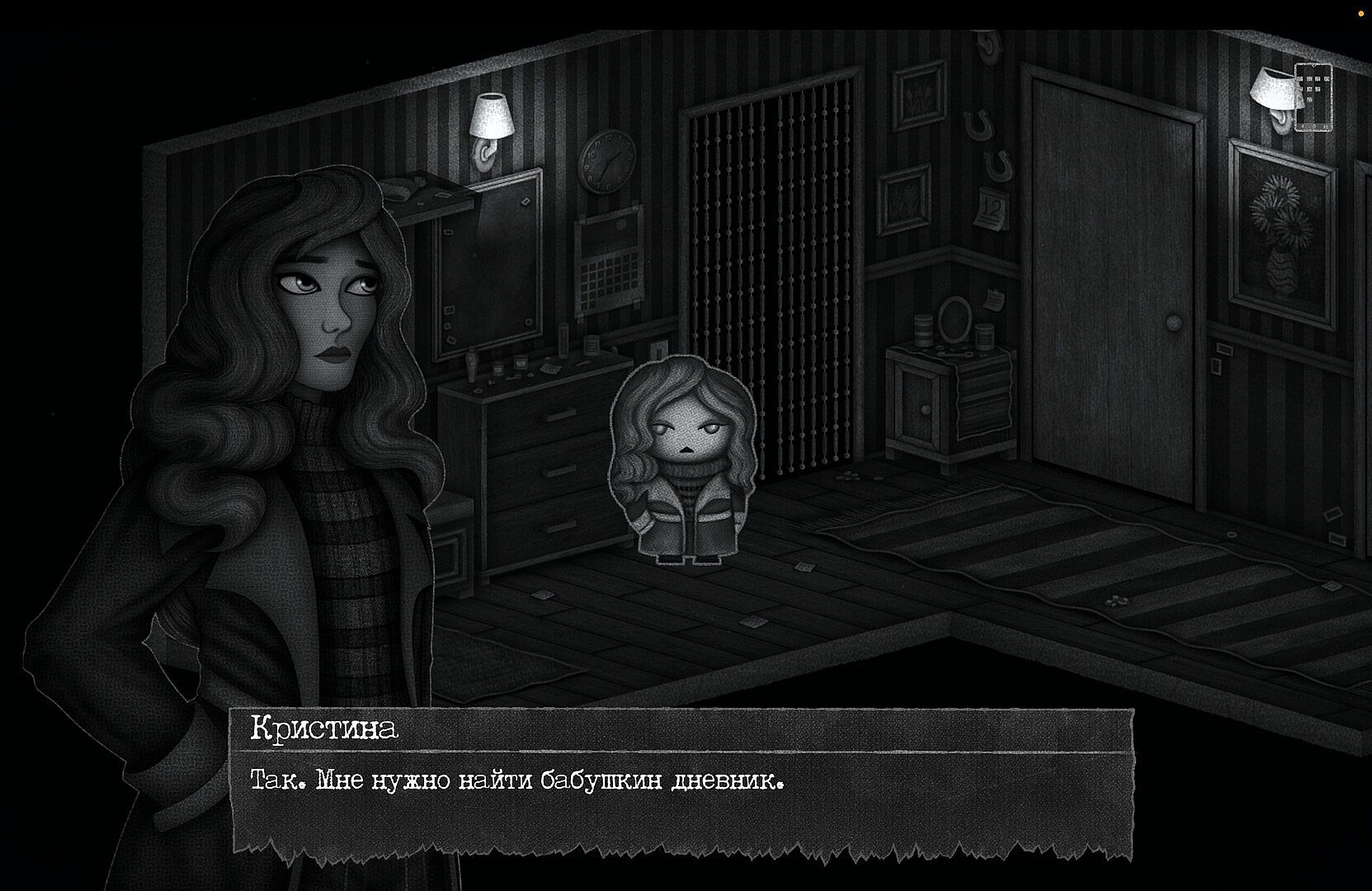
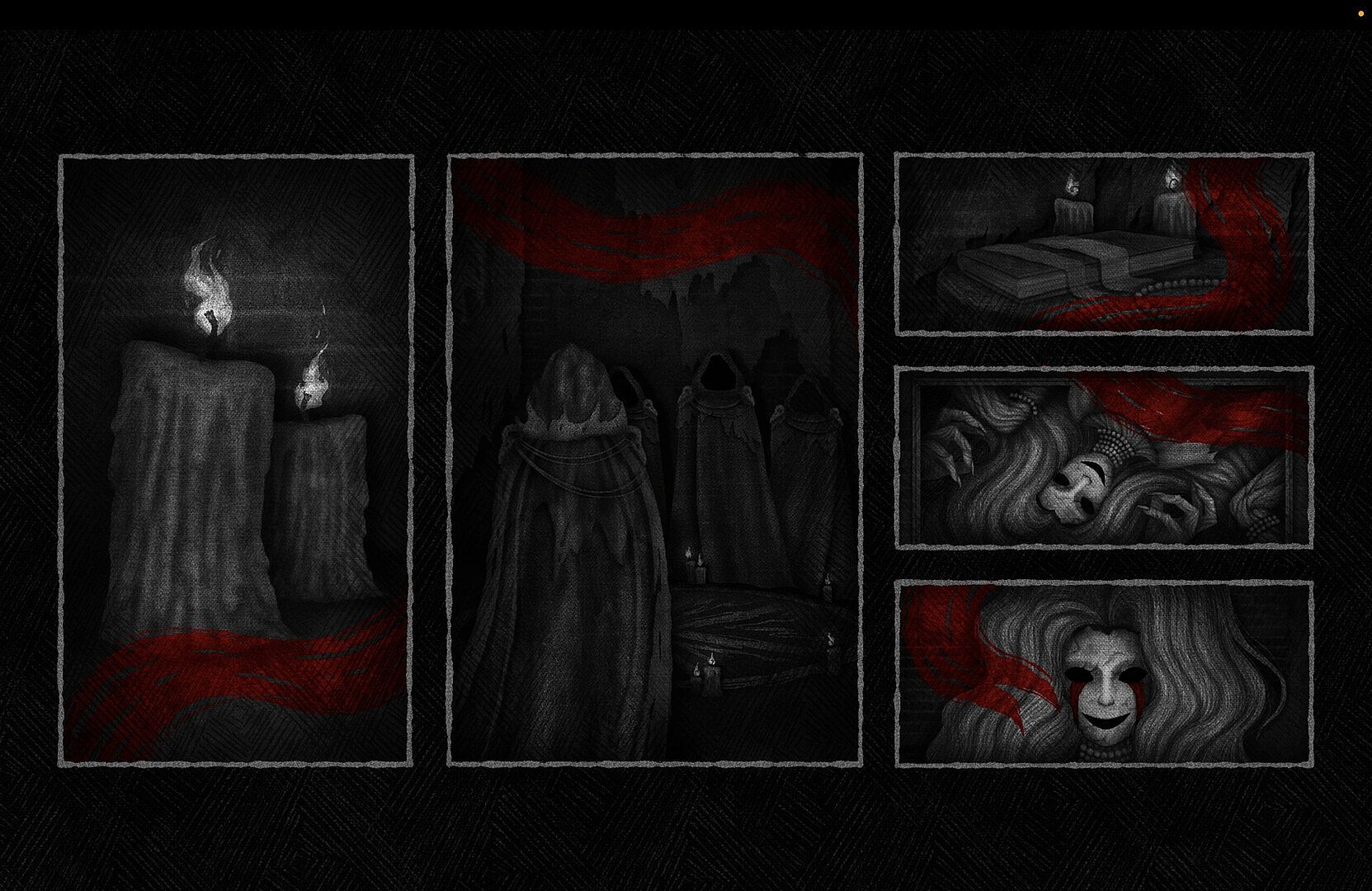
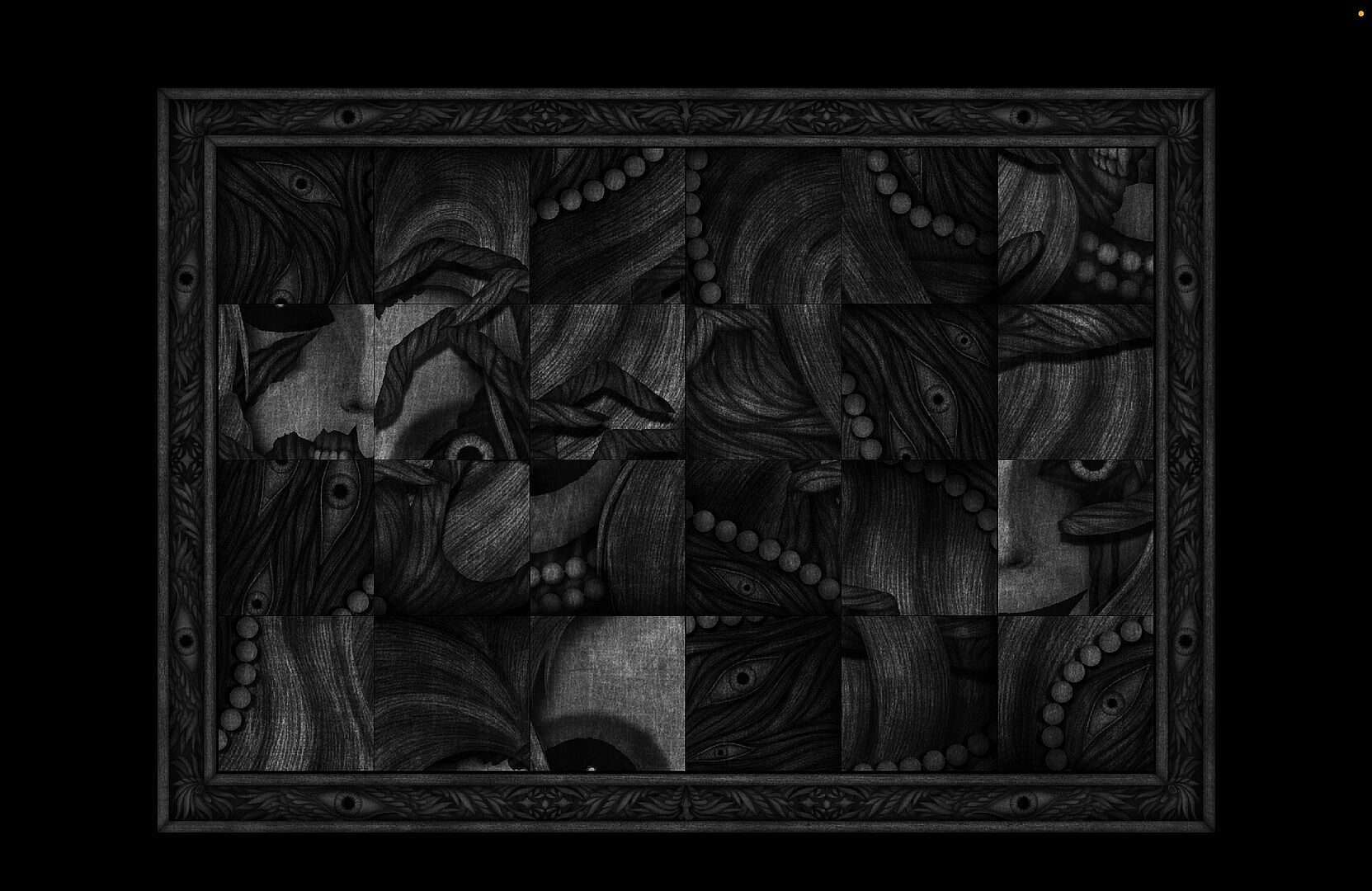
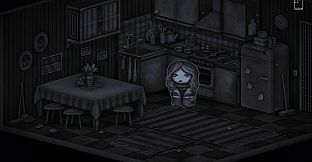
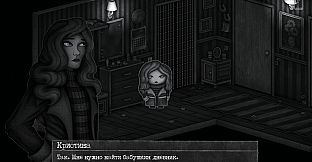
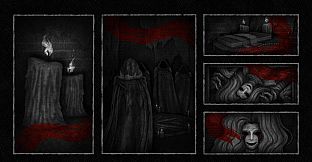
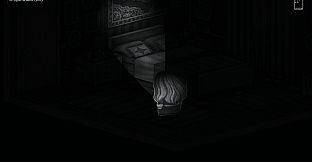
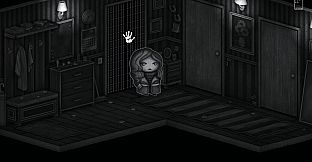
Manus Sors is a story-driven 2D adventure game that blends indie sensibilities with mysticism and psychological horror. Players follow siblings Kristina and Artyom as they navigate a family mystery that pulls them into Nav, a distorted reflection of reality shaped by Slavic mythology. The experience centers on exploration, environmental storytelling, and puzzle-solving within a single-player framework on PC.
Gameplay
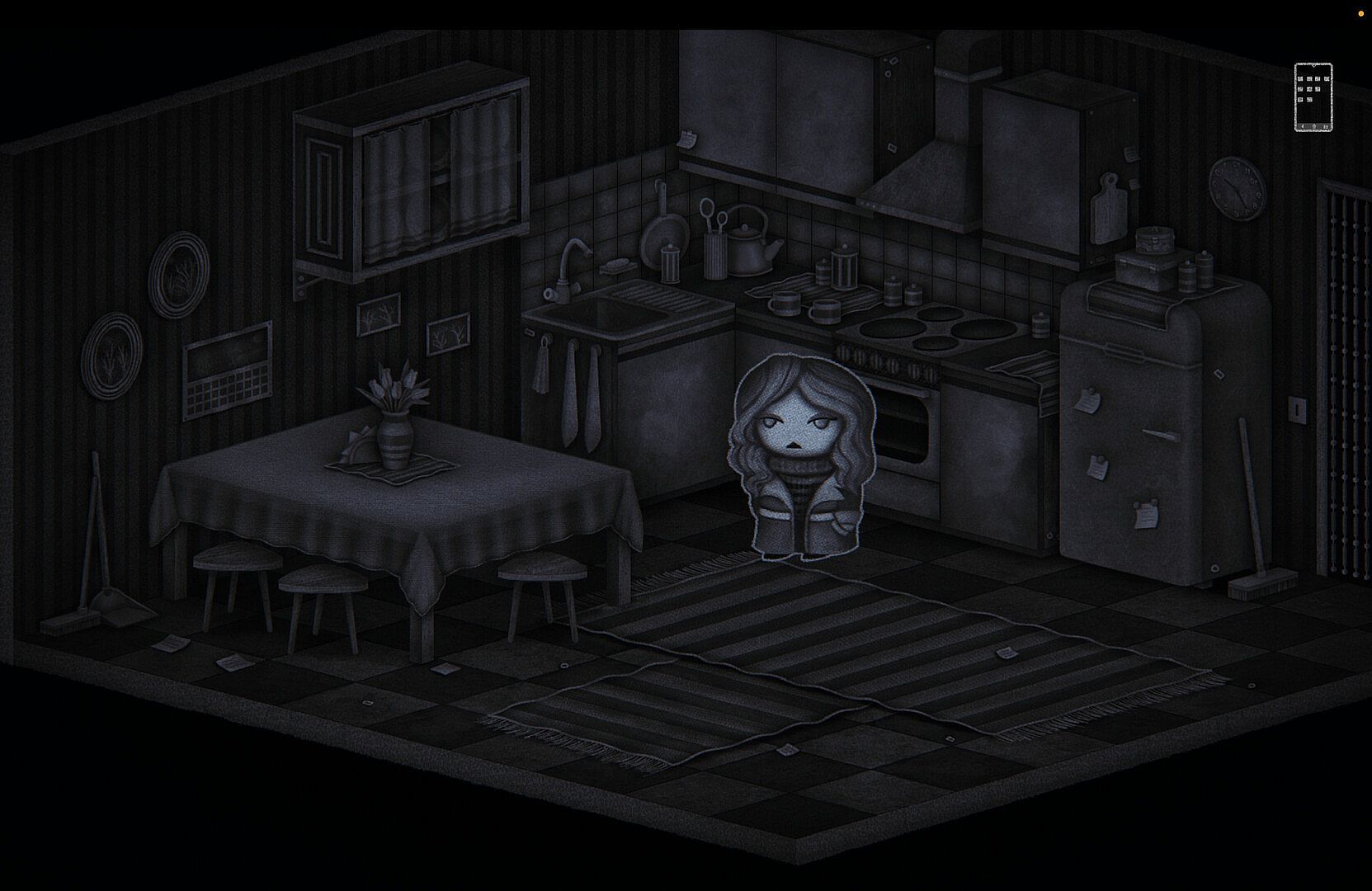
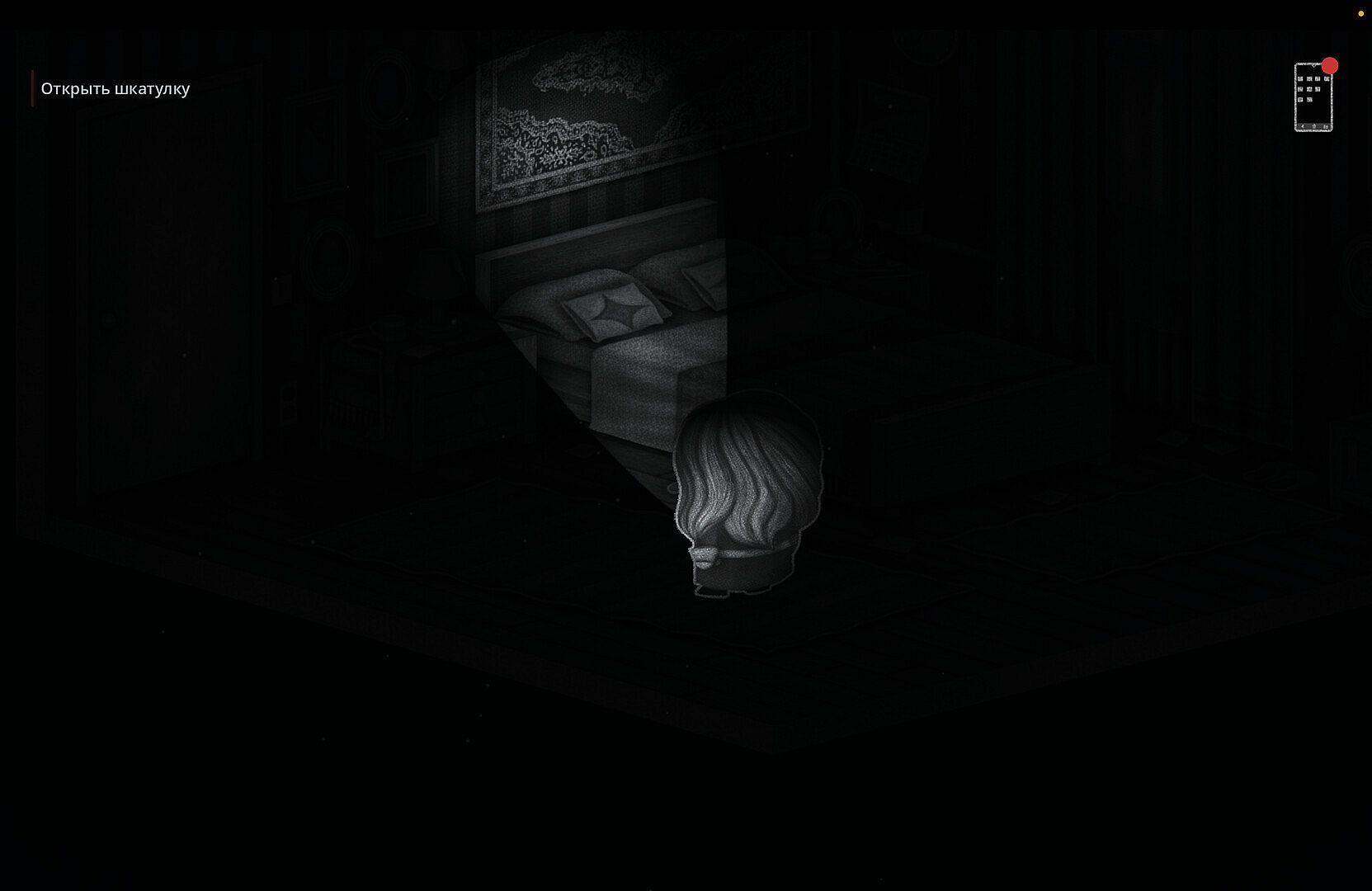
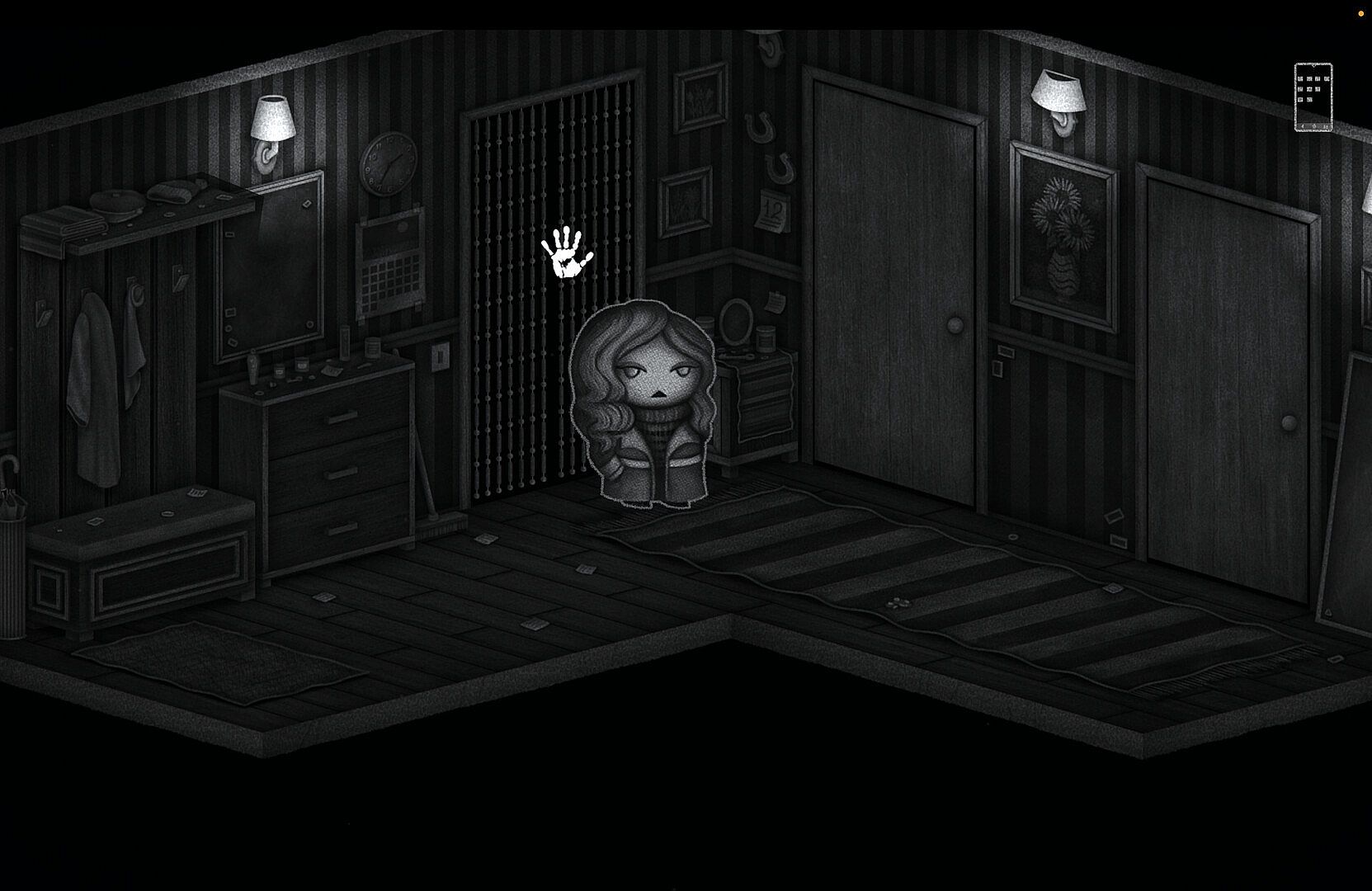
The core loop revolves around traversing atmospheric 2D environments filled with everyday objects that hold hidden significance. Players search abandoned rooms, examine old letters, faded photographs, clocks, mirrors, and family heirlooms to piece together the narrative. Interaction feels deliberate, with clues sometimes visible only through a smartphone camera or specific filters. The phone serves as a multifunctional tool for lighting dark areas, capturing discoveries, and revealing otherwise invisible details.
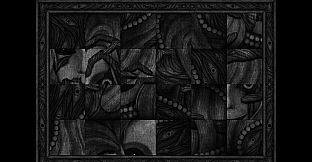
Two protagonists offer distinct perspectives. Kristina draws on her knowledge of family heirlooms and memories, while Artyom excels with technology, sounds, and symbolic clues. Switching between them changes how the same locations and events are perceived, encouraging careful observation and multiple approaches to the same spaces. Puzzles integrate directly into the environment and family history, requiring players to connect symbols, listen to audio cues, read forgotten notes, and interpret patterns. Errors trigger unsettling visual and audio distortions, while solutions advance the story and expose more of the past.
Anomalous rooms trap characters by removing obvious exits, forcing study of surroundings and application of the room's unique logic. These sections tie explicitly to the grandmother's history, deepening the sense of inheritance and consequence without relying on combat or time pressure.
Game Modes
Manus Sors operates as a linear single-player adventure with no separate multiplayer or competitive modes. The narrative unfolds through a continuous campaign that alternates focus between the two siblings, allowing players to experience the same events from complementary viewpoints. Progression relies on exploration and puzzle resolution rather than branching paths or optional side activities, though environmental details reward thorough investigation. The structure emphasizes story delivery through letters, photographs, memories, and interactive objects instead of traditional level-based or mission formats.
Story and Setting
After their grandmother's death, Kristina returns to the family apartment and notices anomalies that lead her into Nav. When she stops responding, Artyom follows. Their journey reveals a family secret tied to this cold, reflective realm where the past lingers. The tale explores themes of protection, burden, and the weight of inherited choices through environmental narrative rather than direct exposition. Hand-crafted visuals and sound design create an unsettling atmosphere that supports the psychological horror elements without relying on frequent jump scares.
Is It Worth Playing?
Manus Sors suits players who enjoy deliberate, story-focused adventures with puzzle elements and atmospheric tension. Its strength lies in the integration of mechanics like the smartphone and dual protagonists into the central mystery, creating a cohesive experience about family and loss. Those drawn to indie titles that prioritize environmental interaction and narrative fragments over action will find the mechanics rewarding. The game remains in active development following its recent store listing, with no additional seasons or expansions confirmed at this time. It offers a complete narrative arc centered on uncovering the truth behind the family's connection to Nav.