











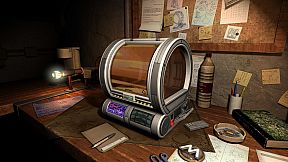

Machinika: Museum is an indie casual adventure game centered on puzzle solving in a sci-fi setting. Players take on the role of a museum curator who examines and repairs alien machines sent from distant space missions. The experience blends hidden object elements with mechanical interaction and logical deduction, drawing from classic puzzle design while delivering a compact narrative focused on mystery and discovery.
Gameplay
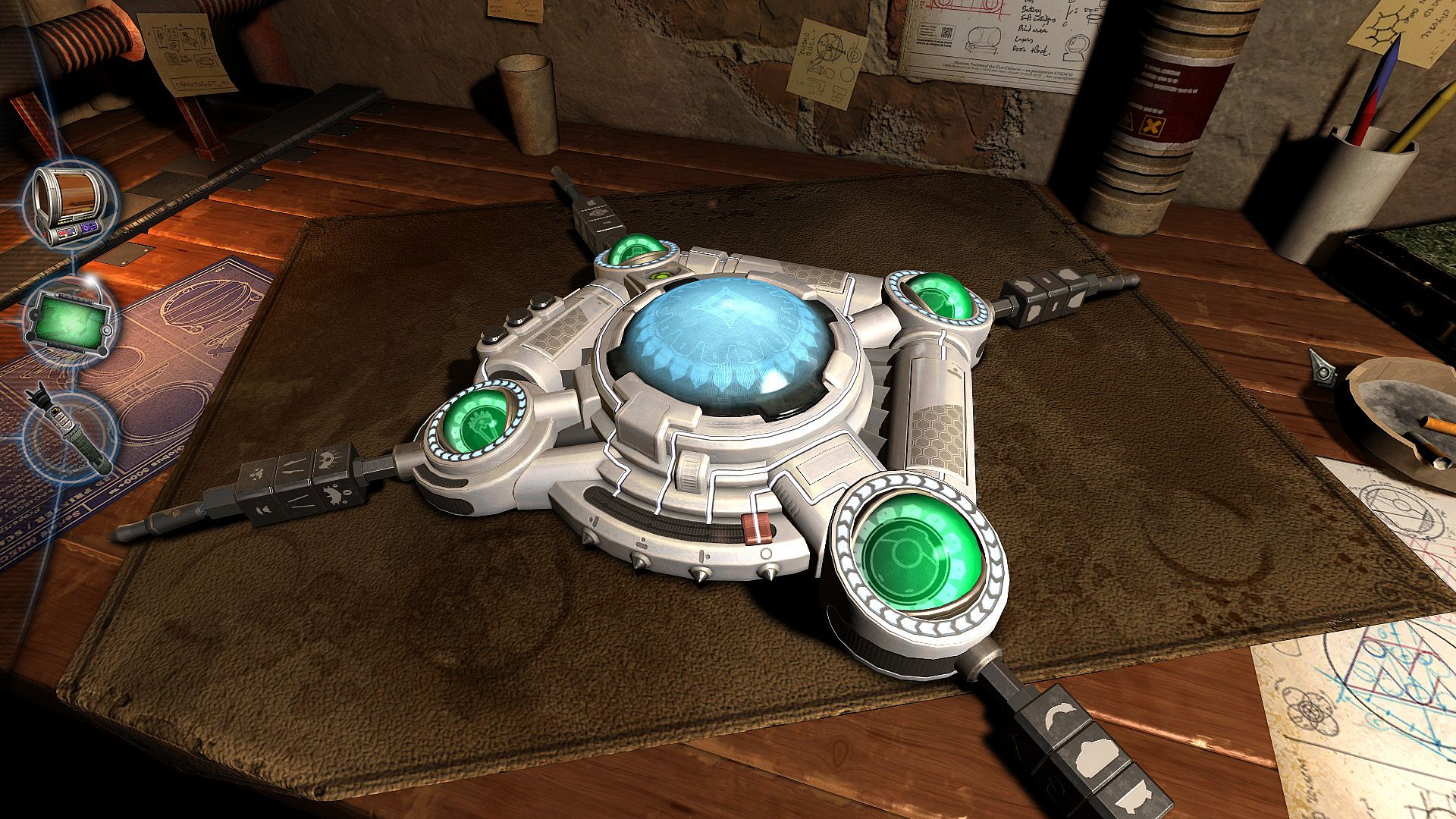
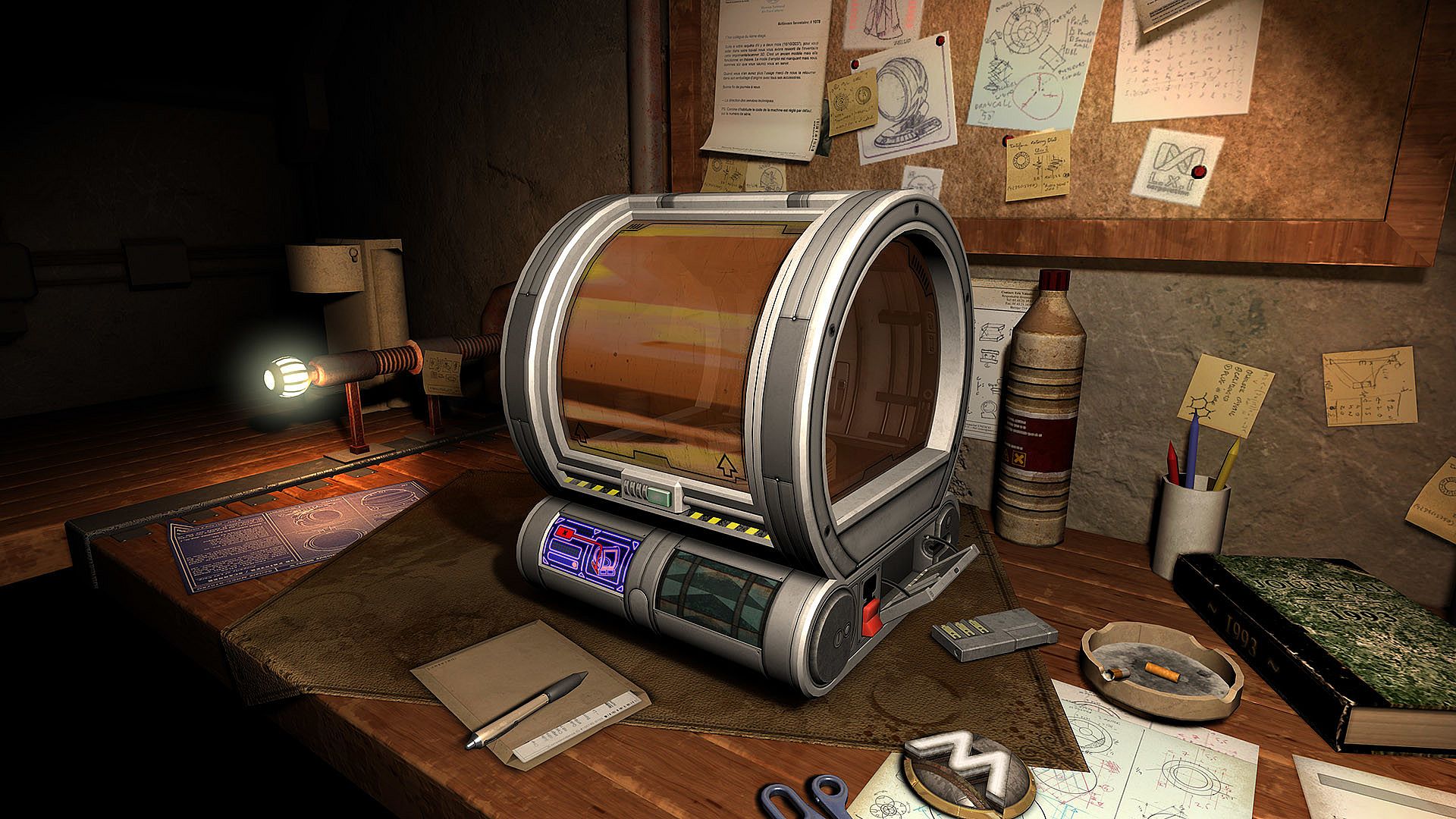
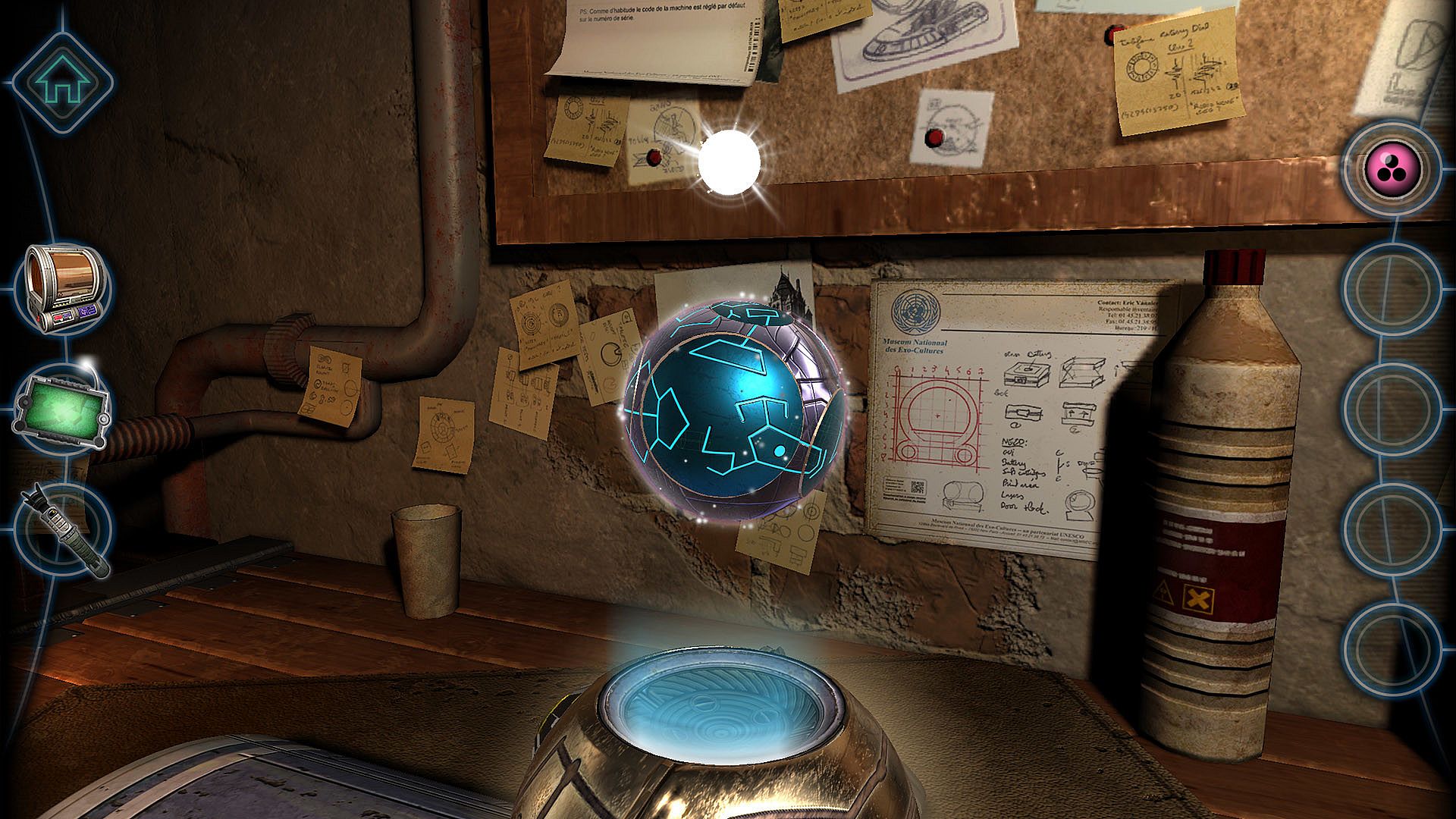
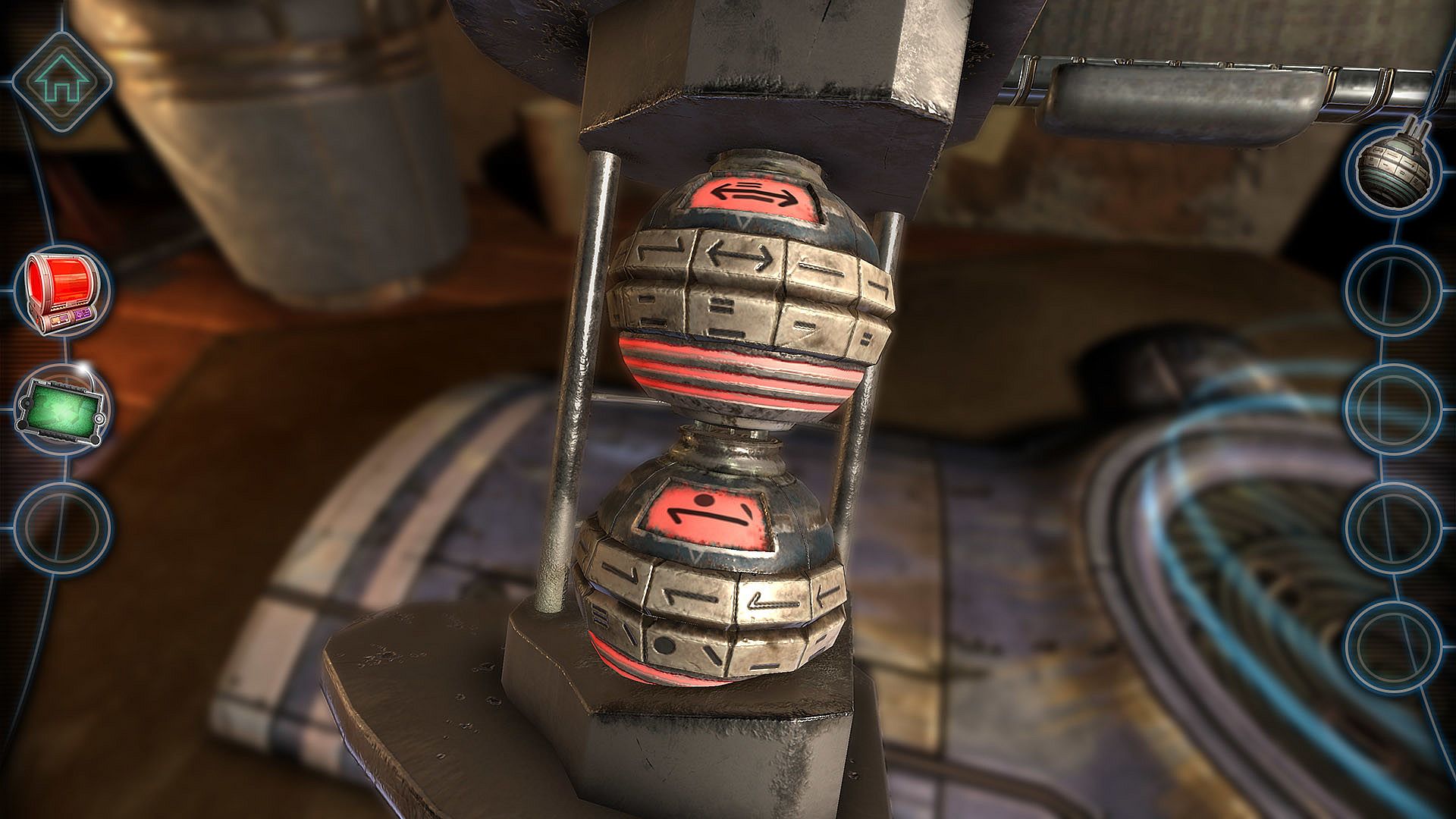
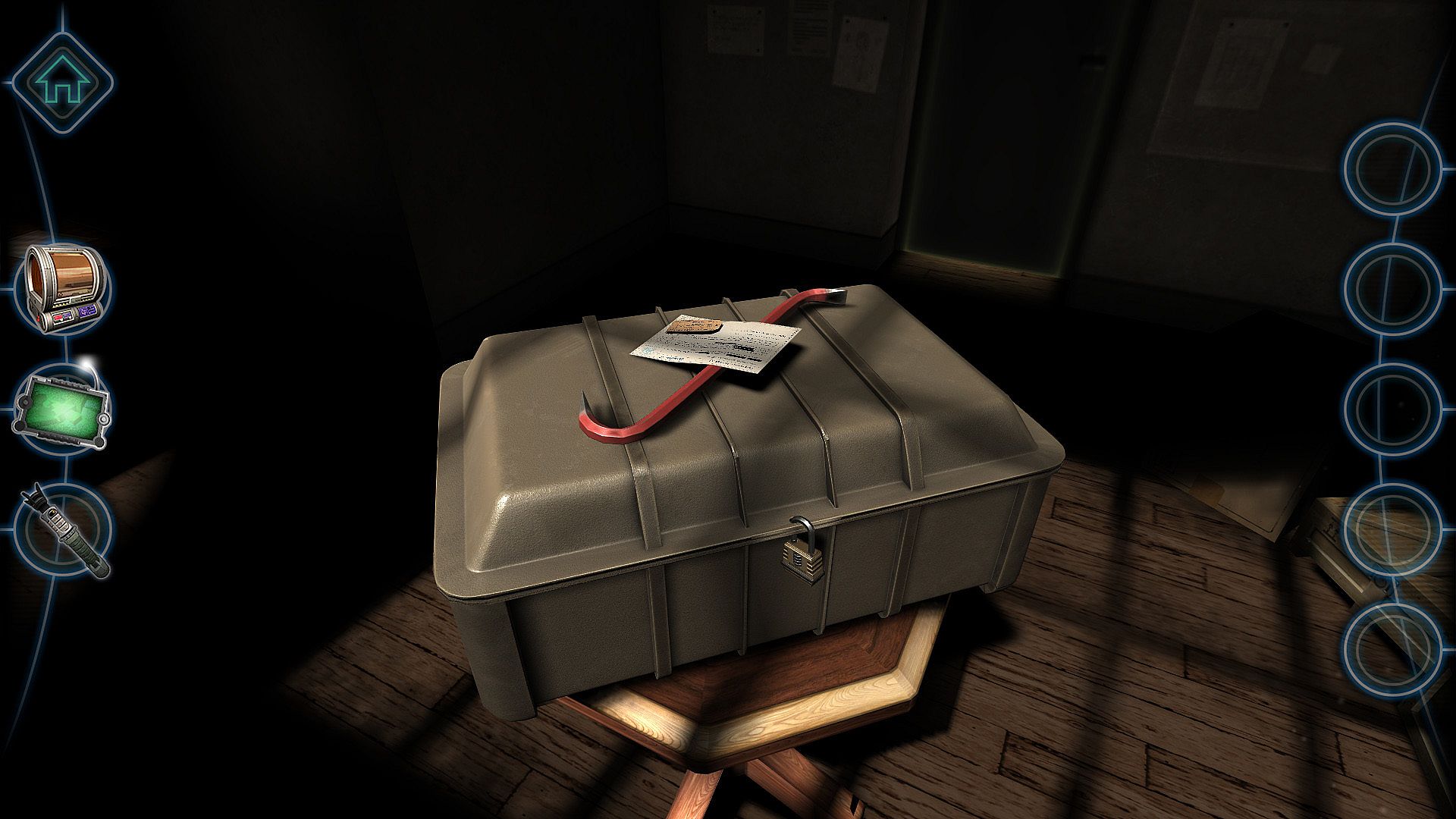
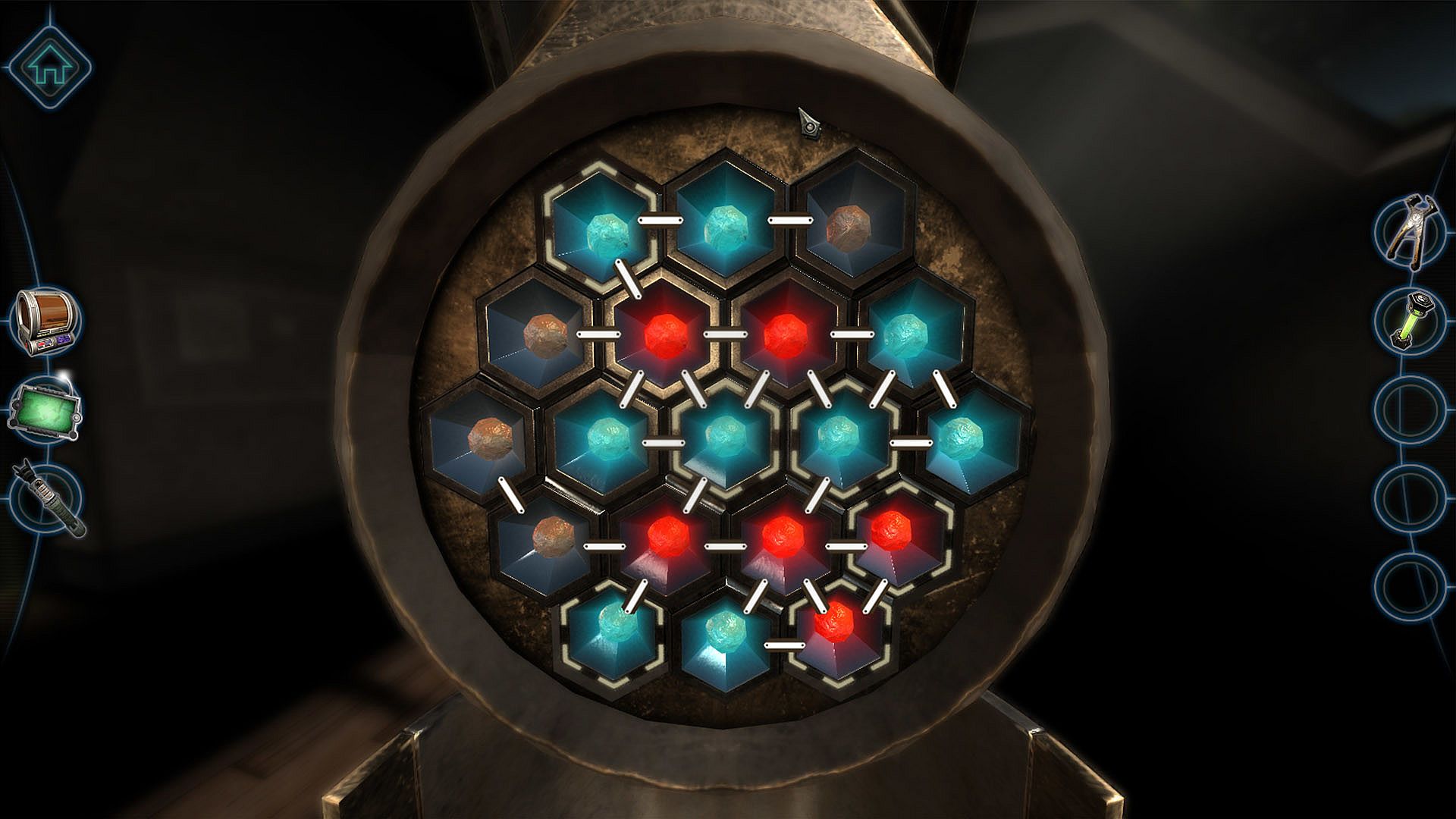
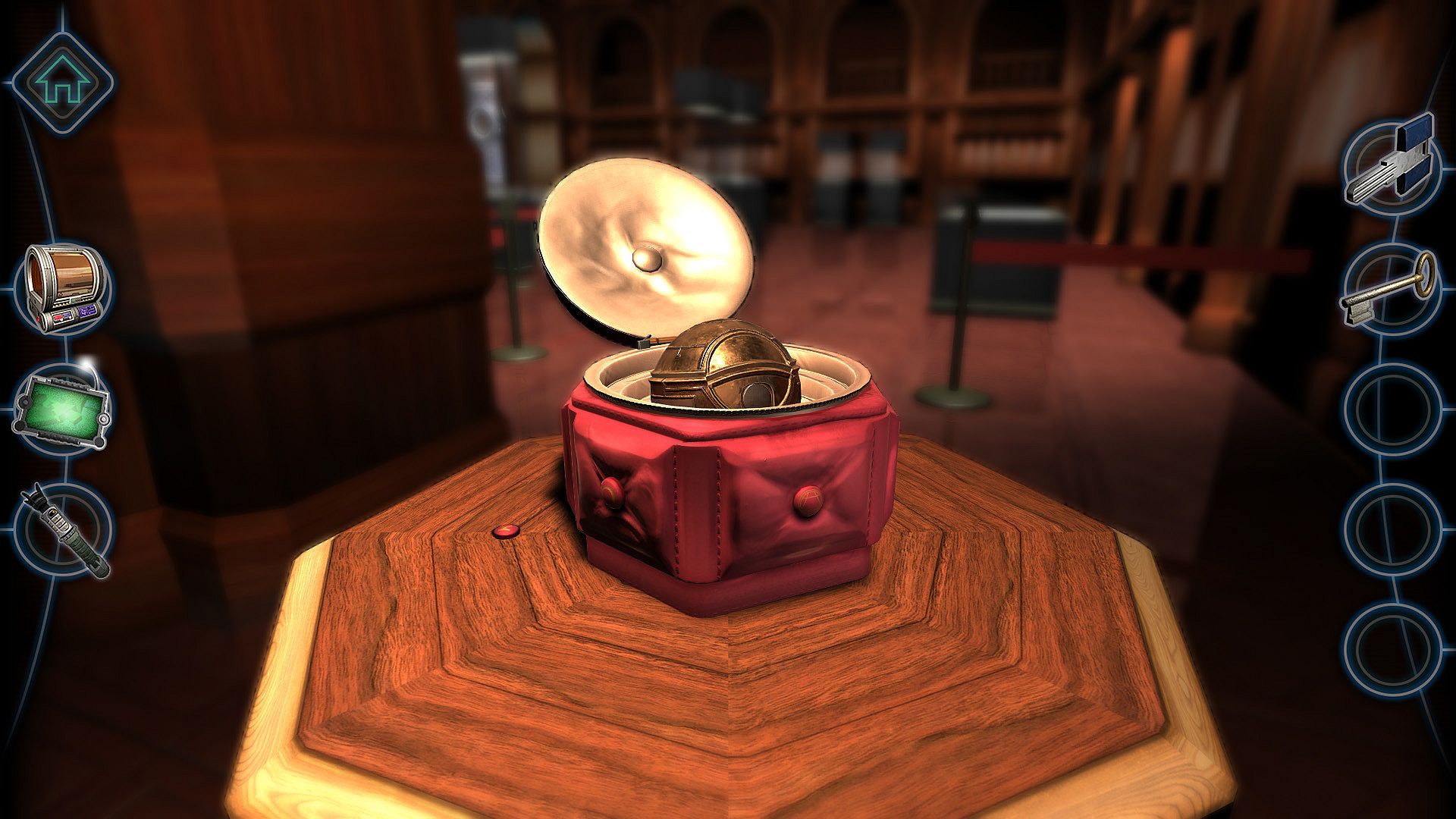
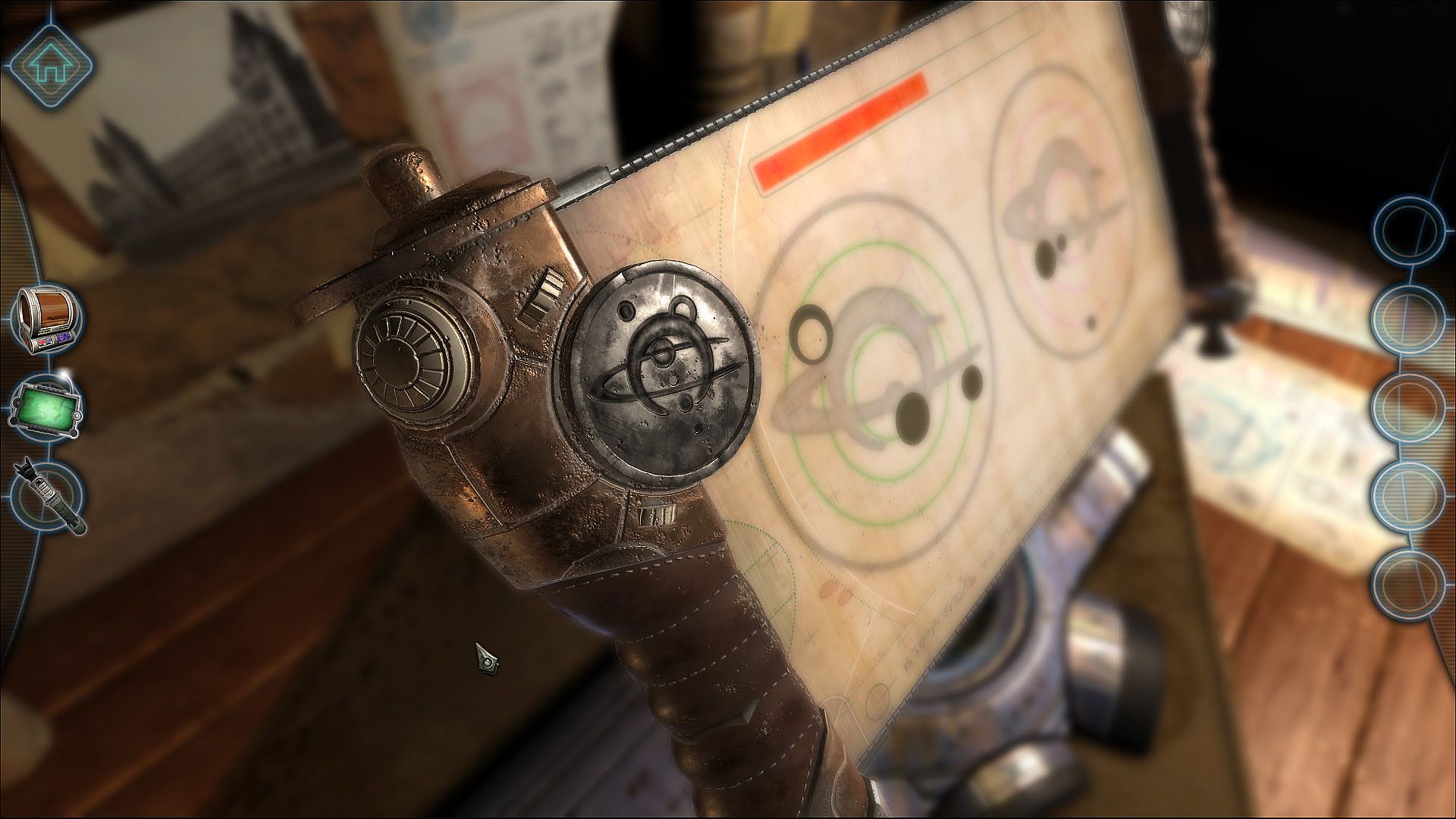
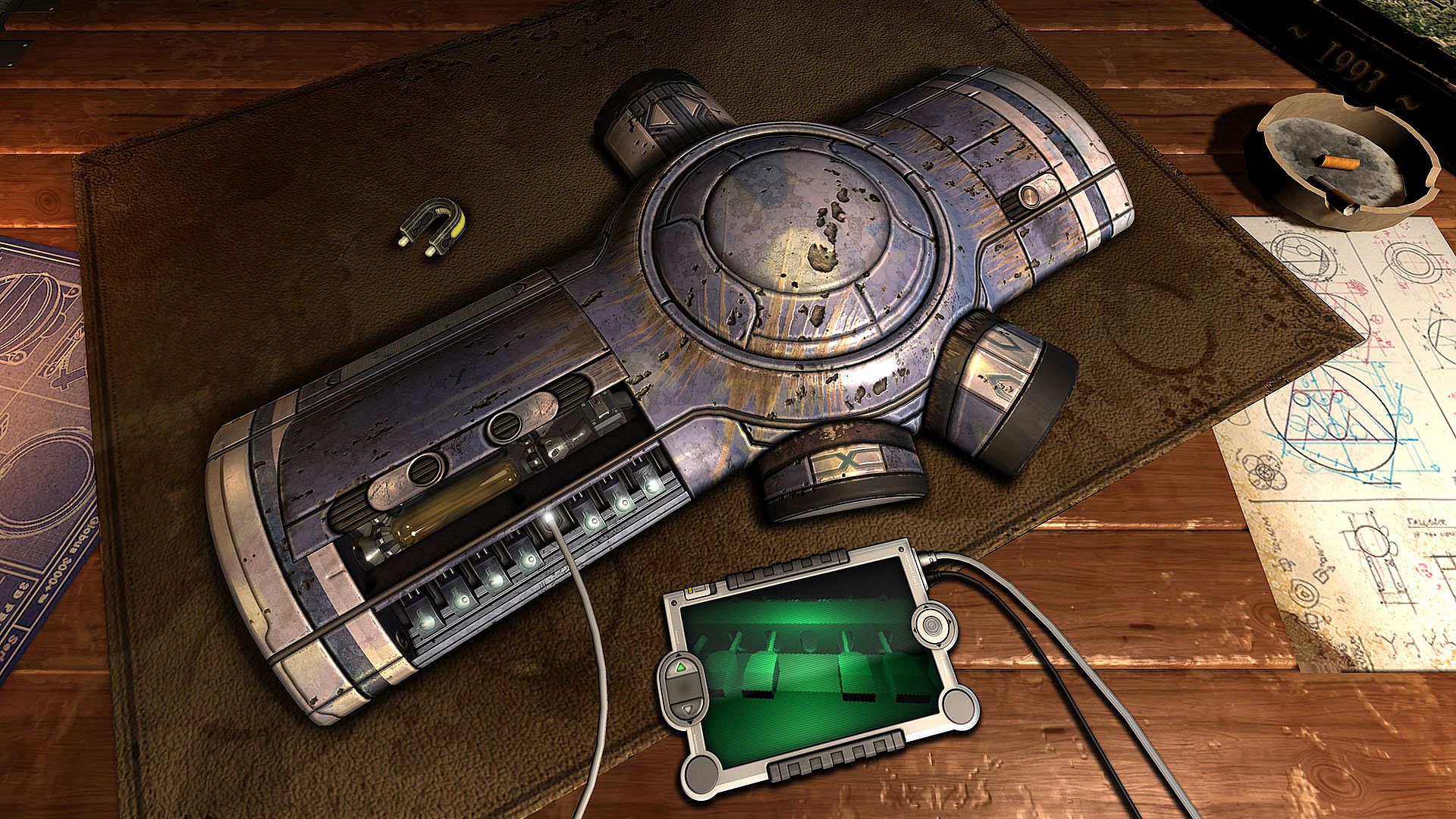
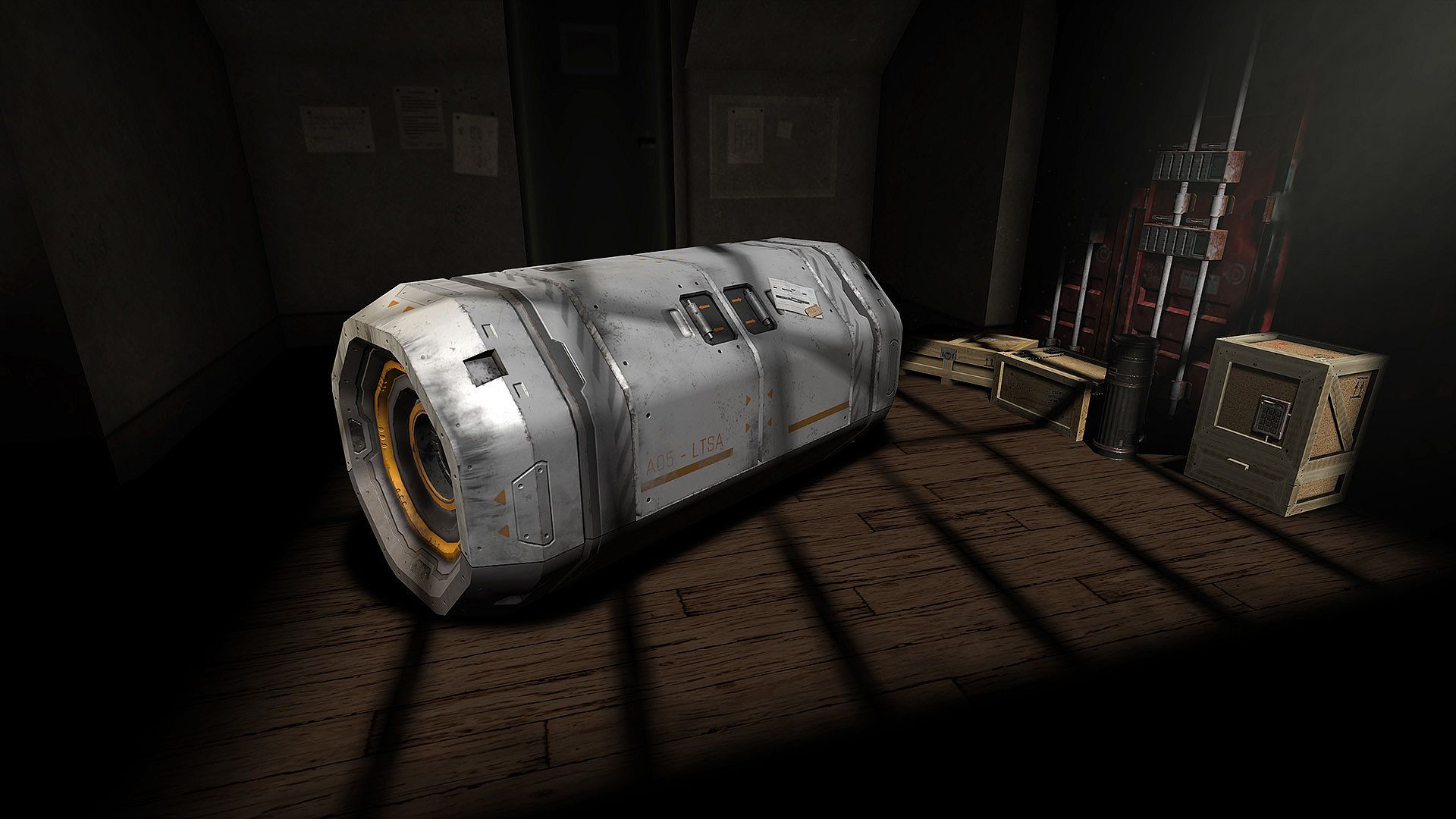
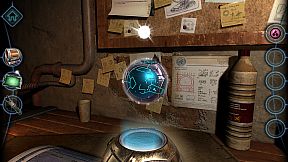
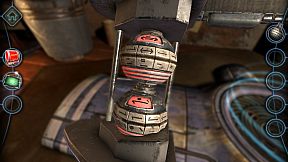
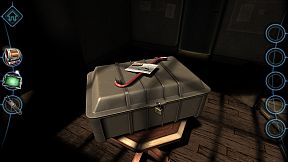
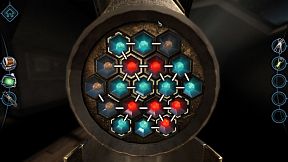
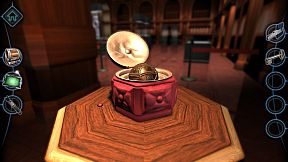
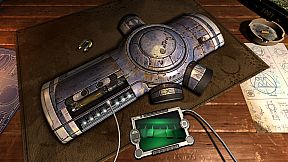
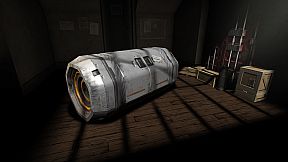
The core loop involves receiving sealed crates or containers holding extraterrestrial devices. Each session requires careful examination of surfaces, panels, and components to unlock access points. Players rotate objects in three dimensions, apply discovered tools, and test combinations until the machine activates or reveals its function. Observation plays a central role, as subtle markings, color changes, and moving parts provide the clues needed to progress. The puzzles emphasize deduction over trial and error, rewarding patience and attention to detail without introducing unfair obstacles.
Controls remain straightforward, relying on mouse clicks and drags for most interactions, with optional controller support for those who prefer it. The game avoids complex inventories or timers, keeping the focus on the tactile process of disassembly and reassembly. Sessions typically last between two and four hours, structured around sequential challenges that build in complexity while maintaining a consistent pace.
Game Modes
Machinika: Museum offers a single linear campaign divided into chapters. There are no separate difficulty settings, multiplayer options, or side activities. Progress follows the main sequence of artifact analysis, with each chapter presenting a new machine and advancing the overarching narrative. This structure suits players who prefer focused, uninterrupted puzzle sessions rather than branching paths or competitive elements.
Story and Atmosphere
The narrative unfolds through the machines themselves rather than direct exposition. As each device yields its secrets, fragments of a larger galaxy-spanning tale emerge, hinting at the origins of the artifacts and the reasons behind their delivery. The setting remains confined to the museum workspace, creating an intimate yet expansive feel through detailed environmental storytelling. Ambient sound design and lighting reinforce the sense of isolation and curiosity that drives the experience forward.
Visuals and Controls
Models of the alien machines feature intricate details that reward close inspection, with metallic surfaces, glowing elements, and layered mechanisms rendered in a clean, atmospheric style. The presentation prioritizes clarity so that every interactive part stands out without visual clutter. Intuitive controls allow smooth manipulation of objects from multiple angles, making the physicality of the puzzles feel natural on PC.
Is It Worth Playing?
Player feedback highlights strong approval for the puzzle quality and atmospheric presentation, with the majority of reviews describing the experience as satisfying and well-balanced. The short length makes it accessible for those seeking a complete story without a long commitment, though some note it leaves room for additional content. It appeals most to fans of logical deduction games who enjoy examining mechanisms and uncovering stories through interaction. Availability on PC supports straightforward access for anyone interested in this style of adventure.