




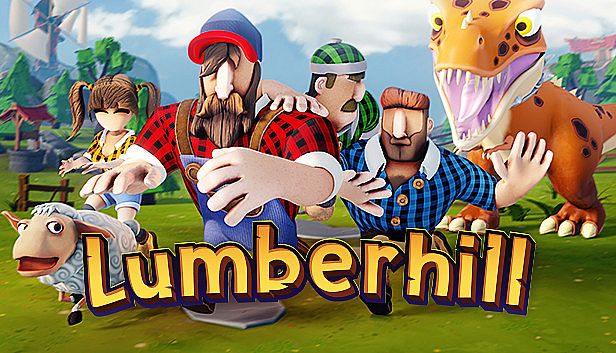



















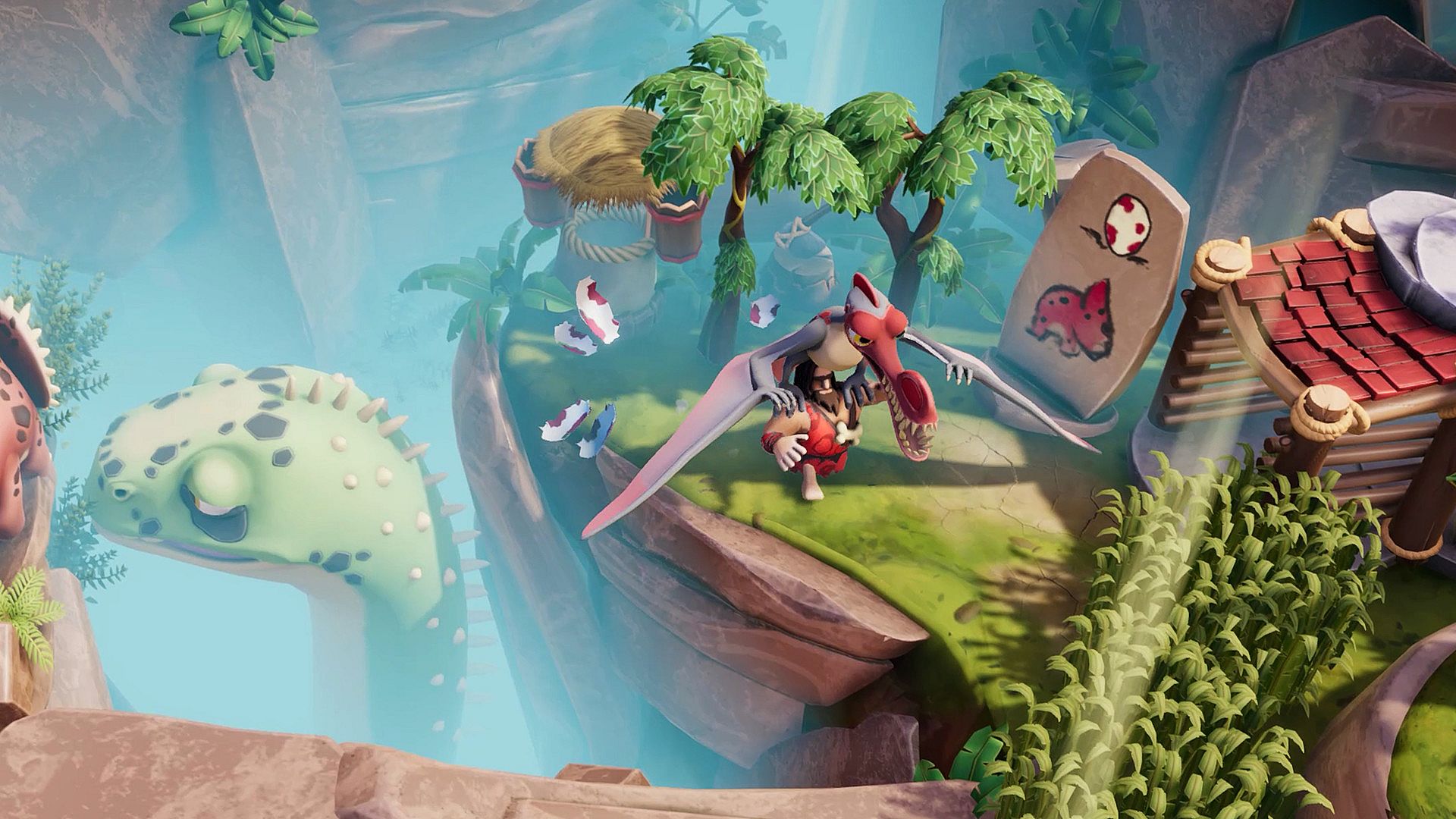
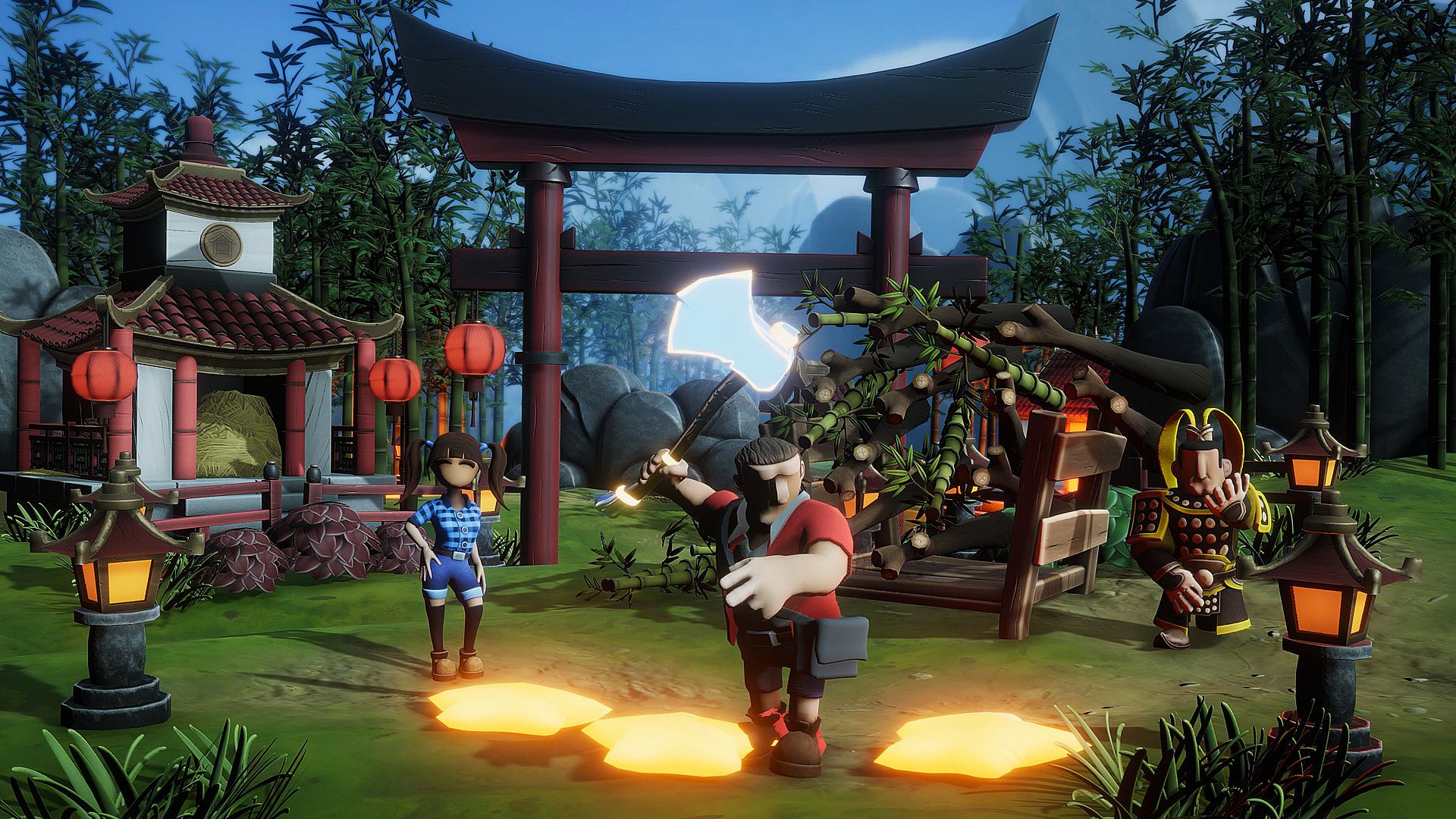
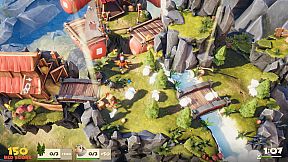
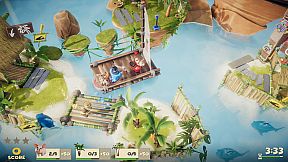
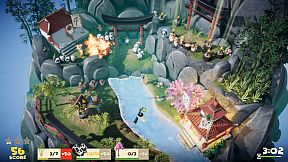
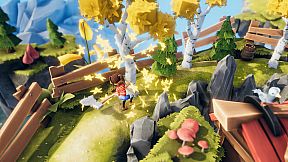
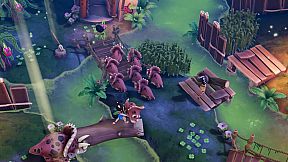
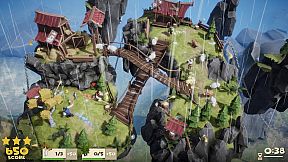
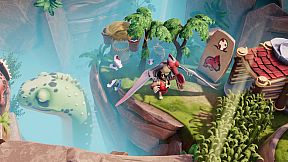
Lumberhill is a chaotic action and simulation party game built around teamwork, quick thinking, and unpredictable obstacles. Players take on the role of lumberjacks who must complete timed tasks such as chopping trees and returning animals to their pens while nature throws constant disruptions their way. The experience blends casual accessibility with simulation-style management of resources and movement across varied maps that shift through different eras and locations.
Gameplay
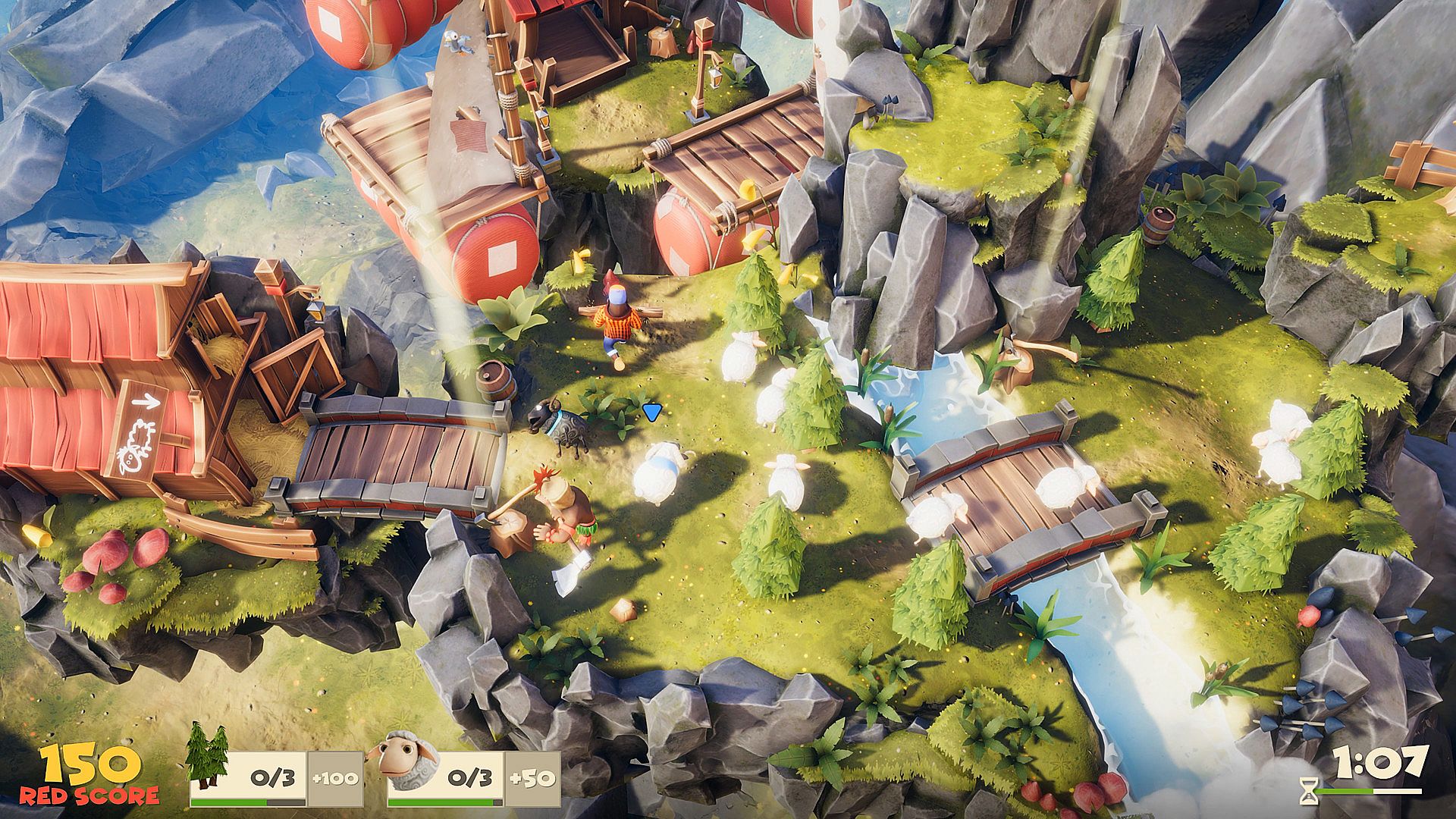
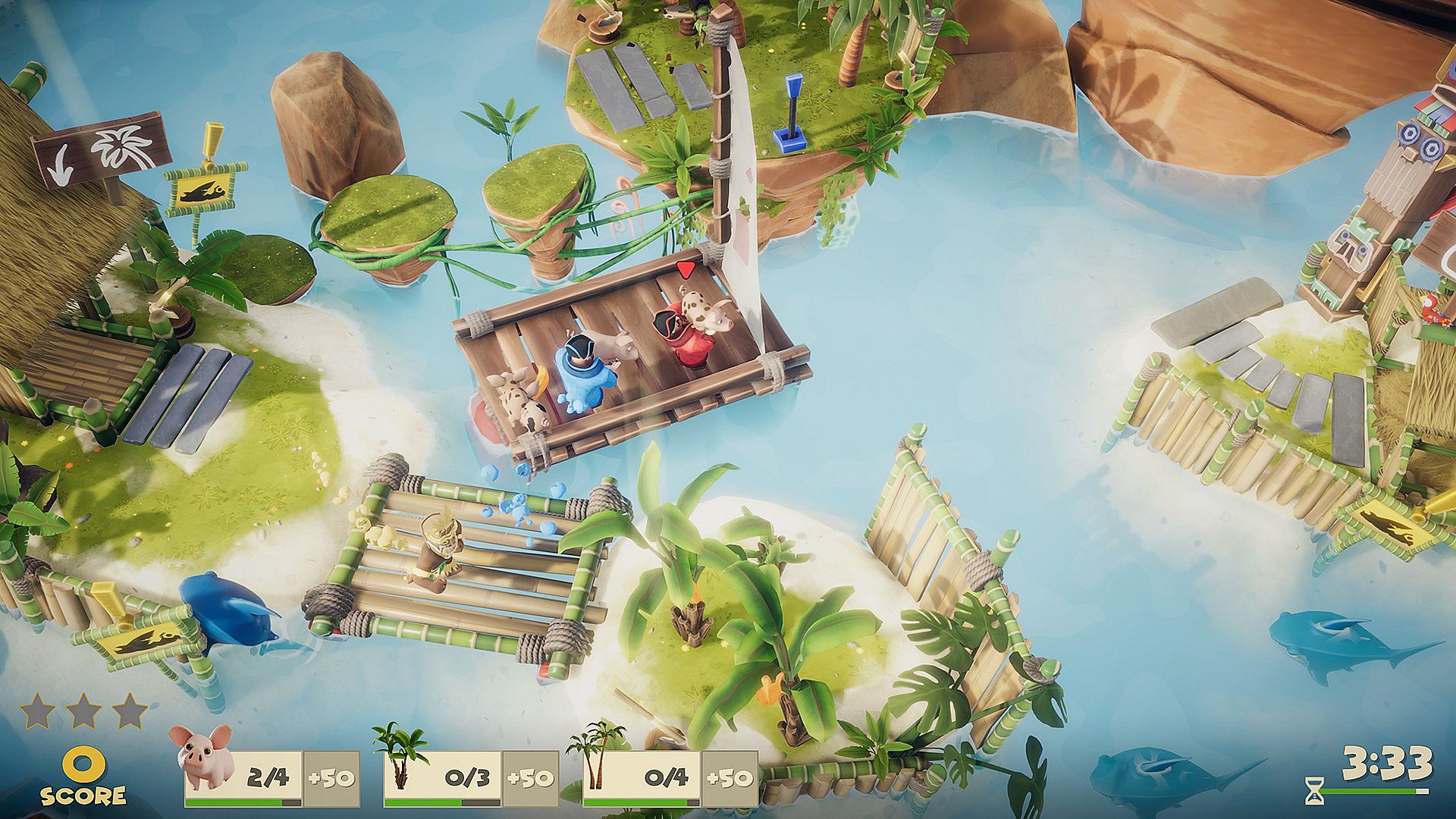
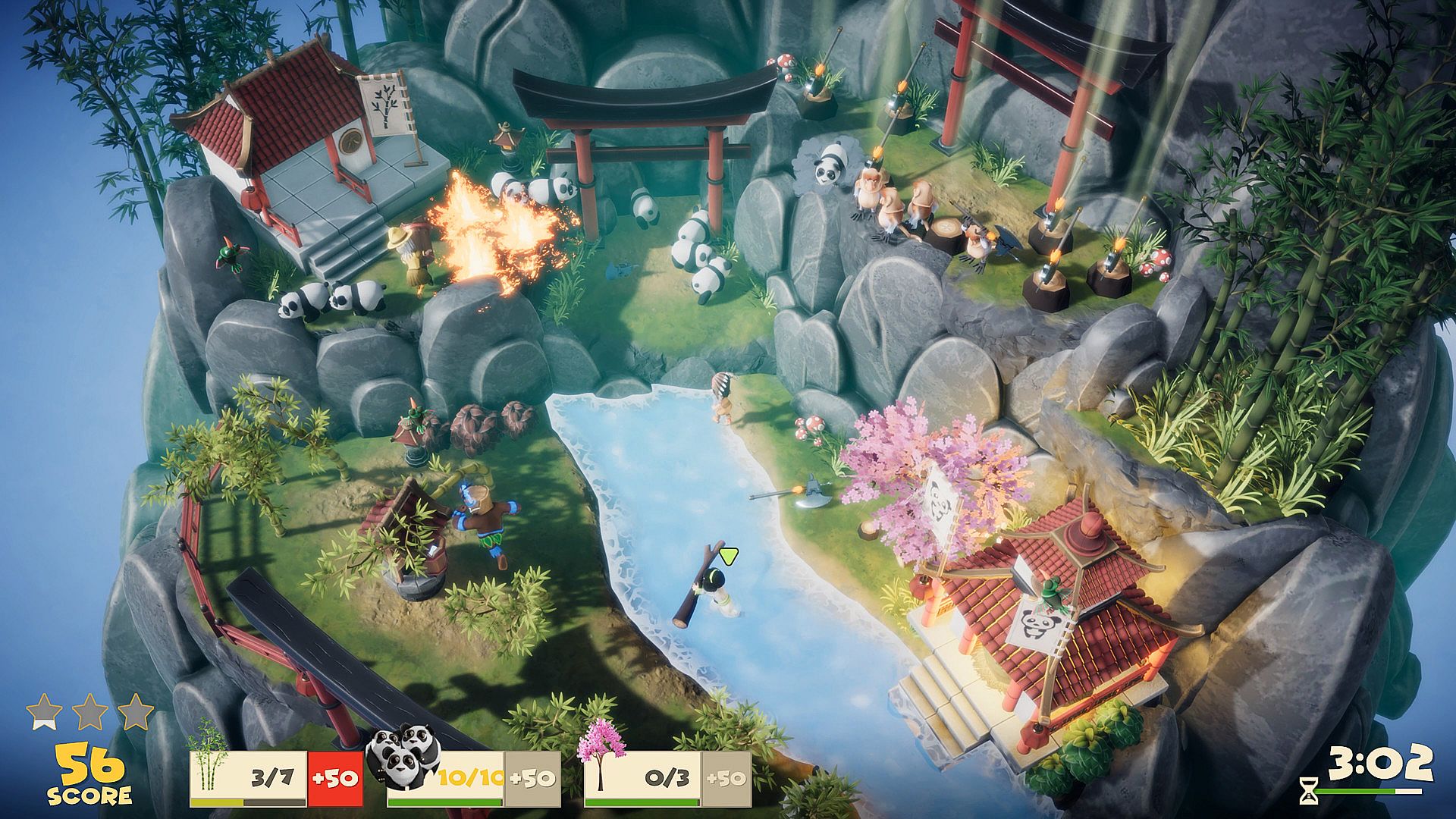
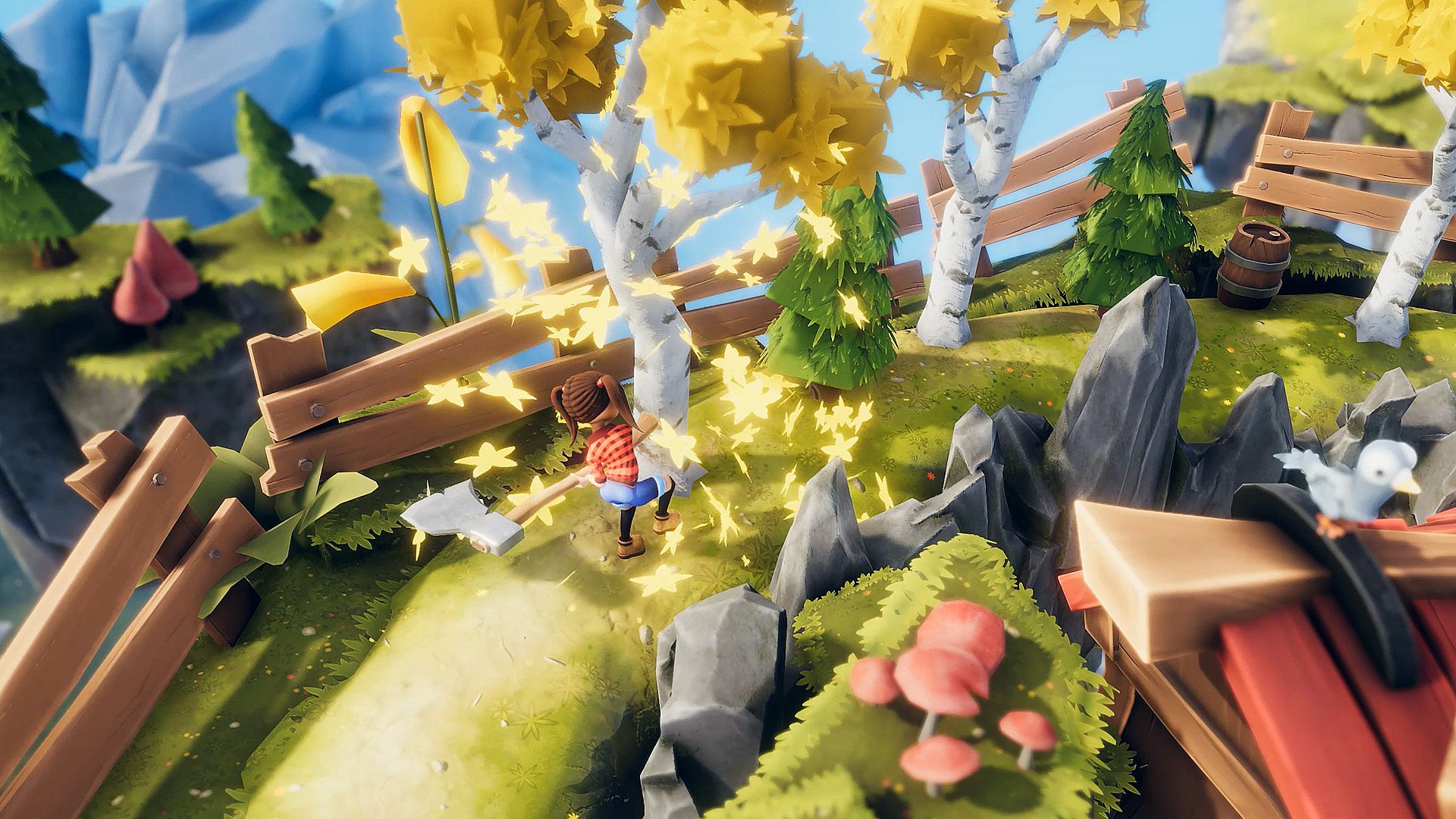
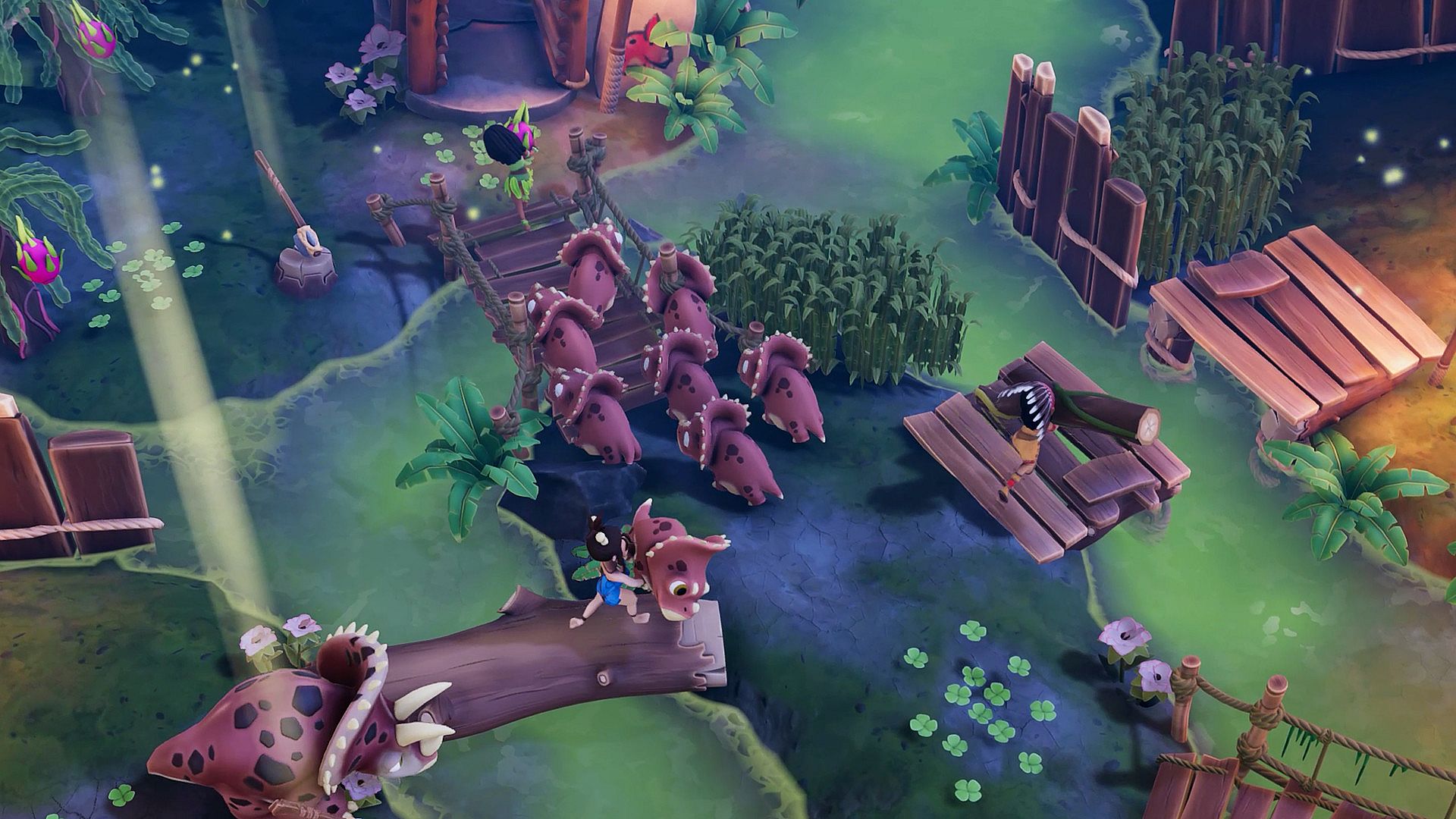
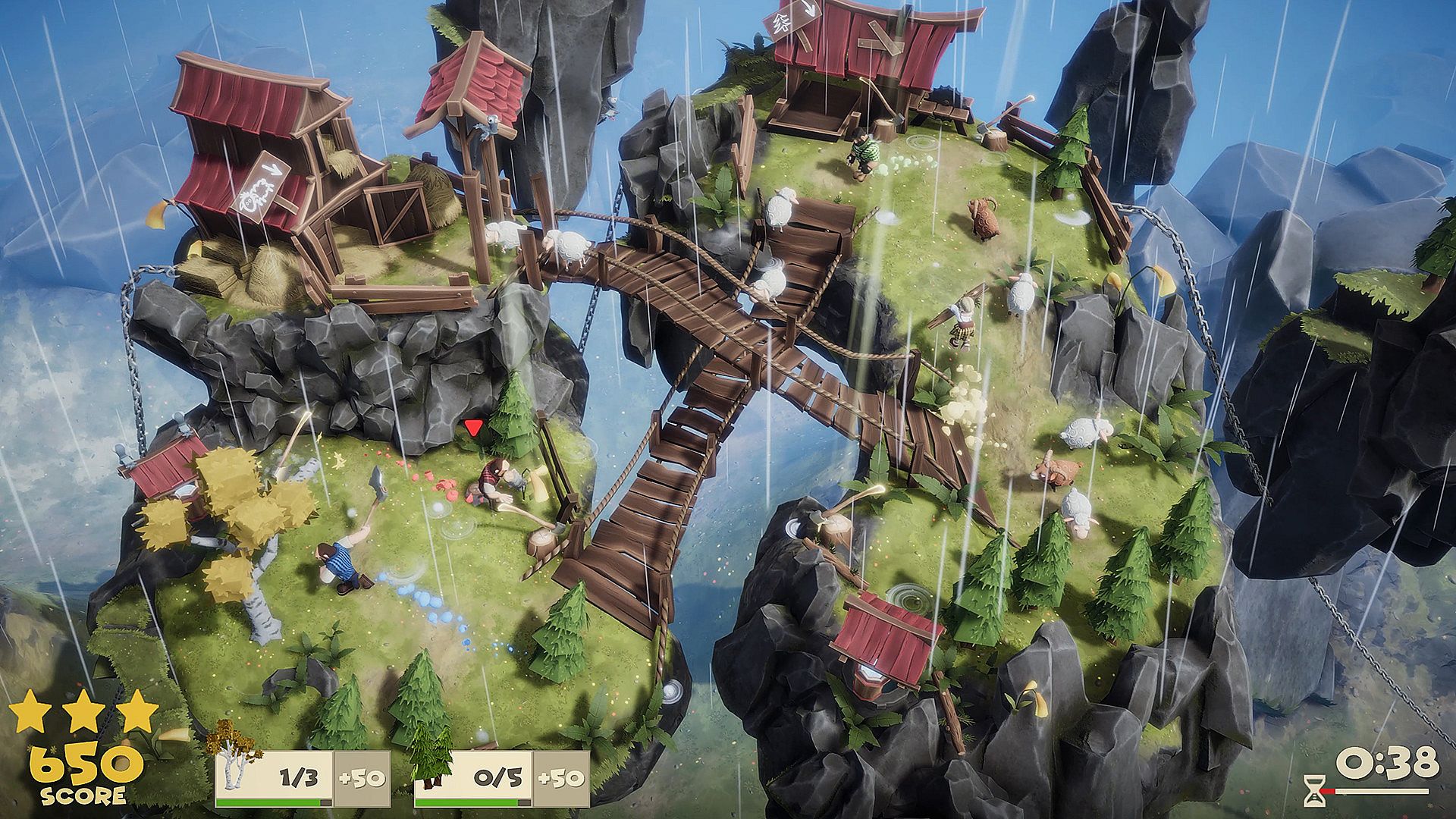
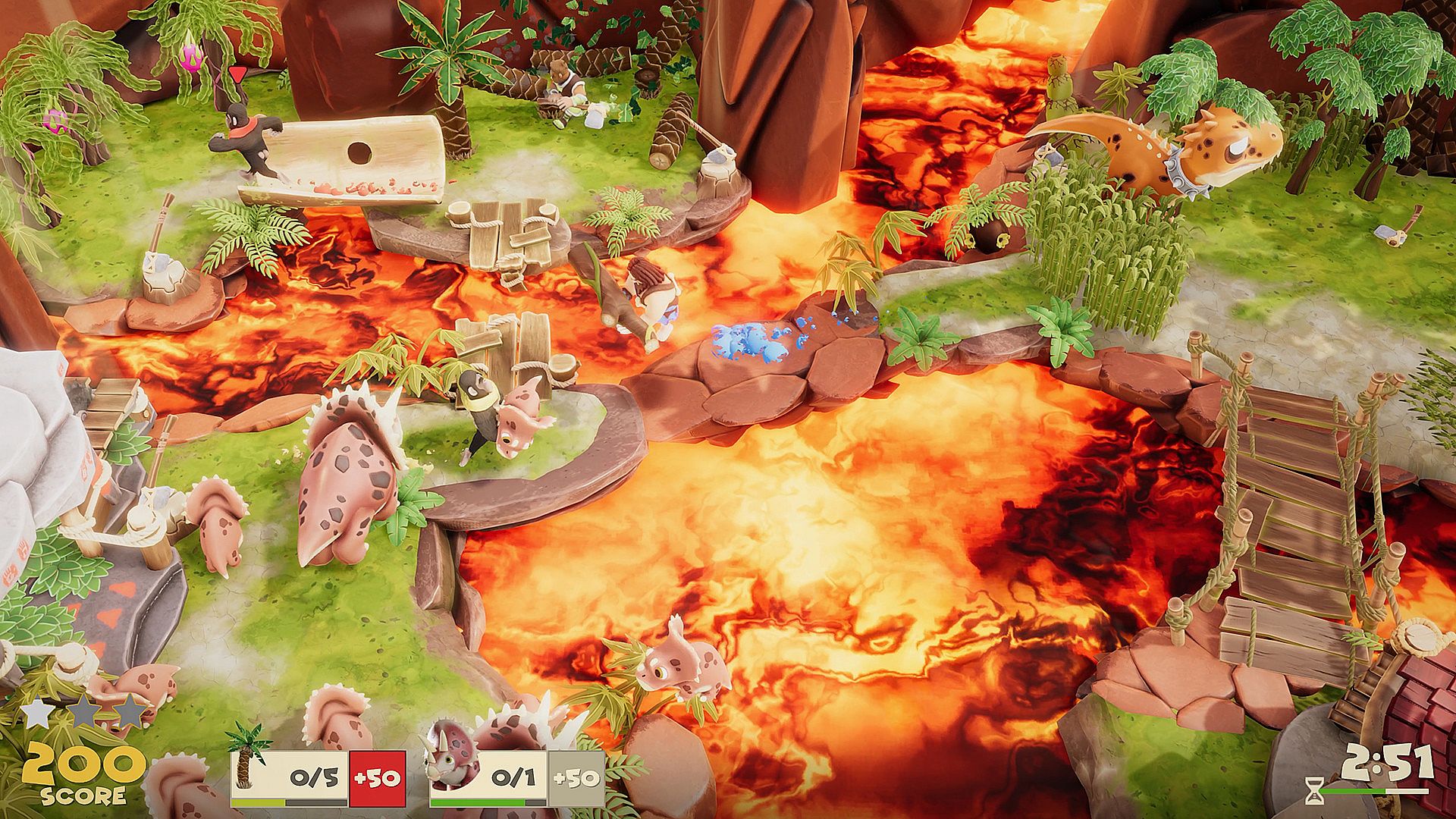
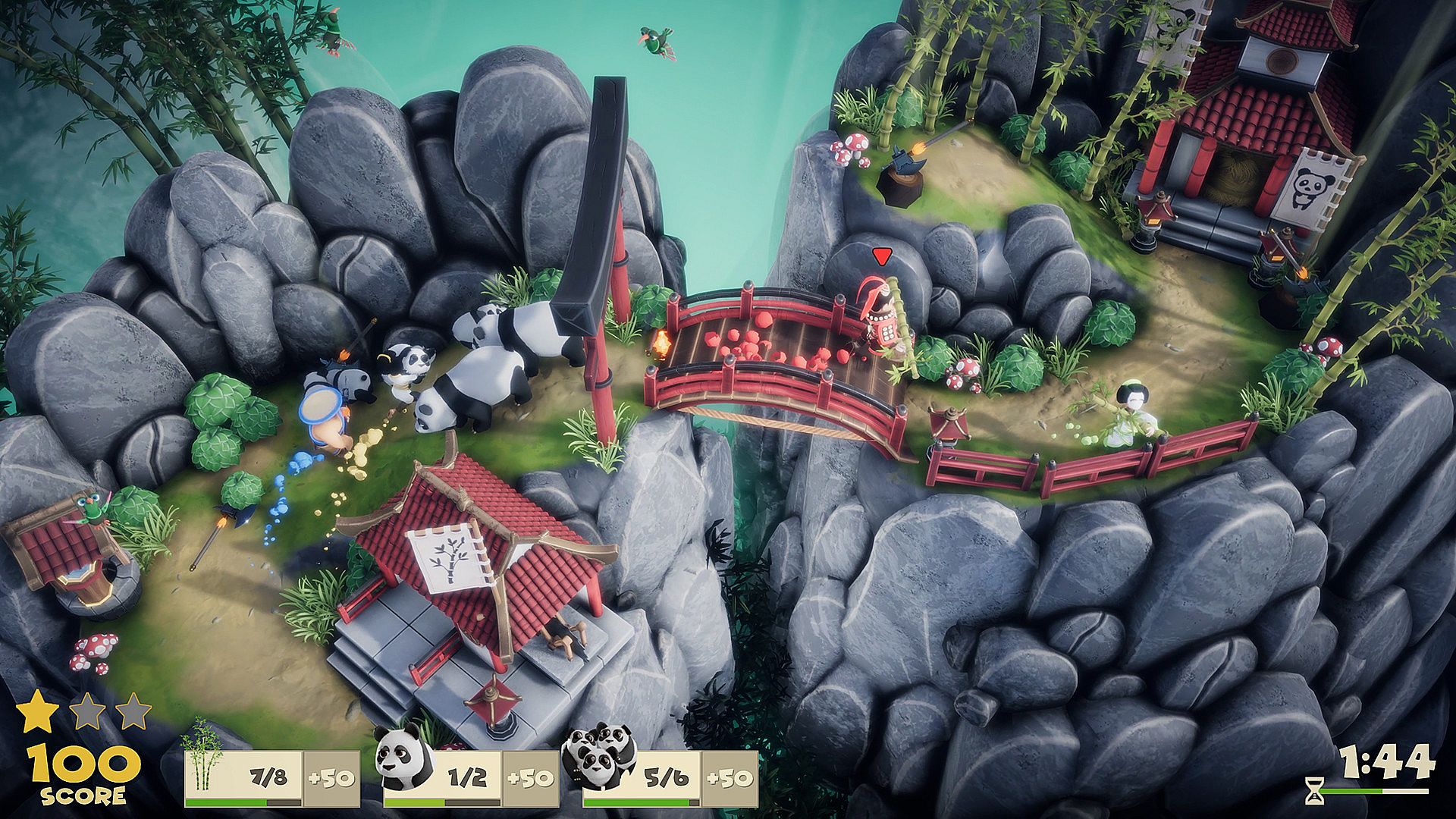
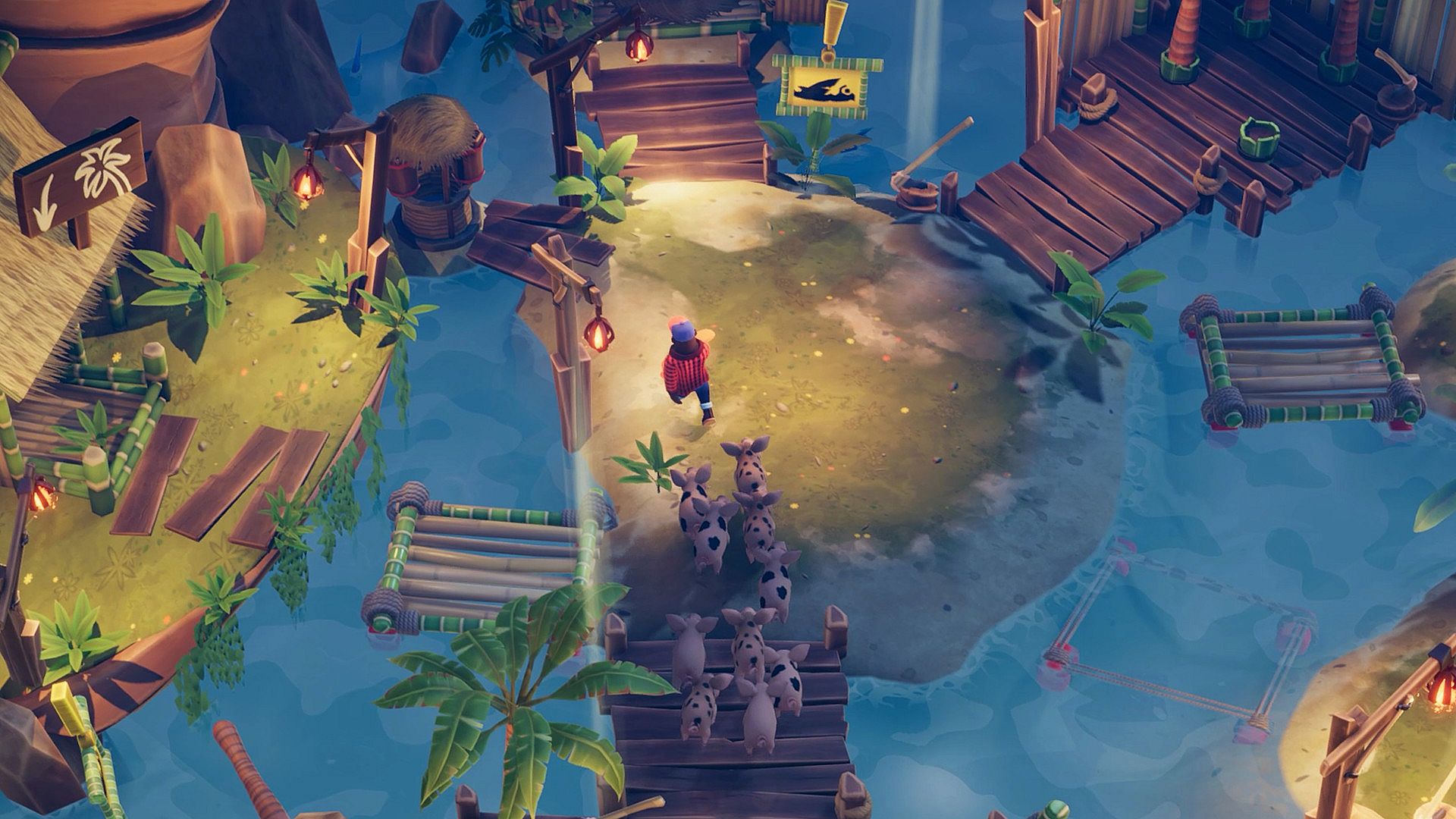
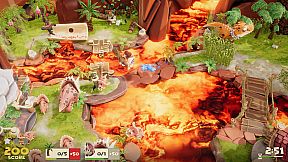
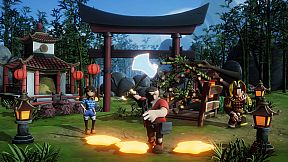
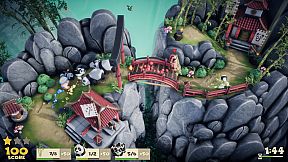
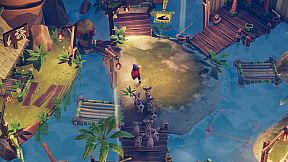
The core loop centers on fulfilling orders within strict time limits on each level. Lumberjacks swing axes to fell trees and gather wood, then chase and guide animals of various sizes back into enclosures. Movement feels responsive yet demands precision because maps include elevation changes and narrow paths that reward creative routing. Random events interrupt progress without warning, forcing players to adapt on the fly. Wildfires spread across terrain, meteor showers create hazards from above, and pirate attacks introduce aggressive interruptions that scatter progress. Dinosaurs roam certain areas and require evasion, while smaller creatures like monkeys add constant interference. Solo play emphasizes careful planning and efficient paths, whereas group sessions highlight coordination to divide tasks and recover from setbacks quickly.
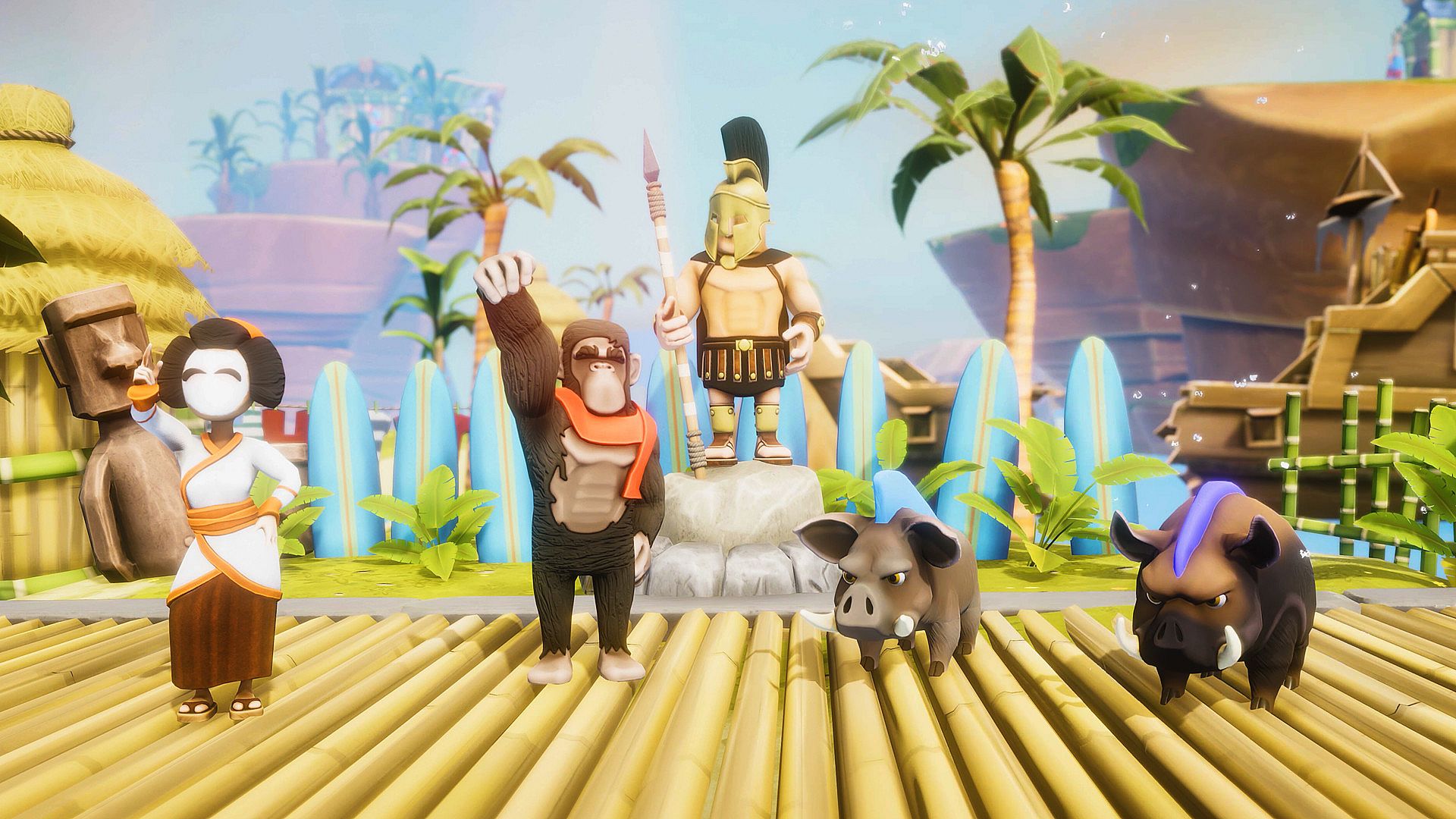
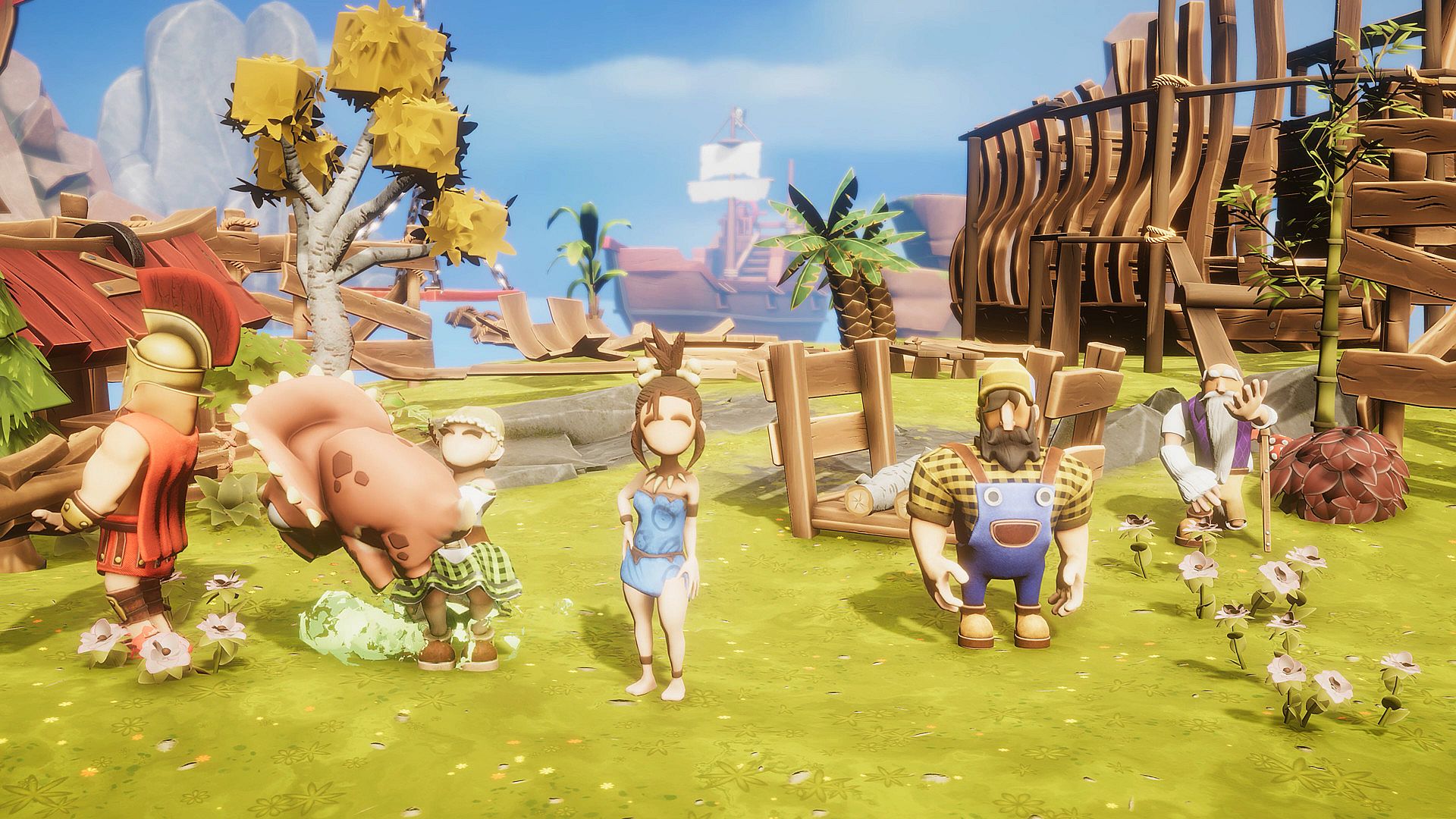
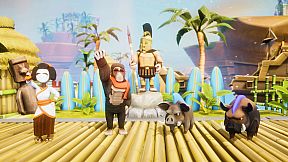
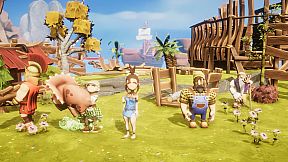
Progression unlocks new environments that introduce fresh mechanics and animal types. Some levels feature larger creatures that players can physically move or reposition, adding another layer to the herding element. The simulation aspects appear in how resources and time must be balanced against ongoing threats, encouraging repeated attempts to improve completion speed and efficiency. Visual variety comes from the changing backdrops that range from forests to more exotic or historical settings, keeping each run distinct.
Game Modes
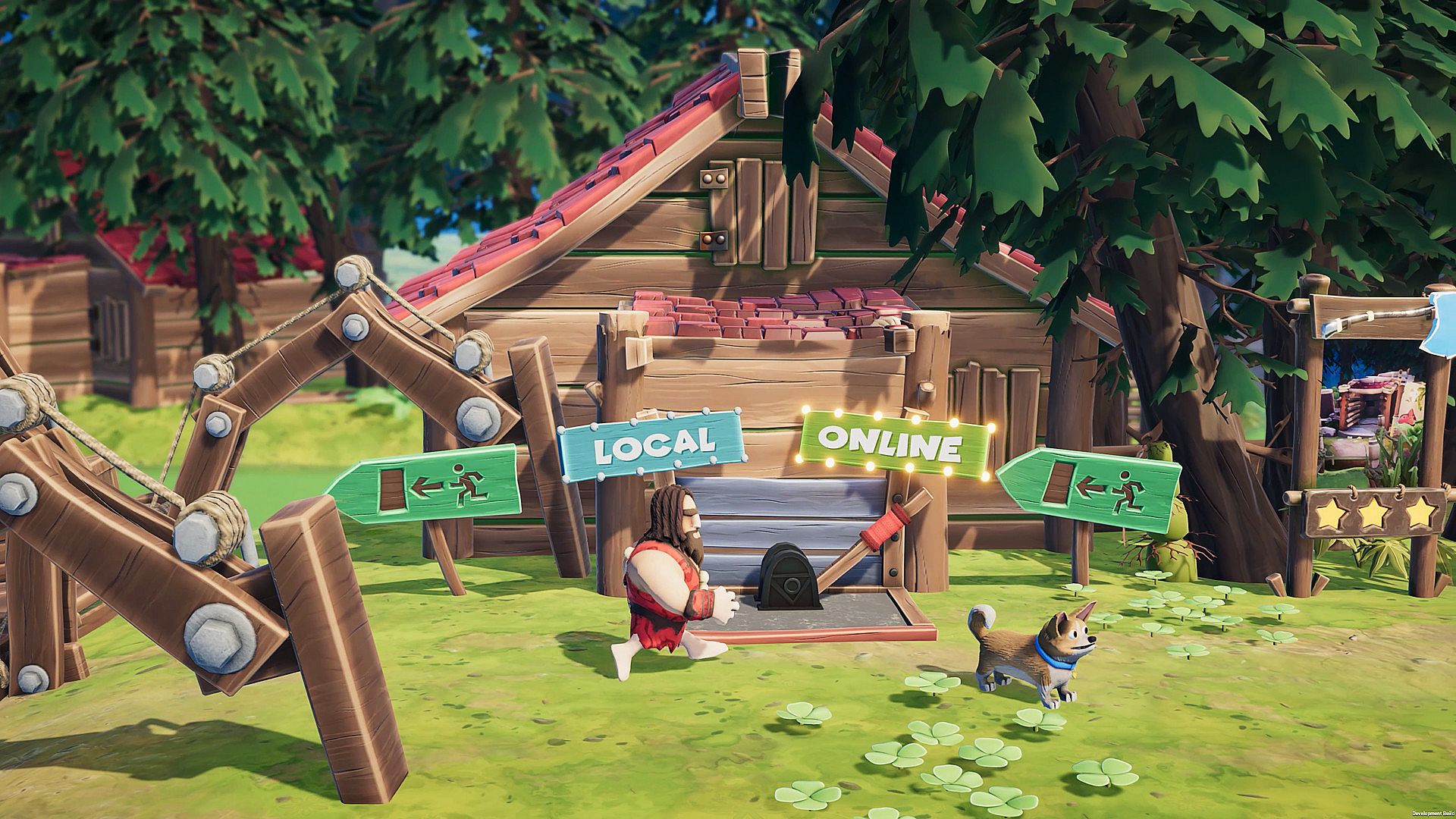
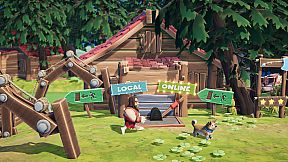
Cooperative play supports up to four participants through both local split-screen and online connections. Friends work together to meet objectives before the timer expires, sharing responsibilities for chopping, herding, and reacting to events. The same framework allows competitive sessions where participants switch roles to hinder one another, such as controlling disruptive animals to block task completion. Solo mode removes the social element entirely and lets a single player tackle the full campaign of time-limited stages at their own pace. Each mode draws from the same pool of levels but changes the emphasis from collaboration or rivalry to individual execution.
Local co-op works well for shared-screen setups on the same device, while online options extend the experience across distances. PvP introduces direct interference mechanics that turn the maps into arenas for disruption rather than pure task completion. The structure keeps all modes tied to the central objective of finishing orders under pressure, with only the player count and intent shifting the dynamic.
Progression and Variety
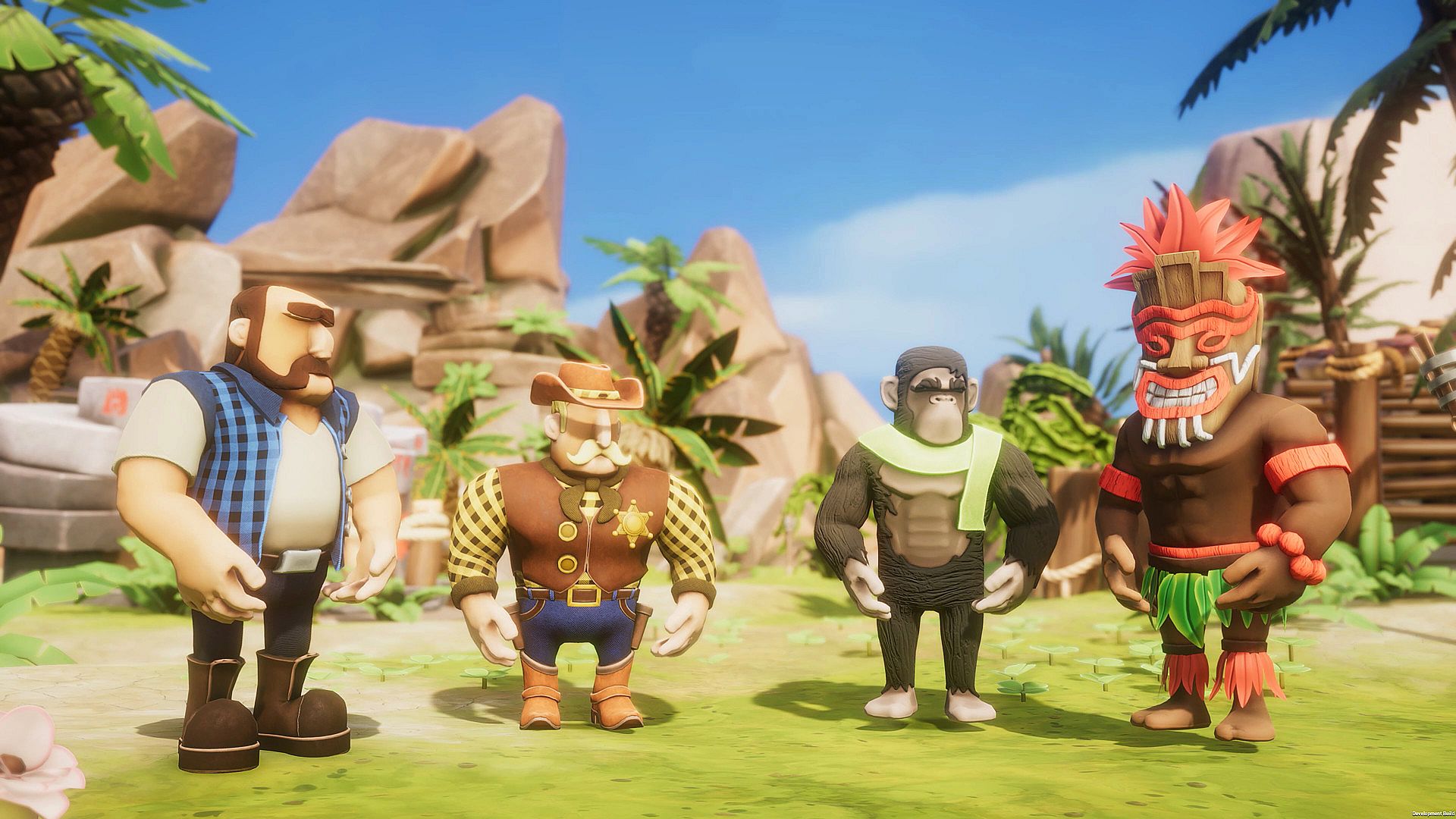
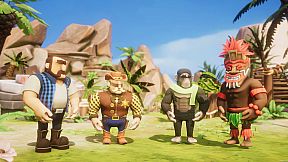
Advancing through the campaign reveals additional worlds that alter the visual style and introduce unique challenges. New animal behaviors and environmental hazards appear as players move forward, expanding the range of situations that require quick adaptation. Unlockable skins provide cosmetic options that personalize lumberjack appearances without altering core mechanics. The overall structure rewards exploration of alternate routes on familiar maps, since direct paths often prove insufficient when events activate. This variety prevents repetition across the campaign while maintaining focus on the same fundamental actions of chopping and herding.
Is It Worth Playing?
Lumberhill suits players who enjoy short, repeatable sessions centered on coordination and reaction under time pressure. The mix of simulation management and action elements appeals to those who like party-style games that can be picked up quickly yet demand practice for higher performance. Steam user reviews stand at Mostly Positive, reflecting appreciation for the chaotic humor and replayability in groups. The game runs on standard PC hardware and includes both single-player and multiplayer options without additional purchases required for the base experience. Those seeking relaxed solo runs or intense competitive matches with friends will find consistent value in the level variety and event system. The title remains available at its original price point with no reported ongoing seasonal content, making it a straightforward purchase for fans of the genre.














