

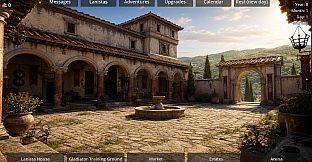

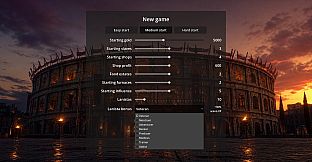
Ludus Manager: Gladiator Tycoon is a simulation game centered on running a gladiator training facility known as a ludus. Players step into the role of a lanista who recruits fighters, oversees their development, and sends them into combat for profit and prestige. The title blends economic management with tactical decisions about training and equipment, all set against the backdrop of arena battles that determine long-term success.
Gameplay
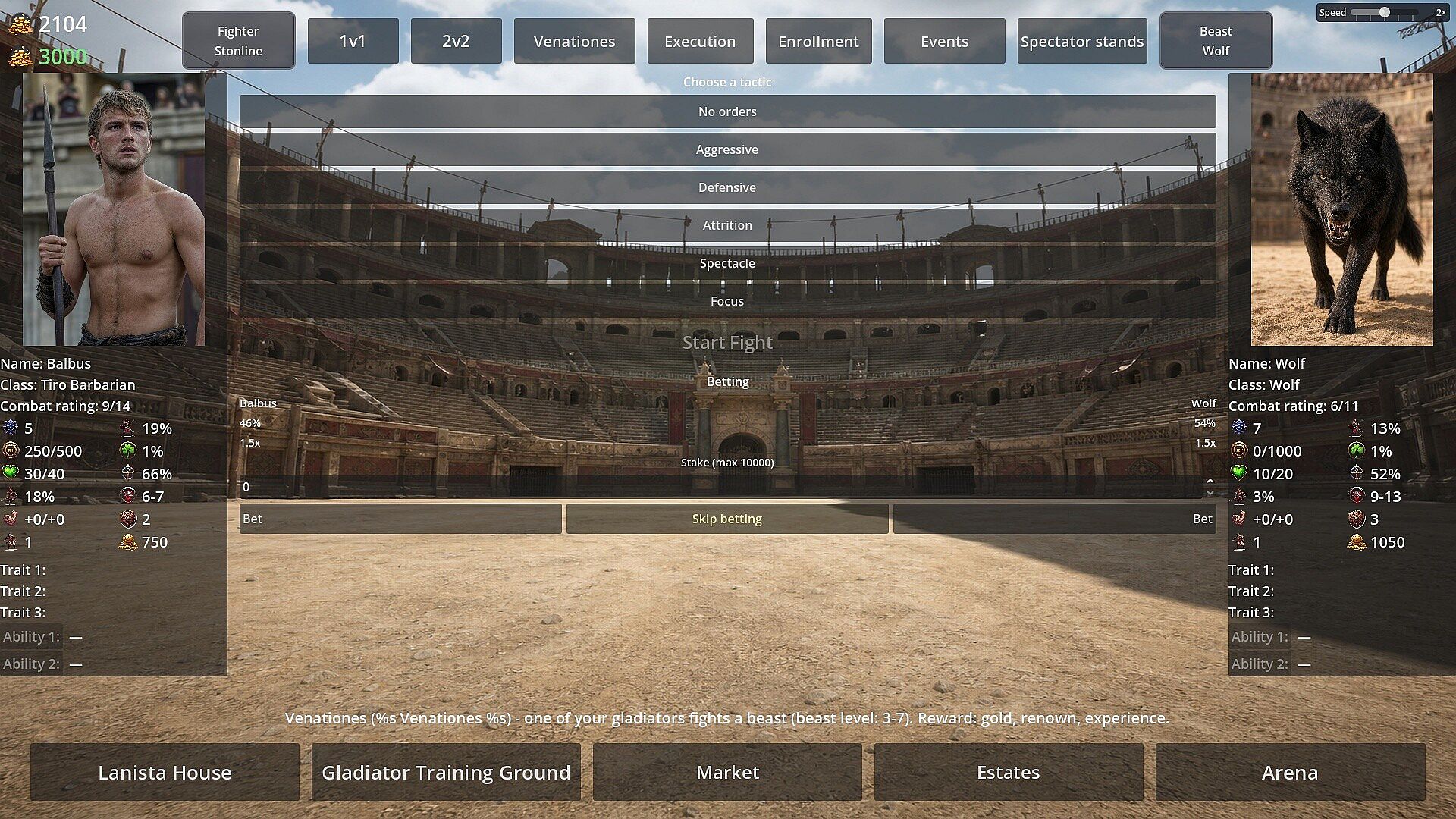
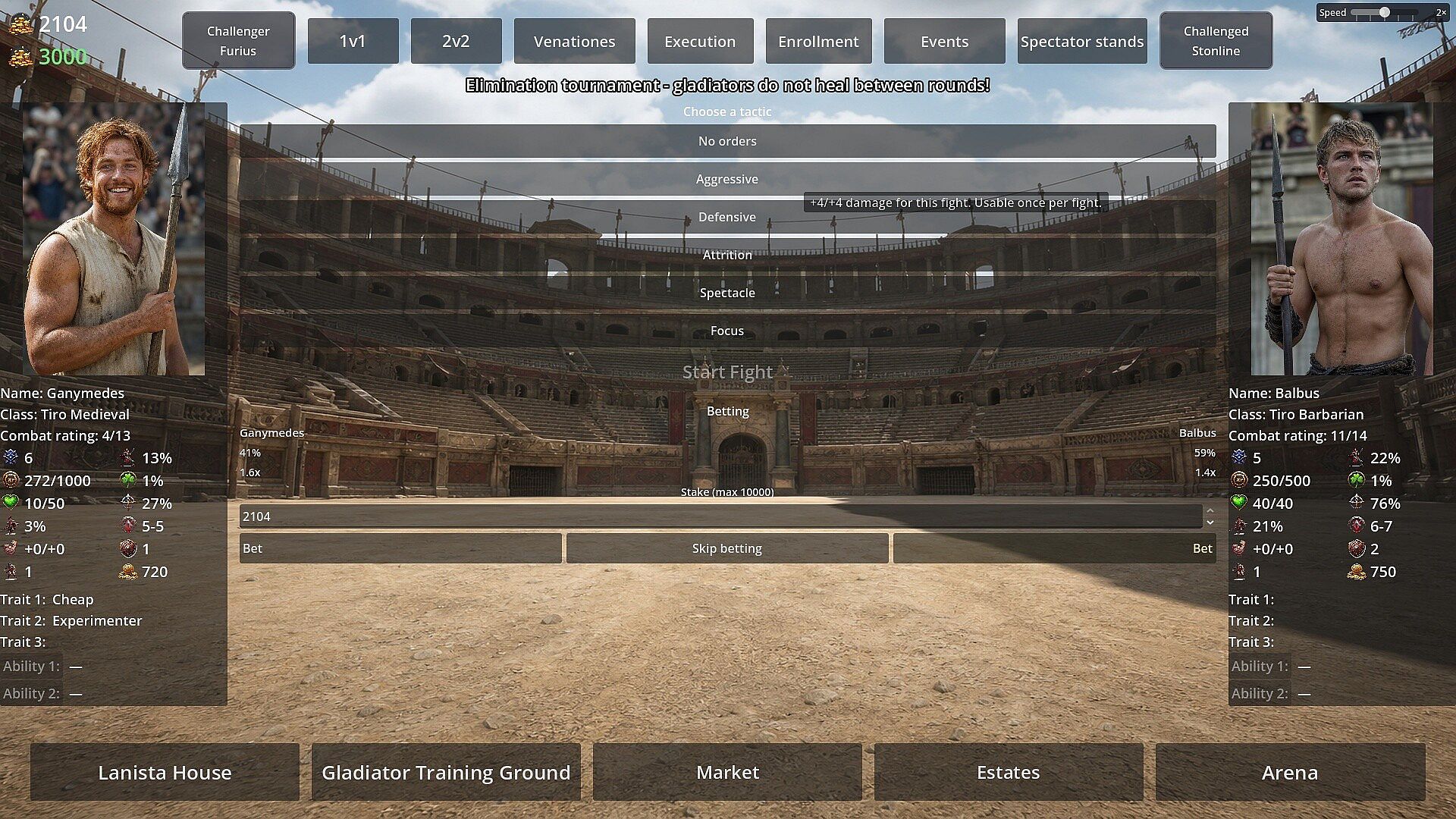
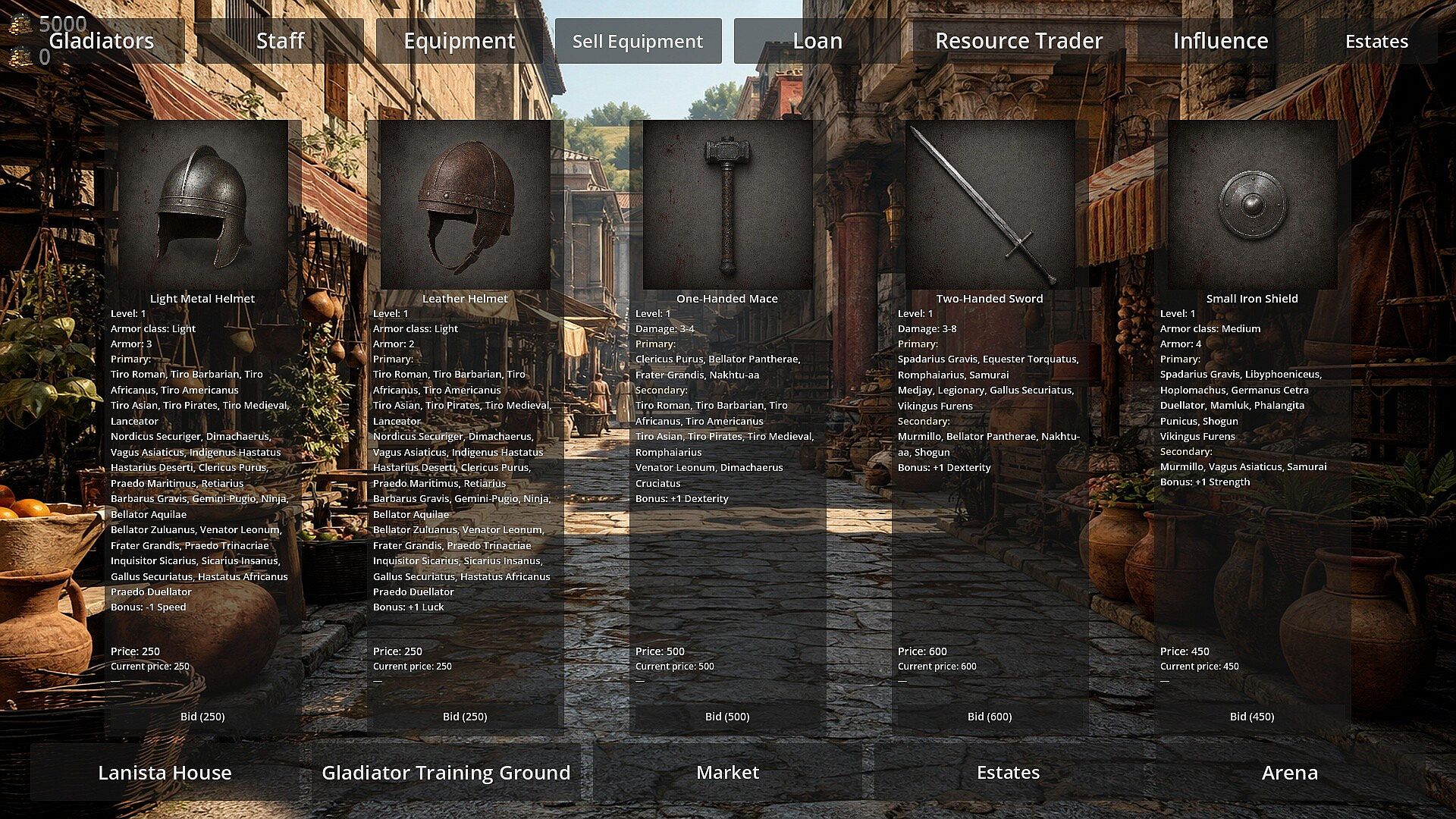
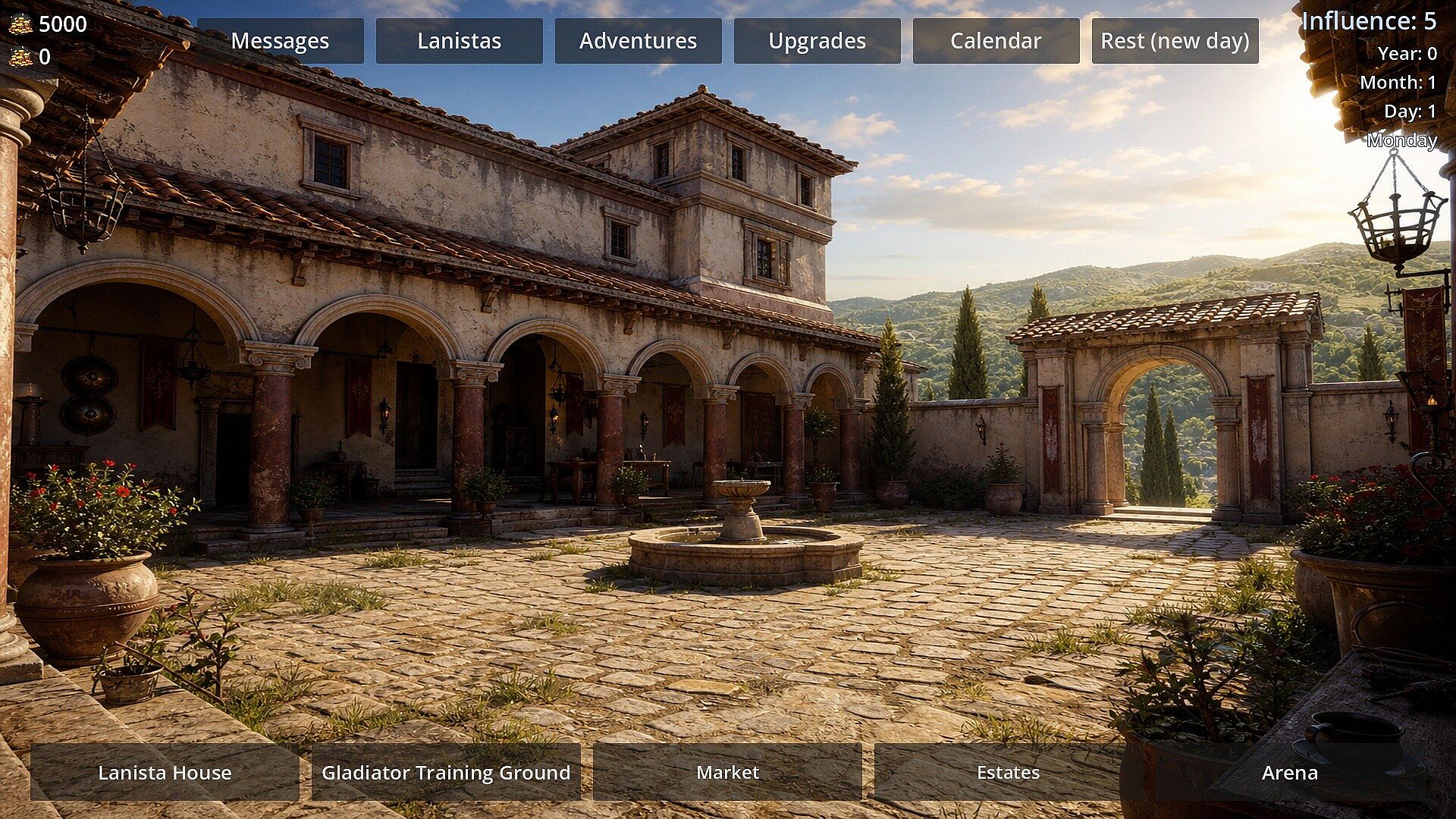
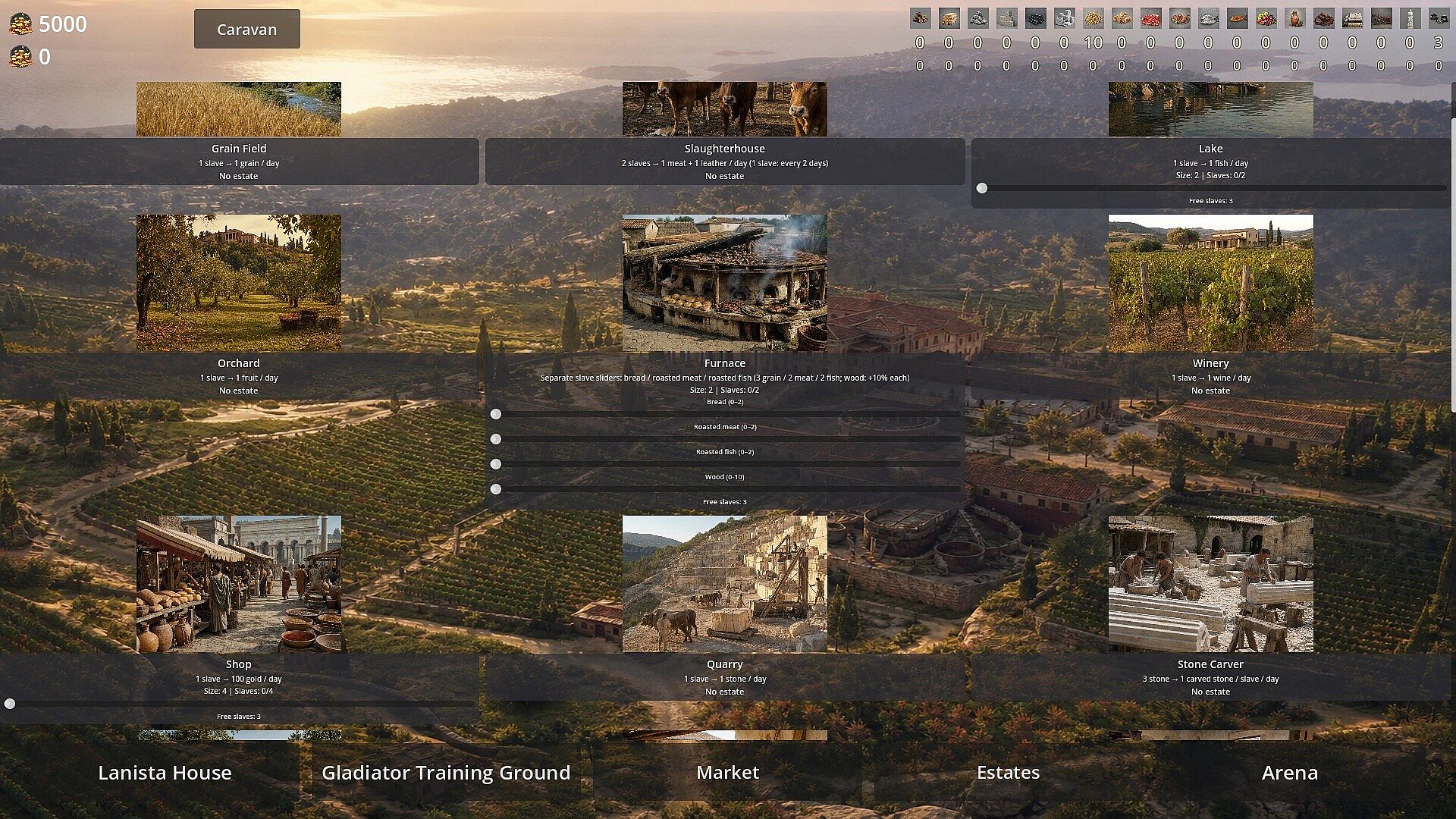
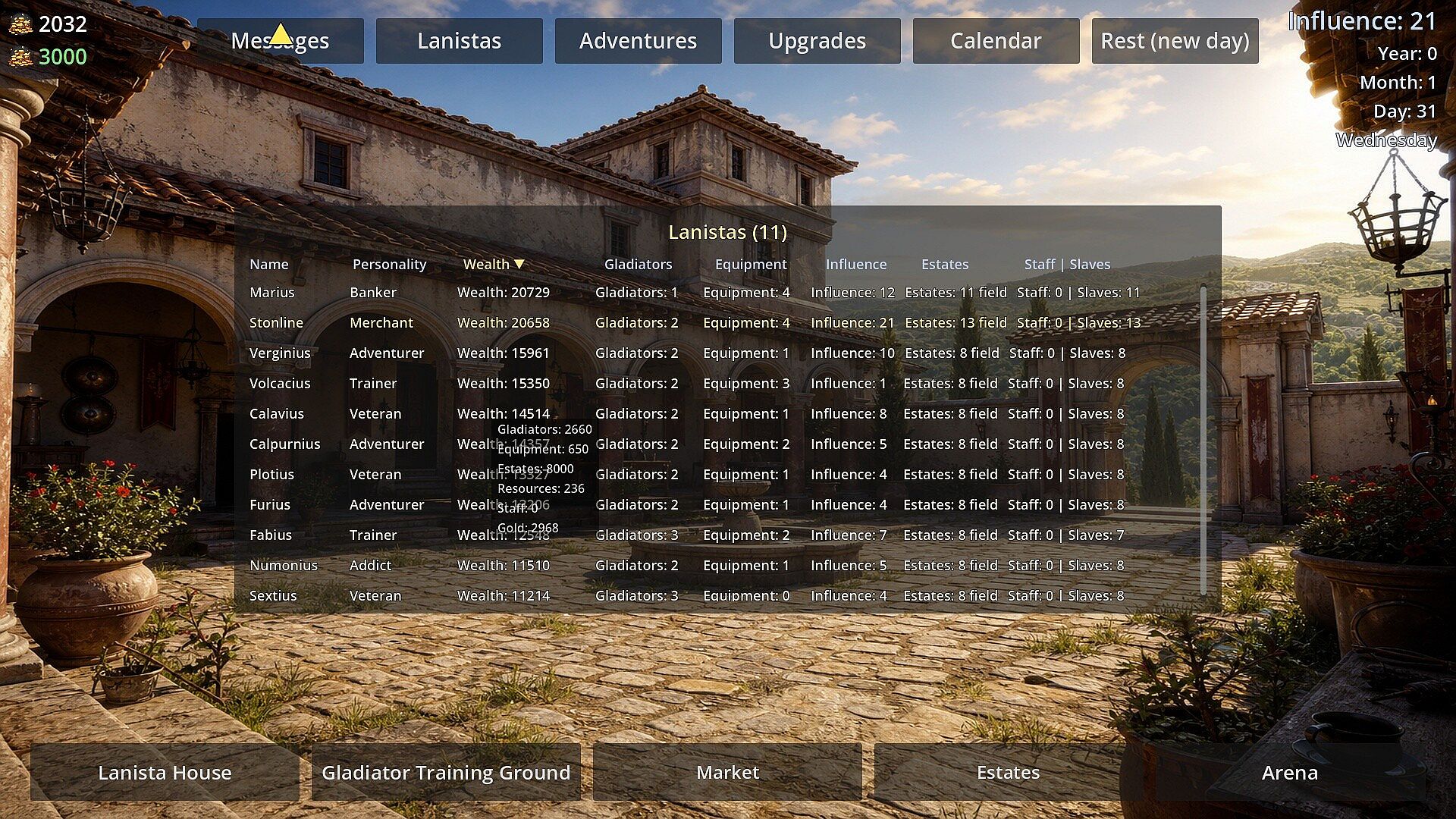
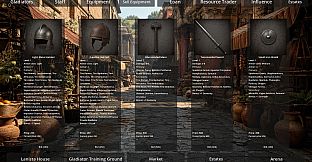
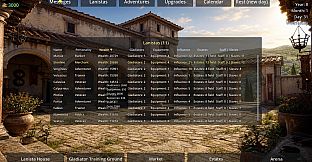
The core loop revolves around building and maintaining a roster of gladiators drawn from diverse historical and cultural backgrounds. Fighters include Celtic warriors, barbarian tribesmen, African and desert specialists, Asian martial artists, pirates, medieval knights, Vikings, and Incan soldiers among many others. Each belongs to one of dozens of distinct classes that dictate available gear, fighting style, and battlefield role. Daily operations require balancing finances through market purchases for weapons and armor while expanding personal estates to generate steady income. Fighters gain experience over time, unlocking new abilities and allowing the ludus itself to grow in scale and capability. Rival lanistae operate in the same environment, creating ongoing pressure to make sound choices in recruitment, spending, and risk assessment outside of direct combat.
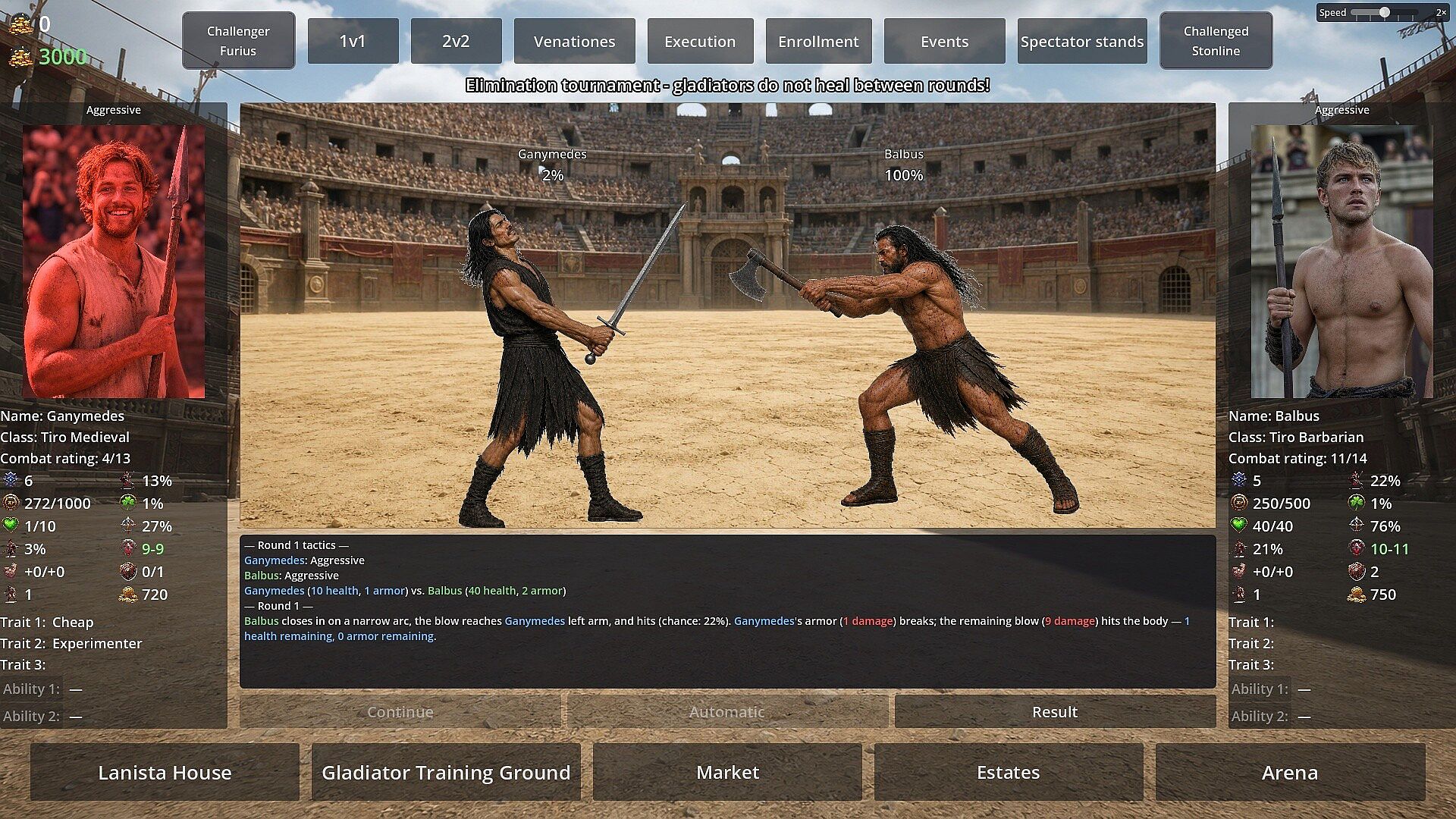
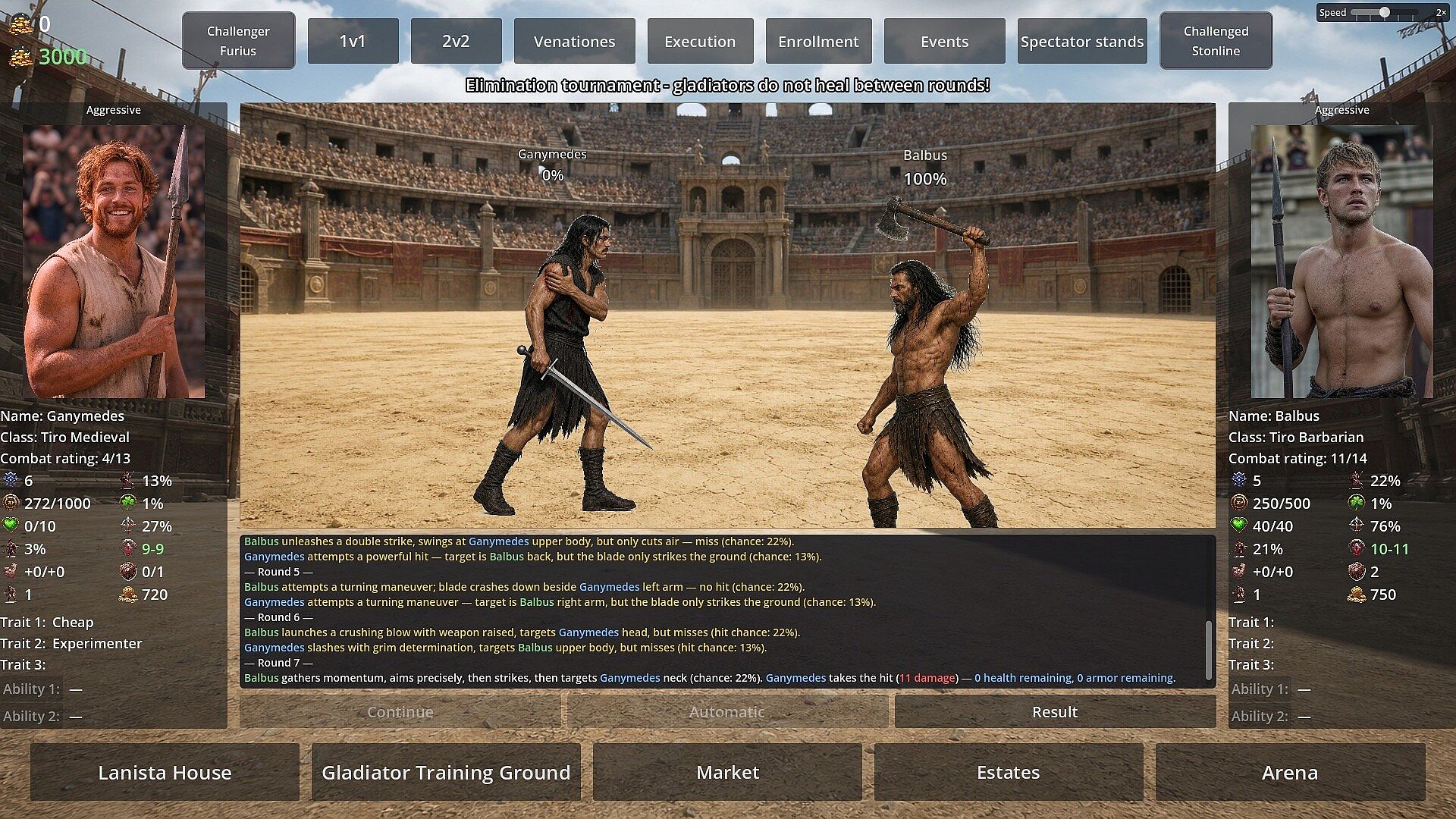
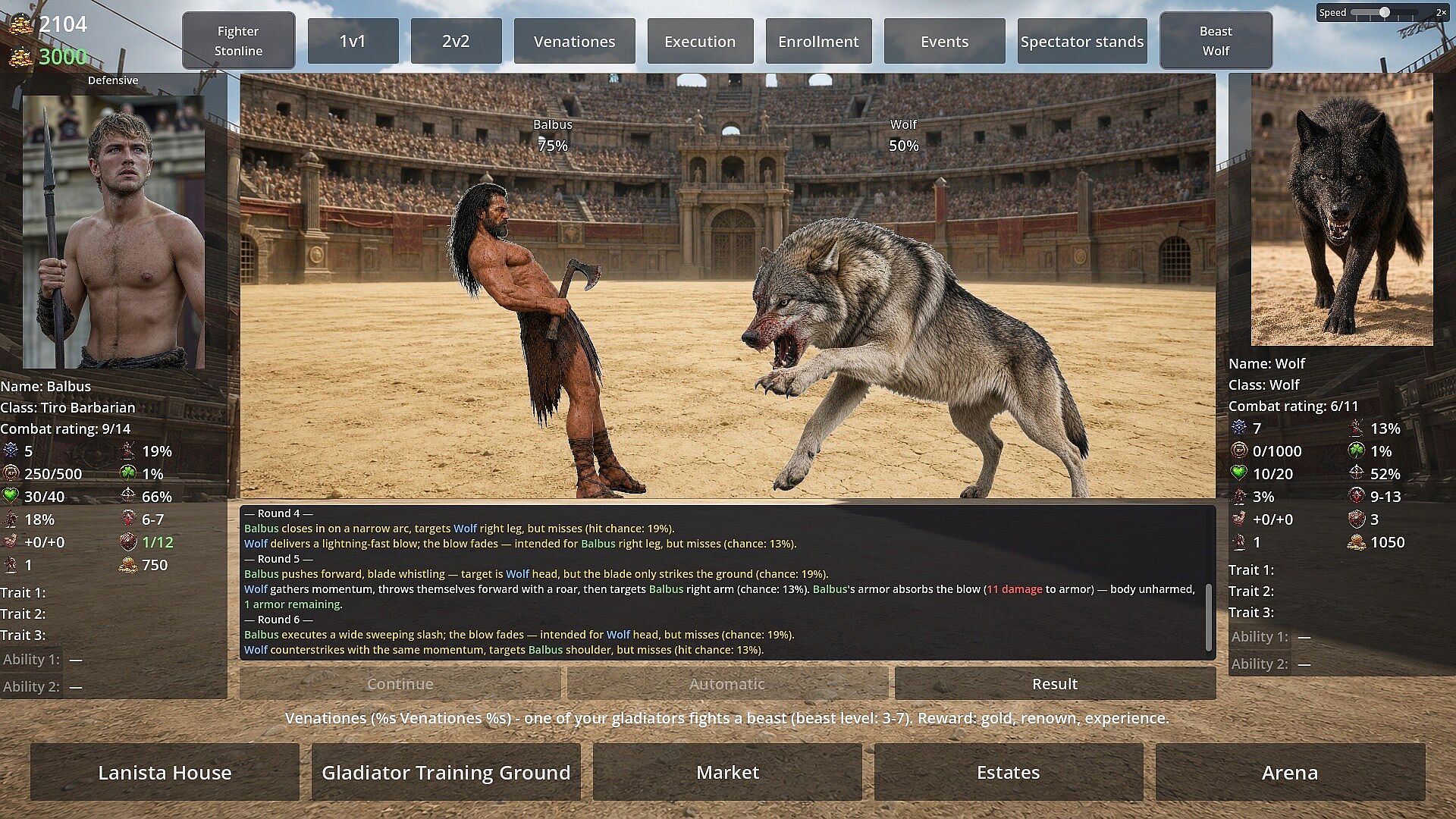
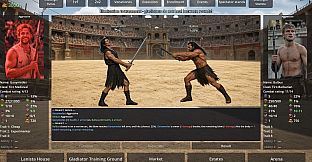
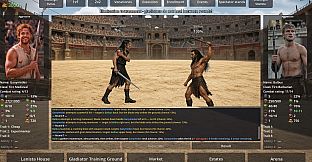
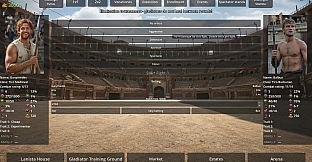
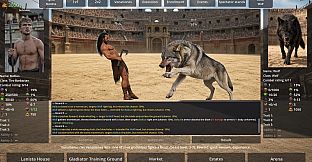
Combat resolution combines strategic preparation with visual feedback. Battles appear as side-view silhouette duels where equipment choices, class-specific skills, and overall fighter condition determine outcomes. Success yields wealth and reputation, yet repeated victories demand careful roster management to avoid overextending resources or exposing key assets to injury.
Game Modes
Players participate in scheduled arena events that range from individual matches to larger tournaments. Championships provide structured competition with escalating rewards for consistent performance across multiple fights. Separate adventure expeditions send individual gladiators or small groups into riskier scenarios that can deliver substantial payouts or unique progression opportunities. These modes operate alongside the ongoing management of the ludus, forcing decisions about which fighters to deploy and when to conserve strength for upcoming events. The system emphasizes long-term planning because a single loss can remove a developed fighter from the roster permanently.
Progression and Economy
Advancement occurs through steady accumulation of experience points that improve individual fighters and unlock additional class options for future recruitment. The economic layer involves monitoring cash flow, negotiating at the market for better equipment, and investing in estate upgrades that provide passive revenue. These systems interconnect directly with arena performance, as stronger gear and higher levels increase survival chances while also raising the costs of maintaining a competitive stable. Rival interactions add another dimension, requiring players to anticipate market shifts and competitor strategies to stay ahead.
Is It Worth Playing?
This simulation appeals to players who enjoy detailed management titles that combine resource allocation with occasional tactical combat. The emphasis on roster building, financial oversight, and multi-phase events creates a steady cycle of preparation and payoff. Those interested in historical fighter variety and the tension between short-term arena risks and long-term ludus growth will find the structure engaging. With a planned release in September 2026, the game targets enthusiasts of strategy and tycoon mechanics who value deliberate decision-making over fast-paced action. Early visibility on distribution platforms indicates active development, and the described systems suggest a focused experience for fans of the genre.