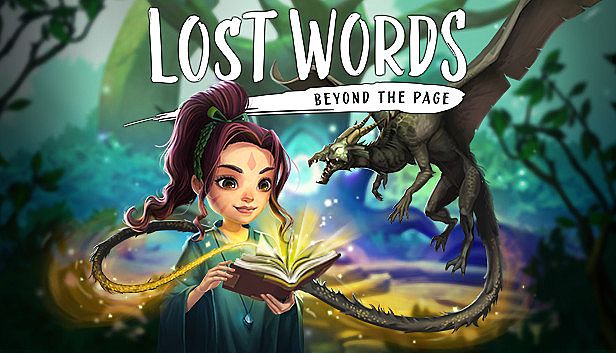















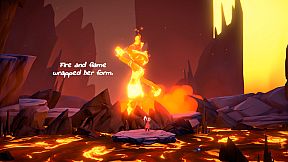
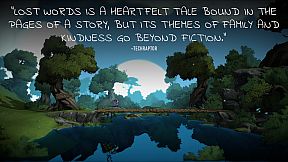
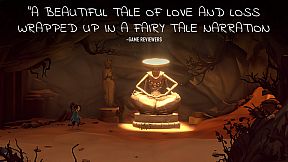
Lost Words: Beyond the Page stands as a narrative adventure game that blends platforming and puzzle elements within a personal story framework. Players follow the experiences of a young girl named Izzy through entries in her diary, moving between the pages of that diary and a fantasy realm called Estoria where words carry literal power. The game runs on PC and falls into the action, indie, casual, and adventure genres, emphasizing exploration and emotional progression over intense action or competition.
Gameplay
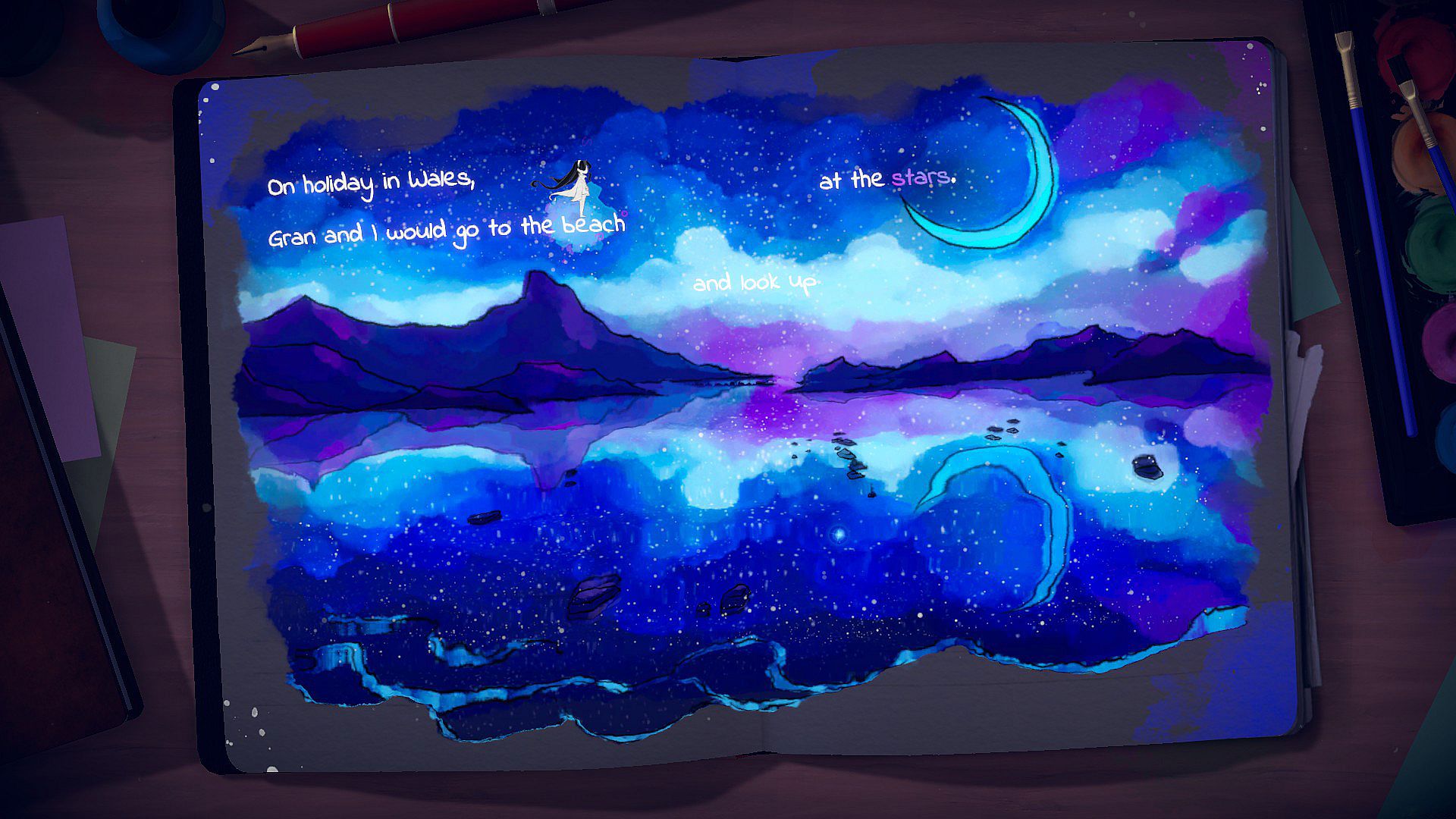
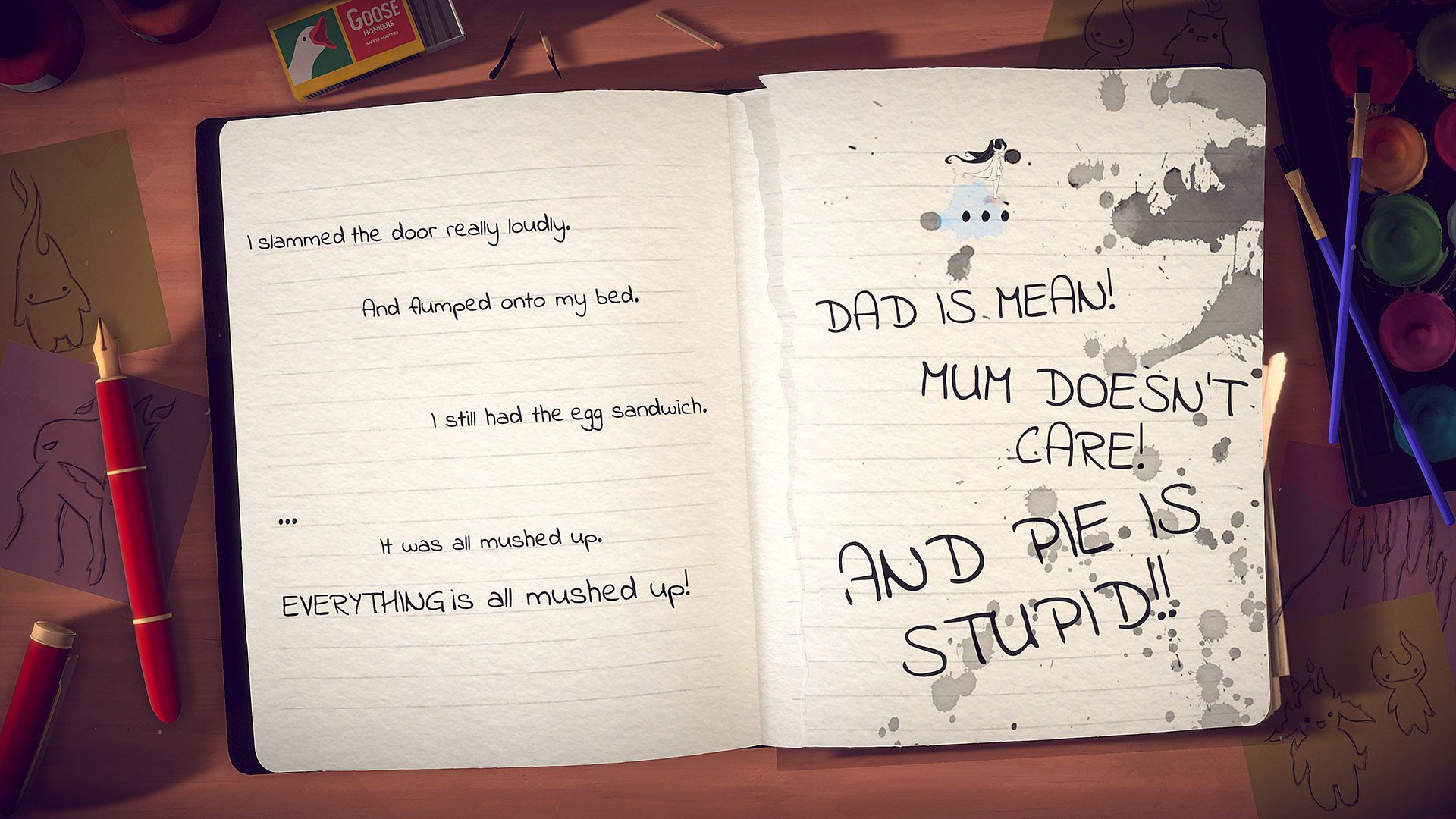
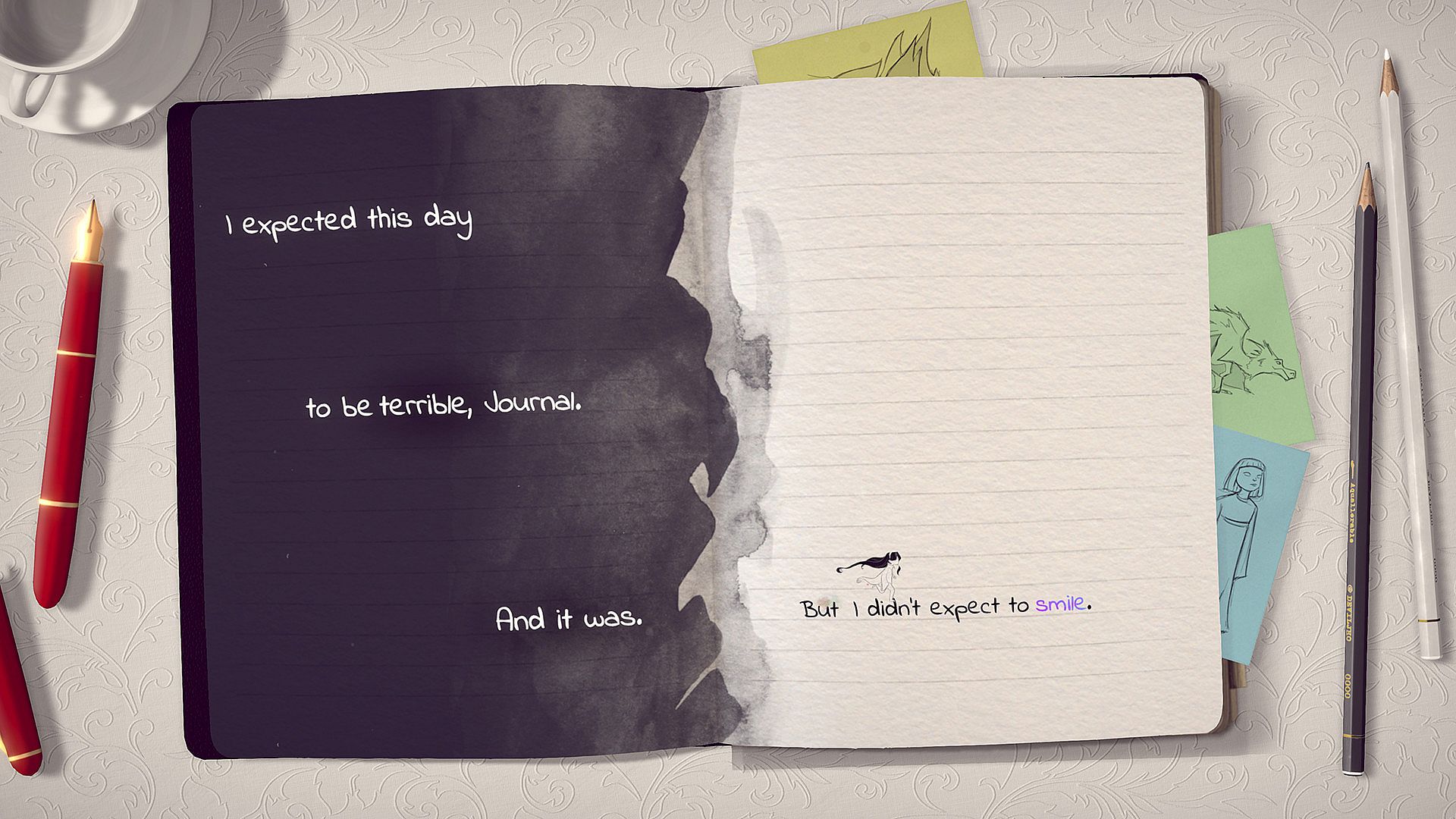
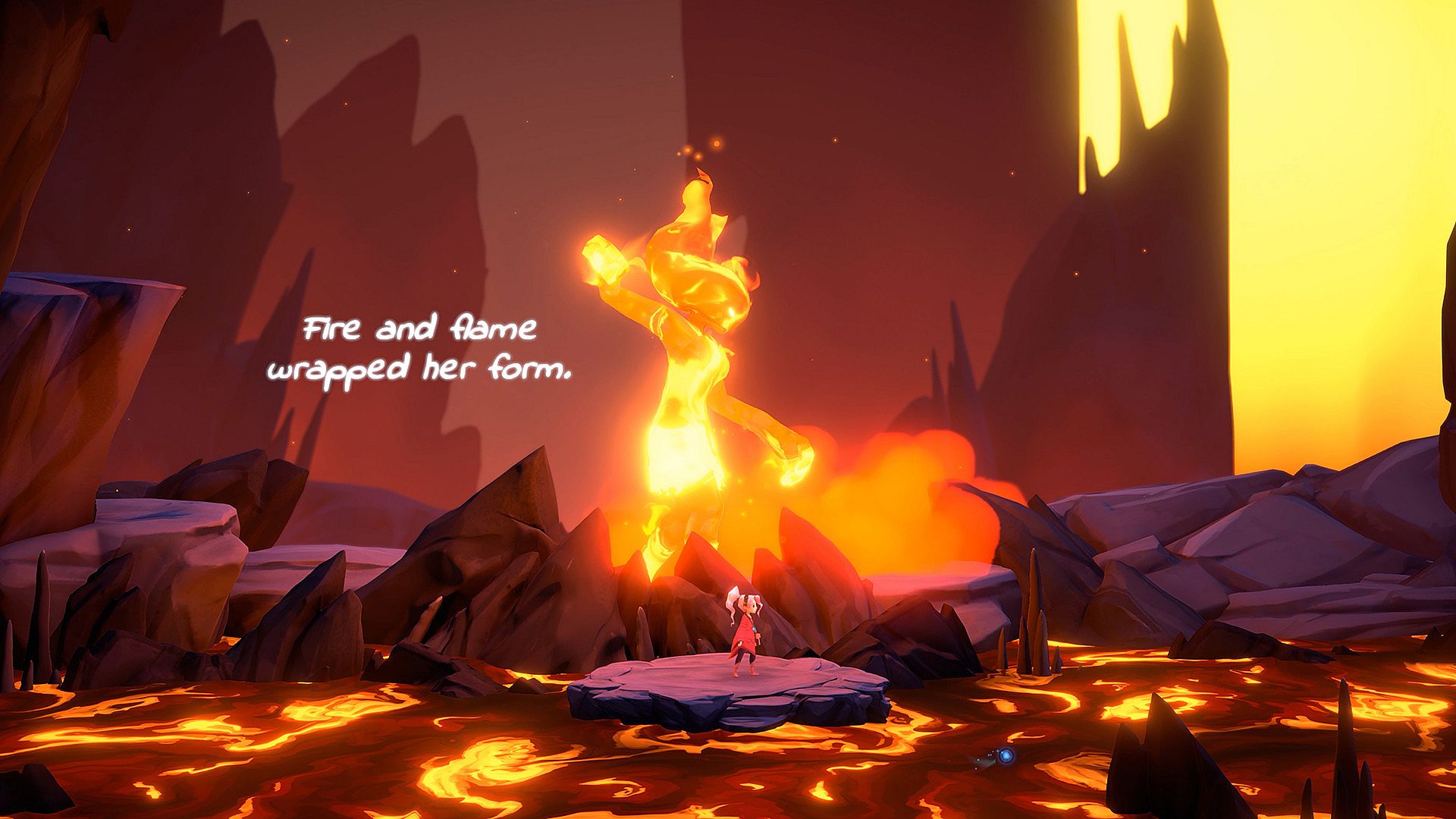
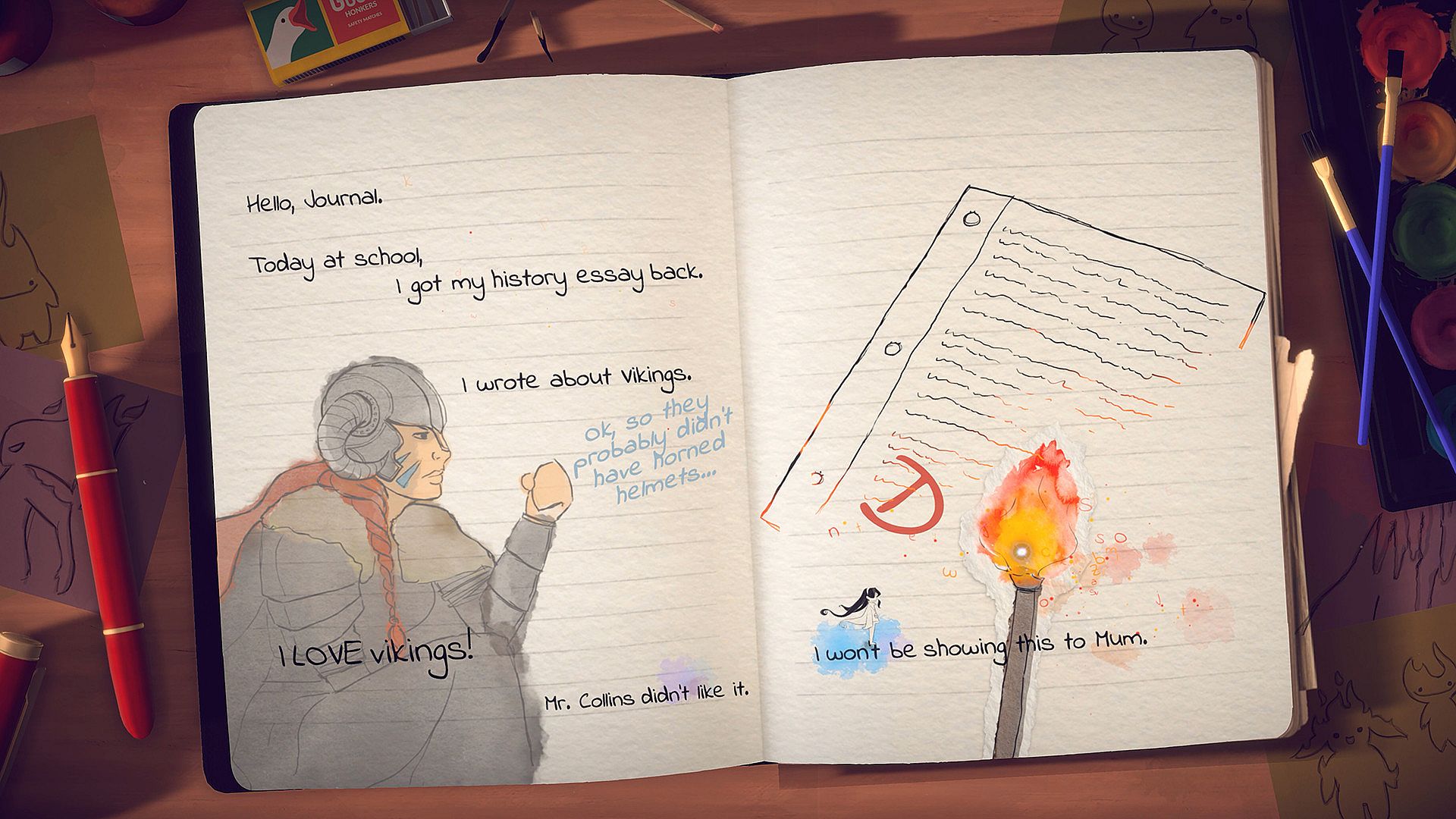
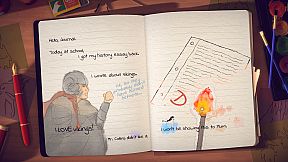
The core loop centers on navigating two-dimensional environments by interacting directly with text. In the diary sections, players walk along lines of words that form paths and platforms. These words can be rearranged or activated to create new routes or overcome obstacles. The fantasy world of Estoria expands this system, allowing word-based magic to reshape terrain, form bridges, or clear hazards. Puzzles remain gentle and focus on observation rather than precision timing or complex sequences. Controls stay straightforward, supporting steady forward movement and simple interactions that suit shorter play sessions. Collectible fireflies appear throughout Estoria levels, providing optional objectives that encourage thorough exploration without altering the main path.
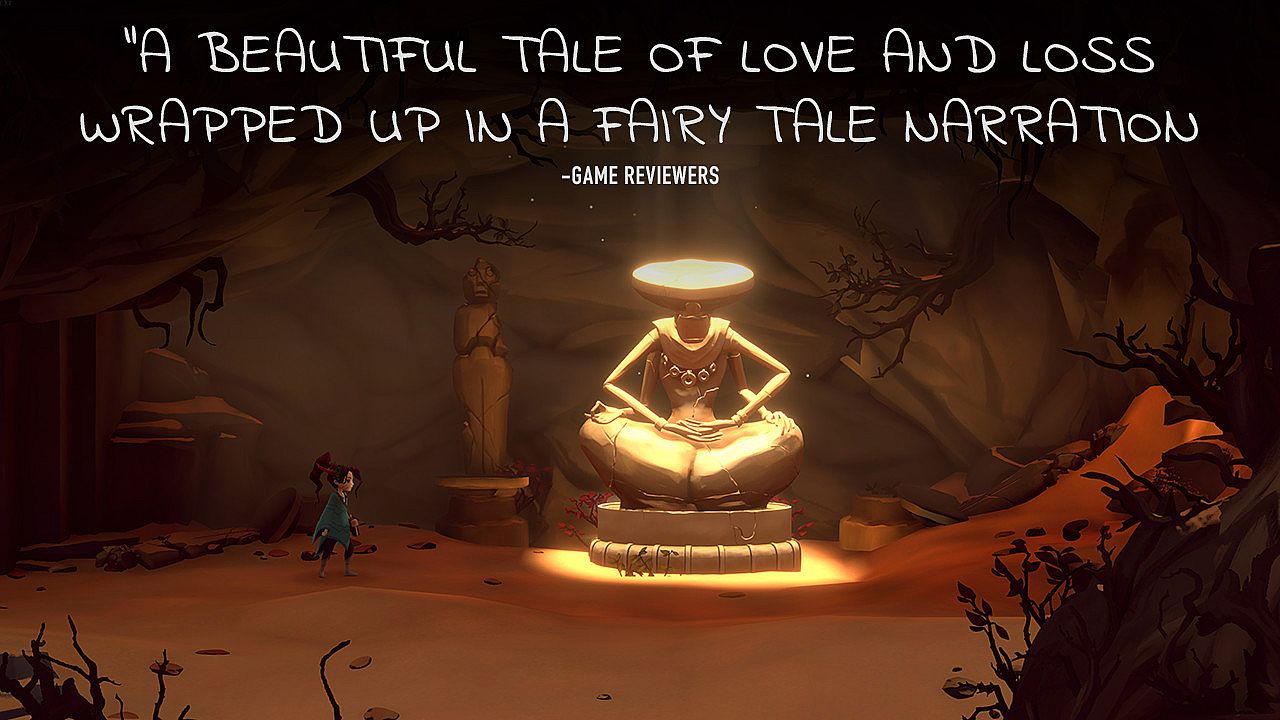
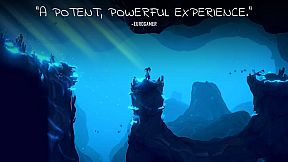
Voice acting brings the narrative to life, with full dialogue that responds to player choices. These decisions influence how events unfold and how certain characters react, though the overall structure stays linear. Technical elements include watercolor-style visuals that shift between muted diary tones and brighter fantasy hues. The experience avoids high difficulty spikes, making it accessible for those new to platformers or seeking a relaxed pace.
Game Modes
The game operates as a single-player experience with no separate competitive or cooperative modes. The primary structure follows a continuous story campaign divided between diary navigation and Estoria exploration. Player choices within conversations and key moments create variations in dialogue and minor story branches, encouraging replay for different narrative outcomes. No additional game modes such as time trials, survival challenges, or multiplayer options exist. The focus remains on completing the central narrative arc while gathering optional collectibles during a single playthrough or subsequent runs.
Story and Presentation
The narrative follows Izzy as she processes personal challenges through her writing. Renowned writer Rhianna Pratchett shaped the script, resulting in fully voiced scenes that cover themes of growth, family, and emotional hurdles. The diary serves as both setting and mechanic, with text literally guiding progress. Estoria represents the imaginative escape where these words gain physical form and influence. Visual design relies on hand-painted watercolor aesthetics that give both worlds a soft, artistic quality. Audio supports the mood with a fitting score that adapts to quiet reflective moments and more active sequences.
Is It Worth Playing?
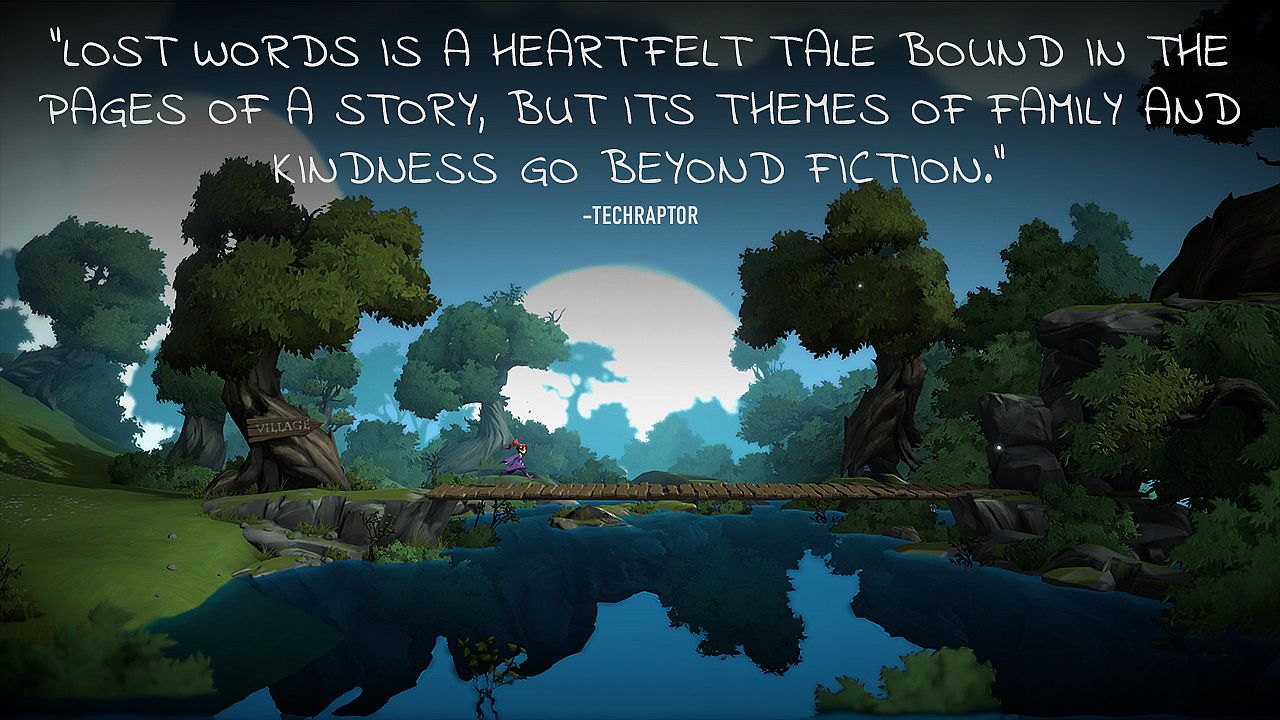
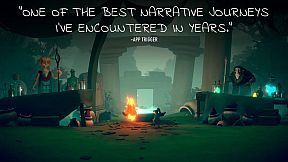
Player feedback on Steam shows very positive reception, with 94 percent of 634 reviews rating the game favorably. Reviewers often highlight the strength of the writing and the unique word-based platforming as standout features. The game suits individuals who prioritize story and atmosphere over mechanical challenge or lengthy campaigns. Its short length and gentle difficulty make it appropriate for casual players or those interested in narrative adventures similar to walking simulators. No post-launch seasons or major updates have altered the core content since release, leaving the experience as a self-contained title. Those who enjoy emotional storytelling paired with light puzzle-platforming will find the most value here, while players seeking high difficulty or extensive replay systems may prefer other options.