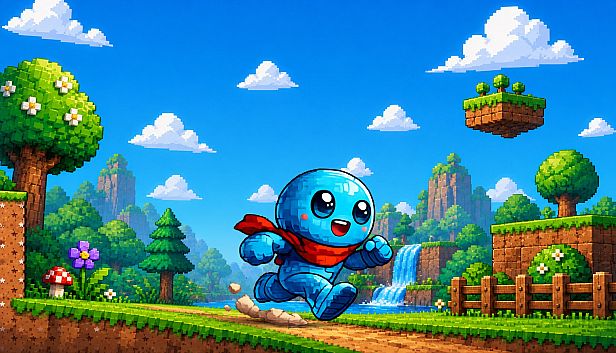



Loop Dash is an action and casual precision platformer developed for Xbox One and Xbox Series consoles. The game centers on fast, skill-based challenges where players guide an automatically running character through tight sequences of jumps and dashes. Released in June 2026, it emphasizes short sessions built around repeated attempts to clear individual stages rather than long campaigns or open exploration.
Gameplay
The core loop revolves around automatic forward movement that reverses direction upon hitting walls. Players manage only two inputs: a jump for vertical clearance and a dash for horizontal bursts or momentum shifts. This setup forces constant anticipation of upcoming obstacles, as the character never stops unless a hazard ends the attempt.
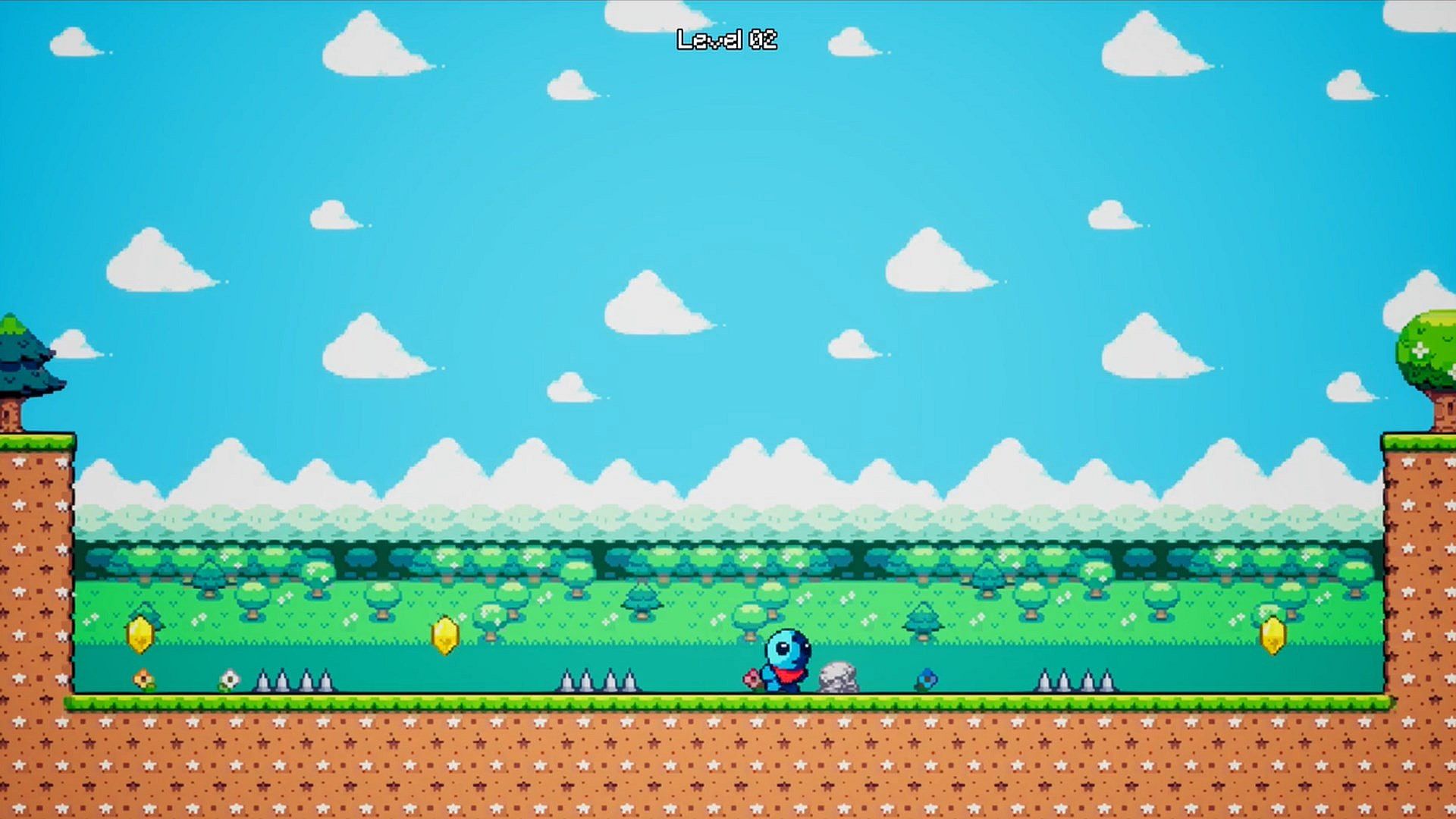
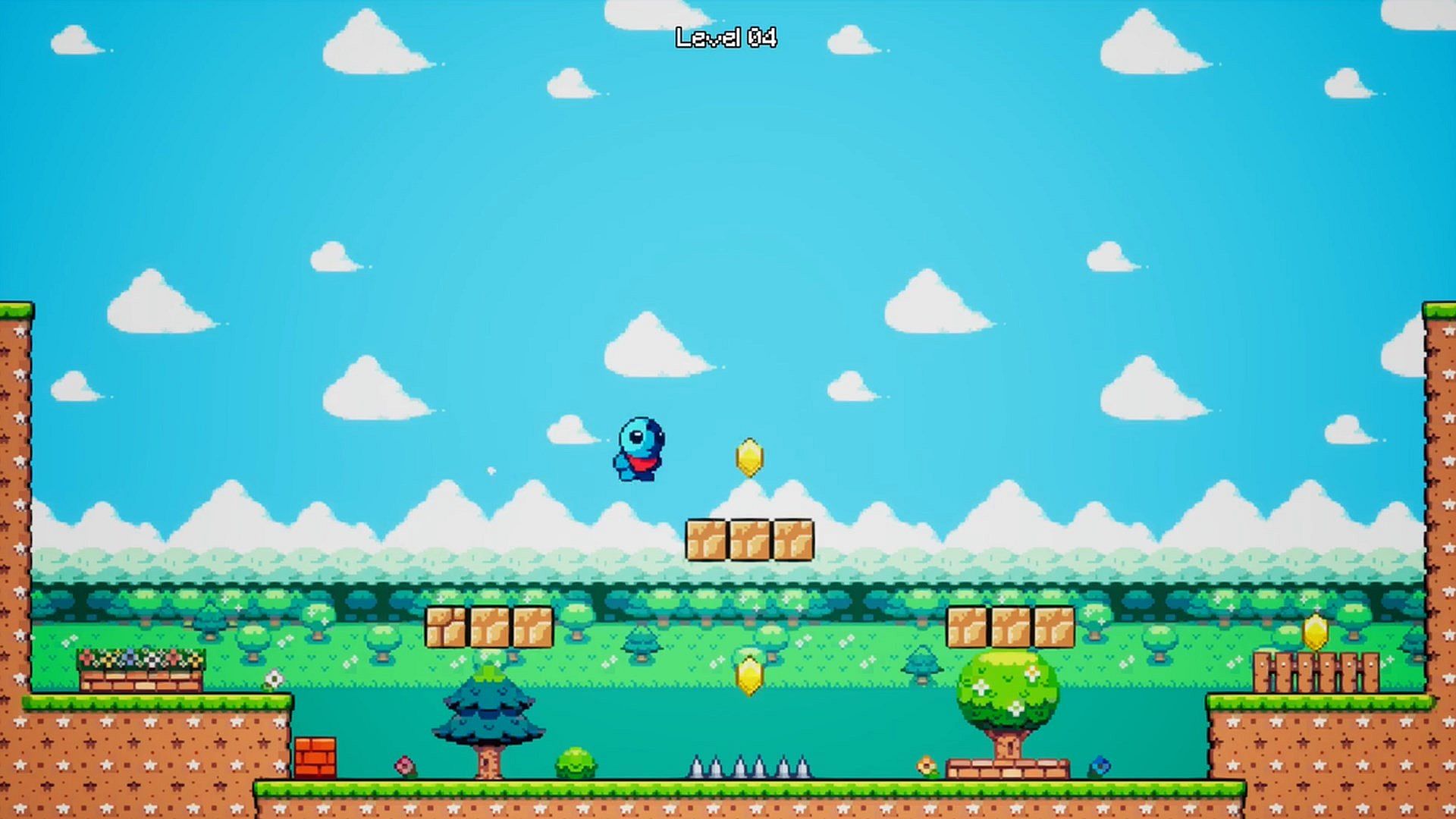
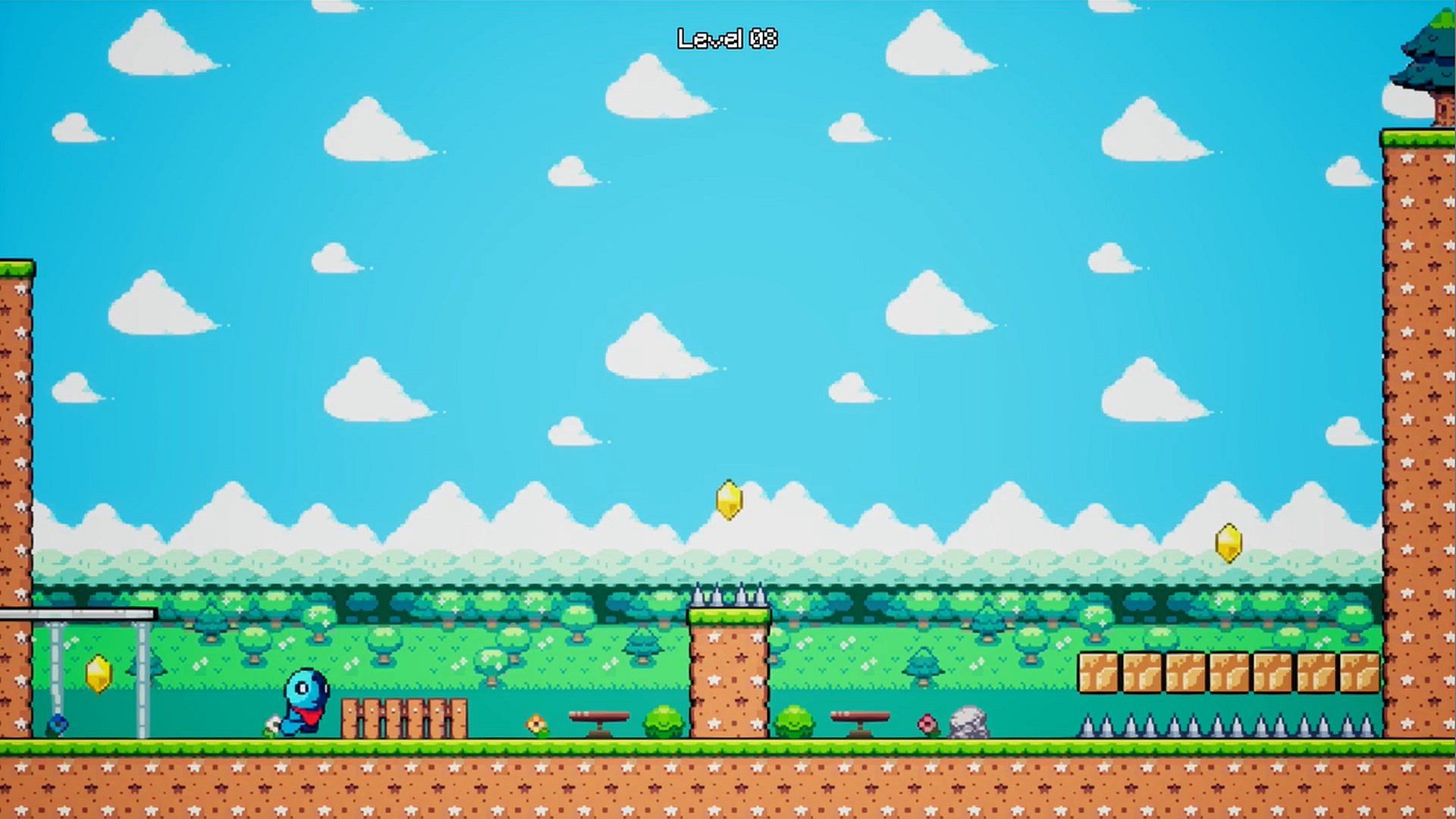
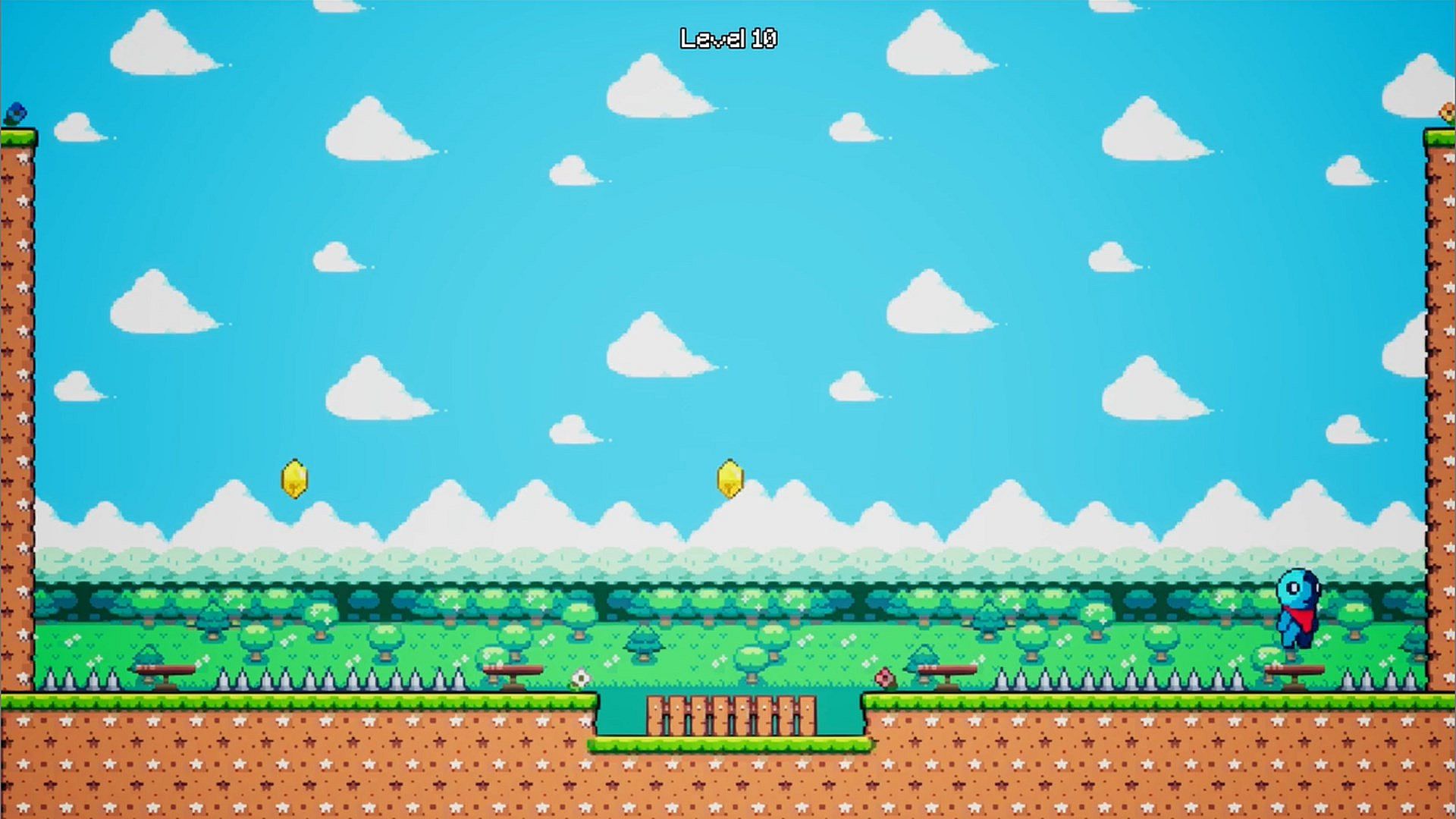
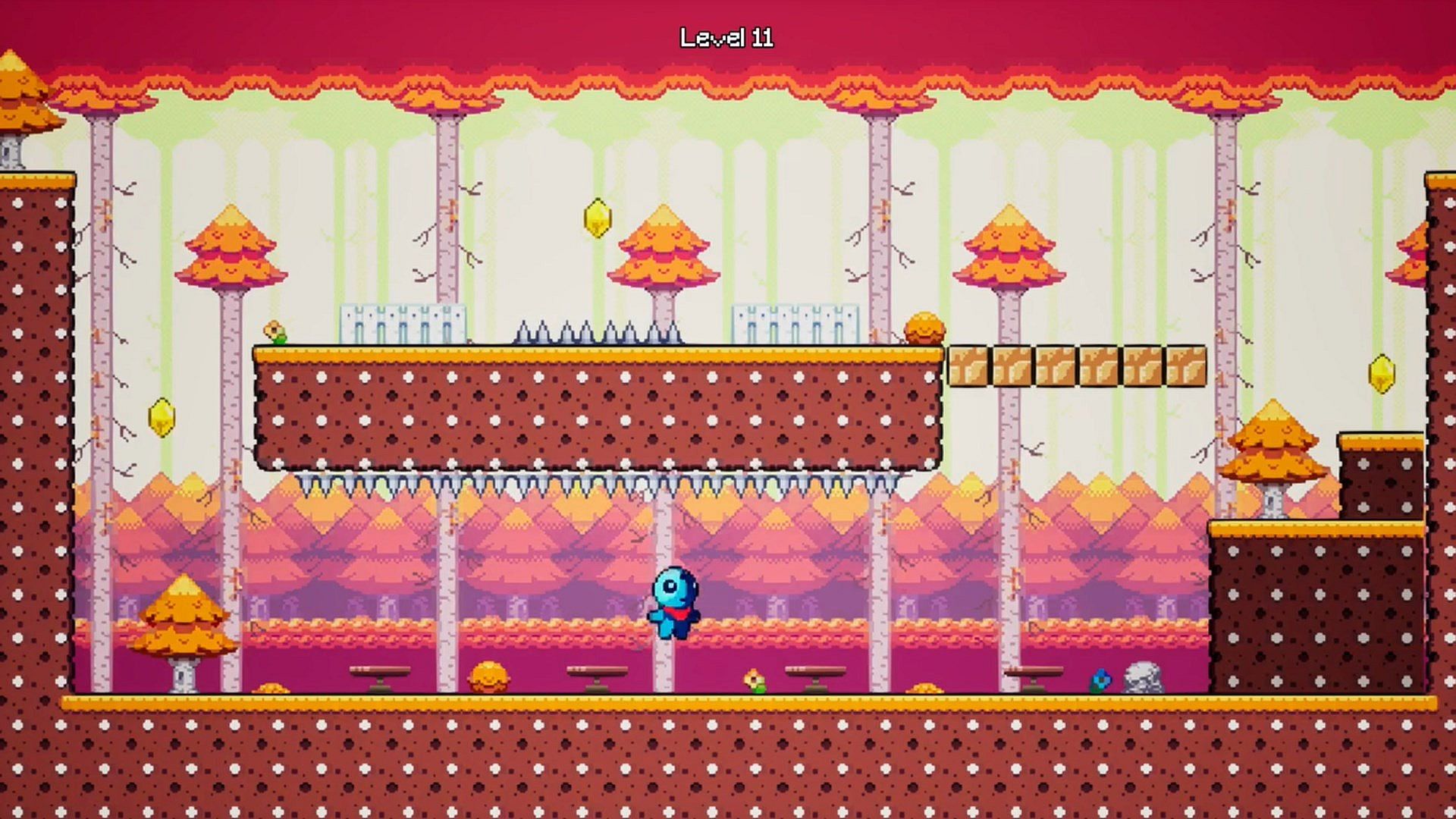
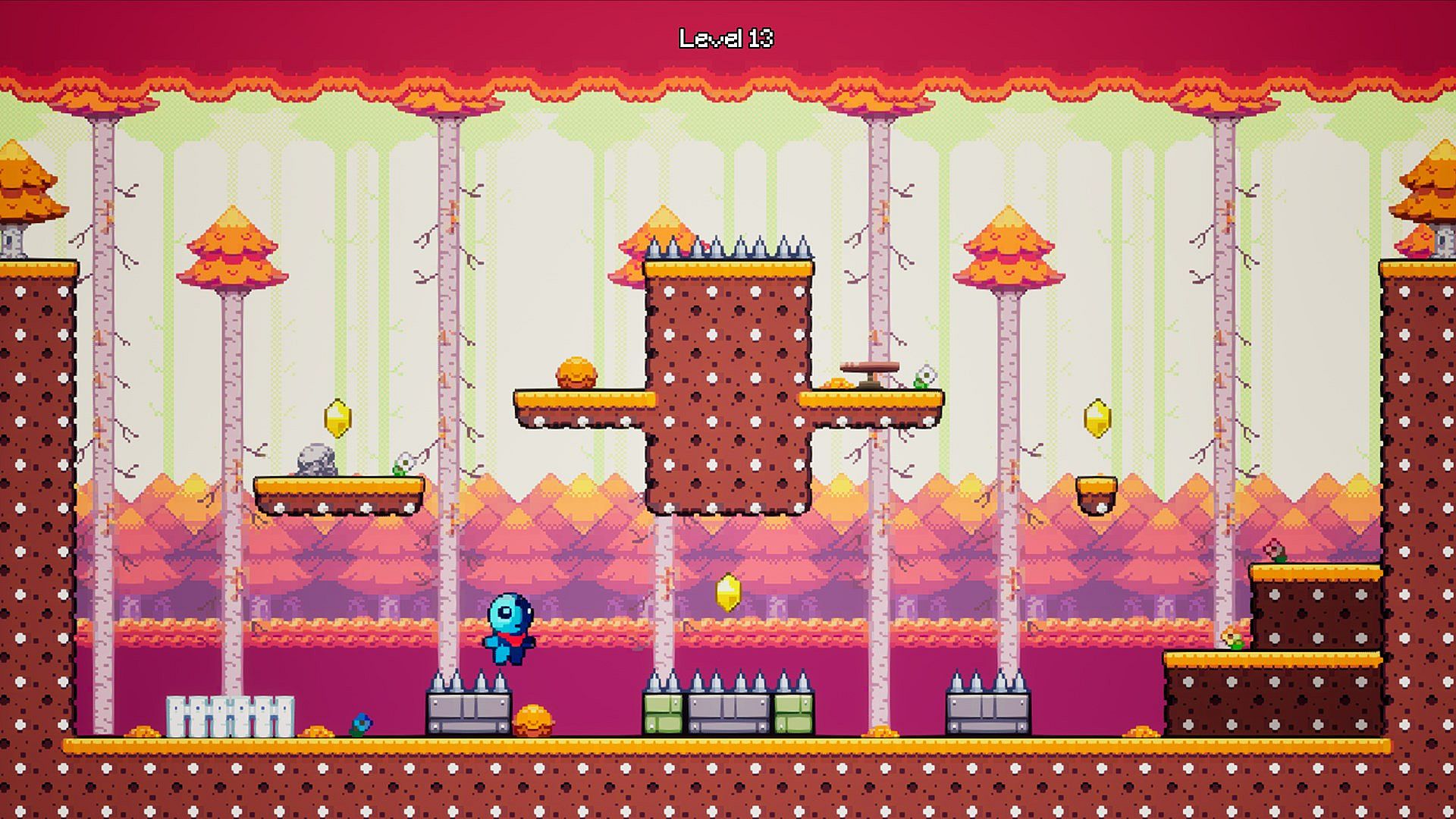
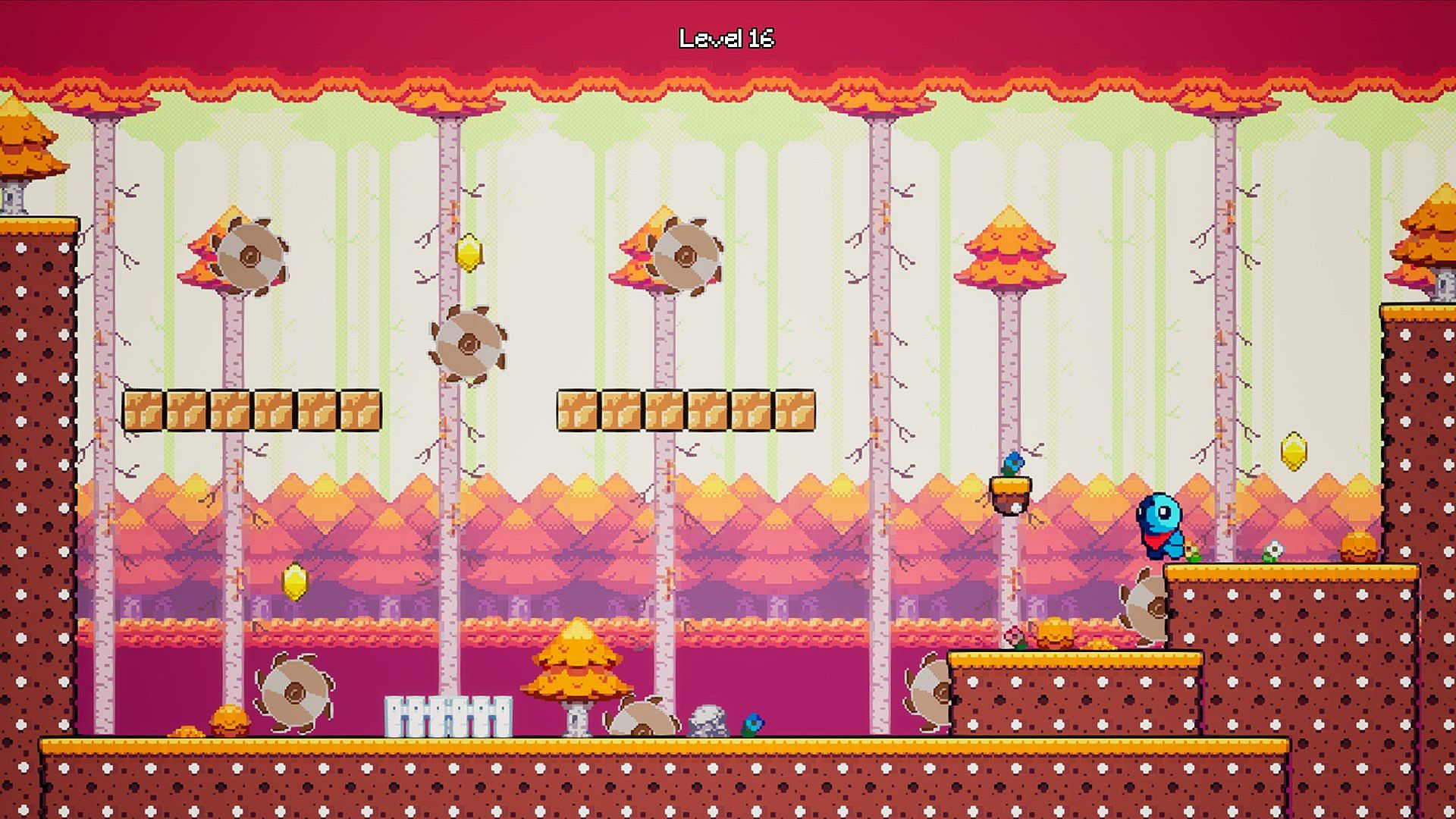
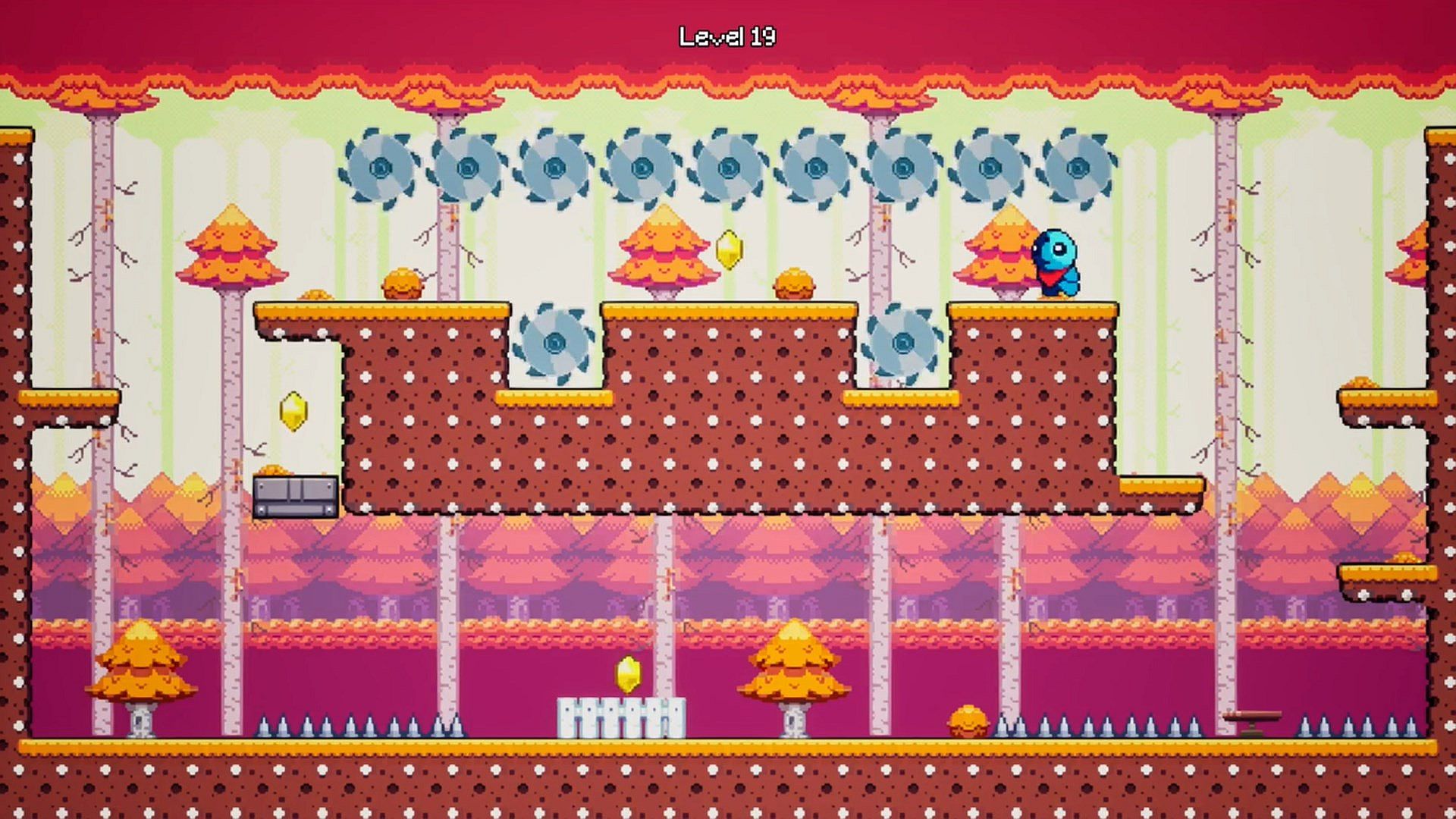
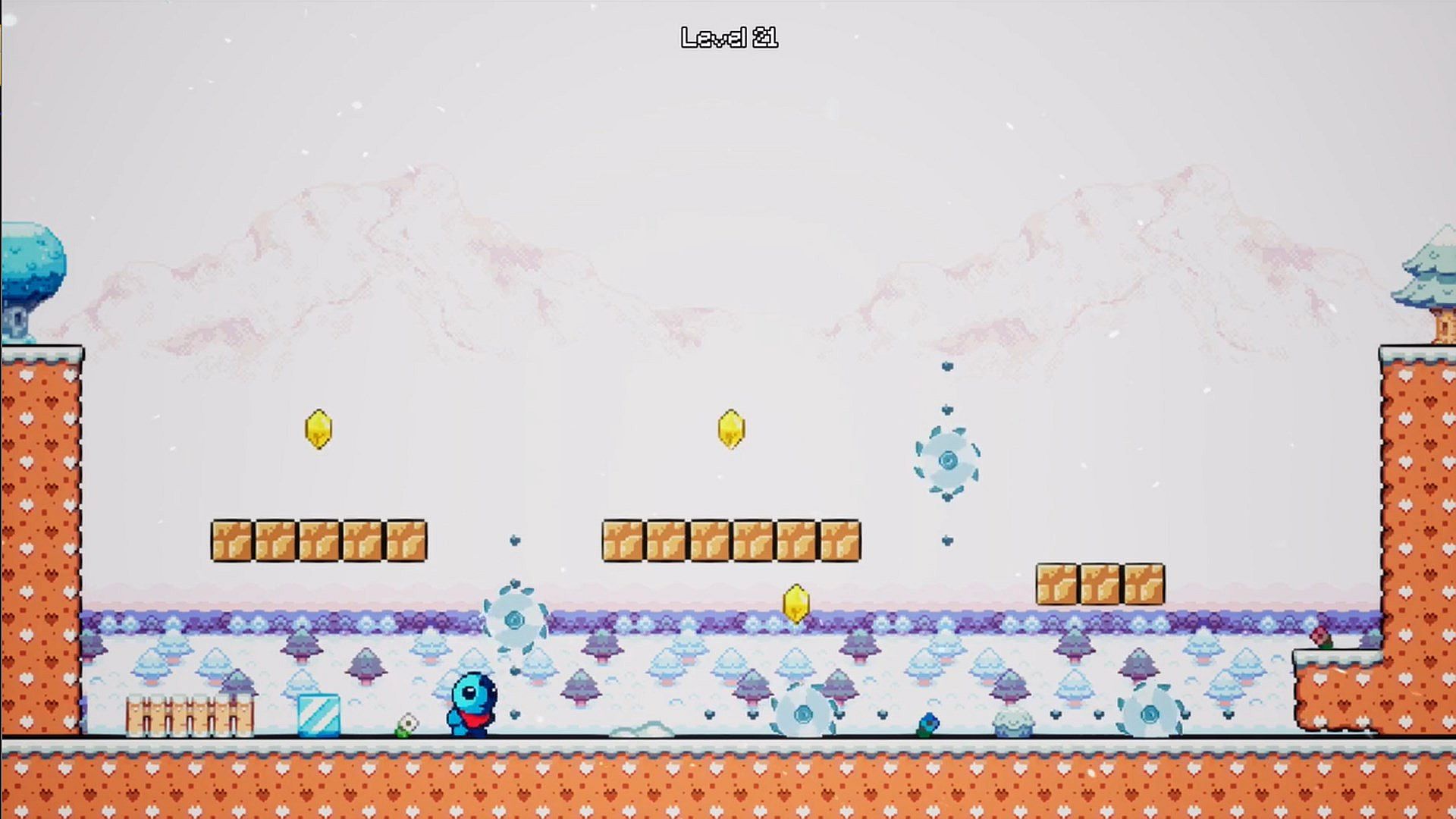
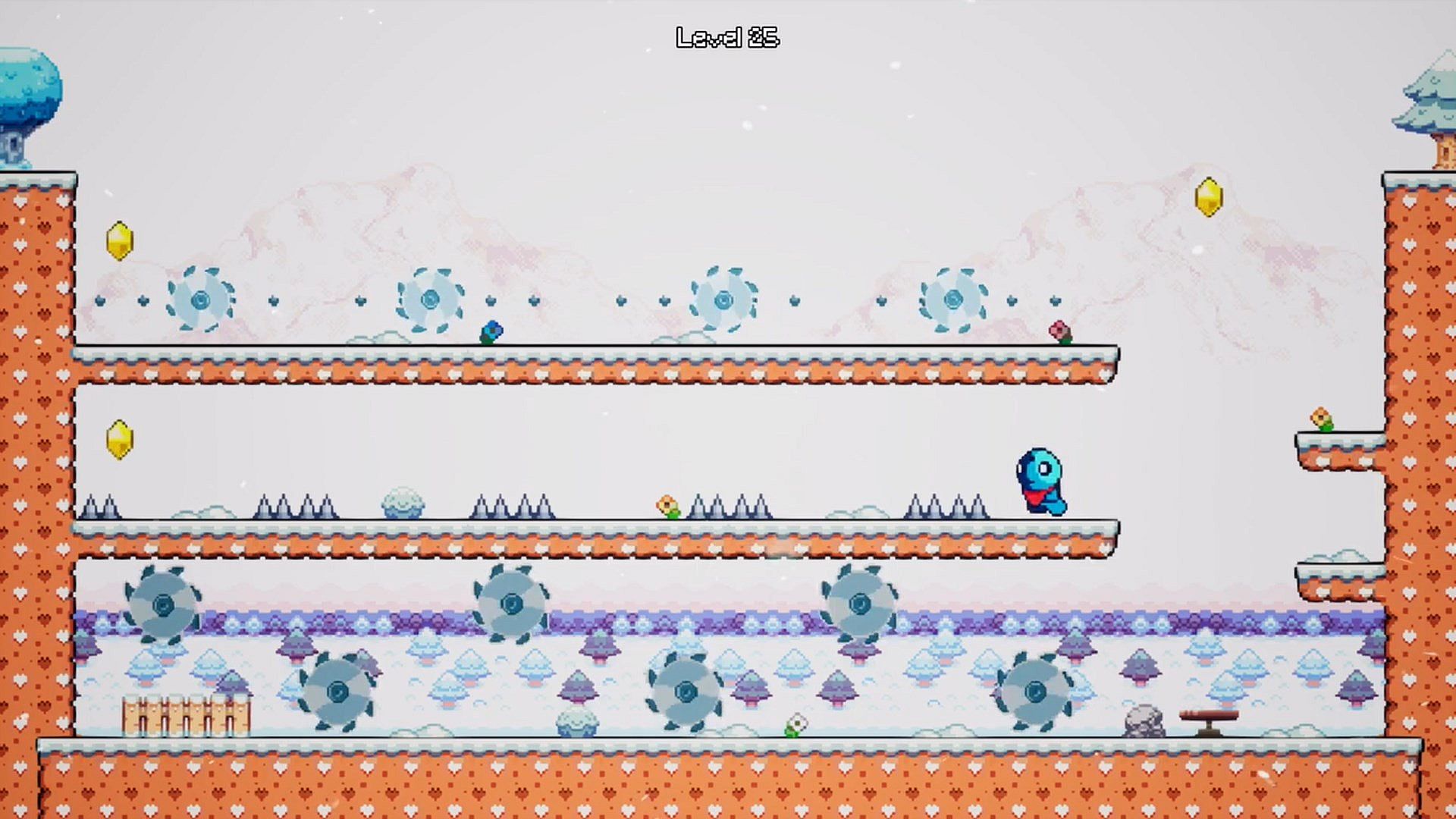
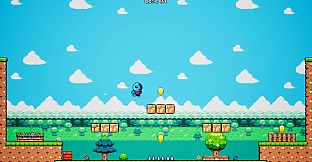
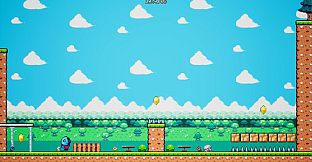
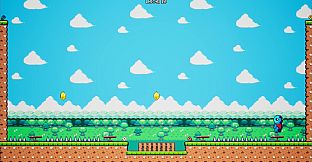
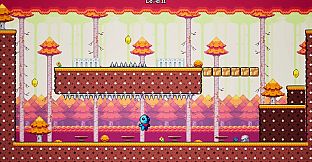
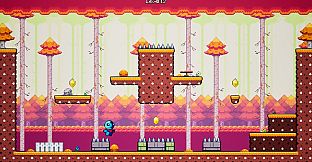
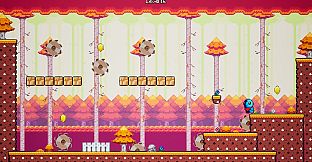
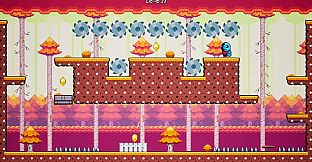
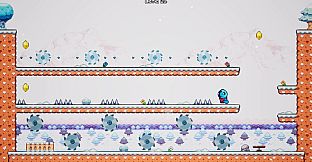
Each stage requires collecting three crystals while avoiding spikes, spinning saws, fake platforms that collapse, and spiked balls that patrol set paths. Levels progress through three distinct biomes, each with unique visual styling that alters the background and some obstacle presentations without changing the fundamental rules. Difficulty ramps steadily across the full set of stages, starting with basic timing tests and advancing to sequences that demand precise rhythm and pattern recognition.
Pixel art visuals keep the focus on readability, with bright colors highlighting threats and collectibles. Short level lengths support quick retries, allowing players to refine execution without lengthy restarts. The emphasis stays on reflexes, spatial awareness, and learning exact movement timings rather than upgrades or character customization.
Game Modes
Loop Dash operates as a single-player experience with no separate multiplayer or competitive modes. Progression follows a linear path through the thirty stages, where success in one unlocks the next. The structure encourages mastery of the full set rather than branching paths or alternate objectives beyond crystal collection in each level.
Players advance by completing stages in sequence, with increasing demands on precision as biomes change. No additional game types such as time trials, endless runs, or versus formats appear in the design. The focus remains on the core challenge of clearing every stage through repeated practice and perfect execution.
Key Mechanics and Progression
Automatic running combined with wall bounces creates a rhythmic flow that players must internalize. Dashes serve multiple purposes, including crossing gaps, dodging moving hazards, or adjusting position mid-air. Jumps require exact timing to land on narrow surfaces or avoid low obstacles.
Obstacles appear in combinations that test different skills: stationary spikes demand clean arcs, while moving saws and balls require predictive dashes. Fake platforms add deception, forcing players to verify surfaces before committing. The thirty stages distribute these elements across the biomes to maintain variety without introducing new systems.
Direct progression means no backtracking or hub areas. Each cleared stage contributes to overall completion, and the design rewards consistent improvement in handling the two controls under pressure. Short durations per attempt keep sessions engaging for players who prefer focused, repeatable challenges over extended narratives.
Is It Worth Playing?
Loop Dash suits players who enjoy precision platformers with simple controls and high emphasis on personal skill improvement. The automatic movement and limited actions create an accessible entry point that quickly reveals depth through demanding level design. Those who appreciate the satisfaction of mastering tight timings and overcoming repeated failures will find the structure rewarding.
Recent player feedback highlights responsive controls and sharp movement feel as strengths, with the pixel art style supporting clear hazard visibility. The game launched with full availability on Xbox consoles and supports direct, uninterrupted play sessions. For fans of casual action titles built around quick retries and progressive difficulty, the experience delivers consistent challenge without unnecessary complexity.
Overall, the title stands as a focused option for skill-focused platforming on Xbox hardware, particularly for those seeking short, intense attempts rather than broad feature sets or multiplayer elements.