

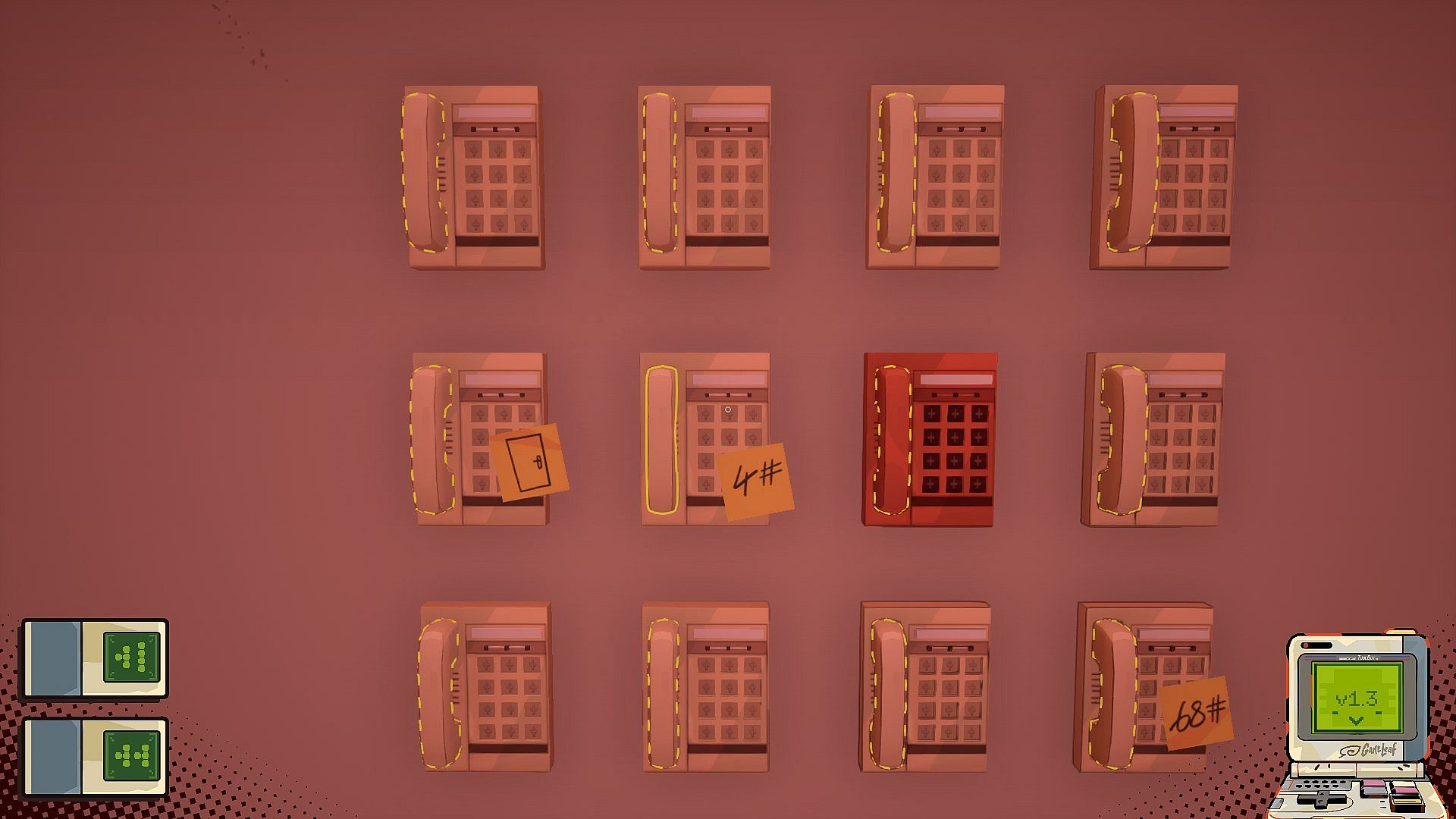
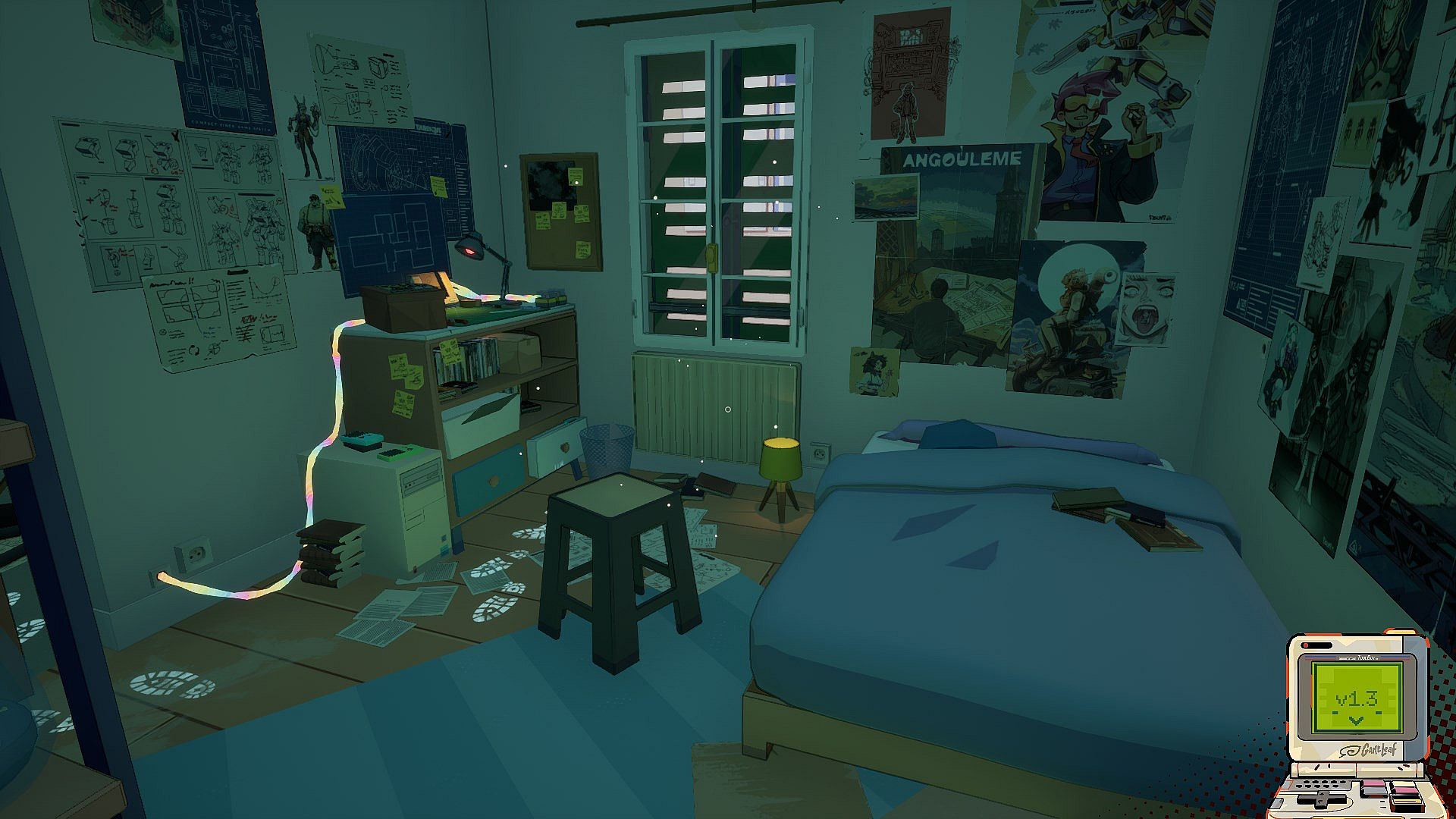
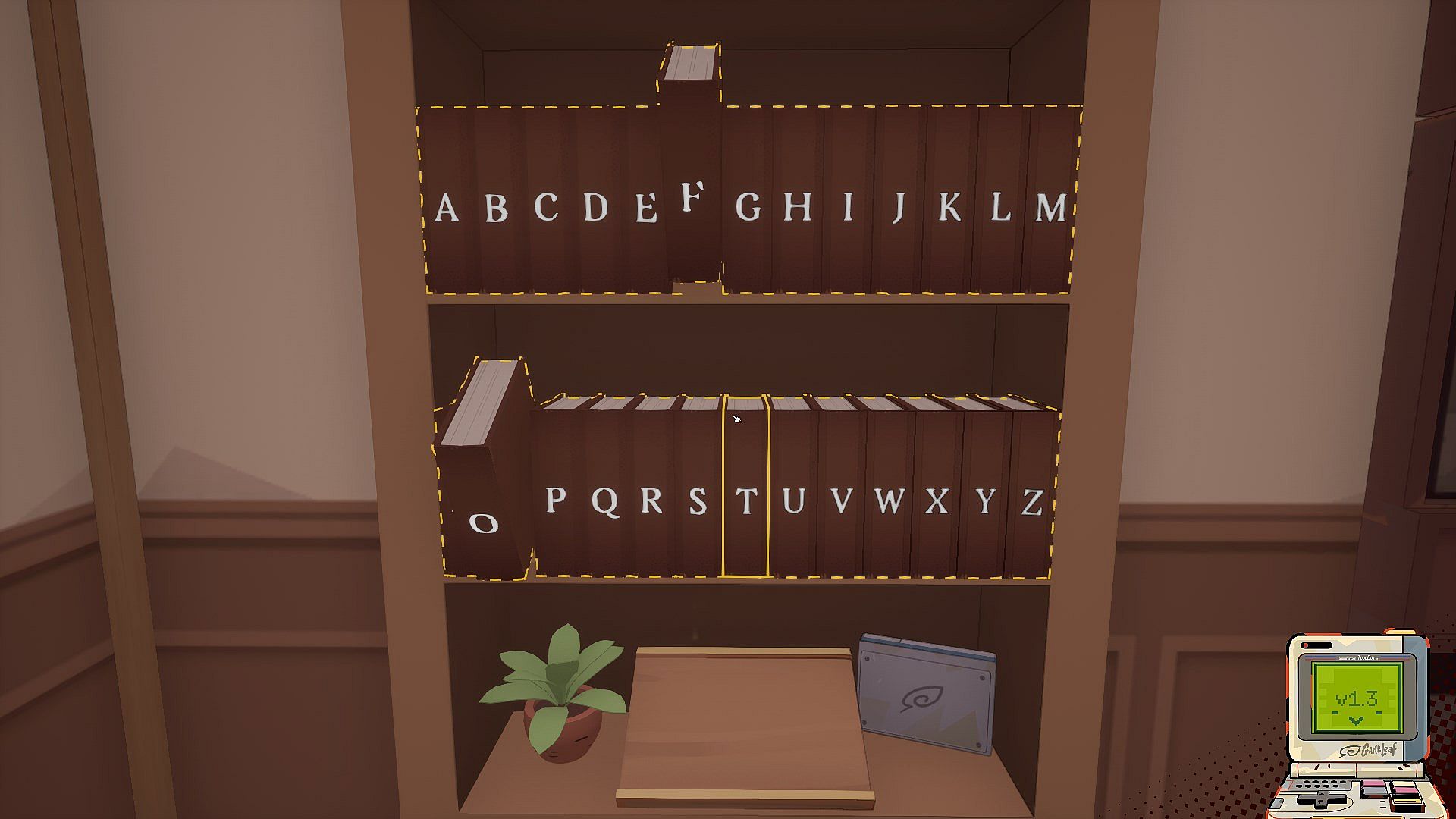
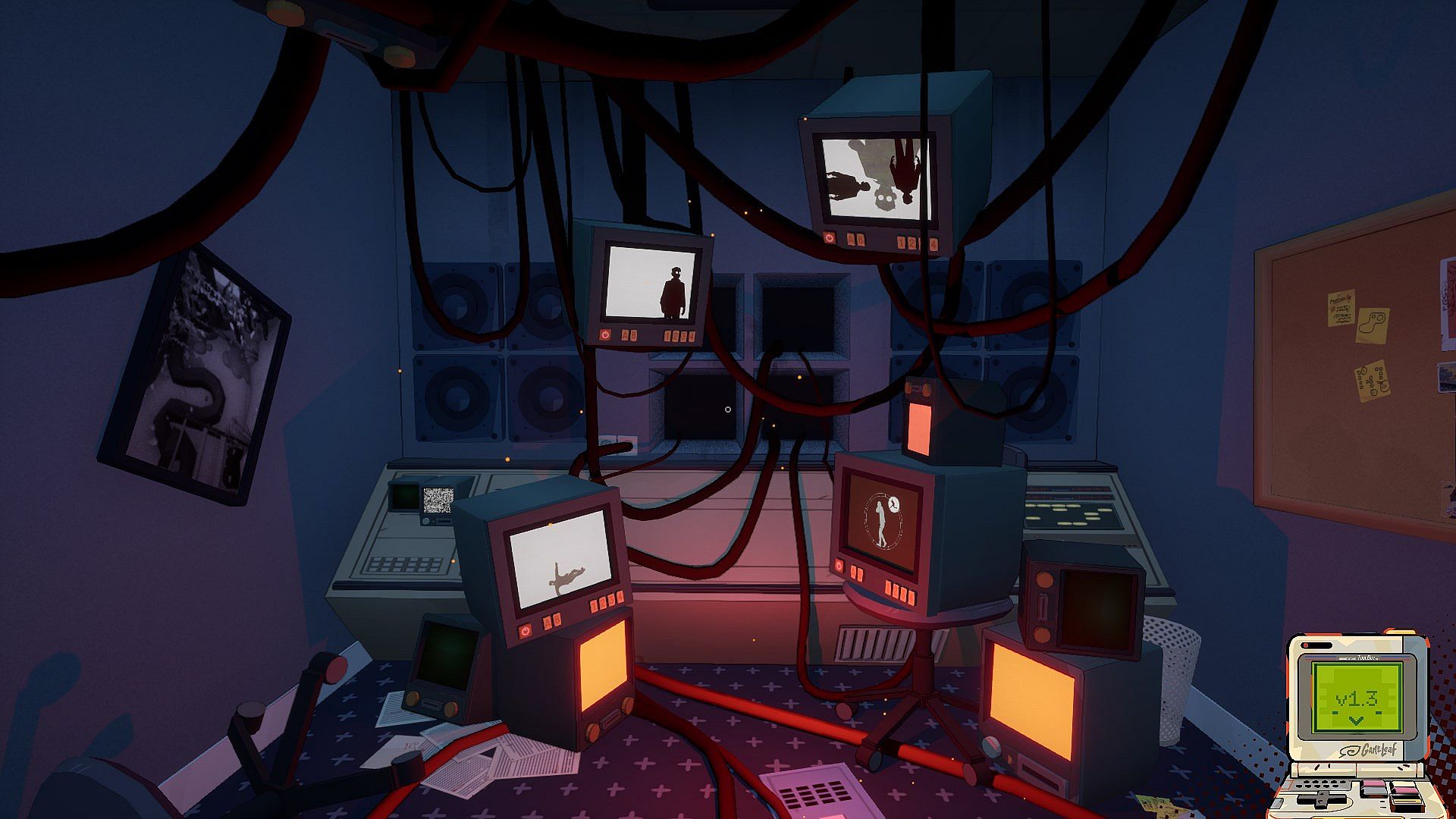

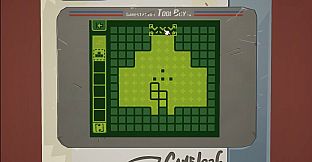
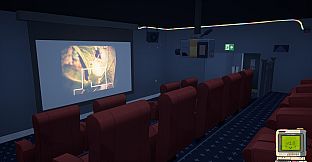
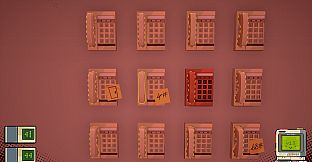
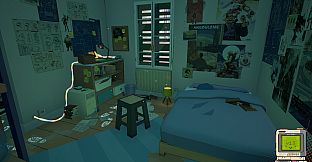
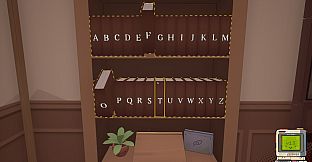

Looking for Fael is a first-person puzzle adventure game that places players in a surreal, ever-shifting apartment complex. The story begins when a cryptic voicemail arrives from the missing roommate, prompting an exploration of familiar rooms that quickly multiply and interconnect in unexpected ways. Developed by Swing Swing Submarine and La Poule Noire with publishing support from ARTE France, the title launched on July 16, 2026, for Xbox Series X|S along with other platforms.
Gameplay
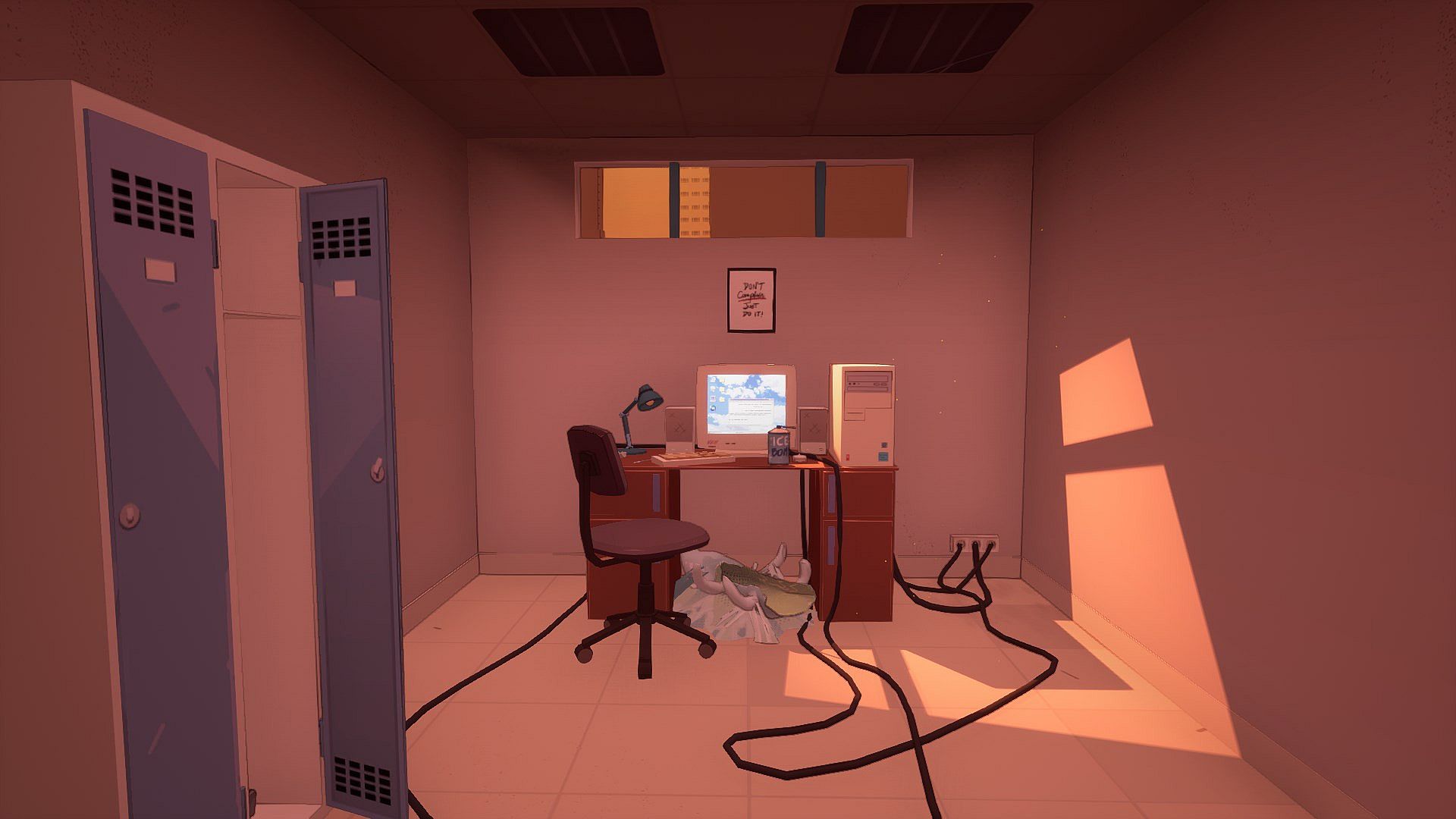
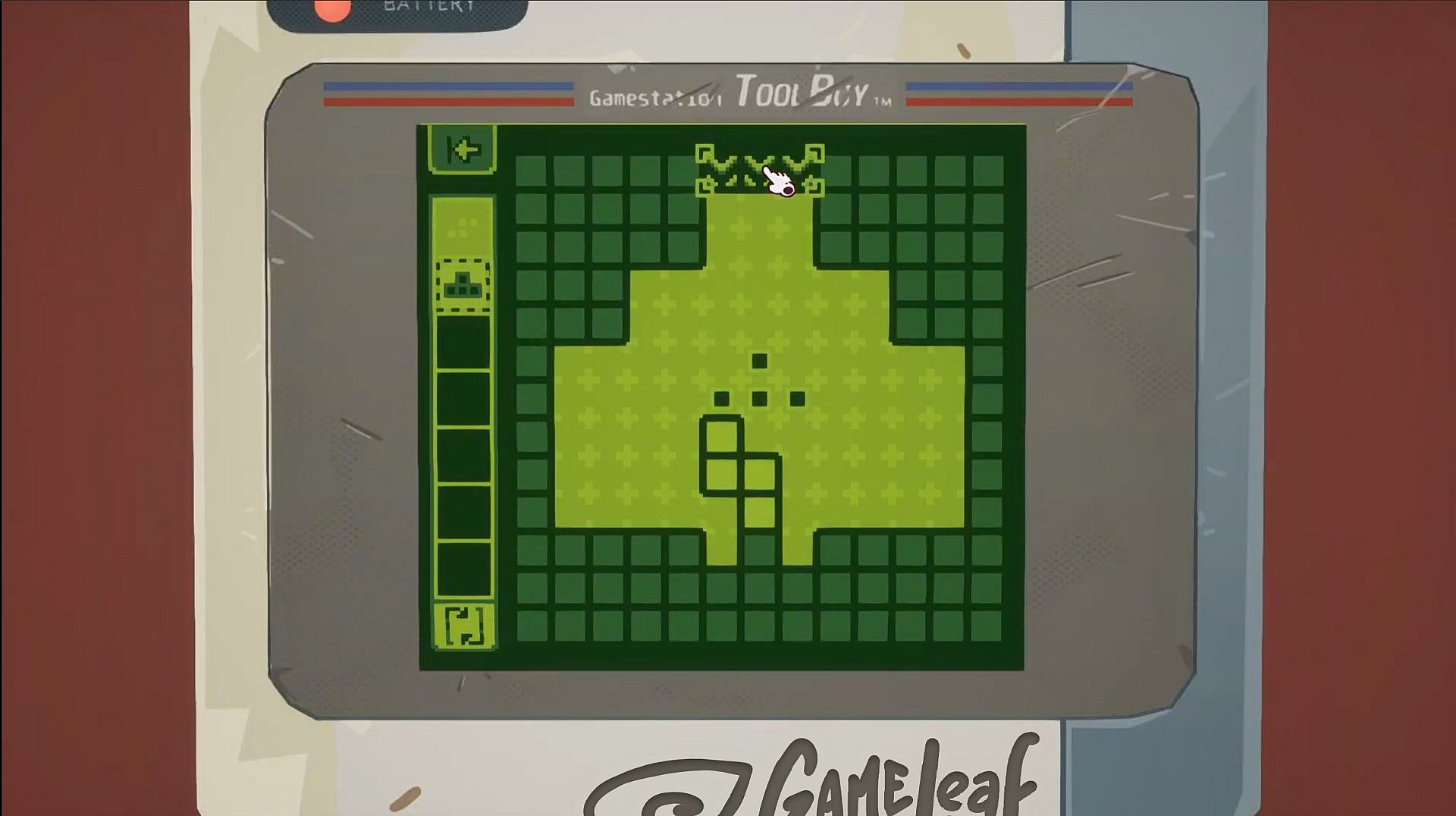
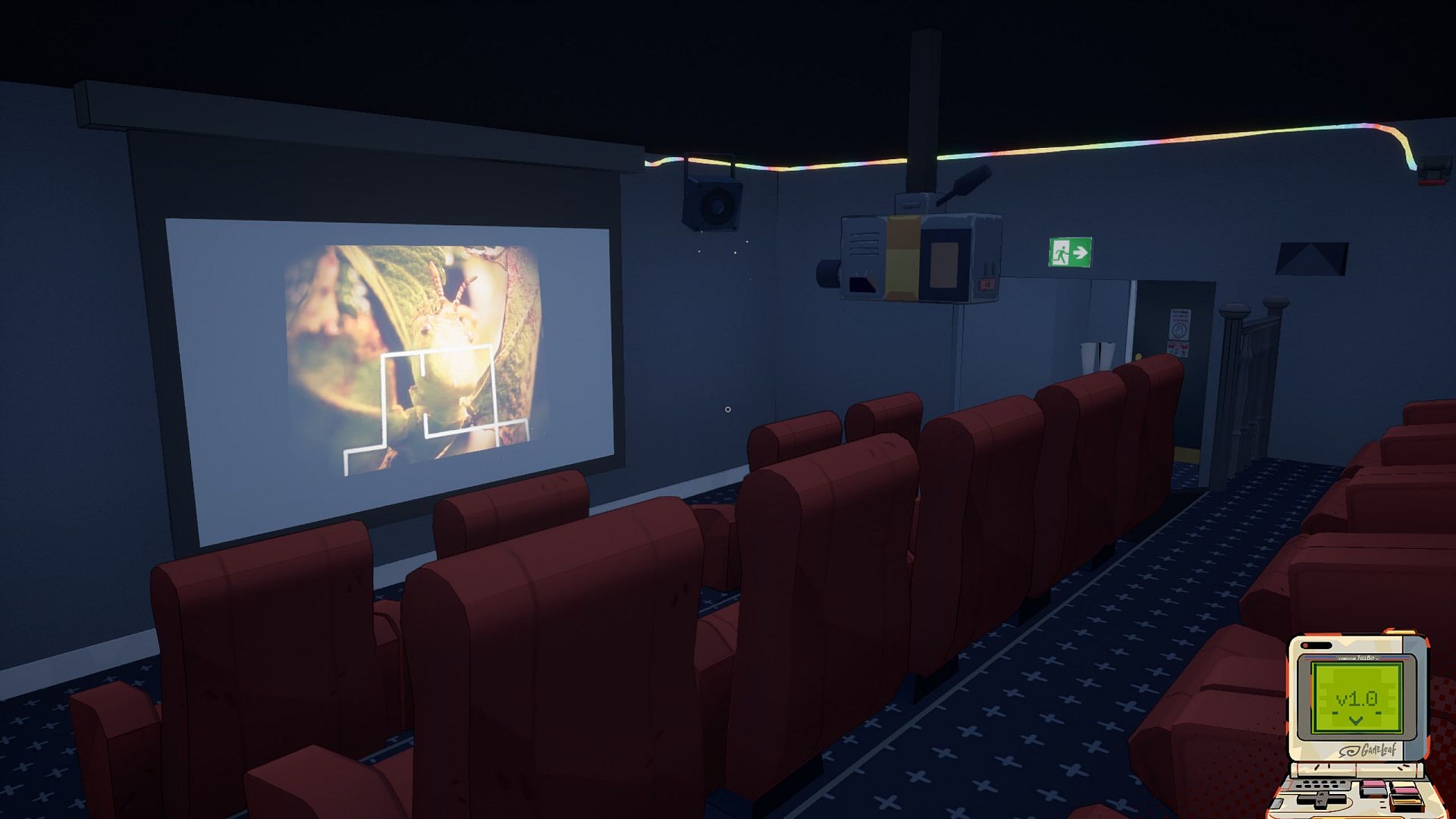
Core gameplay revolves around methodical exploration and puzzle-solving within a closed, nested environment. Players move through a series of apartments that share doors, objects, and mechanisms, where actions taken in one area often alter conditions elsewhere. Progression requires careful observation of clues, manipulation of strange devices, and logical deduction to unlock new paths. The Game Leaf, a handheld console styled after 1990s hardware, serves as a central tool for tackling spatial and nostalgic mini-game challenges that reveal additional rooms or resolve environmental obstacles. Rooms range from ordinary living spaces to overgrown vegetation zones, cinemas, and laboratories, each presenting unique logic puzzles tied to Fael's inventive creations. The experience emphasizes solitary navigation through a lonely, atmospheric setting without combat or time pressure.
Game Modes
The game operates exclusively as a single-player experience. No multiplayer, co-operative, or competitive modes exist. All content unfolds through the main narrative-driven campaign, which guides players sequentially through interconnected apartments while encouraging free experimentation with the available mechanisms and clues. The structure supports a linear yet non-linear exploration style, where backtracking and cross-apartment interactions form the primary loop.
Visual Style and Atmosphere
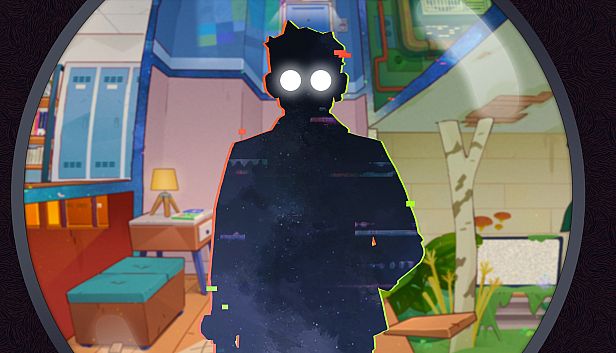
Environments draw from the imagination of comic book artist Benoît Leloup, resulting in a vibrant yet unsettling collection of spaces filled with cultural references and shifting color palettes. The design highlights the protagonist's roommate through scattered personal items and messages that gradually reveal emotional layers. Puzzles integrate seamlessly with the surroundings, rewarding curiosity about odd machines and environmental changes rather than abstract trial-and-error. Sound design reinforces the isolated mood with subtle audio cues that guide attention without overt direction.
Is It Worth Playing?
Looking for Fael suits players who enjoy deliberate puzzle adventures and escape-room mechanics in a compact, self-contained setting. Early reception on Steam shows 100 percent positive ratings from the initial 32 user reviews, with praise centered on the inventive interconnections and the satisfying use of the Game Leaf device. The title offers a focused campaign without additional content layers or ongoing seasons, making it a complete package at launch. Those seeking a thoughtful, reality-questioning experience in the indie adventure genre will find its short-to-medium length and emphasis on observation rewarding, while players preferring action or social elements may look elsewhere.