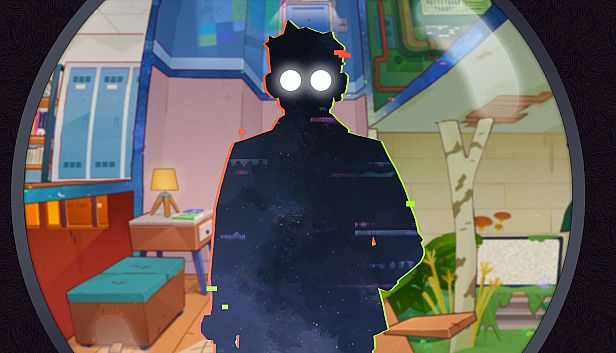



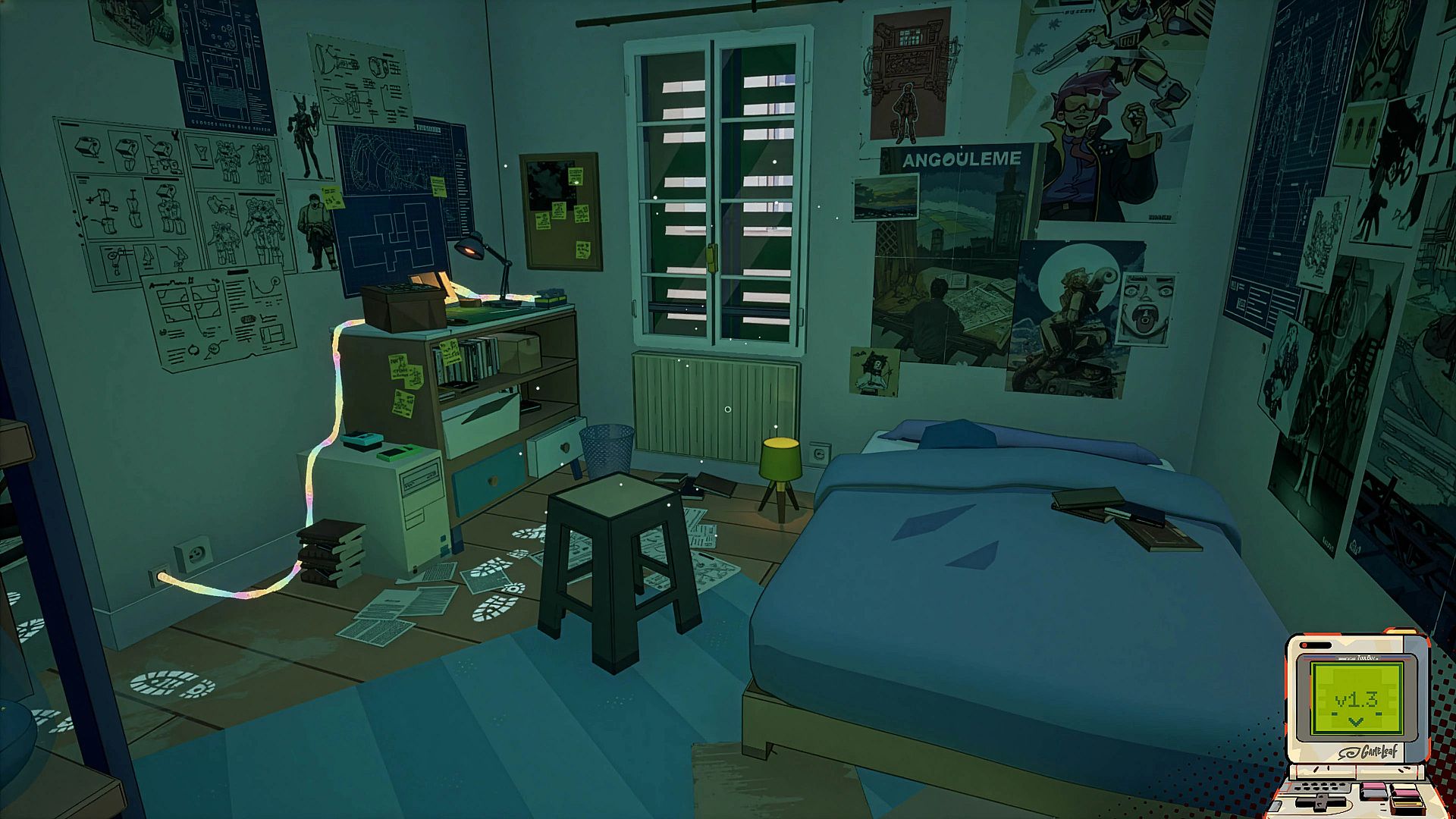
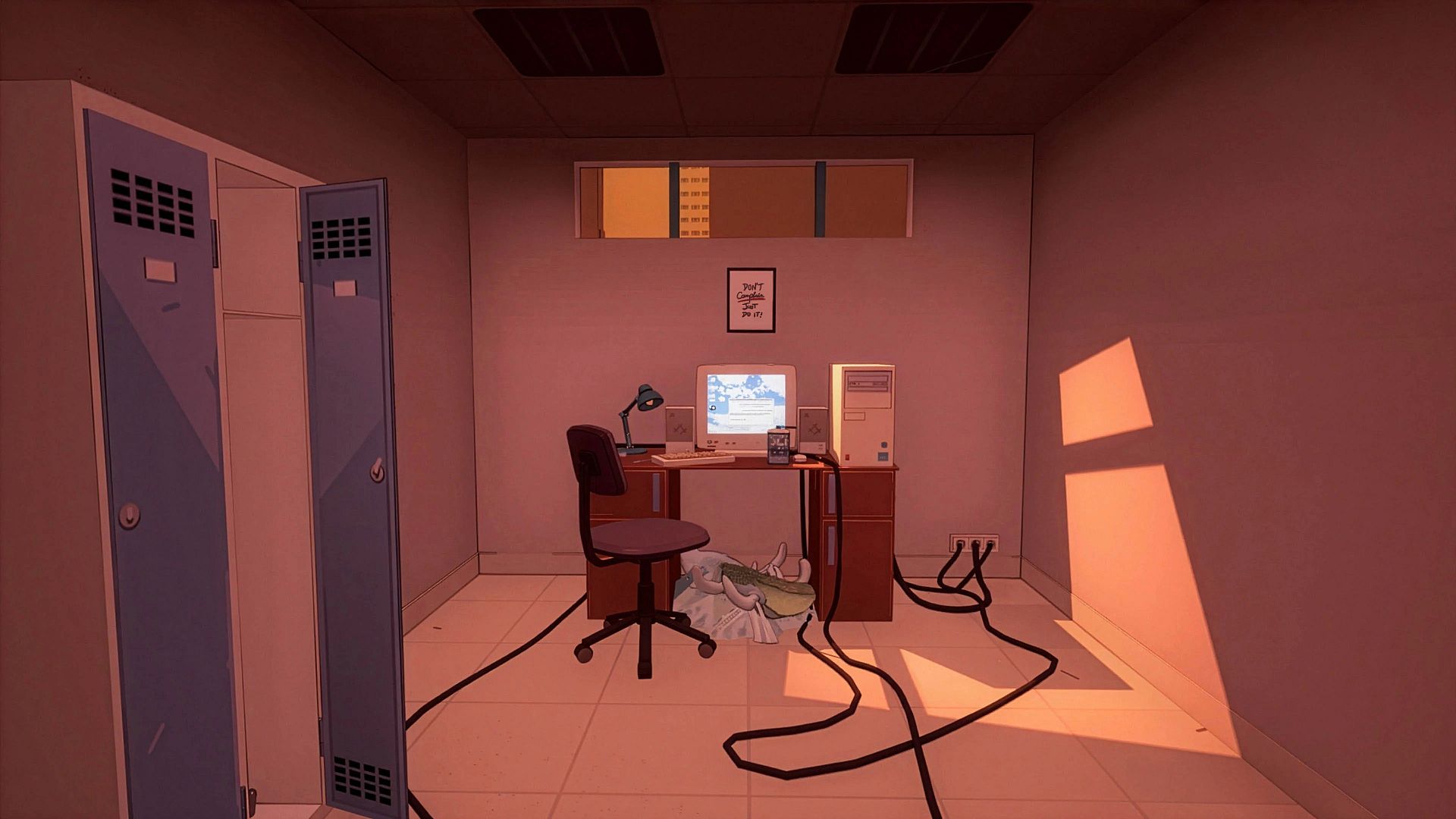



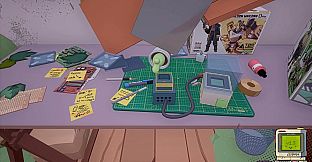
Looking for Fael is a singleplayer puzzle adventure game developed for PS5 and other platforms. Players step into the role of someone searching for a missing roommate named Fael after receiving a cryptic voicemail. The familiar apartment quickly expands into a series of interconnected, surreal spaces that defy normal logic and require careful observation to navigate.
Gameplay
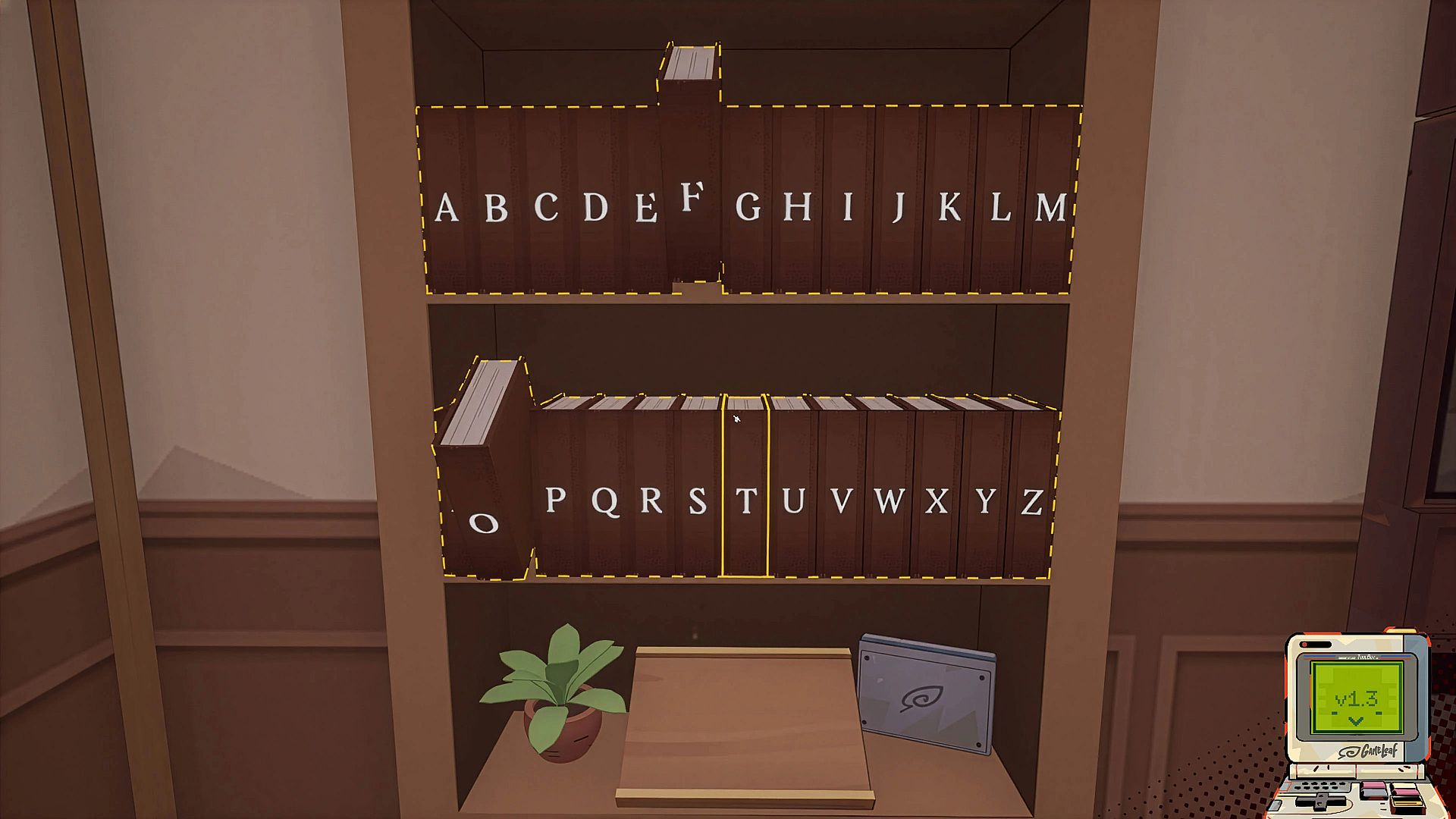
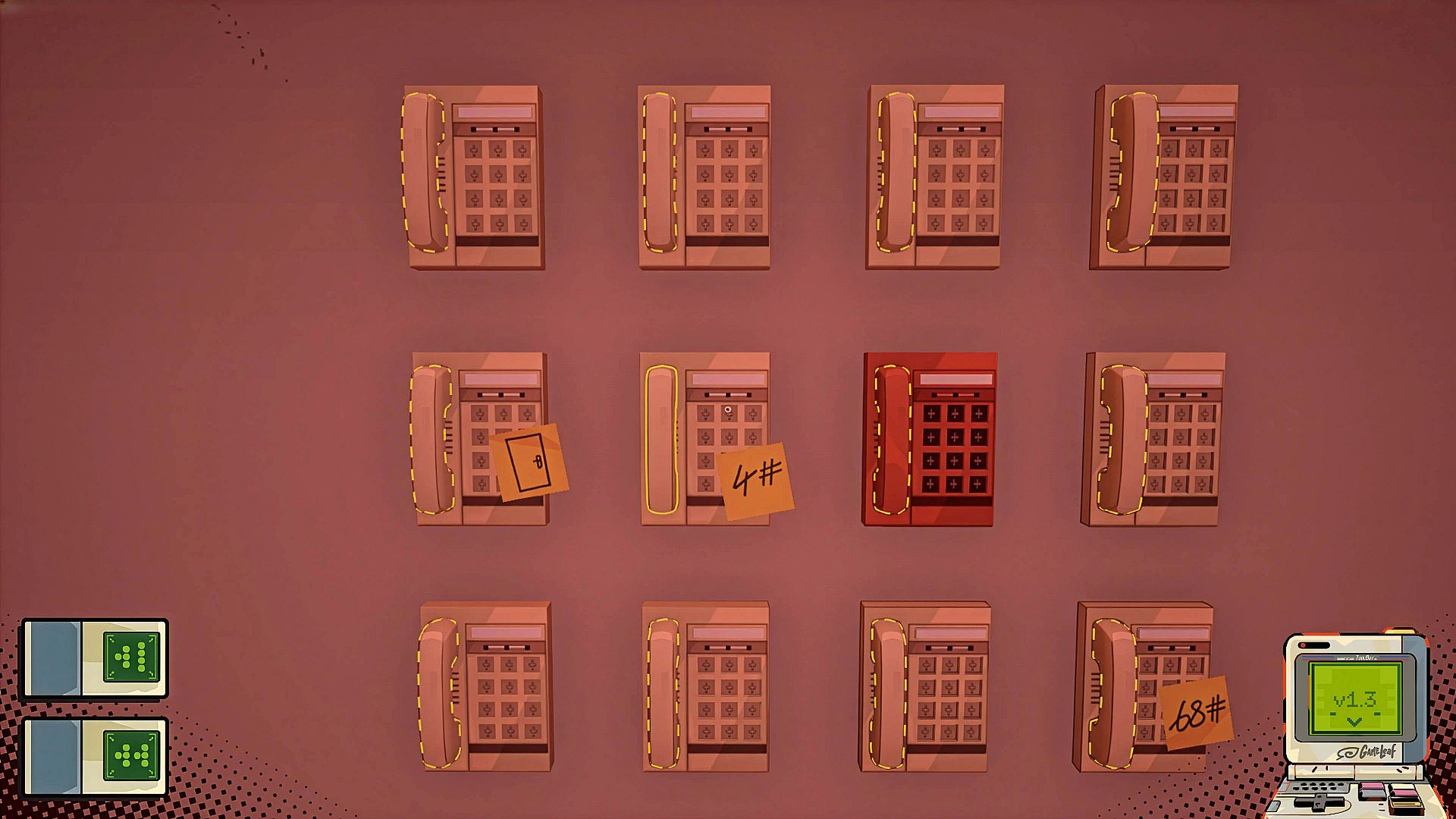
The core loop centers on methodical exploration of shifting apartment layouts. Each new area presents environmental puzzles that demand attention to detail and logical deduction. Players advance by examining objects, activating mechanisms, and interpreting clues scattered throughout the rooms. Actions taken in one section often trigger changes in connected spaces, creating a web of cause and effect that rewards experimentation.
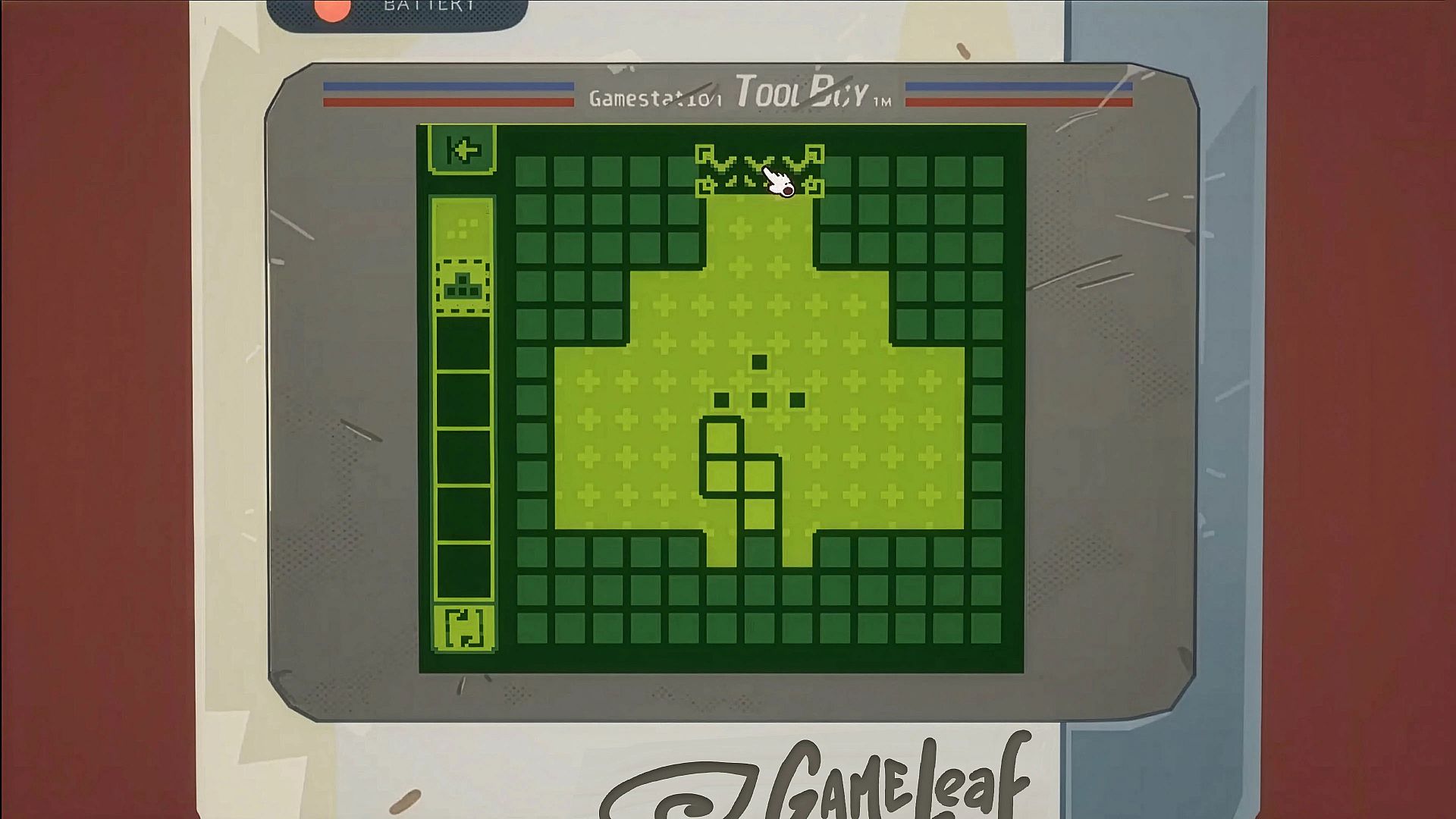
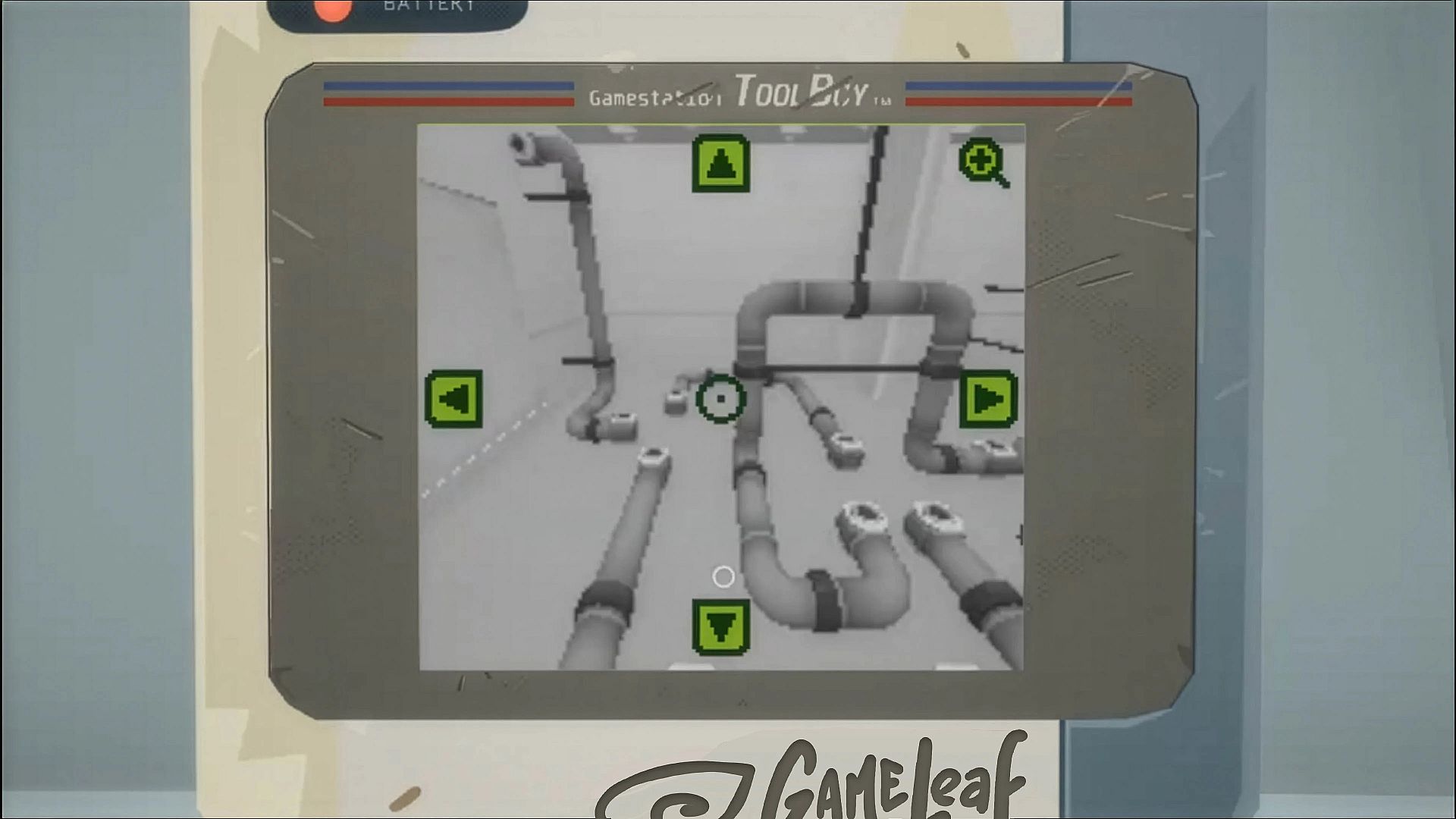
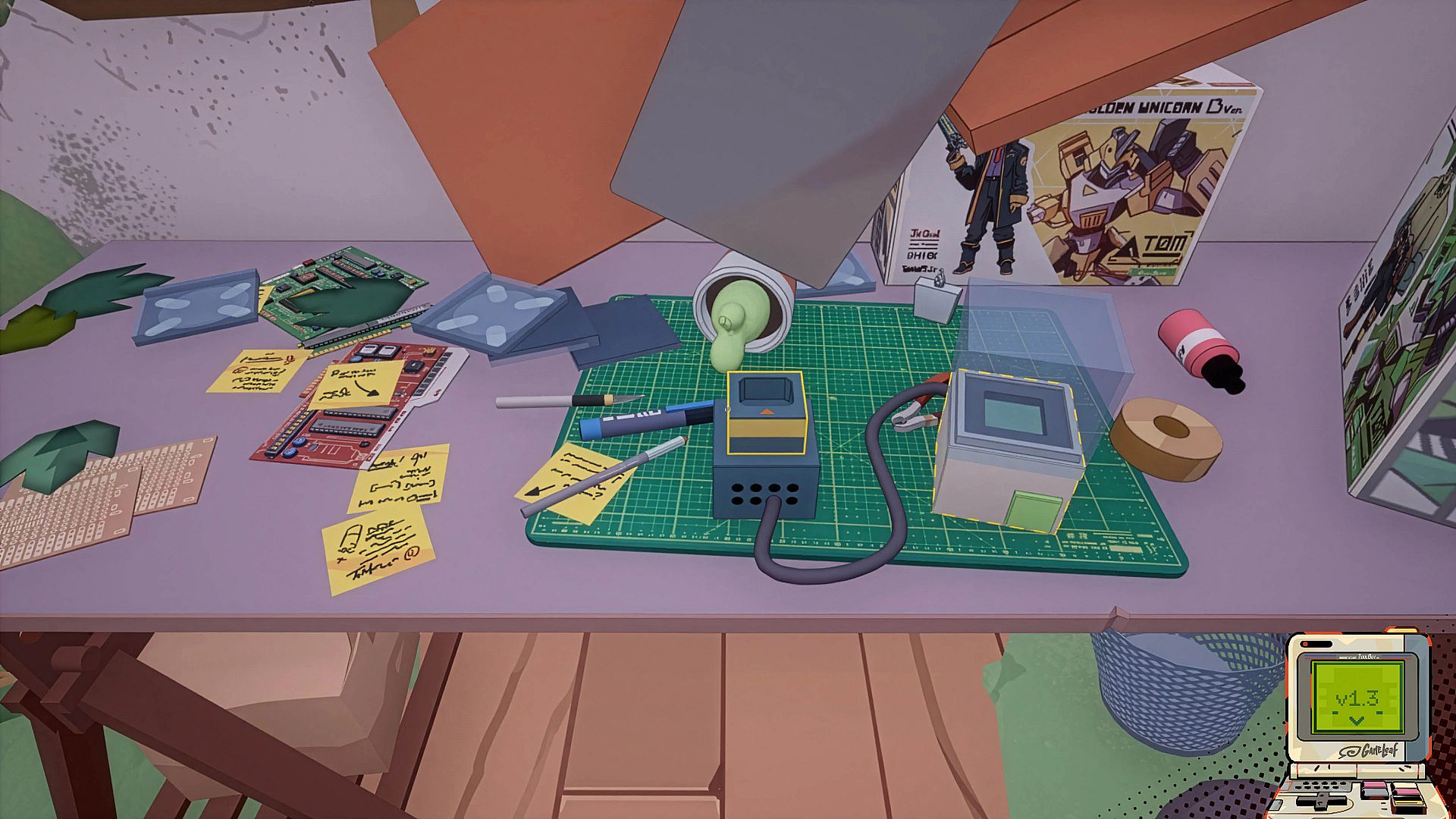
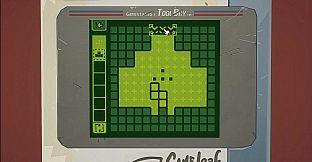
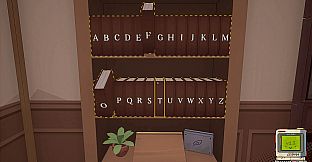
A key tool is the Game Leaf, a handheld console styled after 1990s hardware. It hosts a series of nostalgic mini-games that serve as gateways to new sections or solutions for larger puzzles. These segments blend retro aesthetics with practical problem-solving, such as pattern matching or simple simulations that unlock progress elsewhere in the maze.
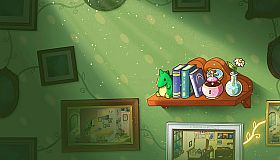
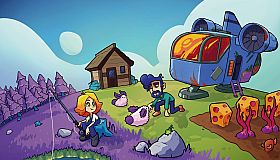
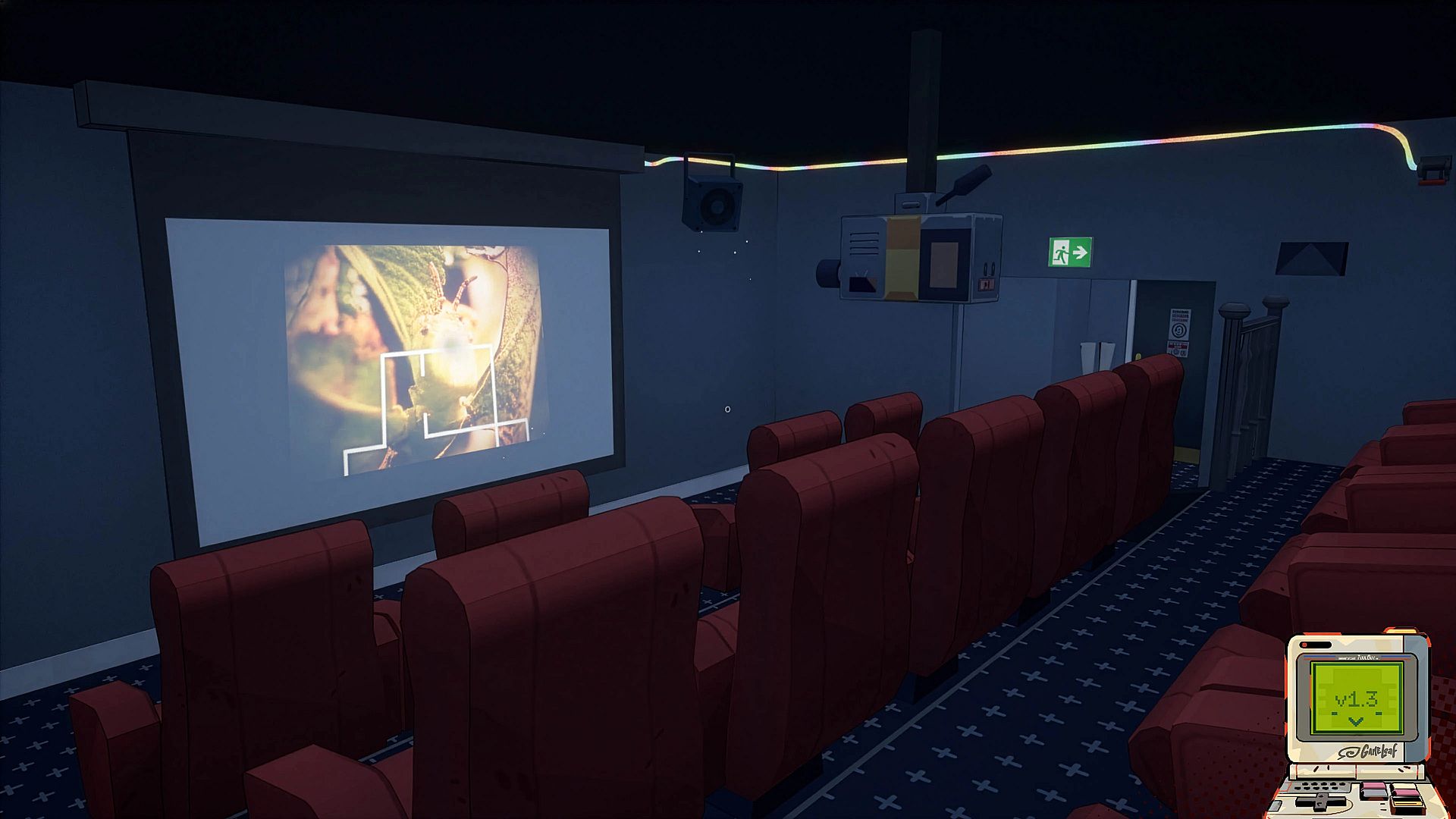
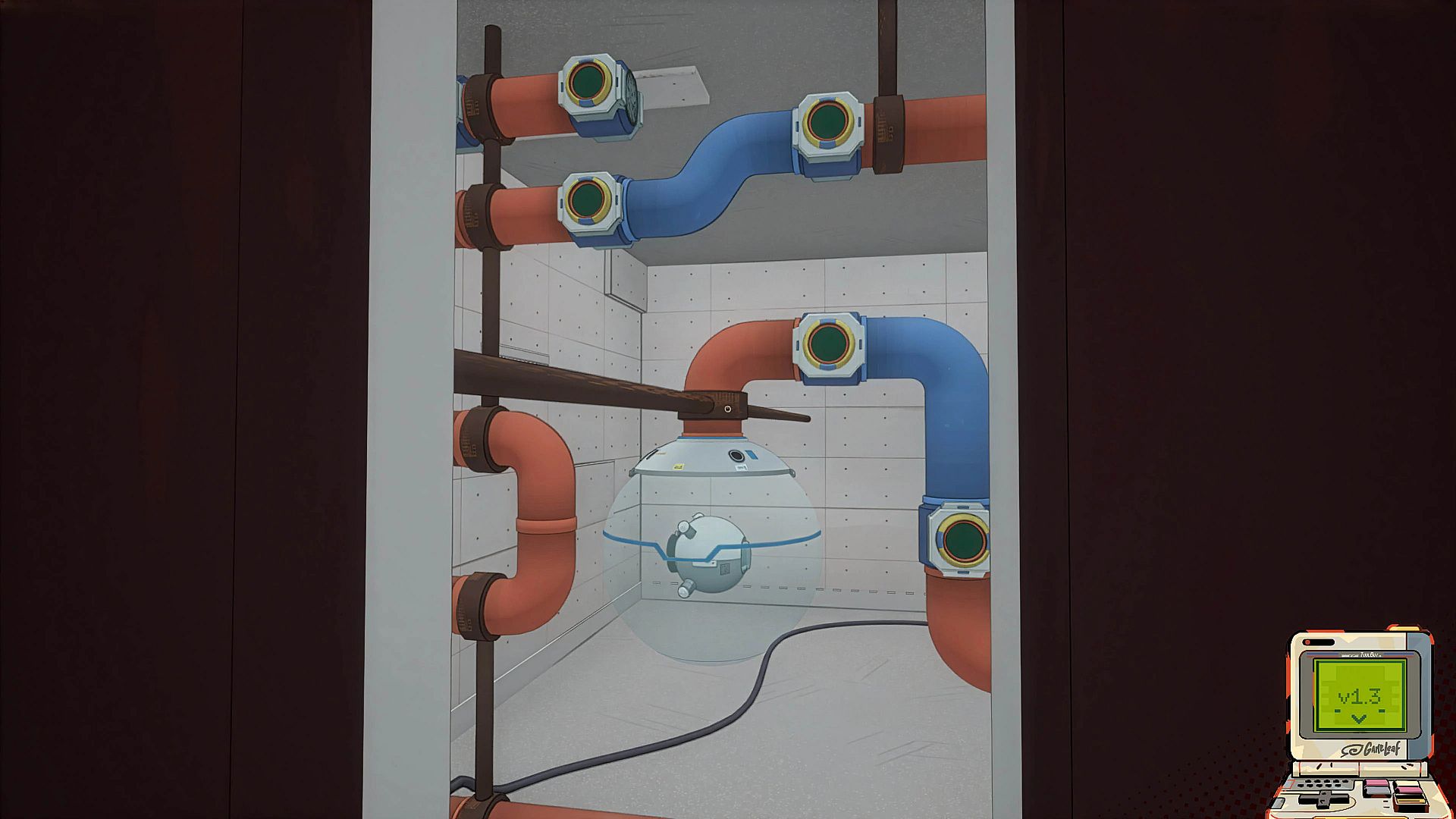
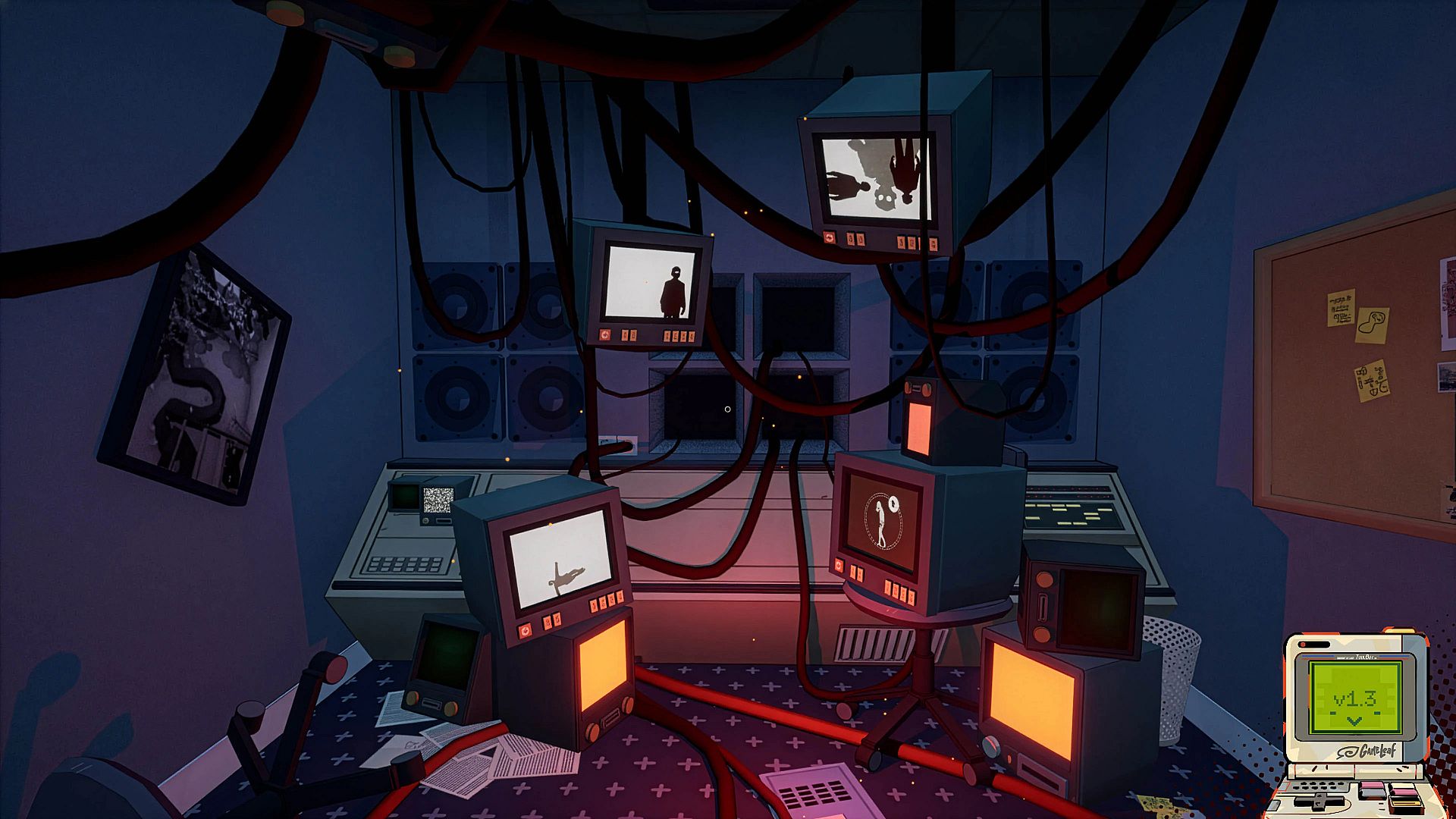
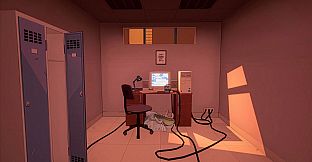
Environments range from ordinary living areas to overgrown vegetation-filled rooms, a cinema, and a laboratory. Each carries distinct visual themes drawn from cultural references and personal touches that reflect the absent roommate's personality. The atmosphere remains intimate and isolated, with no external threats, focusing instead on quiet tension built through spatial disorientation and subtle narrative hints.
Game Modes
The game operates entirely in a singleplayer format with no multiplayer options or competitive elements. The primary experience unfolds as a linear yet non-linear puzzle progression where players uncover the truth behind Fael's disappearance through sequential apartment explorations. Progress ties directly to completing interconnected challenges rather than separate campaigns or side activities.
Within this structure, players encounter a unified narrative thread that spans all locations. There are no alternate modes such as time trials, endless challenges, or cooperative sessions. The design emphasizes solitary deduction and repeated visits to previously explored areas as new connections reveal themselves.
Environments and Puzzles
Rooms transform based on player choices, turning the apartment into a living puzzle box. Simple actions like flipping switches or rearranging items can alter vegetation growth, open hidden passages, or shift object placements across linked versions of the space. This interconnected system encourages backtracking and careful note-taking to track consequences.
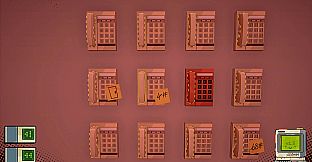
Puzzles vary in complexity but stay grounded in logic and observation. They incorporate strange machines invented by Fael, requiring players to test interactions and observe results without external guidance. The variety spans mechanical contraptions, visual pattern recognition, and environmental manipulation, all presented within the confined yet expansive setting.
Is It Worth Playing?
Looking for Fael suits players who enjoy deliberate puzzle-solving and atmospheric exploration in a compact, self-contained world. Its focus on spatial reasoning and narrative discovery through environmental storytelling appeals to fans of escape-room style adventures and mind-bending first-person experiences.
Early player feedback has been consistently positive, with all reviews on major platforms highlighting the clever interconnections and nostalgic Game Leaf segments. The game launched on July 16, 2026, and remains in its initial release state with no additional seasons or major updates announced. At its current price point, it offers a focused experience for those seeking a thoughtful singleplayer puzzle title on PS5 without extraneous features.
Those who appreciate games that reward patience and curiosity over action or competition will find the mechanics engaging. The absence of filler content keeps the emphasis on core puzzle progression and the gradual unraveling of the central mystery.