




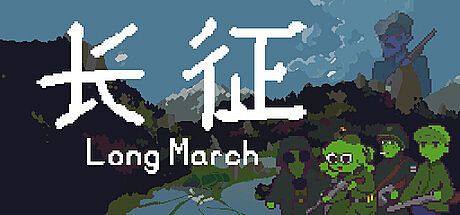


Long March is a tower defense game that blends action and strategy elements in a free to play package for PC. Players take command of rebel forces during a civil war retreat across China, where the goal centers on protecting key positions long enough to allow the main army to advance northward.
Gameplay
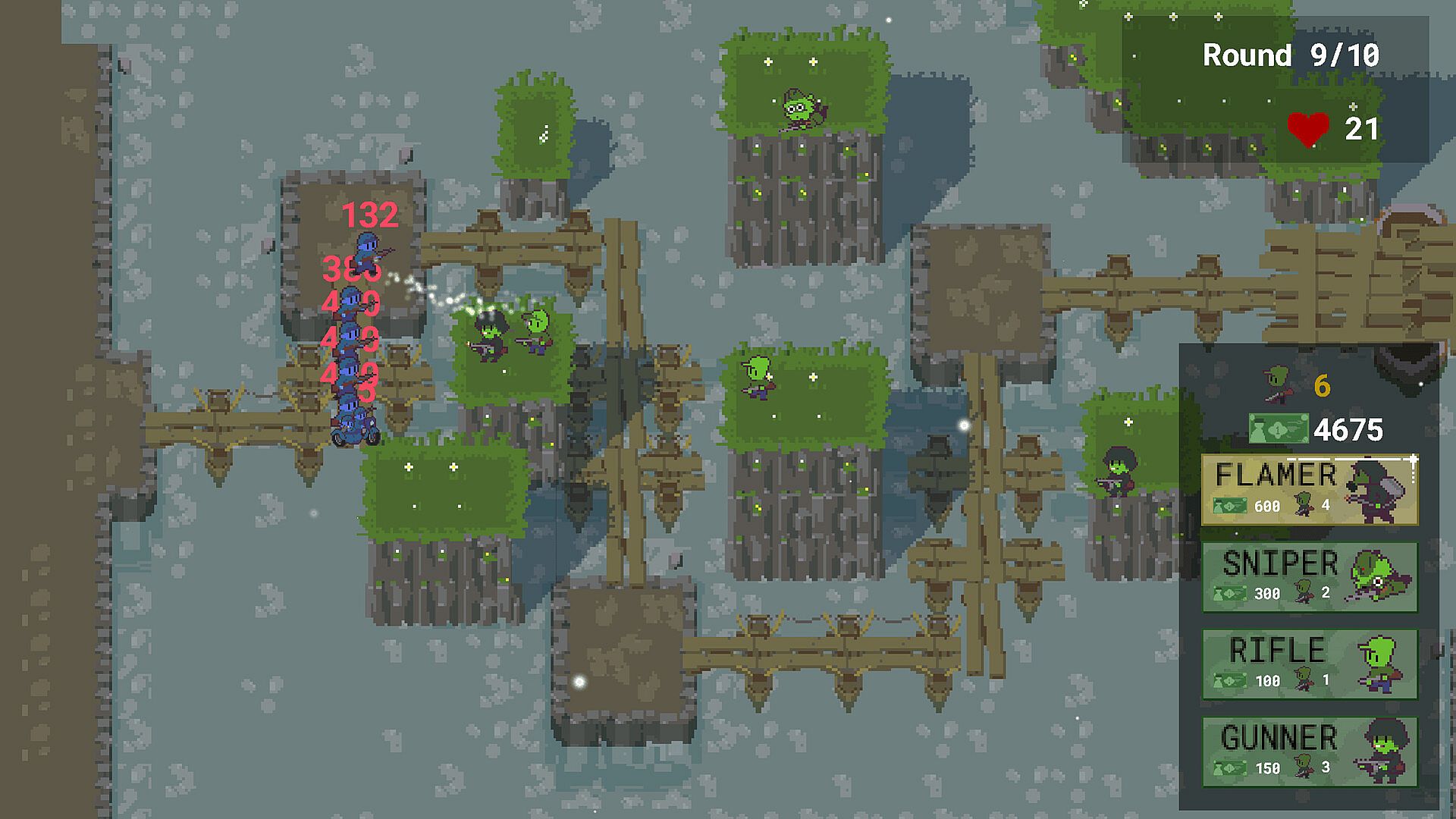
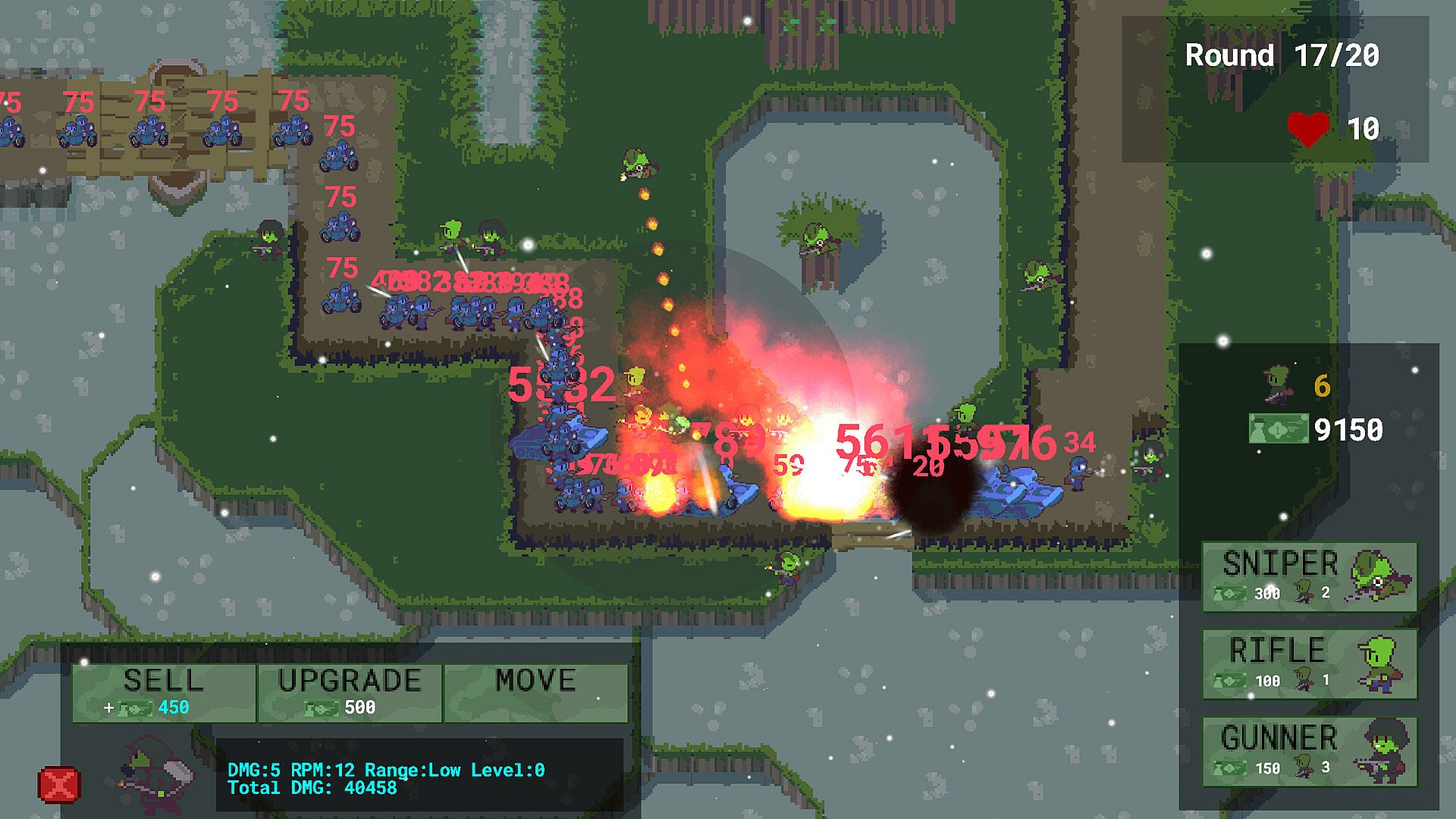
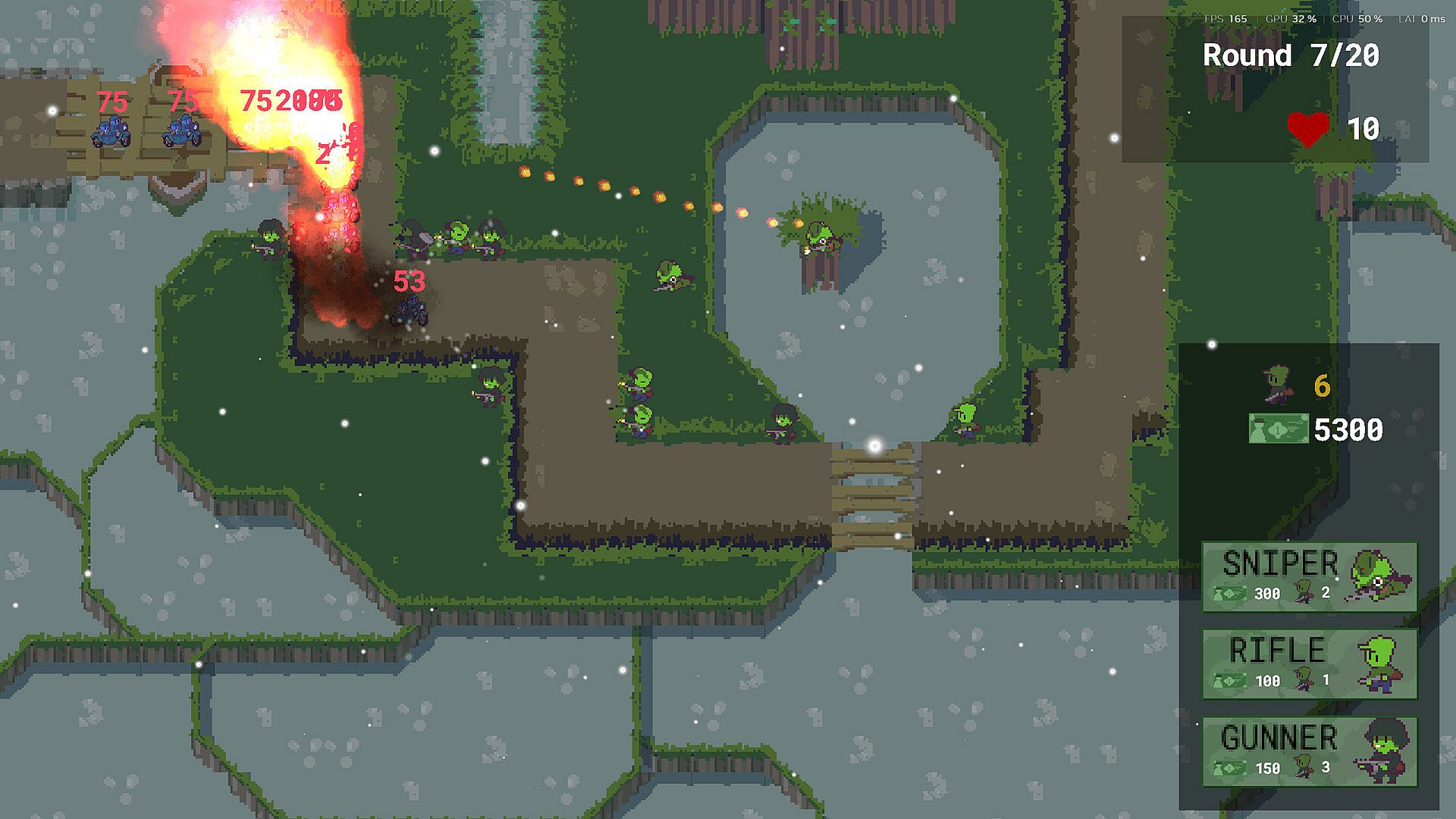
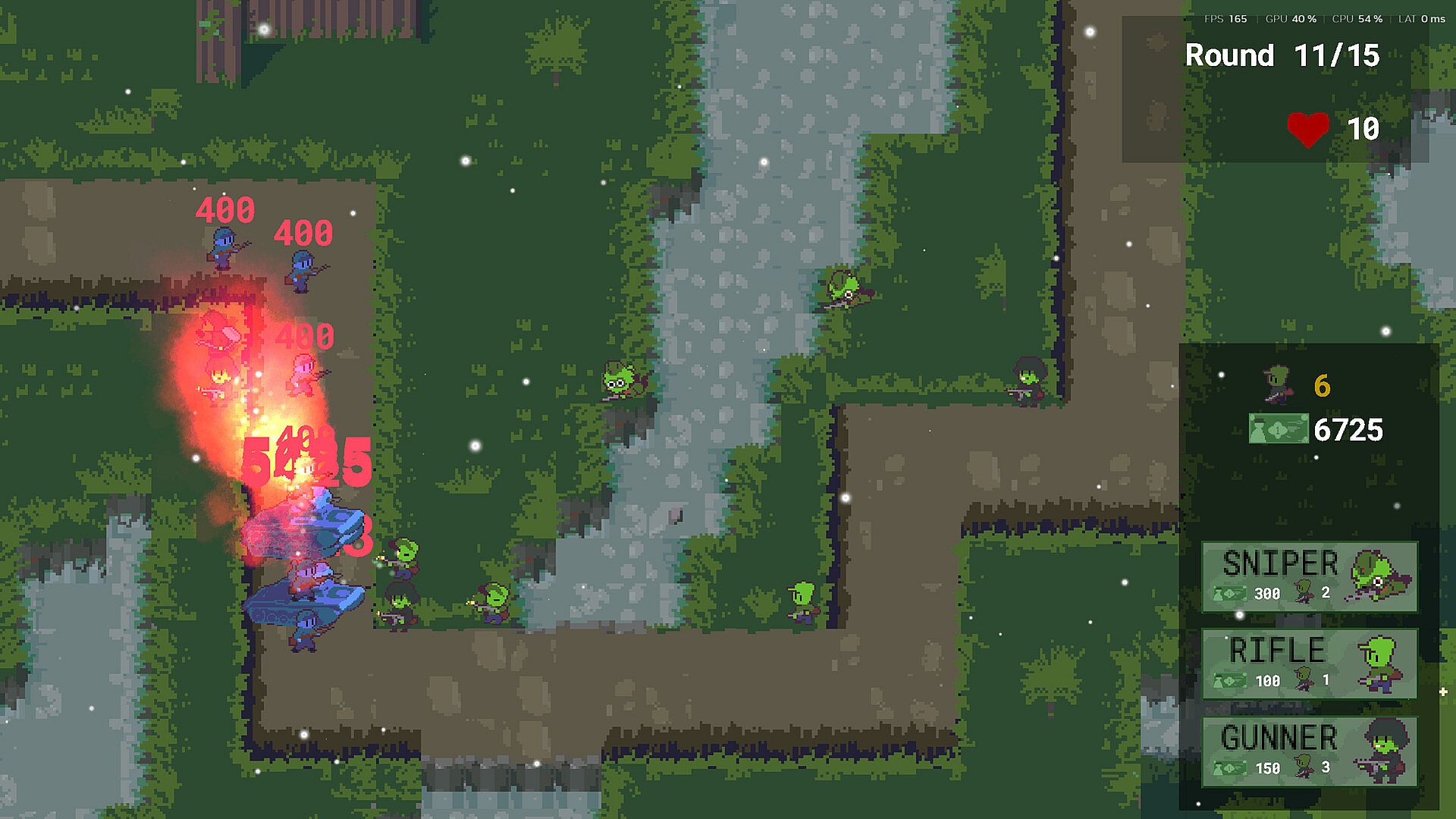
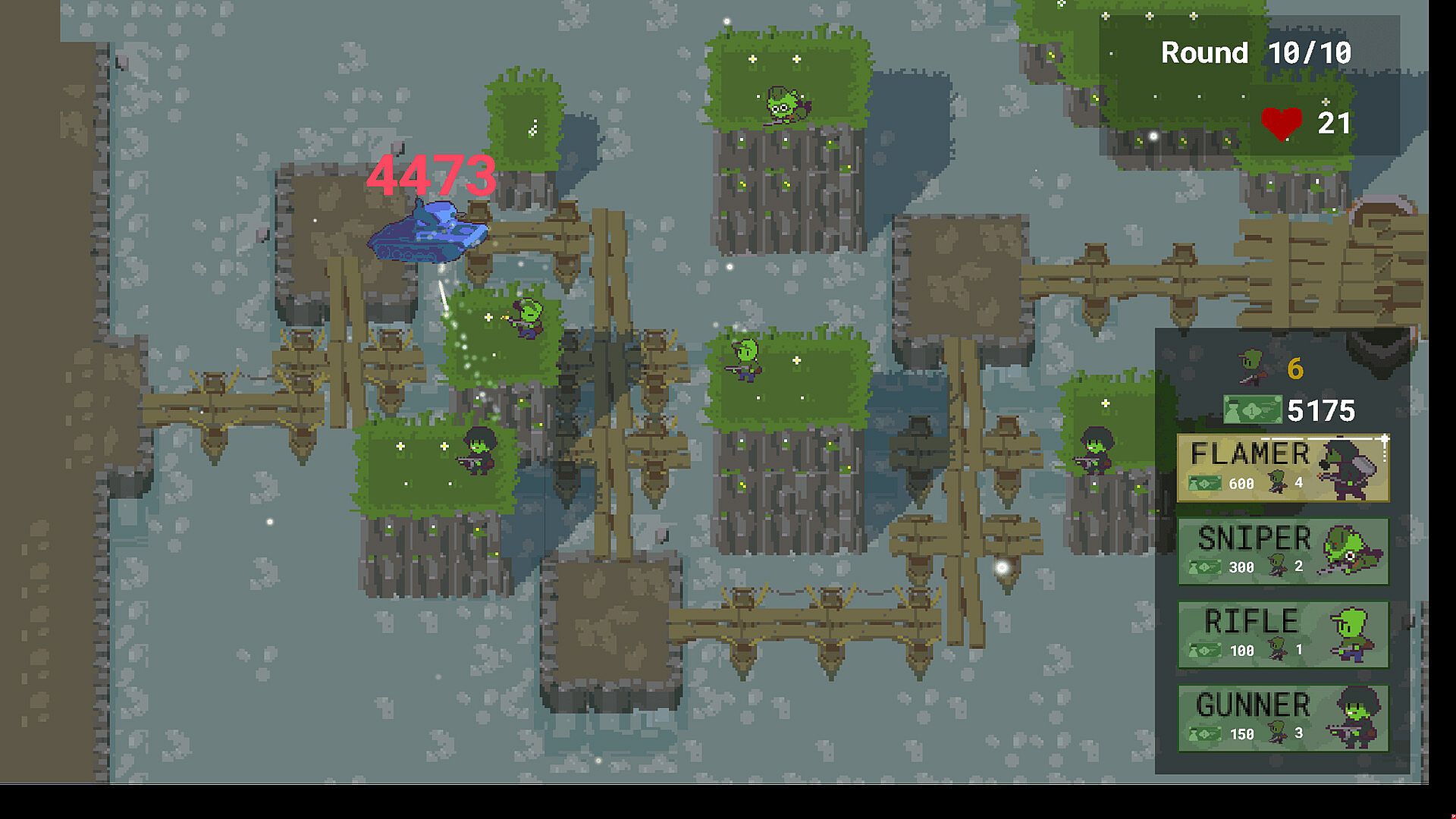
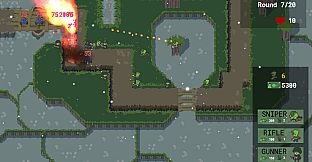
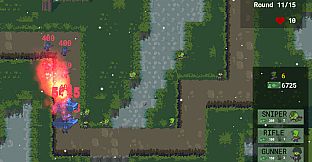
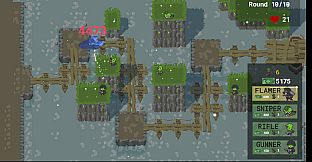
The core loop involves selecting positions on one of three distinct maps and placing soldiers to counter incoming waves. Each map presents a different terrain challenge, from a river crossing that limits movement options to a dense jungle that affects line of sight and a rice field that alters enemy approach patterns. Rounds increase in difficulty as more attackers arrive, requiring careful placement and upgrades to towers that represent different soldier types.
Four towers offer varied capabilities, each with its own visual design, sound effects, and tactical role. Players deploy these units, upgrade their effectiveness, and adjust positions as the battle progresses. Three enemy types appear across the waves, each demanding different responses based on speed, armor, or numbers. The pixel art presentation uses custom sprites, backgrounds, animations, and visual effects created specifically for the project, giving the battlefield a consistent retro-inspired look.
Resource management and timing play central roles. Holding the line means balancing defensive coverage with the need to clear paths for the retreating forces. Mobilizing troops allows shifts in focus between static defense and more active counter pushes when opportunities arise.
Game Modes
Long March centers on a single defensive campaign divided across its three maps. Each map runs its own sequence of rounds with escalating enemy pressure, creating a progression that tests sustained strategy rather than isolated challenges. The structure encourages replay on individual maps to refine placements and upgrades against the unique layout and enemy behaviors.
Difficulty scales naturally through the rounds on every map, pushing players to adapt tower compositions and upgrade priorities as threats intensify. There are no separate competitive or cooperative modes described, keeping the focus on solo defense of the retreat route.
Setting and Presentation
The game places the action in a China divided by civil war, with the player aligned to a rebel force fleeing the Blue Regime under General Li. The narrative frames each defense as a temporary stand that buys time for resupply and continued movement north. This context shapes the maps and enemy presence without adding complex story branches or dialogue systems.
Pixel art remains the dominant visual style throughout, with all assets produced in-house. The limited color palette and sprite work emphasize clarity during busy defensive sequences, while distinct audio cues for each tower help players track action across the battlefield.
Is It Worth Playing?
Long March suits players who enjoy classic tower defense mechanics with a focus on map-specific layouts and progressive wave defense. The three maps provide enough variety to support multiple sessions, and the four towers encourage experimentation with different combinations against the three enemy types. As a free to play title developed as a student project at DigiPen Institute of Technology, it offers straightforward access without additional purchases required for the core experience.
Those seeking deep campaign storytelling or frequent content updates may find the scope limited to its defensive loops. For fans of pixel art strategy games who value precise placement and upgrade decisions over broader simulation elements, the game delivers a focused test of defensive planning across its escalating rounds. The educational origin means the emphasis stays on core mechanics rather than polished production values, which aligns with expectations for a concise tower defense title.











