




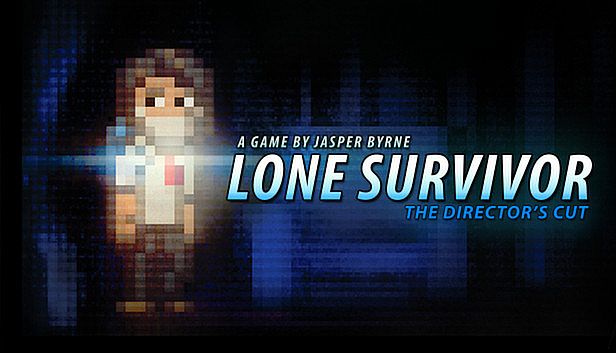












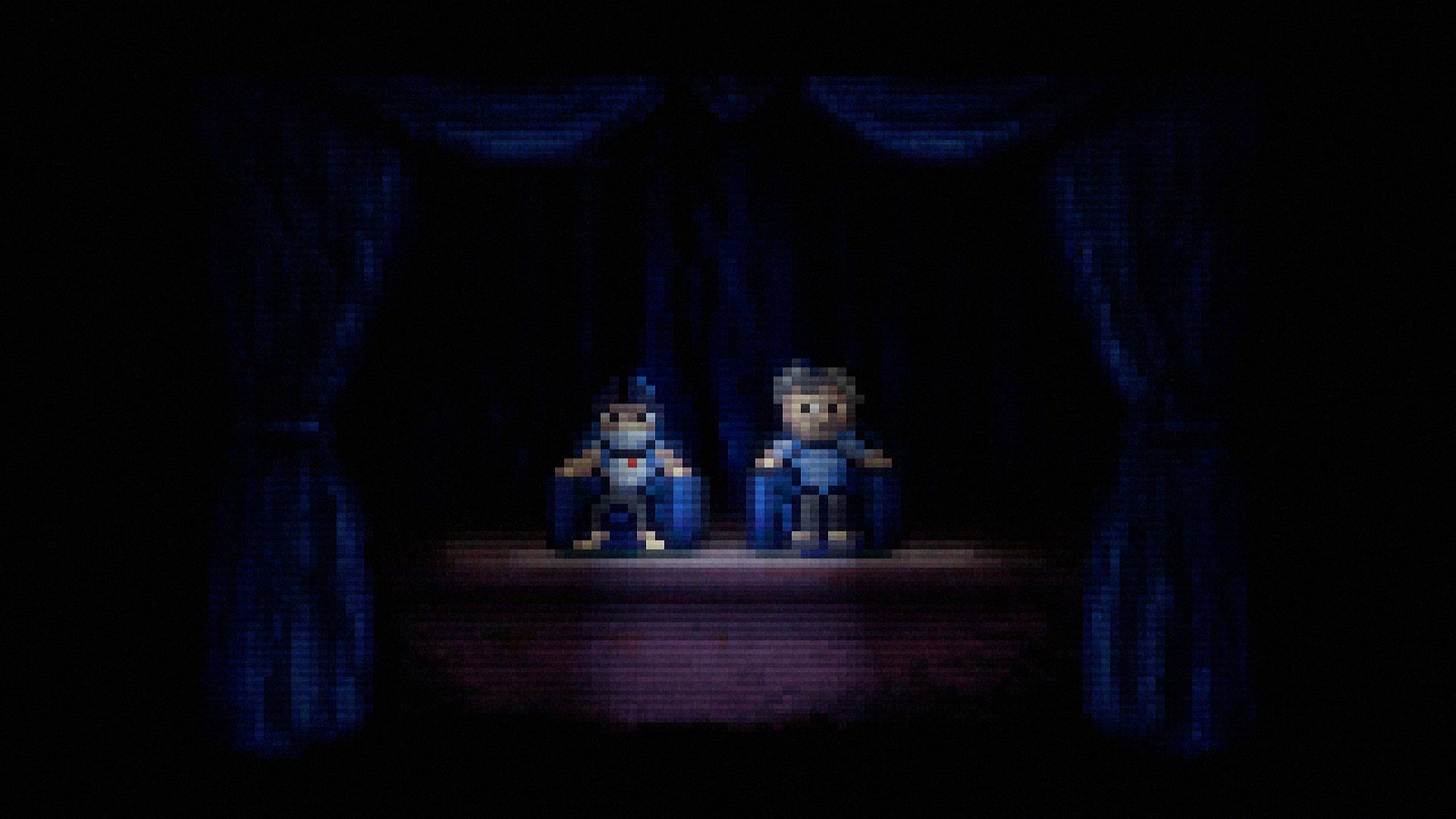
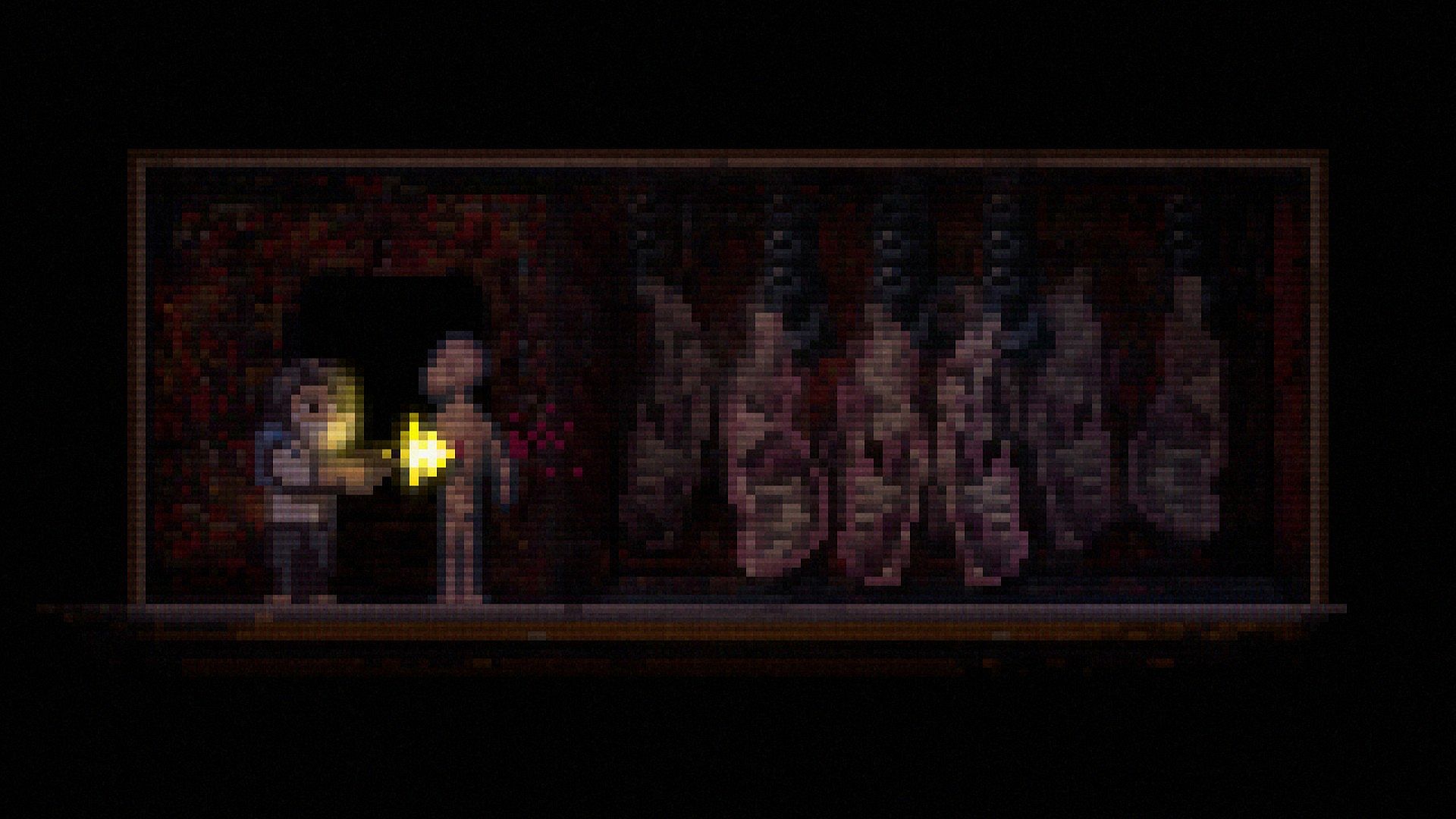
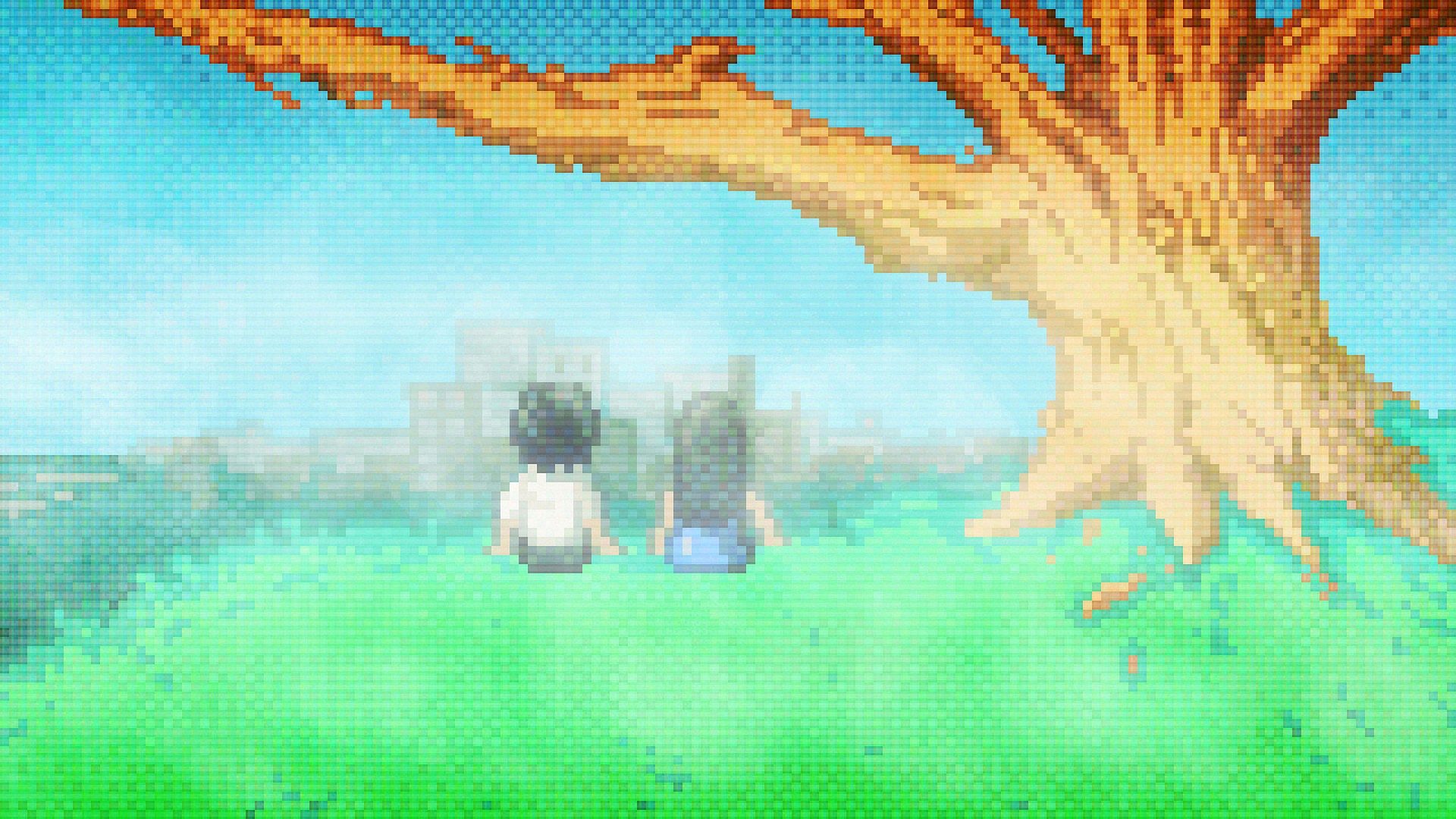
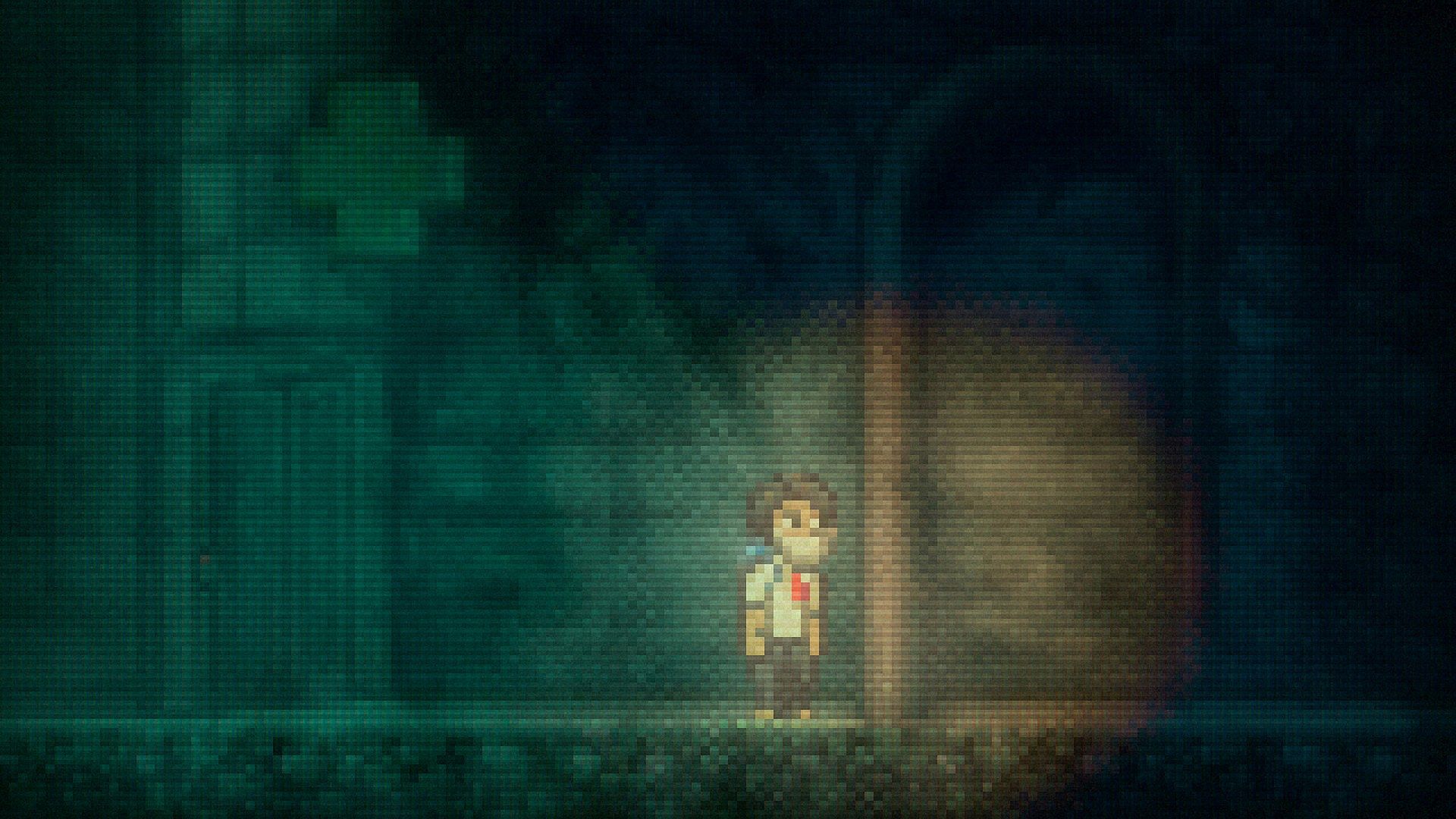
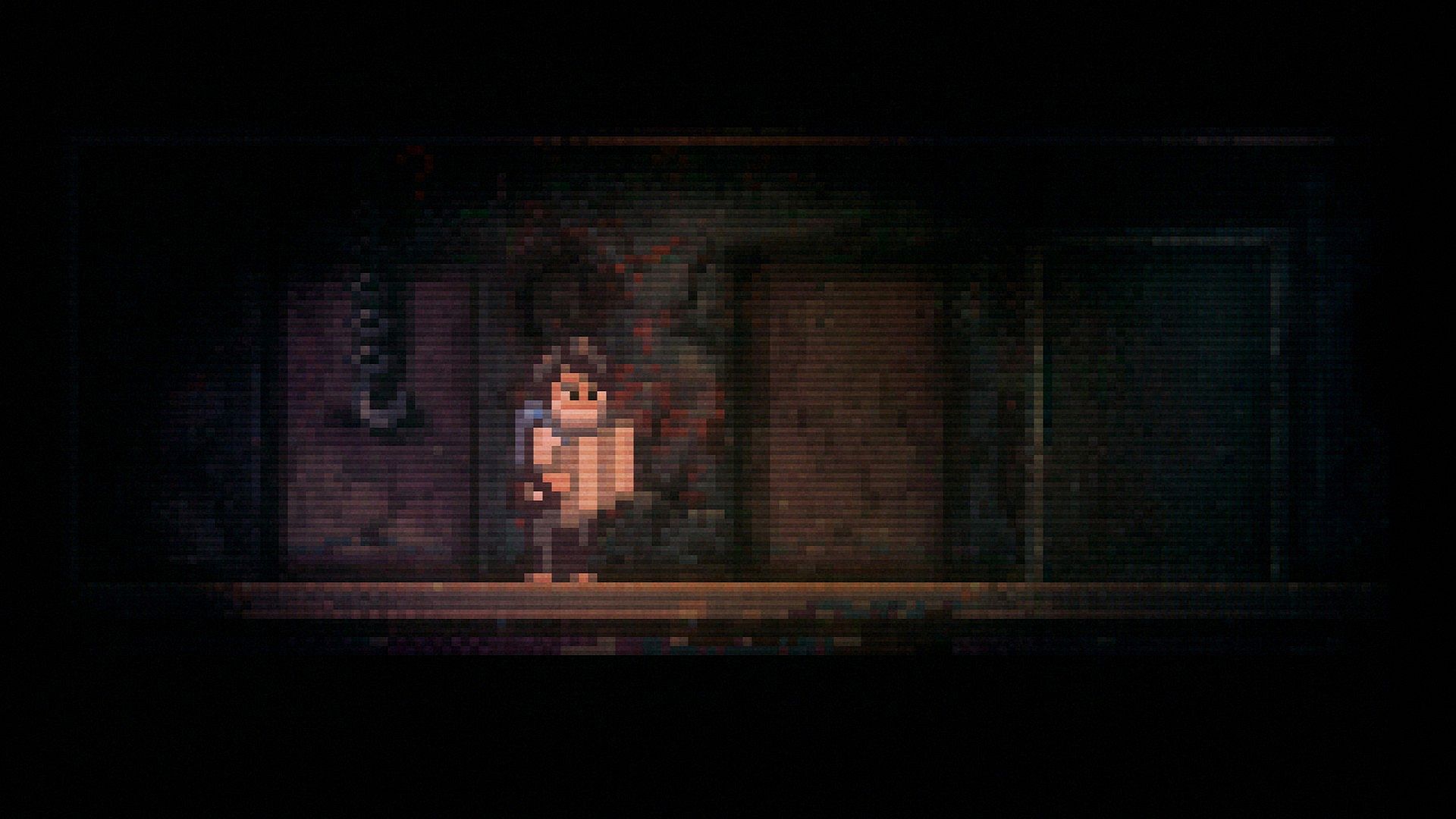
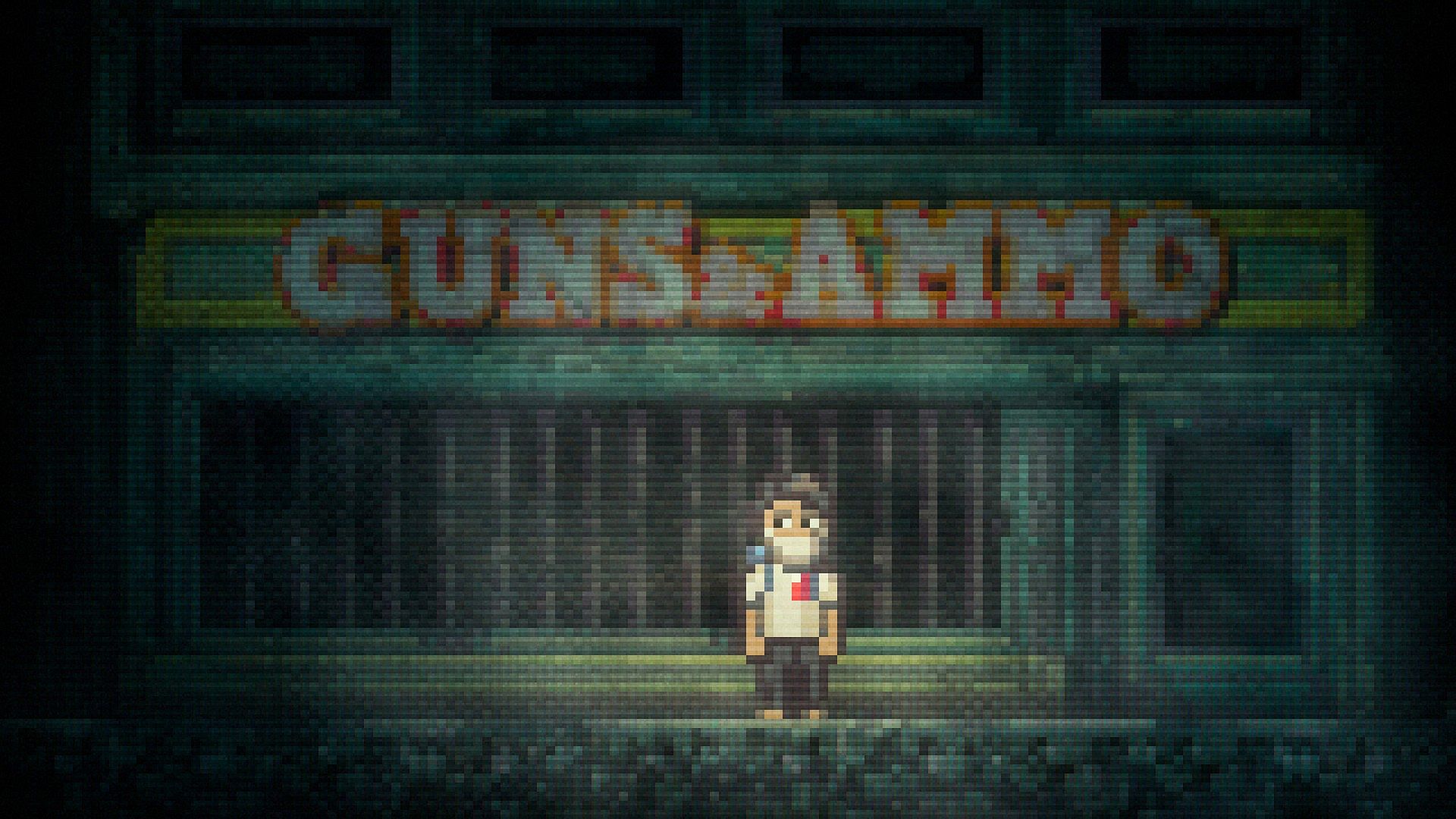
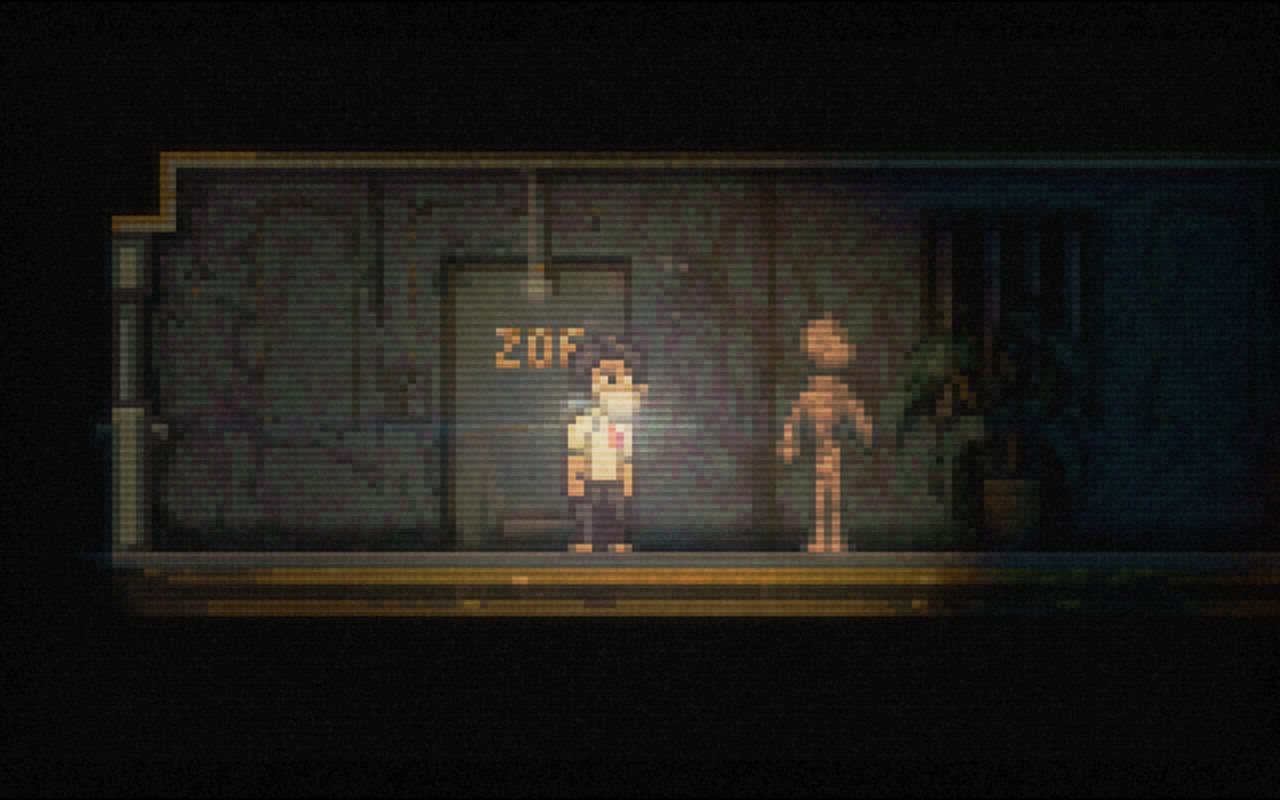
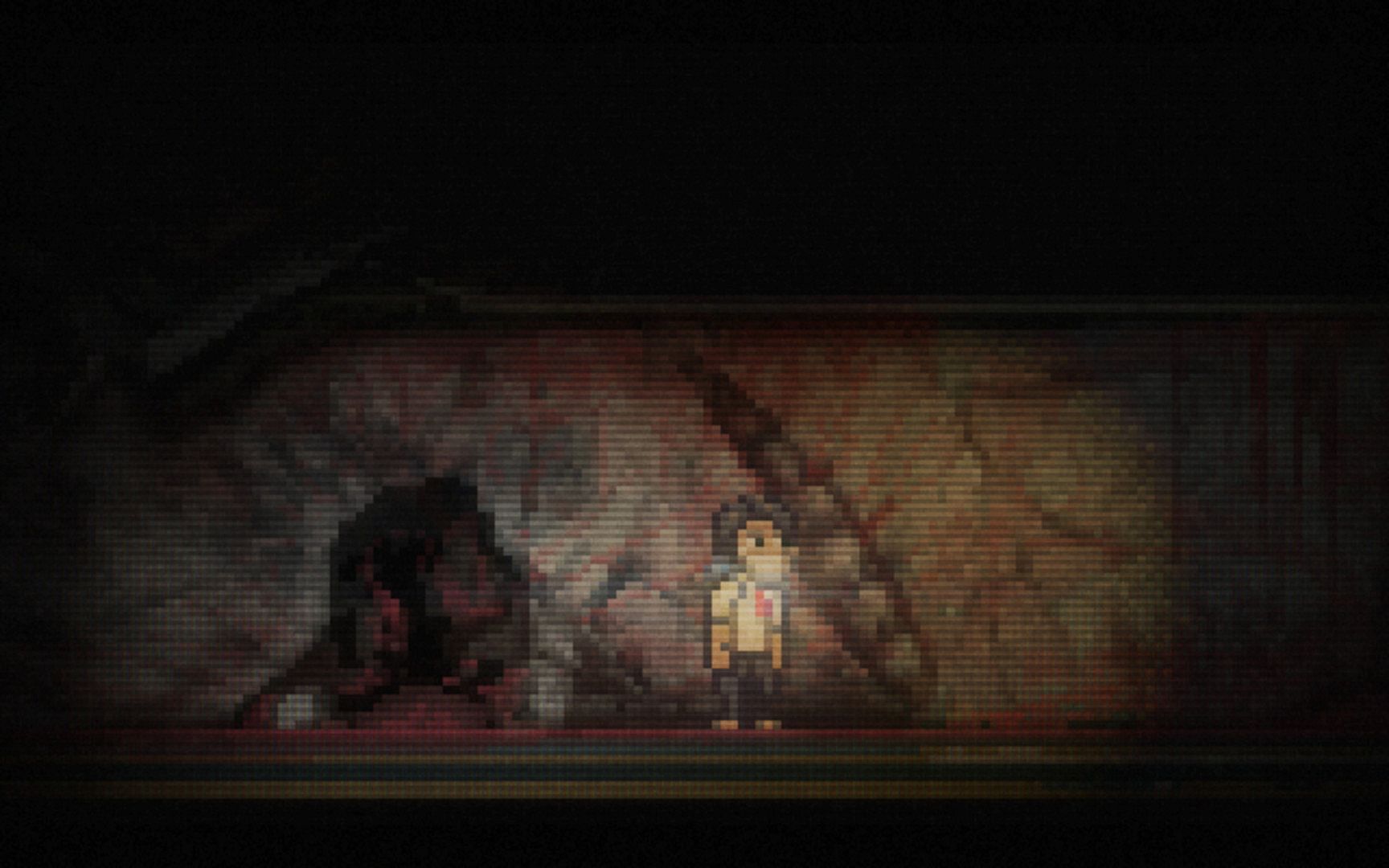
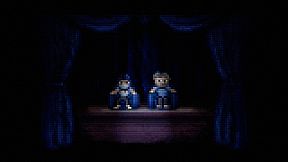
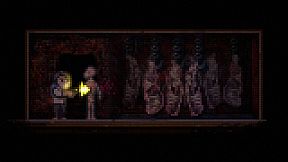
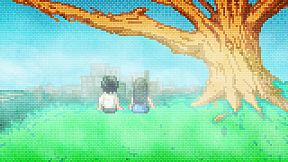
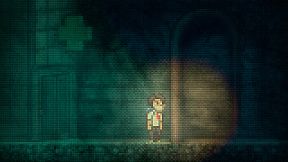
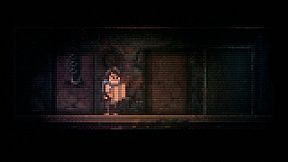
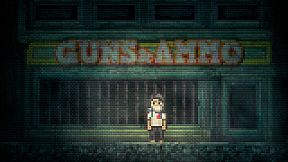
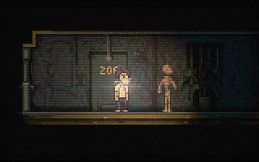
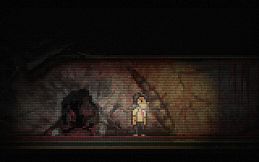
Lone Survivor: The Director's Cut is a single-player survival horror game that blends stealth, adventure, role-playing, and simulation elements on PC. The masked protagonist navigates a disease-ravaged city while managing physical needs like hunger and exhaustion alongside psychological strain that can lead to altered perceptions and behavior. Players make decisions that shape the narrative and multiple endings, with the story adapting to individual choices rather than following a fixed script.
Gameplay
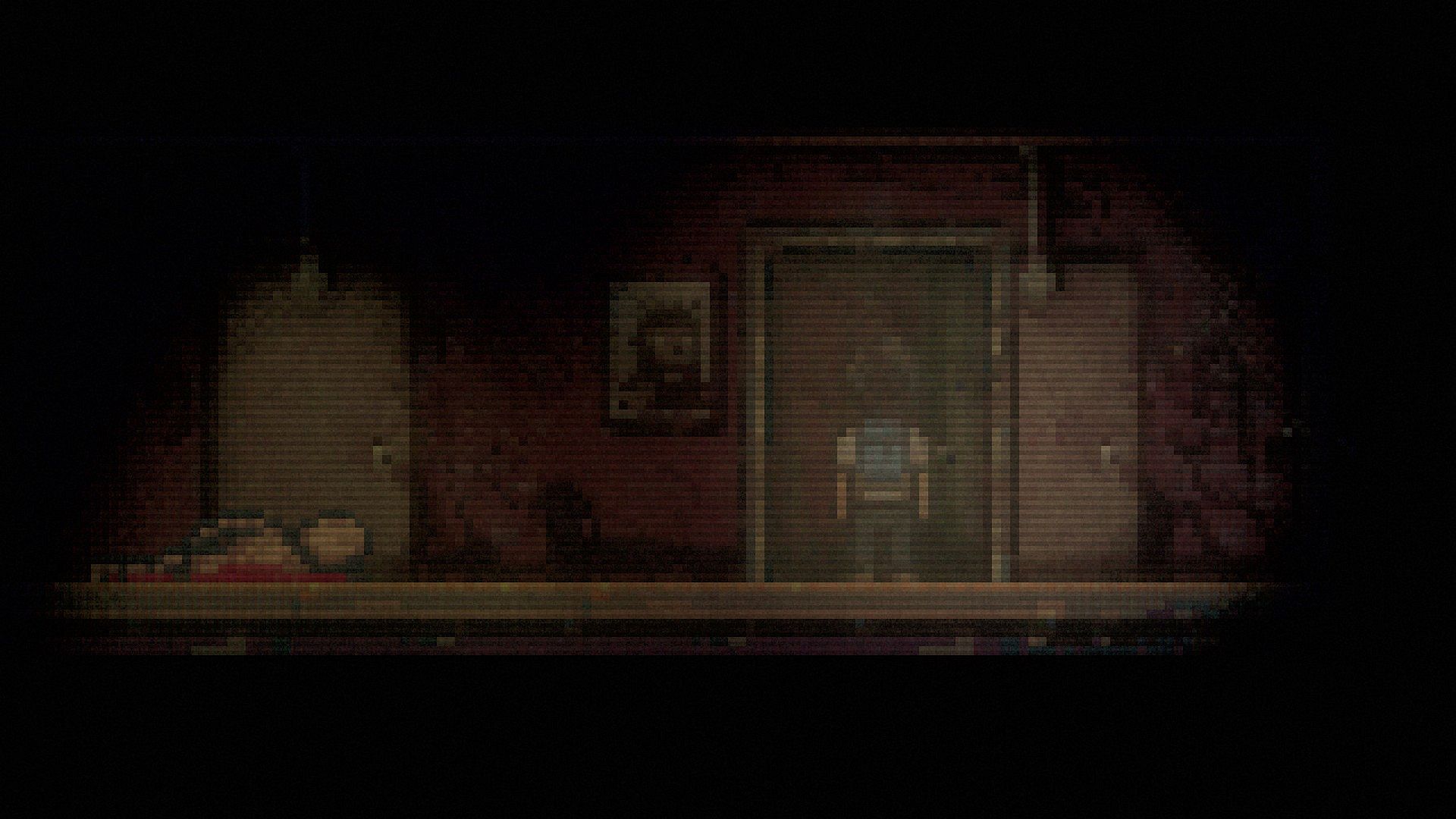
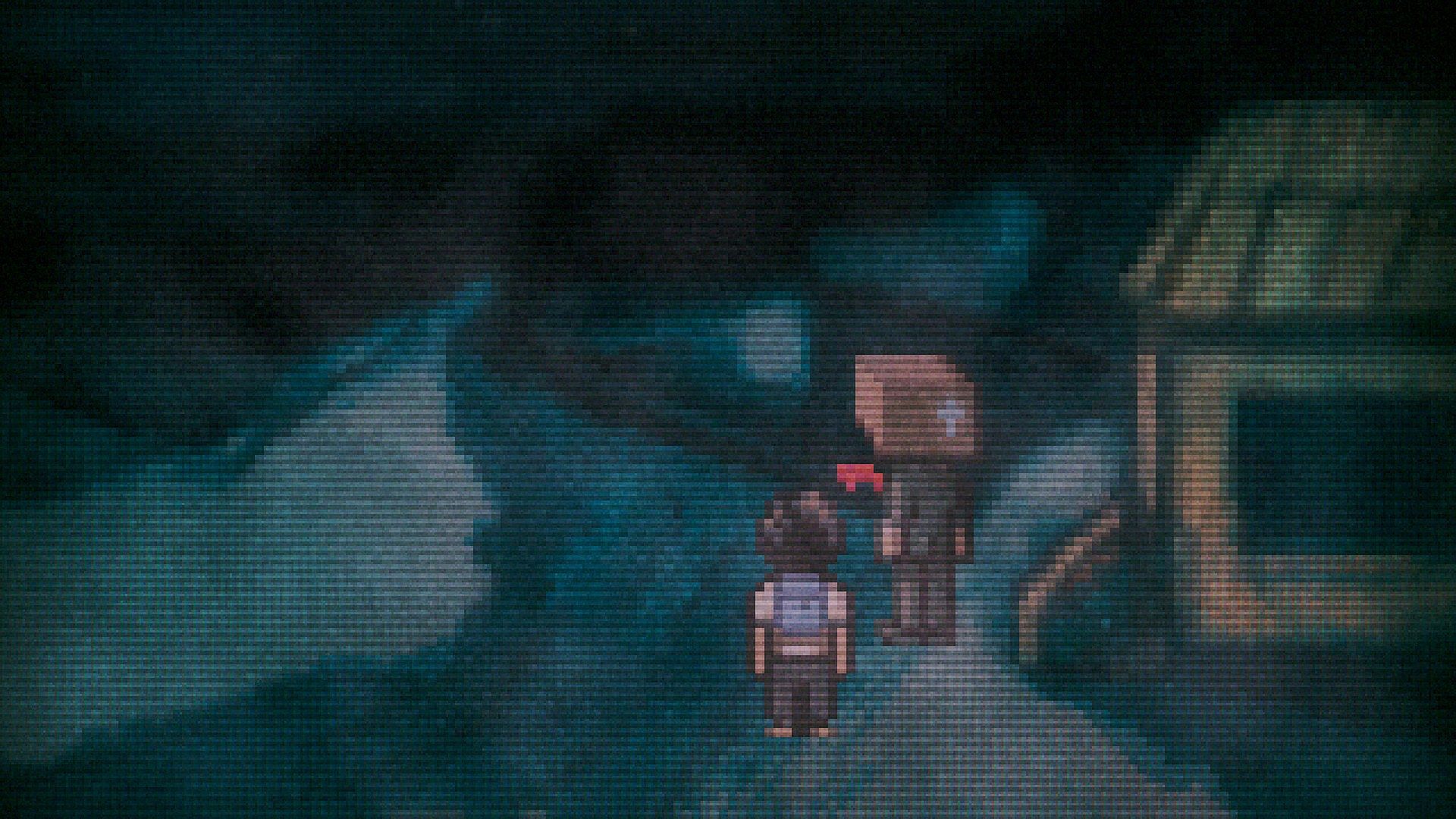
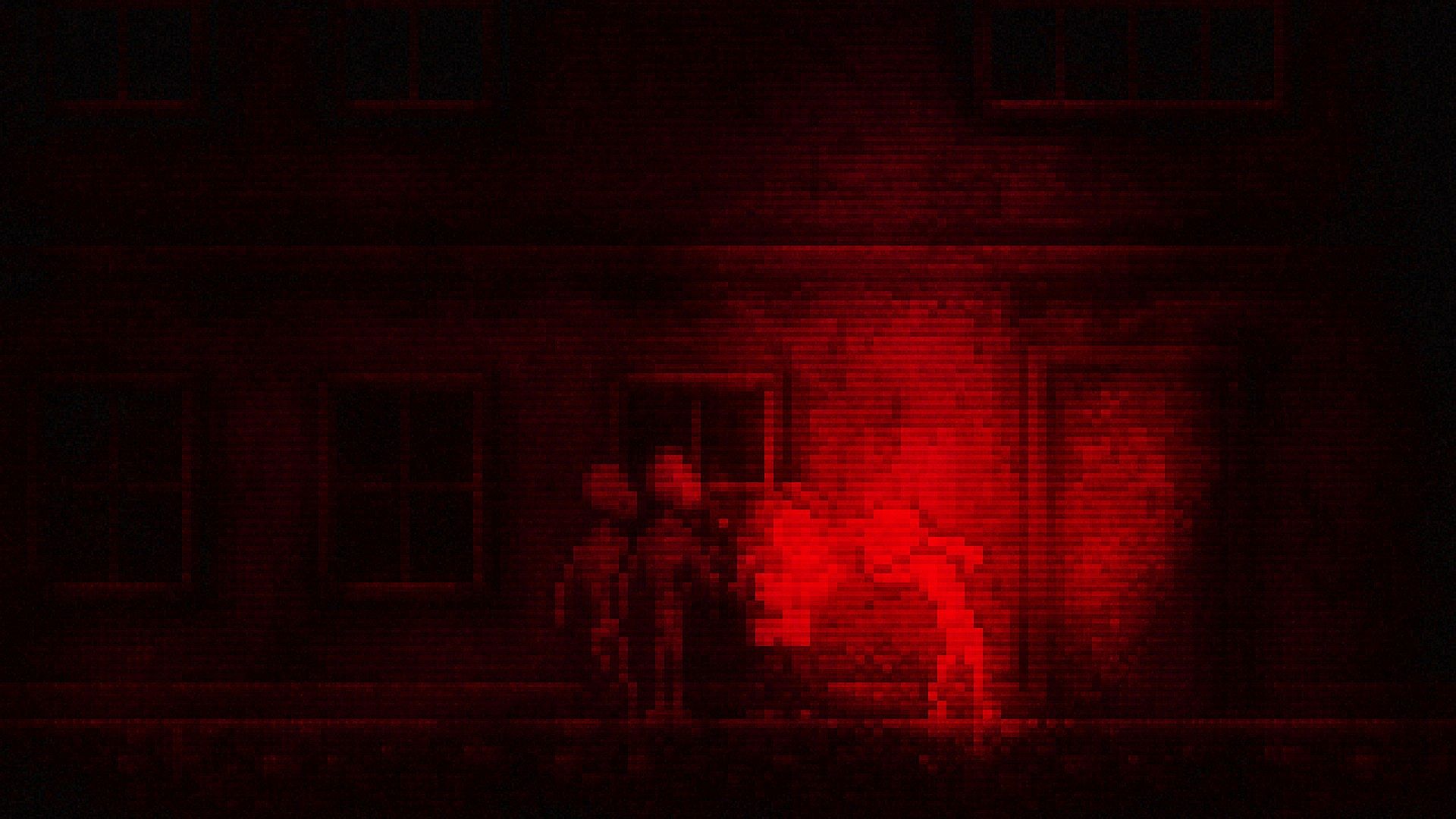
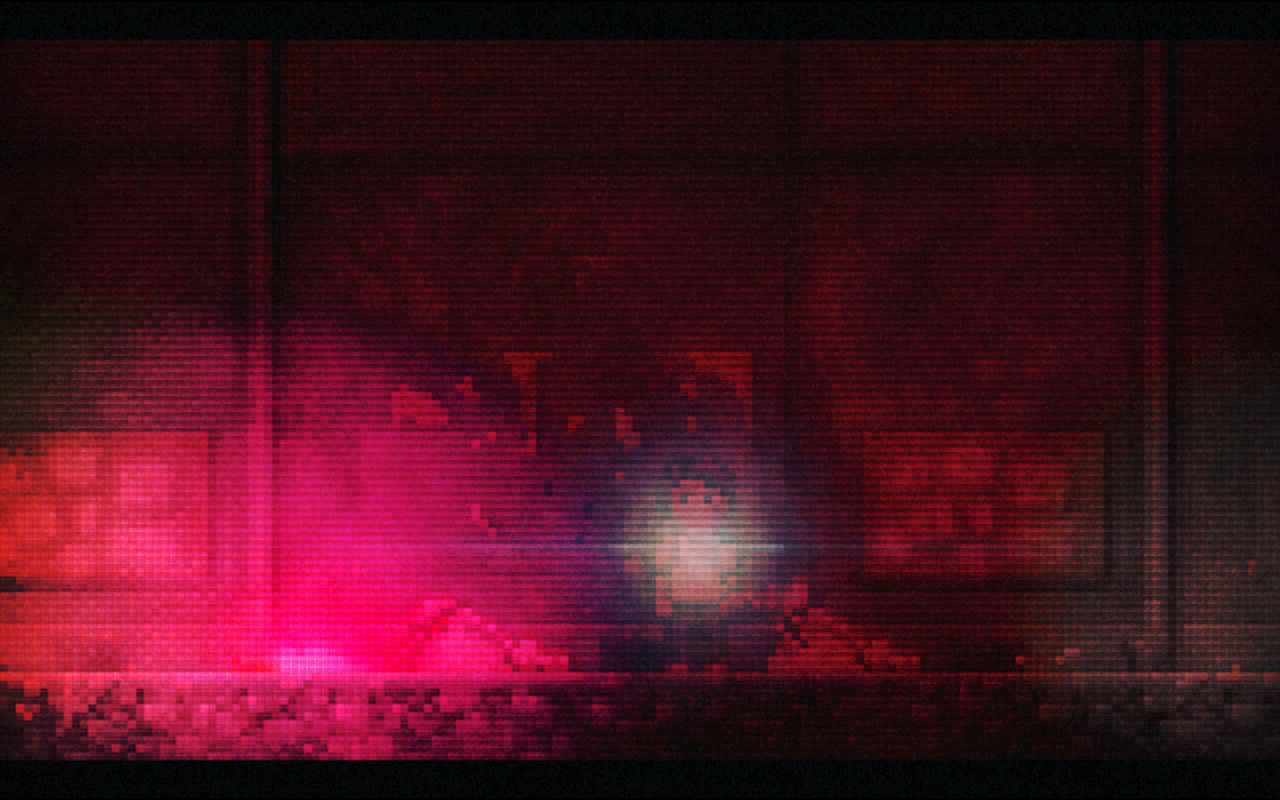
The core loop centers on exploration through over 125 hand-painted locations, resource management, and careful decision-making in hostile environments. The protagonist must scavenge for food, rest to maintain stamina, and decide whether to use medication or push through fatigue. Inventory includes hundreds of items that can be combined or used creatively to solve problems or defend against threats. Stealth allows silent passage past dangers, while direct confrontation offers an alternative path with different consequences. An invisible system tracks mental state, influencing hallucinations or stability based on actions taken. Side activities include optional quests and interactions that expand the experience without forcing completion. The Director's Cut adds an improved lighting engine with lens flares and film-like effects, new areas, one additional enemy type, expanded dialogue, and refined audio cues that heighten tension during movement and encounters.
Game Modes
The game operates as a single-player experience with branching narrative paths that encourage replay. Two primary routes exist through the main story, each featuring variations based on combat choices, survival priorities, and social interactions. New Game+ unlocks additional content exclusive to that mode, including extra locations, items, side-quests, and two new endings. Players can approach each run by prioritizing stealth and avoidance, aggressive elimination of threats, or a balanced mix that affects resource availability and story outcomes. Mental health management creates further divergence, as neglect or over-reliance on substances alters available options and visual feedback. The structure supports 4 to 6 hours per path, with hidden elements and optional tasks that reward thorough exploration on subsequent playthroughs.
Story and Atmosphere
The narrative follows a lone figure questioning reality amid isolation and scarcity. Warmth and humor appear alongside darker themes, supported by an original soundtrack of approximately 35 tracks. Character interactions feel personal, with dialogue updates in the Director's Cut that respond to prior decisions. An ending collection system and ritual element appear in the updated version, allowing players to review completed paths. The visual style mixes retro pixel techniques with modern enhancements for a distinctive, claustrophobic feel across the city setting.
Is It Worth Playing?
Player feedback on the available version remains very positive, with reviewers noting strong atmosphere and meaningful choices that reward role-playing. The Director's Cut delivers free additions such as new side-quests, endings, and technical improvements that enhance the original release. Those who enjoy deliberate pacing, inventory experimentation, and psychological depth will find the systems engaging, while the short playtime per path makes it accessible for focused sessions. The game suits players interested in single-player survival horror with simulation layers rather than fast action or multiplayer elements. Its legacy status on current platforms means it serves preservation purposes, yet the core experience holds up for those seeking an intimate, choice-driven adventure.















