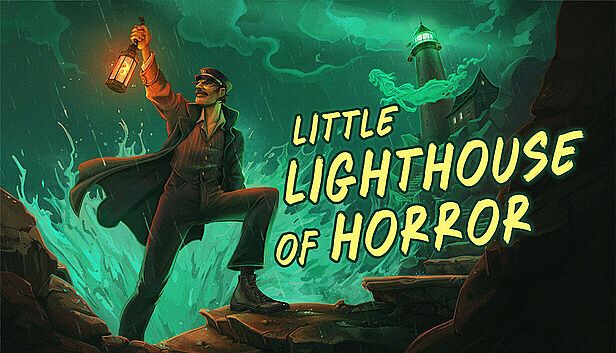













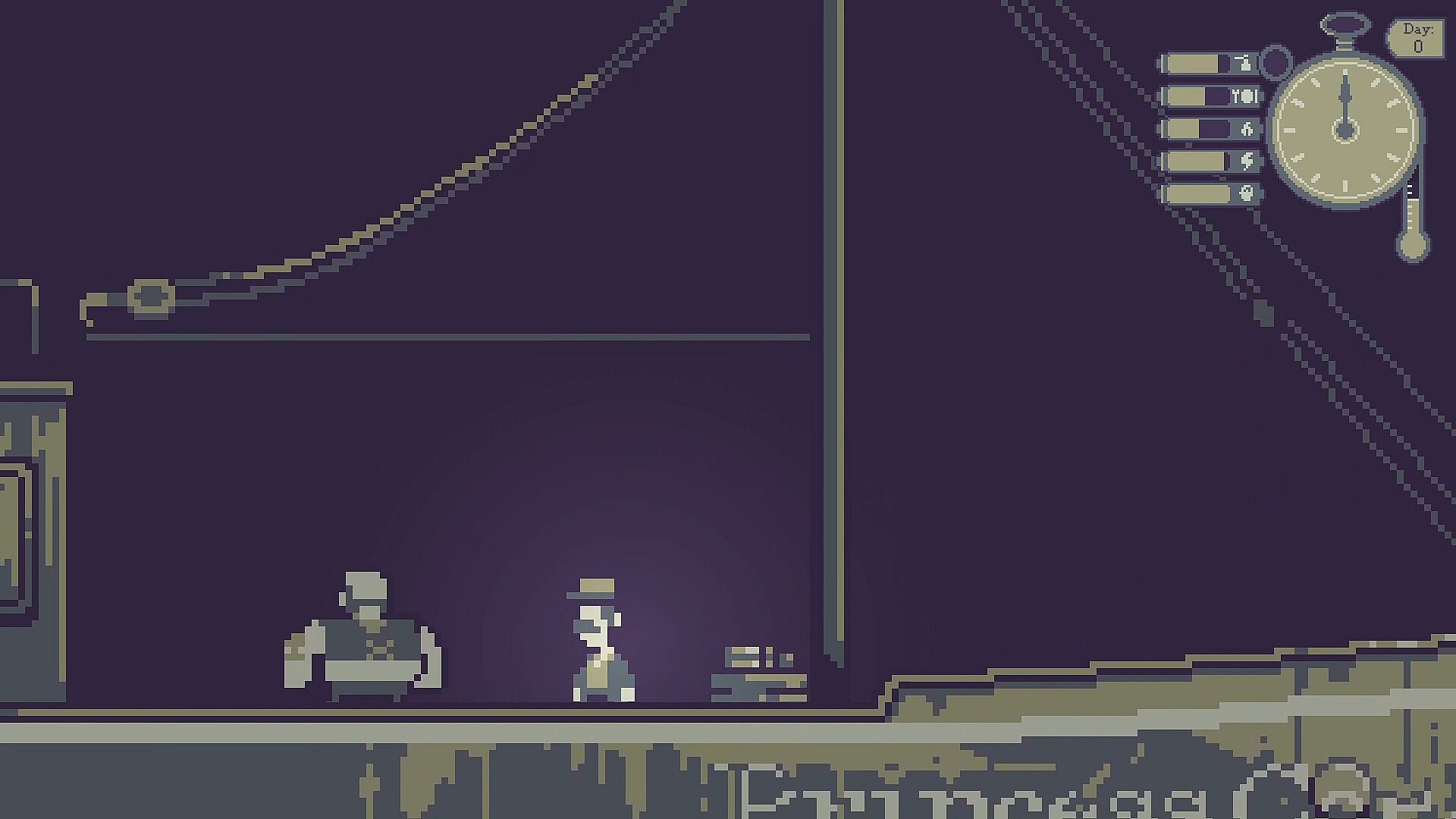
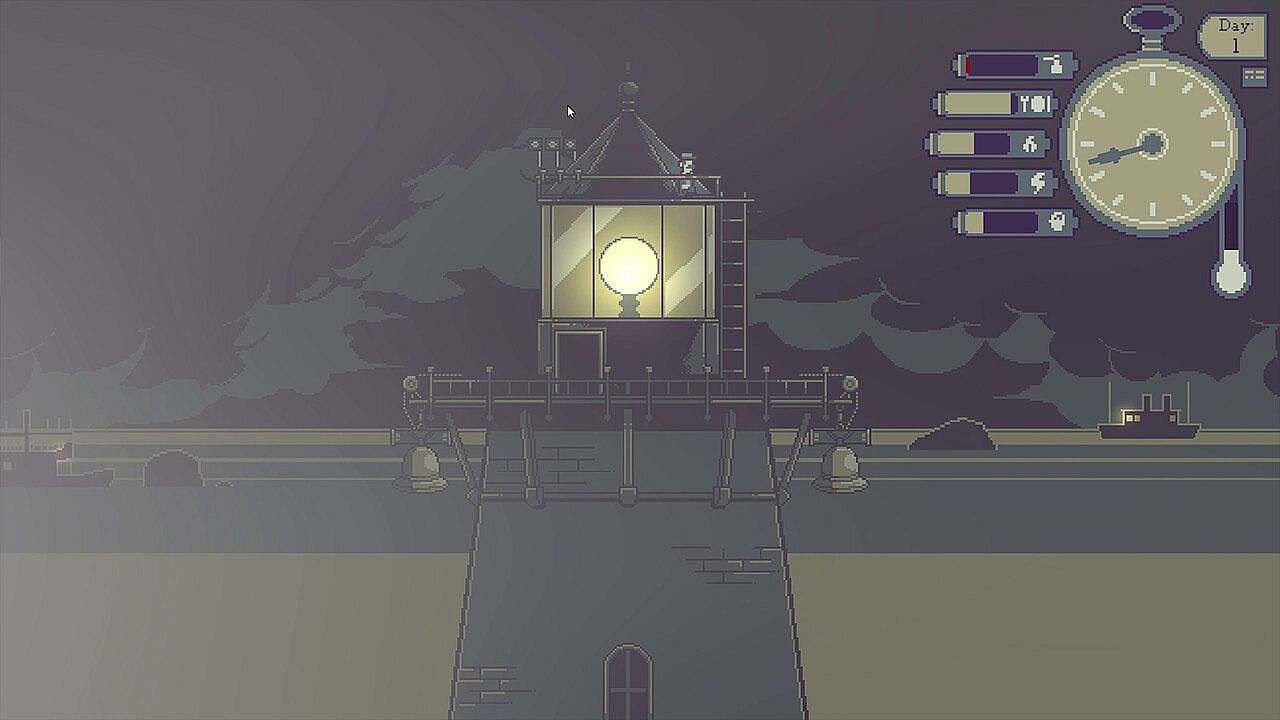
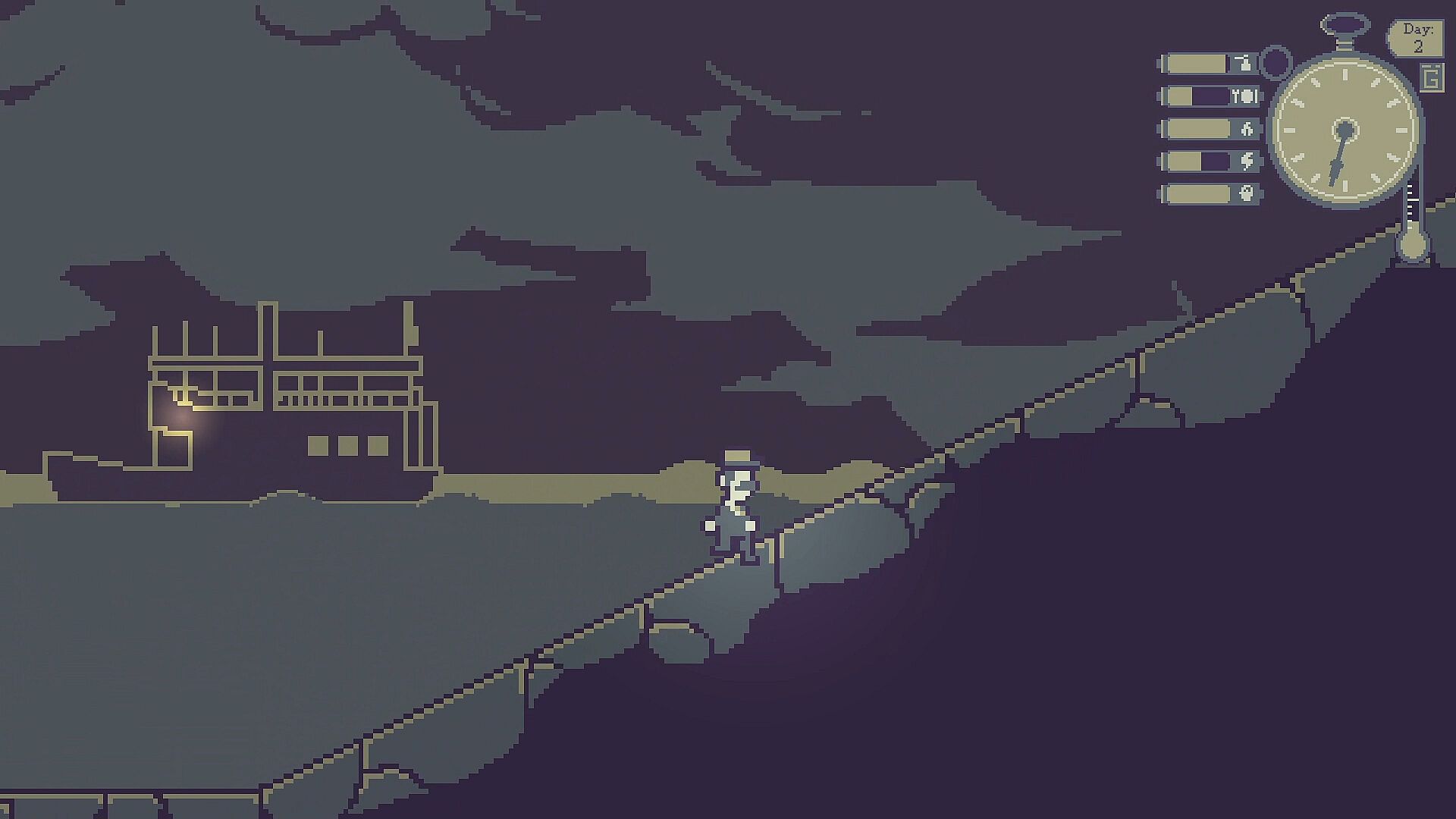
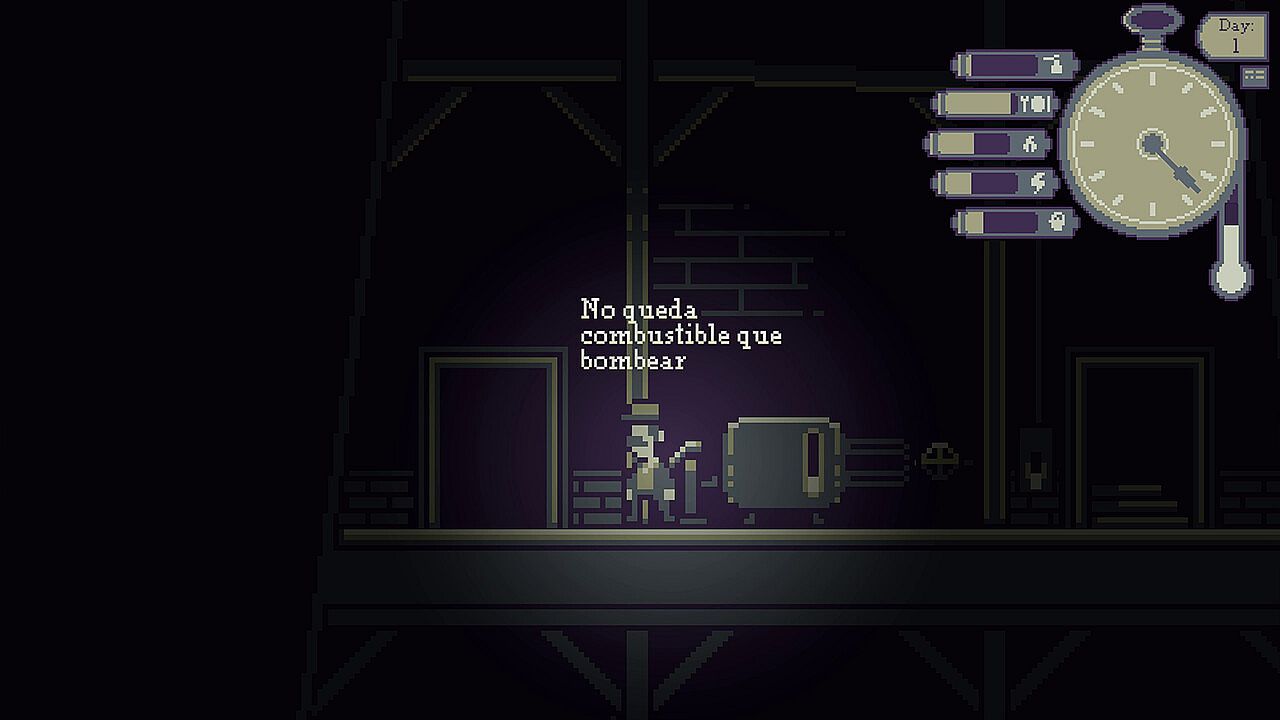
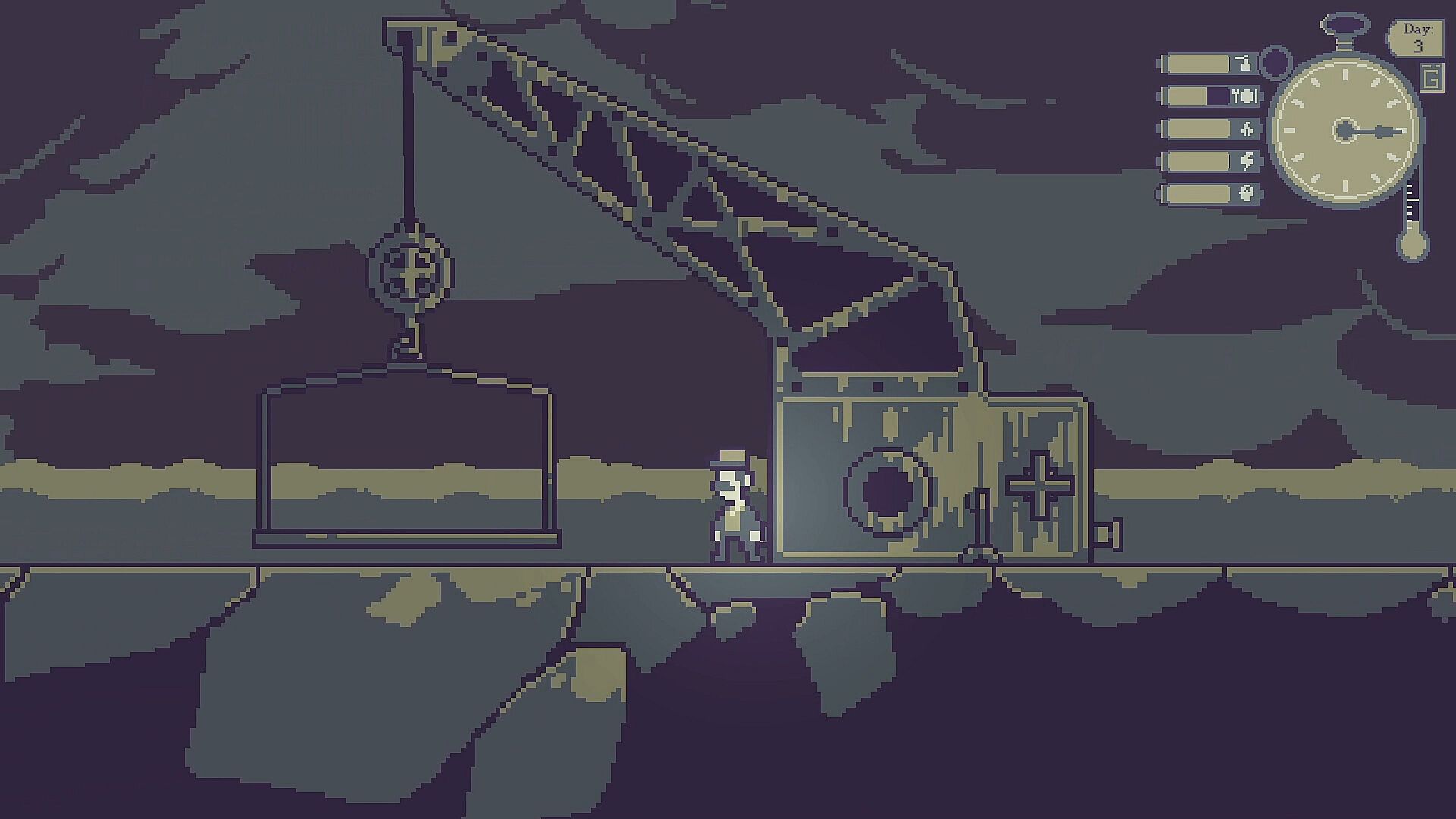
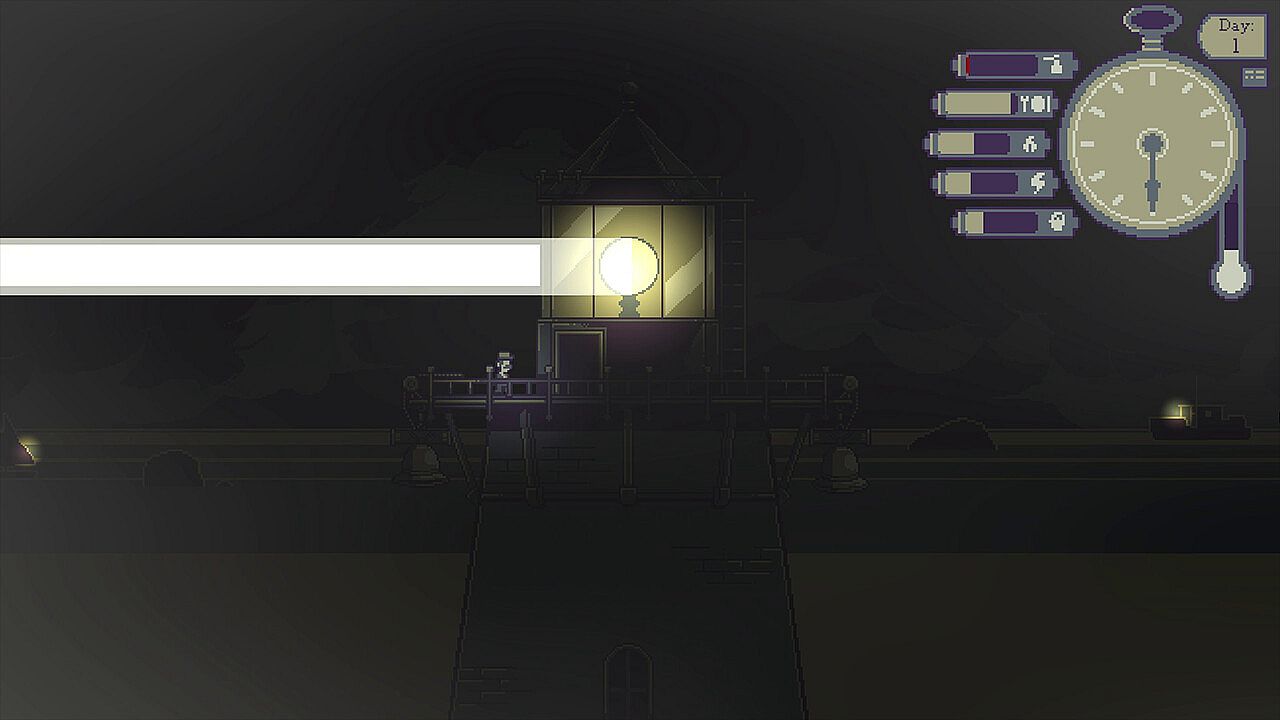
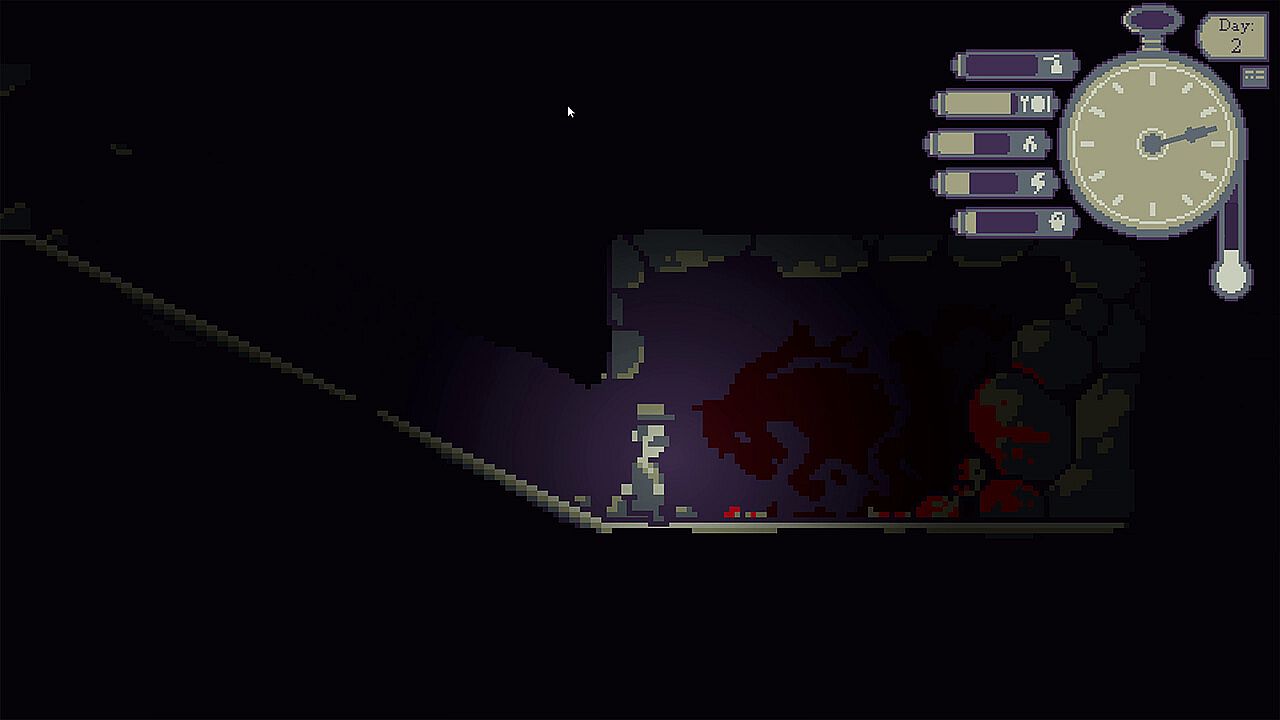
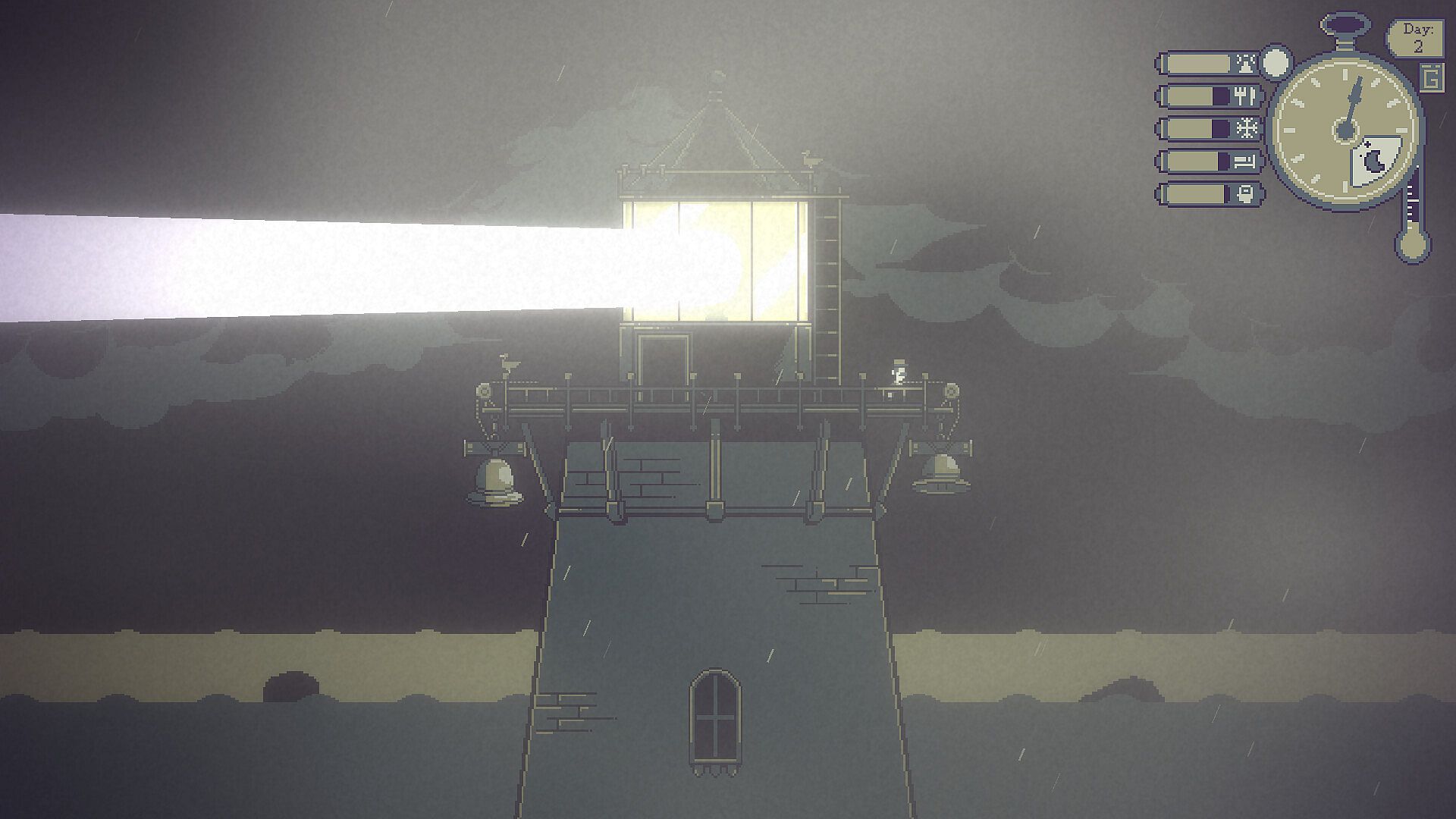
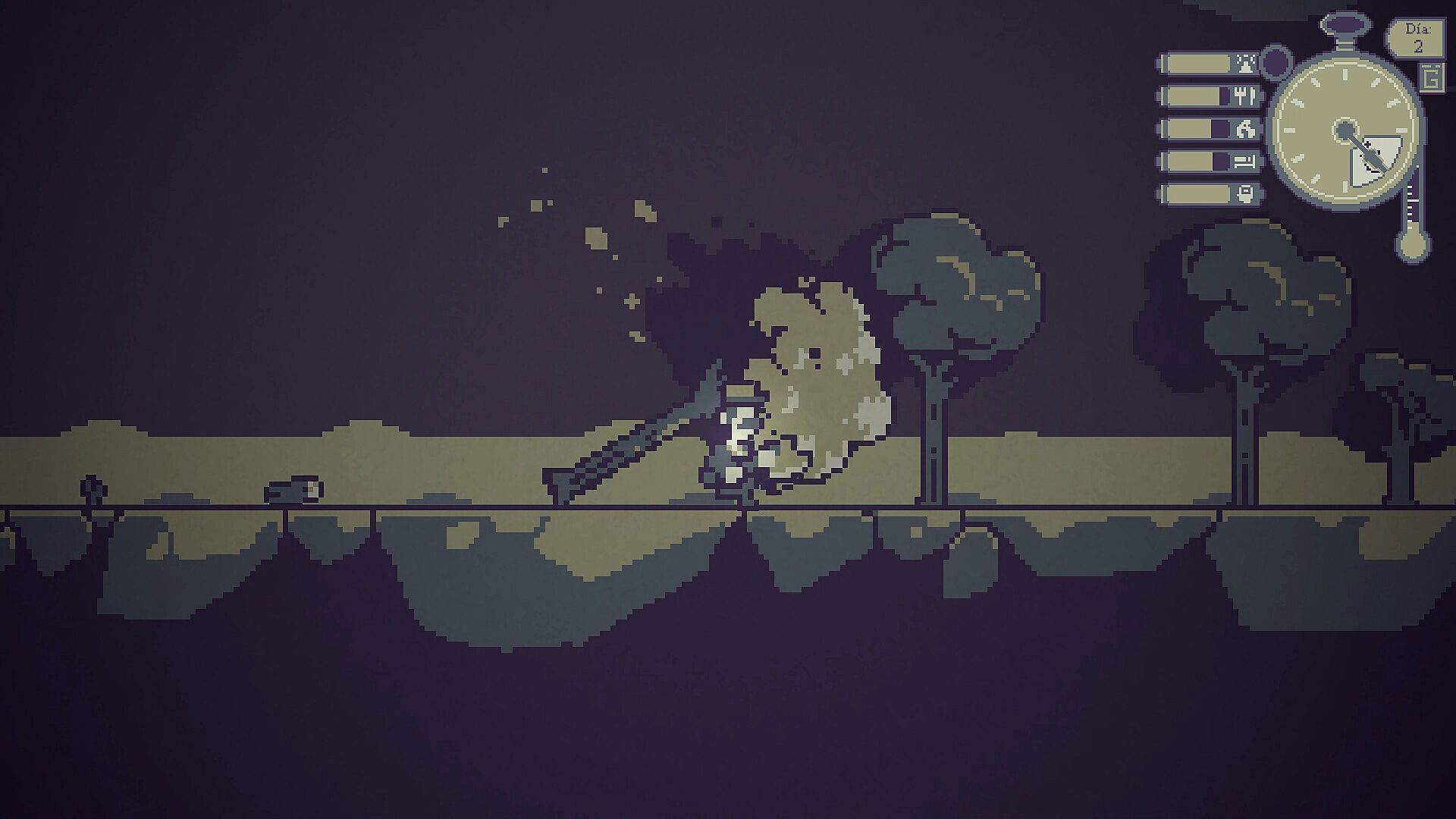
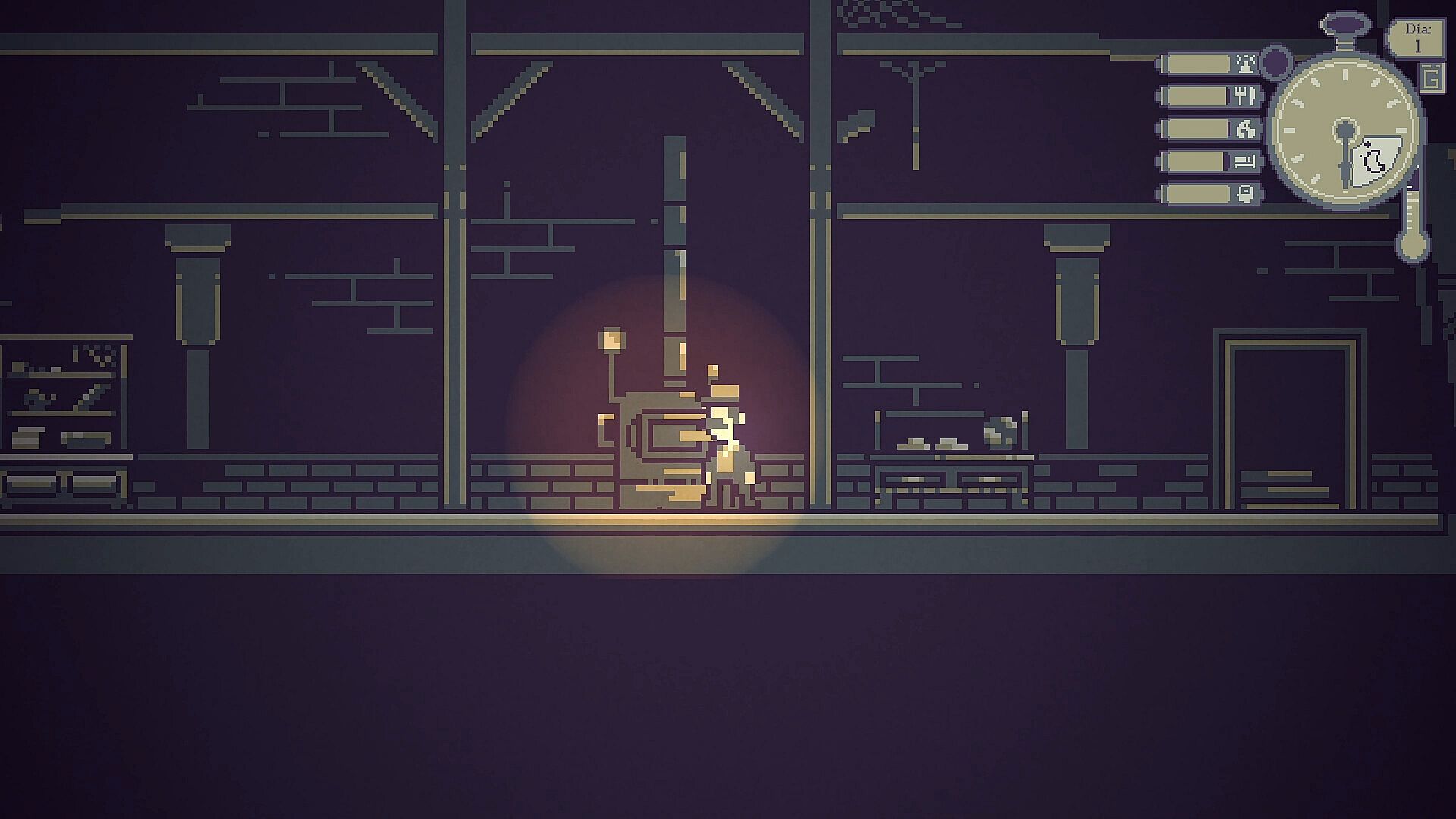
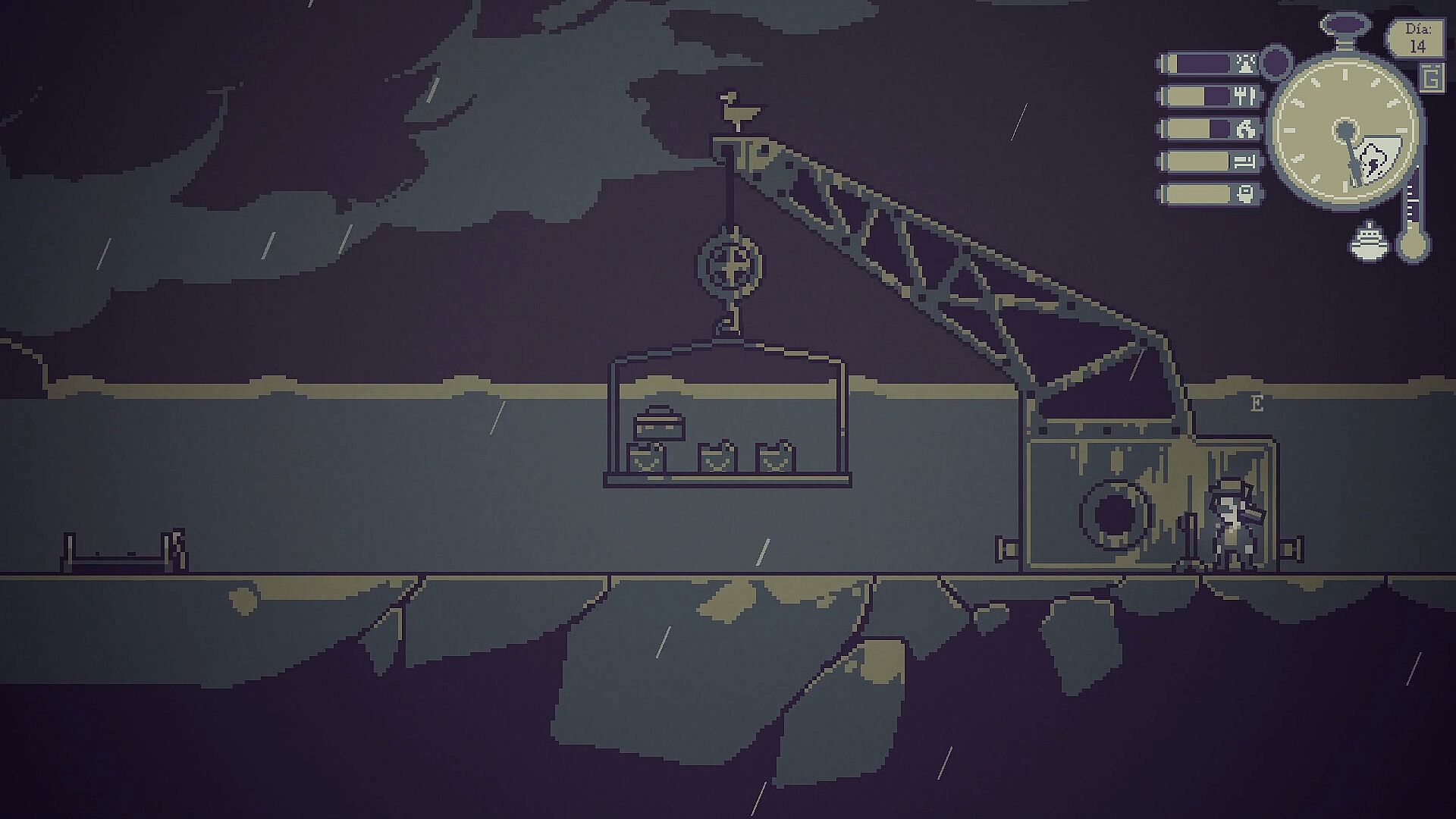
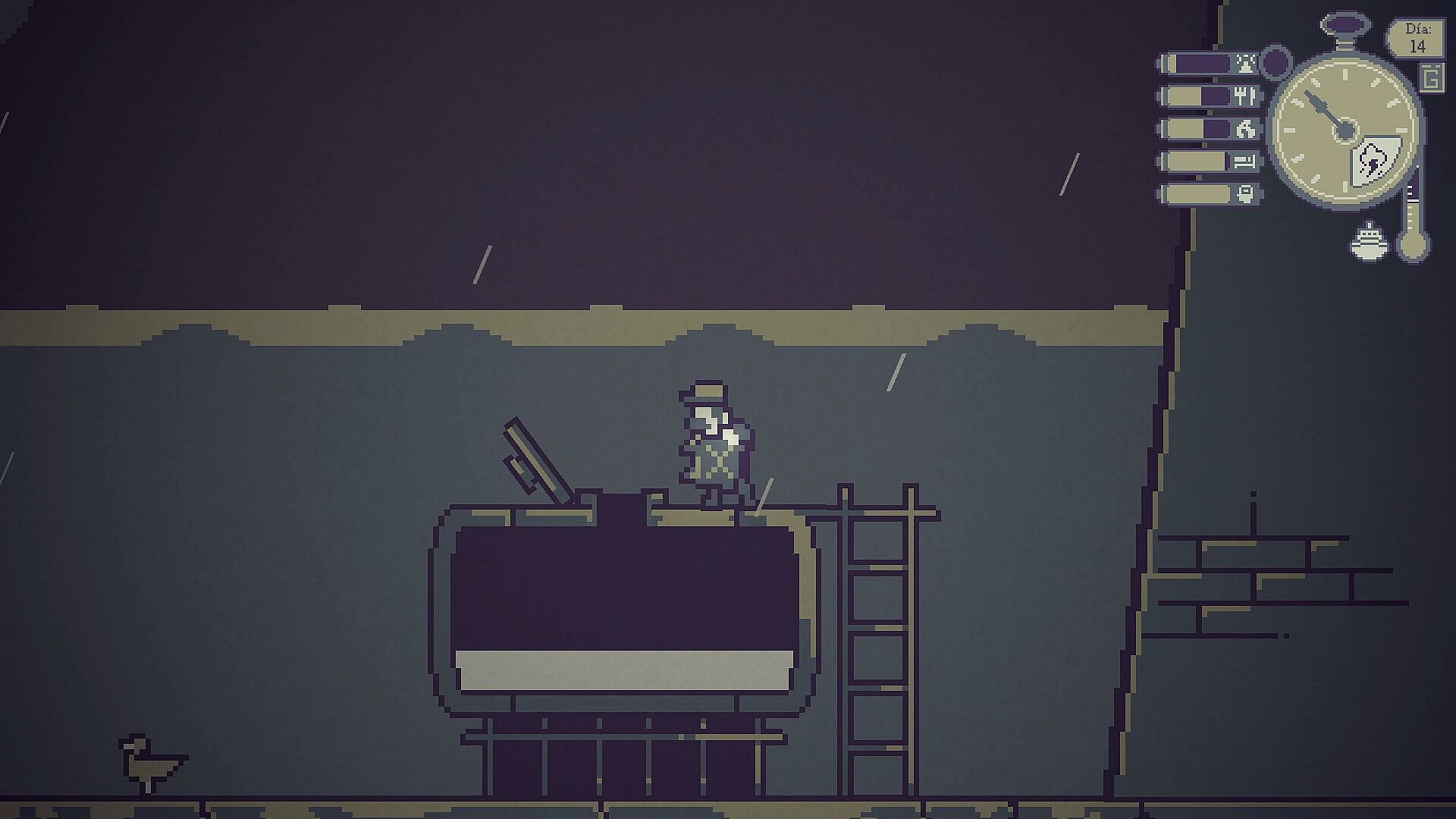
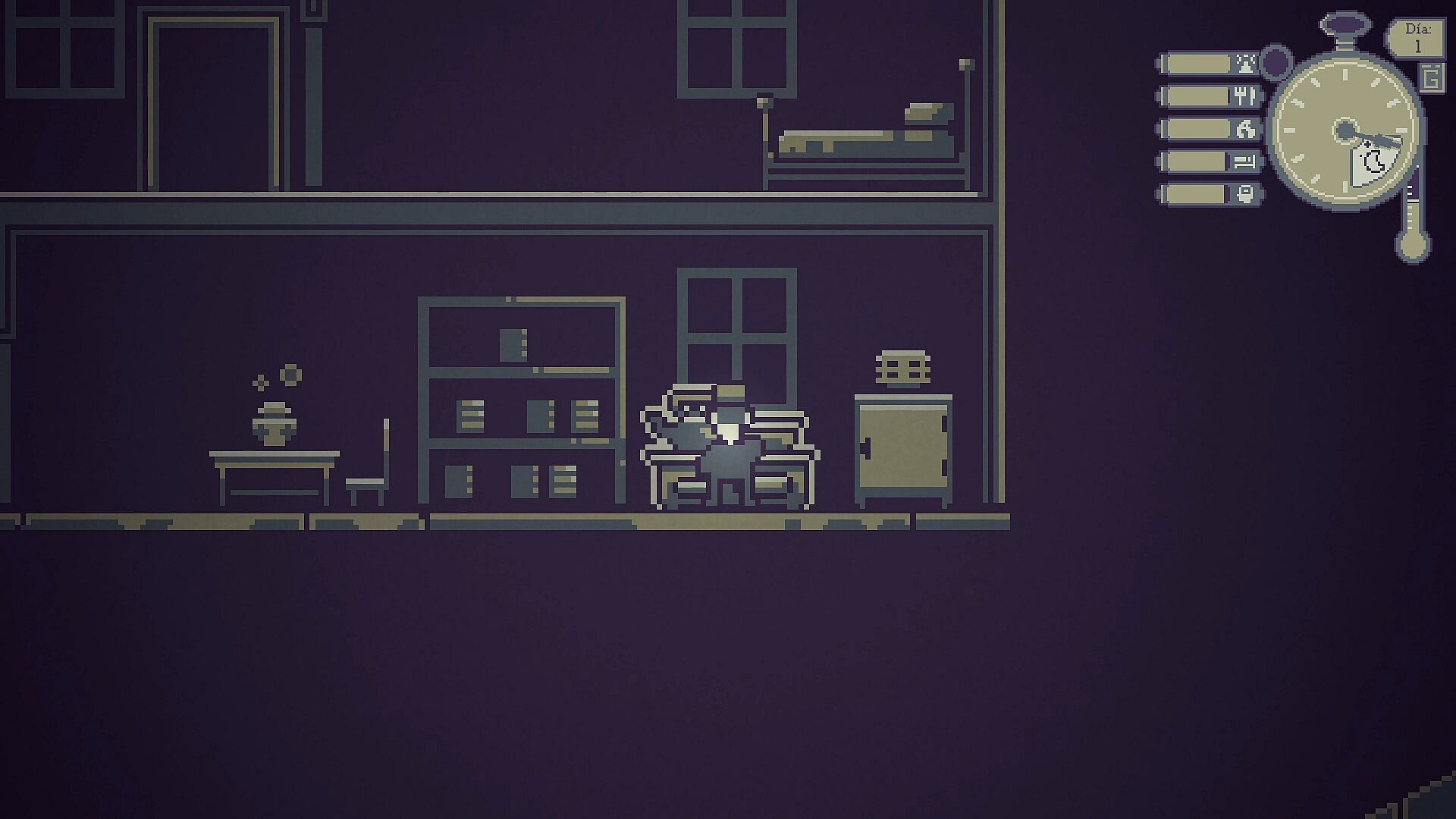
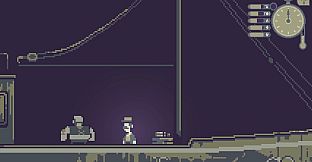
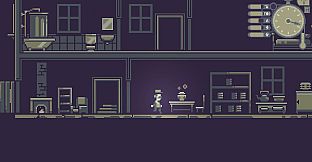
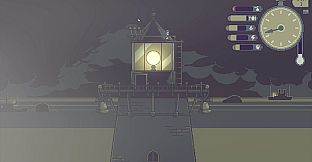
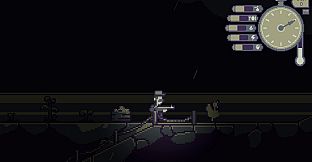
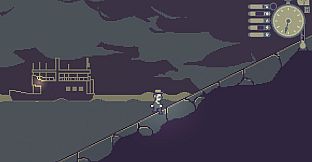
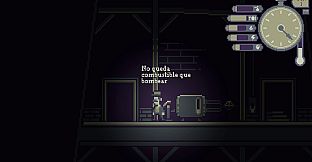
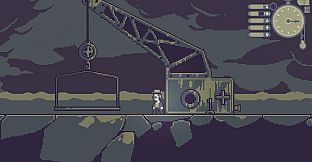
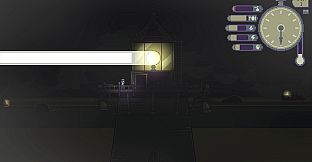
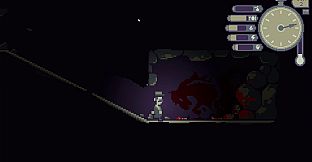
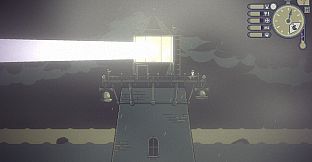
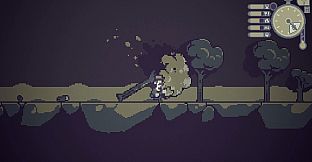
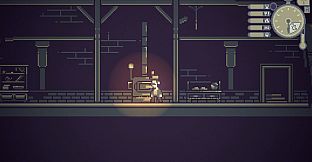
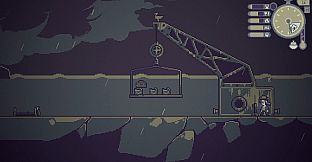
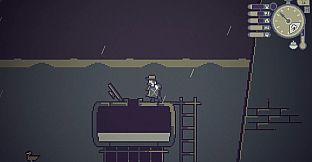
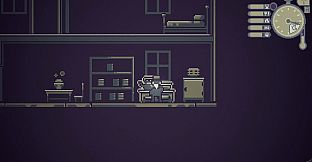
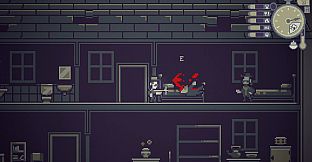
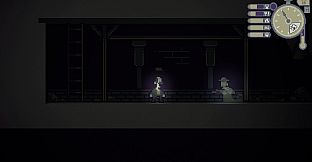
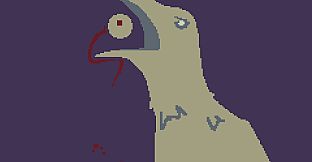
Little Lighthouse of Horror is an indie psychological horror game set on a remote island where players take on the role of lighthouse keeper Lawrence. The experience blends resource management, sanity tracking, and exploration in a pixel art world inspired by historical maritime legends. As a singleplayer title focused on isolation and survival, it challenges players to maintain the lighthouse while dealing with dwindling supplies and mounting mental strain.
Gameplay
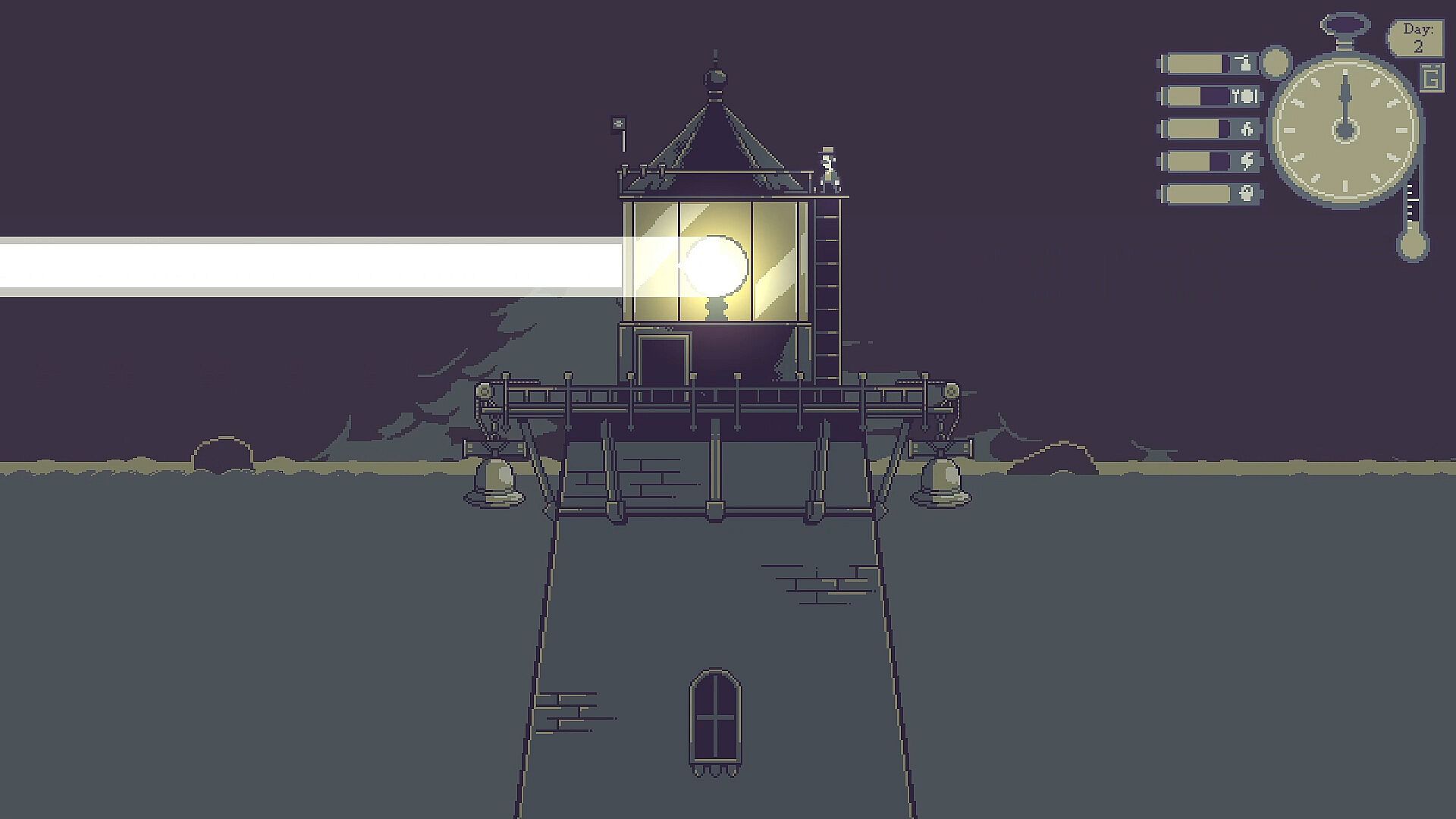
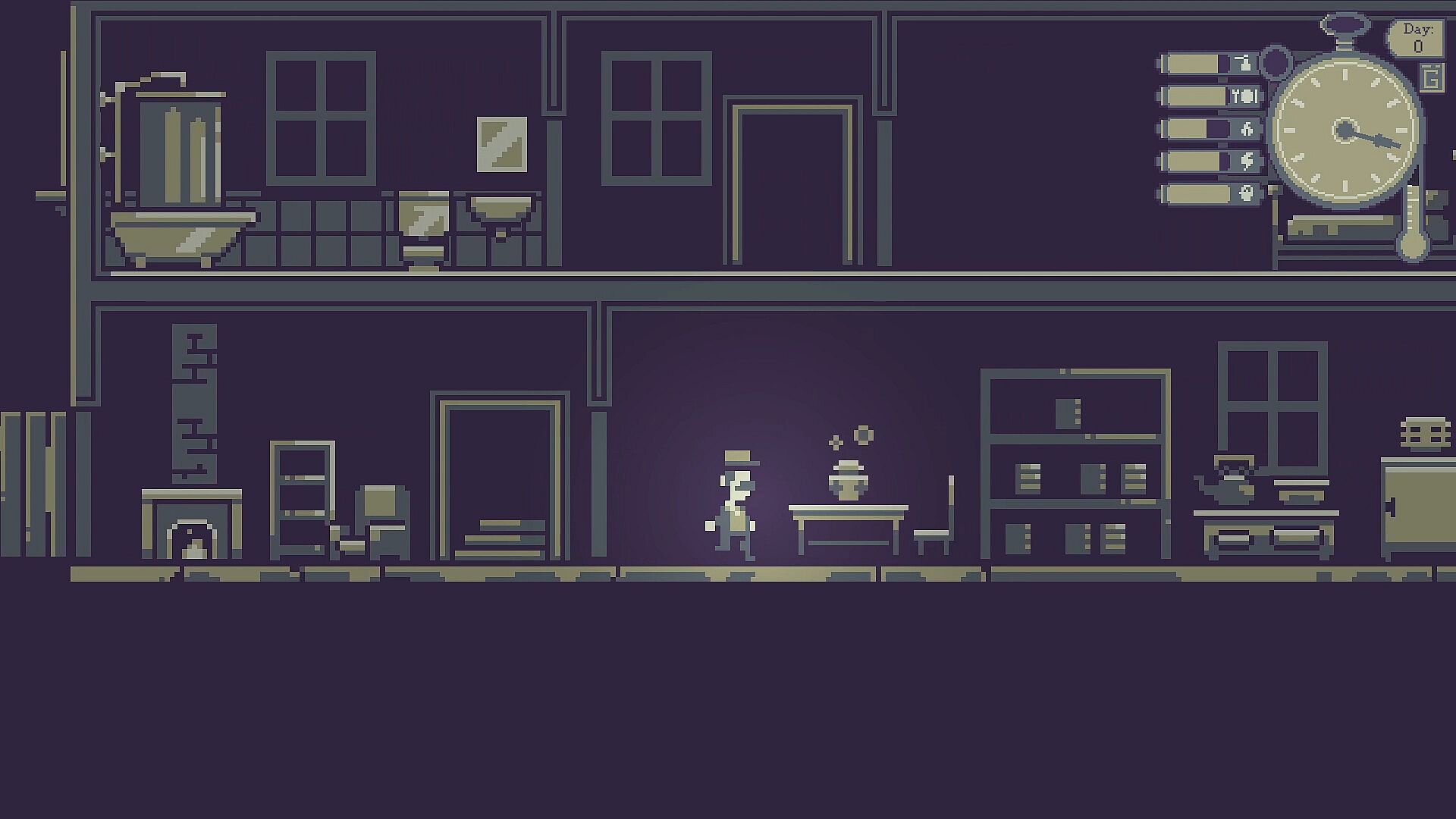
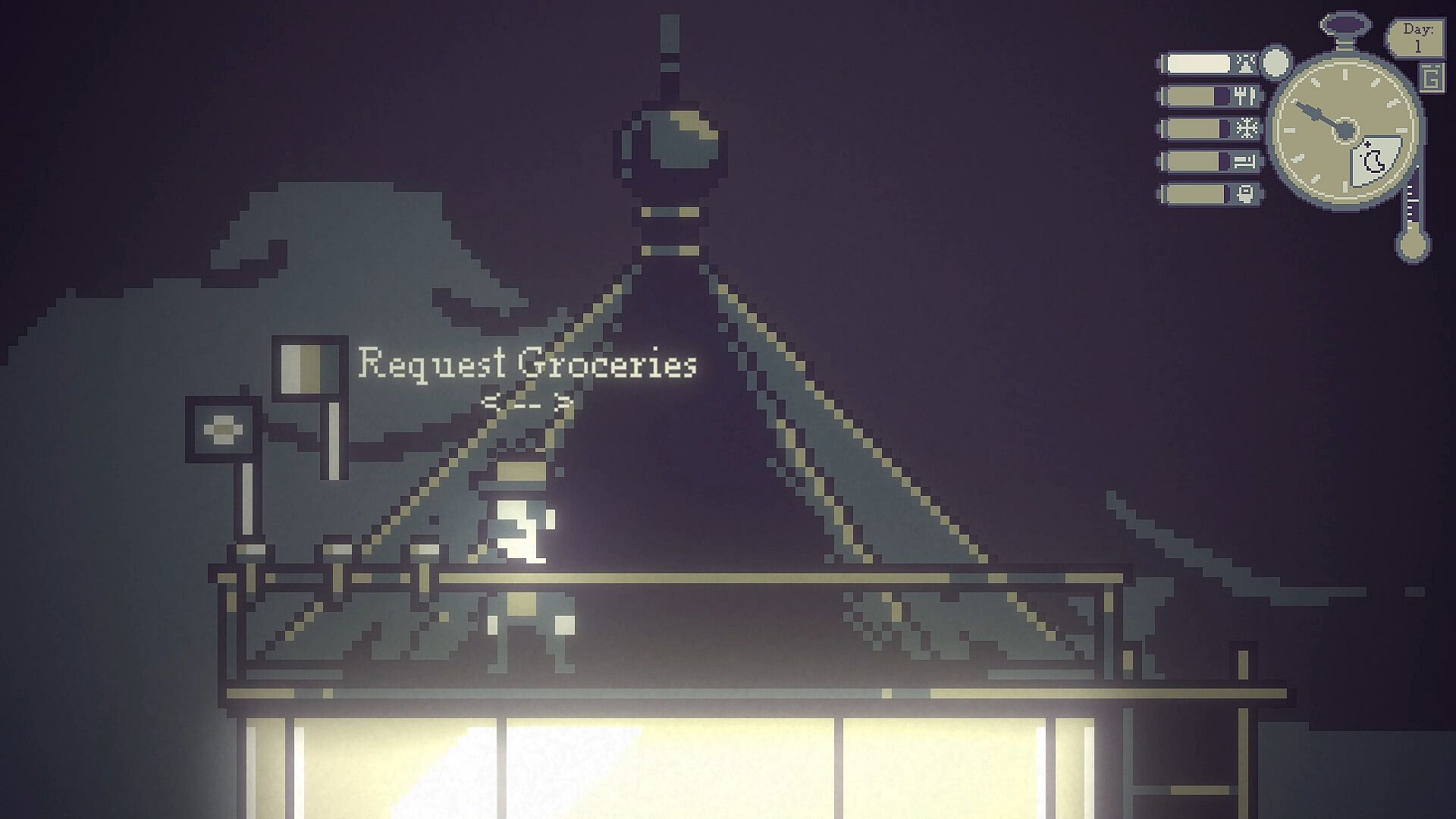
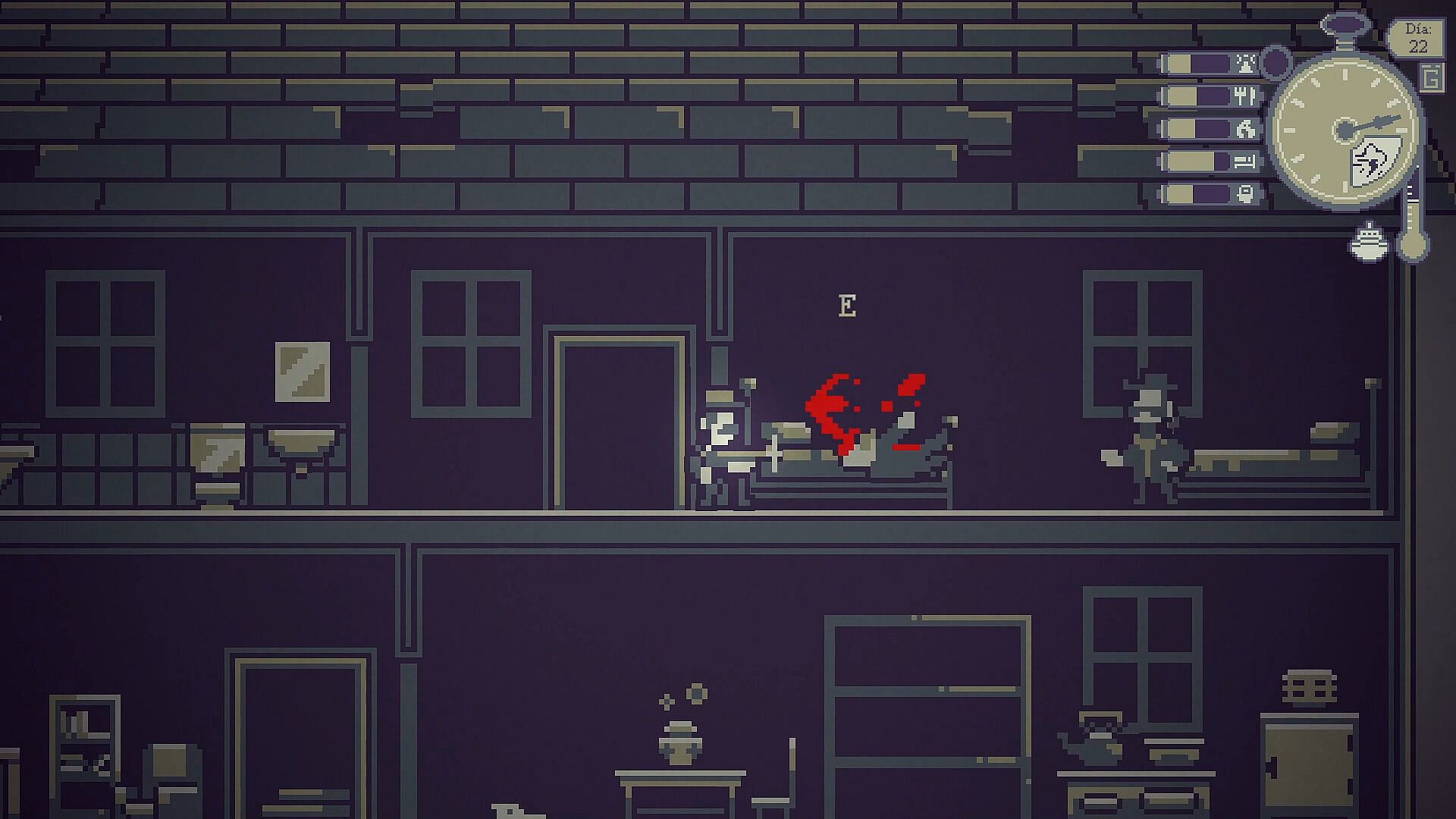
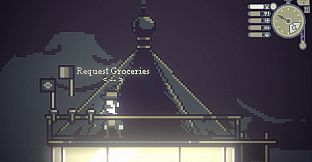
The core loop revolves around daily routines inside the lighthouse and across the island. Players move between multiple floors to perform maintenance tasks such as refueling the light, repairing equipment, and securing the structure against incoming storms. Resource tracking forms a central pillar, with limited stocks of food, oil, and wood requiring careful rationing. A flag system allows requests for resupply, though delays or shortages quickly escalate risks.
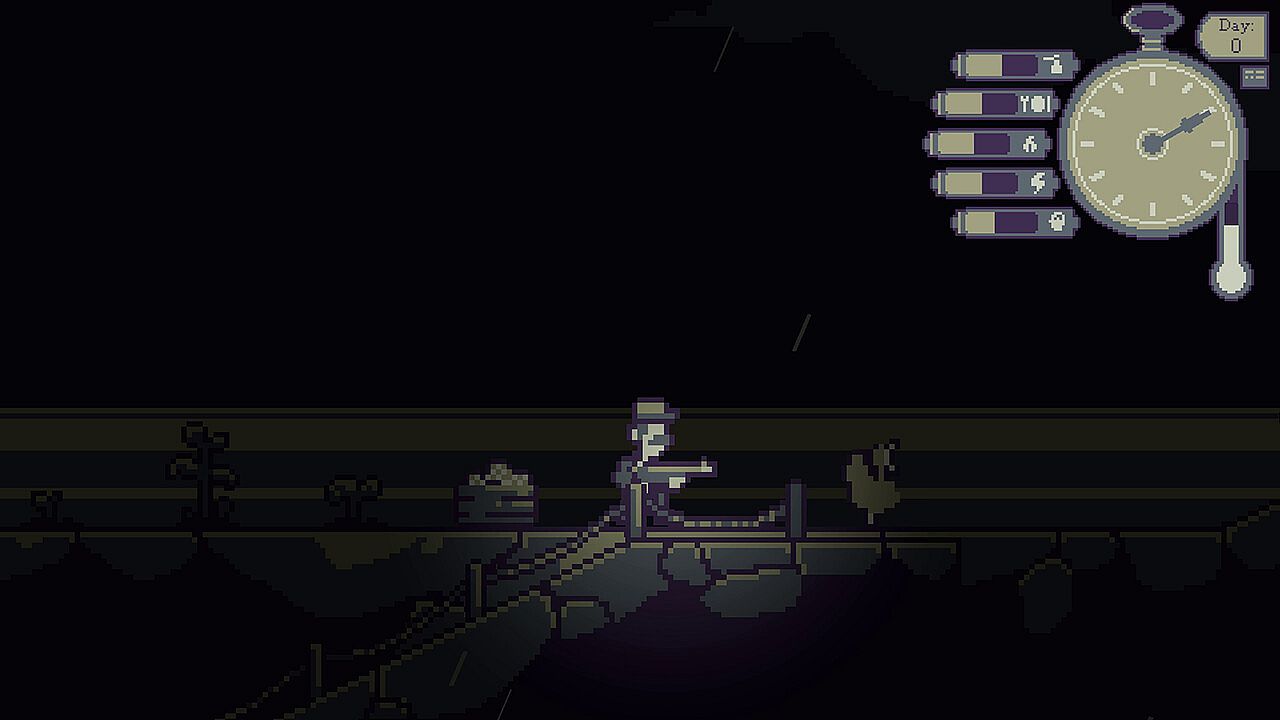
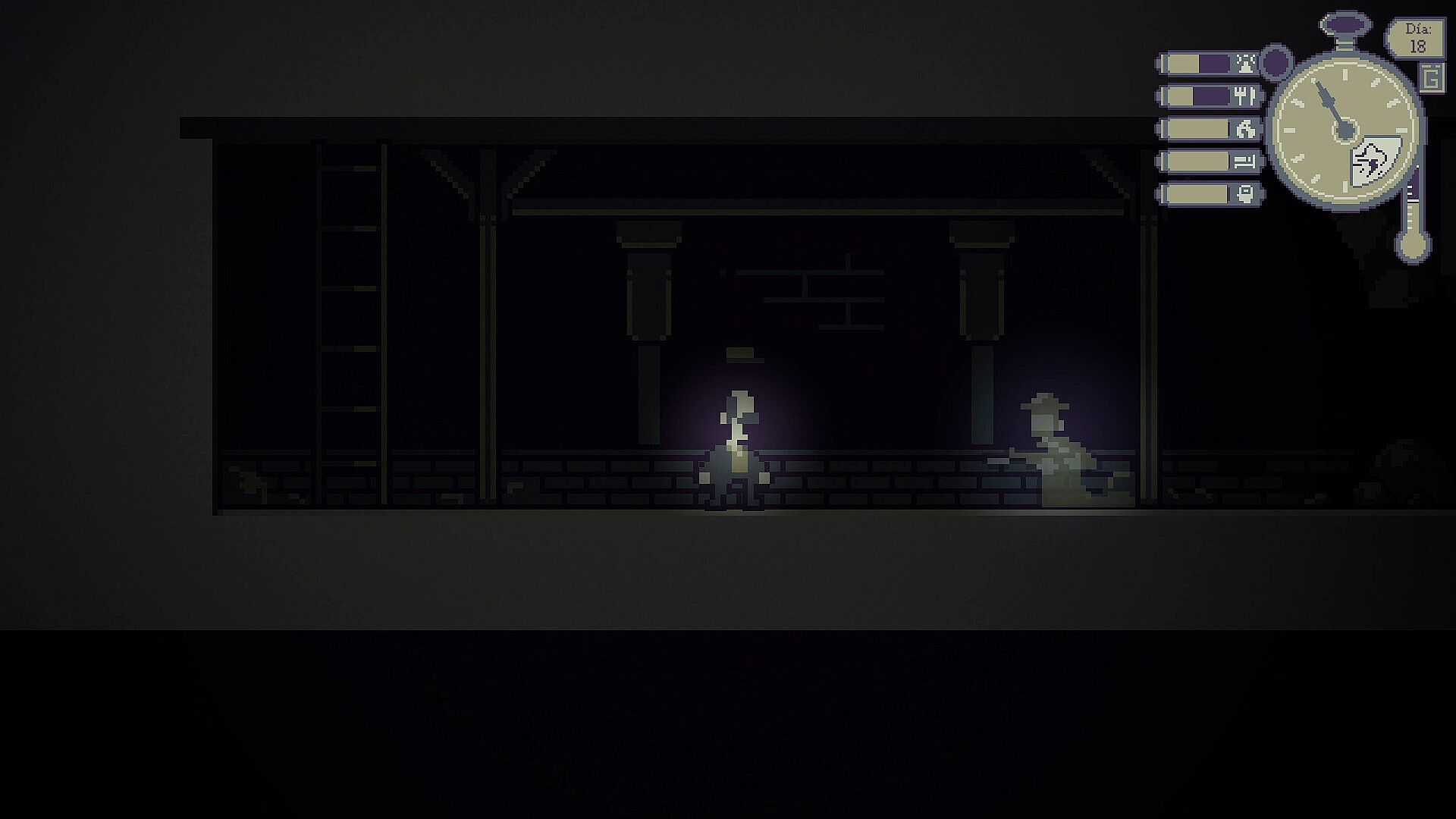
Sanity management adds tension to every action. Strange visions, whispers, and environmental events gradually wear down Lawrence's mental state, forcing players to balance practical duties with moments of rest or grounding activities. Weather plays a direct role, turning routine chores into hazardous endeavors during fog or heavy gales that can damage resources or heighten disorientation. Occasional visitor arrivals introduce branching decisions that influence available supplies and narrative direction.
Exploration extends beyond the lighthouse itself as players uncover layers of the island's past through notes, objects, and environmental clues. These discoveries tie into Lawrence's personal history and the fates of earlier keepers, rewarding attentive play with deeper context for the unfolding events.
Game Modes
The game operates entirely as a singleplayer experience without separate multiplayer or competitive modes. Progression follows a day-by-day structure centered on lighthouse duties, with player choices determining how events unfold and which of several endings is reached. Each playthrough encourages experimentation with resource allocation and sanity preservation to see different outcomes.
Replay value stems from the branching narrative paths rather than distinct game variants. Decisions made during visitor encounters or in response to sanity events alter the story trajectory, leading to fresh perspectives on the island's mysteries. No co-op, versus, or seasonal modes exist, keeping the focus on solitary survival and decision-making.
Story and Atmosphere
Set in a 1920s-inspired pixel art style, the island serves as both workplace and prison. The lighthouse stands as the central hub, its light a constant duty that ties directly to Lawrence's well-being. As days pass, the narrative peels back layers of the location's grim history alongside the keeper's own troubled background.
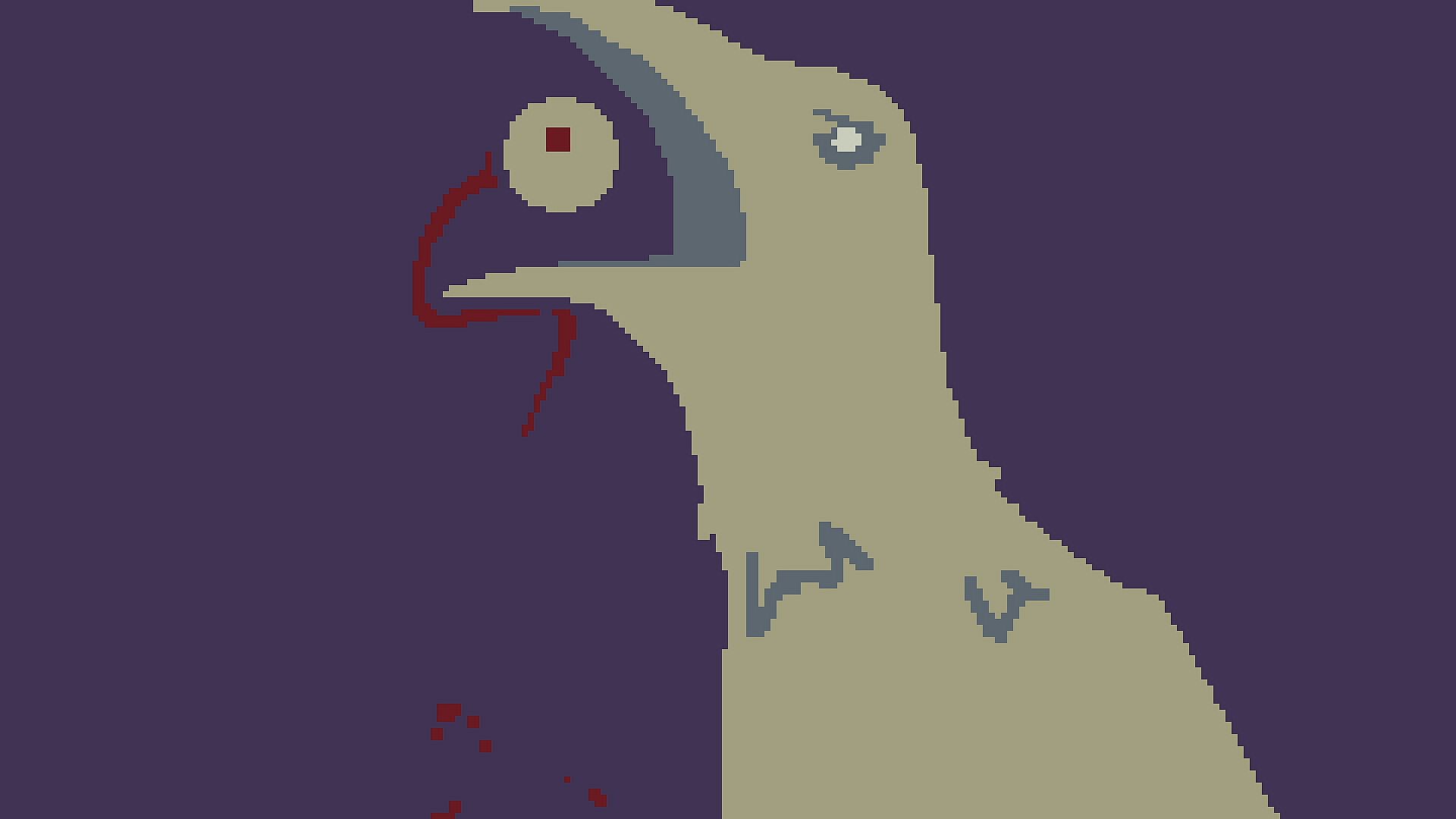
Audio and visual design emphasize creeping dread through subtle distortions and isolated soundscapes. Storms and fog not only affect mechanics but also heighten the sense of vulnerability. The overall tone stays grounded in psychological pressure rather than overt jumpscares, building unease through routine tasks that slowly unravel.
Is It Worth Playing?
Players who enjoy deliberate survival management paired with narrative choices will find a focused experience here. The game rewards patience with its systems for resources and sanity, while the multiple endings provide incentive for additional runs. Recent player feedback has been very positive, with an 86 percent approval rating from available reviews highlighting the atmospheric presentation and story elements.
Those seeking fast-paced action or multiplayer interaction may find the pace slower than expected. The title suits fans of introspective horror who appreciate managing limited supplies and interpreting ambiguous events. At its current price point and with ongoing singleplayer support, it offers a compact yet replayable package for the right audience.