






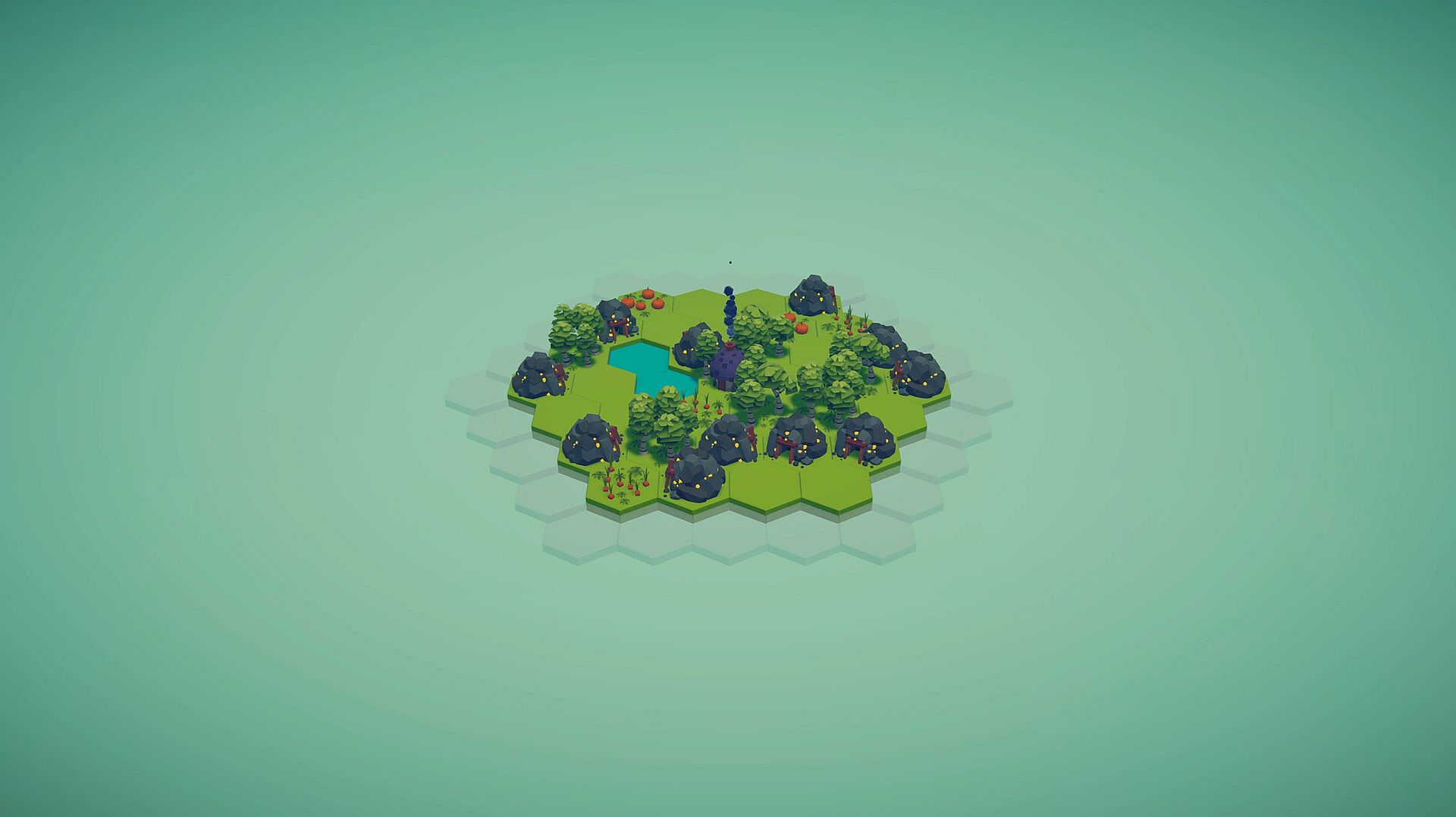
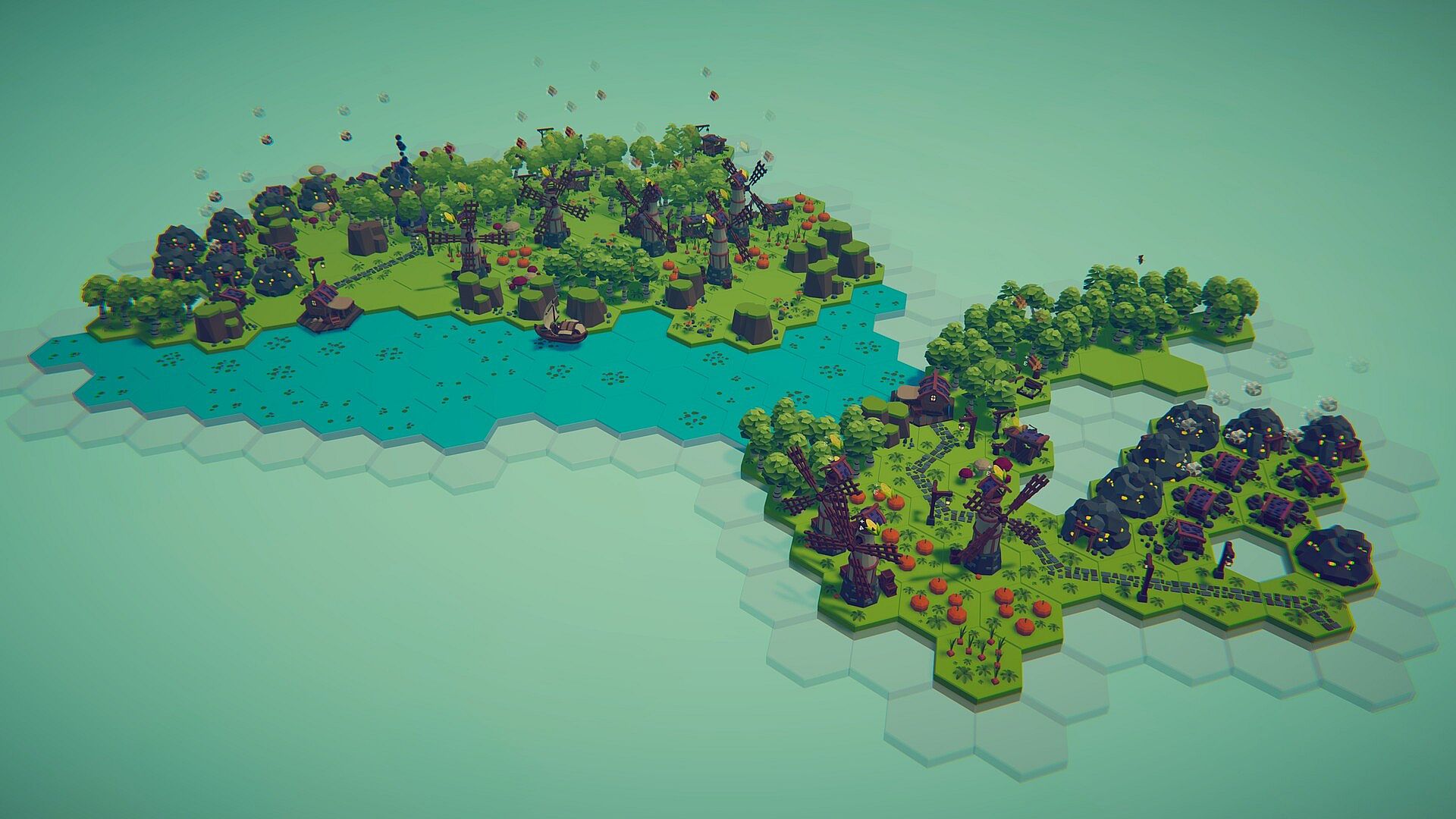
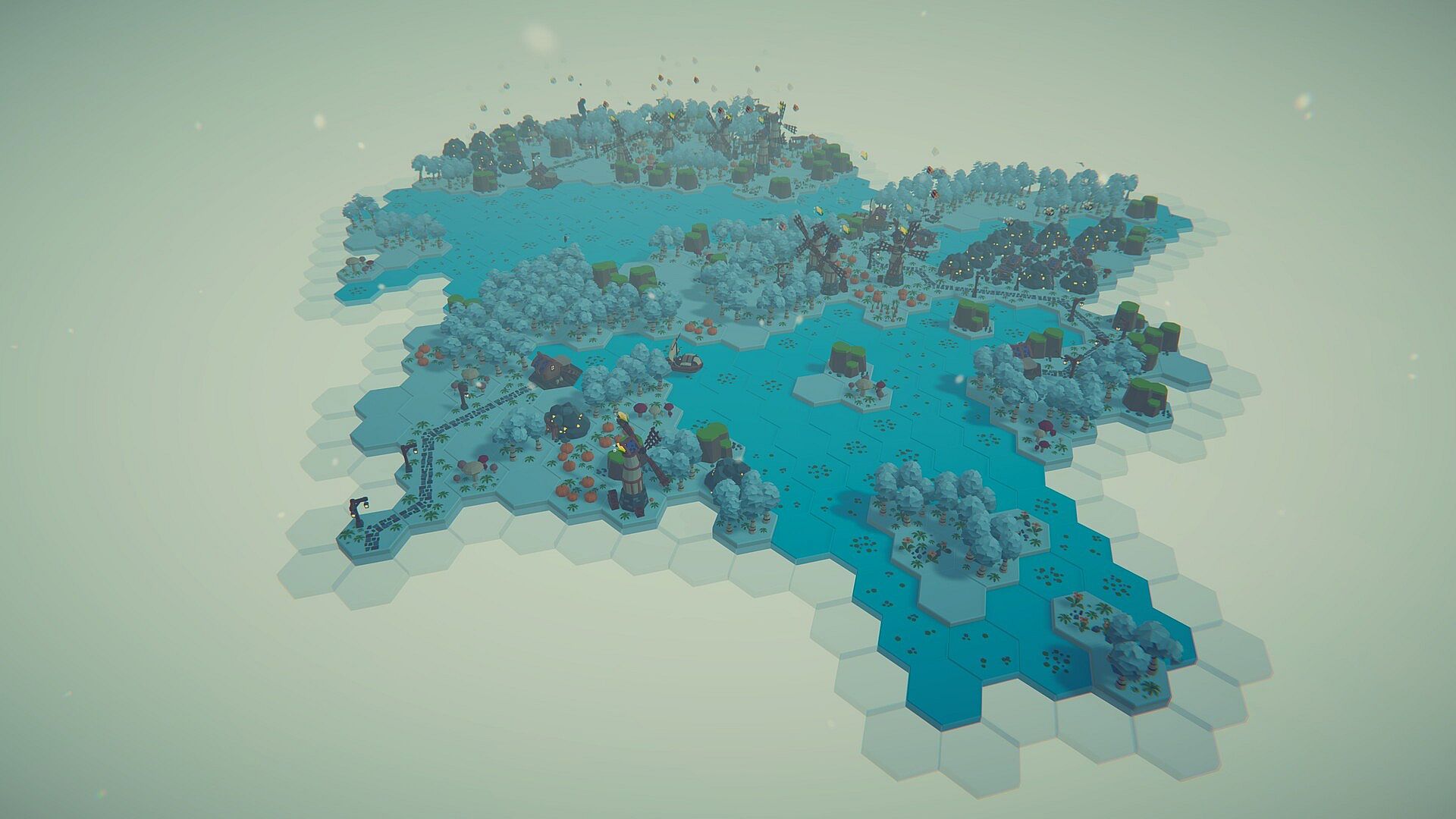
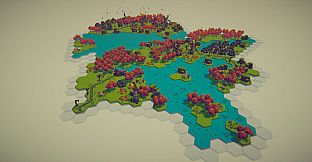
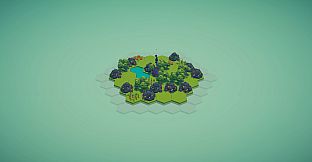
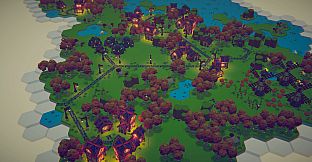
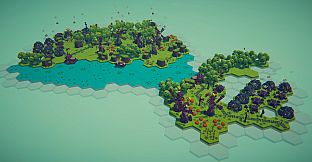
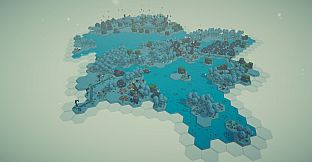
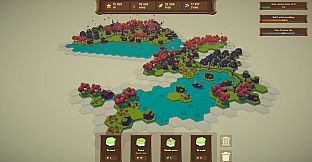
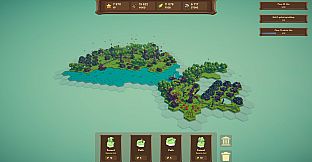
Little Lands is an indie casual adventure game focused on relaxed world building on PC. Players start with a small patch of land and expand it by placing hex tiles to create forests, fields, villages, rivers, and other features in a peaceful sandbox setting.
Gameplay
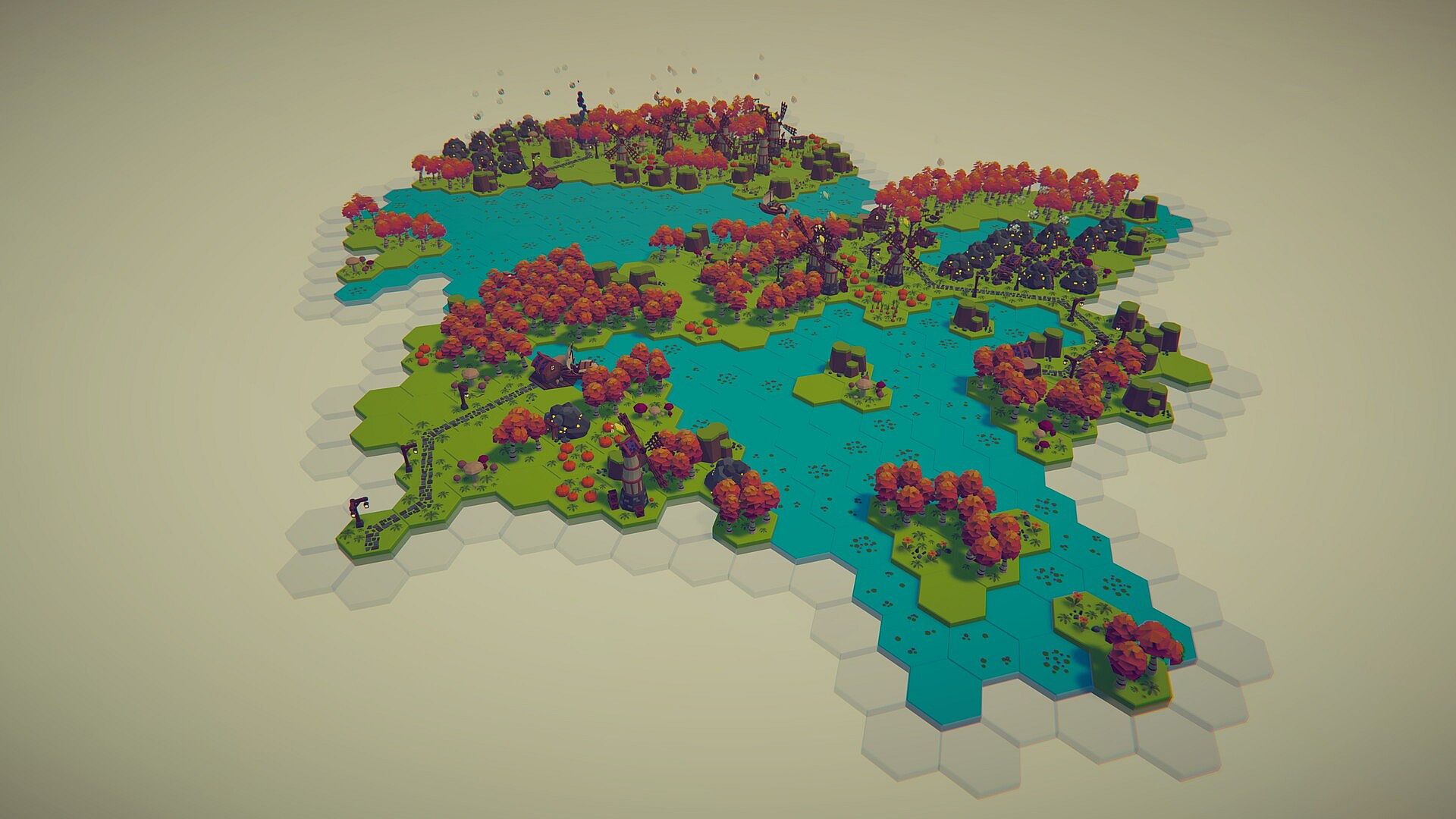
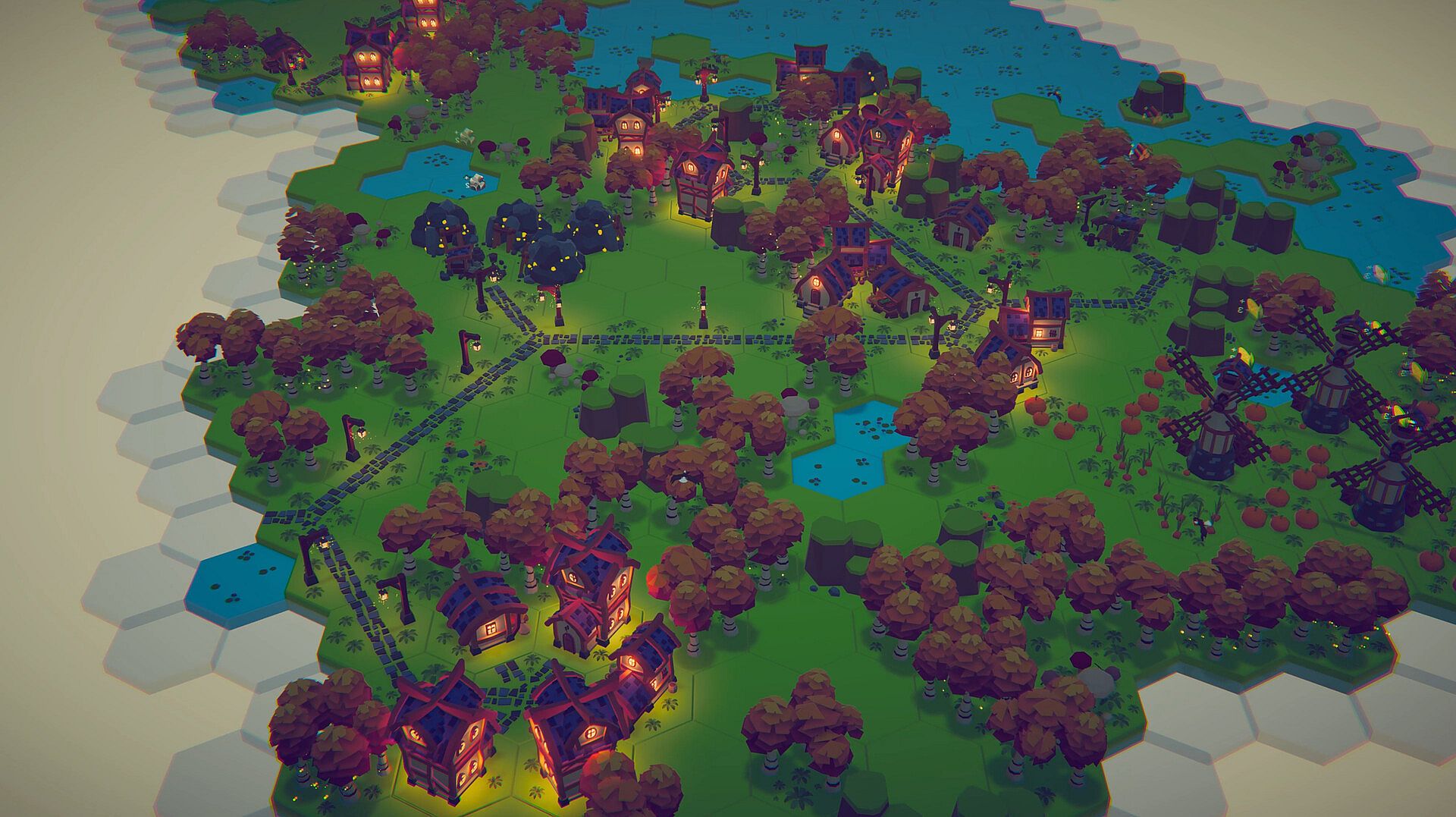
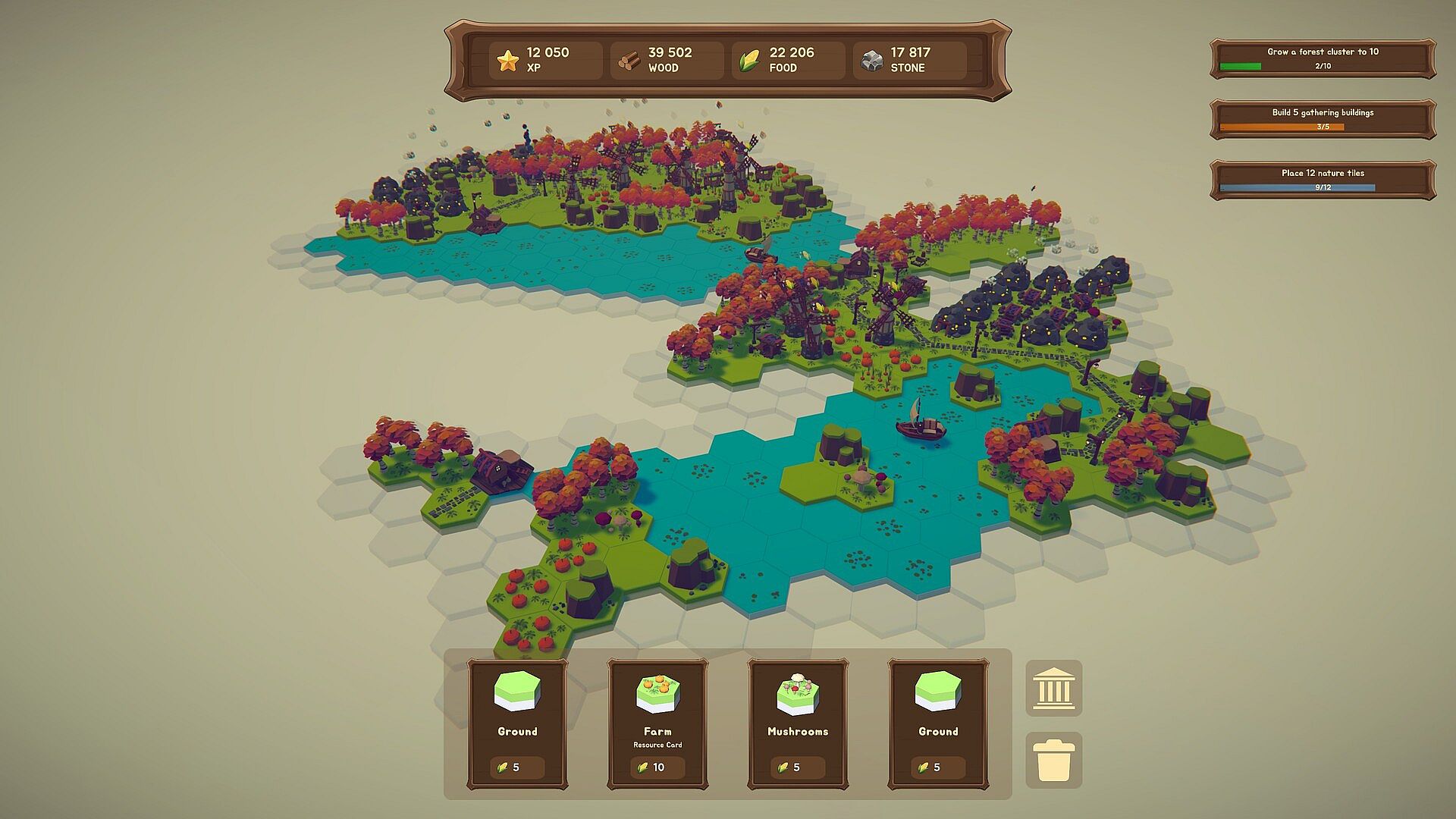
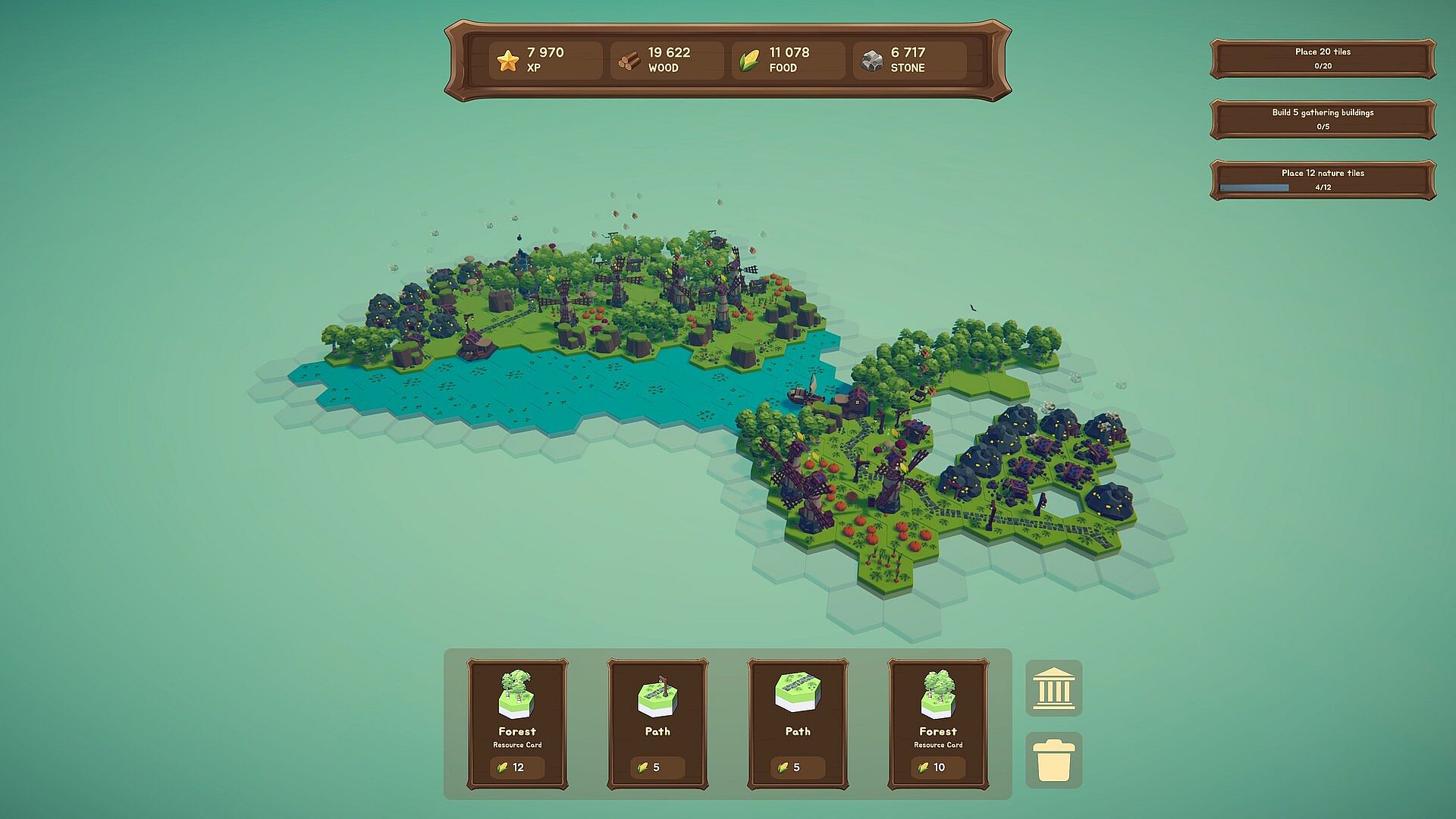
The core loop centers on placing hex tiles one at a time to grow a connected landscape. Each new tile draws from resources already present in the surrounding area, allowing players to add forests for wood, fields for food production, rivers for natural flow, and buildings that gather or process materials. Gathering wood, stone, and food fuels further expansion, while upgradeable structures increase output over time. Decorative elements such as flowers, mushrooms, and paths add visual detail without affecting mechanics. The system encourages experimentation with layouts, whether prioritizing efficient resource chains or simply arranging elements for aesthetic appeal. Progression remains open-ended, with no timers, enemies, or failure conditions to interrupt the process.
Game Modes
Little Lands offers a single continuous sandbox experience rather than separate named modes. The entire game revolves around freeform expansion and customization in one persistent world. There are no campaign levels, competitive challenges, or distinct scenarios to switch between. Players simply continue adding tiles and refining their creation for as long as they choose, with the same core systems available throughout.
Building and Expansion Systems
Expansion happens gradually through hex placement that connects new areas to the existing landscape. Resource management involves collecting materials from the world and investing them into gathering buildings that can be upgraded for better yields. This creates a steady loop where production supports larger builds, which in turn generate more resources. The absence of any score or completion requirement lets players focus on personal goals, such as creating dense forests, winding river networks, or clustered settlements. Upgrades to buildings provide tangible improvements to output, while decorative tiles allow fine-tuning of the visual style without mechanical trade-offs.
Relaxed Creative Approach
The design deliberately avoids pressure or optimization demands. Players decide their own pace and priorities, whether arranging tiles for maximum efficiency or placing them purely for charm and beauty. The world grows organically from small beginnings into larger, interconnected environments without any endpoint or reset. This structure suits those who enjoy creative expression through building and resource systems in a low-stress environment free from combat, timers, or punitive mechanics.
Is It Worth Playing?
Little Lands suits players seeking a peaceful, creative sandbox on PC where the focus stays on gradual world growth and personal design choices. Its simple hex-based expansion and resource systems deliver steady progression without complexity or external demands. Those who appreciate endless building games with no failure states or competitive elements will find a consistent, low-pressure experience that supports long sessions of experimentation and decoration. The game remains available as a straightforward singleplayer title emphasizing freedom over structured objectives.











